Vet assistant’s guide to safe fruits for dogs: best choices, prep tips, portion sizes by dog size, warning signs, and fruits to avoid like grapes and raisins.
Article
•
Designer Mixes
Can Dogs Eat Grapes?

Shari Shidate
Designer Mixes contributor
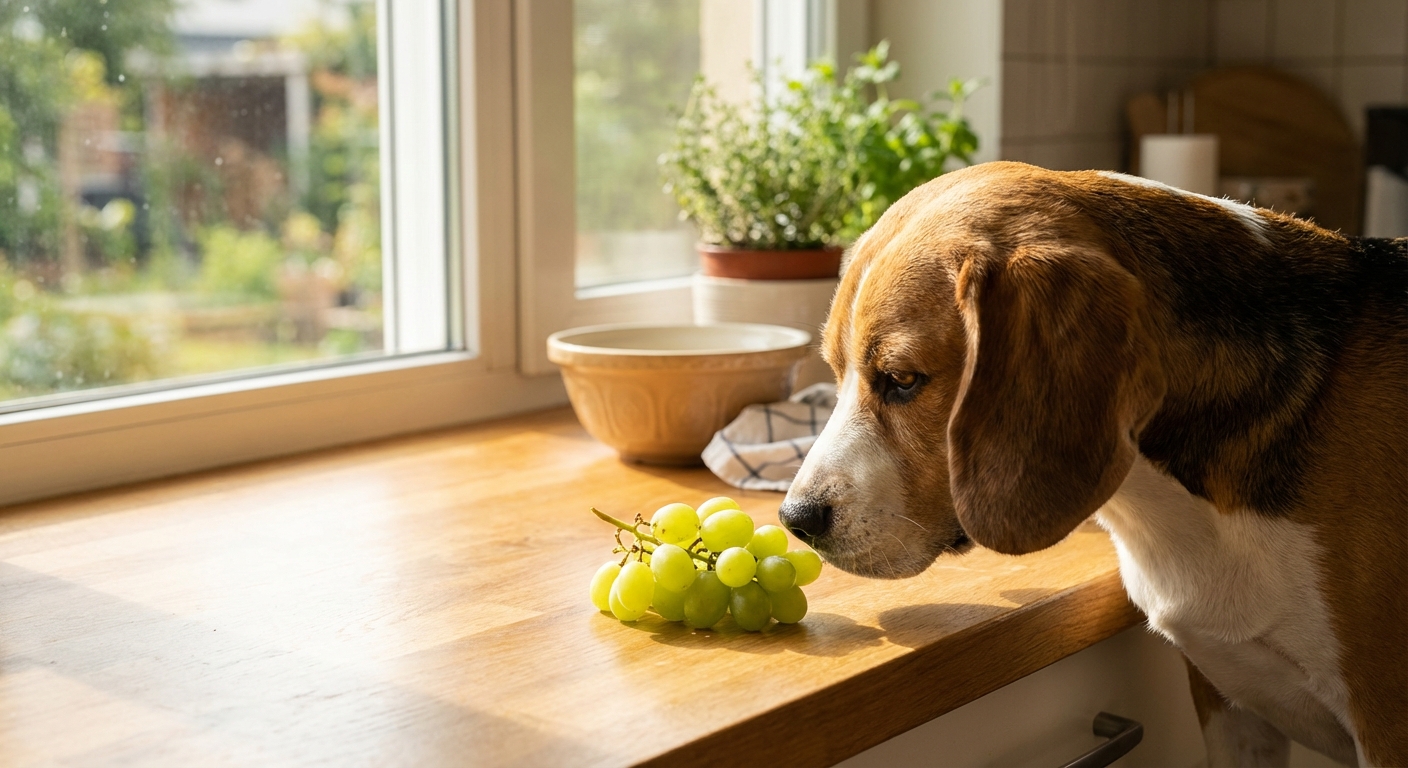
As a veterinary assistant here in Frisco, Texas, I have to say this as clearly as I can: dogs should never eat grapes, raisins, or currants. Not as a treat. Not “just one.” Not because your neighbor’s dog “did fine.” These fruits are some of the most unpredictable and potentially deadly food toxins we see in dogs.
The scary part is that some dogs can develop life-threatening kidney injury after eating a small amount. Others may eat more and seem okay. We cannot reliably predict which dog will be sensitive, and we do not have a home test that tells you, “Your dog will be fine.” That uncertainty is exactly why veterinarians treat any grape, raisin, or currant exposure seriously.
Why grapes are so dangerous
Grapes and raisins can cause acute kidney injury in dogs. “Acute” means it comes on suddenly. Stomach upset can start within hours, while kidney damage may show up later, often on bloodwork within about 24 to 72 hours. Kidney injury can progress to kidney failure, and kidney failure can be fatal without urgent treatment.
Why this toxin is tricky
- The exact toxin is not fully settled: The mechanism and why some dogs are affected more than others are still being studied. Tartaric acid and potassium bitartrate have been proposed as likely contributors, but there is still variability we cannot explain. Bottom line: grapes and raisins are unsafe.
- No proven safe dose: There is no amount that is known to be safe for all dogs. Larger ingestions raise risk, but very small amounts have caused severe toxicity in some dogs.
- All forms count: Red grapes, green grapes, seeded, seedless, organic, non-organic, fresh, dried (raisins), and foods with real grape or raisin pieces are all concerns.
If you take away one message from this article, let it be this: grapes, raisins, and currants are not a “maybe.” They are a “never.”
Can one grape be deadly?
It can be, yes, especially in a small dog, a dog with underlying health issues, or a dog that is simply highly sensitive. I wish I could give you a neat, comforting number like, “One grape is fine,” but I cannot, because veterinary medicine does not support that promise.
Here is the honest, evidence-based truth: some dogs have developed kidney failure after eating very small amounts. Others do not. Because we cannot predict sensitivity, the safest and most responsible approach is to treat any ingestion as an emergency that warrants a call to your veterinarian or a pet poison resource.
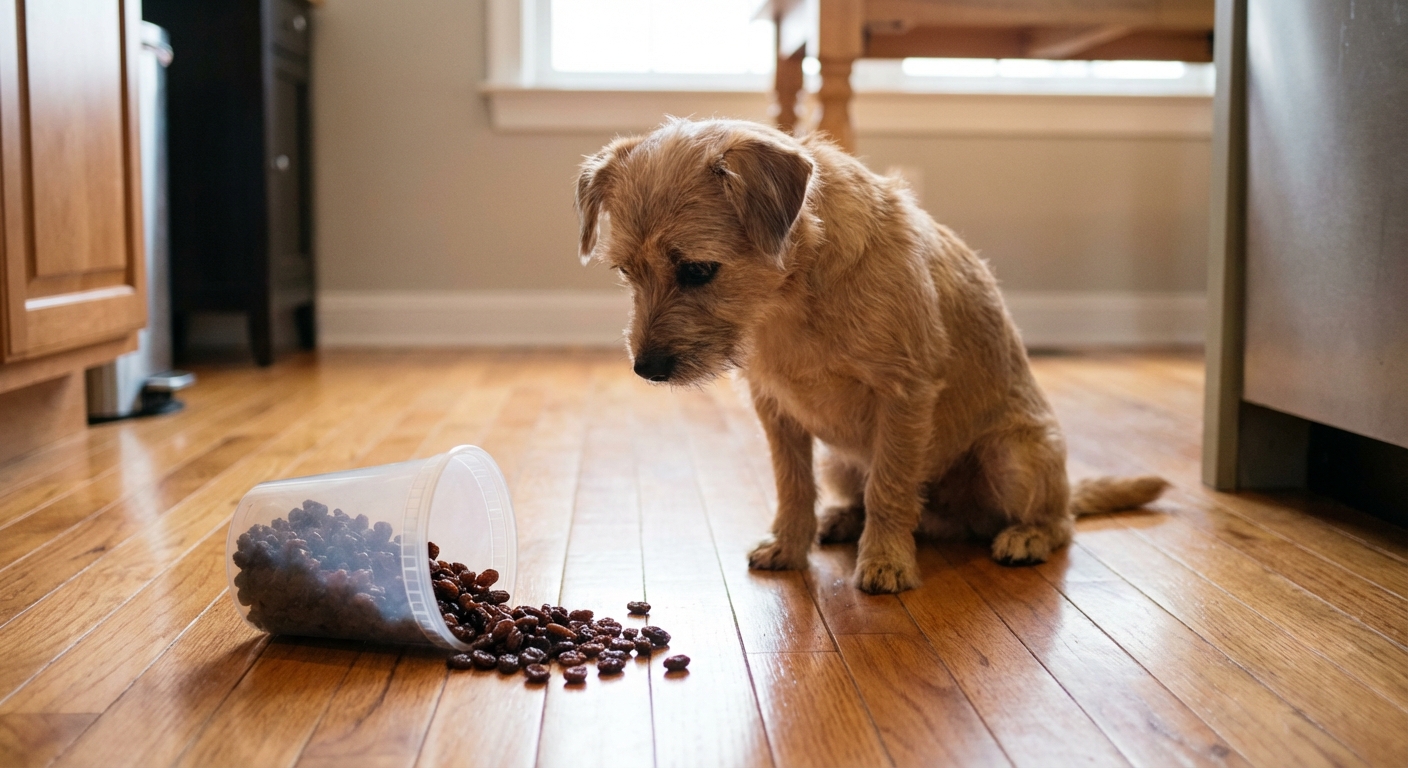
Symptoms to watch for
Symptoms can start within a few hours, but in some dogs they can be delayed. Also, kidney injury may be developing even if early signs are mild. Do not wait for symptoms to appear before getting help.
Common early signs
- Vomiting (often within a few hours)
- Diarrhea
- Drooling or nausea
- Refusing food
- Abdominal discomfort
- Unusual tiredness or weakness
Possible kidney injury signs
- Increased thirst
- Increased urination early on, or decreased urination later
- Dehydration
- Bad breath (uremic odor)
- Tremors or severe lethargy
Important: Not seeing symptoms yet does not mean your dog is safe. Acting early can truly protect kidney function and save a life.
What to do right now
If your dog ate grapes, raisins, or currants, time matters. The sooner you act, the more options your veterinary team has.
Step-by-step
- Remove any remaining grapes or raisins so your dog cannot eat more.
- Gather the details: how much may have been eaten, when it happened, your dog’s weight, and any current medications or health problems.
- Call your veterinarian immediately. If it is after hours, call an emergency vet.
- You can also call a pet poison resource for guidance (a consultation fee may apply):
- ASPCA Animal Poison Control Center: 888-426-4435
- Pet Poison Helpline: 855-764-7661
Do not do this without guidance
- Do not “wait and see.” Waiting can allow kidney injury to develop.
- Do not induce vomiting at home unless a veterinarian tells you to. It is not safe for every dog or every situation, and timing matters.
- Do not give anything without veterinary direction, including oils, milk, bread, supplements, or activated charcoal. Activated charcoal is sometimes used, but your vet will decide if it is appropriate and what dose is safe.
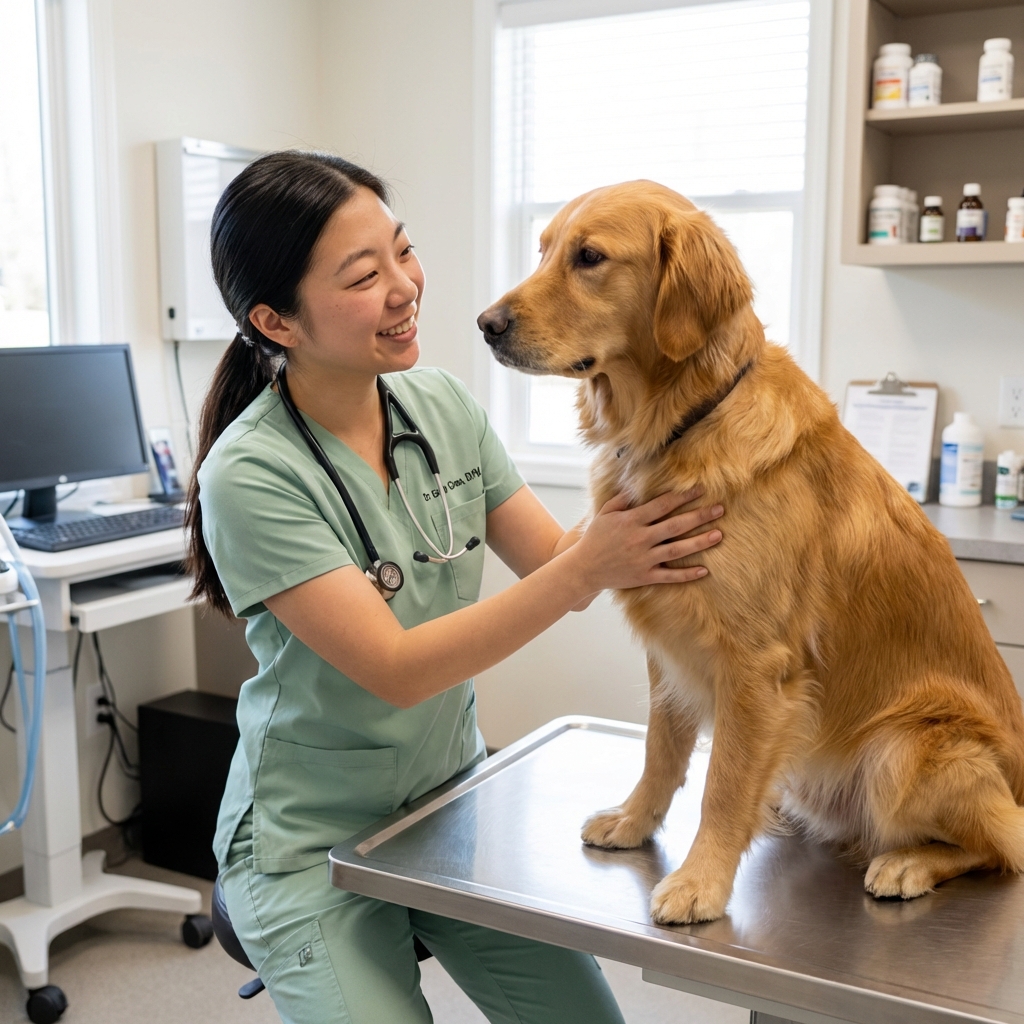
How vets treat it
Treatment depends on how much was eaten, how recently, and how your dog is doing clinically.
Common care
- Decontamination: If the ingestion was recent, the vet may induce vomiting and may give activated charcoal to reduce absorption.
- IV fluids: Fluids help support kidney perfusion and protect the kidneys as the body clears toxins. Many dogs benefit from 24 to 72 hours of IV fluids.
- Bloodwork and urinalysis: Vets monitor kidney values and hydration, and check for changes that signal kidney stress. Because kidney values can rise later, repeat labs are common.
- Supportive medications: Anti-nausea meds, GI protectants, and other treatments based on the case.
When dogs are treated early, outcomes are often much better. Some dogs recover fully. Others can be left with lasting kidney damage, especially if treatment is delayed.
Common hidden sources
One reason grape toxicity catches families off guard is that grapes and raisins show up in everyday foods. Keep these away from your dog and be extra careful during holidays and parties.
- Trail mix
- Oatmeal raisin cookies
- Raisin bread, bagels, and muffins
- Granola bars and cereals
- Fruit salads
- Some energy bars and “natural” snacks
Note: “Grape-flavored” foods are often made with artificial flavoring and may not contain real grapes, but do not assume. If a product contains real grapes, raisins, currants, or grape/raisin pieces, treat it as unsafe. When in doubt, read the ingredient list and keep it away.
Safer fruit options
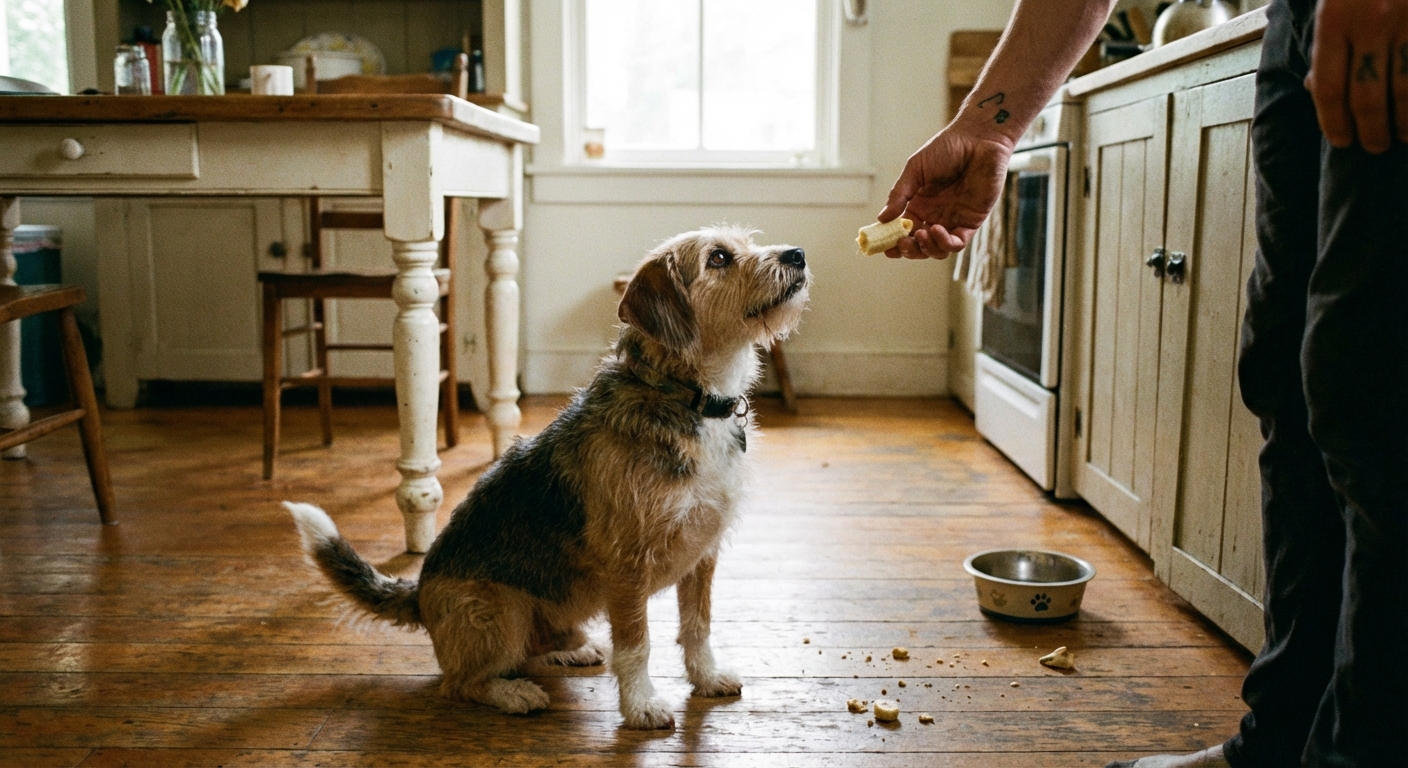
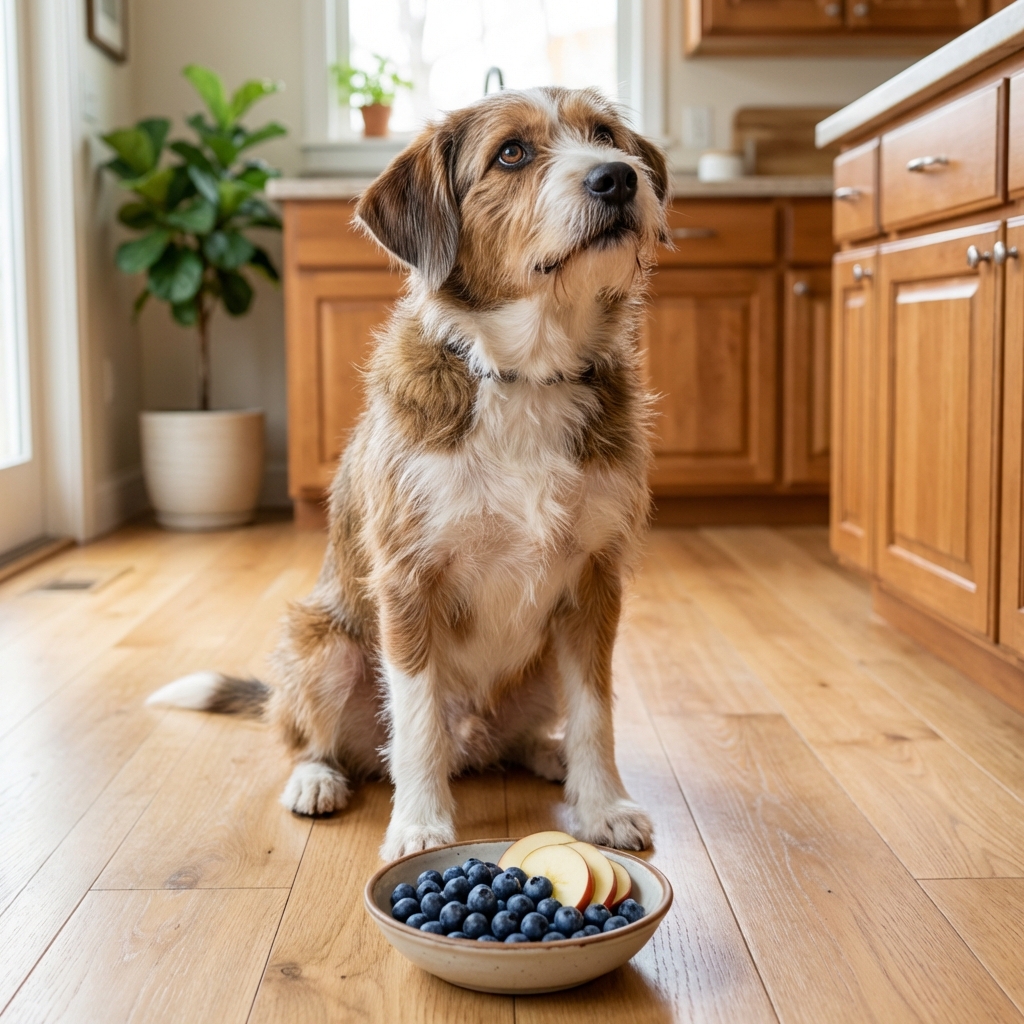
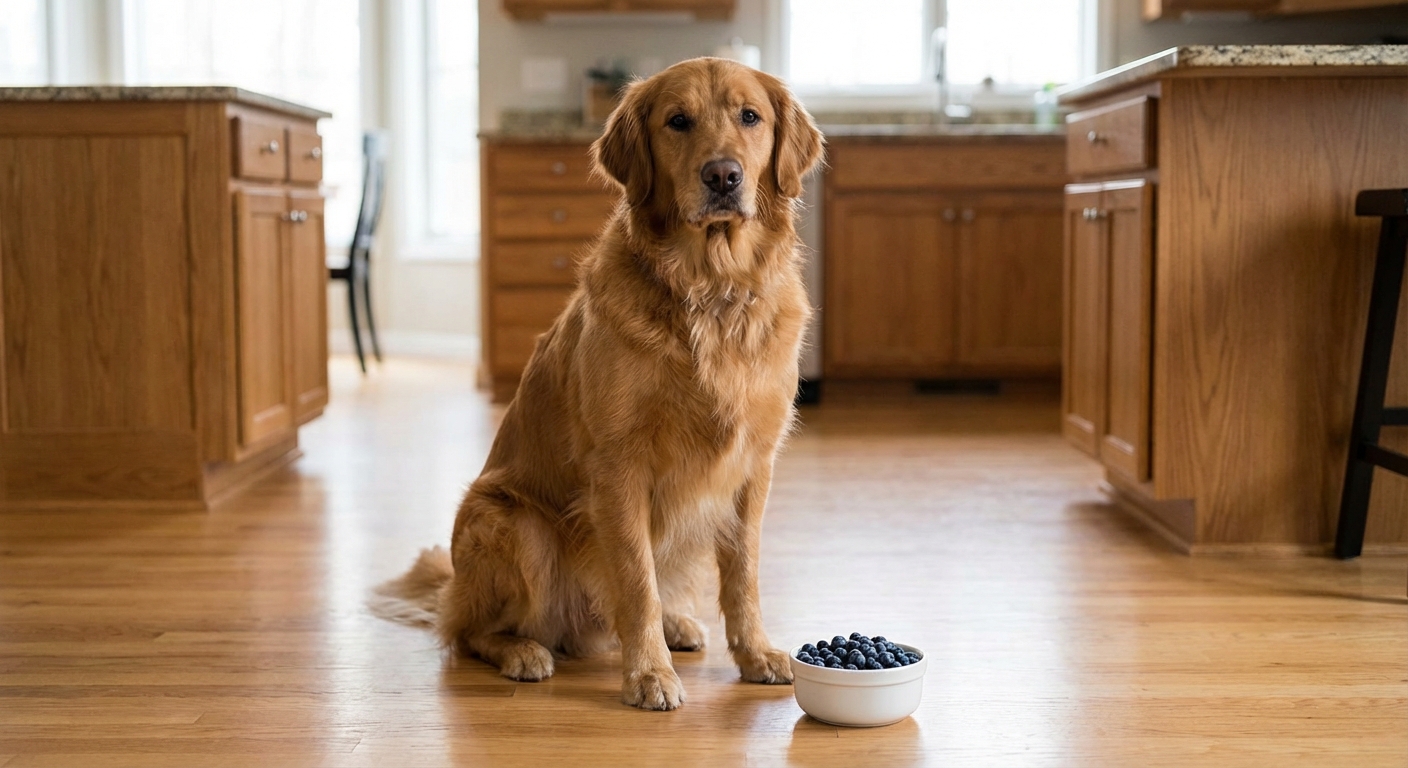
I love helping families find treats that feel fun and fresh without the danger. If your dog enjoys sweet snacks, these are commonly considered safer choices in appropriate portions:
- Blueberries
- Apple slices (no seeds or core)
- Strawberries
- Watermelon (no rind, no seeds)
- Banana (small amounts)
Even safe fruits should be treated like treats, especially for dogs with pancreatitis history, diabetes, or weight concerns. When in doubt, ask your veterinarian what fits your dog’s health needs.
Prevention tips
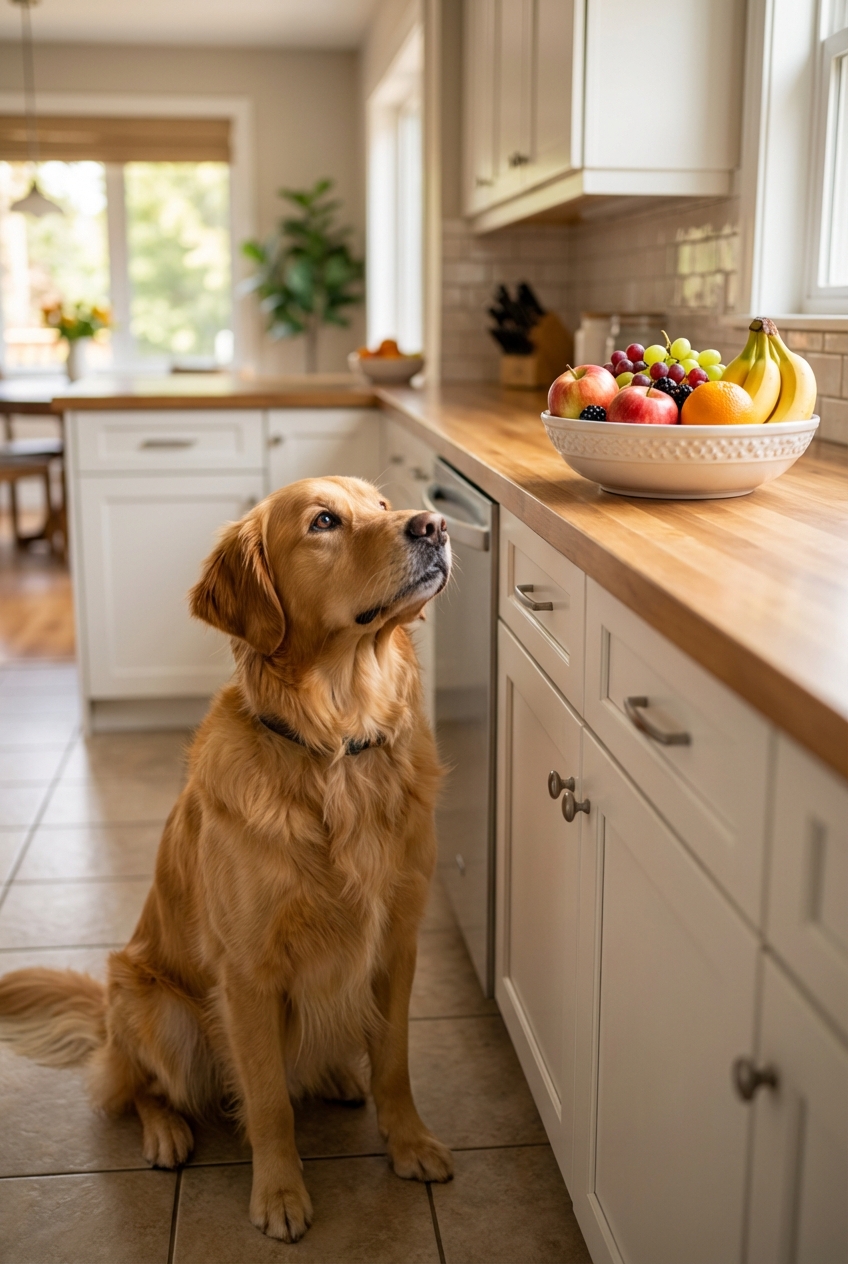
- Store grapes and raisins out of reach, preferably in a high cabinet or closed pantry, not in a bowl on the counter.
- Teach “leave it” and reward heavily. This cue can prevent emergencies.
- Talk to kids and guests about never sharing grapes or raisins with pets.
- Watch dropped foods during baking and holiday gatherings.
If you remember nothing else: grapes, raisins, and currants are a zero-tolerance food for dogs. The risk is too high and too unpredictable.
When to call the vet
Call your veterinarian or an emergency clinic immediately if your dog eats any grapes, raisins, or currants, even if they seem normal. Early care can mean the difference between a quick recovery and a life-threatening crisis.
If you are reading this because it just happened, pause here and make the call now. You can come back to the article once your dog is getting the help they need.