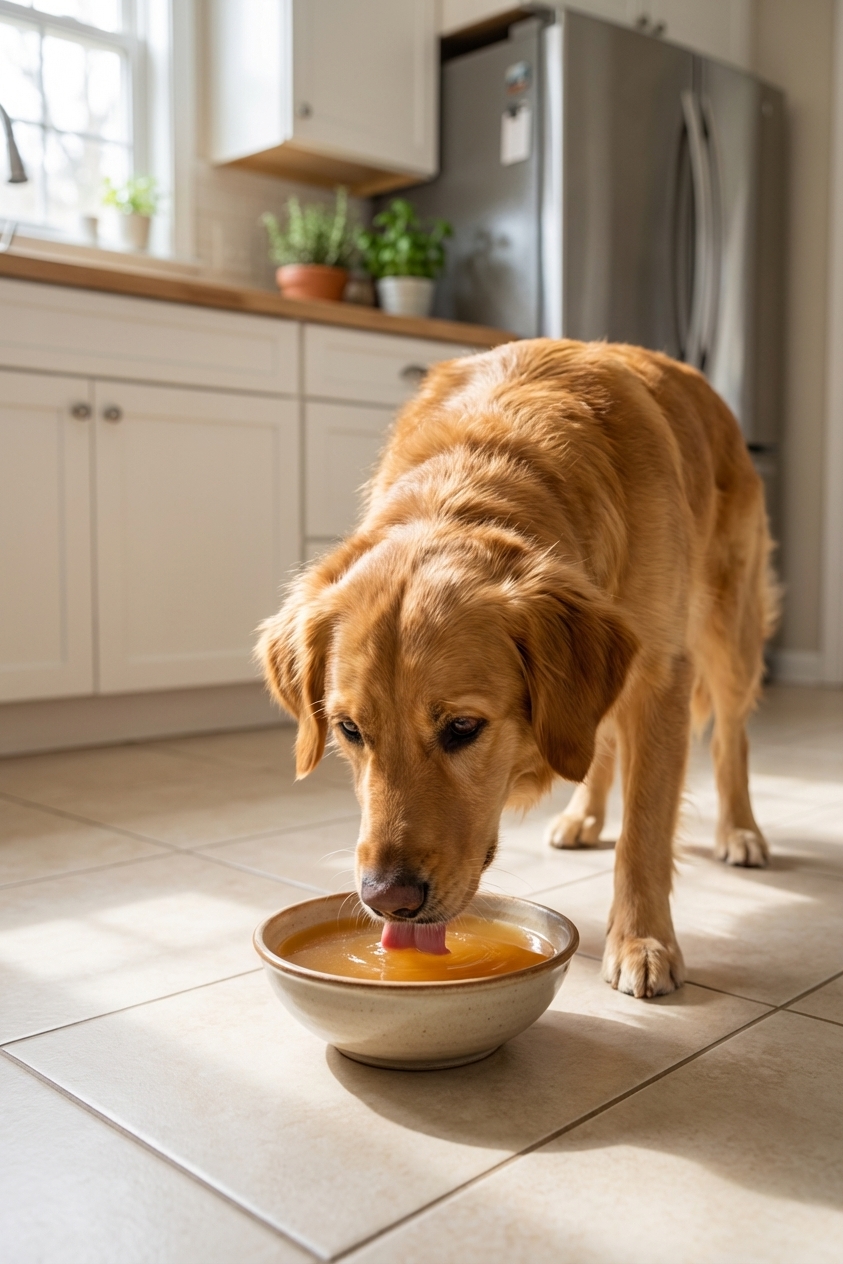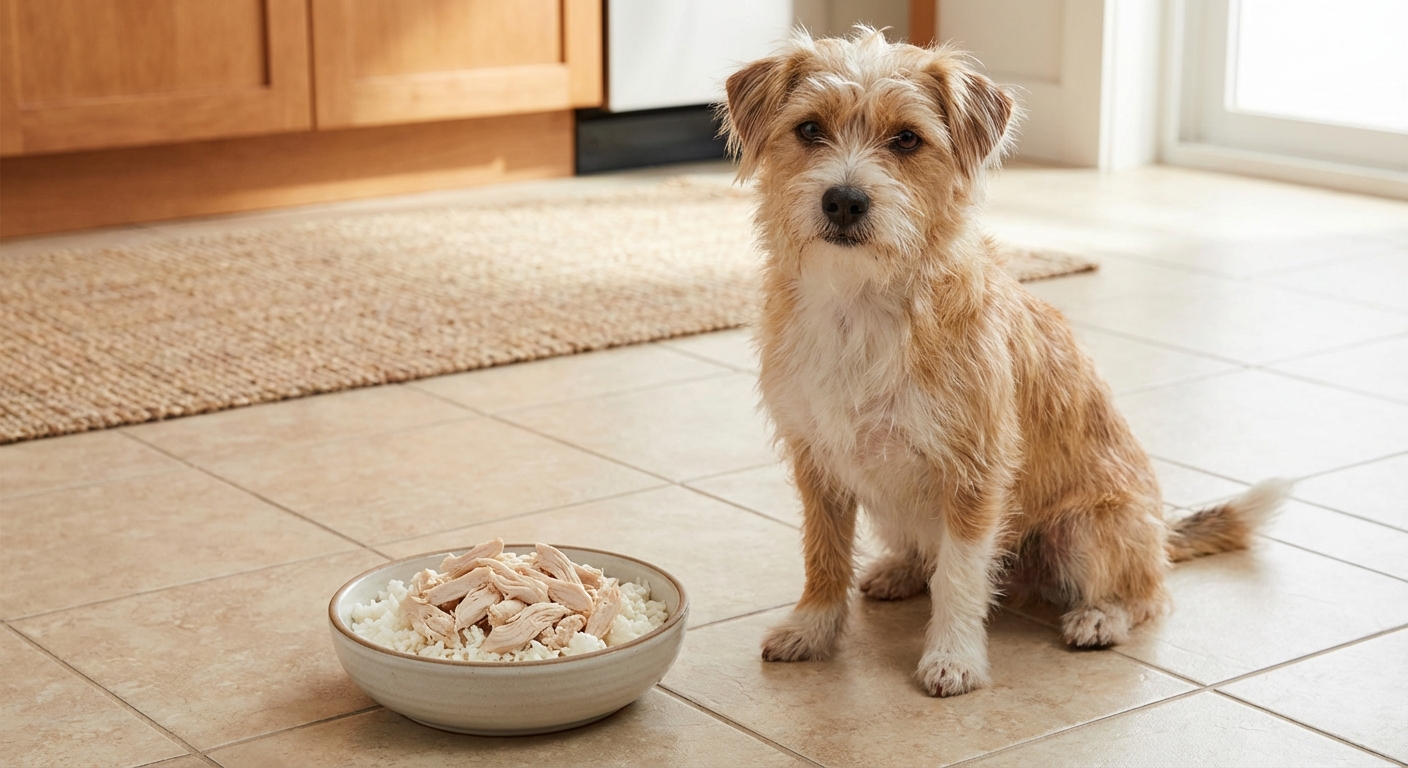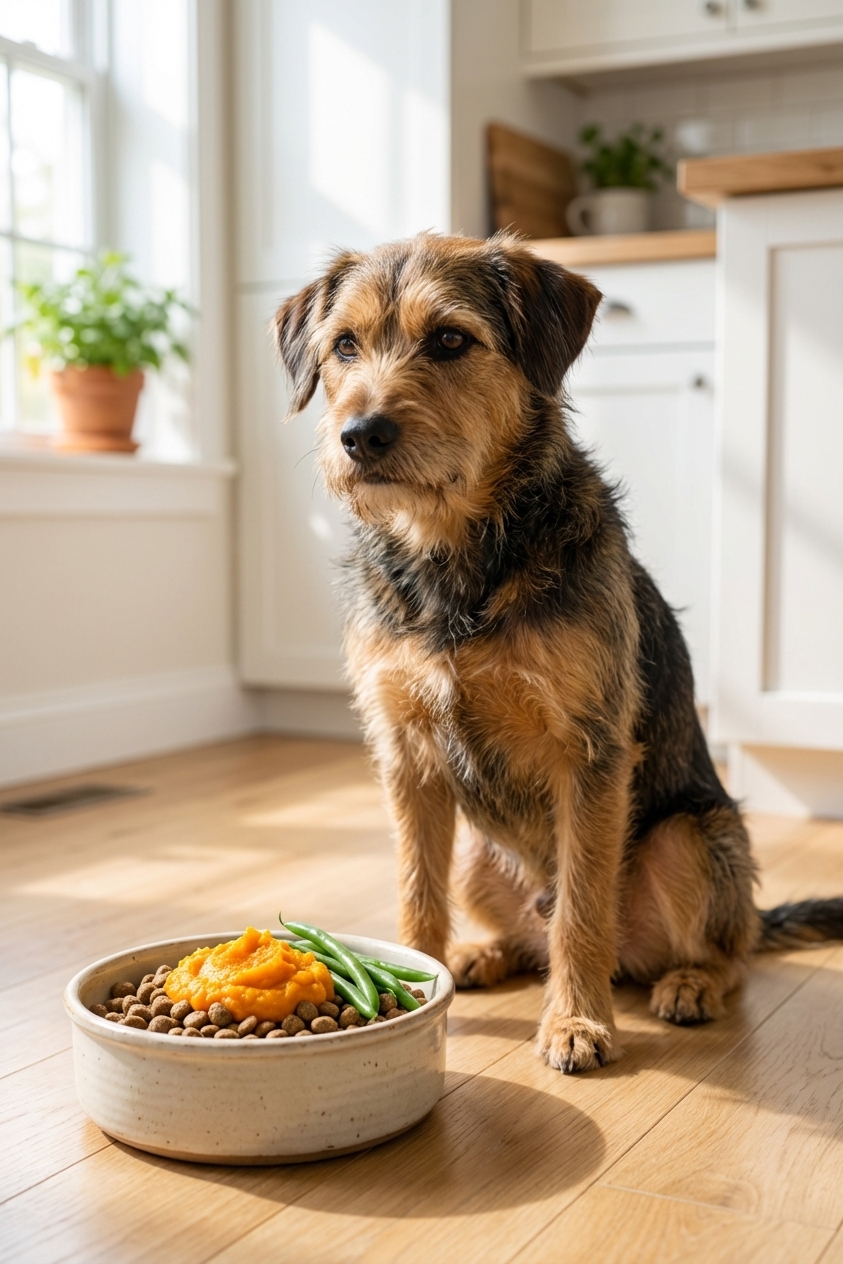
Make meals more tempting and nutritious with simple dog food toppers: bone broth, cooked eggs, sardines, pumpkin, and steamed veggies—plus portions, storag...
Article
•
Designer Mixes
Can Dogs Eat Garlic? Myth vs Vet Facts

Shari Shidate
Designer Mixes contributor
Garlic is one of those ingredients that can spark serious debate among dog owners. Some people swear it is a natural immune booster. Others are convinced a single clove is dangerous. As a veterinary assistant in Frisco, Texas, I have heard both sides, and here is the evidence-based takeaway: garlic can be harmful in certain amounts, but a tiny taste is not automatically an emergency for most dogs.
That said, because individual sensitivity and dose can be hard to estimate (especially with powders), if your dog ate more than a small lick or taste, it is smart to call your veterinarian or a pet poison hotline for quick guidance.
Let’s walk through what veterinarians and toxicology research actually say, why the myth persists, and how to make safe choices for your own pup.

Where the myth came from
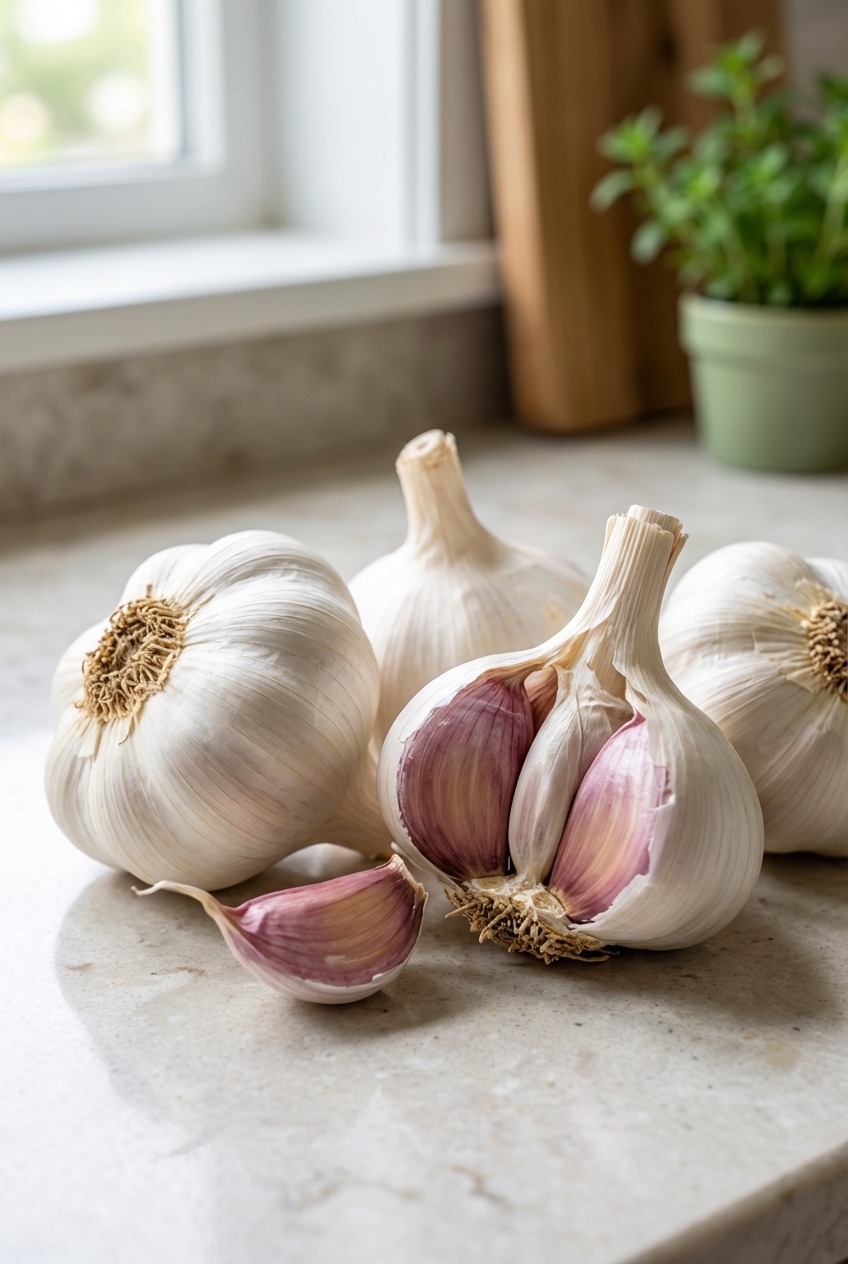
The “garlic is always toxic” message spread because garlic is part of the Allium family (along with onions, chives, and leeks). Alliums contain compounds that can damage red blood cells and, in enough quantity, cause hemolytic anemia in dogs.
That is real, and it is why many sites simplify the guidance to “never.” But real life is more nuanced: toxicity depends on dose, dog size, frequency, and individual sensitivity.
What garlic does in the body
Garlic contains organosulfoxides (including thiosulfates) that can lead to oxidative damage to red blood cells. With a high enough dose, a dog can develop:
- GI upset (drooling, nausea, vomiting, diarrhea)
- Weakness or lethargy
- Rapid breathing or elevated heart rate
- Pale gums (a red flag)
- Dark urine (tea or cola colored)
Here is the key point: the dose linked with true red blood cell injury is usually much higher than a light “seasoning” exposure, but it is not always obvious how much a dog actually got. Repeated small exposures can add up, powdered forms are concentrated, and some dogs are simply more vulnerable.
Can dogs eat garlic?
I do not recommend feeding it on purpose
From a practical, safety-first standpoint, I tell families this: there are safer ways to support immunity and flavor food. Because garlic has a known toxic mechanism, the benefit-to-risk ratio is not great for the average pet parent trying to do the right thing.
Tiny accidental tastes are often not emergencies
If your dog licked a bit of pasta sauce with garlic or ate a small bite of food that had garlic powder in it, it does not automatically mean disaster. The best next step is to estimate how much garlic was actually consumed, watch for symptoms, and call your veterinarian or a pet poison hotline for guidance.
Important caveat: if your dog ate more than a taste (for example, a clove, multiple bites of garlic-heavy food, or any unknown amount of garlic powder), call right away. This is especially true for small dogs and dogs with health issues.
Dose guidance (realistic and conservative)
Veterinary toxicology references commonly describe clinically significant Allium toxicity as dose-dependent. A frequently cited benchmark is that onion ingestion around 0.5% of a dog’s body weight can cause red blood cell damage, and smaller amounts can still cause problems depending on the dog and the preparation. Garlic has the same toxic pathway, and while exact thresholds vary by source and form, it is best to treat larger ingestions and concentrated products as high risk.
To make that more concrete, 0.5% of body weight is about:
- 10 lb dog (4.5 kg): about 0.05 lb (23 g)
- 30 lb dog (13.6 kg): about 0.15 lb (68 g)
- 60 lb dog (27.2 kg): about 0.3 lb (136 g)
Those numbers are not a “safe line.” They are a way to show why tiny tastes are often less concerning, and why a dog getting into a bowl of cooked alliums, dehydrated mixes, or spice blends can become a problem quickly. Powders and dehydrated products are especially tricky because a small volume can represent a lot of garlic.
Bottom line: if the amount is more than a taste, if it involved garlic powder, or if you are unsure, call your vet or poison control. They can help you decide whether home monitoring, decontamination (like activated charcoal), or an exam is appropriate based on timing and dose.
Garlic vs onion
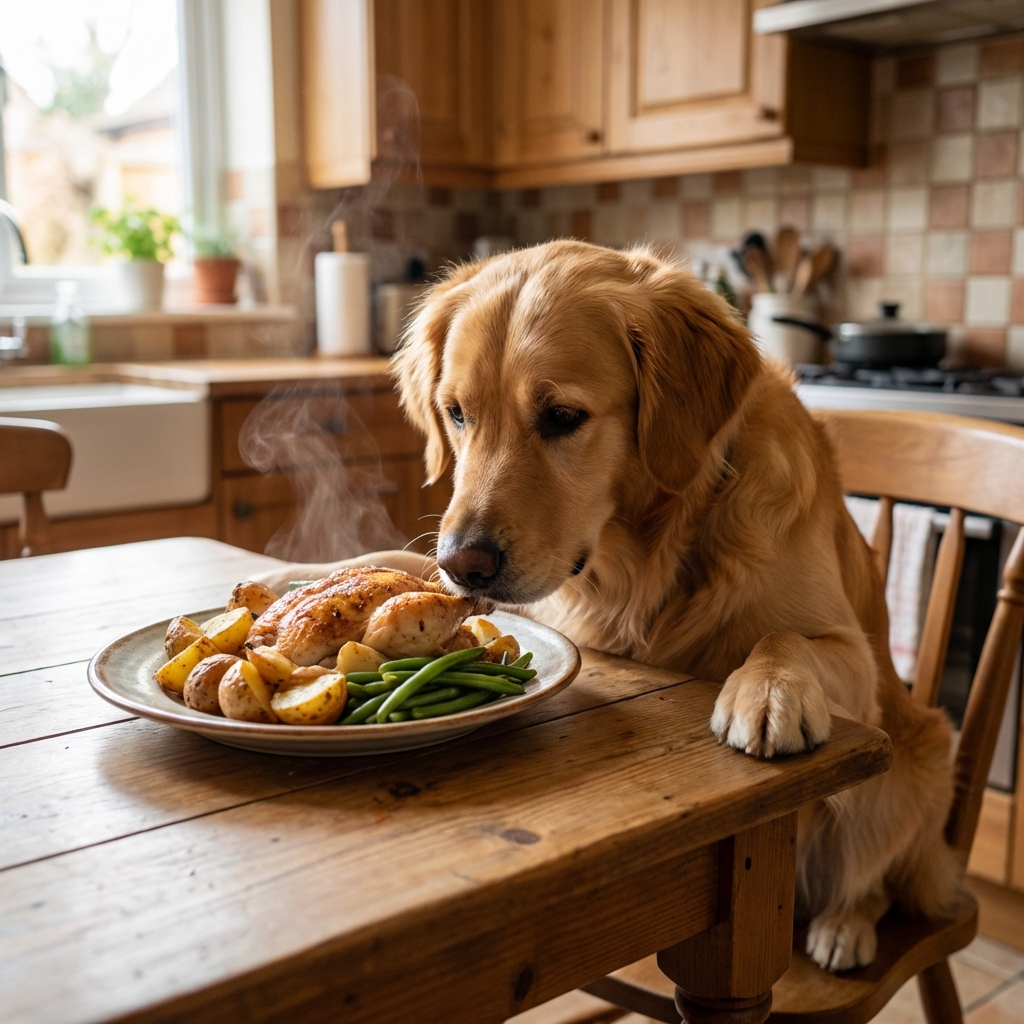
Both garlic and onion can cause the same type of red blood cell damage. In everyday veterinary practice, onion tends to cause more poisonings because dogs often get into onion-heavy foods (leftovers, onion rings, soups, slow-cooker meals).
In many references, onion is considered more toxic per gram than garlic. My practical warning about garlic is this: garlic powder and dehydrated garlic are concentrated, so “a little” can mean very different things depending on the product. The safest approach is to treat both as avoidable risks.
Garlic for fleas and ticks?
This is one of the biggest reasons people intentionally add garlic. I understand the appeal of a “natural” approach, but overall, evidence that garlic reliably repels fleas and ticks is limited, and major veterinary poison resources do not recommend it as a primary preventive. Meanwhile, the risk of irritation, GI upset, and cumulative exposure is real.
If fleas or ticks are your concern, I recommend discussing these options with your vet:
- Prescription preventives chosen for your dog’s health history
- Environmental control (vacuuming, washing bedding, yard strategies)
- Tick checks and prompt removal after walks
If your dog has reacted to certain preventives in the past, your veterinarian can help you find safer alternatives without relying on garlic.
Higher-risk dogs
Some dogs have less margin for error. Extra caution is warranted if your dog is:
- Very small (toy breeds)
- Anemic or has a history of low red blood cell counts
- On certain medications or has chronic illness (ask your vet)
- A Japanese breed such as Akita or Shiba Inu, which may be more sensitive to oxidative red blood cell damage based on veterinary literature
- A puppy with a smaller body and developing systems
If your dog ate garlic
Step 1: Identify the form and amount
Was it a whole clove, roasted garlic, garlic salt, garlic powder, or a food cooked with garlic? Powdered forms can be more concentrated, and “a little” can mean very different things depending on the product.
Step 2: Know the red flags
Go to an emergency clinic now (or call your nearest ER for instructions) if your dog has any of the following:
- Pale gums, collapse, or severe weakness
- Labored breathing or rapid breathing that seems abnormal
- Dark (tea-colored) urine
- Repeated vomiting or inability to keep water down
- Known large ingestion (cloves, concentrated powder, garlic-heavy dishes), or multiple dogs got into it
Step 3: Watch for symptoms (and understand timing)
GI signs can show up earlier. Signs related to anemia can be delayed, often appearing 24 to 72 hours later, and occasionally later than that. If you notice lethargy, pale gums, fast breathing, or dark urine even several days after exposure, contact your vet.
Step 4: Call for professional guidance
When in doubt, call your veterinarian. If it is after hours, you can contact a pet poison resource (fees may apply):
- ASPCA Animal Poison Control
- Pet Poison Helpline
Do not induce vomiting unless a veterinary professional tells you to. It is not safe for every situation, and timing matters.
Your vet may recommend an exam and, for more significant exposures, bloodwork (CBC) to check for anemia and red blood cell changes. Treatment decisions (like inducing vomiting or using activated charcoal) depend on how much was eaten and how recently it happened.
Safer alternatives
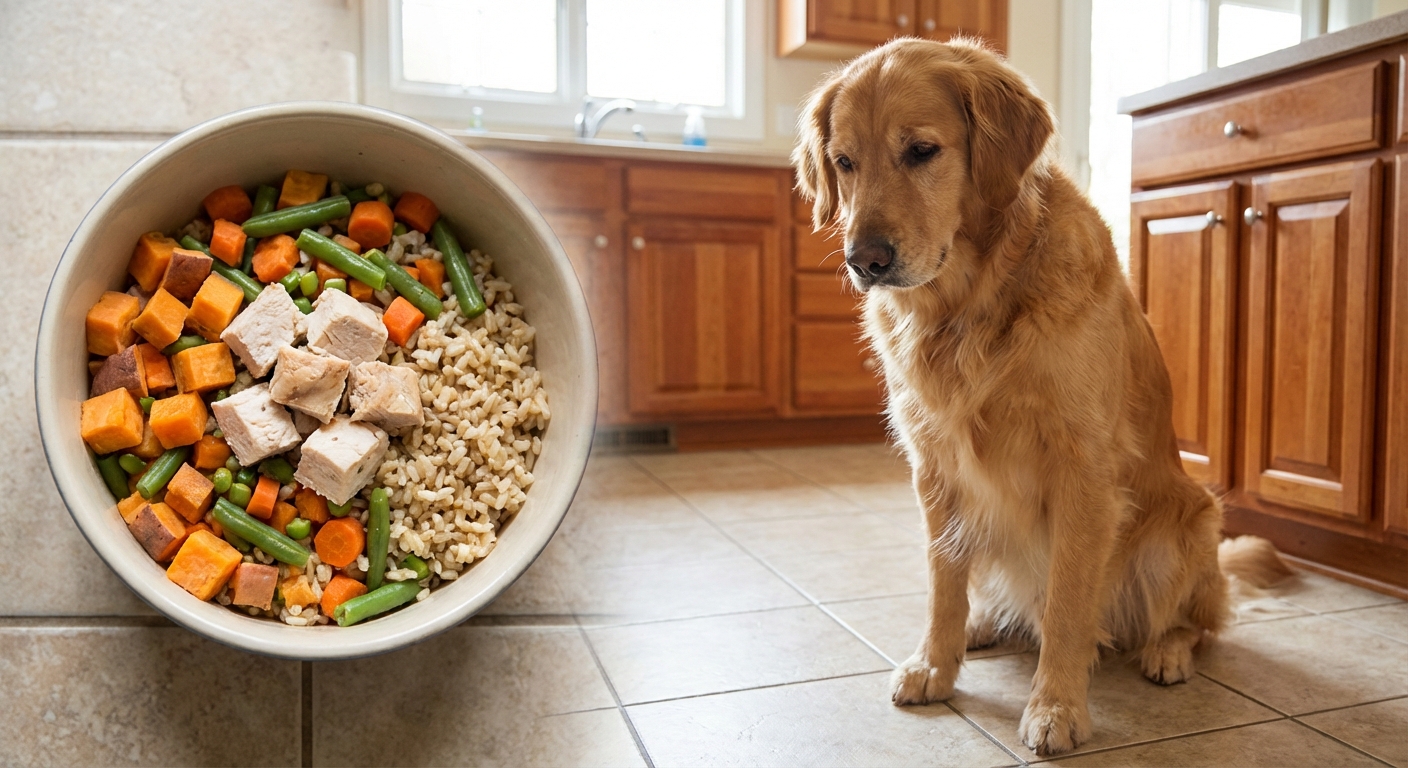
If your goal is to add flavor or functional nutrition to homemade meals, here are dog-friendlier options that many pups love:
- Low-sodium bone broth or simple meat broth (no onion or garlic)
- Parsley in small amounts for fresh breath support
- Cooked pumpkin for gentle digestive support
- Sardines in water (tiny servings) for omega-3s
- Blueberries for antioxidant support
And if you are cooking at home regularly, it is always smart to consult with your vet or a veterinary nutritionist to make sure the overall diet is balanced, especially for calcium and essential vitamins.
Bottom line
Garlic is not a “safe superfood” for dogs, and I do not recommend adding it intentionally. It has a known toxic pathway, and there are safer ways to support your dog’s health.
But a tiny accidental exposure is not automatically a crisis. Focus on the dose, your dog’s size and health status, and any symptoms. When you are unsure, call your veterinarian or a poison hotline for individualized advice.
When it comes to foods with a known toxicity mechanism, the safest plan is simple: do not make garlic a routine ingredient, and treat accidental bites with calm, informed next steps.
References and help: ASPCA Animal Poison Control and Pet Poison Helpline both provide guidance on Allium (onion and garlic) exposures, and your veterinarian can advise you on next steps based on your dog’s weight, health history, and the form of garlic involved.