Chicken and rice can soothe mild stomach upset and help dogs transition back to normal food. Learn safe recipes, portions, how long to feed it, and when to c...
Article
•
Designer Mixes
Can Dogs Eat Corn Off the Cob?

Shari Shidate
Designer Mixes contributor
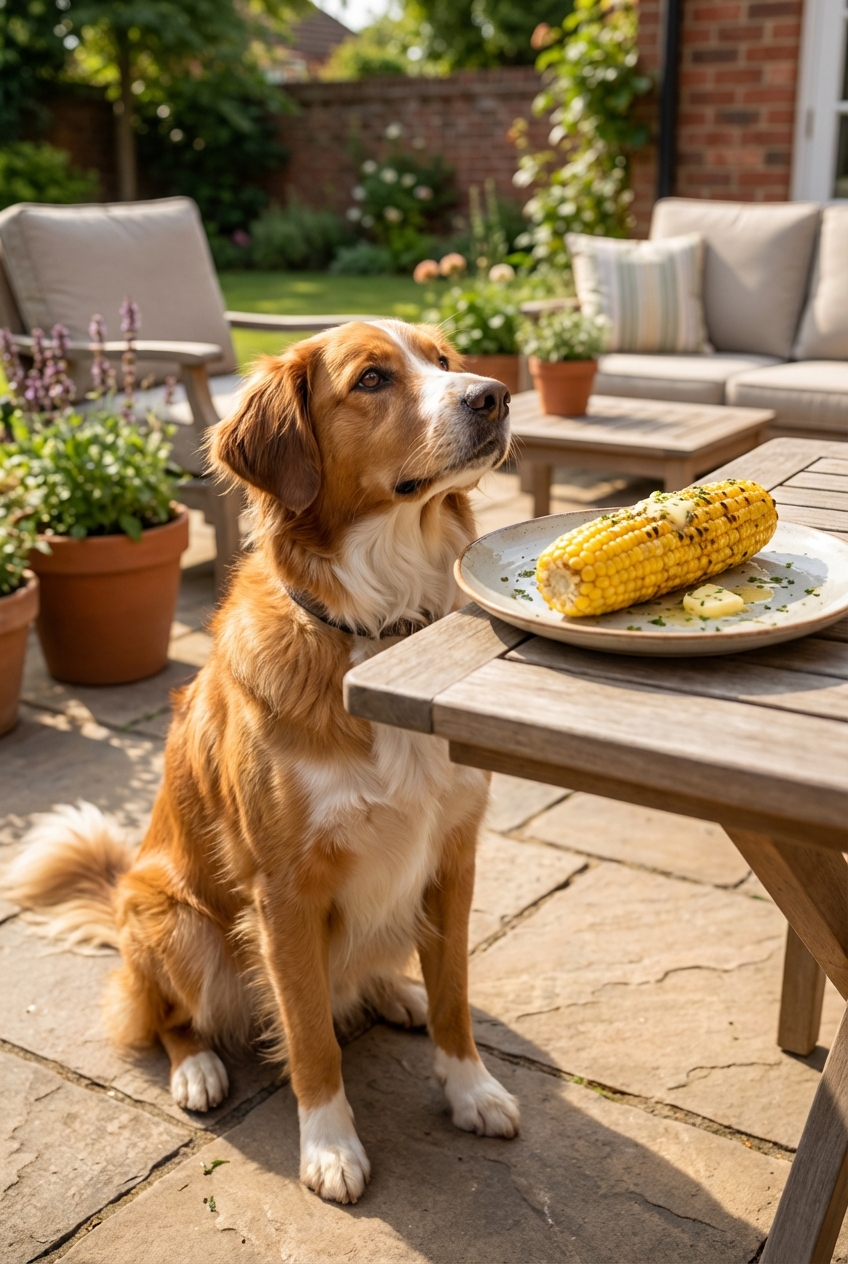
Corn itself is not toxic to dogs. In fact, many dogs can enjoy plain, cooked corn kernels as an occasional treat. The safety issue is the cob. As a veterinary assistant in Frisco, Texas, I have seen how quickly a fun summer snack can turn into an emergency when a dog swallows part of a corn cob.
So if you are wondering, “Can my dog eat corn off the cob?” here is the evidence-based answer: corn kernels, yes (in moderation). Corn cob, no. Foreign-body obstruction from items like corn cobs is a well-known risk in veterinary medicine.
Why corn cobs are risky
Many dogs do not chew thoroughly, especially when something smells delicious. A corn cob can be swallowed in chunks, and those chunks do not digest well. Main risks include:
- Choking: A piece can lodge in the throat, especially in small dogs or enthusiastic eaters.
- Intestinal blockage (obstruction): Corn cobs are a common cause of GI obstruction seen by veterinarians. A piece can get stuck in the stomach or intestines and may require urgent treatment.
- Intestinal injury: The cob can irritate or damage the lining of the GI tract as it moves.
- Secondary problems: Persistent vomiting and dehydration can happen fast, and an obstruction can become life-threatening without treatment.
Even “just a little cob” is not a safe bet. The cob is tough and fibrous, and dogs often swallow larger pieces than we realize.
Signs your dog may have swallowed cob
If you suspect your dog got to a cob, do not wait for symptoms to “work themselves out.” Call your veterinarian or an emergency clinic, especially if any of these show up:
- Repeated vomiting or retching
- Loss of appetite
- Abdominal pain (tense belly, hunched posture, reluctance to be touched)
- Diarrhea or straining to poop
- No bowel movements
- Lethargy, weakness, or restlessness
- Drooling, gagging, or trouble swallowing
Time matters with foreign bodies. The sooner your vet knows, the more options you may have, including less invasive treatment.

Safety rules for feeding corn
If you want to share corn safely, these rules make it simple and low-risk.
1) Never give the cob
Even supervised chewing is risky. Many dogs will break off pieces and swallow them.
2) Offer plain, cooked kernels
Boiled, steamed, or roasted kernels are fine. Avoid corn drenched in butter or seasoned heavily.
3) Skip the toppings
Common corn toppings can cause problems:
- Butter and oils: Too much fat can trigger GI upset and may increase pancreatitis risk in susceptible dogs.
- Salt: Too much sodium is not dog-friendly.
- Garlic/onion powders: These are not safe for dogs.
- Spicy seasonings: Often cause stomach upset.
4) Keep portions small
Corn is a treat, not a meal. As a rough guide:
- Small dogs: 1 to 2 teaspoons of kernels
- Medium dogs: 1 to 2 tablespoons
- Large dogs: up to 1/4 cup
Overdoing it can cause gas, loose stool, or tummy discomfort.
5) Introduce slowly
Any new food can upset a sensitive stomach. Start with a small taste and watch stool quality over the next 24 hours.
6) Consider your dog’s health history
If your dog has had pancreatitis, chronic GI issues, diabetes, weight problems, or food sensitivities, ask your veterinarian before sharing corn.
7) Canned, frozen, and creamed corn
Frozen corn (thawed and cooked) is usually fine if it is plain. Canned corn can be high in sodium, so choose no-salt-added when possible, and rinse regular canned corn before serving. Avoid creamed corn and corn mixed with butter, sugar, or heavy seasoning.
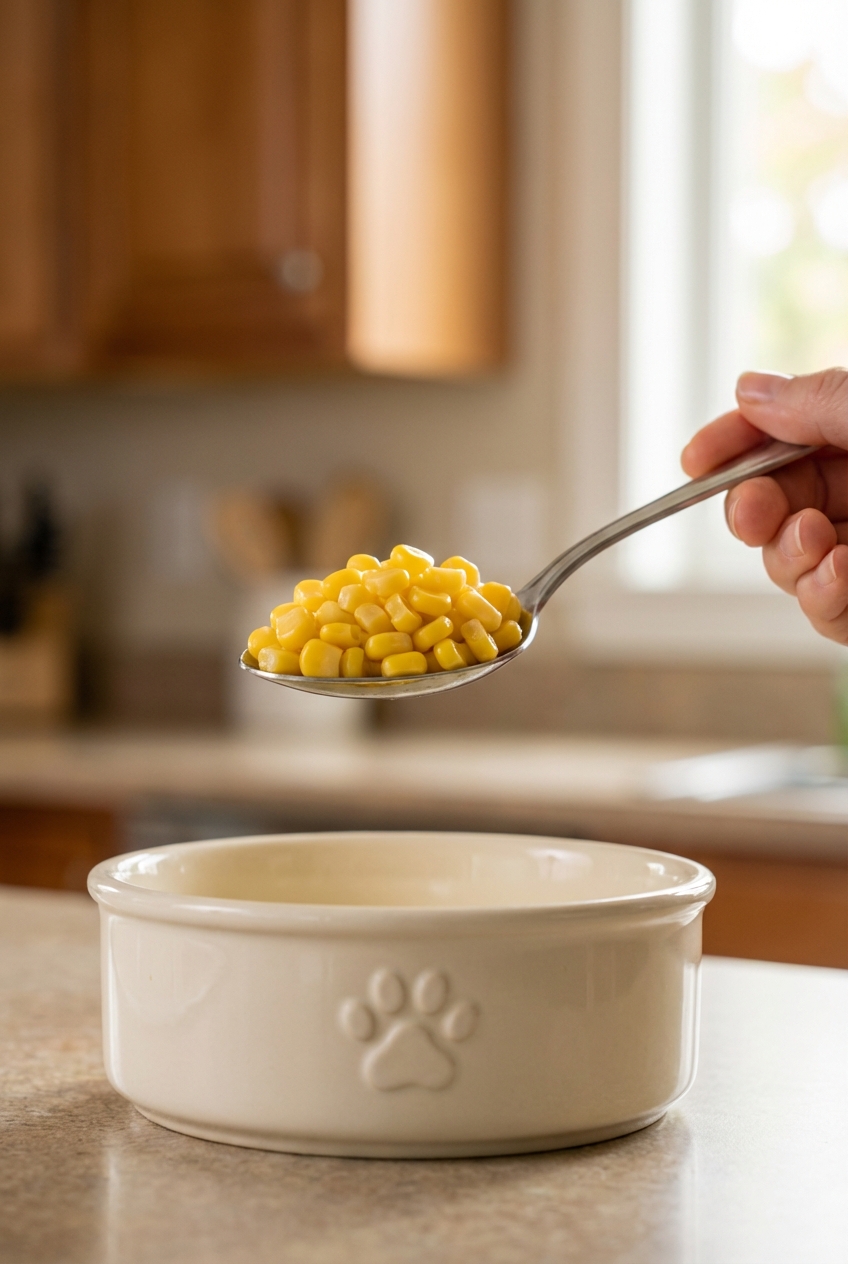
Is corn bad for dogs?
Corn is not inherently bad. It is mostly a starchy carbohydrate and provides a little fiber, plus small amounts of nutrients such as B vitamins. But it is not a must-have food either. For most dogs, corn kernels are best treated like a fun add-on, similar to a few blueberries or a bite of cooked sweet potato.
One important note: if you ever see whole kernels in your dog’s stool, that can be normal. The outer coating of kernels can pass through partially undigested. That is another reason to keep portions modest.
What to do if your dog ate corn off the cob
If your dog ate kernels only, monitor for mild stomach upset and keep the next meal simple. If your dog ate any cob, your next step should be to call a veterinarian right away.
Be ready to share:
- Your dog’s weight and breed mix
- How much cob might be missing
- When it happened
- Any symptoms (vomiting, appetite changes, pain)
Do not try at-home remedies unless your vet directs you. Do not “wait it out,” and do not give bread, bulky foods, oils, or other home treatments in an attempt to push it through. Inducing vomiting can also be dangerous in some situations, and with foreign objects it is not always the right choice.
Safer summer snacks
If your dog loves crunchy treats, here are safer options that feel “summery” without the cob risk:
- Plain cucumber slices
- Watermelon cubes (no rind; seeds are mainly a choking or GI irritation concern, not a toxin)
- Steamed carrot coins
- A spoonful of plain pumpkin
- Frozen treats made with plain, unsweetened goat milk or yogurt (skip if your dog is lactose-sensitive or it causes loose stool)
Quick note on popcorn
Plain, air-popped popcorn can be okay in small amounts for many dogs, but avoid butter, salt, and seasonings. Also avoid giving unpopped kernels, which can be a choking hazard and hard on teeth.
The bottom line: share the kernels, toss the cob. With a few simple rules, you can keep your dog safe and still let them enjoy a little taste of the season.