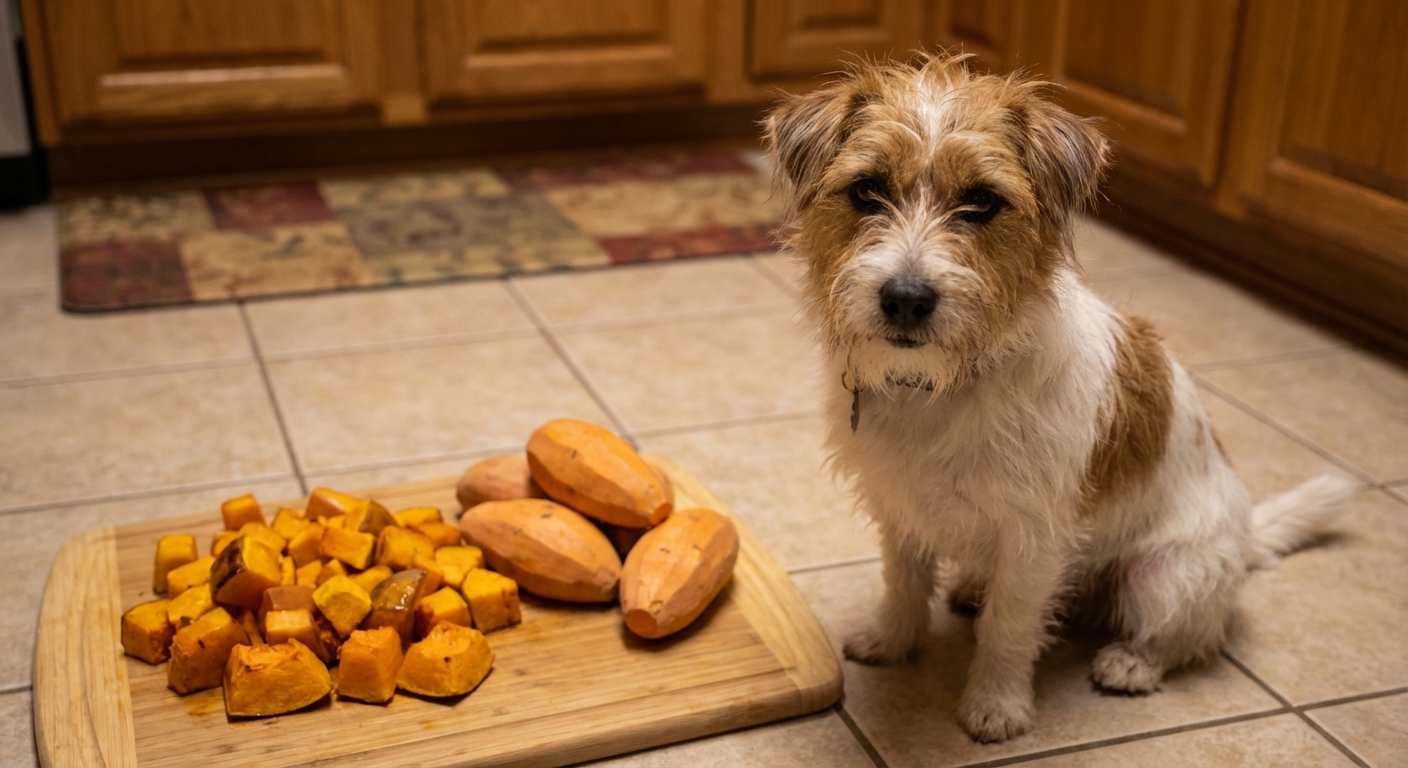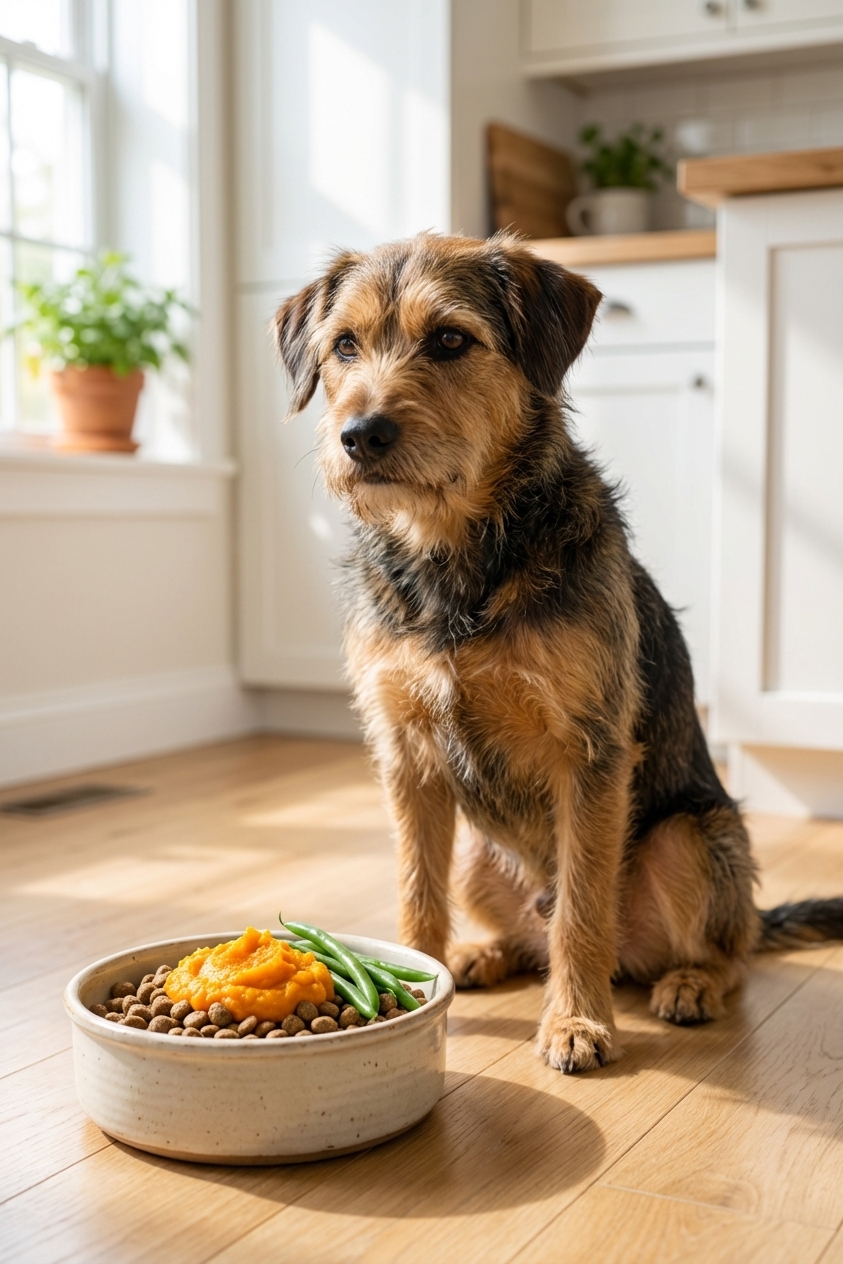
Make meals more tempting and nutritious with simple dog food toppers: bone broth, cooked eggs, sardines, pumpkin, and steamed veggies—plus portions, storag...
Article
•
Designer Mixes
Can Dogs Eat Cooked Cauliflower?

Shari Shidate
Designer Mixes contributor
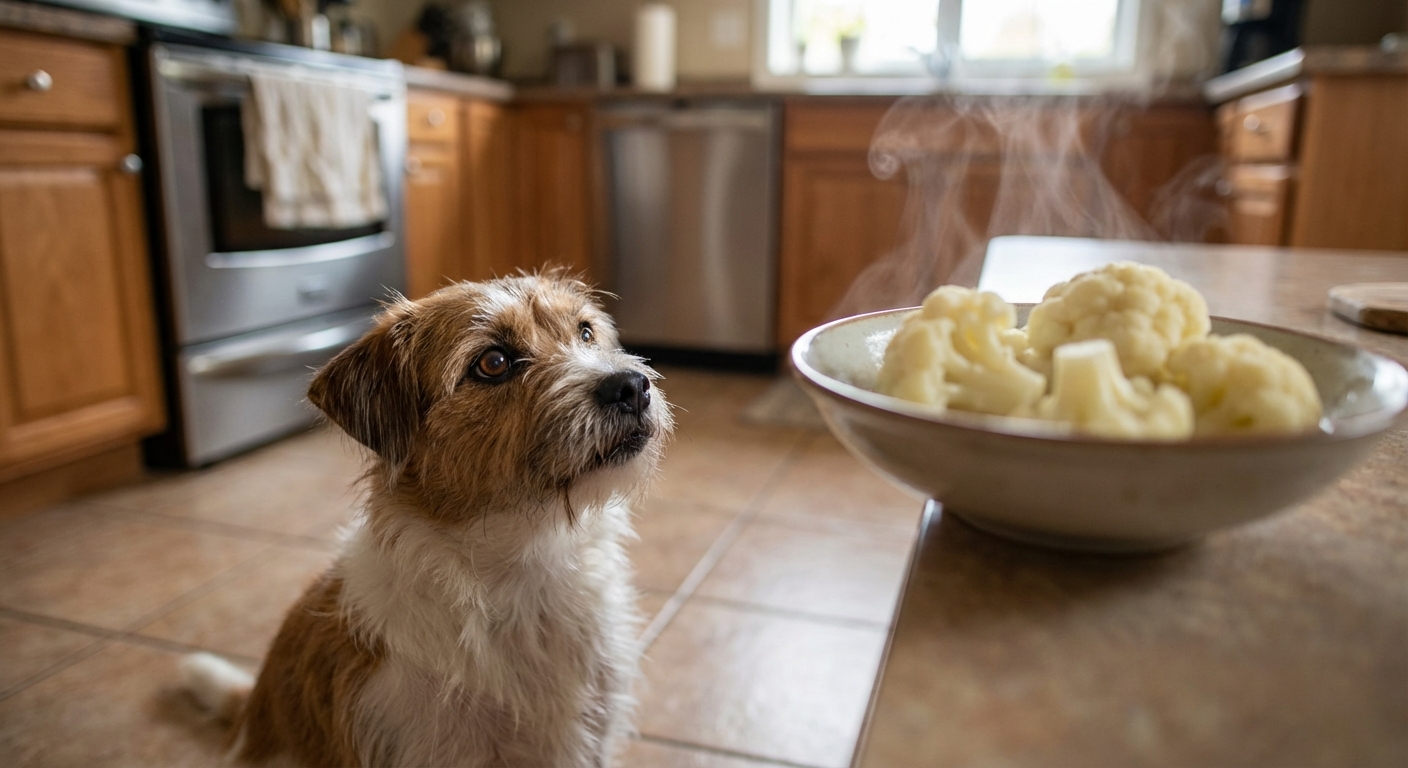
Yes, most dogs can eat cooked cauliflower in small amounts. As a veterinary assistant in Frisco, Texas, I like cauliflower as an occasional add-on because it is low in calories, provides fiber, and brings a little variety to the bowl. The key is simple: cook it unseasoned, serve a small portion, and watch for signs of tummy trouble like extra gas, loose stool, or vomiting.
Why cooked cauliflower can help
Cauliflower is not a required food for dogs, but it can be a helpful topper if you use it the right way. Here is what it offers:
- Fiber to support digestion and stool quality for some dogs
- Low calories, which can help if your dog needs lighter snacks
- Micronutrients (in small amounts) like vitamin C, vitamin K, folate, potassium, and antioxidants
Cooking softens the texture and is often easier to digest than raw cauliflower, especially for sensitive pups.
Is cooked cauliflower safe for all dogs?
It is safe for many dogs, but not every dog. If your dog has a history of GI upset, pancreatitis, or is on a veterinary therapeutic diet, check with your veterinarian first. This is especially important for dogs with conditions like kidney disease, where certain nutrients (like potassium) may be restricted.
Dogs who are most likely to struggle with cauliflower include:
- Dogs prone to gas and bloating
- Dogs with sensitive stomachs or irritable bowel episodes
- Dogs that gulp food, since larger pieces can be a choking risk and fast eating can add air swallowing (which can worsen gassiness)

How to cook and serve it
Best cooking methods
- Steamed until fork-tender
- Boiled briefly, then drained well
- Roasted with no added oil, salt, garlic, or onion
Serve it unseasoned. Most cauliflower problems in dogs come from the extras people add, not the vegetable itself.
Safe serving tips
- Cut into bite-size pieces for all dogs to reduce choking risk
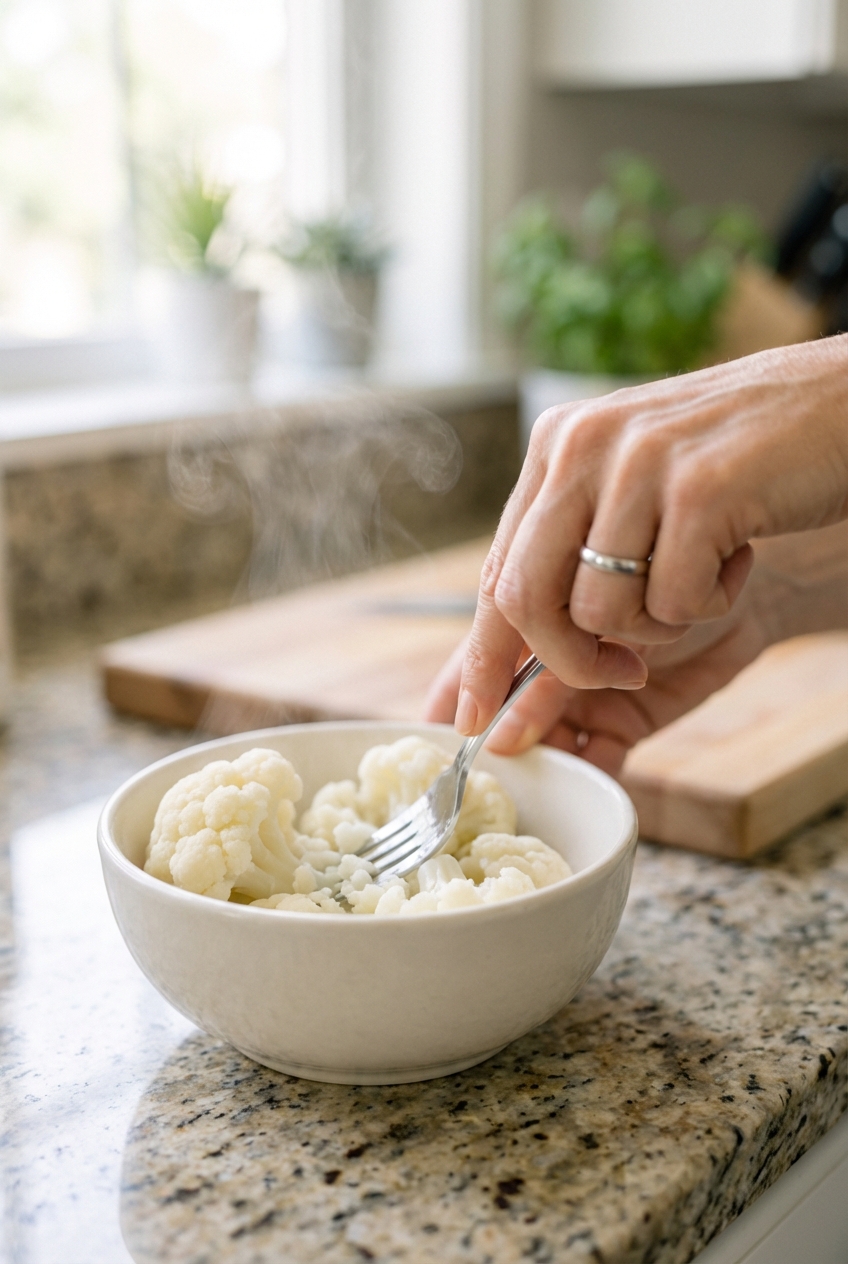
- Chop or mash steamed florets and mix into your dog’s regular food
- Puree a small amount with a splash of warm water or unsalted broth (no onion or garlic) for a simple “veggie topper”
- Freeze a few tiny steamed pieces as a quick training treat for dogs who like crunchy snacks
Avoid these versions
- Cauliflower rice cooked with oils, butter, or seasonings
- Cheesy cauliflower and creamy sauces (high fat can trigger diarrhea and may raise pancreatitis risk in prone dogs)
- Garlic and onion seasonings (toxic to dogs)
- Pickled cauliflower (high sodium and spices)
How much can a dog have?
Think of cauliflower as a treat or topper, not a main ingredient. Treats and extras should stay around 10% or less of daily calories for most dogs.
If you want a simple starting point (especially for first-timers), try:
- Small dogs (under 20 lb): 1 to 2 teaspoons, up to 1 tablespoon
- Medium dogs (20 to 50 lb): 1 to 2 tablespoons
- Large dogs (50+ lb): 2 to 4 tablespoons
If it is your dog’s first time, start with one bite and wait 24 hours to see how their stool and gas look before offering more.
Side effects to watch for
Cauliflower is famous for one thing: gas. That is common, but too much can cause real discomfort.
Common mild effects
- Increased gas
- Softer stool
- Occasional burping
Stop and call your vet if you see
- Repeated vomiting
- Persistent diarrhea lasting more than 24 hours
- Swollen belly, restlessness, or signs of significant abdominal pain
- Hives, facial swelling, intense itching, or trouble breathing (possible allergy)
Cooked vs. raw
Cooked is usually better for dogs because it is softer and typically easier on the stomach. Raw cauliflower is not toxic, but it can be harder to chew, easier to choke on in big chunks, and more likely to cause gas in dogs that are not used to fibrous vegetables.
Leaves and stems
Yes, the leaves and stems are generally safe if cooked unseasoned and chopped well. They are more fibrous than the florets, so keep portions smaller at first.
Simple topper recipe
This is an easy, gentle way to add cauliflower without overdoing it.
- Steam 2 to 3 florets until soft
- Mash with a fork
- Mix into your dog’s meal (start with 1 teaspoon for small dogs, 1 tablespoon for medium to large)
If you want to make it extra appealing, you can mix it with a spoonful of plain cooked chicken or turkey. Keep it simple and unseasoned.
FAQs
Is cauliflower good for overweight dogs?
It can be a helpful low-calorie topper, but it will not cause weight loss on its own. The biggest impact comes from appropriate portions of a balanced diet and daily activity.
Can puppies have cooked cauliflower?
Usually yes in very small amounts, but puppies have more sensitive digestion and specific nutrient needs. Keep it occasional and prioritize a complete puppy diet.
Can cauliflower replace grains or carbs?
Cauliflower is a vegetable, not a true replacement for balanced carbohydrates, fats, and proteins. If you are changing your dog’s core diet, check in with your veterinarian or a qualified canine nutritionist.
Bottom line
Cooked cauliflower is generally safe for dogs when served unseasoned, in small portions, and introduced slowly. If your dog gets gassy or their stool changes, cut back or skip it. Your goal is always the same: a happy dog, a comfortable belly, and steady energy.