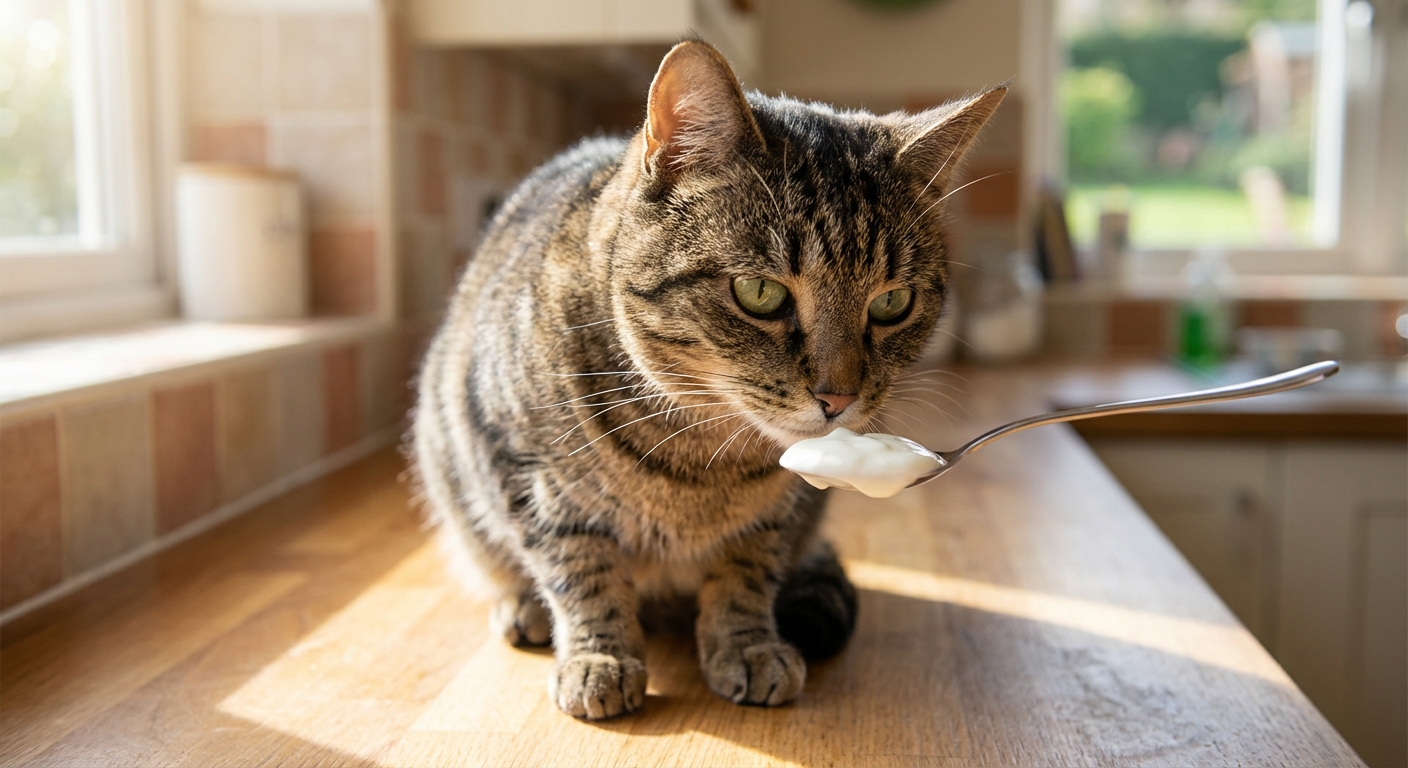
Some cats can tolerate a tiny lick of plain yogurt or a pea-sized cheese bite, but many are lactose intolerant. Learn safe choices, what to avoid, and when t...
Article
•
Designer Mixes
Can Dogs Eat Cheese? Safe Types and Lactose Risks

Shari Shidate
Designer Mixes contributor
Cheese is one of those foods that makes dogs look at us like we are holding treasure. The good news is that many dogs can eat small amounts of certain cheeses. The not-so-good news is that cheese can also trigger tummy trouble, add extra calories fast, and in a few cases can be genuinely dangerous.
As a veterinary assistant, I like to keep it simple and safe: think of cheese as an occasional treat, choose lower-lactose and lower-fat options when you can, and watch your dog closely the first few times.
Quick note: This is general guidance. If your dog has medical issues or you are unsure, your veterinarian is the best source for advice tailored to your dog.
Quick answer
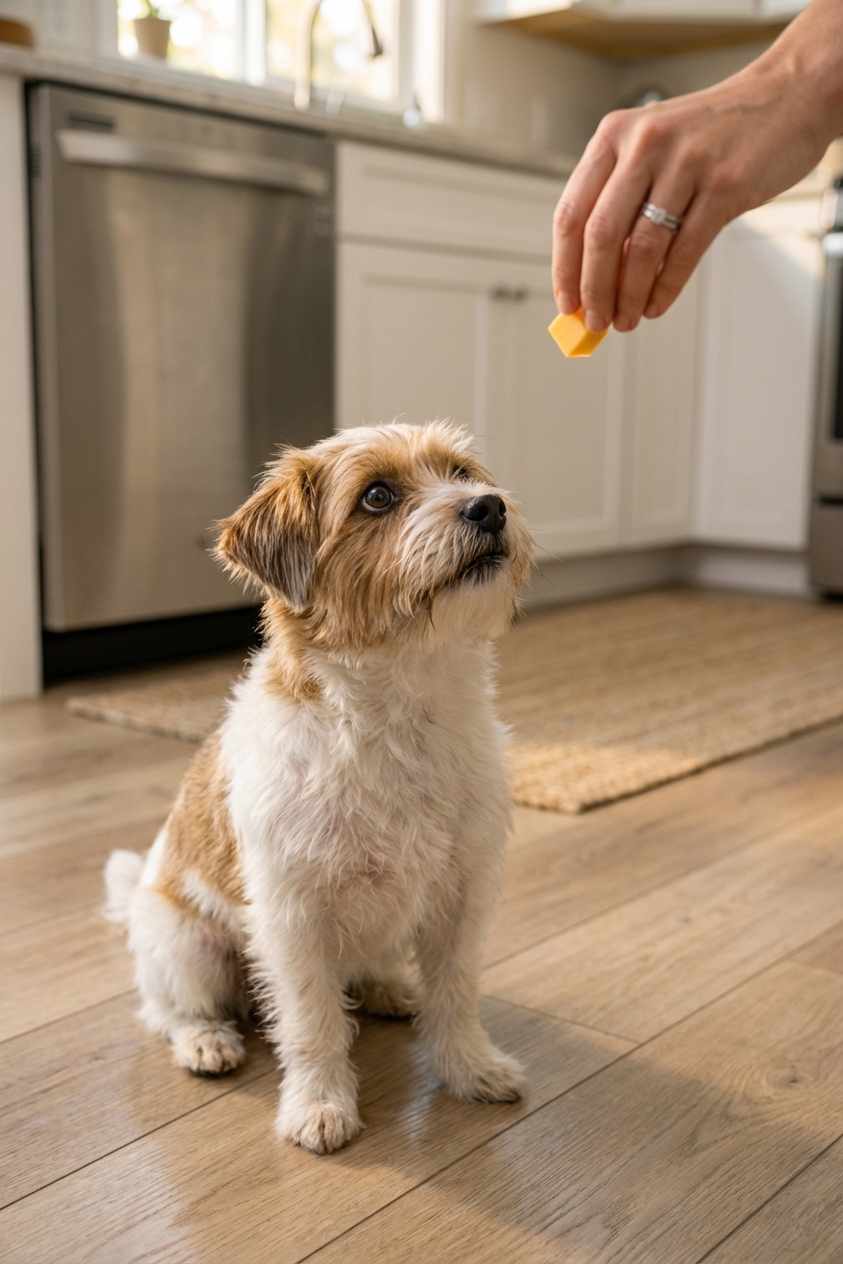
Yes, dogs can eat cheese in moderation, as long as it is a safe type and your dog tolerates dairy. The best options are usually:
- Mozzarella (plain, part-skim or low-fat if possible)
- Cottage cheese (plain, low-fat, small portions, lactose varies so start extra small)
- String cheese (mozzarella, but tear into tiny bits to avoid choking and watch the salt)
- Cheddar in tiny amounts for many dogs, but it is higher in fat and salt
Cheese is not a balanced food for dogs, and it should never replace a complete diet.
Why cheese can be tricky for dogs
1) Lactose intolerance
Many adult dogs have lower levels of lactase, the enzyme that digests lactose (milk sugar). If your dog cannot handle lactose well, cheese can cause digestive upset.
2) High fat content
Some cheeses are very high in fat. High-fat treats can lead to vomiting and diarrhea, and in sensitive dogs may contribute to pancreatitis, a painful and potentially serious inflammation of the pancreas.
3) Salt and additives
Cheese can be salty. Some flavored cheeses also contain ingredients that are unsafe for dogs, like onion, garlic, or chive seasonings. Spicy peppers and heavy spice blends are not usually toxic, but they can irritate the GI tract and cause vomiting or diarrhea.
Signs your dog may not tolerate dairy
Symptoms often show up within a few hours, but can appear later depending on the dog and how much was eaten.
- Loose stool or diarrhea
- Gas, bloating, or stomach gurgling
- Vomiting
- Abdominal discomfort (restlessness, “praying position”)
- Itchy skin or ear irritation (less common, but possible with food sensitivities)
If your dog gets any of these signs after dairy, skip cheese in the future and talk with your veterinarian if symptoms are ongoing or severe.
Safe cheeses (best choices)
Cottage cheese
Why it can work: It is often lower in fat than many cheeses and can be easy to portion into tiny amounts.
Important caveat: Cottage cheese can still contain meaningful lactose and sodium, so some dogs do fine and others do not. Start with a very small taste, and consider lactose-reduced options if available.
Choose: Plain, low-fat, no added herbs or seasonings.
Mozzarella
Why it can work: It is often lower in fat than many aged cheeses and is typically mild with fewer additives.
Choose: Plain mozzarella, ideally part-skim.
Aged cheeses in tiny amounts (cheddar, Swiss)
Many aged cheeses are lower in lactose because fermentation and aging reduce it, but lactose levels can still vary by brand and process. They can also be fatty and salty, so keep portions very small.

Risky cheeses (use caution or avoid)
Blue cheese and mold-ripened cheeses
Avoid. Some blue cheeses can contain mycotoxins (such as roquefortine C). If a dog eats enough, these compounds may trigger vomiting, diarrhea, tremors, or other neurologic signs. Risk varies by product and dose, but it is not worth testing.
Very rich cheeses
Cheeses like triple-cream styles and other very rich cheeses can be too fatty for some dogs, especially dogs with a history of pancreatitis, frequent GI upset, or obesity.
Flavored and seasoned cheeses
Avoid cheeses with added:
- Onion, garlic, chives, or “everything” style seasoning blends
- Hot peppers or heavy spice blends (GI irritation)
- Raisins or dried fruit mix-ins
- Nuts (not always toxic, but can be a choking hazard and add extra fat)
Processed cheese products
Cheese slices, cheese “products,” dips, and cheese-based snacks can be high in sodium and additives. If you use them, keep it minimal and infrequent.
Label check: Xylitol is not typical in plain cheese, but it can show up in some low-sugar or specialty foods. If you are offering any cheese spread, dip, or packaged snack, read the ingredient list.
How much cheese can a dog have?
Portion size depends on your dog’s size, calorie needs, and health history. In general, cheese should be a treat, not a staple.
- Small dogs (under 20 lb): 1 to 2 pieces, pea-sized for training or up to thumbnail-sized as a rare treat
- Medium dogs (20 to 50 lb): 2 to 4 pea-sized pieces, or 1 to 2 thumbnail-sized pieces as a rare treat
- Large dogs (over 50 lb): 4 to 6 pea-sized pieces, or 2 to 3 thumbnail-sized pieces as a rare treat
If you are using cheese for training, cut it into tiny pieces. Dogs do not need a big chunk to feel rewarded, and smaller bits are safer for dogs that tend to gulp.
A helpful rule: treats (including cheese) should make up no more than about 10% of your dog’s daily calories. Less is even better if your dog gains weight easily.
When cheese is actually useful
Hiding pills
Cheese can be a convenient “pill pocket” when your dog refuses tablets. Use a small amount, and choose a type that molds easily (a pinch of mozzarella can work).
Tip: Give a tiny “empty” cheese bite first, then the pill bite, then another empty bite. This reduces suspicion.
Medication caveat: Some medications are meant to be given on an empty stomach or have food interactions. If your vet or pharmacist gave specific directions, follow those instead of using cheese.
Training treats
Cheese is high-value for many dogs, which makes it great for recall practice or distracting situations. The key is keeping pieces tiny and counting those calories.
Dogs who should avoid cheese
Talk with your veterinarian before offering cheese if your dog has:
- A history of pancreatitis
- Chronic digestive issues or inflammatory bowel disease
- Food allergies or suspected dairy sensitivity
- Obesity or is on a weight-loss plan
- Heart disease or conditions needing sodium restriction
- Kidney disease (sodium and phosphorus may matter)
What to do if your dog ate a lot of cheese
A small amount usually causes nothing more than mild GI upset, if anything. But if your dog got into a large quantity, watch closely.
Call your veterinarian if you notice repeated vomiting, diarrhea that will not stop, lethargy, a painful belly, loss of appetite, trembling, or weakness. These can be signs of significant GI irritation or, in some cases, pancreatitis.
Cheese checklist
- Start with plain mozzarella (or a lactose-reduced, low-fat option if you can find it)
- Offer a very small amount the first time
- Keep pieces tiny to reduce choking risk, especially with string cheese
- Skip blue cheese, heavily seasoned cheeses, and very rich cheeses
- Read labels on dips and packaged snacks for seasoning blends and sweeteners like xylitol
- Use cheese strategically for pills or training, not as a daily snack
- When in doubt, choose a different treat like a tiny piece of cooked chicken or a dog-safe fruit