
Add dog-safe veggies the right way with simple portion guidelines by dog size, gentle cooking and chopping tips, and a clear list of vegetables to avoid.
Article
•
Designer Mixes
Can Dogs Eat Celery? Breath and Teeth

Shari Shidate
Designer Mixes contributor
Yes, most dogs can eat celery, and it can be a simple, low-calorie crunchy snack that may temporarily freshen breath and help remove a little food debris. As a veterinary assistant, I like celery because it is easy to portion and usually gentle for most healthy dogs. That said, any new food can cause GI upset in some dogs, and celery is not a substitute for tooth brushing or professional dental care. Think of celery as a helpful extra, not the main plan.

Is celery safe for dogs?
For most healthy dogs, plain celery is safe in small amounts. It is mostly water and fiber, with small amounts of vitamins and minerals. The biggest safety issues are usually about how it is served rather than the celery itself.
- Plain is best: No salt, butter, ranch, garlic seasoning, onion powder, or spicy toppings.
- Go easy at first: Too much fiber too fast can cause gas or loose stools.
- Watch for intolerance: If your dog vomits, gets diarrhea, or seems itchy after celery (or any new food), stop and check in with your vet.
- Skip it if your dog struggles to chew: Seniors or dogs with dental pain may do better with softer options.
- Wash it well: Rinse celery under running water and trim off any dirty ends to reduce grit and residue.
How celery may help breath
Dog breath is often caused by bacteria and food debris sitting around the gumline, but it can also point to dental disease or other medical issues. Celery may help a little in two simple ways:
- Crunchy texture: Chewing can mechanically nudge away a bit of debris and plaque film, which may reduce odor for a short time.
- Water plus chewing: Because celery is so watery and requires chewing, it may help rinse the mouth and mix in more saliva, which can temporarily freshen breath.
If breath is suddenly very foul, “rotting” smelling, or just noticeably different than normal, schedule a veterinary dental exam. Unusual odors can have several causes (including dental problems, diet changes, GI issues, or even anal gland issues), and fresh veggies cannot fix an infected tooth.
Celery and teeth: realistic benefits
Celery is sometimes called “nature’s toothbrush,” but I like to keep expectations realistic. It can provide a gentle scrubbing action, especially on the back teeth where dogs chew. However, evidence that celery meaningfully reduces plaque long-term is limited compared with brushing and approved dental products. Celery does not remove tartar that has already hardened, and it does not clean under the gumline, which is where periodontal disease starts.
For true dental prevention, the best evidence-based tools are:
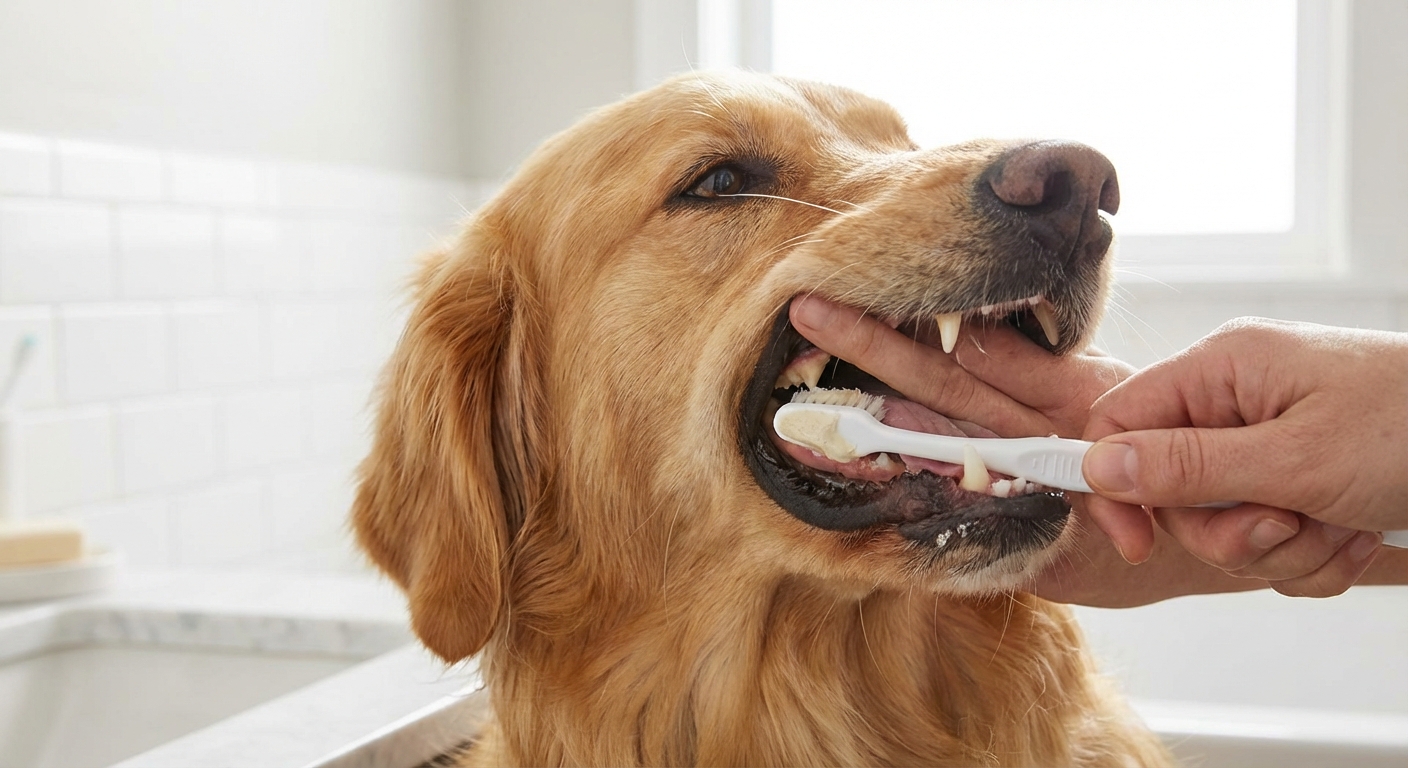
- Daily brushing with dog-safe toothpaste
- VOHC-accepted dental chews (products with Veterinary Oral Health Council approval)
- Routine veterinary dental exams and cleanings as recommended
Best way to serve celery
Cut it to prevent choking
Celery strings can be tough and pieces can be swallowed too fast, especially by enthusiastic eaters. Some dogs also chew the stalk, swallow long stringy bits, and then regurgitate them. For safety, aim for bite-size pieces and supervise chewing.
- Small dogs: thin slices or small diced pieces
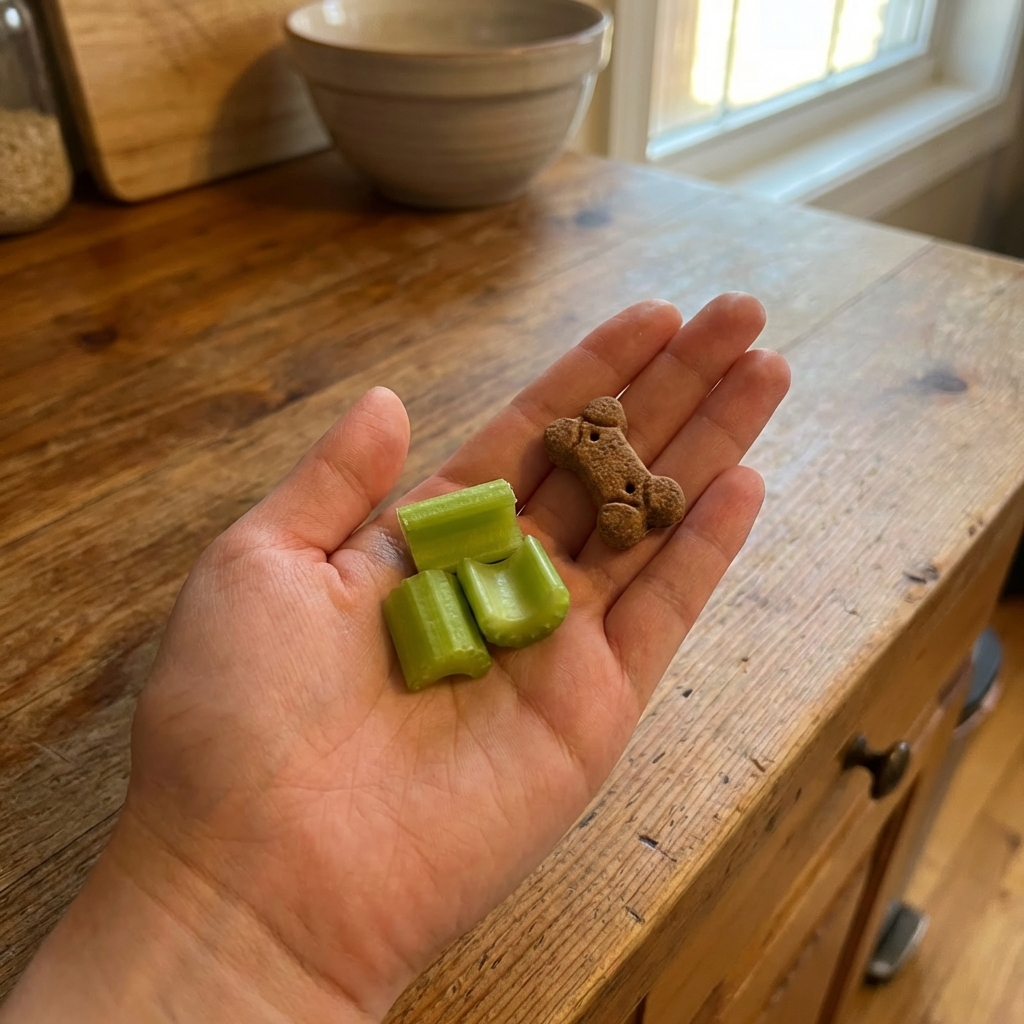
- Medium and large dogs: short sticks or chunks (about the size of your dog’s usual treat)
- Fast gulpers: chop it smaller and hand-feed a few pieces at a time
- Extra safety: discard long stringy pieces and do not let your dog run around with a long stalk
Keep it plain
Celery itself is fine, but common human add-ons can be harmful. Avoid dips, flavored cream cheese, onion or garlic seasoning, and salty toppings.
Try these dog-friendly ideas
- Crunchy training treat: a few small celery pieces between higher-value treats
- Hydration snack on warm days: chilled celery slices
- Enrichment: stuff a small amount of plain canned pumpkin (not pie filling) into a celery “boat” and offer it as a supervised treat
- If you use peanut butter: only a thin smear, and confirm it is xylitol-free
How much celery can a dog eat?
Celery should be treated as a snack, not a meal. A good rule is that treats, including fruits and veggies, should make up no more than about 10% of your dog’s daily calories.
- Toy and small dogs: 1 to 3 small pieces
- Medium dogs: a small handful of chopped pieces
- Large dogs: a handful to a little more, chopped, as tolerated
If it is your dog’s first time, start with a couple of pieces and watch for gas, vomiting, or diarrhea over the next 24 hours.
When to avoid celery
Celery is not right for every dog. Skip it or ask your veterinarian first if your dog has:
- A history of pancreatitis (celery is low-fat, but treat changes can still trigger sensitive dogs)
- GI disease or a very sensitive stomach
- Dental fractures, severe dental disease, or pain while chewing
- Kidney or heart disease where sodium must be carefully controlled: celery has natural sodium (often roughly 30 to 50 mg per medium stalk), so for dogs on strict prescription diets, that sodium may need to be counted, even before you consider any toppings
- A prescription diet (especially kidney, heart, or urinary diets): ask your vet before adding “healthy” snacks, since small extras can still throw off the plan
Breath still bad?
If your dog’s breath is consistently unpleasant, celery may not be the missing piece. Common causes include tartar buildup, gingivitis, infected teeth, and sometimes underlying medical issues. Reach out to your veterinarian if you notice:
- red or bleeding gums
- yellow or brown buildup on teeth
- dropping food, chewing on one side, or reluctance to eat
- pawing at the mouth, facial swelling, or excessive drooling
Celery can support fresher breath for some dogs, but brushing and veterinary dental care are what protect your dog long-term.