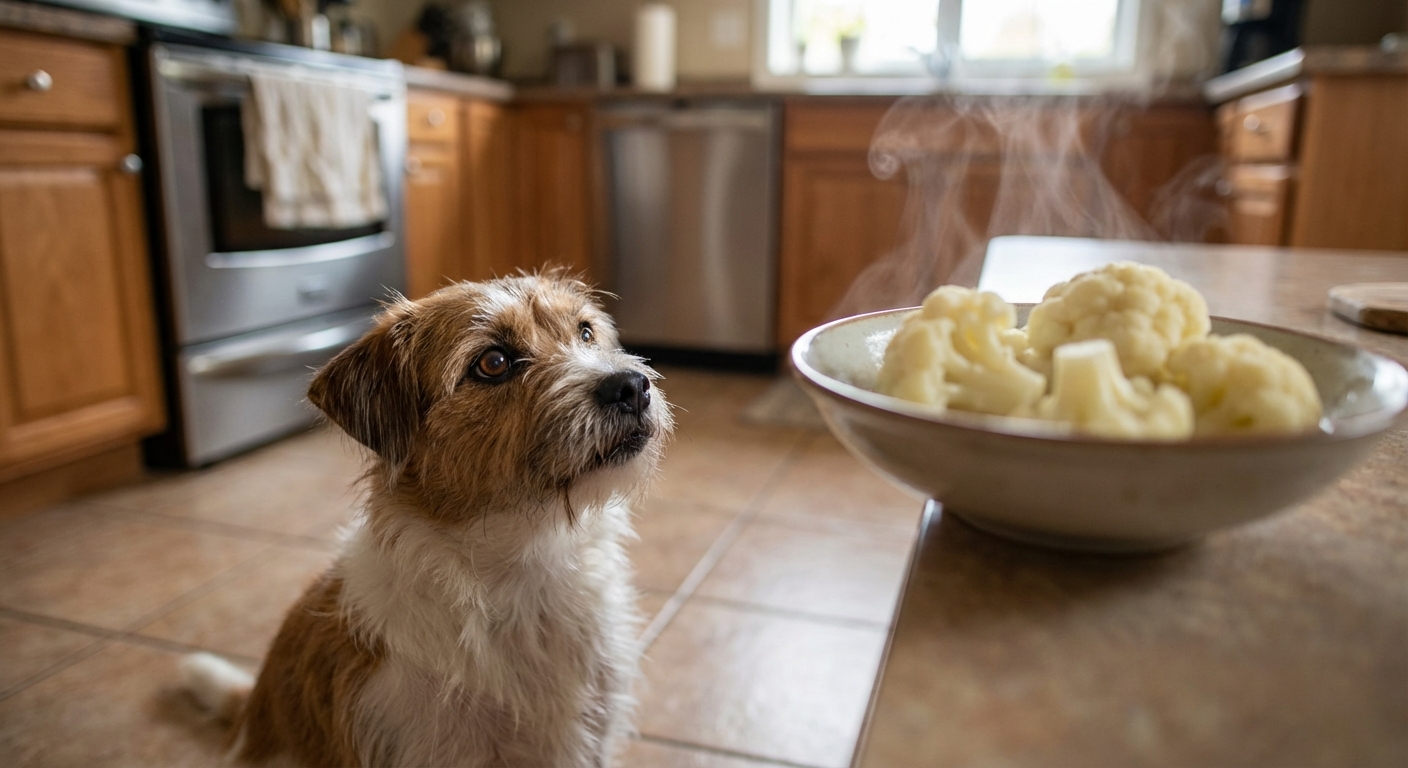
Yes, most dogs can eat cooked cauliflower in small amounts. Get vet-backed benefits, safe cooking methods, portion guides by size, and side effects to watch ...
Article
•
Designer Mixes
Can Dogs Eat Cauliflower?

Shari Shidate
Designer Mixes contributor
Yes, most dogs can eat cauliflower, and it can be a healthy, low-calorie add-on when it is served the right way. As a veterinary assistant here in Frisco, Texas, I love veggies that give dogs a little nutritional boost without adding a lot of extra calories. The key with cauliflower is portion size and prep, because too much can quickly lead to gas, abdominal discomfort, or loose stool. Also keep in mind that any new food, even a healthy one, can cause tummy trouble if introduced too fast.
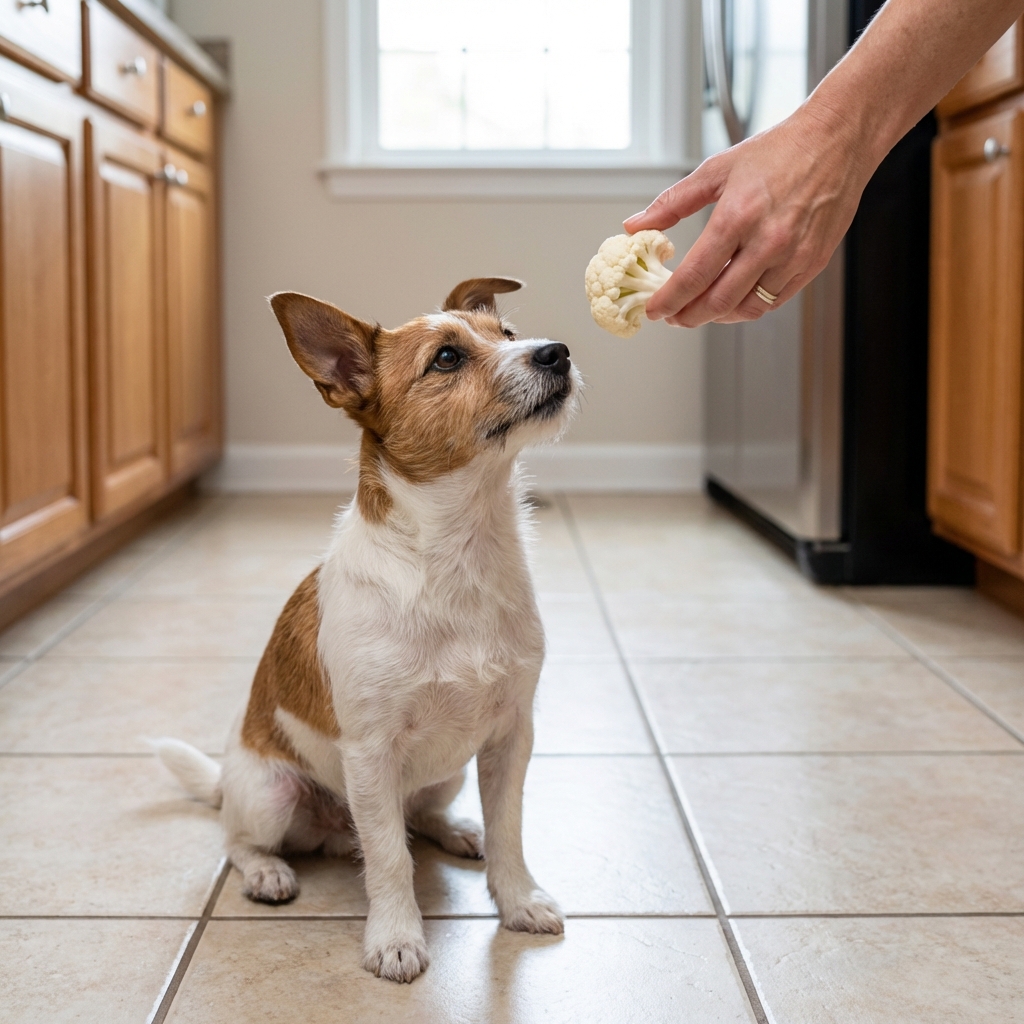
Is cauliflower safe for dogs?
For healthy dogs, cauliflower is considered safe in small amounts when it is served plain. Cauliflower is a cruciferous vegetable (like broccoli and cabbage), and those are nutritious but can be gassy.
Most issues I see are not from the cauliflower itself, but from how it is served, such as drenched in butter, mixed with onions or garlic, or seasoned with spicy blends.
Bottom line: plain, bite-sized, lightly cooked cauliflower is the safest option for most dogs.
Benefits for dogs
Cauliflower is mostly water and fiber, with a mix of helpful micronutrients. It is not a complete food and should never replace a balanced diet, but it can be a nice topper for some dogs.
- Low calorie: helpful for dogs watching their weight when used instead of high-calorie treats.
- Fiber: may support healthy digestion in small amounts. That said, fiber can also worsen diarrhea in some dogs, so it really depends on the individual.
- Vitamins and antioxidants: includes vitamin C, vitamin K, folate, and plant compounds that support cellular health.
- Hydration support: high water content can help picky drinkers get a bit more moisture through food.
Safe portions
Think of cauliflower as a snack or topper, not a meal. As a general guideline, treats and extras should stay under about 10 percent of your dog’s daily calories, and many dogs do best with far less.
The servings below are general starting points for healthy adult dogs. Your dog’s age, health, and sensitivity matter, so adjust based on stool quality and comfort.
Simple serving sizes (per day)
- Toy dogs (under 10 lb): 1 to 2 small florets (about 1 to 2 teaspoons chopped)
- Small dogs (10 to 25 lb): 2 to 4 small florets (about 1 to 2 tablespoons chopped)
- Medium dogs (26 to 60 lb): 1 to 3 tablespoons chopped, or 4 to 6 small florets
- Large dogs (over 60 lb): 2 to 4 tablespoons chopped, or 6 to 10 small florets
How often?
If your dog is new to cauliflower, start with a tiny amount (even just one bite), then monitor over the next day for extra gas, vomiting, or loose stool. If everything stays normal, you can offer it 1 to 3 times per week. Daily cauliflower can be too much fiber for many dogs, and sudden diet changes can trigger GI upset even when the food is low fat.
Tip: If your dog is prone to gas, has a sensitive stomach, or has a history of pancreatitis, keep portions extra small. The bigger risk for pancreatitis is usually the added fats that cauliflower is commonly served with.
Best prep
Dogs do best with cauliflower that is soft enough to digest and cut small enough to prevent choking.
- Steamed: my top pick. Steam until fork-tender, cool, then chop.
- Boiled: fine if it is plain and drained.
- Roasted: okay only if it is roasted plain (no oil, no salt, no seasoning). Many roasted recipes are not dog-friendly.
- Mashed: can work well for seniors or small dogs, as long as it is plain.
Skip: butter, cream, cheese sauces, bacon, onion, chives, and spicy seasoning. These are common triggers for stomach upset, and allium veggies (onion, chives, garlic) are toxic to dogs.
What about stems and leaves? Cauliflower florets, stems, and leaves are all considered non-toxic, but the tougher parts should be cooked and chopped small for easier chewing and digestion.
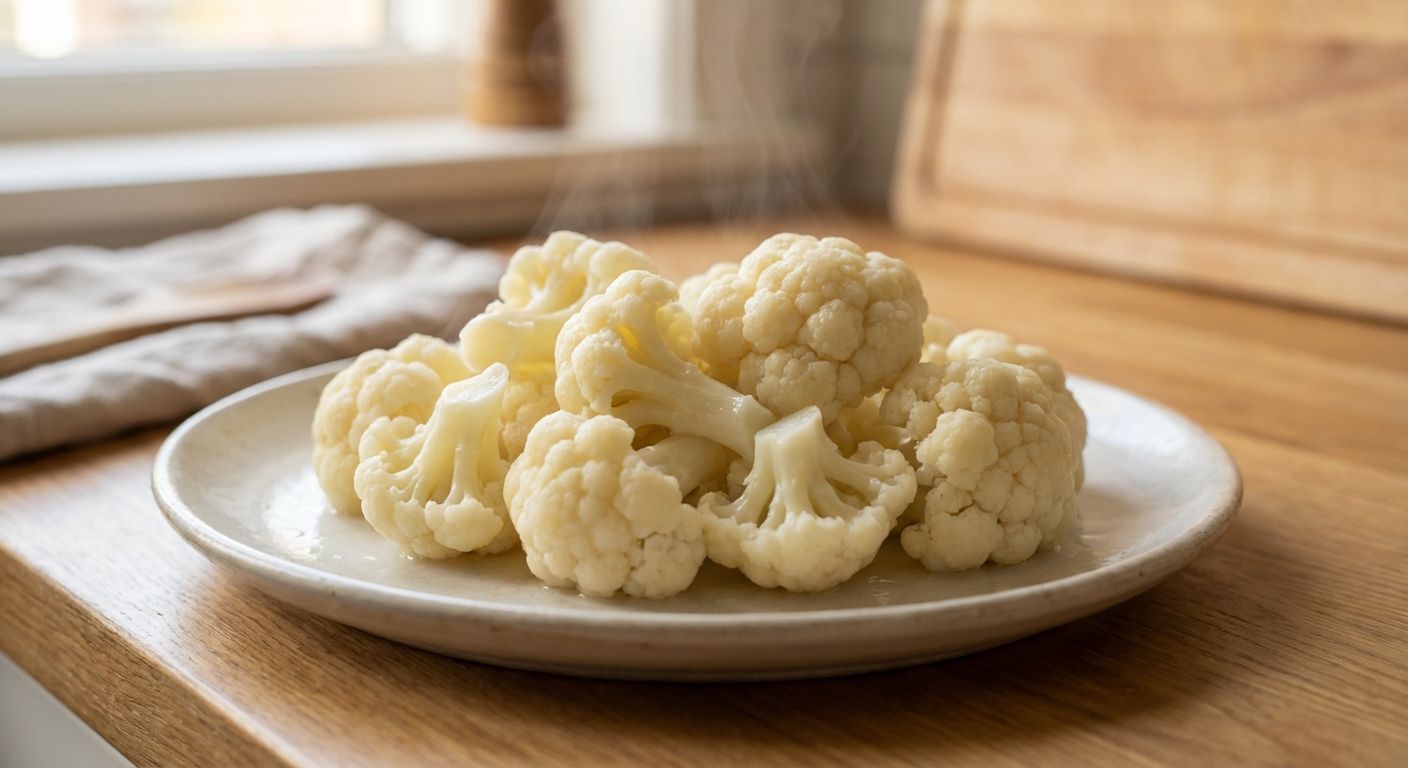
Raw cauliflower
Raw cauliflower is not toxic, but it is harder to break down and more likely to cause gas and bloating. It also may be a choking risk if offered in large chunks, especially for small dogs or fast eaters. If you offer it raw, keep it to tiny, thin pieces and start with a very small amount.
Cauliflower rice and more
Plain homemade cauliflower rice can be a nice topper in small amounts. Packaged cauliflower foods are trickier.
- Cauliflower rice (plain): generally okay in small portions.
- Frozen seasoned cauliflower blends: often contain garlic, onion, salt, or sauces. Not recommended.
- Cauliflower pizza crust: may contain cheese, salt, and spices. A tiny bite is usually not an emergency, but it is not a healthy treat.
- Cauliflower tots: commonly high in fat and sodium. Skip.
When to avoid
Some dogs should avoid cauliflower or only have it with veterinarian guidance:
- Dogs with sensitive digestion who get gassy or loose stools easily
- Dogs on prescription diets (GI, kidney, urinary, allergy trials)
- Dogs with a history of pancreatitis (especially if cauliflower is served with any added fats)
- Dogs with swallowing issues or who tend to gulp food
Too much cauliflower
Most problems are mild and resolve quickly, but it helps to know what to watch for.
- Excess gas
- Bloating or abdominal discomfort
- Loose stool or diarrhea
- Vomiting
- Reduced appetite
If vomiting or diarrhea is persistent, you see significant belly swelling, your dog seems painful, or you suspect a choking event, contact your veterinarian right away.
If your dog ate cauliflower that was cooked with onion, garlic, chives, or seasoning blends, call your vet for guidance. If you are in the U.S., you can also contact ASPCA Animal Poison Control or Pet Poison Helpline for additional support (fees may apply).
Easy ideas
- Steamed floret topper: chop one steamed floret and mix into the regular meal.
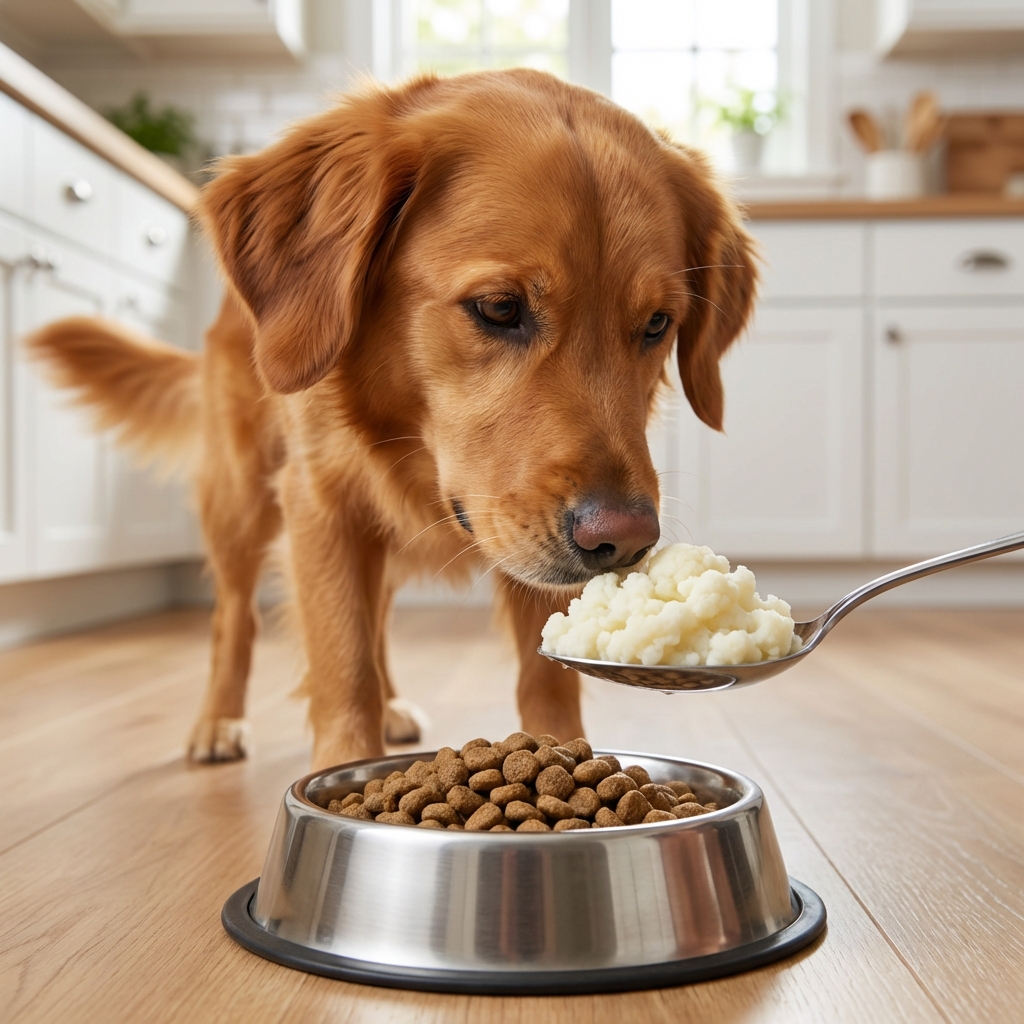
- Soft mash: mash steamed cauliflower and add a teaspoon to kibble for extra moisture.
- Frozen bites: blend steamed cauliflower with a splash of water, spoon into silicone molds, and freeze for a tiny, low-calorie treat.
Quick recap
Cauliflower can be a healthy snack for many dogs when it is served plain, lightly cooked, and offered in small portions. Start tiny, introduce new foods slowly, watch your dog’s stool and comfort level, and keep it as an occasional add-on instead of a daily staple.