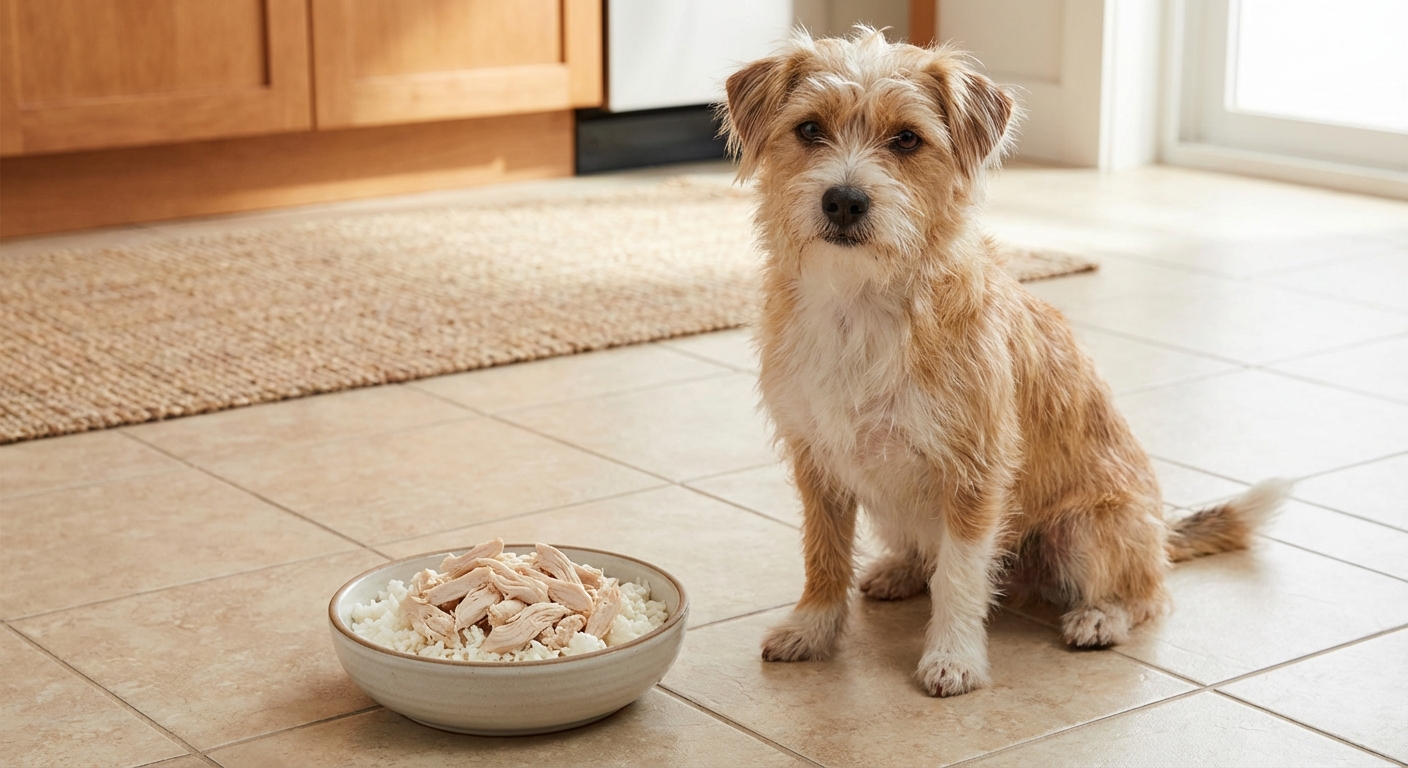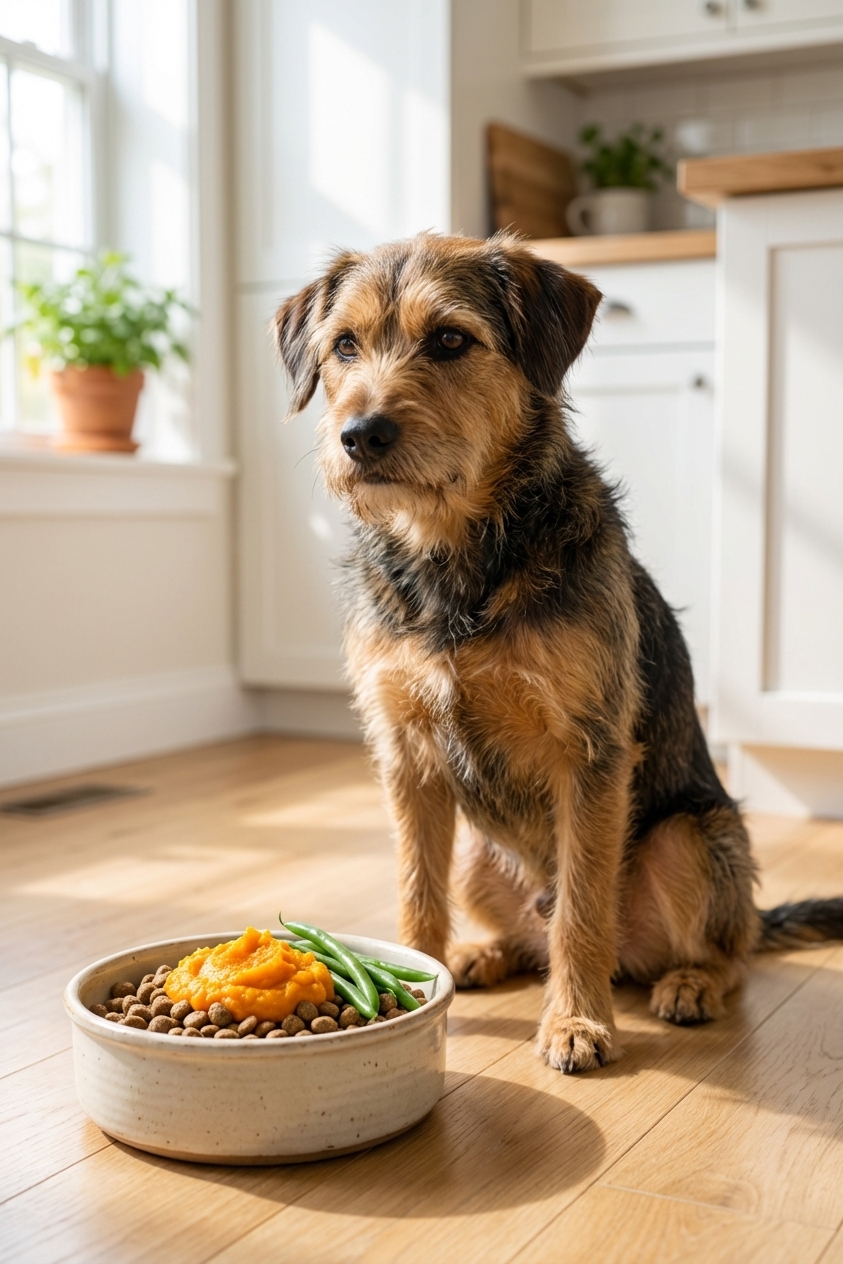
Make meals more tempting and nutritious with simple dog food toppers: bone broth, cooked eggs, sardines, pumpkin, and steamed veggies—plus portions, storag...
Article
•
Designer Mixes
Can Dogs Eat Cabbage? Gas Risk and Prep Tips

Shari Shidate
Designer Mixes contributor
Cabbage is one of those simple, budget-friendly veggies many of us keep in the fridge, and yes, most dogs can eat cabbage in small amounts. The main catch is gas, and individual tolerance varies. Any new food, even a “safe” one, can cause GI upset in some dogs. The good news is that with smart prep and reasonable portions, cabbage can be a safe, crunchy add-on for many pups.
Bottom line: plain, cooked cabbage in small servings is usually the easiest on a dog’s stomach. Raw cabbage is more likely to cause gas, bloating, and loose stool.
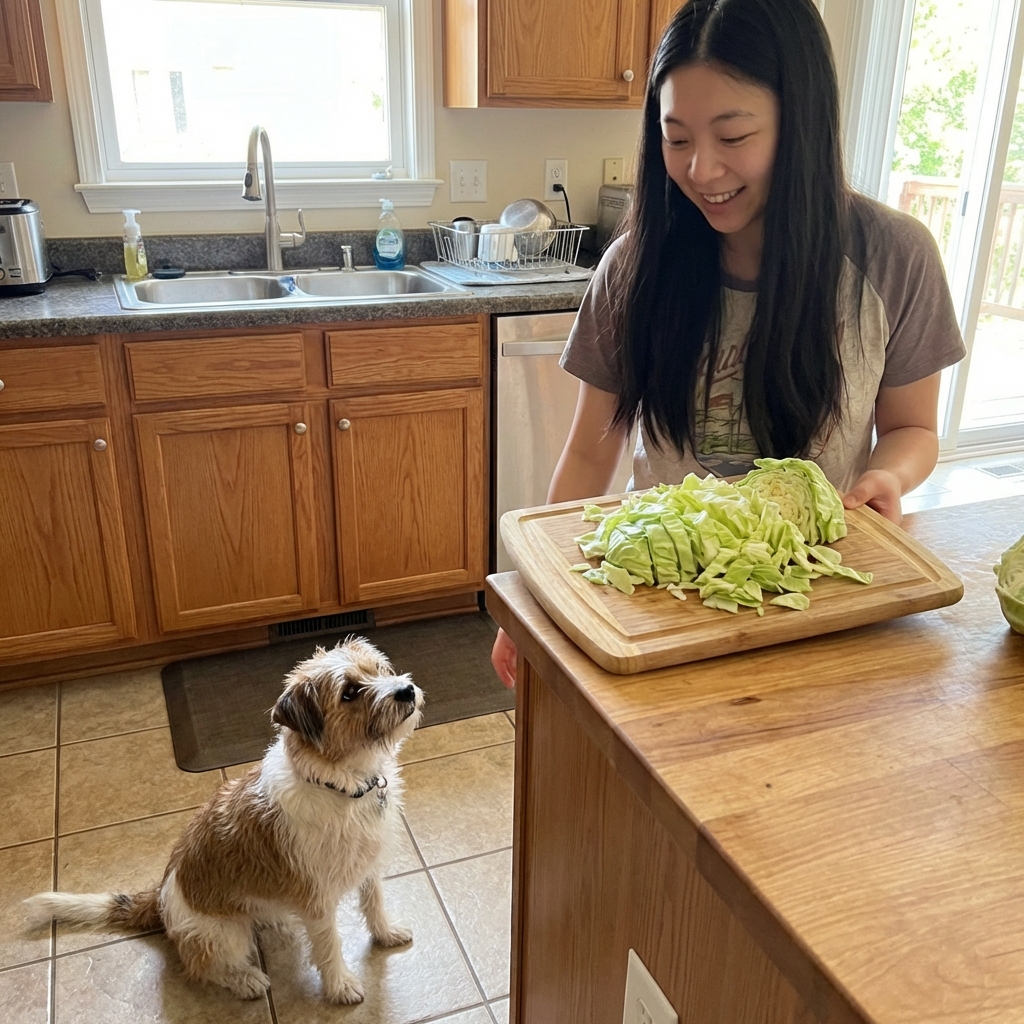
Is cabbage safe for dogs?
For most healthy dogs, cabbage is safe as an occasional treat or topper. It contains fiber and nutrients such as vitamin K, folate, and antioxidants, plus lots of water, which can be a nice bonus for hydration.
A quick note on vitamins: dogs can make their own vitamin C, so cabbage is not something they “need.” Think of it as a small, optional add-on for variety, not a must-have.
As always, dogs do best when their diet is built around complete and balanced nutrition, with extras added thoughtfully.
Why cabbage causes gas
The same thing that makes cabbage nutritious for humans can make it gassy for dogs. Cabbage contains fermentable fibers and certain carbohydrates that gut bacteria break down. That fermentation can create gas, especially in dogs who are not used to veggies or who eat too much too quickly.
Dogs most likely to get gassy
- Dogs new to vegetables or high-fiber toppers
- Small breeds who get a portion that is too big for their body size
- Brachycephalic dogs (like French Bulldogs, Pugs, Boston Terriers) who already tend to swallow air
- Dogs with sensitive stomachs, IBS-like symptoms, or a history of pancreatitis (because rich add-ins often come along with cabbage, like butter or sausage)
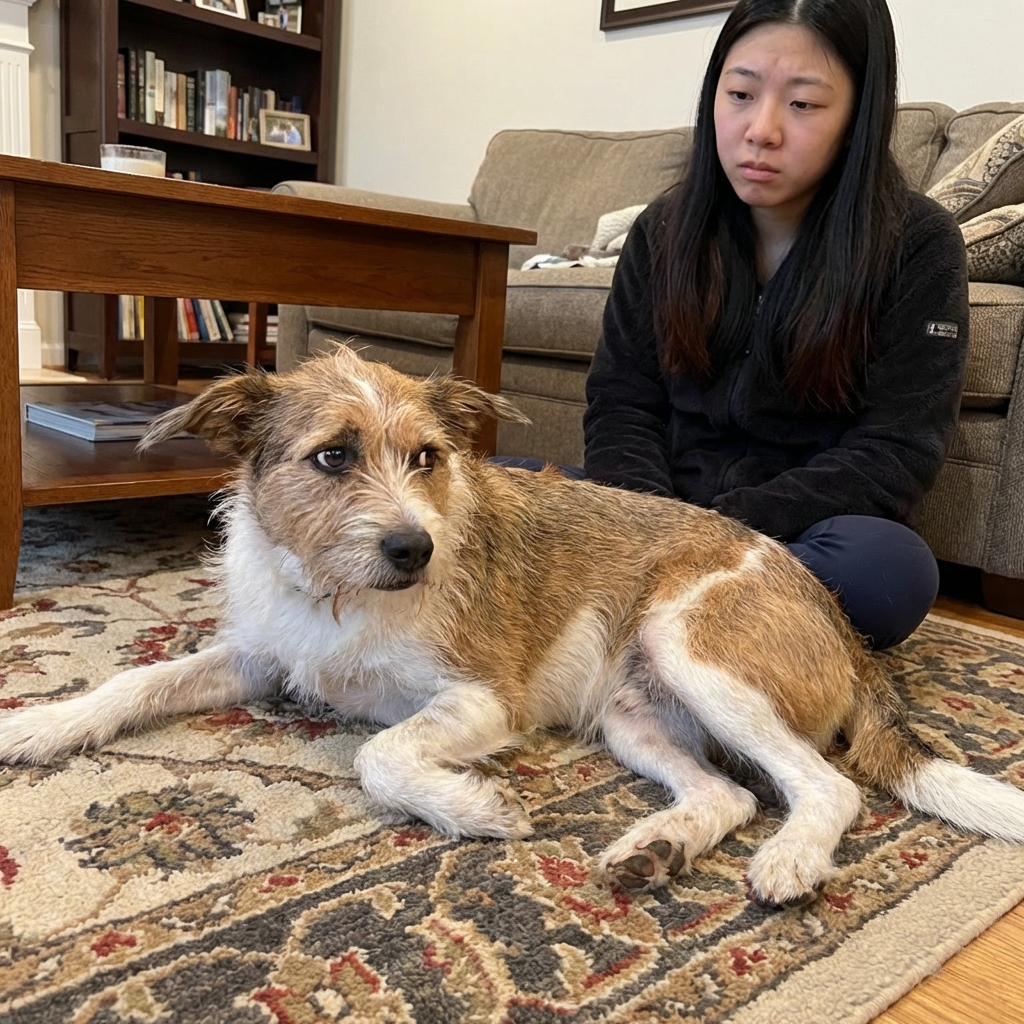
Signs you gave too much
- Extra flatulence or smelly gas
- Gurgling belly sounds
- Loose stool or mucus in stool
- Restlessness, stretching, or mild belly discomfort
- Rarely, vomiting
If you ever see a hard, swollen abdomen, repeated unproductive retching, collapse, or severe pain, treat it as an emergency and seek veterinary care right away. Those can be signs of bloat or another urgent issue, not “normal cabbage gas.”
How to prep cabbage
If you want the gentlest option, keep it plain, soft, and small.
Best cooking methods
- Steamed: Softens fiber and is easy to portion.
- Boiled: Very gentle for many dogs. Drain well and cool completely.
- Simmered: Cook gently in water, or a splash of unsalted, onion-free, garlic-free broth.
Raw vs cooked
- Cooked cabbage is usually easier to digest and less likely to cause gas.
- Raw cabbage is crunchier but more likely to ferment and create gas. If you offer it raw, keep the amount tiny and shred it finely.
How small should it be chopped?
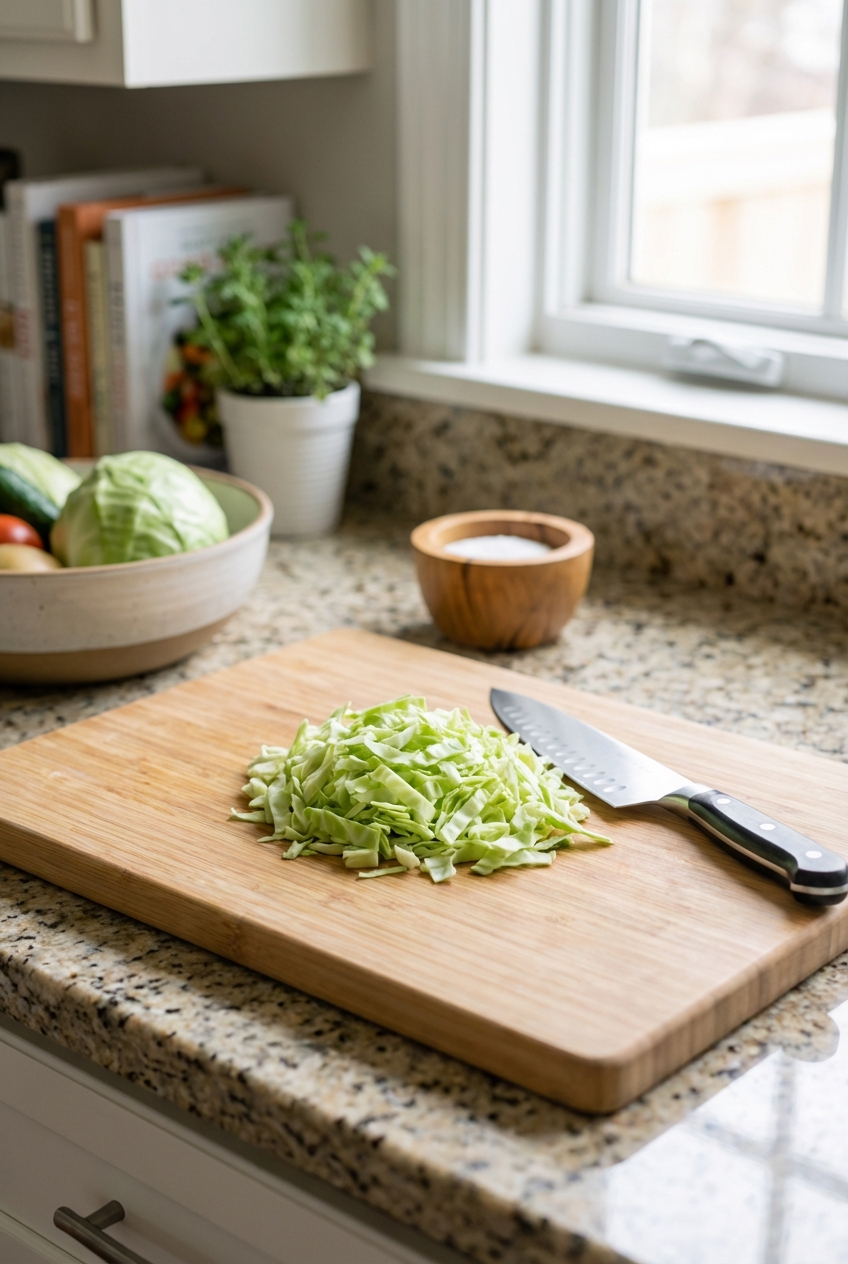
Chop or shred cabbage into bite-size pieces for your dog. Smaller pieces reduce choking risk and make it easier to digest. For toy breeds, aim for pea-size or smaller. Supervise your dog the first few times and skip large, fibrous leaf chunks that can be hard to chew.
Safe serving sizes
There is no single perfect serving size because dogs vary so much. Start very small, then see what your dog’s poop and comfort level tell you over the next 24 hours.
- Toy and small dogs: 1 to 2 teaspoons cooked cabbage
- Medium dogs: 1 to 2 tablespoons cooked cabbage
- Large dogs: 2 to 4 tablespoons cooked cabbage
If your dog does well, cabbage can show up a few times a week as part of the “veggie portion” of the diet. If gas shows up, dial it back or switch to gentler veggies like cooked zucchini or carrots.
Quick guideline: treats and toppers (including veggies) should make up no more than about 10% of your dog’s daily calories.
Pro tip: Introduce one new food at a time. If you add cabbage and a new treat in the same day, it is hard to know what caused the tummy trouble.
Cabbage types
Most cabbage varieties are fine for dogs when prepared plainly.
- Green cabbage: Classic choice and easy to cook.
- Red or purple cabbage: Also fine, with extra antioxidants. Be aware it can stain fabric and may tint stool slightly.
- Savoy cabbage: Softer leaves, often easy on digestion when cooked.
- Napa cabbage: Mild and tender, a good option for sensitive dogs when lightly cooked.
When to skip cabbage
Skip cabbage or check with your veterinarian first if your dog has:
- A history of GI sensitivity with frequent gas, diarrhea, or vomiting
- Known food intolerances or is currently on an elimination diet
- Thyroid disease (the goitrogen concern is mainly with large amounts, especially raw, over time)
- High GDV risk or previous gastric dilatation-volvulus (GDV) episode (evidence that cabbage specifically triggers GDV is limited, but if your dog is high-risk, ask your vet before adding higher-fiber toppers)
Also, if your dog is on medication, has chronic illness, or you are feeding a homemade diet regularly, it is worth asking your vet or a board-certified veterinary nutritionist how veggies should fit into the overall plan.
Unsafe cabbage dishes
Cabbage itself is not usually the problem. It is the way people prepare it.
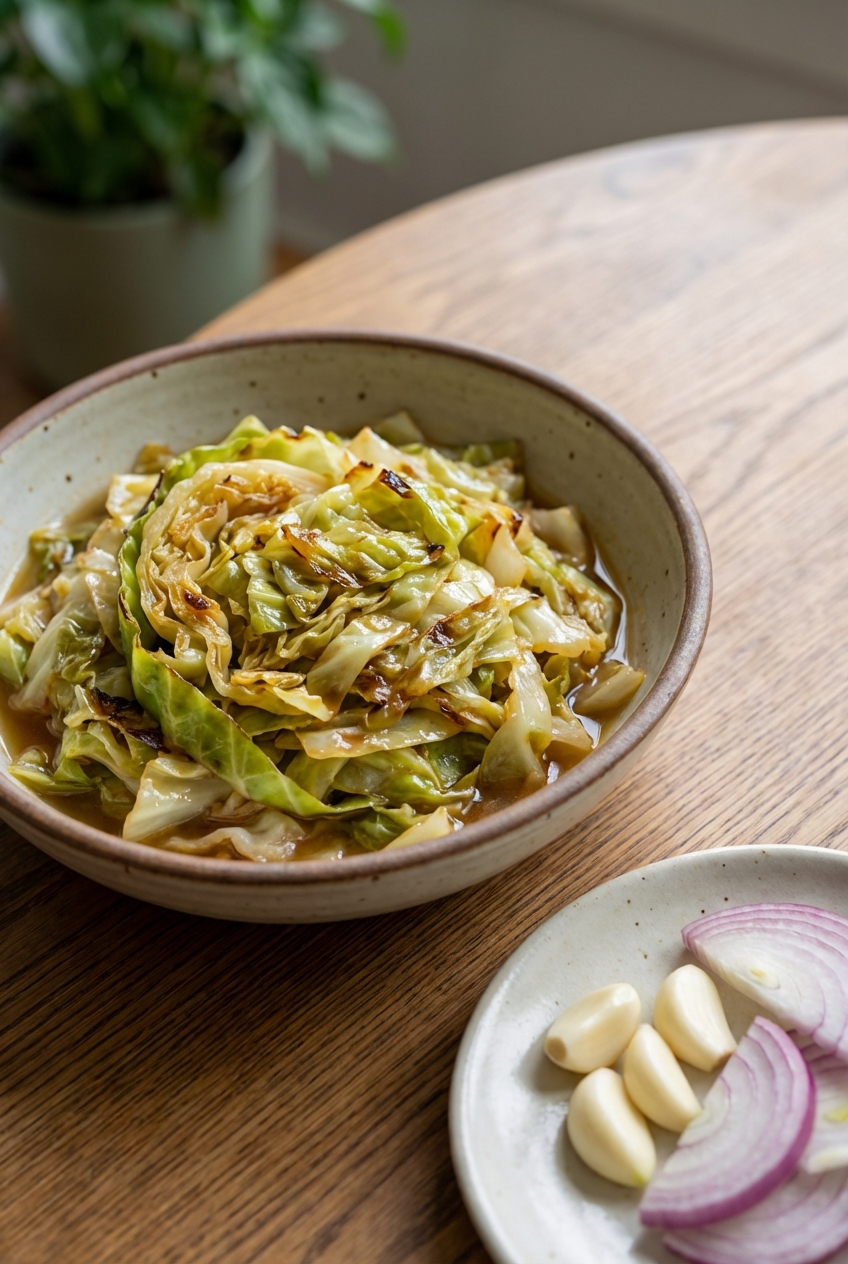
- Garlic and onion: Common in cabbage recipes and can damage a dog’s red blood cells. Avoid any cabbage cooked with onion, onion powder, garlic, or garlic powder.
- Butter, bacon grease, sausage: High fat can trigger pancreatitis in susceptible dogs.
- Salt-heavy recipes: Too much sodium is risky, especially for dogs with heart or kidney concerns.
- Pickled cabbage, sauerkraut, kimchi: Often high in salt and may include garlic, onion, or spicy seasonings.
- Spicy cabbage: Chili flakes and hot sauces can irritate the GI tract.
Rule of thumb: if it is seasoned, fatty, or salty, skip it and keep your dog’s cabbage plain.
Simple cabbage topper
This is a gentle way to test cabbage without overdoing it.
Plain steamed cabbage
- 1 to 2 cups chopped cabbage
- Water for steaming
Directions: Steam until soft and fragrant, about 5 to 8 minutes depending on thickness. Cool fully. Add a small spoonful to your dog’s regular food.
Optional: Mix with a small amount of lean protein like plain boiled chicken to make it more enticing.
Start tiny. If your dog does well, you can gradually increase, but cabbage should stay in the “topping” category, not the main course.
FAQ
Can puppies eat cabbage?
In tiny amounts, cooked and plain, cabbage is usually fine. Puppies have more sensitive digestive systems, so introduce very slowly and prioritize a complete puppy diet.
Can dogs eat cooked cabbage every day?
Most dogs do best with variety. A little cooked cabbage a few times a week is typically plenty. Daily servings can be too much fiber for some dogs, leading to loose stool or gas.
Is cabbage good for overweight dogs?
Cabbage is low calorie and high water, so it can be a helpful topper for some dogs who need more volume without extra calories. Keep portions modest and avoid adding fats or salty ingredients.
Can dogs be allergic to cabbage?
True allergies are uncommon, but intolerance can happen. If you notice vomiting, diarrhea, excessive gas, or signs like itching or ear redness after cabbage, stop offering it and check in with your vet.
When to call your vet
Contact your veterinarian if your dog has persistent diarrhea, repeated vomiting, obvious abdominal pain, lethargy, blood in stool, or symptoms that last longer than a day after trying cabbage. If your dog is prone to bloat or shows severe abdominal distension or unproductive retching, seek emergency care immediately.
With a slow introduction and simple prep, cabbage can be a safe little “extra” that adds crunch and variety to your dog’s week.