Yes—most dogs can eat cauliflower if it’s served plain and in small amounts. Get portion sizes by dog weight, safest prep methods, and signs of tummy tro...
Article
•
Designer Mixes
Can Dogs Eat Broccoli?

Shari Shidate
Designer Mixes contributor
Yes, most dogs can eat broccoli, and it can be a nutritious, low-calorie add-on to a balanced diet. The key is portion size and how it is prepared. As a veterinary assistant, I love recommending simple whole foods, but I also see the not-so-fun side when dogs overdo it and end up with gas, vomiting, or diarrhea.
Let’s walk through safe amounts, benefits, realistic risks, and exactly how to serve broccoli so it stays a healthy treat and not a midnight emergency. One quick rule that helps: introduce one new food at a time so you can spot sensitivities early.
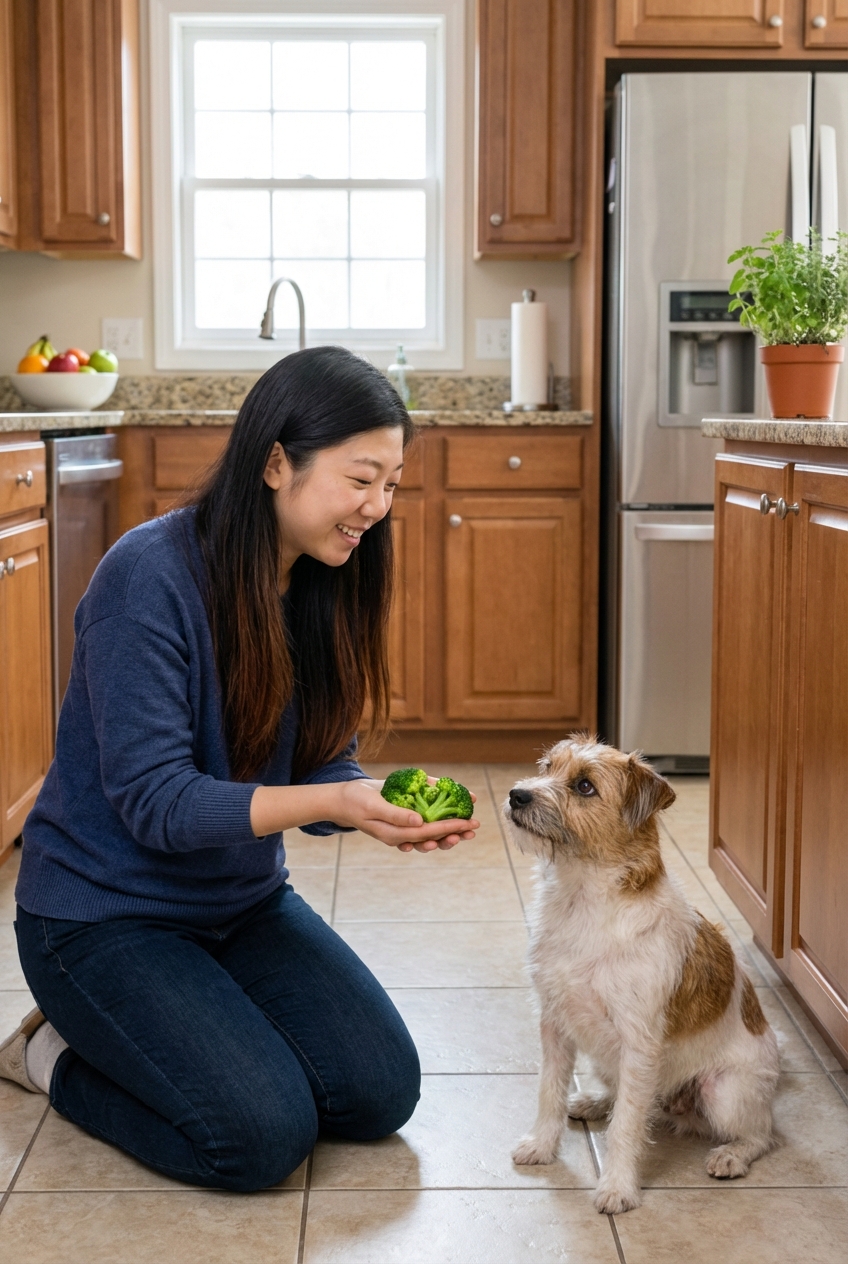
Is broccoli safe for dogs?
Broccoli is generally safe for dogs in small amounts. It is non-toxic and provides fiber, vitamins, and antioxidants. Most issues happen when:
- A dog eats too much broccoli at once
- Broccoli is served raw in large chunks (choking risk, especially for gulpers)
- It is cooked with butter, oil, salt, garlic, or onion
- It is seasoned with blends that hide onion powder or garlic powder
If your dog has a sensitive stomach, a history of pancreatitis, or chronic GI issues, broccoli may not be the best choice, or it may need to be introduced very slowly.
Benefits of broccoli for dogs
Broccoli is a cruciferous vegetable packed with nutrients. When used as a small topper or training treat, it can support overall wellness.
What broccoli provides
- Fiber to support healthy digestion and stool quality
- Vitamin C and antioxidant compounds that help combat oxidative stress
- Vitamin K which plays a role in normal blood clotting
- Folate (B9) which supports healthy cells
- Potassium which supports normal muscle and nerve function
It is also naturally low in calories, which makes it a popular option for dogs who need to watch their weight.
Safe amounts
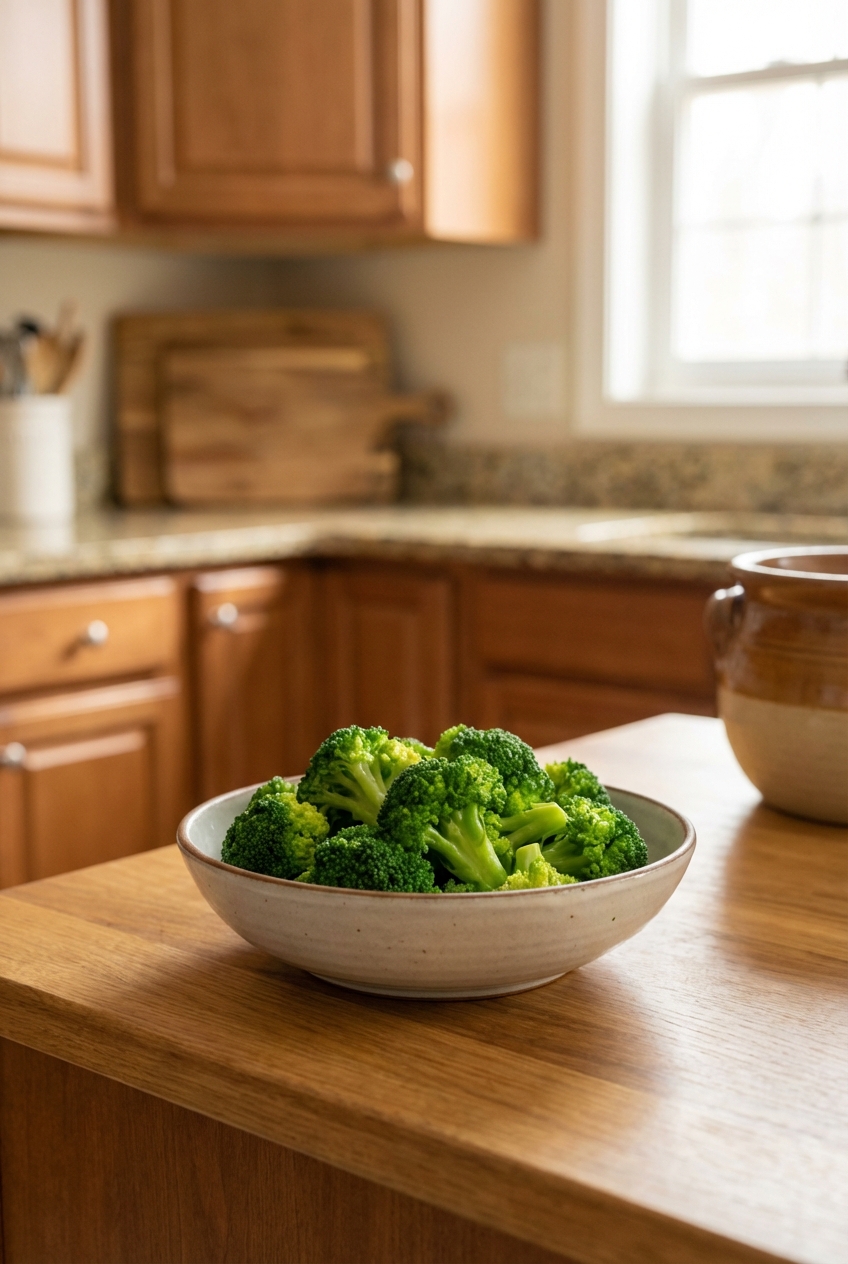
The safest approach is to treat broccoli like a treat, not a meal. As a general guideline in veterinary nutrition, treats and extras should stay at 10 percent or less of daily calories. With broccoli, many dogs do best well under that amount because cruciferous veggies can cause gas.
These ranges are starting points, not a strict rule. Size, chewing style, and GI sensitivity matter a lot. When in doubt, start smaller than you think and ask your vet if your dog has any medical issues or is on a prescription diet.
Practical portion guide
- Tiny dogs (under 10 lb): 1 to 2 small florets (or 1 tablespoon chopped) occasionally
- Small dogs (10 to 25 lb): 2 to 4 small florets (or 1 to 2 tablespoons chopped)
- Medium dogs (25 to 60 lb): a small handful of chopped broccoli (2 to 4 tablespoons)
- Large dogs (60+ lb): up to 1/4 cup chopped as an occasional topper
Best tip: start with half of the above amount the first time. If stools stay normal for 24 to 48 hours, you can slowly work up.
Risks and side effects
Broccoli is healthy, but it is not risk-free. Here are the main concerns I share with pet parents.
1) Gas and GI upset
Broccoli contains fiber and natural plant compounds that can be gassy for dogs. Too much can lead to:
- Gas and abdominal discomfort
- Soft stool or diarrhea
- Vomiting, especially if eaten quickly
2) Choking and blockage risk
Large raw pieces can be a choking hazard, particularly for fast eaters and small dogs. Always supervise, and keep pieces bite-sized. Very large amounts of fibrous vegetable matter can also contribute to constipation or discomfort in some dogs.
3) Added ingredients are the real danger
Broccoli is often served with seasonings that are not dog-friendly. Avoid broccoli prepared with:
- Garlic or onion (including powders, which are common in seasoning blends)
- Butter, oils, fatty sauces (can trigger diarrhea and may be risky for pancreatitis-prone dogs)
- Salt (unnecessary and not helpful)
- Cheese sauces (fat, lactose, and additives can cause GI upset)
When broccoli causes problems, it is usually not the broccoli itself. It is the portion size, the preparation, or what it was cooked with.
4) Why moderation matters
Cruciferous vegetables like broccoli contain compounds (including isothiocyanates) that may contribute to digestive irritation in some dogs when fed in large amounts. In normal treat-sized portions, most dogs tolerate broccoli well.
Raw vs cooked
Lightly cooked broccoli is usually easiest on a dog’s stomach. Raw broccoli is not toxic, but it is tougher to chew and digest, and it is more likely to cause gas.
Best cooking methods
- Steamed: my top choice, softens texture without adding fats
- Boiled: okay, though it can reduce some water-soluble nutrients like vitamin C and folate
- Microwaved with a splash of water: fine if you keep it plain
Prep checklist
- Serve plain
- Cut into small, bite-sized pieces
- Let it cool fully before offering
- Stems are safe, but they are tougher. Cook them well and chop finely to reduce choking and tummy trouble.
Puppies and broccoli
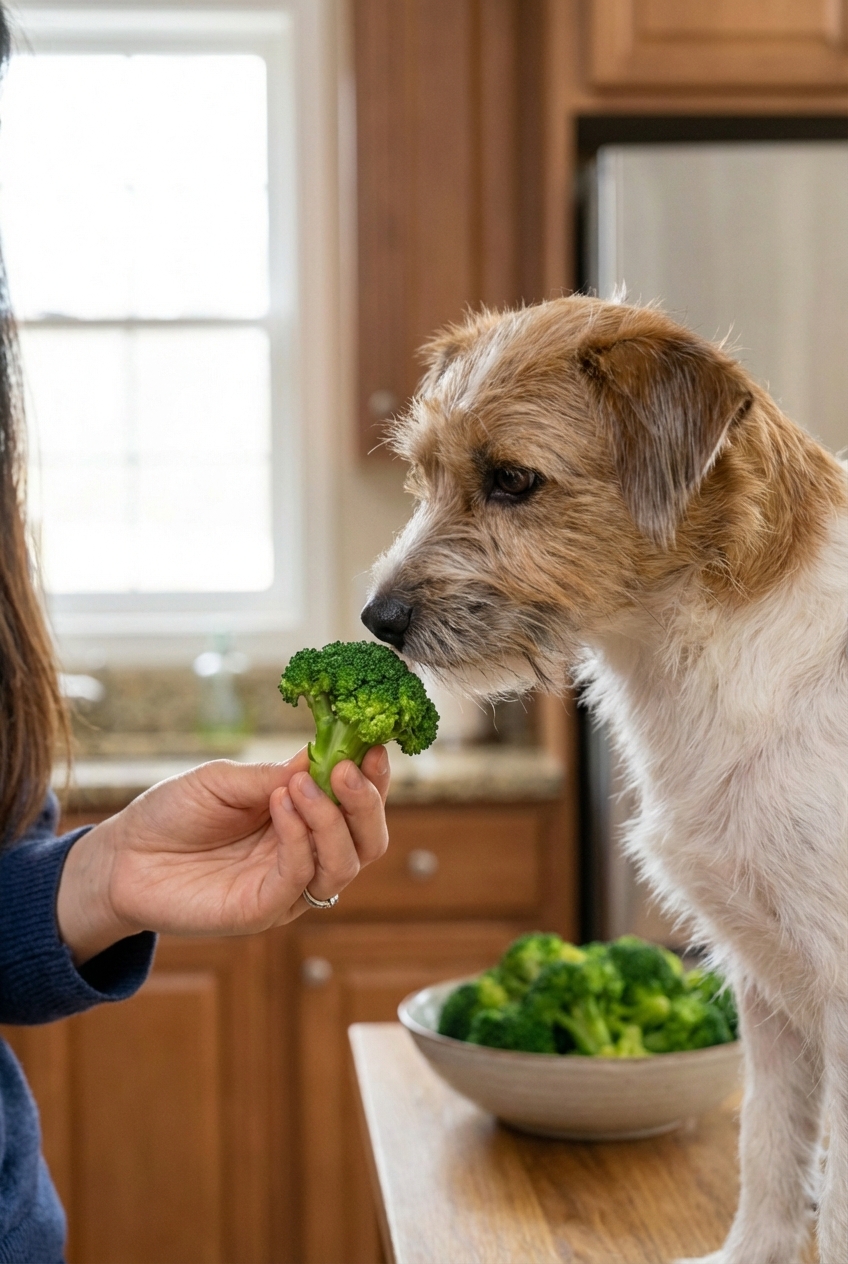
Puppies can have broccoli in tiny amounts, but I recommend being extra cautious. Their digestive systems are still developing, and they are more likely to get diarrhea from new foods.
- Keep portions very small, like one bite-sized piece
- Choose steamed over raw
- Introduce only when stool is already stable and your puppy is healthy
When to skip it
Skip broccoli or talk with your veterinarian first if your dog:
- Has a history of pancreatitis (not because broccoli is fatty, but because many “broccoli dishes” are)
- Has IBD, recurring diarrhea, or a very sensitive stomach
- Is on a prescription diet where extras interfere with the plan
- Has trouble chewing or a history of choking
If your dog ate too much
If your dog overdoes it, you may see:
- Increased gas
- Burping or stomach gurgling
- Loose stool or diarrhea
- Vomiting
- Reduced appetite for the next meal
If your dog only has mild gas or a slightly soft stool, pause broccoli for now, offer plenty of fresh water, and return to their normal diet.
Important: if signs persist, worsen, or last more than a day, contact your vet even if they started out mild.
Call your vet urgently if you notice
- Repeated vomiting
- Blood in stool
- Severe lethargy
- Signs of belly pain (hunched posture, whining when picked up)
- Choking, gagging, or difficulty breathing
Easy serving ideas
Some dogs love broccoli right away, and some need a little convincing. Here are simple, dog-safe ideas:
- Steamed broccoli topper: 1 to 2 tablespoons mixed into their regular food
- Frozen steamed bites: cool, soft treats for teething pups and hot summer days
- Broccoli and chicken mini-mix: tiny chopped broccoli with plain cooked chicken for training rewards
Remember, variety matters. Rotate vegetables instead of using broccoli every day. Green beans, carrots, and pumpkin are other gentle options for many dogs.
Bottom line
Dogs can eat broccoli, and it can be a healthy, low-calorie treat when served plain and in small amounts. The biggest risks are GI upset from large portions, choking from big raw pieces, and unsafe seasonings from human recipes.
If you want to add more fresh foods to your dog’s bowl, broccoli can be a great start. Just keep it simple, keep it small, supervise your dog while they eat it, and watch how your individual dog responds.