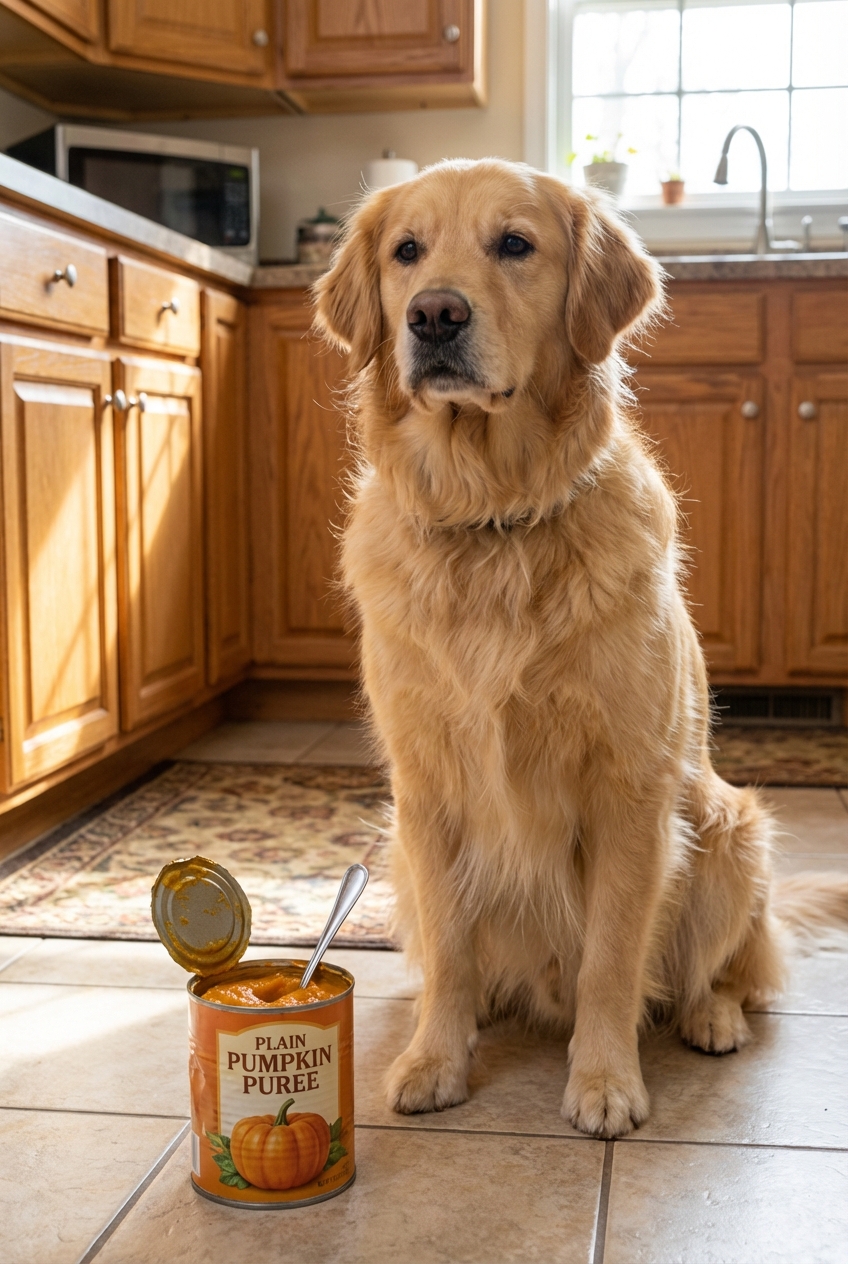
Skip pricey processed treats with 5 easy homemade dog treat ideas—from frozen pumpkin yogurt bites to sweet potato chews. Includes vet safety tips, portion...
Article
•
Designer Mixes
Can Dogs Eat Blueberries?

Shari Shidate
Designer Mixes contributor
Yes, most dogs can eat blueberries, and they are one of my favorite “small but mighty” fruits to add as an occasional treat. As a veterinary assistant here in Frisco, Texas, I love recommending simple, whole-food options that are easy to portion, low in calories, and built around straightforward nutrition basics like fiber and antioxidants.
Blueberries are not a cure-all, but they are a nutrient-dense snack that can fit beautifully into a healthy routine when served the right way and in the right amount.
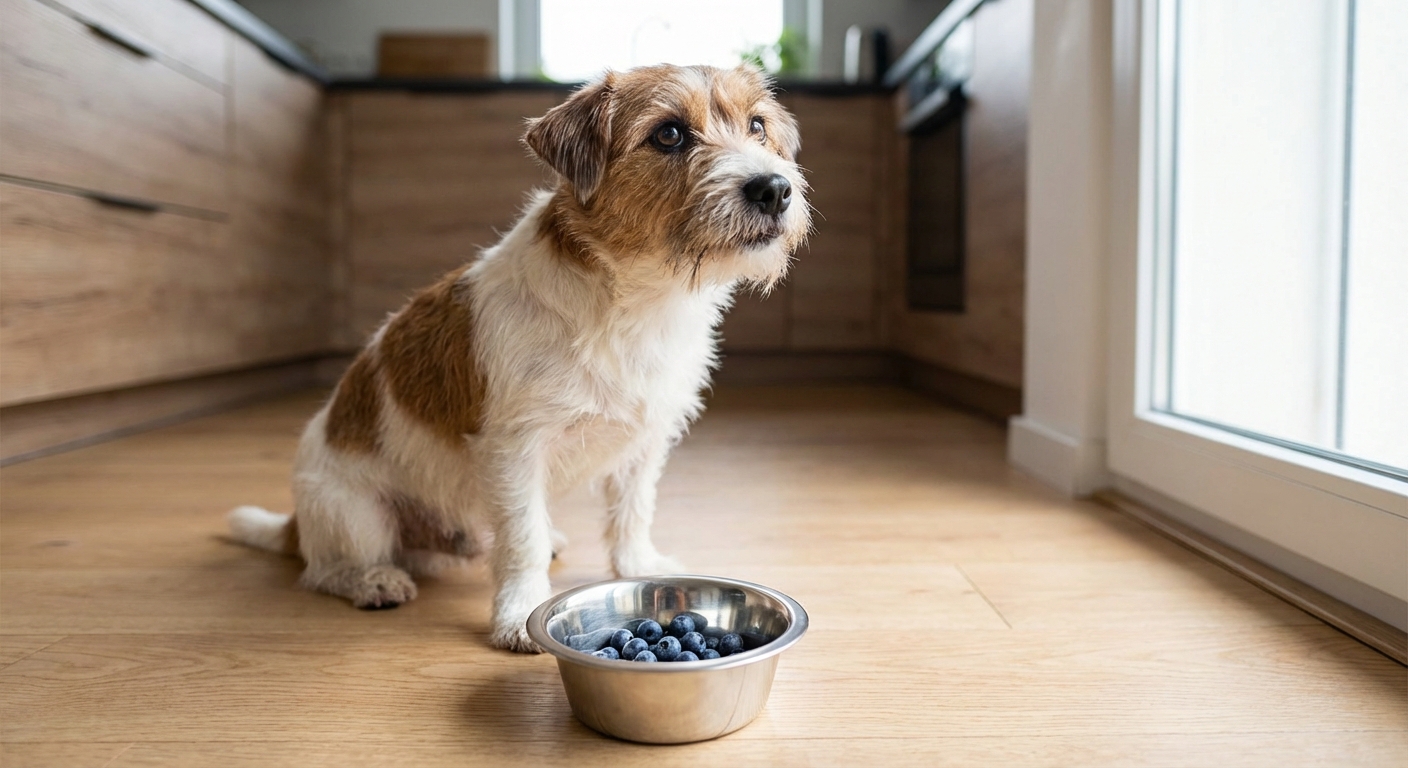
Why blueberries are popular
Blueberries are packed with naturally occurring plant compounds that support overall wellness. The headline is antioxidants, including anthocyanins, which help neutralize free radicals in the body. In plain language, antioxidants help protect cells from everyday wear and tear.
They also provide:
- Fiber to support healthy digestion and stool quality.
- Vitamin C (dogs make their own vitamin C, so it is not considered essential in the diet, but food sources can still add a small amount).
- Vitamin K which supports normal clotting function.
- Manganese, a trace mineral involved in metabolism.
- Water content, which can be helpful for dogs that need more moisture in their snacks.
Even better, blueberries are naturally low in fat and relatively lower in sugar than many fruits, which is why they often work well as a training treat.
How many blueberries?
Think of blueberries as a treat, not a meal. A good rule of thumb is to keep treats (including fruit) to 10% or less of your dog’s daily calories.
To make that easier, here is a helpful anchor: one blueberry is roughly about 1 calorie (size varies, so treat this as an estimate).
Starting portions
These are conservative starting ranges for most healthy dogs:
- Extra-small dogs (under 10 lb): 1 to 3 blueberries
- Small dogs (10 to 25 lb): 3 to 6 blueberries
- Medium dogs (25 to 60 lb): 6 to 10 blueberries
- Large dogs (over 60 lb): 10 to 15 blueberries
If your dog is brand new to fruit, start with just 1 or 2 and monitor stool quality for 24 hours. Too many blueberries too fast can lead to soft stool, especially in sensitive dogs.
Best ways to serve
Blueberries are one of the easiest fruits to serve because they require minimal prep. The goal is always to keep treats safe, simple, and consistent.
Fresh
- Rinse well under cool water.
- Serve whole for most medium and large dogs.
- For tiny dogs or dogs that gulp, consider cutting them in half.
Frozen (a favorite in Texas heat)
Frozen blueberries can be a fun enrichment snack, especially in warm weather. They also tend to slow down fast eaters.
- Offer a few frozen berries as a quick treat.
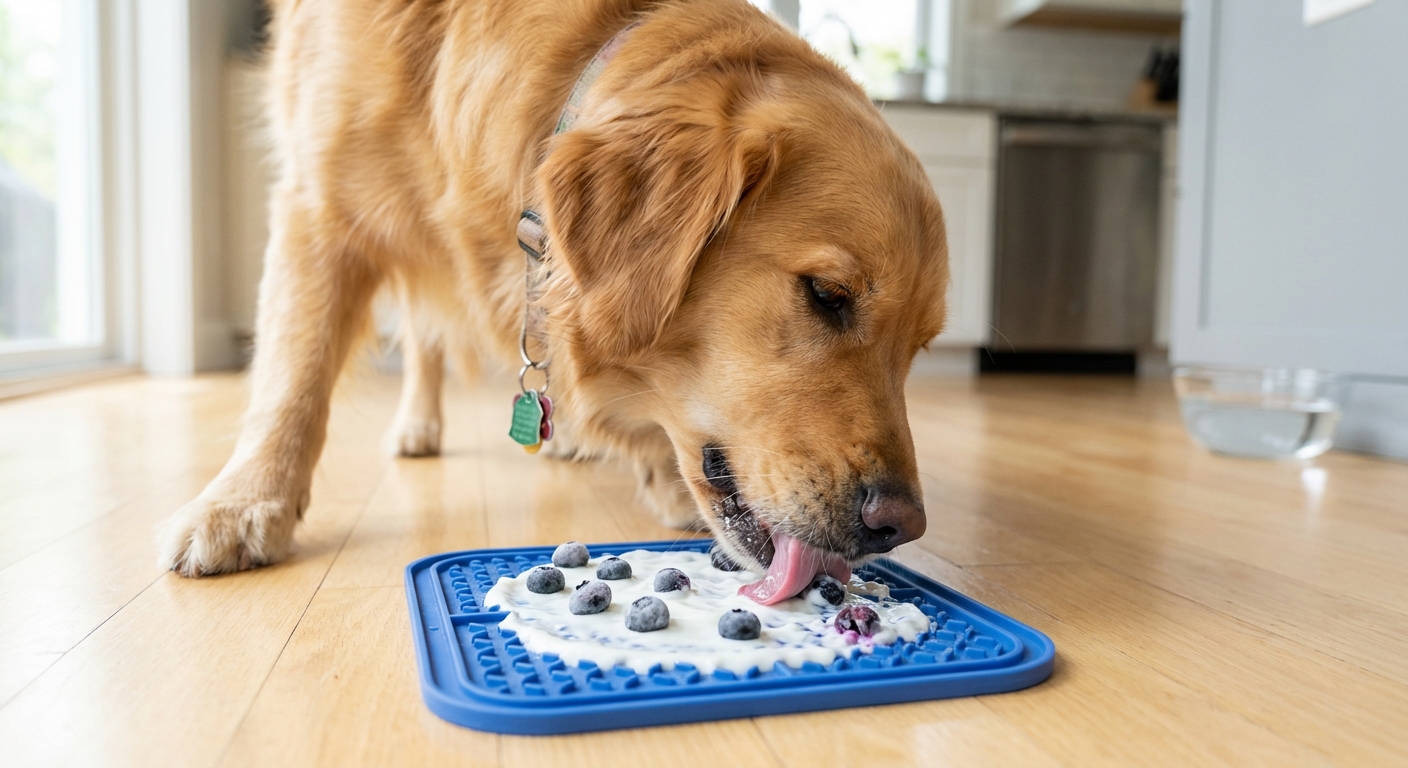
- Or mix into plain yogurt (if your dog tolerates dairy).
Mashed into food
If you are transitioning toward more whole foods, mash a few blueberries and mix them into your dog’s meal. This can be a gentle way to introduce new flavors without overwhelming the stomach.
Puppies, seniors, and health issues
Puppies
Most puppies can have a small amount of blueberry once they are eating a consistent diet and tolerating treats. Keep portions tiny and always supervise. Young dogs are more likely to swallow treats quickly.
Seniors
For senior dogs, blueberries can be a great low-calorie treat option. If your senior has dental disease or missing teeth, try lightly mashing the berries.
Diabetes, pancreatitis, and weight plans
Blueberries are generally better than high-fat treats, but they still contain natural sugar. If your dog has diabetes or is on a strict weight plan, ask your veterinarian for a treat calorie target.
For dogs with a history of pancreatitis, blueberries are typically a safer choice than fatty snacks because they are low fat, but any new treat can still trigger GI upset in sensitive dogs. Portion control and a slow introduction matter.
When to skip blueberries
Blueberries are safe for most dogs, but there are situations where you should skip them or check with your vet first:
- Food sensitivities: Some dogs simply do not tolerate fruit well.
- Chronic GI conditions: Dogs with inflammatory bowel disease or frequent diarrhea may do better with very limited treats.
- Choking risk: Dogs that gulp food, very small dogs, and some puppies may need blueberries halved or mashed.
Blueberry products to avoid
Stick to plain blueberries. Avoid:
- Blueberry muffins, breads, or pancakes (added sugar and fat)
- Dried blueberries (more concentrated sugar and may stick to teeth)
- Anything with xylitol (highly toxic to dogs)
- Jams and syrups (sugar-heavy, often unnecessary ingredients)
Watch out for mixed berry products
If you buy a “berry mix” or fruit medley, check the ingredients carefully. Some mixes include grapes or raisins, which can be dangerous for dogs.
If your dog ate a lot
Most of the time, too many blueberries just means an upset tummy. Watch for:
- Soft stool or diarrhea
- Gas
- Vomiting
- Decreased appetite for the next meal
If your dog ate a very large amount and seems unwell, or if vomiting and diarrhea continue, call your veterinarian.
If your dog got into a blueberry product that may contain xylitol, treat it as an emergency and seek veterinary care right away.
Stems and leaves
If your dog snuck a few blueberry stems or leaves, it is usually not a big deal. Still, any plant material can cause mild stomach upset in some dogs. If you see ongoing vomiting, diarrhea, or your dog seems painful or lethargic, call your vet.
Simple treat ideas
If you want to keep things homemade and wholesome, these are easy options I see dogs love:
2-ingredient frozen bites
- Mix plain unsweetened yogurt with a small handful of blueberries.
- Spoon into a silicone mold and freeze.
For dairy-sensitive dogs, use a small amount of goat milk kefir if tolerated, or skip dairy entirely and freeze blueberries into an ice cube with water.
Training treats
Use one blueberry as a “jackpot” reward, then follow with a few pieces of your dog’s regular kibble. This keeps calories controlled while still feeling exciting to your dog.

Action step: Start with 2 to 3 blueberries, served plain, and use stool quality as your feedback system. If everything looks normal, you have a new healthy treat in your rotation.
Quick takeaway
Blueberries are a safe, nutritious treat for most dogs when fed in moderation. They provide antioxidants and fiber, are easy to serve fresh or frozen, and can be a simple whole-food alternative to many processed treats. If your dog has a medical condition or a sensitive stomach, your veterinarian can help you choose the best treat plan.