A practical guide to dog-safe fruits, smart portions, and safe prep. Learn which fruits to offer (like apples and blueberries) and which to avoid—especiall...
Article
•
Designer Mixes
Can Dogs Eat Bananas?

Shari Shidate
Designer Mixes contributor
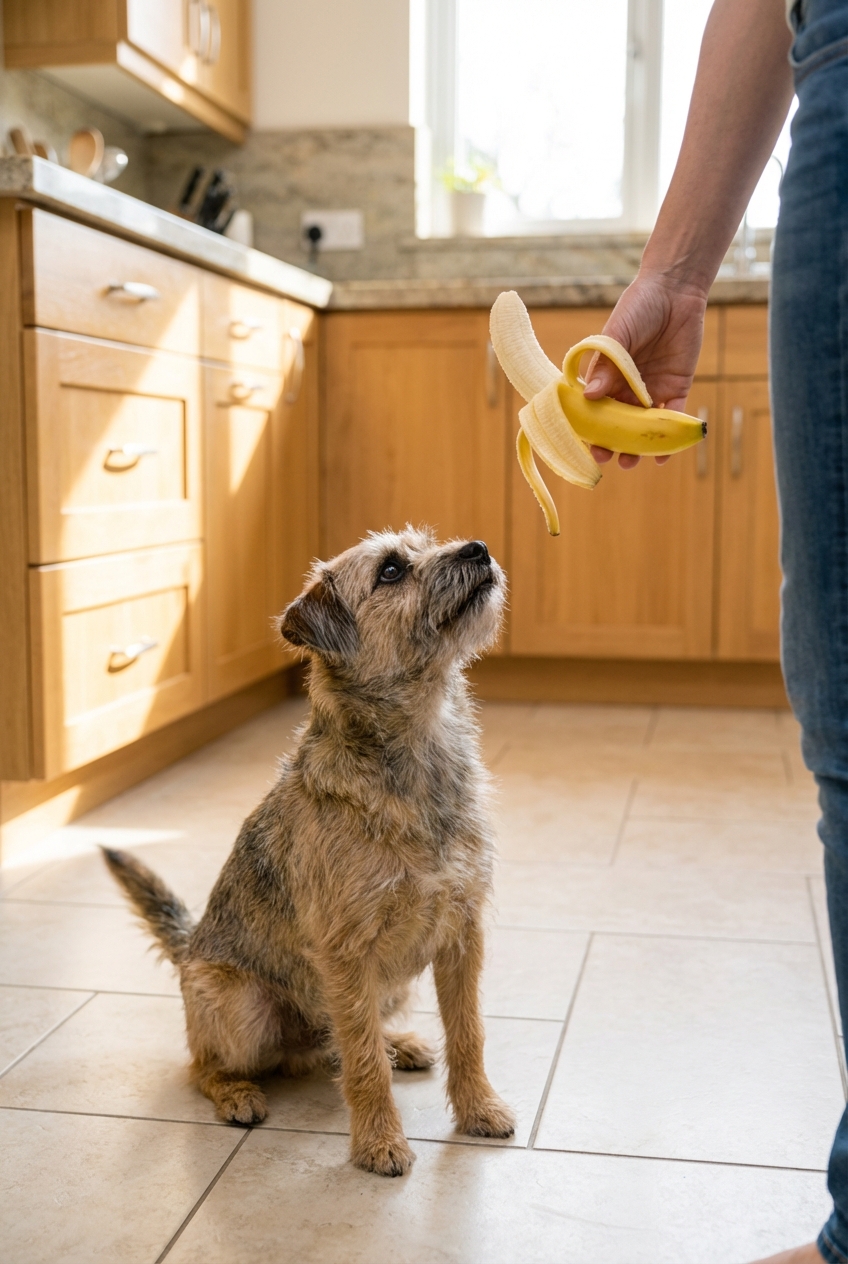
Yes, most dogs can eat bananas, and many pups absolutely love the taste. As a veterinary assistant here in Frisco, Texas, I like bananas because they are simple, portable, and easy on most stomachs when served in the right portions.
But there is a catch that matters: bananas are naturally sweeter and more calorie-dense than many other dog-safe fruits . So the real question is not just can dogs eat bananas, but how much, how often, and whether a banana is the best choice for your dog.
Also, any new food can cause gastrointestinal upset. If it is your dog’s first time, introduce banana slowly and watch stool and appetite.
Bananas 101
Bananas are not a “superfood cure,” but they do offer a few helpful nutrients. The biggest talking points are potassium and fiber, plus some vitamins.
- Potassium: Supports normal muscle and nerve function and helps maintain fluid balance.
- Fiber: Can support healthy digestion and stool quality when introduced gradually.
- Vitamin B6: Plays a role in metabolism and immune function.
- Vitamin C: Dogs make their own vitamin C, but small food sources can still contribute.
- Magnesium: Supports muscle and nerve function.
Bananas are also relatively low in fat and sodium, which is one reason they are often recommended as an occasional treat.
Sugar and calories
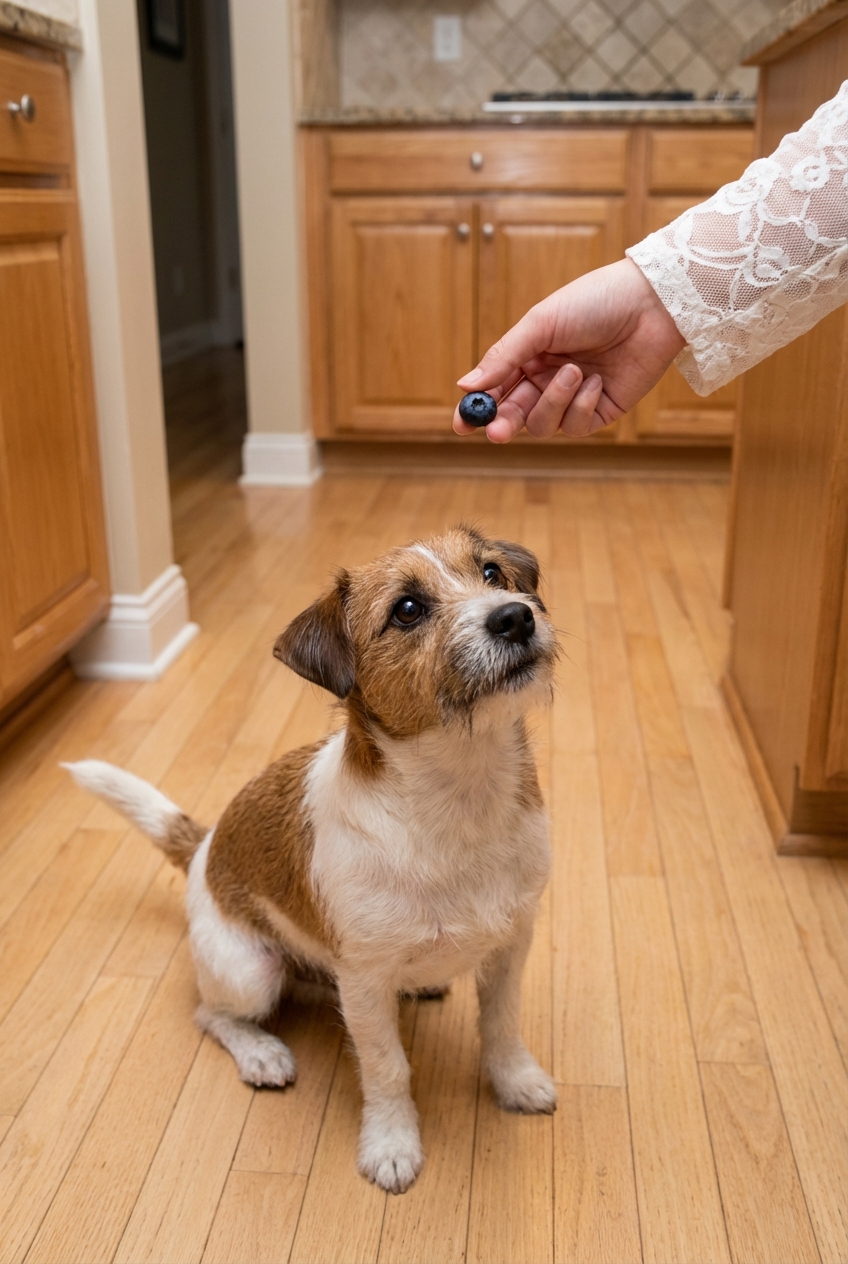
Bananas contain natural sugars, but the bigger issue for most dogs is calories and portion size, not toxicity. For a quick comparison, banana is typically a higher-sugar choice than many berries (like blueberries) , so it is easier to overdo.
Instead of saying “sugar is bad,” I frame it like this: extra sugar adds calories, and frequent sticky treats can contribute to dental plaque over time.
When it matters more
- Overweight dogs: Treat calories add up quickly, even if they are “healthy.”
- Dogs with diabetes: Talk to your veterinarian before offering bananas, because the sugar and carb load can affect glucose control.
- Dogs with a history of pancreatitis: Pancreatitis is often triggered by high-fat foods. Bananas are not high-fat, but treat frequency and total calories still matter, and some dogs do best with a very consistent diet. Ask your vet what snacks are safest for your dog.
If your goal is a healthy treat routine, banana is a sometimes snack, not a daily add-on.
Potassium
Potassium is important, but most dogs on a complete and balanced diet already get what they need from their regular food. Bananas can contribute potassium, but they are not the right fix if you are worried about a deficiency.
Also, more is not always better. Some dogs with kidney or heart disease are on potassium-restricted diets, or they take medications where potassium monitoring matters (for example, certain heart meds). If your dog has kidney disease, heart disease, or is on a prescription diet or long-term meds, check with your veterinarian before making bananas a regular thing.
How much banana?
Keep treats to about 10% or less of your dog’s daily calories. The amounts below are a general guideline for most healthy dogs, assuming banana is just one small treat for the day.
- Tiny dogs (under 10 lb): 1 to 2 small slices
- Small dogs (10 to 25 lb): 2 to 4 slices
- Medium dogs (26 to 60 lb): 4 to 6 slices
- Large dogs (over 60 lb): up to half a small banana
Start smaller than you think, especially if it is your dog’s first time. Too much banana can cause gas, soft stool, or constipation in some dogs because of the fiber and sugar load.
How often?
For most healthy dogs, banana is best as an occasional treat. A simple rule of thumb is a few times per week or less, depending on your dog’s size, weight goals, and total treat intake.
How to introduce banana
- Offer a tiny bite-sized piece.
- Wait about 24 hours before giving more.
- Watch for vomiting, diarrhea, extra gas, or changes in appetite.
- If all is normal, you can gradually work up to the portion guidelines.
Best ways to serve
Safe, simple ideas
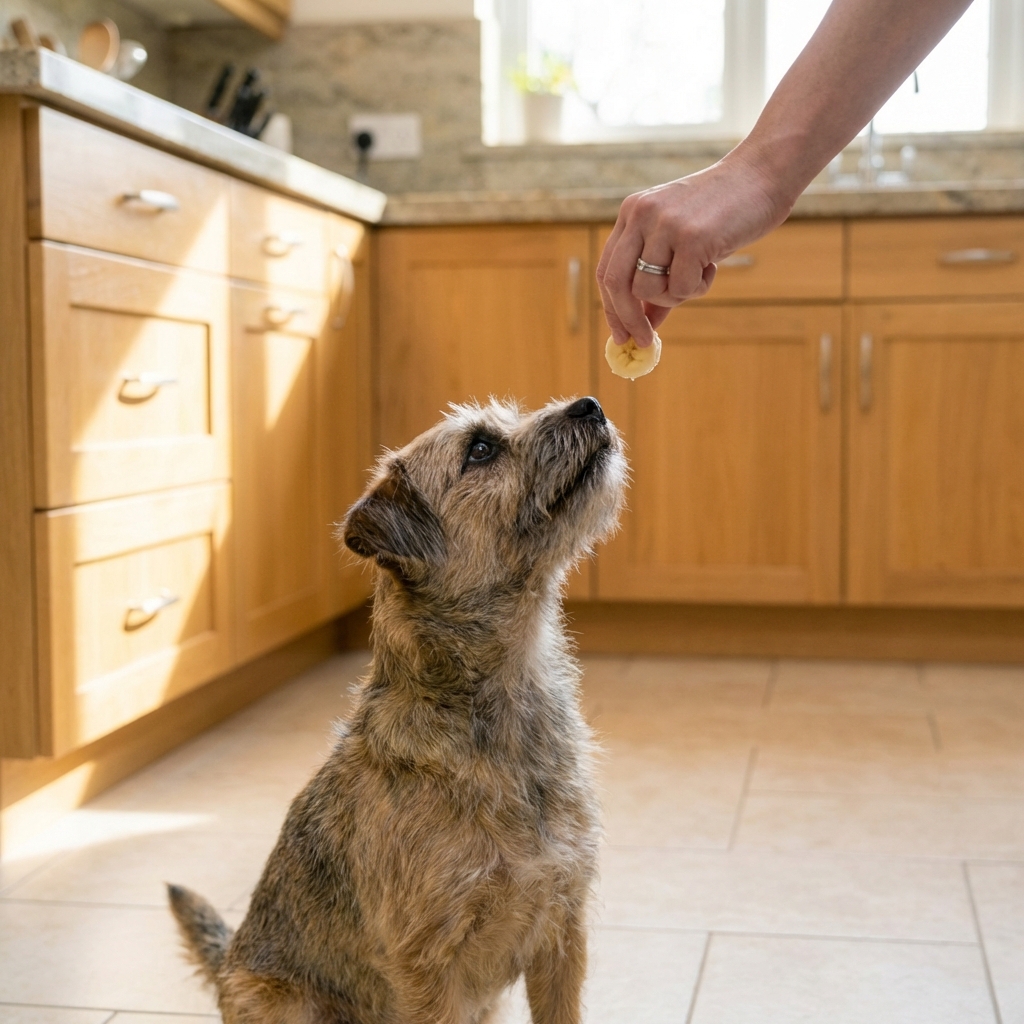
- Fresh, bite-sized pieces: Soft, easy to chew, and quick.
- Mashed and mixed: Stir a small spoonful into plain yogurt (if your dog tolerates dairy) or into their meal as a topper.
- Frozen bites: Freeze small pieces for a cooling treat, especially during hot Texas summers.
Tip: For fast eaters, keep pieces small to reduce choking risk.
What to avoid
- Banana peel: Not toxic, but tough to digest and can cause gastrointestinal upset or even a blockage in smaller dogs.
- Banana bread, muffins, chips: Often contain added sugar, butter, salt, and sometimes xylitol, chocolate, or nuts.
- Anything with xylitol (birch sugar): Extremely dangerous to dogs, even in small amounts.
Can puppies eat bananas?
Many puppies can have tiny amounts of banana once they are doing well on their regular puppy diet. The key is to go slow. Puppies have sensitive digestive systems, and too much fruit can lead to diarrhea fast.
If you are training, a pea-sized piece of banana can work, but I usually prefer lower-sugar training treats so you can reward more often without overdoing calories.
When to skip it
Banana may not be the best treat choice (or may need veterinary guidance first) if your dog is:
- Diabetic
- Overweight or on a weight-loss plan
- On a prescription kidney or heart diet
- Taking long-term medications where electrolyte monitoring matters
- Prone to food sensitivities or has a history of stomach upset with fruits
Signs your dog is not tolerating it
Most dogs do fine, but stop offering banana and check with your veterinarian if you notice:
- Vomiting or diarrhea after eating banana
- Excessive gas or obvious belly discomfort
- Constipation or straining
- Itching, facial swelling, or hives (rare, but possible with food sensitivities)
Banana vs other fruits
If your dog loves fruit but you are watching sugar, consider rotating options:
- Lower sugar picks: strawberries, blueberries, raspberries (in small amounts)
- Hydrating, lower calorie: seedless watermelon (no rind)
- Still sweet: apple slices (no seeds or core)
Fruit to avoid: grapes and raisins can be dangerous for dogs, even in small amounts.
Variety helps, and it lowers the chance you will overdo any one thing.
Bottom line
Bananas are a dog-safe treat for most healthy dogs, and they offer potassium and fiber. The main downside is that they are calorie-dense and sweet, which is why portion size and frequency matter.
If your dog is overweight, diabetic, has kidney or heart disease, has a history of pancreatitis, or is on a prescription diet, it is smart to ask your veterinarian before adding bananas regularly. Otherwise, a few bite-sized pieces now and then can be a sweet, simple way to treat your pup without getting complicated.