
A vet assistant’s guide to toxic fruits for dogs—grapes/raisins, currants, cherries, pits/cores, and avocado. Learn symptoms, urgent steps, and safer fru...
Article
•
Designer Mixes
Can Dogs Eat Avocados?

Shari Shidate
Designer Mixes contributor
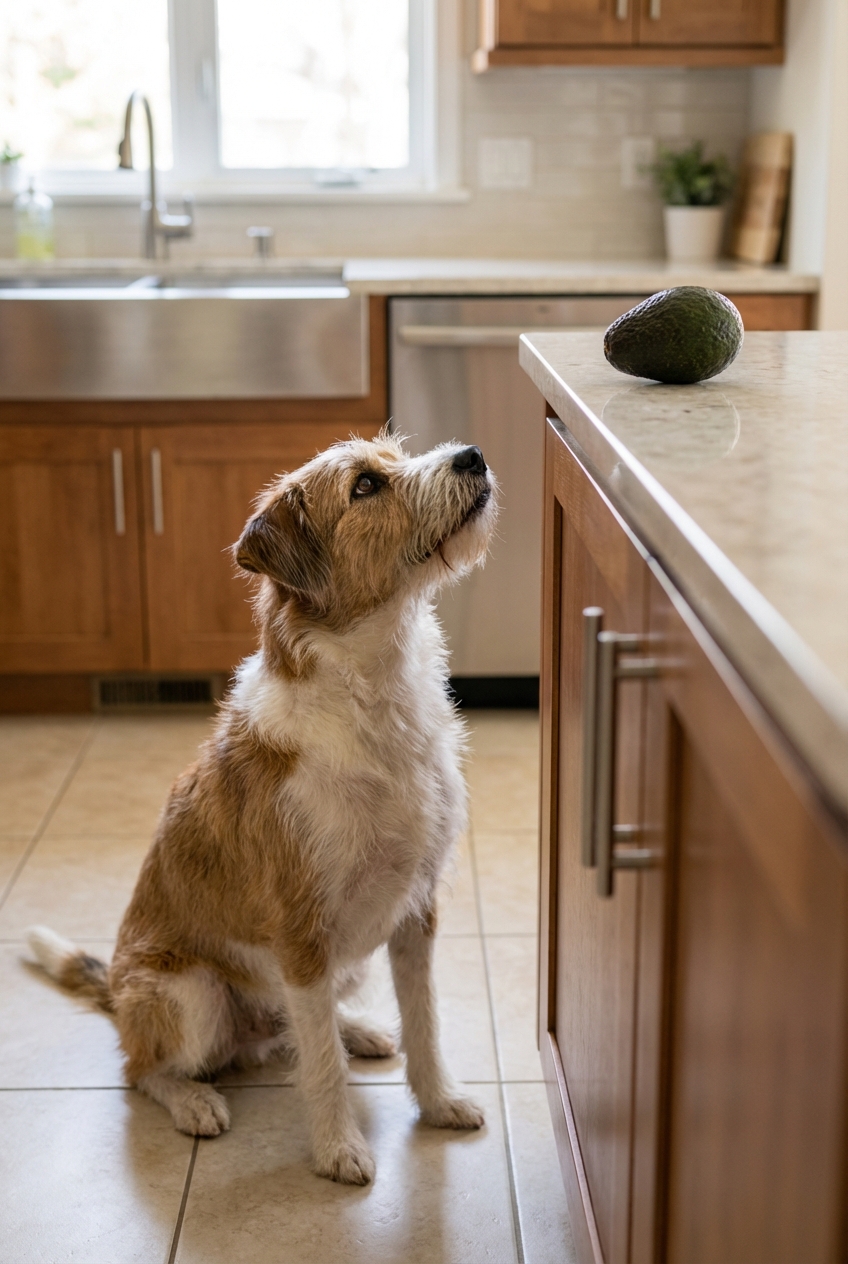
As a veterinary assistant here in Frisco, Texas, I hear this question all the time: Can dogs eat avocados? The short, evidence-based answer is: avocado is not a “best choice” food for dogs, but a tiny taste of plain avocado flesh is typically unlikely to cause toxicity in most healthy dogs. The bigger real-world risks are the pit (foreign body obstruction or choking), the skin and leaves, and the high fat that can trigger tummy trouble (GI upset) in some pups.
Online advice sounds mixed because different species react very differently to avocado compounds, and because many “avocado emergencies” in dogs are actually fat-related GI upset or a pit/skin foreign body, not classic toxin effects. I’ll break down what we know, what’s uncertain, and what to do if your dog gets into it.
Why avocado is controversial
Avocados contain a natural compound called persin. Persin is reported to be most concentrated in the leaves, bark, skin, and pit, with less in the flesh. Different animal species react very differently to persin. Birds, rabbits, horses, goats, and some other animals can be much more sensitive. Dogs tend to be more resistant, which is why you will see mixed messages online. (For readers who like to double-check sources, organizations like ASPCA Animal Poison Control and veterinary references discuss this species difference.)
Even when persin toxicity is uncommon in dogs, that does not automatically make avocado a great snack. For many dogs, the bigger day-to-day issue is that avocado is very high in fat , which can lead to vomiting and diarrhea, and may increase pancreatitis risk in predisposed dogs .
Myth vs. fact
Myth: “Avocado is always deadly to dogs.”
Fact: Most dogs do not experience severe toxicity from a small bite of avocado flesh. Many dogs that grab a bite off the counter end up just fine. That said, “not always deadly” is not the same as “a smart treat to offer regularly.” Sensitivity varies by dog, and fat content matters.
Myth: “If it’s healthy for humans, it’s automatically healthy for dogs.”
Fact: Dogs have different digestive tolerances and different risk factors. The high fat that makes avocado satisfying for us can be too rich for some dogs.
Myth: “Guacamole is okay because it’s just mashed avocado.”
Fact: Guacamole often contains onion, garlic, salt, spicy peppers, and other seasonings . Onion is a known toxin for dogs, and too much salt and spice can irritate the GI tract. Even when guacamole does not contain onion or garlic, the fat and salt still make it a poor choice. Guacamole is not safe for dogs.
Risky parts
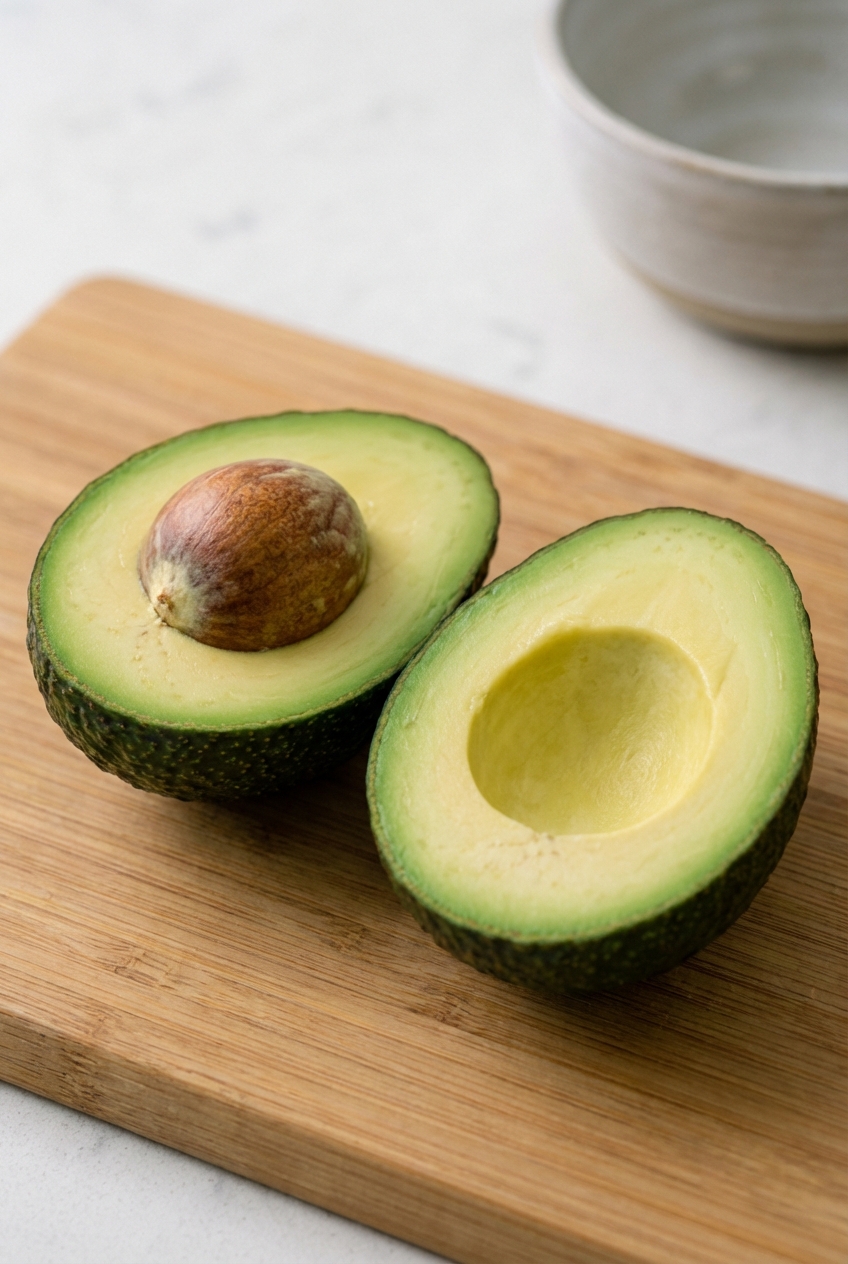
- Pit (seed): This is the biggest emergency risk in practice. It can cause choking or a blockage in the stomach or intestines. This can happen in small dogs and large dogs alike. Blockages can be life-threatening and often require surgery.
- Skin and leaves: These contain higher levels of persin than the flesh (as reported in veterinary toxicology resources). They are also harder to digest and can cause GI upset.
- Flesh (the green part): Lower persin than the skin and pit, but still fatty . Some dogs tolerate a small amount, others do not.
How much is too much?
There is no perfect universal number, because it depends on your dog’s size, medical history, and sensitivity to fat. If you choose to offer avocado at all, think of it as a tiny taste, not a side dish.
- Small dogs: A pea-sized taste (about 1/4 teaspoon).
- Medium dogs: 1 to 2 small cubes (about 1 teaspoon total).
- Large dogs: A few small cubes (about 2 teaspoons total).
As a general treat guideline, treats (including avocado) should stay under about 10% of your dog’s daily calories. If your dog has a history of pancreatitis, chronic GI sensitivity, inflammatory bowel disease, obesity, or needs a low-fat diet , avocado is best avoided.
If your dog ate avocado
- Remove access to any remaining avocado, skin, and pit.
- Do not induce vomiting unless your veterinarian or a pet poison professional specifically tells you to. Inducing vomiting can be risky, especially with choking hazards or if your dog is already unwell.
- If the pit may have been swallowed (or you are not sure), call your vet or an emergency clinic right away. A swallowed pit is a time-sensitive foreign body risk.
- If it was only a small amount of flesh, monitor closely for GI upset. Signs from fat intolerance can show up within hours. Signs of obstruction can take longer, sometimes 24 to 72 hours.
Signs your dog is not tolerating it
If your dog ate avocado (especially more than a tiny taste), watch for:
- Vomiting
- Diarrhea
- Excessive drooling or lip smacking
- Abdominal discomfort, stretching, restlessness
- Loss of appetite
If your dog ate the pit or you suspect any choking or blockage, take it seriously even if they seem okay at first.
Call your vet now if
- Your dog swallowed any amount of pit, or you are not sure
- Repeated vomiting, lethargy, painful belly, or cannot keep water down
- Bloated abdomen, repeated unproductive retching, or signs of distress
- Black tarry stool or blood in vomit or stool
If it is after hours, call an emergency clinic. If you are in the U.S., you can also contact a pet poison hotline (fees may apply) and have your dog’s weight and an estimate of what was eaten ready.
Avocado products
- Avocado oil: Usually low in persin, but still high fat , so it is not an ideal add-in for many dogs.
- Avocado-based dog treats: These vary a lot by brand and formulation. If you use them, treat them like any other rich treat: small amounts, and skip them for dogs on low-fat diets or with pancreatitis history.
Safer creamy options
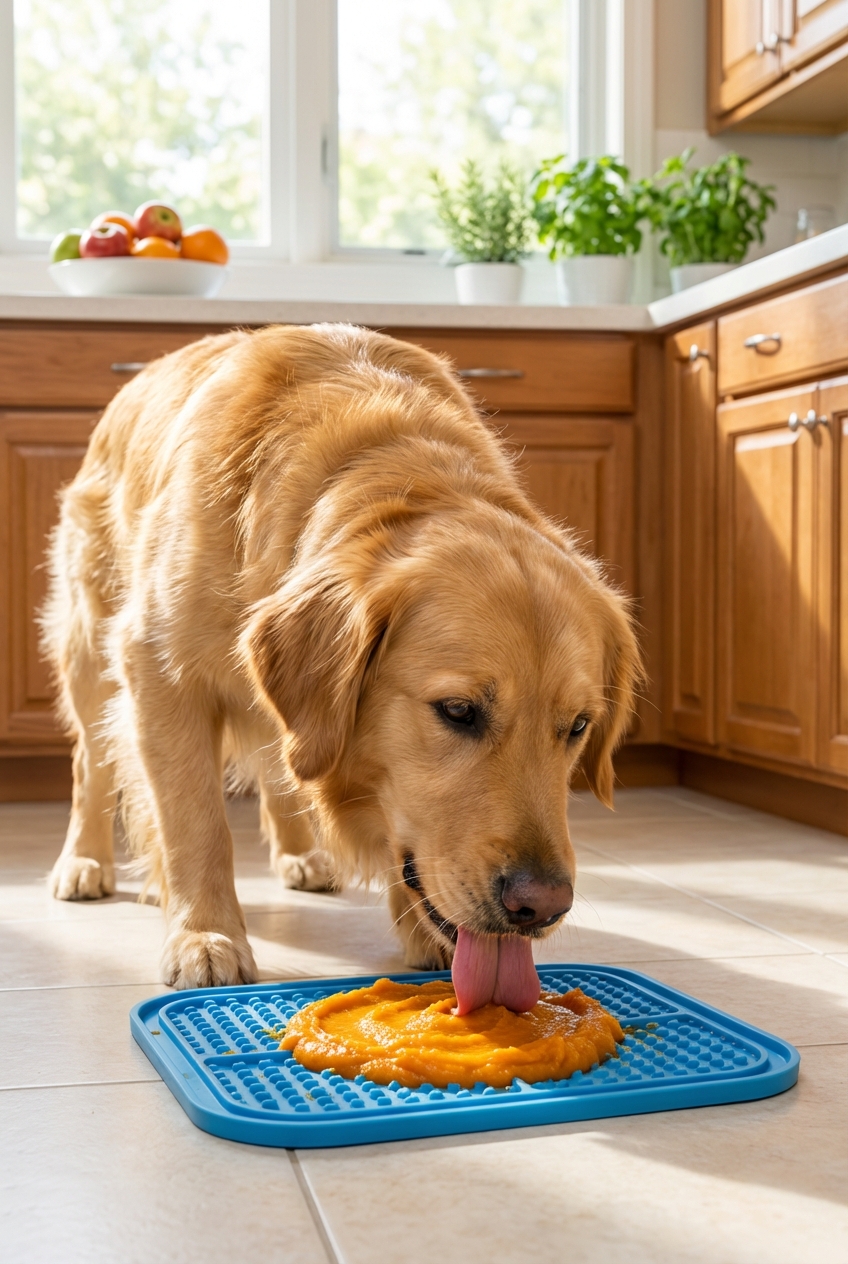
If what you really want is a healthy, creamy treat to mix into food or use in a lick mat, these tend to be easier on most dogs:
- Plain canned pumpkin (not pie filling)
- Plain nonfat or low-fat Greek yogurt (if your dog tolerates dairy)
- Mashed sweet potato (cooked, plain)
- Small amounts of mashed banana
Whenever you introduce a new food, go slow and start tiny. A happy gut is always the goal.
Bottom line
Can dogs eat avocado? Most dogs can handle a tiny taste of plain avocado flesh, but it is not a must-have “superfood” for dogs, and it comes with real downsides.
- Keep dogs away from the pit, skin, and leaves.
- Avoid guacamole and seasoned avocado dishes.
- Skip avocado if your dog is prone to pancreatitis or needs low-fat food.
- If your dog ate the pit or becomes sick, call your vet.
If you want to build better health and longevity, focus on the basics: high-quality protein, gently cooked vegetables, and simple whole-food add-ins your dog tolerates well. Consistency beats trendy ingredients every time.