Help a mildly constipated dog with safe homemade options: boost moisture first, add plain pumpkin or sweet potato, use gentle fiber, avoid risky fixes, and k...
Article
•
Designer Mixes
Can Dogs Be Constipated?

Shari Shidate
Designer Mixes contributor
Yes, dogs absolutely can get constipated, and it is not uncommon. In my work as a veterinary assistant, I see it most often after a change in routine, a diet shift, too many bones or chews, or when a dog is not drinking enough water. The good news is that mild constipation is often manageable at home for a short window, but there are also clear red flags that mean it is time to call your veterinarian.
Quick disclaimer: This is general education, not a substitute for veterinary care. When in doubt, call your clinic.
What constipation looks like in dogs
Constipation typically means your dog is having difficulty passing stool, passing small hard stools, or not passing stool as often as normal. Some dogs still want to go, but little to nothing comes out.
Common signs
- Straining to poop, or squatting for a long time
- Small, dry, hard stools, sometimes like pellets
- Fewer bowel movements than usual
- Crying, looking back at the rear, or seeming uncomfortable while trying
- Restlessness, pacing, or repeatedly asking to go outside
- Decreased appetite or mild nausea
- Occasional mucus on stool
Quick note: Straining can look similar for constipation and urinary blockage. If your dog is squatting and producing no urine, that can be an emergency, especially in male dogs.
One more helpful distinction: Not all “straining” is constipation. Dogs can strain because of tenesmus (the urge to pass stool) from colitis, anal sac discomfort, or rectal irritation. In those cases you may see frequent squats with small amounts of stool, mucus, or even diarrhea rather than dry, hard stool.
Why dogs get constipated
Constipation is a symptom, not a diagnosis. Figuring out the likely cause helps you choose the safest next step.
Most common causes
- Not enough water or limited access to fresh water
- Too little fiber in the diet, or diet changes that alter stool quality (including constipation in some dogs)
- Too many bones, rawhides, dehydrated chews, or other very firm treats that can create hard stool
- Ingesting foreign material like toys, rocks, corn cobs, string, or excessive grass
- Not enough activity, especially in older dogs or after surgery
- Pain from arthritis, hip issues, pelvic injury, or anal gland discomfort that makes squatting hard
- Medications such as some pain meds or antihistamines
- Excess fur ingestion during grooming (especially heavy shedders), which can add bulk and contribute to firm stool in some dogs
- Medical issues including dehydration from illness, kidney disease, enlarged prostate in intact males, obesity, neurologic disease, endocrine issues (such as hypothyroidism), perineal hernia, or megacolon
When to call the vet right away
If your dog seems painful, bloated, or just “not themselves,” it is okay to call. Constipation can become painful, and repeated straining can also signal an obstruction or urinary problem.
Urgent red flags
- No stool for 48 hours, or sooner if your dog is straining, painful, vomiting, or acting unwell
- Repeated attempts to poop with no stool, or a swollen, tense belly
- Vomiting, significant lethargy, refusing food, or obvious abdominal pain
- Blood in the stool, or black tarry stool
- Suspected foreign body ingestion (string, corn cob, toy pieces, socks)
- Your dog cannot pee, or strains to pee with minimal output
- Constipation in a very young puppy, senior dog, or a dog with chronic disease
Your veterinarian may recommend an exam, hydration support, safe stool softeners, an enema performed by staff, X-rays to look for obstruction, or labs if dehydration or metabolic problems are suspected.
What to have ready when you call: when your dog last passed a normal stool, whether they are eating and drinking, any vomiting, current medications and supplements, what they have been chewing, any chance of foreign material or bones, and whether they are urinating normally.
Safe at-home care for mild constipation
If your dog is otherwise acting normal, still eating, and you are seeing at least a small bowel movement, you may be able to help at home for a short window. The goal is to add moisture, support healthy gut movement, and avoid making things worse.
1) Add hydration first
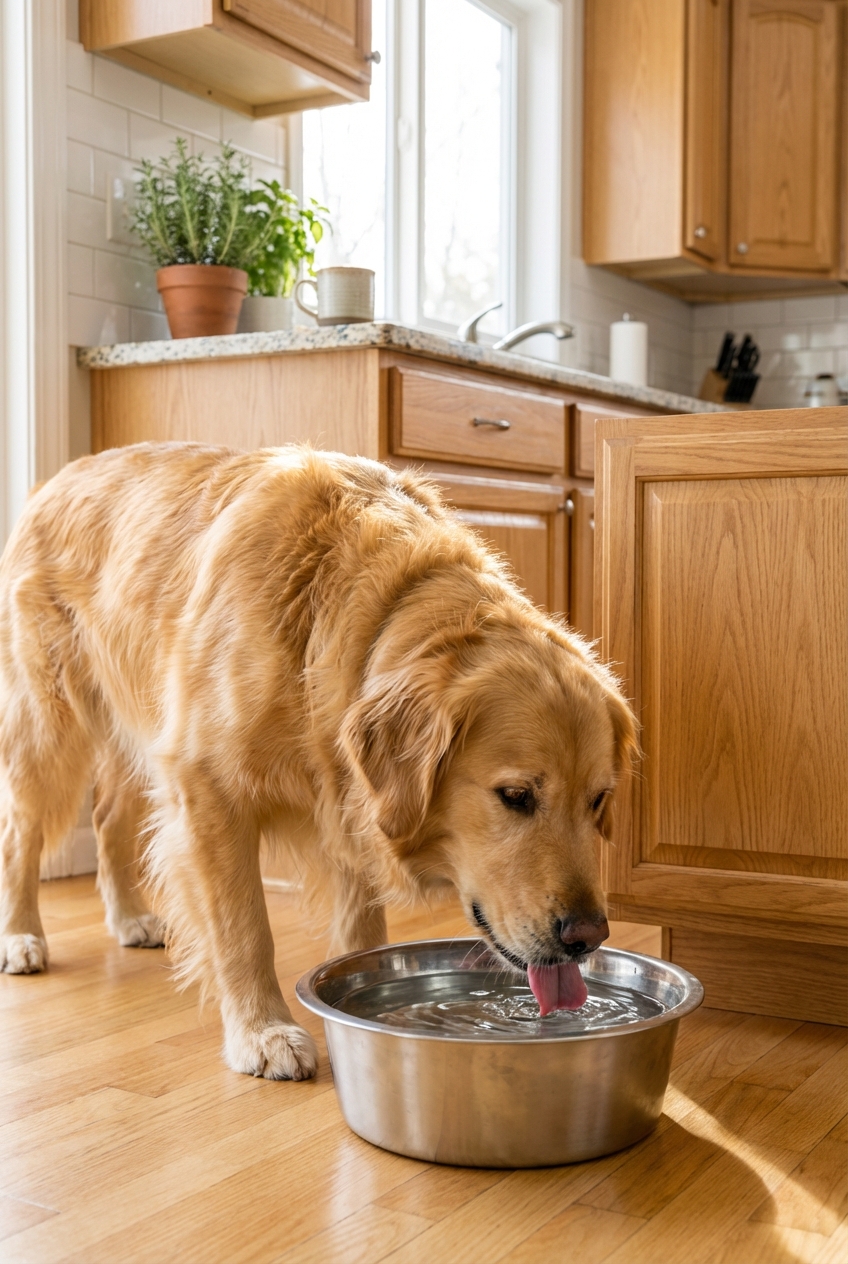
- Offer fresh water in multiple locations.
- Add water to meals.
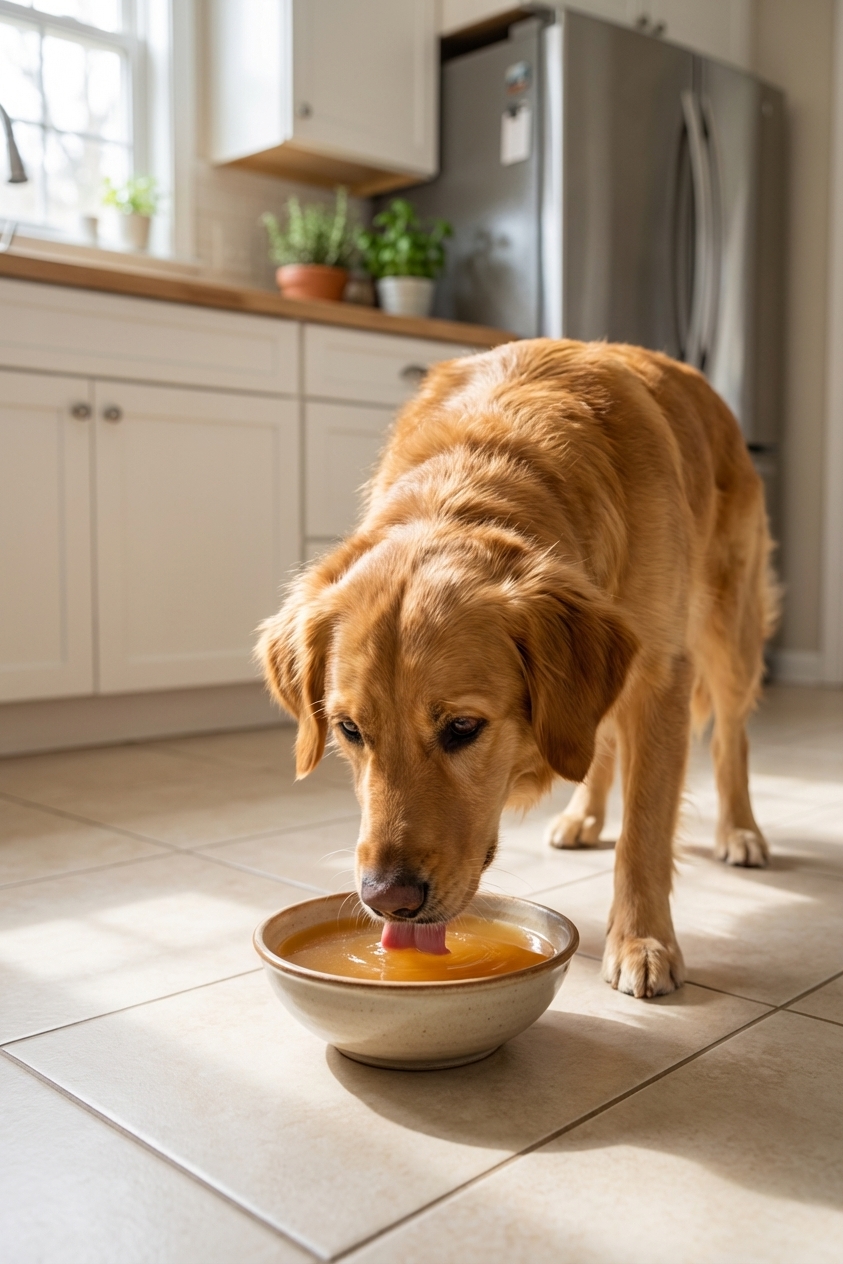
- If you use broth, choose a pet-safe, low-sodium option and make sure it contains no onion, garlic, chives, or xylitol.
- Feed moist food for a day or two, if your dog tolerates it.
2) Gentle movement
A couple of relaxed walks can stimulate the natural “gastrocolic reflex” that helps the colon move. Think calm and steady, not intense running.
3) Add a veterinarian-approved fiber boost
Fiber can help by pulling water into the stool and improving motility, but too much can backfire. Start small, and if your dog has pancreatitis history, food sensitivities, or chronic GI disease, check with your vet first.
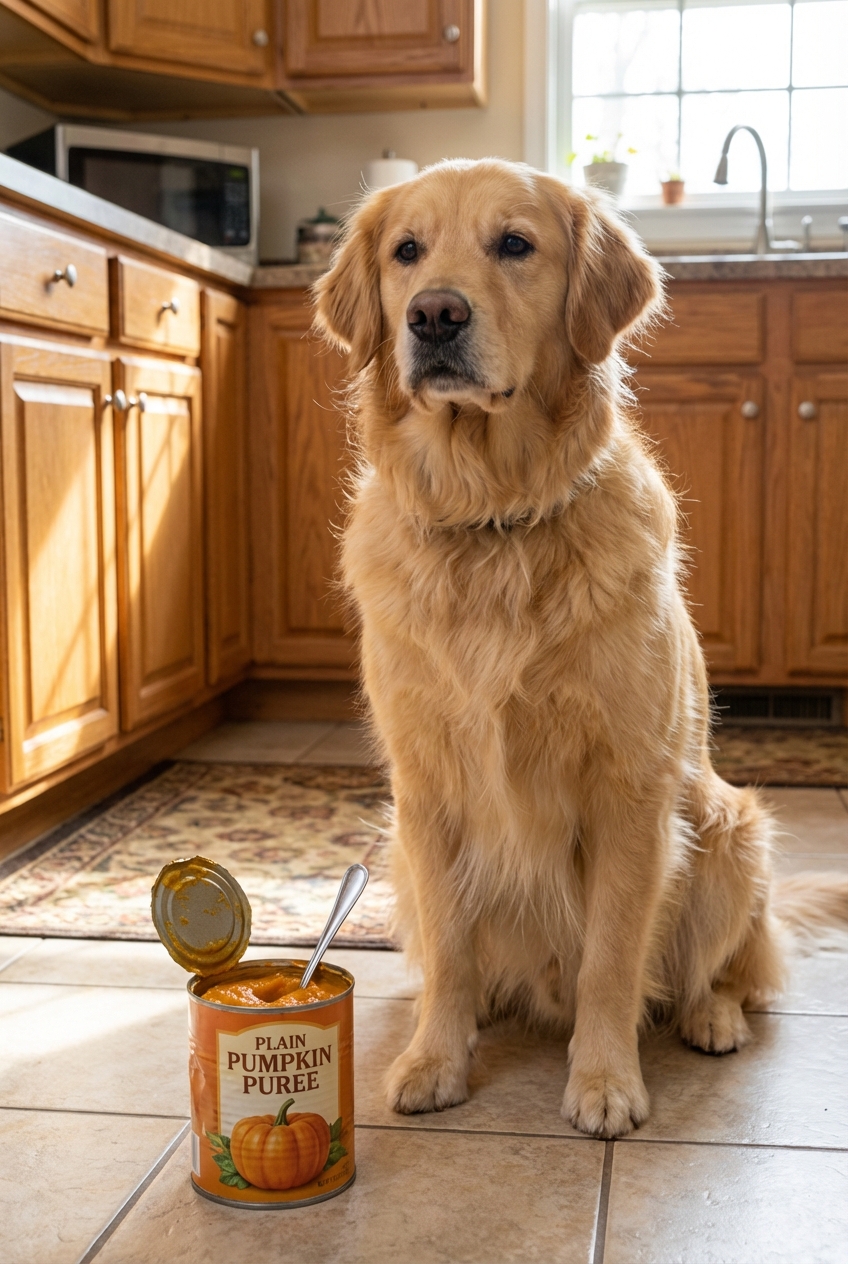
- Plain canned pumpkin (not pie filling): many dogs do well with a small amount once or twice daily. A common starting point is about 1 teaspoon per 10 pounds of body weight, up to a few tablespoons total daily for large dogs. If you are unsure, ask your vet for an exact dose for your dog.
- Cooked sweet potato in small amounts can be another gentle option.
4) Review treats and chews
Pause bones, rawhides, and very hard chews while your dog is constipated.
- A safety note on bones: cooked bones are a particular risk because they can splinter and also cause hard, compacted stool. Raw bones are also not risk-free. When in doubt, skip them and ask your veterinarian what is safest for your individual dog.
- If your dog is a serious chewer, consider vet-approved dental chews or softer, digestible treats that do not tend to firm up stool. Your clinic can recommend options based on your dog’s size and chew style.
What not to do
- Do not give human laxatives unless your veterinarian specifically instructs you.
- Do not give mineral oil by mouth. It can be inhaled and cause serious lung issues.
- Do not attempt at-home enemas. It is easy to injure the rectum, and some products are dangerous for pets.
If you try at-home care, reassess within 24 hours. If your dog is still straining, uncomfortable, or not improving, call your veterinarian.
Care and training tips that prevent constipation
Constipation prevention is often about routine. Dogs thrive on predictable opportunities to drink, move, and eliminate. These simple “life skills” matter just as much as diet.
Build a consistent potty schedule
- Offer a potty break soon after waking up, after meals, and before bed.
- For adult dogs, many do best with 3 to 5 outdoor trips daily, depending on age and activity.
- Reward elimination with a calm “good potty” and a small treat. This encourages them to fully finish rather than rushing back inside.
Teach a “go potty” cue
Choose a phrase like “go potty.” Say it once when your dog starts to eliminate, then reward afterward. Over time, the cue becomes helpful during travel, weather changes, or busy mornings when dogs may hold it.
Prevent stool holding
- If your dog is nervous outside, choose quieter times or locations.
- Give them time. Many dogs need a few minutes of sniffing to relax enough to go.
- Use a harness and a longer leash in safe areas to allow natural movement.
Support gut-friendly nutrition
Evidence-based nutrition is a long game. Whether you feed commercial or homemade, aim for consistency, moisture, and balance.
- Keep treats under about 10 percent of daily calories.
- If you switch foods, transition slowly over 7 to 10 days.
- For homemade feeding, work with your veterinarian or a board-certified veterinary nutritionist to ensure the diet is complete and balanced.
Frequently asked questions
How long can a dog go without pooping?
It varies. Some healthy dogs occasionally skip a day. But if it has been 48 hours, or your dog is straining, uncomfortable, vomiting, not eating, or acting “off,” contact your veterinarian.
Can dehydration alone cause constipation?
Yes. When the body is low on water, the colon pulls more water out of stool, making it dry and hard. That is why hydration is usually the first, safest place to start.
Is constipation ever “just stress”?
Stress can contribute because some dogs hold their stool in unfamiliar places or during schedule disruptions. Still, pain, diet, and medical causes should be considered, especially if it keeps happening.
What if my dog strains but passes diarrhea?
That can happen with colitis, parasites, anal sac discomfort, or sometimes an obstruction where only liquid can pass around it. Straining plus diarrhea is a good reason to call your veterinarian, particularly if there is blood or your dog seems unwell.
Bottom line
Dogs can be constipated, and it is usually a clue that something in hydration, diet, activity, or comfort needs support. Start with safe basics like water, gentle movement, and a small, sensible fiber boost, and watch closely. If your dog is straining with no stool, vomiting, painful, cannot urinate, or not improving quickly, your veterinarian can help you get relief fast and rule out more serious causes.