An easy, vet-informed guide to sharing food safely with your cat: what’s OK in tiny amounts, what to avoid (onion, garlic, grapes, chocolate, xylitol), and...
Article
•
Designer Mixes
Can Cats Have Yogurt or Cheese?

Shari Shidate
Designer Mixes contributor
It is such a sweet moment when your cat hops up, sniffs your bowl, and looks at you like, “Are we sharing?” If your breakfast includes yogurt or a little cheese, you might wonder whether dairy is a safe treat for cats.
Here is the practical, vet-informed answer: some cats can handle tiny tastes of certain dairy foods, but many adult cats do not digest lactose well, and a few react to dairy proteins (not just lactose). The key is choosing the right type, keeping portions truly small, and knowing the warning signs that mean “not for my cat.”
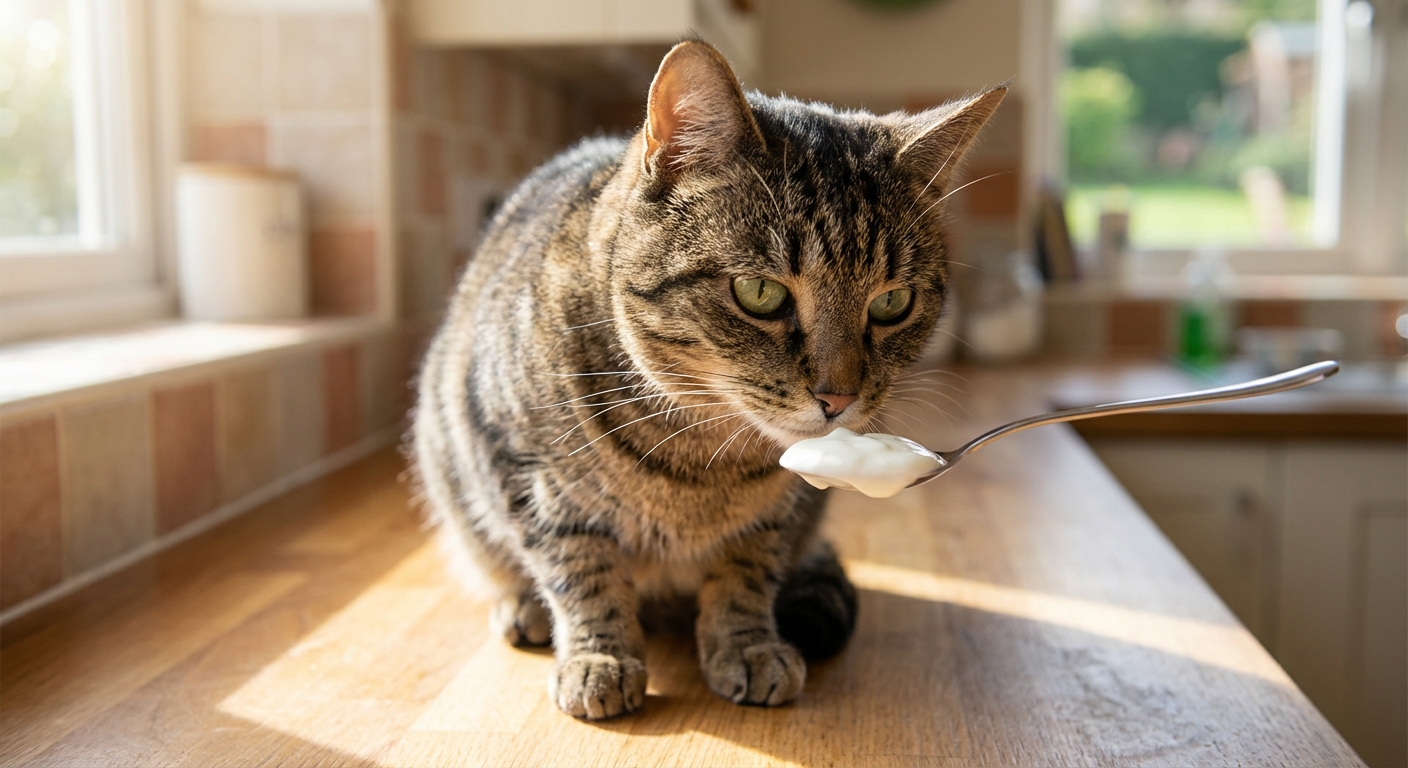
Quick definition of “tiny”: think a lick of yogurt (about 1/4 teaspoon) or a pea-sized nibble of cheese as a cautious starting point.
Why dairy is tricky
Cats are mammals, but that does not mean dairy is a natural “cat food.” Kittens generally produce more lactase, the enzyme that breaks down lactose (the natural sugar in milk). As many cats mature, lactase levels tend to decrease.
When lactose is not digested well, it can draw water into the gut and ferment, which may cause:
- Loose stool or diarrhea
- Gas and bloating
- Stomach cramps (your cat may hide or seem restless)
- Vomiting in some cats
Also worth noting: some cats can have a true sensitivity or allergy to dairy proteins (like casein or whey). That can look like ongoing GI upset, itching, or ear and skin issues, and it is a good reason to avoid experimenting at home.
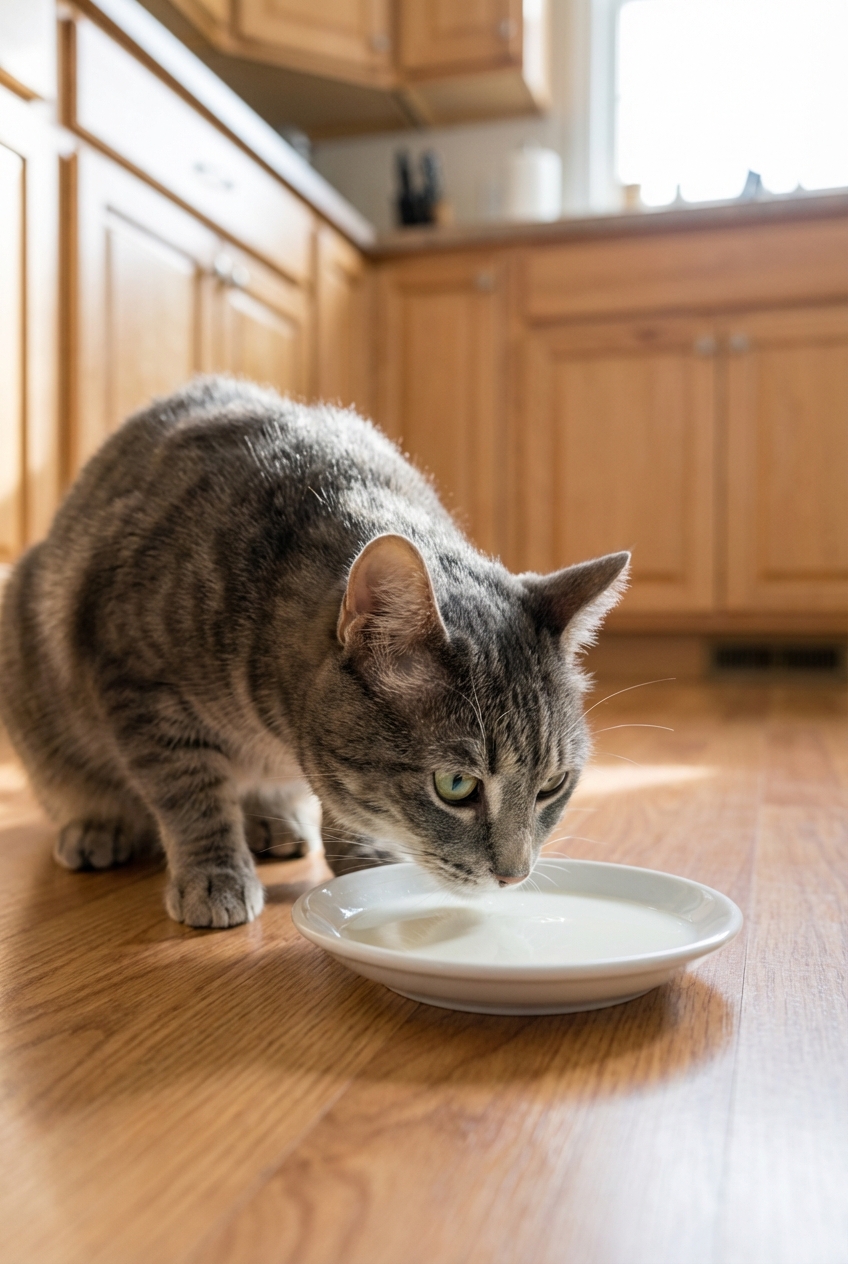
This is why the classic image of a cat drinking a saucer of milk is more nostalgia than nutrition.
Can cats have yogurt?
Sometimes, yes, in very small amounts. Many yogurts have less lactose than milk because fermentation helps break some lactose down, but lactose levels can still vary by brand and style.
Best picks
- Plain, unsweetened yogurt with no flavors
- Plain Greek yogurt (often lower in lactose, but it varies)
Avoid these yogurts
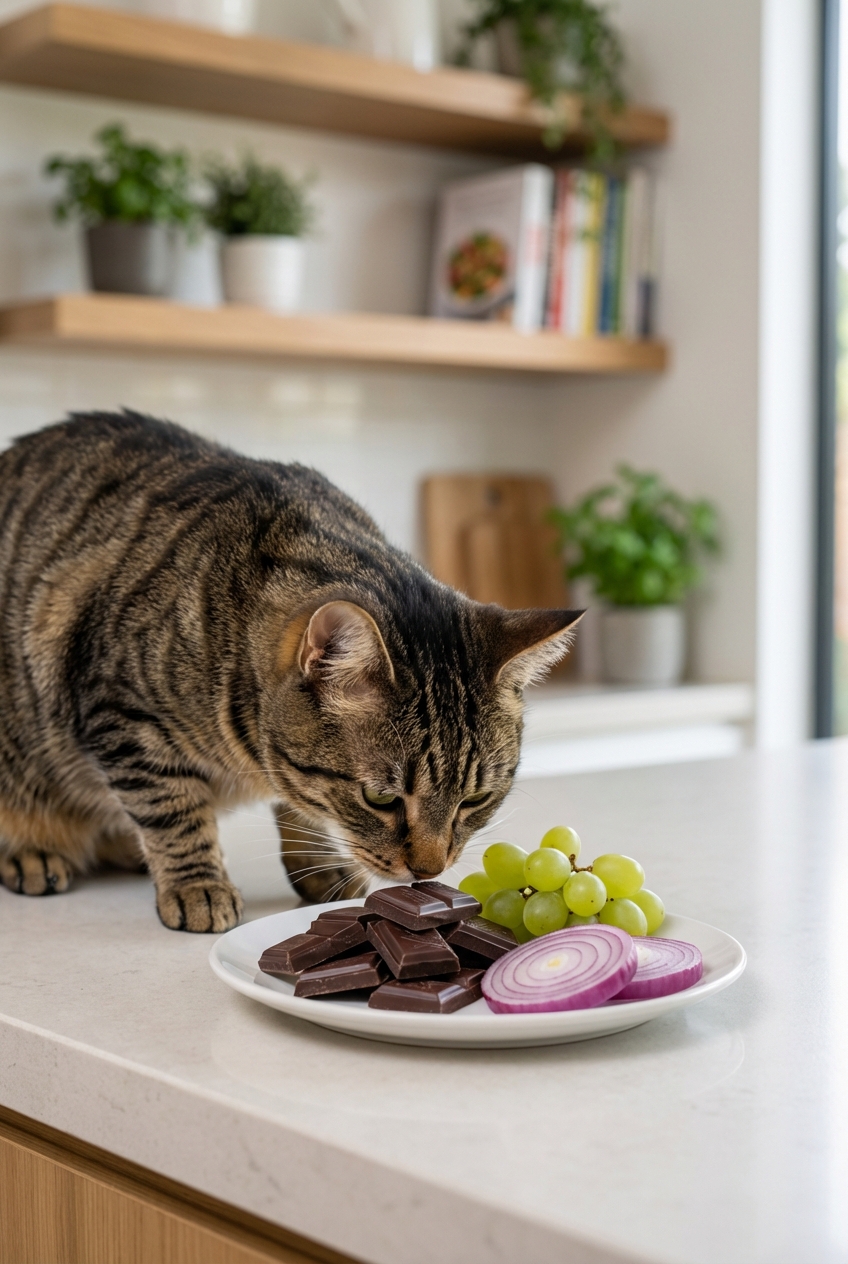
- Any yogurt sweetened with xylitol (birch sugar). Xylitol poisoning is well documented in dogs, and safety in cats is not well established. Either way, it is a smart, simple “no.”
- Flavored yogurts with lots of sugar or syrups
- Yogurts containing grapes or raisins. Toxicity is best documented in dogs and appears uncommon and less clear in cats, but it is safest to keep them away.
- Chocolate or coffee flavored products
- Products with heavy “diet” additives or lots of artificial sweeteners
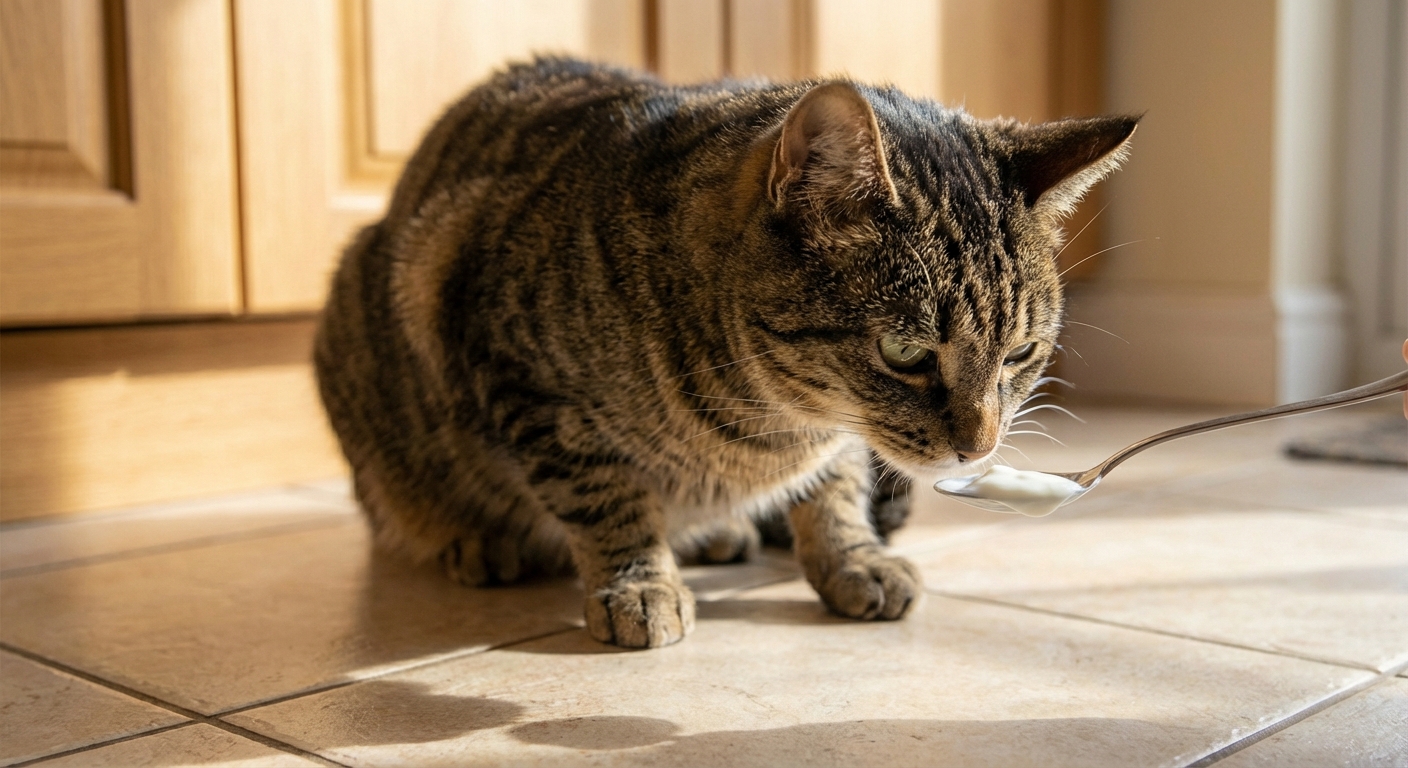
Portion tip: Think “lick” not “serving.” A practical starting point for an average adult cat is about 1/4 teaspoon. If your cat does fine, that does not mean they need it regularly.
Can cats have cheese?
Maybe, but it is usually not the best choice. Cheese is often lower in lactose than milk, yet it is typically high in fat and salt. That can upset sensitive stomachs and adds unnecessary calories. Some cats love it, so it can work as an occasional training treat or to hide medication, but keep it rare and small.
Better options
- Small amount of hard cheeses like cheddar or Swiss (often lower lactose)
- A tiny piece of mozzarella may be tolerated by some cats
Skip these
- Moldy, spoiled, or “mystery fridge” cheese. Some molds can produce toxins, and spoiled dairy is a bigger risk than a normal commercial product.
- Strong, heavily mold-ripened cheeses (like blue-style cheeses) if your cat has a sensitive stomach. These are not automatically toxic in tiny amounts, but they can be harder on digestion, and they are easy to overdo.
- Cheese with garlic, onion, chives, or spicy seasonings
- Very salty processed cheese products
Portion tip: Start with a piece about the size of a pea. If your cat gets soft stool, gas, or vomits, dairy is not a good match for them.
What about milk, cream, and butter?
- Milk: usually the most likely to cause diarrhea because it tends to be higher in lactose.
- Cream and butter: generally lower in lactose, but very high in fat, which can trigger stomach upset and is not a great idea for cats prone to pancreatitis or weight gain.
- Ice cream: combines the problems of dairy plus sugar, and sometimes risky add-ins.
When dairy is a hard no
Even small amounts of yogurt or cheese are not a good idea in certain situations. Skip dairy and talk with your veterinarian if your cat:
- Has a history of diarrhea, inflammatory bowel disease, or sensitive digestion
- Is on a prescription diet for pancreatitis or needs low-fat nutrition
- Is overweight or on a calorie-controlled plan
- Has known food allergies or suspected dairy intolerance
- Is very young, very old, or has chronic disease (like kidney disease). In those cats, even “small” extras can matter more.
When to call the vet now
Mild soft stool after a lick of yogurt can happen. But do not “wait and see” if your cat has:
- Repeated vomiting or repeated diarrhea
- Blood in stool or black, tarry stool
- Marked lethargy, weakness, or collapse
- Signs of dehydration (sticky gums, not drinking, sunken eyes)
- Obvious belly pain or crying when picked up
If you suspect your cat ate a product containing xylitol, chocolate, or other potentially toxic ingredients, contact your veterinarian or a pet poison helpline right away.
How to share safely
If you want that bonding moment without risking an upset tummy, here is the simple approach I use as a veterinary assistant: keep it bland, keep it small, and watch the litter box.
Safe checklist
- Choose plain: plain yogurt, unseasoned tiny cheese bite
- Offer a micro-portion: about 1/4 teaspoon yogurt or a pea-sized cheese piece
- Do not make it daily: treat only, not a routine “breakfast side”
- Monitor for 24 hours: stool softness, gas, vomiting, appetite changes
If your cat can handle a taste of dairy, that is fine. If they cannot, it is not a failure, it is just their biology.
Better alternatives
If your cat begs every morning, you can still share something safer and more cat-appropriate.
- Cooked plain egg (tiny bite, no butter or seasoning)
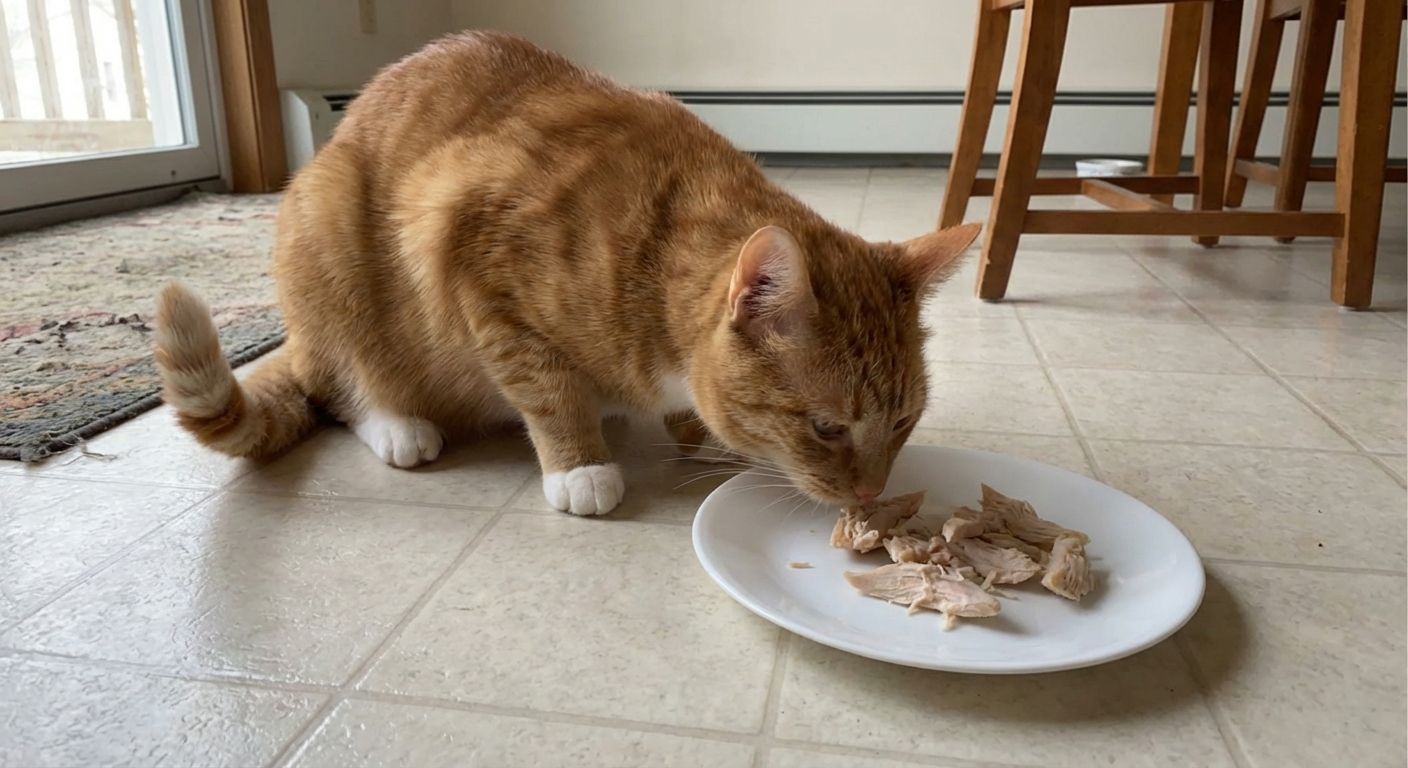
- Plain cooked chicken or turkey (a small shred)
- Commercial cat treats designed for feline nutrition
- Cat-safe lickable treats if your cat loves creamy textures

Your goal is the same: a little moment of connection that supports health, energy, and a happy tummy.
Quick takeaways
- Yogurt: Some cats can have a tiny amount of plain, unsweetened yogurt. Lactose content varies, so start small.
- Cheese: Not usually toxic in tiny bites, but often too fatty and salty to be a great treat.
- Not just lactose: A few cats react to dairy proteins too.
- Watch for intolerance: diarrhea, gas, bloating, vomiting.
- Portion matters: start with a taste, not a serving.