A vet assistant’s quick list of cat-safe human foods, with simple serving rules, portion guides, “maybe” foods, and a clear avoid list for common toxins.
Article
•
Designer Mixes
Can Cats Have Peanut Butter?

Shari Shidate
Designer Mixes contributor
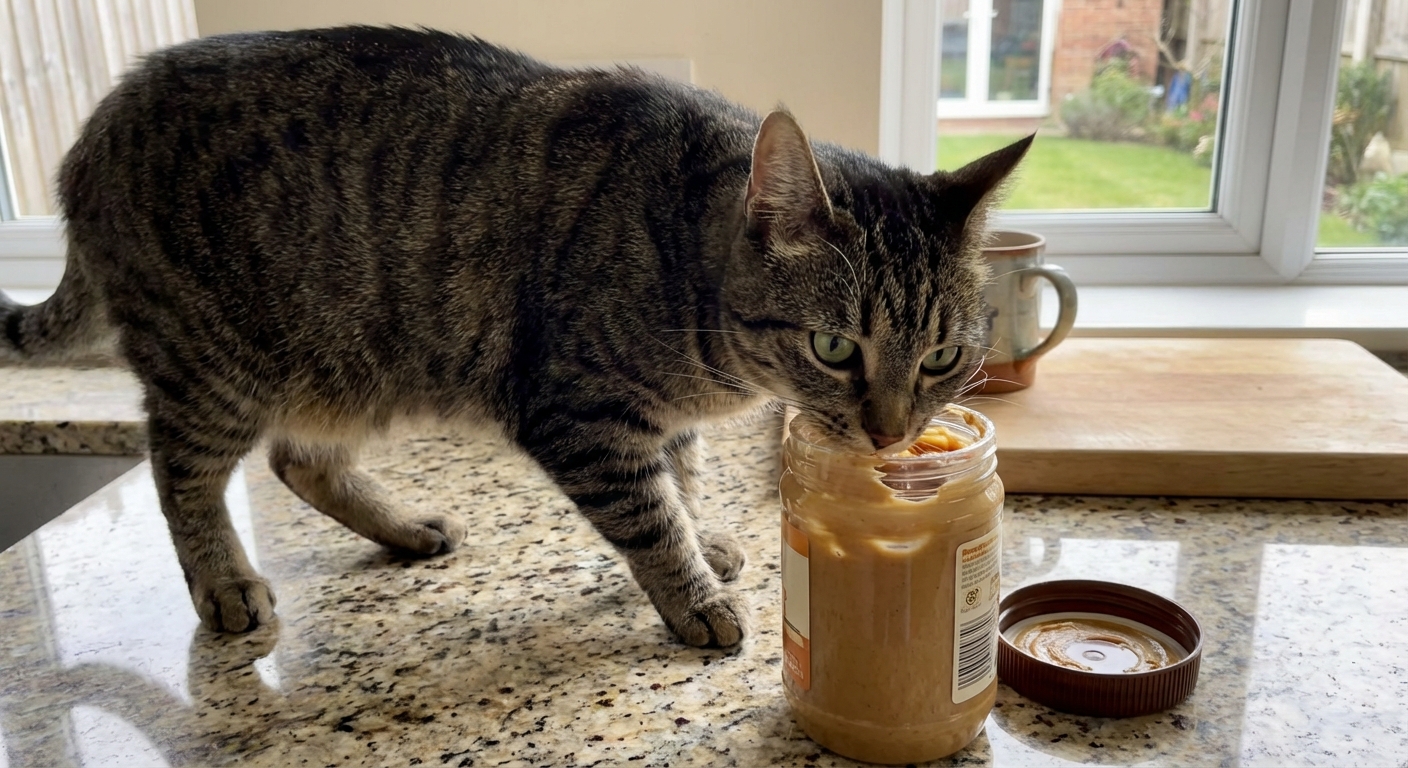
If you have ever opened a jar of peanut butter and noticed your cat sniffing the air with interest, you are not alone. Peanut butter is a common human snack, and many pet guardians wonder if it is safe to share. The short, evidence-based answer is this: peanut butter is not inherently toxic to cats, but it is usually not a good treat, and some ingredients can make it genuinely risky.
Is peanut butter safe for cats?
In very small amounts, plain peanut butter is generally not poisonous for many cats. But “not poisonous” is not the same as “good for them,” and individual tolerance varies. Cats are obligate carnivores, meaning their bodies are built to get nutrition primarily from animal protein and fat. Peanut butter is calorie-dense and not a natural fit for a cat’s digestive system.
Some cats can lick a tiny dab and be fine. Others may develop stomach upset, diarrhea, or vomiting. And certain peanut butter ingredients can shift it from “not ideal” to “avoid entirely.”
Why it is a poor treat
1) Too many calories for a small body
Peanut butter is packed with calories. For a typical cat, even a teaspoon can take up a noticeable share of daily calories. For example, 1 teaspoon of peanut butter is roughly 30 to 35 calories, while many indoor cats only need around 200 to 250 calories per day depending on size and activity. Extra calories add up fast and can contribute to weight gain, which increases risk for problems like diabetes, arthritis, and liver stress.
2) High fat can cause GI upset
That rich, creamy texture comes from fat. In cats, high-fat foods can cause GI upset. In cats that are already prone to digestive problems, very fatty treats can potentially trigger flare-ups. If your cat has a history of pancreatitis or chronic GI disease, it is best to avoid it altogether unless your veterinarian specifically okays it.
3) Little cat-appropriate nutrition
Peanut butter contains some protein, but it is plant-based and does not provide the amino acid profile cats need the way meat does. So you get the calories without the species-appropriate nutrition.
Biggest risk: additives
The ingredient list matters more than the peanut butter itself. Some products contain sweeteners, salt, oils, and stabilizers. The most important one to watch for is xylitol (also called birch sugar), a sugar substitute that is extremely dangerous to dogs. In cats, toxicity is less well documented, but because the potential effects are serious and not fully understood, it is safest to treat xylitol exposure as an emergency.
- Avoid completely: any peanut butter labeled sugar-free or containing xylitol.
- Also avoid: flavored spreads with chocolate or cocoa, and mixed products that include other problem ingredients.
- Be cautious with: added sugar, lots of salt, and “protein” spreads with long ingredient lists.
- If you insist on sharing: choose a product with a short ingredient list, ideally just peanuts.
Even with a simple peanut butter, it should be an occasional taste, not a routine treat.
Sticky mouth and swallowing risk
Peanut butter is thick and sticky. Most cats will lick it slowly, but it can leave an uncomfortable coating in the mouth and may be difficult to swallow. This can increase the risk of gagging or aspiration, especially in seniors or cats with dental disease or swallowing issues.
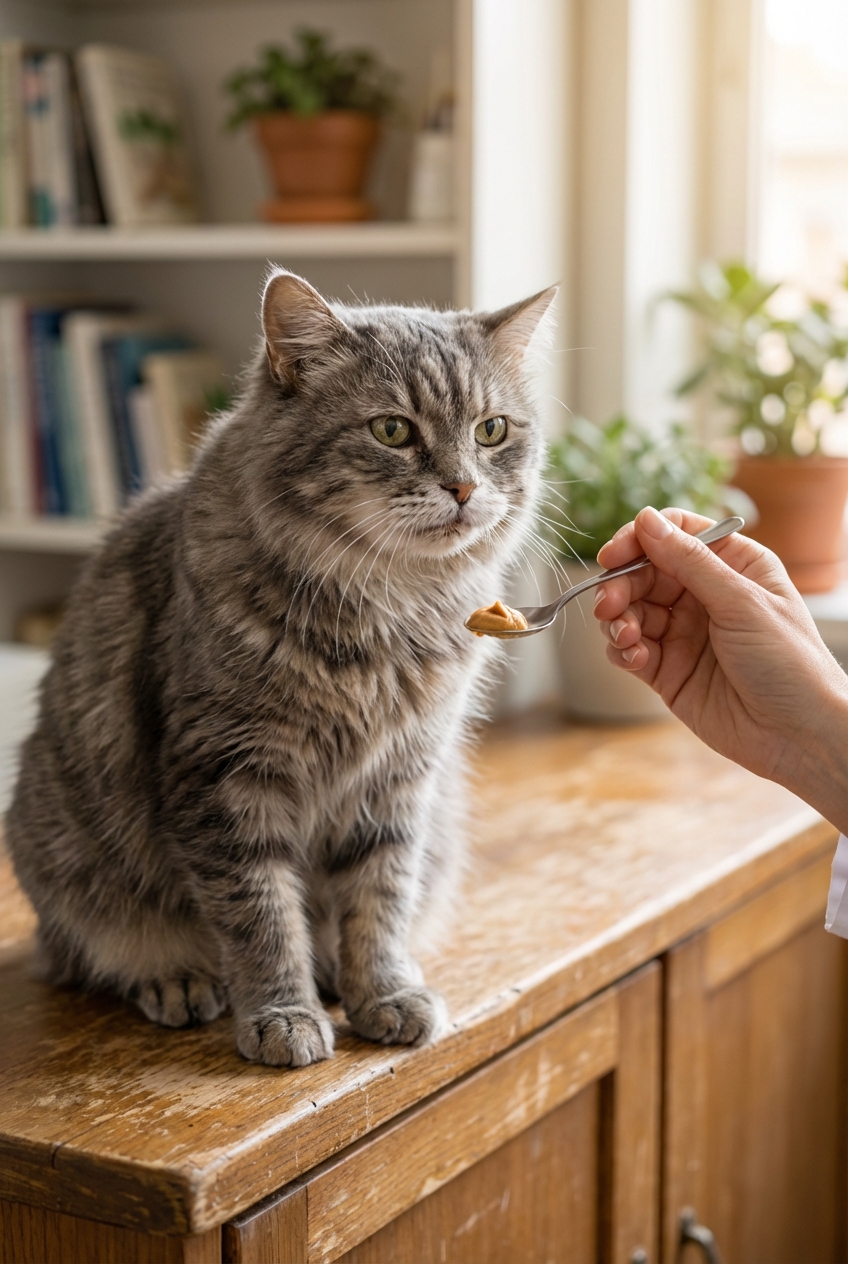
If your cat tends to gulp treats or has trouble chewing or swallowing, skip peanut butter.
When to avoid entirely
Peanut butter is not a good idea for cats who have:
- A history of pancreatitis or recurring vomiting and diarrhea
- IBD or other chronic GI conditions
- Obesity, diabetes, or a weight-loss plan
- Kidney disease or a low-sodium diet
- Known food sensitivities, or they are on a prescription diet
If any of these apply, ask your veterinarian before offering it.
How much can a cat have?
If your veterinarian has not advised against it and you want to offer a taste, keep it truly minimal:
- Portion: a tiny dab about the size of a pea
- Frequency: rarely, not daily
- Only: peanut butter with no xylitol and minimal added ingredients
Introduce any new treat when you can observe your cat for the next 24 hours in case of vomiting, diarrhea, or itchiness.
Signs your cat did not tolerate it
Call your veterinarian if symptoms are persistent or severe, and seek urgent care if your cat seems weak, collapses, or has repeated vomiting. Watch for:
- Vomiting or diarrhea
- Excessive drooling, gagging, coughing, or pawing at the mouth
- Itching, facial swelling, or hives (food reactions can happen, even if true allergies are considered uncommon)
- Loss of appetite or lethargy
If you suspect your cat got into a sugar-free peanut butter or one containing xylitol, treat it as an emergency and contact a vet immediately.
A quick note on peanut safety
Rarely, peanut products can be contaminated with toxins like aflatoxins, and pet food and human food recalls do happen. This is not a reason to panic, but it is a good reason to use reputable brands, store peanut butter properly, and check recall notices if something seems off.
Better treat options
In my experience as a veterinary assistant, most cats do best with treats that match how their bodies are built. If you want a safer, more cat-appropriate reward, consider:
- Freeze-dried meat treats (single-ingredient chicken, turkey, salmon)
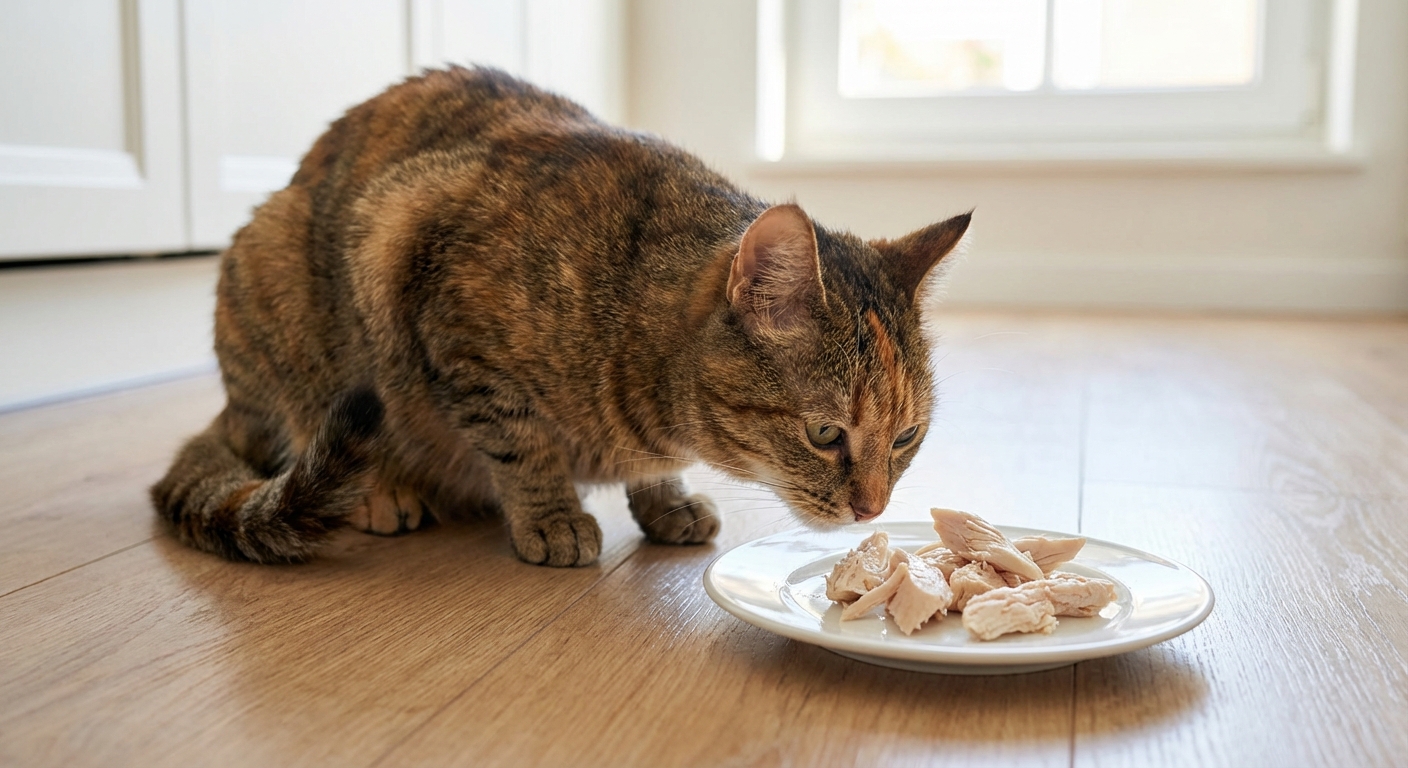
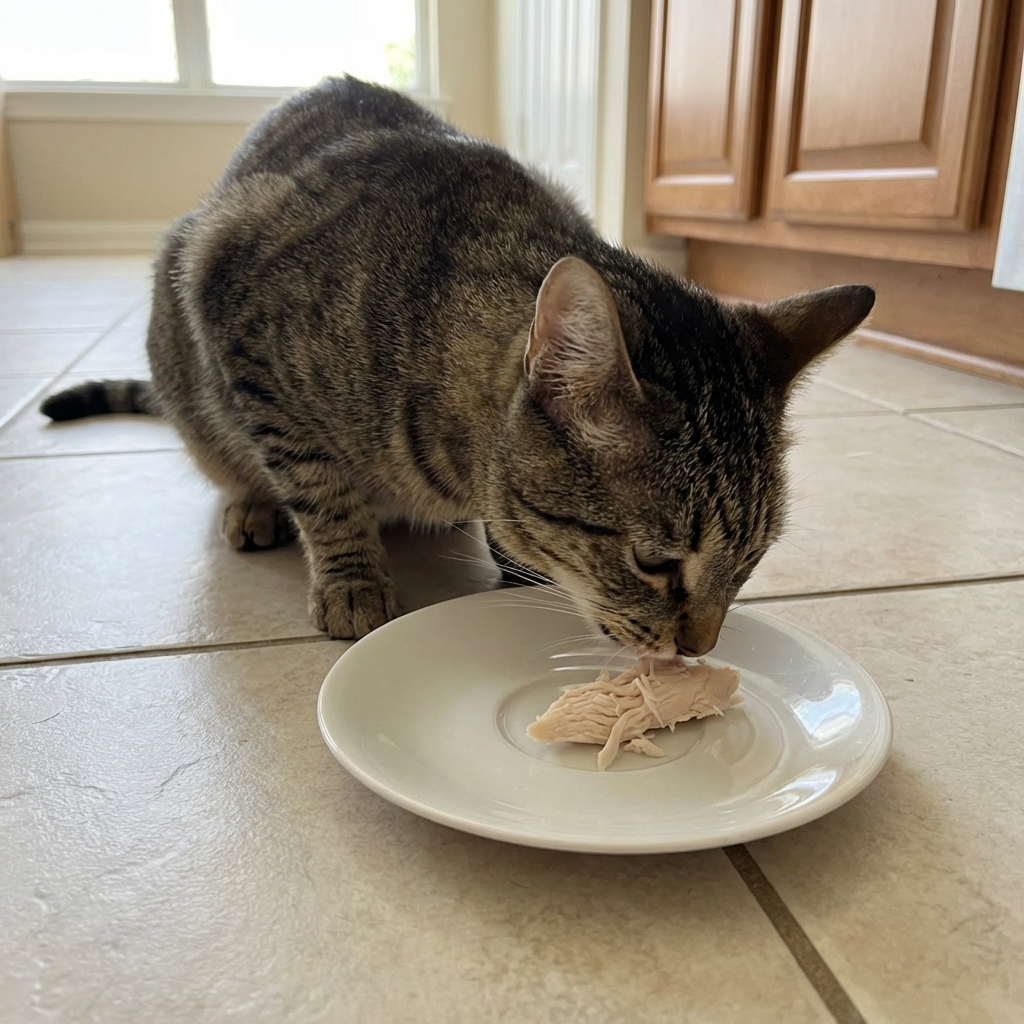
- Plain cooked chicken in tiny pieces (no seasoning, no onion or garlic)
- Commercial cat treats with simple ingredients and clear feeding guidelines
- Food puzzles using a portion of their regular diet for enrichment without extra calories
Bottom line
Most cats can handle a tiny dab of plain peanut butter, but it is not a healthy or necessary treat, and it can cause stomach upset. The biggest concern is peanut butter with xylitol or lots of additives. When in doubt, choose a meat-based treat that better supports your cat’s nutrition and keeps calories under control.
When it comes to treats, simple and species-appropriate wins. A tiny bite of real food that fits a cat’s biology is usually the safest choice.