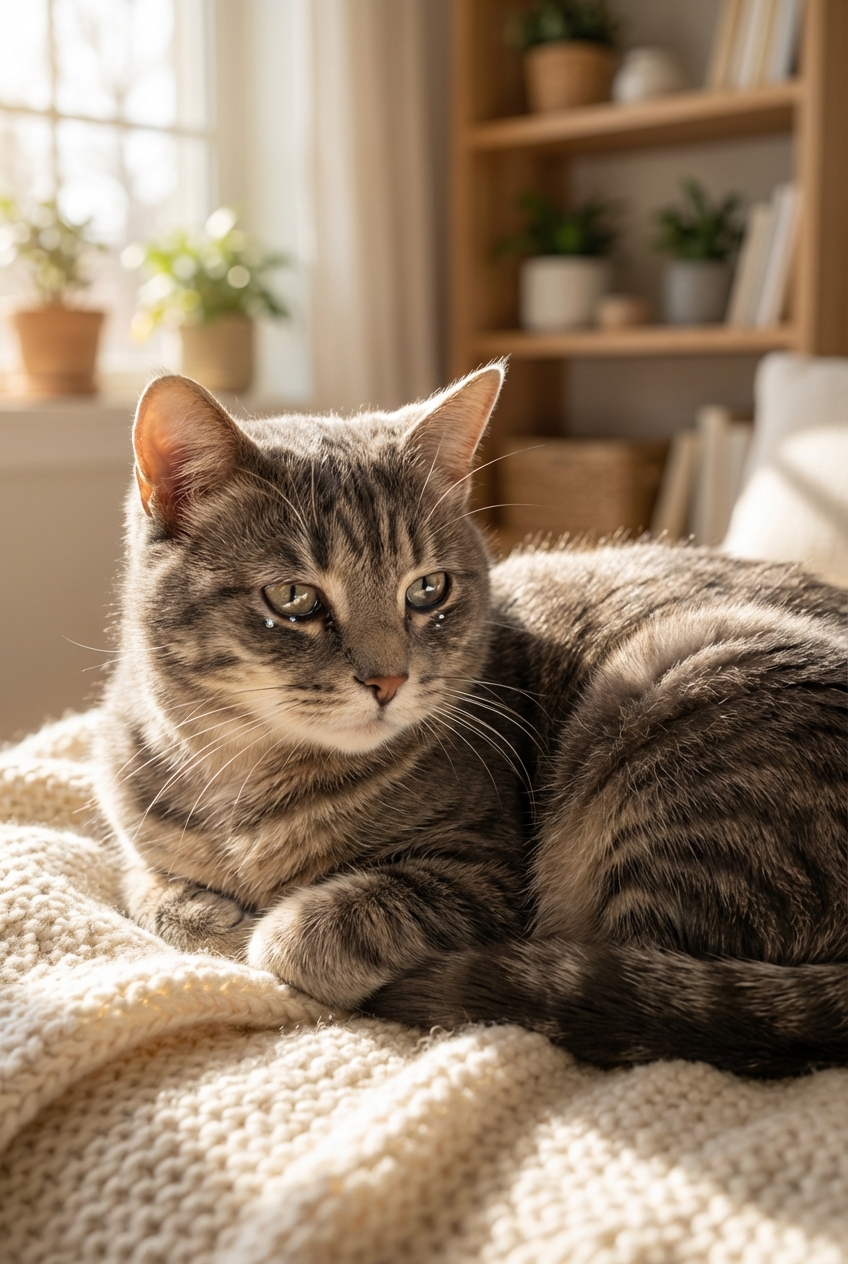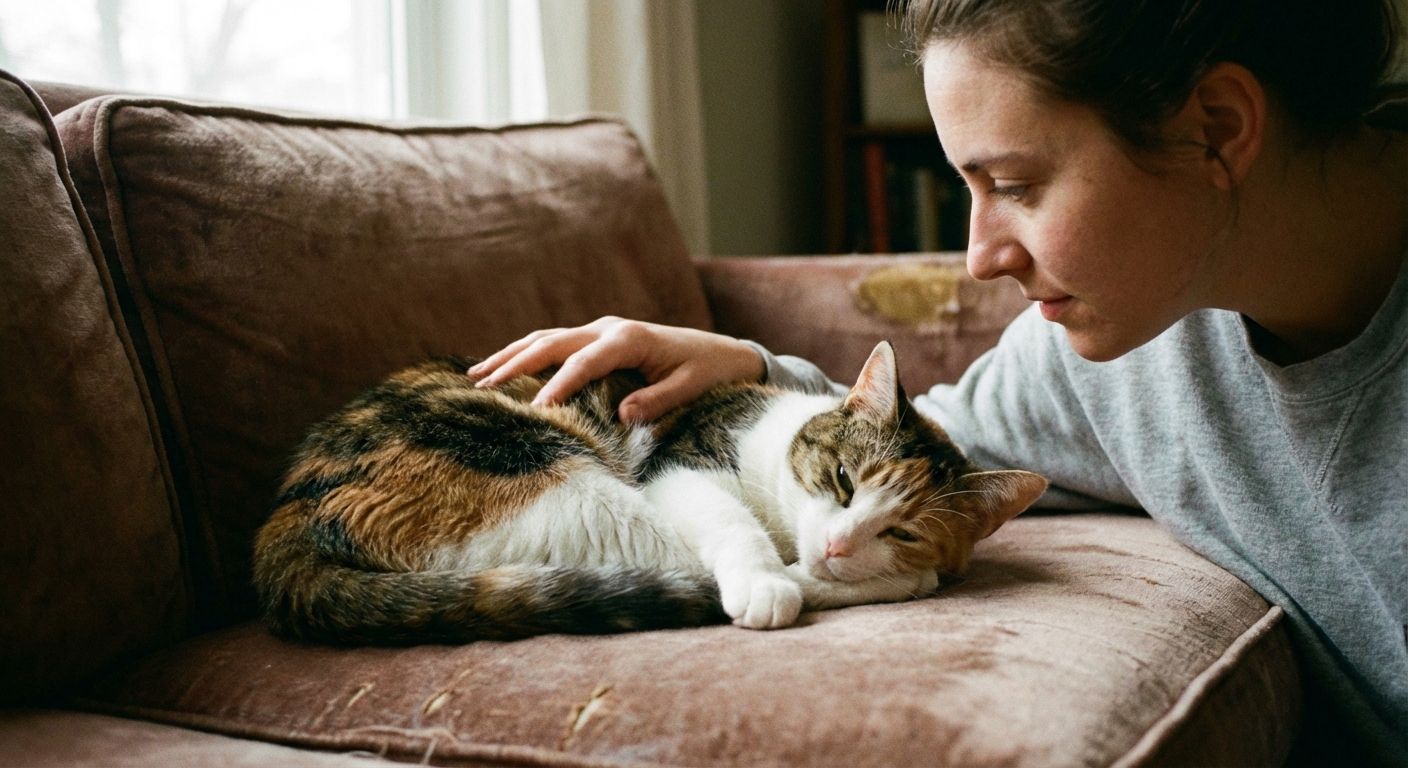
Cat coughing can signal asthma, infection, irritants, parasites, or heart issues. Learn cough vs hairball clues, emergency warning signs, vet tests, and safe...
Article
•
Designer Mixes
Can Cats Have Asthma? Signs Your Cat Is Struggling to Breathe

Shari Shidate
Designer Mixes contributor
Yes, cats can have asthma, and it is not rare. Feline asthma is a chronic inflammatory condition of the lower airways. When something triggers your cat’s sensitive airways, the bronchial tubes can tighten (bronchospasm), swell, and fill with mucus. That combination makes it harder for air to move in and out, which is why asthma can look scary in the moment.
As a veterinary assistant, I always tell families the same thing: breathing issues are never something to “wait and see” about. The good news is many cats with asthma can live happy, active lives with the right diagnosis and management.
Quick note: This article is general information, not a diagnosis for your individual cat. Your veterinarian will guide you based on your cat’s exam and test results.
What feline asthma looks like
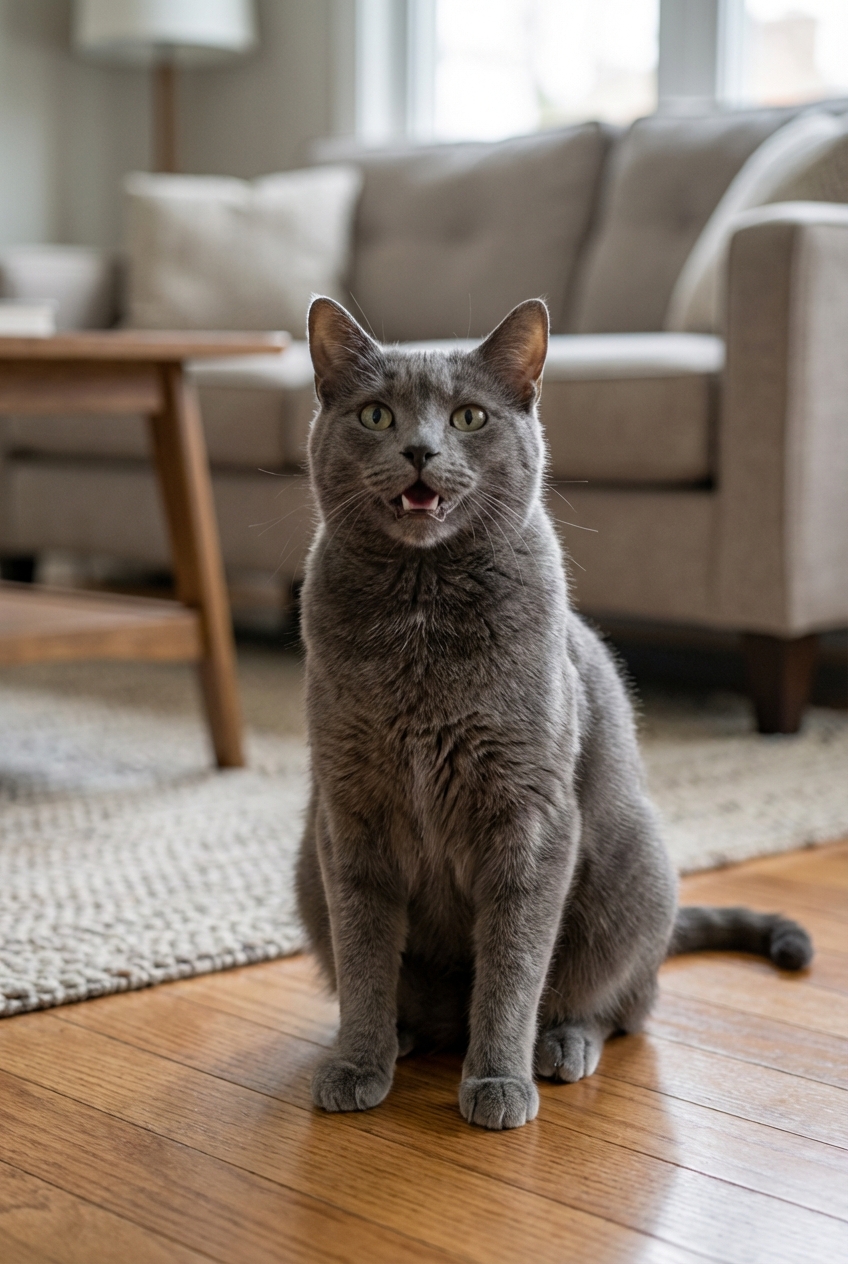
Asthma signs can be subtle at first, then show up as sudden “attacks.” Some cats cough for months before anyone suspects asthma, because feline coughing is often mistaken for hairballs.
When I say “flare,” I mean a period when airway inflammation and narrowing temporarily worsen, causing more obvious coughing or breathing effort.
Common signs of asthma
- Coughing (often dry or “hacking,” sometimes with a gagging posture)
- Wheezing or a whistling sound when breathing out
- Rapid breathing (increased respiratory rate at rest)
- Increased effort to breathe (you may see the belly pushing in and out)
- Lethargy or exercise intolerance, hiding more than usual
- Open-mouth breathing during a flare (this is an emergency sign in cats)
If your cat “coughs up a hairball” but nothing comes up, or the episodes happen repeatedly, it is worth scheduling a veterinary visit. True hairballs are usually occasional, and you typically see vomit or hair.
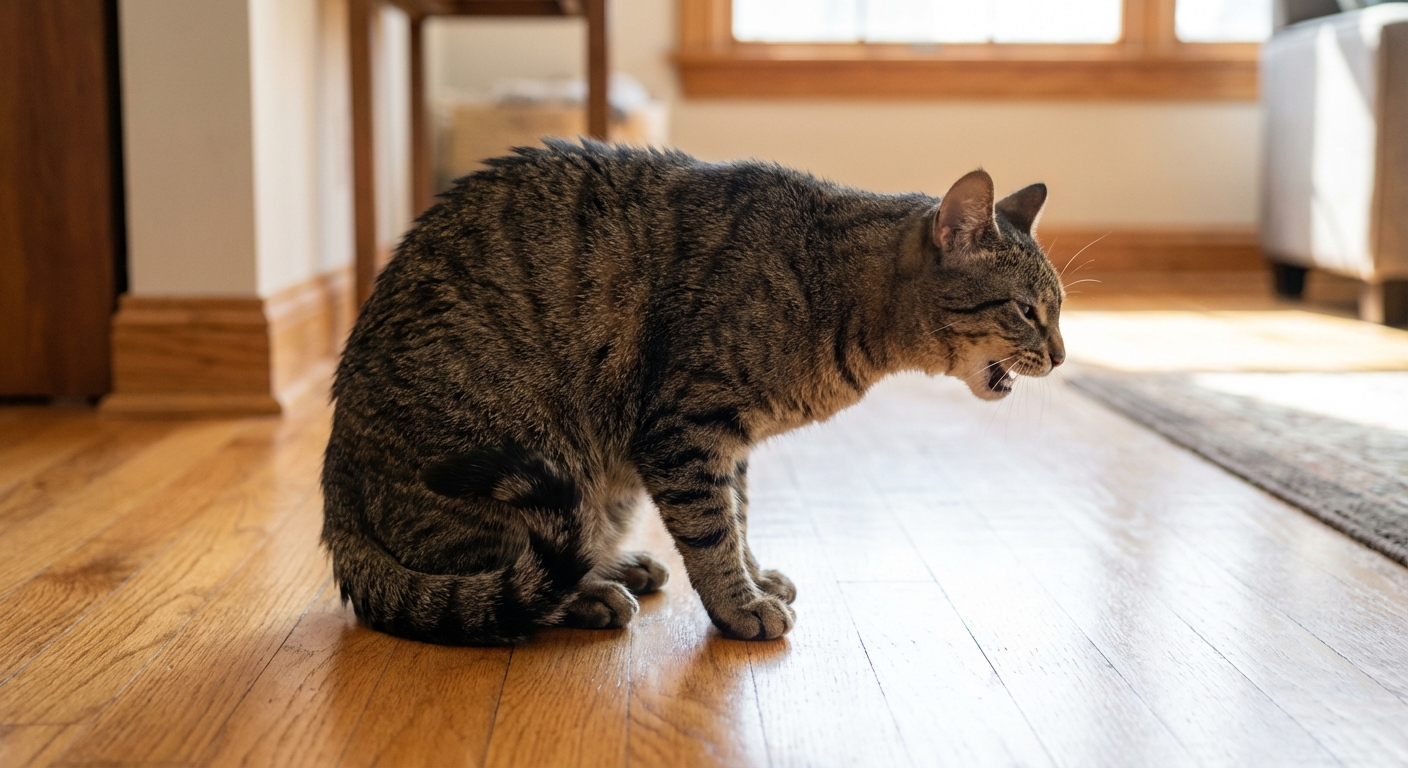
Breathing trouble signs
These are the red flags I want you to remember. If you notice any of them, contact an emergency vet right away.
Emergency breathing signs
- Open-mouth breathing or panting at rest (cats rarely pant; panting without a clear reason is concerning)
- Blue or gray gums/tongue (poor oxygenation)
- Breathing with the neck extended and elbows held away from the body
- Very fast breathing at rest
- Severe abdominal effort to breathe, or the chest and belly moving out of sync
- Collapse, extreme weakness, or inability to settle
If your cat is breathing with an open mouth or seems panicked and cannot get comfortable, treat it as an emergency. Put your cat in a carrier, keep things quiet, and go in.
Helpful at-home check: when your cat is asleep or calmly resting, count breaths for 15 seconds and multiply by 4. Many relaxed cats are about 16 to 30 breaths per minute, and many are under 30. If your cat’s resting rate is consistently over 30, is trending upward compared to their normal, or comes with effort, coughing, or lethargy, call your veterinarian.
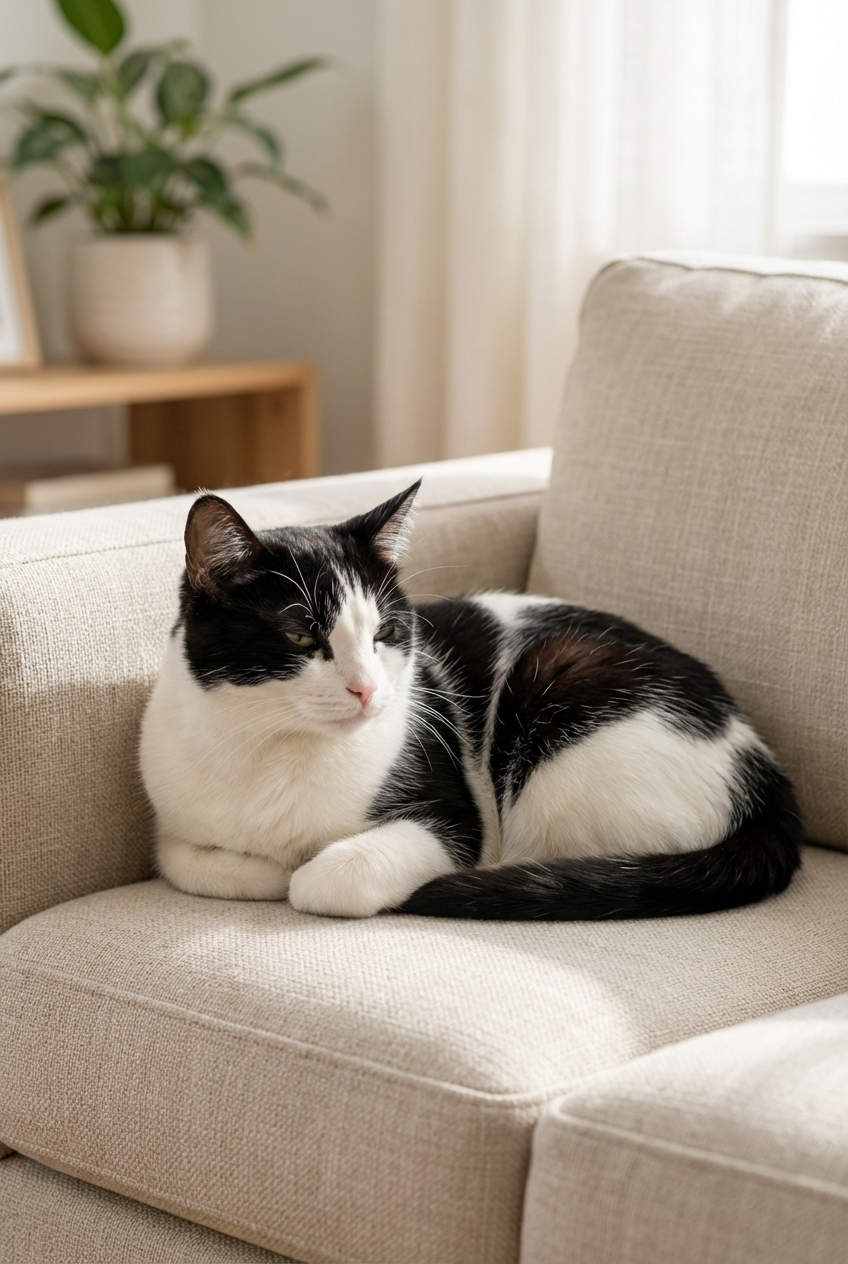
Asthma or something else?
Asthma is common, but it is not the only cause of coughing or labored breathing. Your veterinarian’s job is to rule out other problems that can look similar.
Conditions that can mimic asthma
- Hairballs or nausea-related gagging
- Upper respiratory infection (congestion, sneezing, discharge)
- Pneumonia
- Heart disease and fluid in or around the lungs
- Lung parasites (in some regions and lifestyles)
- Allergic bronchitis (overlaps with asthma)
- Foreign material inhaled into the airway
- Tumors in the chest or airway (less common, but important to rule out)
Because the treatment can be very different depending on the cause, it is important not to self-diagnose based on coughing alone.
Common asthma triggers
Asthma triggers vary by cat, and many cats have more than one. The common theme is airway irritation and inflammation.
Typical triggers
- Tobacco or cannabis smoke
- Dusty litter and litter fragrances
- Aerosols (air fresheners, perfumes, hairspray, cleaning sprays)
- Scented candles and essential oil diffusers
- Dust, pollen, and mold
- Household cleaners (especially when used in a closed space)
- Stress (moving, new pets, loud construction)
- Cold air or sudden temperature changes (can be a trigger for some cats)
One simple, evidence-based step that helps many cats: switch to a low-dust, unscented litter and keep the litter area well ventilated and cleaned frequently.
Other practical steps that often help: vacuum regularly (ideally with a HEPA filter), avoid powders (carpet powders, talc-like products), and air out rooms after using cleaners.
How vets diagnose asthma
Diagnosis is usually based on your cat’s history, a physical exam, and imaging. Sometimes it takes a few steps to confidently separate asthma from heart disease or infection.
Tests your vet may recommend
- Chest X-rays to look for changes that support asthma and rule out other issues (X-rays can be normal in some cats, so they are supportive, not always definitive)
- Bloodwork to assess overall health and inflammation clues
- Fecal and parasite testing depending on risk
- Heartworm testing in appropriate areas (cats can be affected)
- Bronchoscopy and airway wash (in select cases) to evaluate airway cells and infection
What a typical visit looks like: your vet will ask detailed questions about the cough (how often, what it sounds like, any triggers), listen to your cat’s heart and lungs, and decide whether imaging or other tests are needed that day. If your cat is in distress, the team may prioritize oxygen and stabilization before diagnostics.
Tip from the clinic: if you can safely capture a short video of an episode, it can be extremely helpful for your veterinarian, especially if the signs come and go.
Asthma treatments
Most asthma plans have two goals: reduce airway inflammation and open the airways during flare-ups. Your veterinarian will tailor treatment based on severity and how often symptoms occur.
Common treatments
- Corticosteroids to reduce inflammation (often inhaled for long-term control; oral steroids may be used initially or during tougher flare-ups, as directed by your vet)
- Bronchodilators to relax airway muscles (often inhaled or oral)
- Inhaler therapy using a feline spacer and mask (many cats adapt beautifully with calm training)
- Weight management if your cat is overweight, because extra weight can worsen breathing effort
- Trigger control in the home (litter, smoke, sprays, dust)
Inhaled medications are a wonderful option for many cats because they can deliver medicine right to the lungs with fewer whole-body side effects than long-term oral steroids. Your veterinary team can show you how to introduce the mask slowly with treats and short sessions.
If your veterinarian prescribes them, common examples include an inhaled steroid such as fluticasone for control and a rescue bronchodilator such as albuterol (salbutamol) for acute symptoms. Use only as prescribed for your cat.
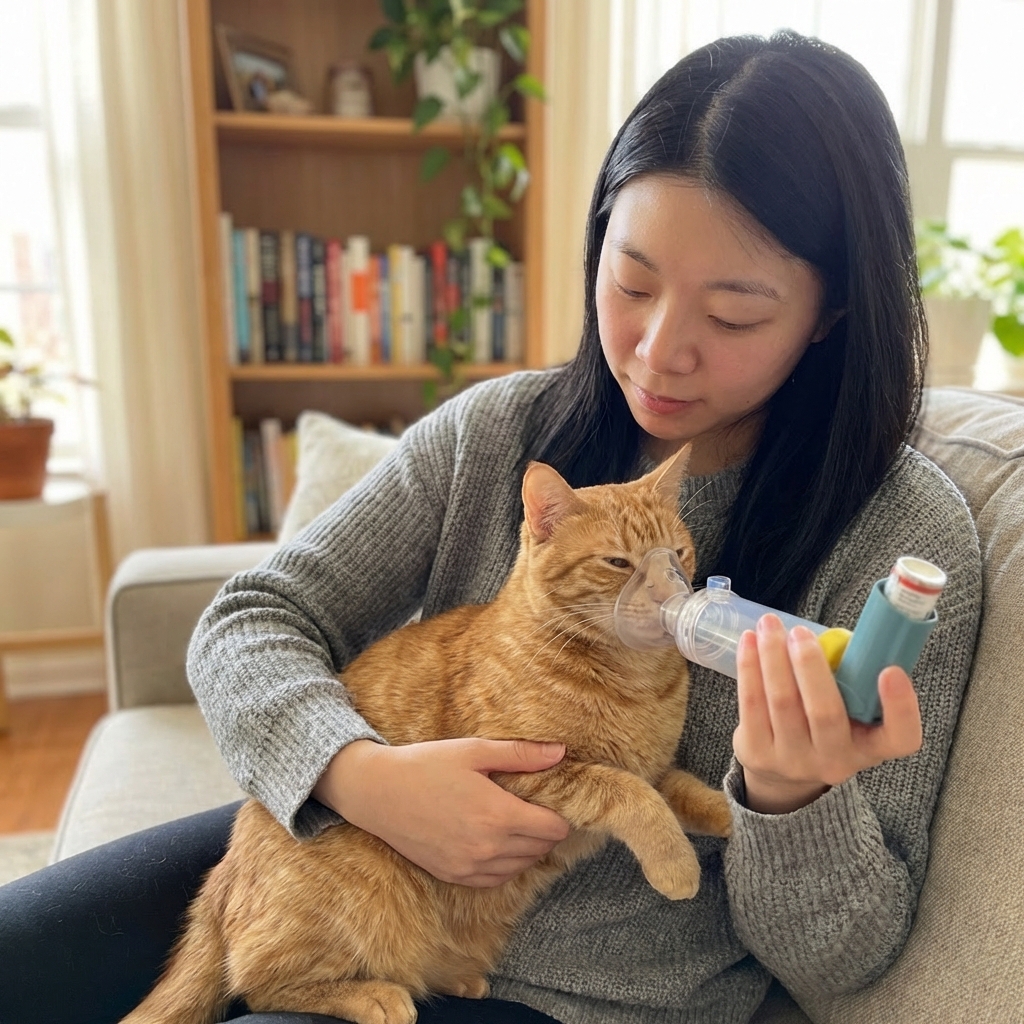
During a suspected attack
If your cat is having a mild episode and is still calm, you can reduce stimulation while you assess. If your cat has known asthma, follow your veterinarian’s written plan.
At-home steps while you contact your vet
- Stay calm and keep your cat quiet. Stress can worsen airway tightening.
- Move your cat away from irritants (smoke, aerosols, dusty rooms).
- Do not force exercise or restrain aggressively.
- Use prescribed rescue medication only if your veterinarian has instructed you to do so.
Do not: give human medications, use essential oils to “open the airways,” or steam your cat in a bathroom without veterinary guidance. Cats are sensitive to many substances, and the wrong approach can delay real treatment.
If you see open-mouth breathing, blue gums, collapse, or extreme effort, go to an emergency hospital immediately.
Living well with asthma
Once controlled, most cats return to normal routines. The keys are consistency and prevention.
Long-term success tips
- Keep a symptom journal: coughing frequency, suspected triggers, resting respiratory rate
- Reduce airborne irritants: unscented cleaning products, no smoking indoors
- Choose low-dust litter and avoid scented litter additives
- Use a HEPA air purifier in main living areas if dust or pollen is an issue
- Schedule rechecks so your vet can adjust doses to the lowest effective amount
Monitoring goal: fewer or no coughing episodes, comfortable breathing at rest, and a resting respiratory rate that stays in your cat’s normal range.
Most importantly, trust your instincts. If your cat’s breathing seems “off,” it is always appropriate to call your vet and ask whether you should be seen the same day.
When to call the vet
- Same day appointment: repeated coughing episodes, wheezing, faster breathing at rest, or reduced activity
- Emergency care now: open-mouth breathing, blue or gray gums, severe effort to breathe, collapse, or your cat cannot settle comfortably
Breathing is basic, and cats are masters at hiding illness. If anything about your cat’s breathing worries you, it is worth acting quickly.