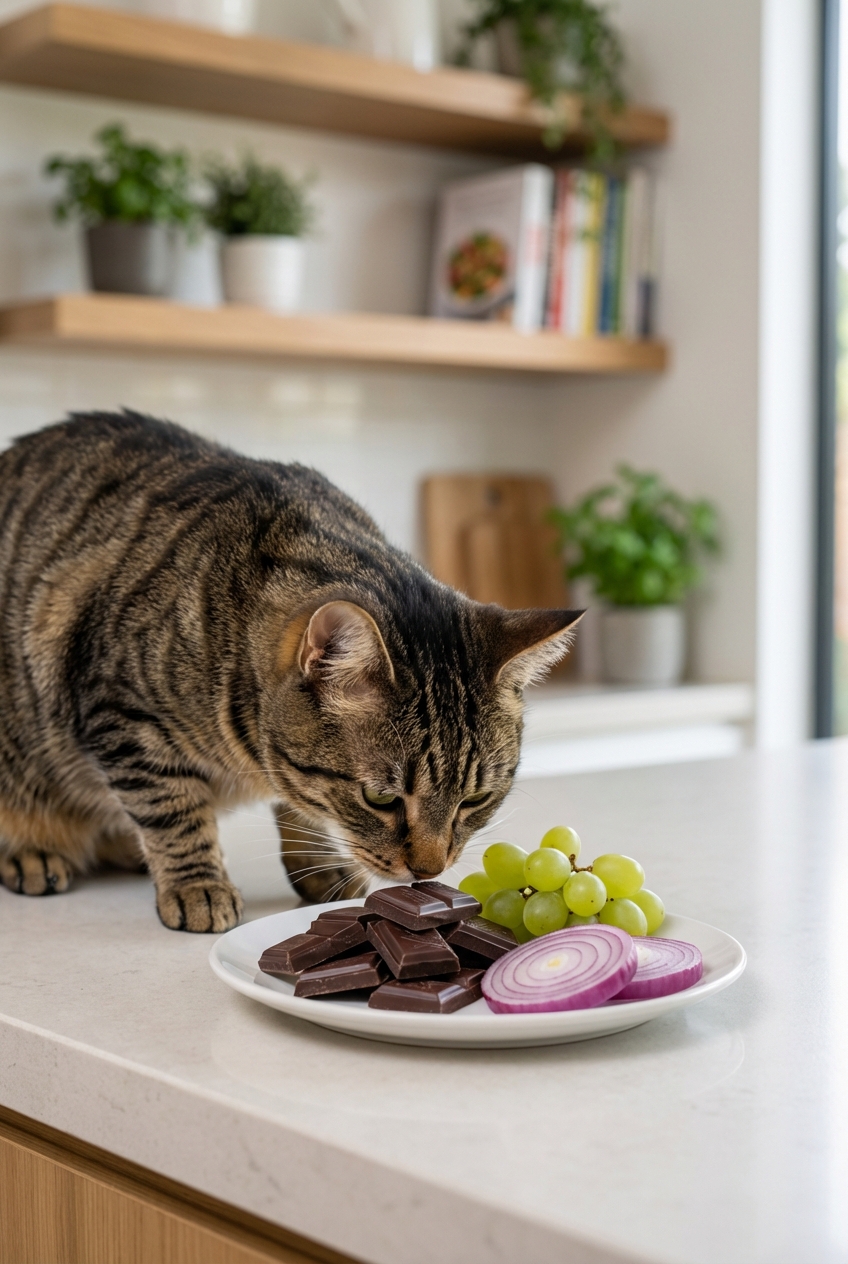
Cats can be harmed quickly by chocolate, grapes/raisins, and onions (Allium). Learn toxicity risks, warning signs, timelines, and exactly what to do if expos...
Article
•
Designer Mixes
Can Cats Eat Grapes, Raisins, and Vines?

Shari Shidate
Designer Mixes contributor
As a veterinary assistant here in Frisco, Texas, I get this question a lot, especially around holidays and snack-heavy weekends: can cats eat grapes or raisins? The safest, evidence-based answer for cat owners is: no. Grapes and raisins are a well-known cause of acute kidney injury in dogs. In cats, confirmed cases are rare and less well documented, but because we do not have good safety data or a known “safe” amount, most veterinary teams advise treating them as not worth the risk.
Quick answer
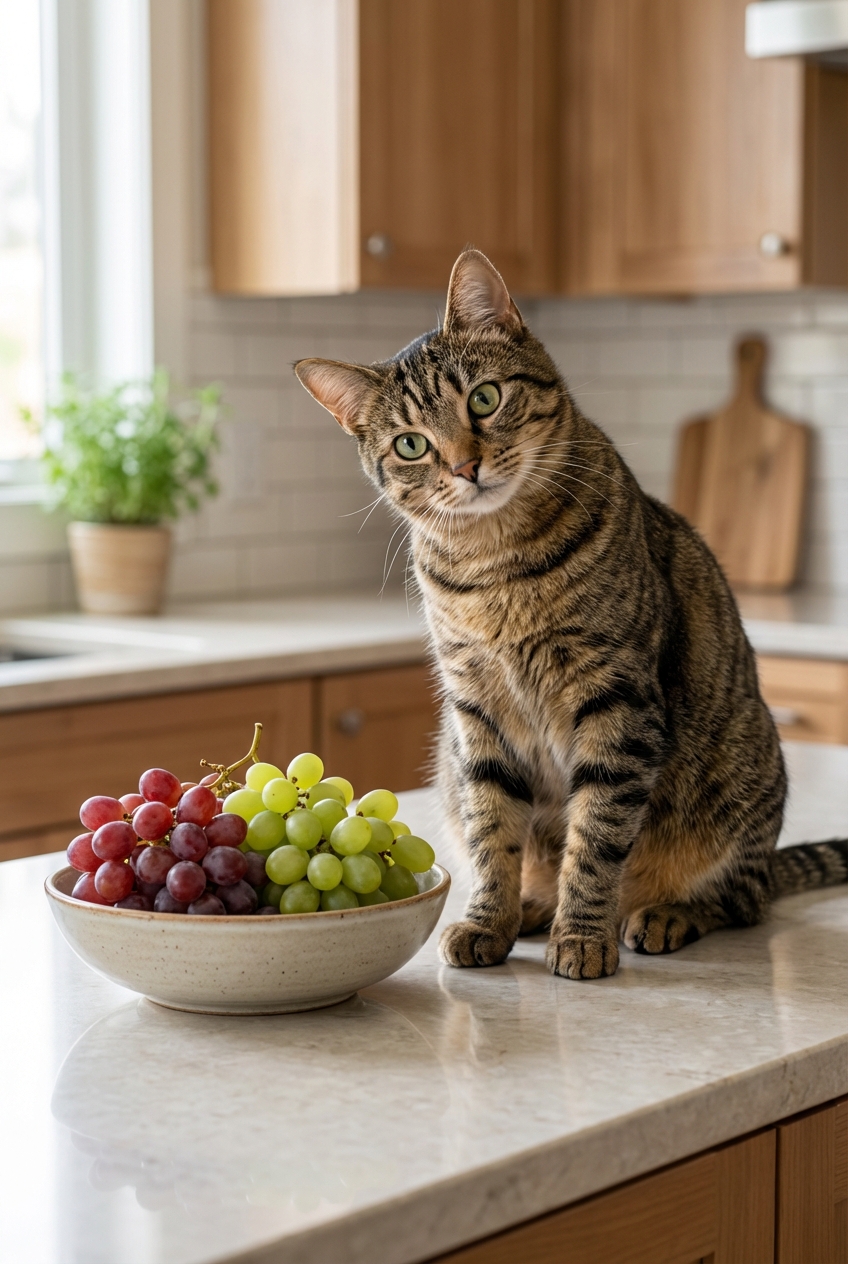
- Grapes: Do not offer. Keep out of reach.
- Raisins: Do not offer. Keep out of reach.
- Grape vines, leaves, and stems: Not recommended. Can cause stomach upset and safety is not well studied.
If your cat ate any amount, treat it like a “better safe than sorry” moment and call your veterinarian or a pet poison helpline right away. Do not wait for symptoms.
Why this is a concern
In dogs, grapes and raisins can cause acute kidney injury, and the toxic trigger is still not fully understood. For cats, we do not have the same volume of confirmed data as we do in dogs, so we err on the side of caution because:
- The toxic trigger is unknown, so we cannot confidently name a safe amount.
- Susceptibility can vary widely between individual pets.
- Cats are small, so a few raisins can still be a meaningful exposure for their body size.
Many veterinary poison-control resources and clinics advise avoidance in cats as a precaution due to the seriousness of potential kidney effects and the lack of a confirmed safe threshold.
One grape vs. many
This is the question I hear most: “It was just one.” Because we cannot predict sensitivity and we do not have a confirmed safe dose, it is still smart to call for guidance even after one grape or a single raisin, especially for kittens, seniors, or cats with kidney disease.
Raisins in baked goods
No. Raisins baked into cookies, breads, cereals, or trail mix are still raisins. Baked goods can also add extra issues for cats:
- High fat: may worsen stomach upset and can contribute to pancreatitis risk in some pets.
- Added sugars: not helpful for feline health.
- Other hazards: sometimes chocolate, macadamia nuts, or xylitol (especially dangerous for dogs; still best kept away from cats).

Vines, stems, and leaves
Cats do not benefit nutritionally from grape vines, stems, or leaves. Nibbling plant material can cause GI upset (drooling, vomiting, diarrhea) and there is a small obstruction risk if a cat chews and swallows fibrous pieces.
Outdoor vines may also carry pesticide residues or fertilizers. So even though kidney risk is discussed mostly with grapes and raisins, it is still smart to keep cats away from the whole grape plant.
Symptoms to watch for
If a cat eats grapes or raisins, symptoms can be mild at first. Call your vet even if you are not seeing signs yet.
Early signs
- Vomiting or dry heaving
- Diarrhea
- Drooling, lip smacking
- Decreased appetite
- Lethargy or hiding
- Abdominal discomfort
More serious red flags
- Not drinking, or drinking much more than usual
- Very little urine, or straining in the litter box
- Weakness, wobbly walking
Kidney-related signs can take time to develop. The earlier you get advice and care, the better.
What to do
Here is a calm, practical plan you can follow:
- Remove access to the grapes, raisins, trail mix, baked goods, or plant.
- Gather details: what was eaten, how much, and when. Write down your cat’s weight if you know it. Save the packaging.
- Call your veterinarian now. If your vet is closed, call an emergency clinic. Do not wait for symptoms.
- Do not induce vomiting at home unless a veterinarian tells you to. Cats are not small dogs, and at-home methods can be risky.
- Be ready for monitoring. A clinic may recommend decontamination and bloodwork to check kidney values, plus follow-up labs.
If you are in the U.S., your clinic may also direct you to ASPCA Animal Poison Control (888-426-4435) or the Pet Poison Helpline (855-764-7661). Consultation fees are common, but you get case-specific guidance tailored to your cat.
Online information cannot replace veterinary care. When in doubt, call.
Why cats play with grapes
Most cats are not drawn to sweet foods the way some dogs are, but curiosity is powerful. Cats may lick or bat grapes because they are:
- Cool and wet, like a toy that “sweats”
- Round and rollable, which triggers play
- Coated with interesting smells from human hands or the fridge
My tip: if your cat likes batting grapes around, offer a safer alternative like a cat ball, crinkle toy, or a supervised ice cube instead.
Safer snack ideas
If you love sharing little moments with your cat, you are not alone. Just choose cat-safe options.
Better treats
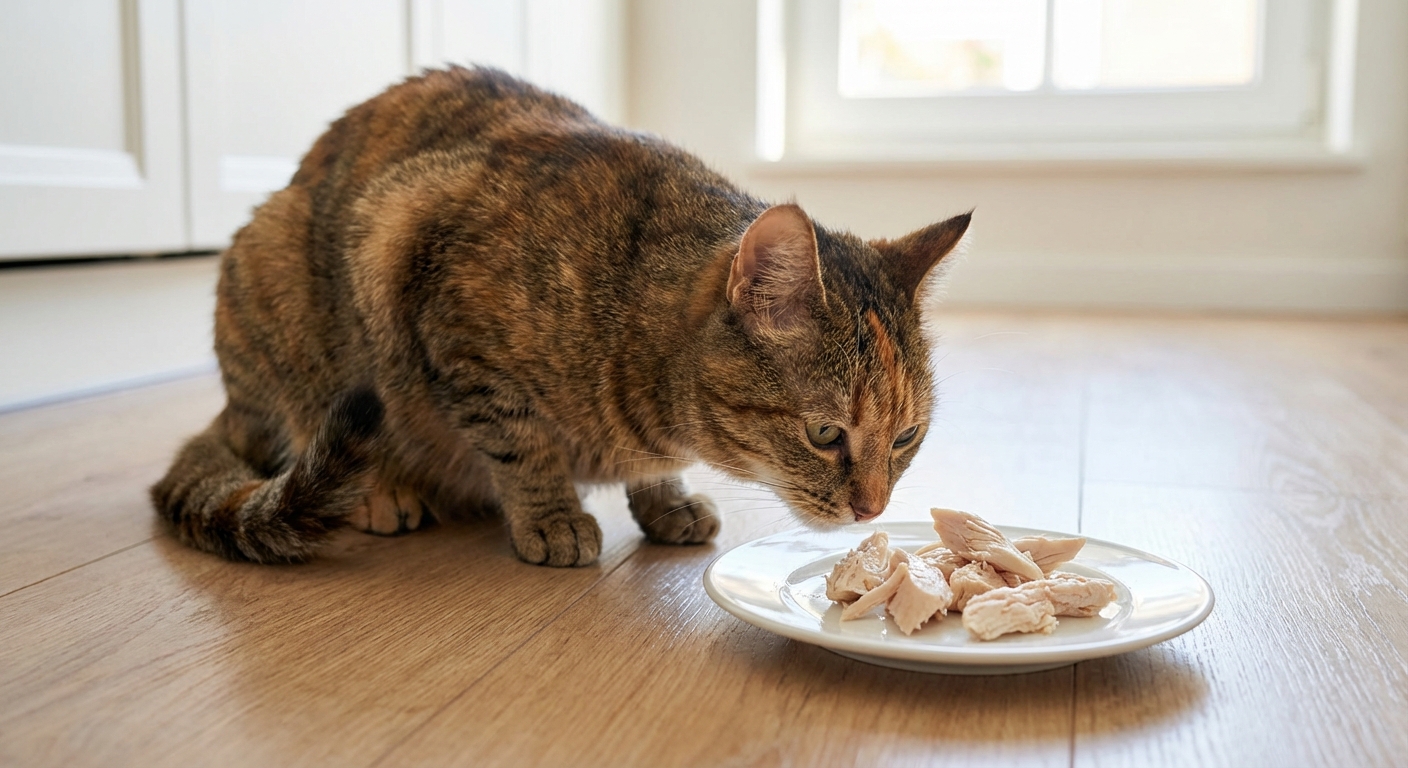
- A small portion of plain cooked chicken or turkey (no seasoning, no onion or garlic)
- Freeze-dried meat treats made for cats
- A spoonful of wet cat food as a “special snack”
- Occasional tiny tastes of plain cooked egg if your cat tolerates it
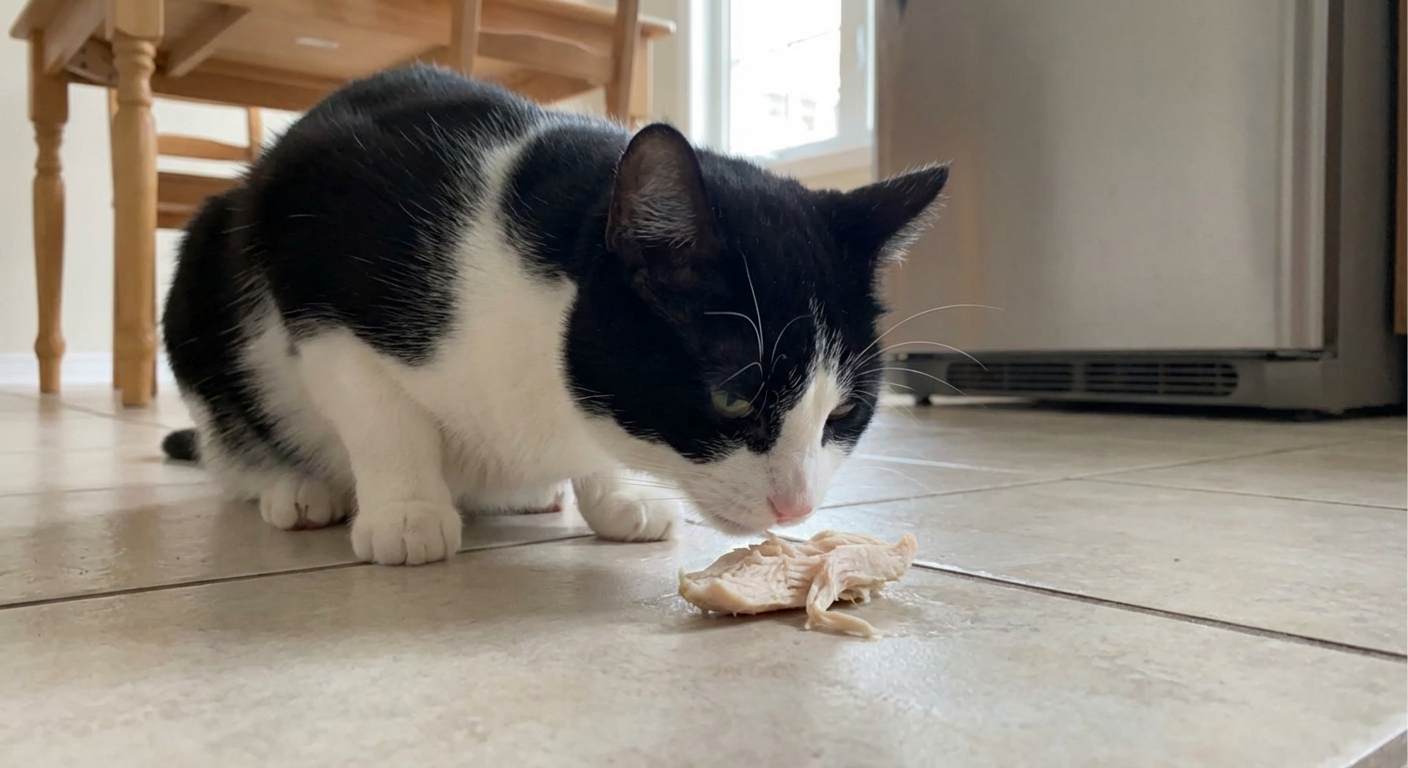
When in doubt, keep treats small and occasional. Most of a cat’s calories should come from a complete and balanced cat diet.
Bottom line
Do not feed grapes, raisins, or grape vine parts to cats. While grape and raisin toxicity is best documented in dogs, feline safety data is limited, and the potential downside is too serious to gamble on. If your cat got into any, call your veterinarian promptly and watch for vomiting, diarrhea, or lethargy.