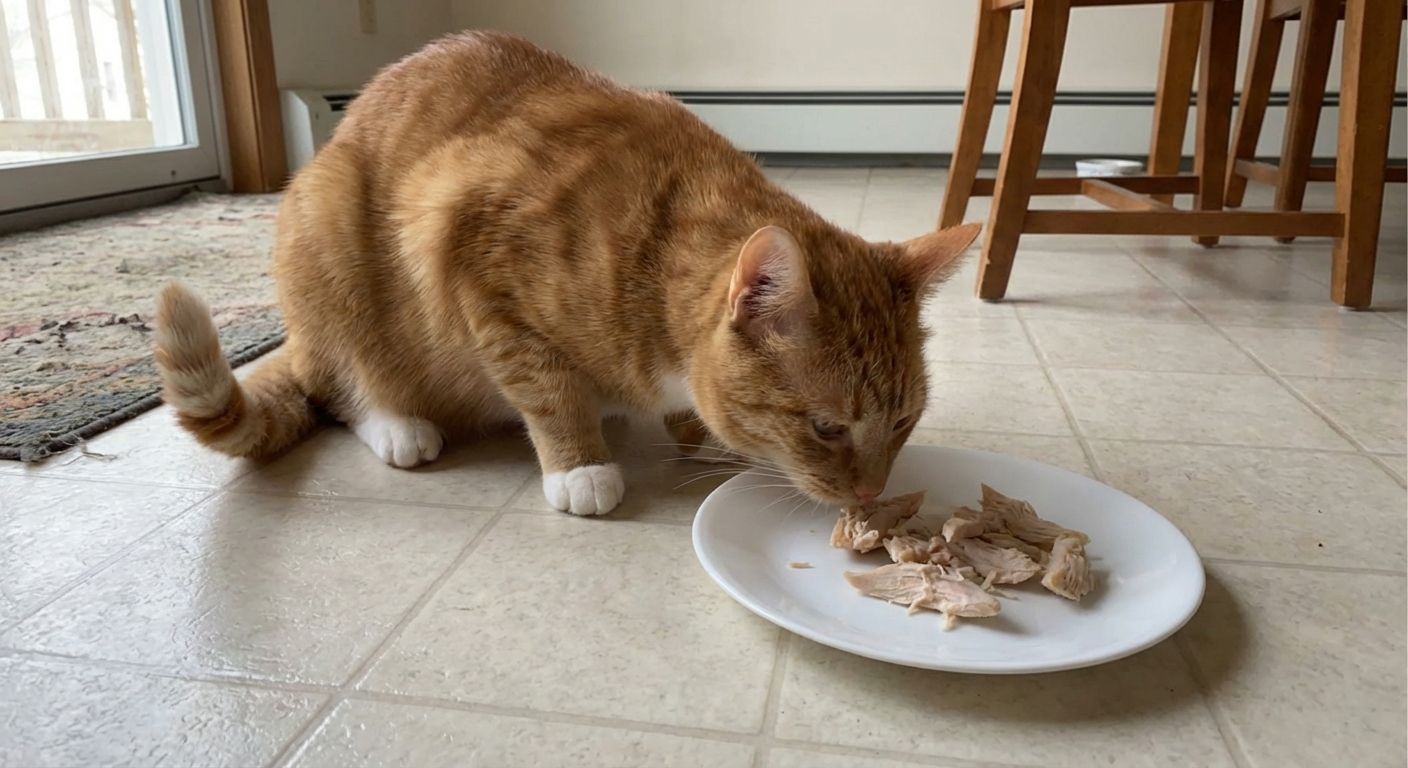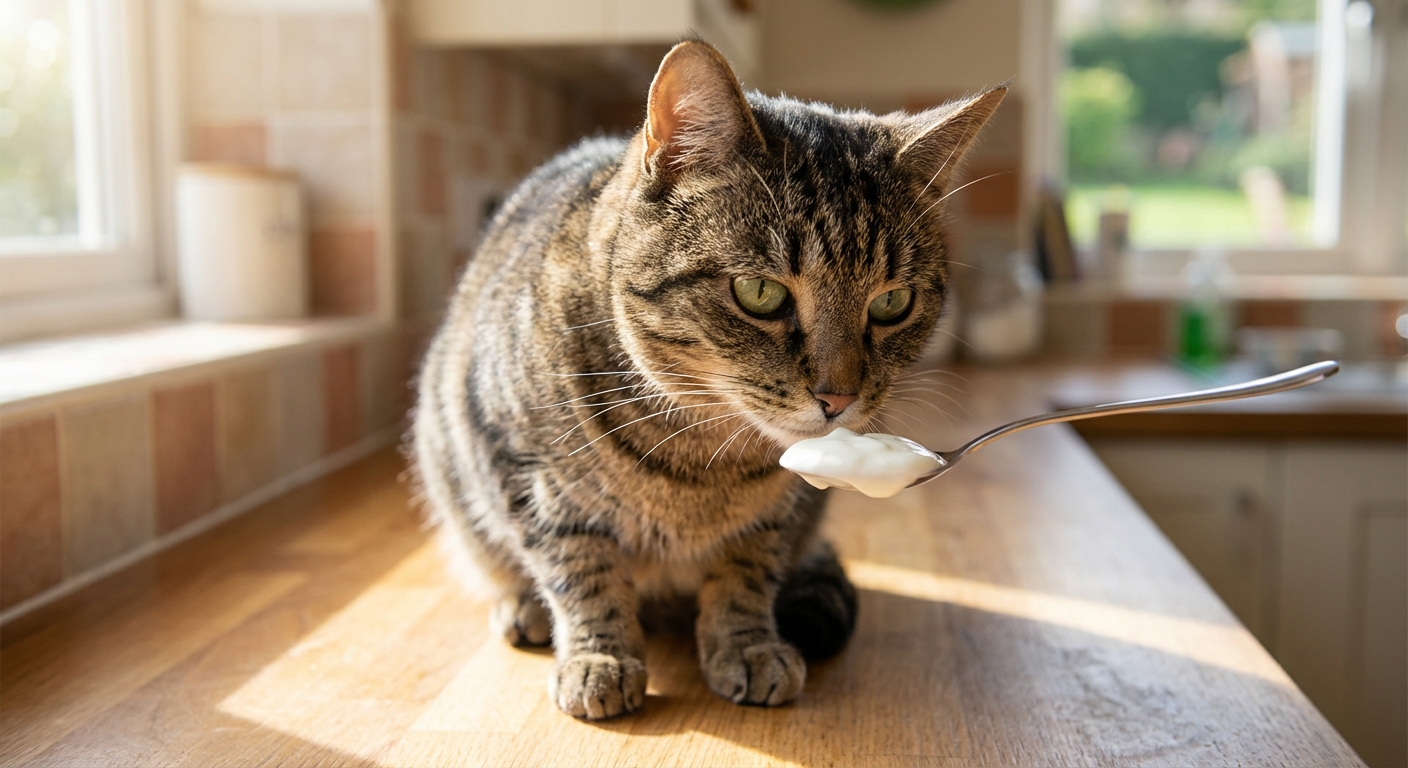
Some cats can tolerate a tiny lick of plain yogurt or a pea-sized cheese bite, but many are lactose intolerant. Learn safe choices, what to avoid, and when t...
Article
•
Designer Mixes
Can Cats Drink Milk?

Shari Shidate
Designer Mixes contributor
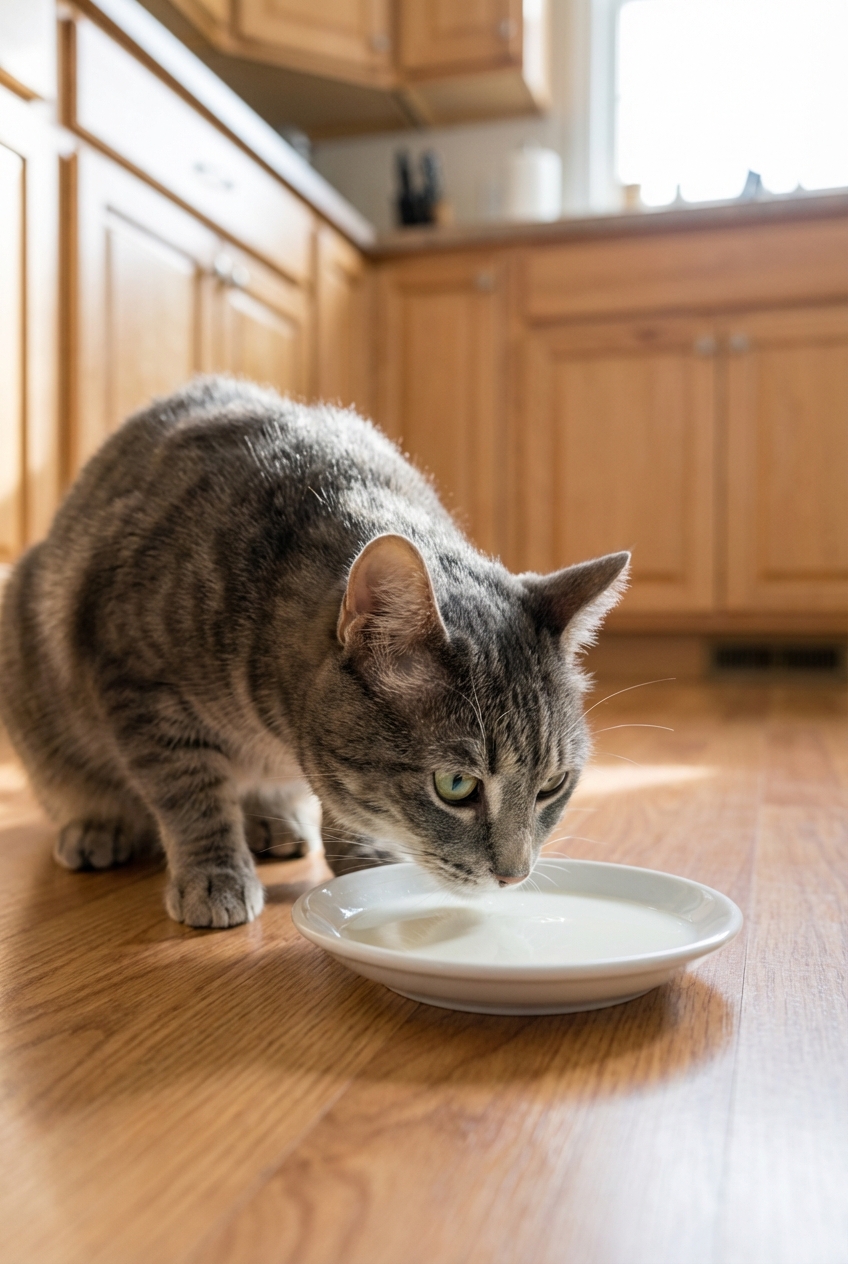
If you grew up with cartoons, you probably picture a happy cat lapping up a saucer of milk. It is one of the most stubborn pet myths out there. But here is the truth I share all the time as a veterinary assistant: most adult cats are better off avoiding milk.
Milk is not “poison” for cats, but it is a common cause of GI upset. So if your cat steals a lick, do not panic. Just know that making milk a habit can mean diarrhea, gas, abdominal discomfort, and a very unhappy litter box.
Why milk seems like a match
Kittens naturally drink their mother’s milk, so the association makes sense. The problem is that many cats lose the ability to digest milk sugar well as they grow up.
Milk from cows and goats contains lactose, a sugar that requires an enzyme called lactase to break it down. Many adult cats produce very little lactase. When lactose is not digested, it pulls water into the intestines and gets fermented by gut bacteria, which can lead to classic lactose intolerance signs.
Can cats drink milk?
Sometimes, in tiny amounts, and only if they tolerate it. A small sip is unlikely to harm a healthy cat, but some cats will feel the effects within a few hours. Others may not show signs until later. It depends on the cat and the amount.
Even if your cat seems “fine,” milk is not nutritionally necessary. Cats do not need milk for hydration, calcium, or protein if they are already eating a complete and balanced cat food. If you do offer it, treat it like any other treat and keep treats to under about 10% of daily calories.
Signs your cat does not tolerate milk
- Loose stool or diarrhea
- Gas and bloating
- Vomiting
- Abdominal discomfort or restlessness
- Litter box accidents (because urgency happens fast)
If you ever see repeated vomiting, blood in stool, marked lethargy, or dehydration, call your veterinarian. Those are not typical “mild lactose intolerance” symptoms and deserve a closer look.
If your cat already drank milk
In most cases, the best next step is simple: stop the milk, offer fresh water, and return to your cat’s normal diet. Watch the litter box for the next 24 hours and keep an eye on energy level and appetite.
If diarrhea or vomiting is persistent, your cat seems painful, or you see any of the red flags above, contact your veterinarian for guidance. Kittens and senior cats can dehydrate faster, so be extra cautious with them.
Is kitten milk different?
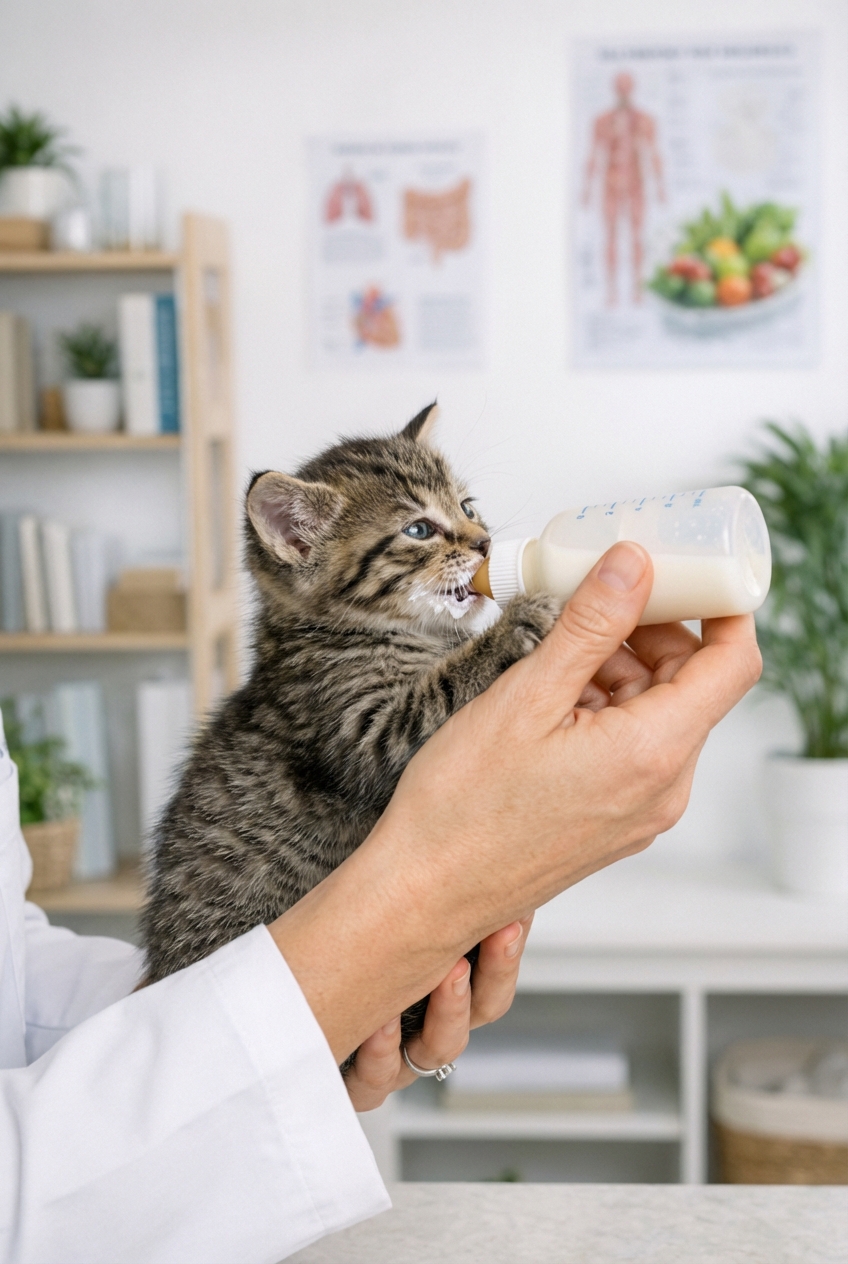
Yes. Kitten milk is designed for kittens. Cow’s milk is not a safe substitute for mother’s milk, especially for orphaned kittens. Cow’s milk has a different nutrient profile and can cause diarrhea and dehydration in a fragile baby.
If you find a kitten that needs help, use a veterinary-approved kitten milk replacer (KMR) and get guidance quickly. In clinics, we see too many kittens get sick simply because well-meaning people offer cow’s milk. Feeding technique and warmth matter too, so reach out to a vet or a local rescue as soon as you can.
What about lactose-free or “cat milk”?
This is where things get more reasonable. Lactose-free milk has the lactose removed or pre-broken down, so it is less likely to cause diarrhea. Many pet stores also sell “cat milk,” which is usually lactose-reduced.
Even then, I recommend thinking of it as an occasional treat, not a daily beverage. It can still add extra calories, and some cats have sensitive stomachs for reasons beyond lactose (including fat or protein intolerance).
How to offer it safely
- Start with 1 to 2 teaspoons and watch the litter box for 24 hours.
- Keep it as a rare treat, such as once a week or less.
- If your cat has a history of GI disease, pancreatitis, obesity, or diabetes, it is best to avoid milk unless your vet approves.
Best drink for cats
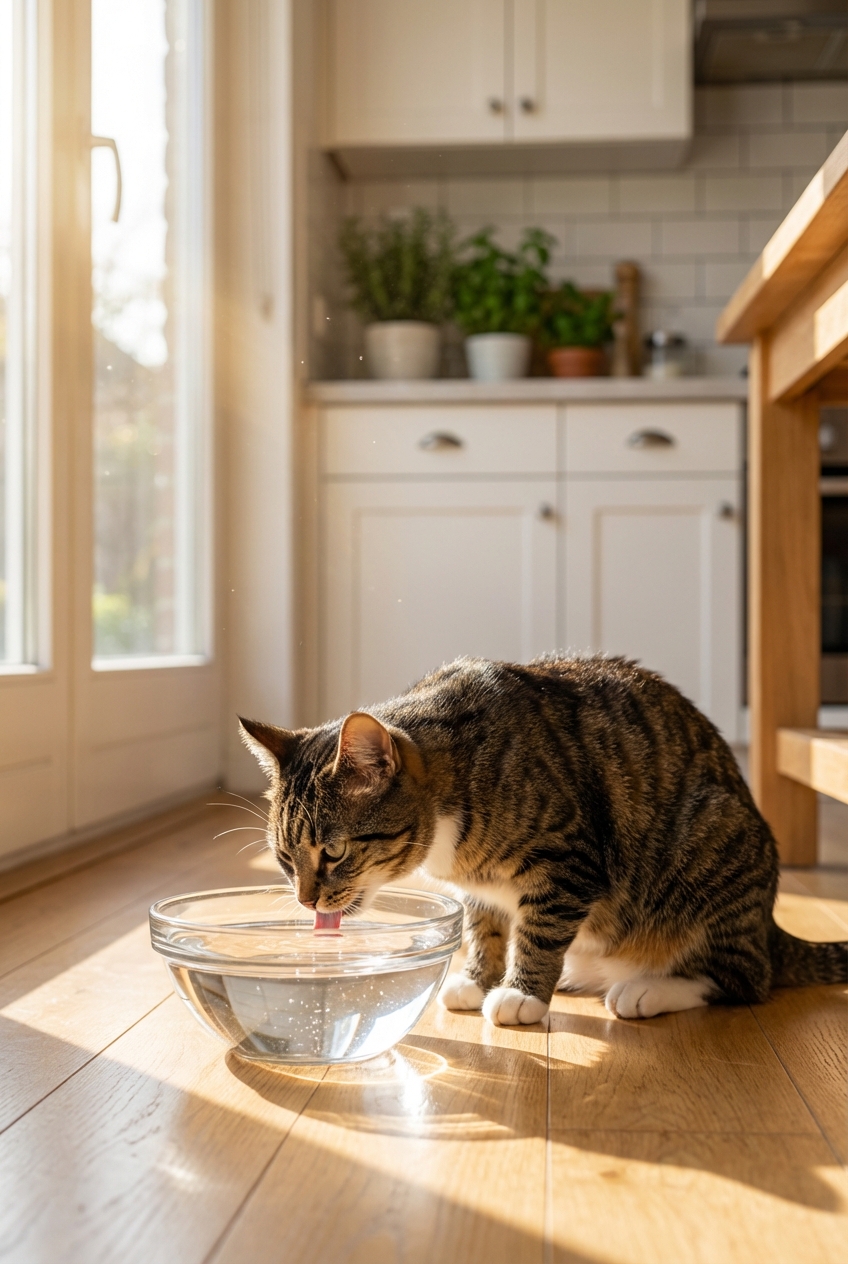
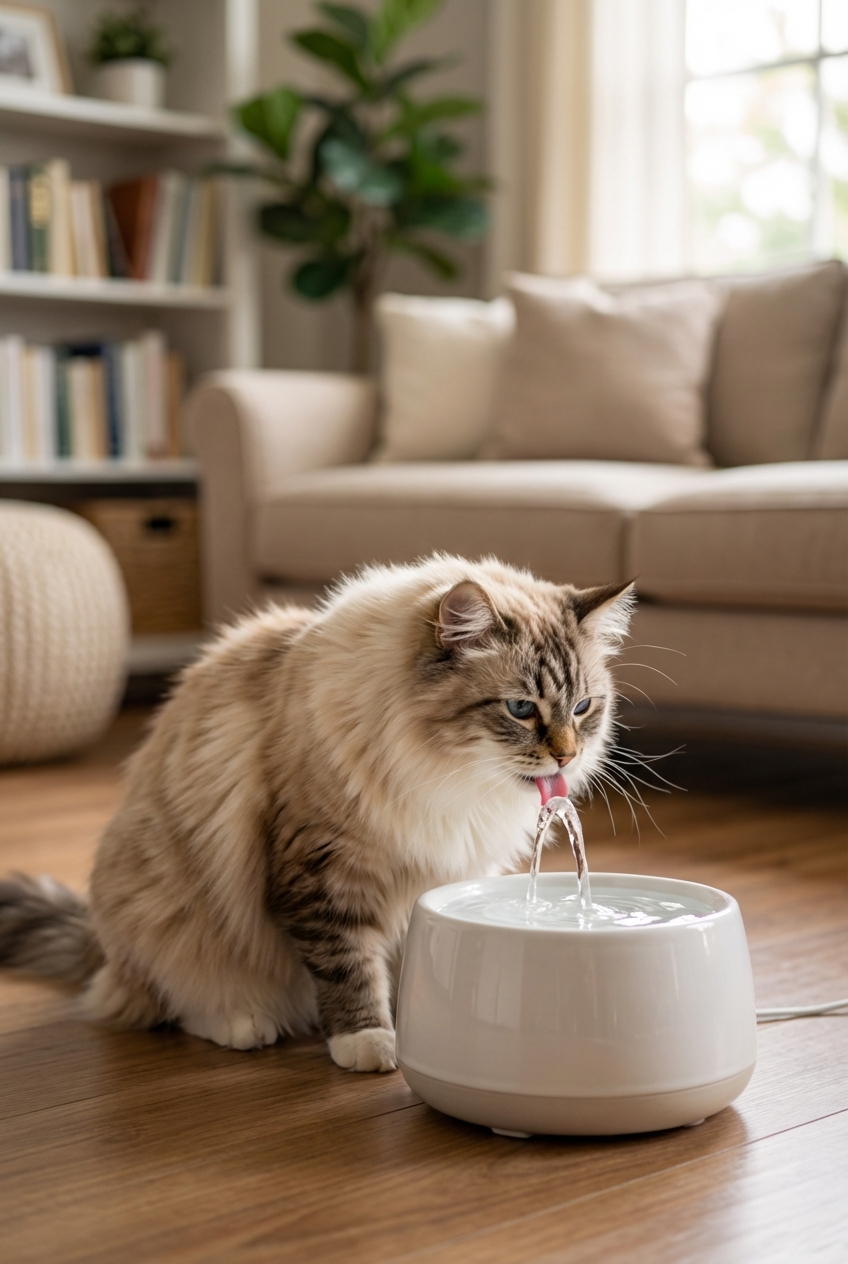
Fresh, clean water wins every time. Hydration matters for cats, especially because many cats do not naturally drink enough. If you want to support better hydration, focus on options that actually help without upsetting their stomach.
Hydration boosters that are usually cat-friendly
- Wet food (a big hydration upgrade compared to dry alone)
- Water fountains (many cats prefer moving water)
- Low-sodium broth made for pets or carefully vetted for ingredients (no onion or garlic)
- Adding a tablespoon or two of water to wet food to make a “gravy” texture
If you remember just one thing: many adult cats are lactose intolerant, so milk is more likely to cause GI upset than delight.
Milk myths to drop
Myth: Milk helps cats hydrate
Milk can actually worsen hydration if it causes diarrhea. Water and wet food are safer choices.
Myth: Cats need milk for calcium
A complete and balanced cat diet already contains the right minerals. Extra milk is unnecessary and can add unwanted calories.
Myth: If my cat likes milk, it must be good
Cats also like things they should not have, including greasy foods. Preference is not the same as safety.
Quick checklist
- Skip cow’s milk as a regular treat.
- If you want to offer milk, choose lactose-free or cat milk and keep portions tiny.
- Never use cow’s milk for kittens. Use kitten milk replacer instead and contact a vet or rescue for help.
- When in doubt, choose water, wet food, and vet-approved treats.
Your cat does not need milk to be happy or healthy. With a few simple swaps, you can protect their stomach, support hydration, and keep that litter box a lot more pleasant for everyone in the house.