Cat sneezing, congestion, or watery eyes? Learn common feline URI signs, how long they last, safe home care, vet treatments, what not to give, and when to se...
Article
•
Designer Mixes
Can Cats Catch Colds From Humans?

Shari Shidate
Designer Mixes contributor
If you are sniffling and your cat starts sneezing too, it is completely normal to worry you passed your cold along. The reassuring news is that most human “common cold” viruses do not infect cats. But cats do get their own upper respiratory infections that look a lot like a human cold, and those can spread quickly between cats.
Let’s break down what is and is not contagious across species, what to watch for, and how to help your cat feel better safely.
Quick answer
In almost all cases, cats do not catch common colds from humans. Human colds are usually caused by viruses like rhinoviruses and seasonal human coronaviruses that are adapted to people, not cats.
However, there are two important “yes, but” points to keep in mind:
- Cats can get sick with their own cold-like viruses, and it can happen around the same time you are sick simply by coincidence.
- Cross-species spread is uncommon, but pathogen-dependent. A few specific infections can move between people and cats, so basic hygiene is still a smart idea when anyone in the home is ill.
Why your cold usually will not spread
Viruses are picky. To infect a host, a virus has to bind to specific receptors on cells and then successfully replicate. Most cold viruses have evolved to do that well in humans, and poorly or not at all in cats.
That is why you can live with your cat for years, catch plenty of colds, and your cat never “catches it from you.”
What a “cat cold” usually is
When cats get a “cold,” veterinarians typically call it an upper respiratory infection (URI). The most common causes include:
- Feline herpesvirus-1 (FHV-1): A very common cause of sneezing, watery eyes, and flare-ups during stress.
- Feline calicivirus (FCV): Can cause sneezing and congestion, and sometimes mouth ulcers or drooling.
- Bacterial contributors like Chlamydia felis and Bordetella bronchiseptica may play a role, especially in multi-cat environments.
These spread cat-to-cat through respiratory droplets, shared bowls, grooming, bedding, and close contact. Shelters, boarding facilities, and multi-cat homes are common hotspots.
Could your illness still affect your cat?
Stress and routine changes
When you are sick, schedules change. Cats are sensitive to routine, and stress can weaken immune defenses. For cats who carry herpesvirus, stress can trigger a flare-up that looks like a brand-new cold.
Germs on hands and surfaces
Even if your cold virus will not infect your cat, sick humans can still carry other microbes on their hands and clothing. Good hygiene reduces the odds of any opportunistic infection taking hold, especially for kittens, senior cats, or immunocompromised cats.
Rare cross-species concerns
While “human cold to cat” is very unlikely, there are a few infectious diseases worth knowing about because they can involve both people and cats:
- Influenza A (flu): Rare in cats, but infections have occurred, most often linked to avian influenza events or crowded settings (for example, shelter outbreaks). Human-to-cat transmission has been documented, but it is uncommon.
- SARS-CoV-2 (COVID-19): Cats can become infected after close contact with infected humans. Most have mild signs or no signs, and severe illness is uncommon but possible, especially with other health problems. If you have COVID-19, it is wise to reduce close face-to-face contact.
- Ringworm: Not a cold, but a very contagious fungal skin infection that can pass between people and pets.
If you have a confirmed diagnosis of something contagious (especially flu or COVID-19) and your cat develops respiratory signs, call your veterinarian for guidance.
Signs of a feline URI
Common “cat cold” symptoms include:
- Sneezing
- Runny nose or congestion
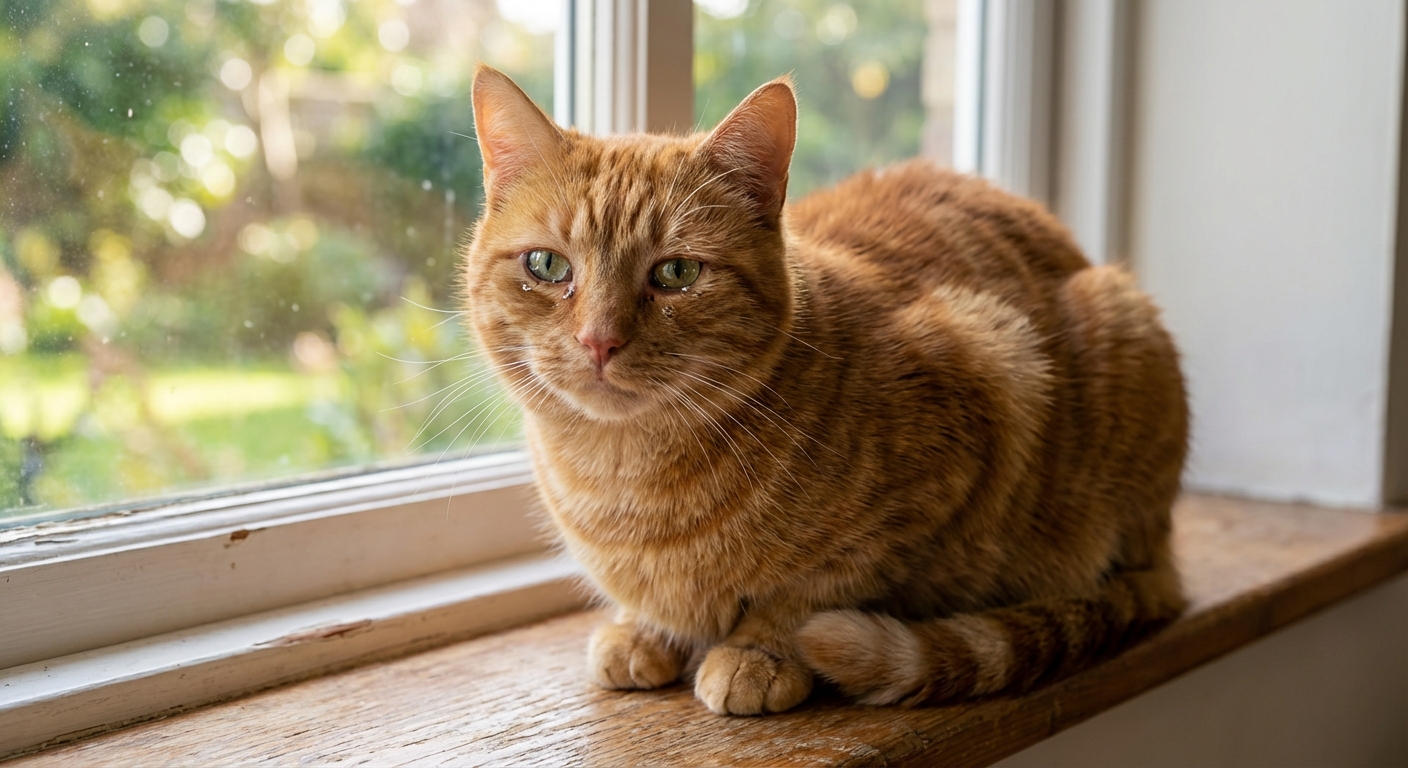
- Watery eyes or eye discharge
- Coughing (less common in uncomplicated URIs, but possible)
- Decreased appetite or not smelling food well due to congestion
- Lethargy
- Fever (not always obvious at home)
Important: Cats can get dehydrated quickly, and they can go downhill fast if they stop eating. A “simple cold” is not always simple in cats.
Also keep in mind that not all sneezing is a URI. Dental disease, allergies or irritants (like smoke or dusty litter), nasal polyps, and other issues can cause similar signs. If sneezing is persistent or recurring, a vet check is worth it.
When to call the vet
Please contact a veterinarian promptly if you notice:
- Labored breathing, open-mouth breathing, or fast breathing at rest
- Not eating for about 24 hours (or much sooner for kittens), or drinking very little
- Thick, worsening, or pus-like discharge from the nose or eyes
- Eye squinting, redness, swelling, or your cat keeps pawing at the eye
- Kittens, seniors, or cats with chronic disease showing any URI signs
- Symptoms lasting more than about 5 to 7 days, or getting worse instead of better
Home care that is safe
For mild symptoms, your vet may recommend supportive care. Here are gentle steps that often help:
- Boost hydration: Offer fresh water, fountains, or add a little extra water to wet food.
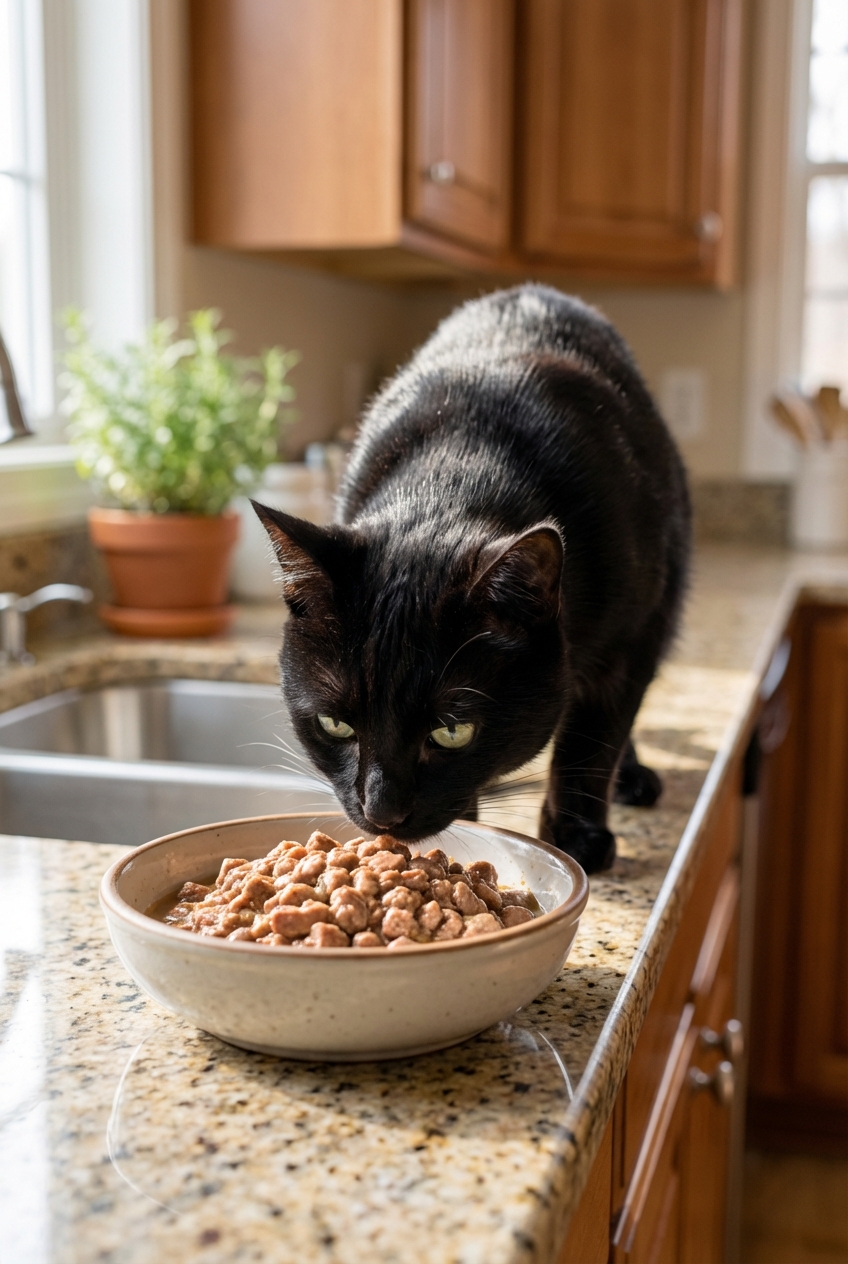
- Warm, smelly foods: Slightly warmed wet food can be more appealing when the nose is stuffy.
- Humidity: Run a humidifier nearby, or let your cat sit in the bathroom while you run a hot shower to create steam (no direct heat, no essential oils).
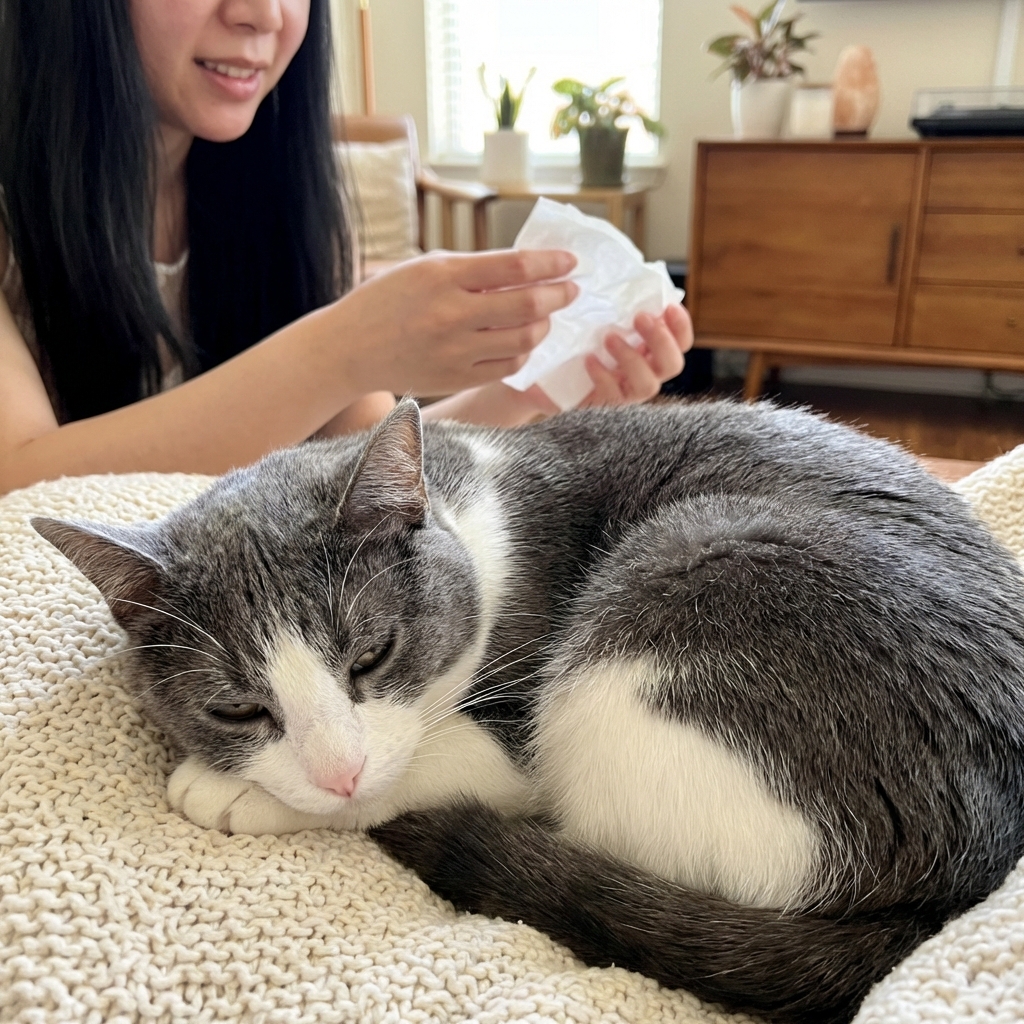
- Clean the face: Use a warm, damp cotton pad to wipe away eye and nose discharge gently.
- Keep them comfortable: A quiet room, soft bedding, and minimizing stress can make a real difference.
Please do not give human cold medicines (like decongestants, acetaminophen, ibuprofen, or multi-symptom cold products). Many are toxic to cats, even in small amounts.
Also avoid using vapor rubs, essential oil diffusers, and strong menthol products around cats. Some ingredients can irritate airways or be toxic if inhaled or licked off fur.
How to protect your cat when you are sick
You do not need to panic, but a few simple habits help keep everyone healthier:
- Wash hands before feeding, medicating, or handling litter.
- Avoid face-to-face contact and kissing your cat while you are ill.
- Do not share pillows or let your cat sleep on your face, especially if you have flu or COVID-19.
- Keep your cat indoors and away from unfamiliar cats during recovery.
- Stay consistent with routine as much as you can to reduce stress.
FAQs
Can I give my cat vitamin C or “immune boosters” when I have a cold?
Only give supplements if your veterinarian recommends them. Cats have different nutritional needs than people, and some products include ingredients that are not cat-safe.
My cat started sneezing right after I got sick. Is it definitely from me?
Not necessarily. Timing can be misleading. Your cat may have picked up a feline URI from another cat, a recent boarding stay, a new pet, or a stress flare-up of herpesvirus.
Do vaccines help prevent cat colds?
Yes. Core vaccines help reduce severity and spread of common feline respiratory viruses. Ask your vet about the FVRCP vaccine (which covers feline viral rhinotracheitis, calicivirus, and panleukopenia). It does not always prevent infection completely, but it often makes illness milder and less risky.
Bottom line
Cats almost never catch common colds from humans, but they do catch contagious feline respiratory infections that look very similar. If your cat is sneezing, has eye or nose discharge, or is not eating, treat it seriously and involve your veterinarian early, especially for kittens and seniors.
If you are sick at home, a little extra hand-washing and a bit less close contact is usually all it takes to protect your feline friend while you both get back to feeling like yourselves.