A practical guide to helping a constipated cat at home: hydration tips, plain pumpkin, vet-guided Miralax (PEG 3350), fiber, hairball support, red flags, and...
Article
•
Designer Mixes
Can Cats Be Constipated?

Shari Shidate
Designer Mixes contributor
Yes, cats can absolutely get constipated, and it is more common than many pet parents realize. In the clinic, constipation is one of those issues that can look minor at first, but it can become painful quickly and sometimes signals a bigger underlying problem. The good news is that many mild cases improve with a few smart, gentle changes at home, as long as you know what to watch for and when to call your veterinarian.
What constipation looks like
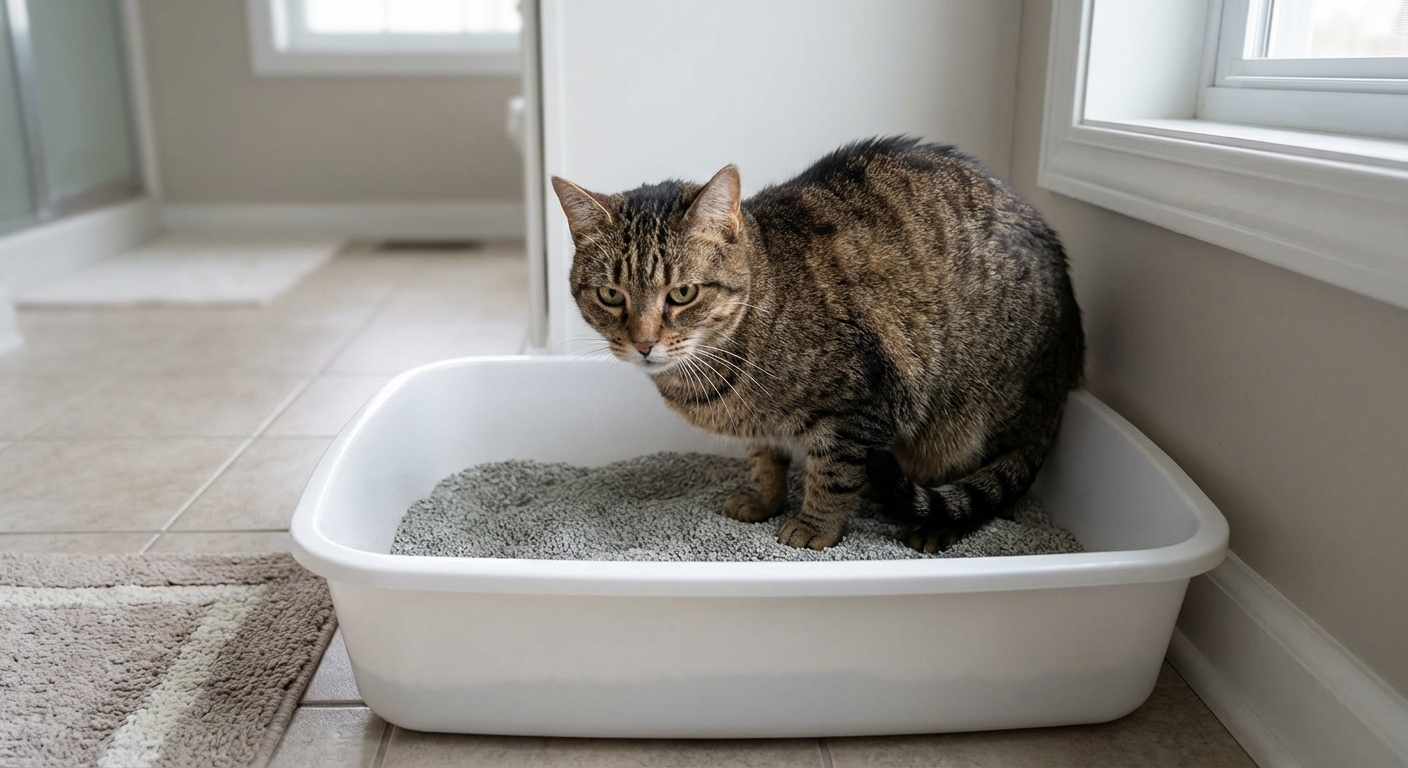
Constipation means your cat is passing stool less often than normal, and the stool is typically dry, hard, and difficult to pass. Some cats strain in the litter box and may even cry out because it hurts.
Common signs
- Straining to poop, with little or no stool produced
- Small, hard, pebble-like stools
- Fewer bowel movements than usual
- Spending a long time in the litter box
- Pooping outside the litter box (sometimes because they associate the box with pain)
- Reduced appetite, hiding, or acting “off”
- Vomiting (can happen when constipation is more severe)
Important note: Straining can also be a sign of urinary blockage, especially in male cats. A cat that is repeatedly straining with little output, crying, or acting distressed needs urgent veterinary care.
Why cats get constipated
Constipation usually happens when the colon pulls too much water out of the stool, leaving it dry and tough to move. The “why” behind that can range from simple dehydration to medical issues that require treatment.
Common causes
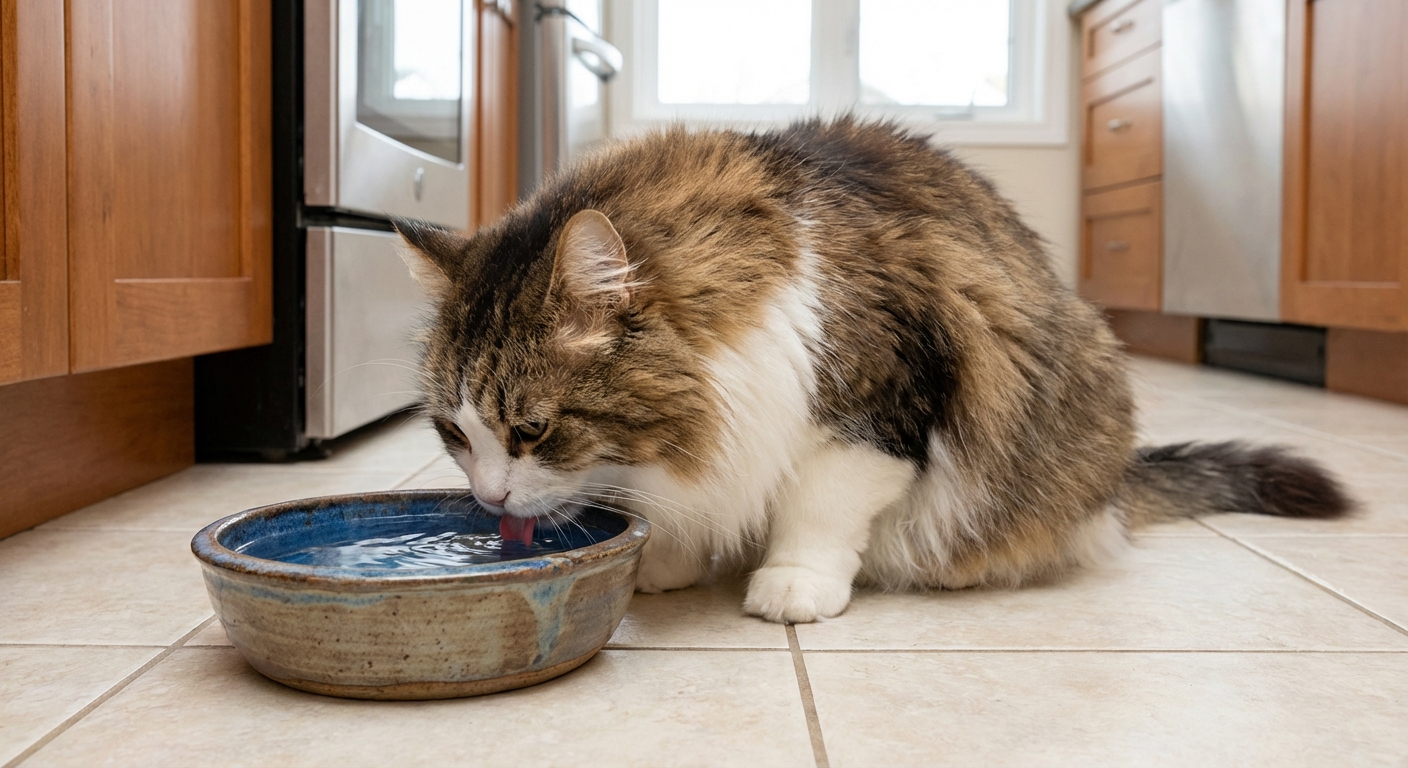
- Dehydration: Many cats have a low thirst drive, and some cats on mostly dry food do not take in as much total water as they need (although some will compensate by drinking more).
- Hairballs and overgrooming: Swallowed hair can contribute to stool bulk and difficulty passing.
- Low activity: Less movement can slow gut motility, especially in indoor or overweight cats.
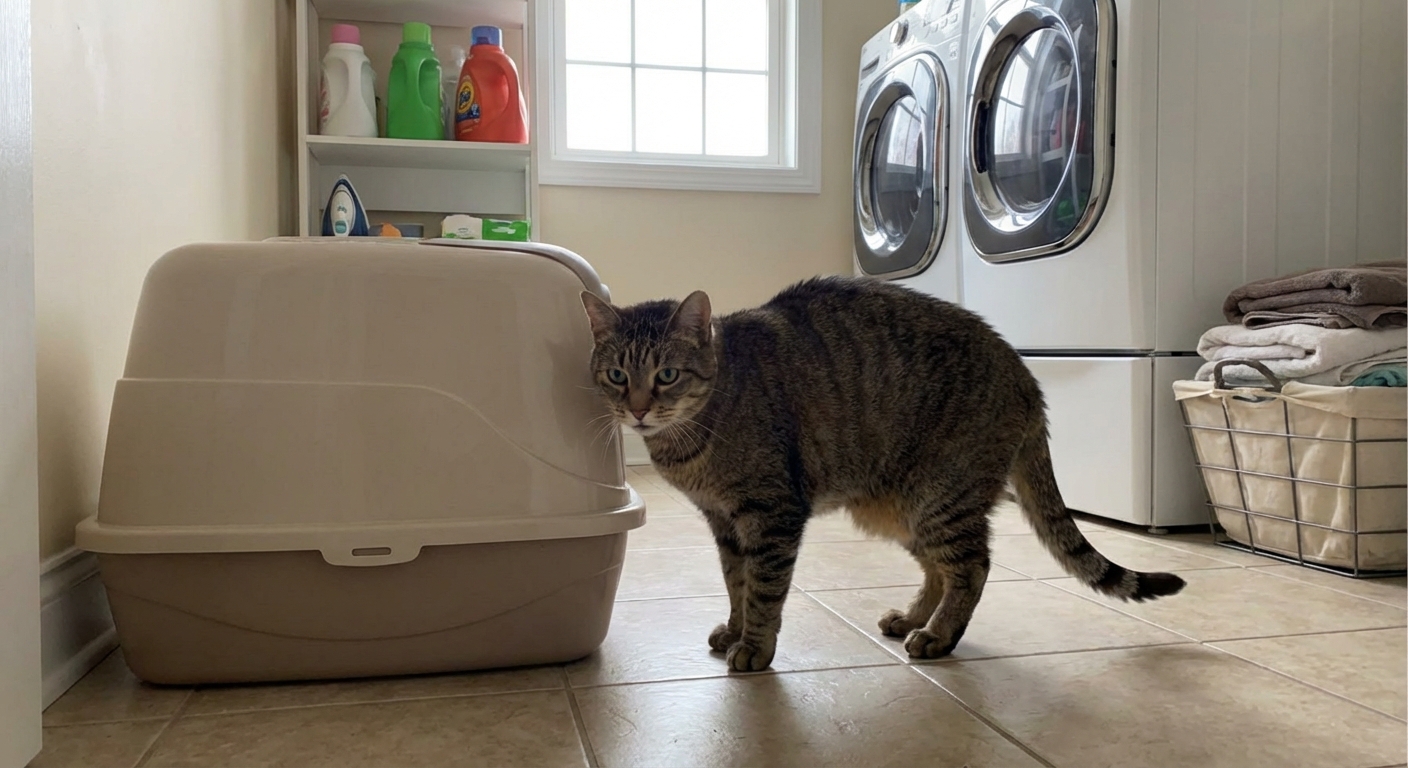
- Litter box factors: A dirty box, a stressful location, or a new type of litter can cause a cat to “hold it.”
- Obesity: Extra weight can reduce movement and affect bowel motility.
- Pain or arthritis: If climbing into the box hurts, some cats avoid it and become constipated.
- Medications: Some pain meds and other drugs can slow the gut.
- Dietary factors: Sudden diet changes, very low moisture intake, or inappropriate bone ingestion can contribute.
- Underlying illness: Kidney disease, diabetes, electrolyte imbalances (like low potassium), nerve issues, pelvic injuries, or colon problems can be involved.
Constipation terms
Veterinary teams may use a few different terms:
- Constipation: Difficulty passing stool, but stool is still moving.
- Obstipation: Severe constipation where stool is stuck and the cat cannot pass it without help.
- Megacolon: The colon becomes stretched and weak over time, making chronic constipation more likely. This can require long-term medication and sometimes surgery.
How long is too long?
Every cat has their own normal. Many cats poop about once daily, and some healthy cats go every other day. Diet, hydration, activity, and individual habits all affect what is normal for your cat.
As a practical guideline, if your cat has not had a bowel movement in 48 hours, it is time to pay close attention and consider contacting your veterinarian. Go sooner if your cat is straining, seems painful, is older, has a history of constipation or megacolon, or is acting unwell.
Go sooner if you see
- Repeated trips to the litter box with no stool
- Vomiting, lethargy, or refusal to eat
- Abdominal swelling or obvious pain
- Blood in stool
- Your cat is a male and may be straining to urinate
At-home help for mild cases
If your cat is bright, eating at least a little, not vomiting, and not in obvious distress, you can often try a few supportive steps for a short period. Think gentle and moisture-focused. If there is no improvement within about 24 hours, or if symptoms worsen at any point, call your veterinarian.
When not to try home care
- Kittens
- Seniors or cats with known kidney disease, heart disease, or megacolon
- Repeated vomiting, marked lethargy, or obvious abdominal pain
- Suspected foreign material ingestion (string, ribbon, bones, toys)
- Any concern your cat may be straining to urinate
1) Increase hydration
- Switch or add wet food: Canned diets are a simple way to raise water intake.
- Add water or broth: Mix a spoonful or two of water into wet food. Use only pet-safe broth with no onion or garlic.
- Try a fountain: Many cats drink more from moving water.
- Offer multiple bowls: Put water in quiet, easy-to-reach spots around the home.
2) Fiber, carefully
Some cats do well with a small amount of added fiber, but too much can worsen things if dehydration is part of the problem. Fiber is also not a perfect fit for every cat, and some chronic constipation or megacolon cases do worse on higher-fiber plans. Your vet can guide you based on your cat’s history.
- Plain canned pumpkin: A small amount can help some cats by adding soluble fiber and moisture. Your veterinarian can recommend an amount for your cat.
- Vet-recommended fiber: Products like psyllium may be suggested for certain cats.
3) Encourage movement and reduce stress
- Play sessions, climbing, and food puzzles can gently improve gut motility.
- Keep routines consistent and ensure the litter area feels safe and calm.
4) Make the litter box easy
- Scoop at least once daily.
- Use the common rule of thumb: number of boxes = number of cats + 1, especially in multi-cat homes.
- Use a low-entry box for seniors or cats with arthritis.
What not to do
- Do not give human laxatives unless your veterinarian tells you to. Some products can be dangerous for cats.
- Do not use enemas at home. Certain enema ingredients are toxic to cats and can be life-threatening.
- Do not wait too long if your cat is straining or worsening. Constipation can escalate into an emergency.
When the vet should help
If constipation is recurring, severe, or paired with vomiting, appetite loss, or pain, your veterinarian can help in ways that are safer and faster than guessing at home.
What your vet may do
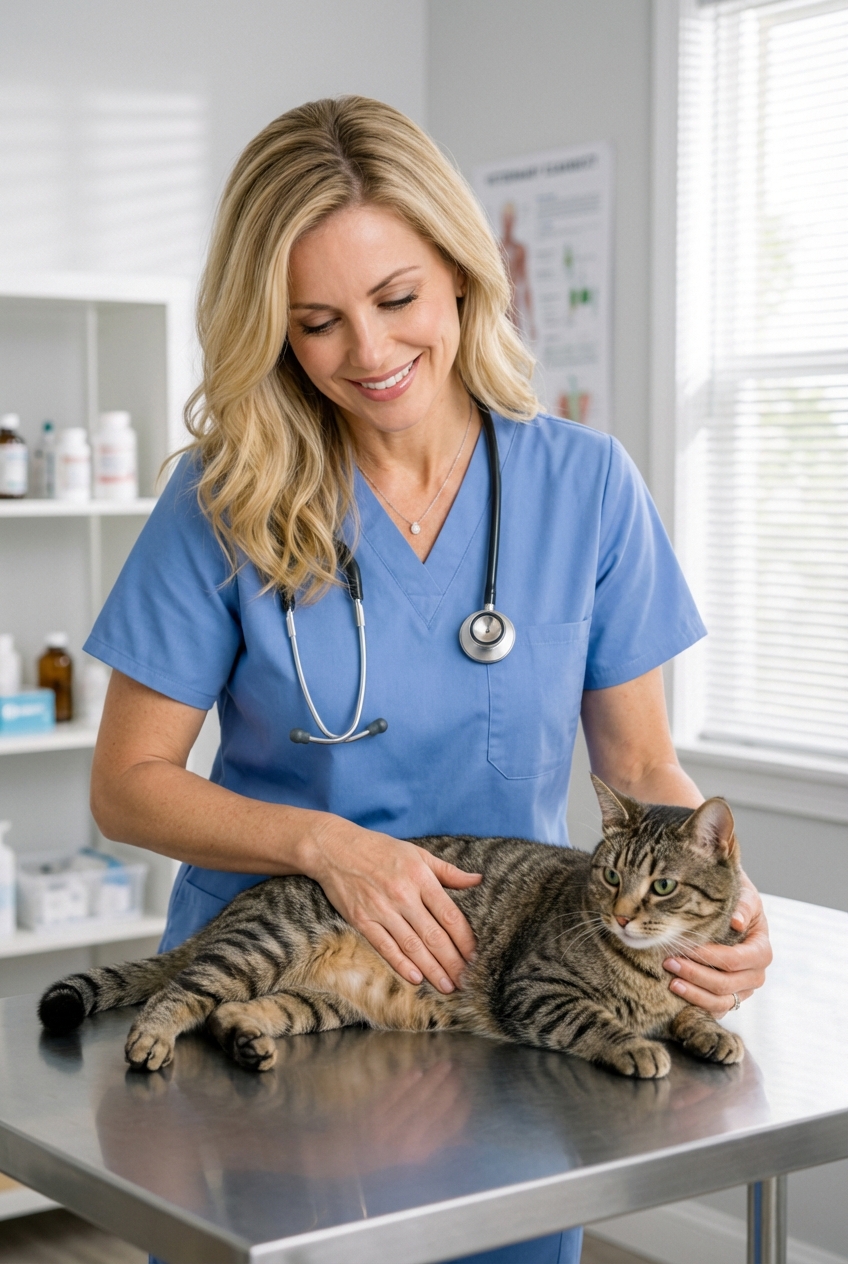
- Physical exam and abdominal palpation to assess stool burden and discomfort
- X-rays to look for stool buildup, pelvic narrowing, foreign material, or megacolon
- Bloodwork to check hydration and underlying conditions like kidney disease or electrolyte issues
- Fluids to rehydrate and soften stool
- Prescription stool softeners or laxatives made for cats or used safely in cats under guidance (common examples include polyethylene glycol 3350 and lactulose)
- Enema or manual de-obstipation performed by trained professionals when needed
Emergency red flags
- Straining with no stool produced and your cat seems distressed
- Possible urinary blockage signs (frequent squatting, little or no urine, crying)
- Repeated vomiting
- Collapse, extreme lethargy, or a painful, tense belly
Preventing constipation
For many cats, prevention is about moisture, routine, and addressing any pain or medical issues early. Small adjustments can make a big difference.
- Prioritize hydration: Wet food, fountains, and multiple water stations.
- Feed a vet-appropriate diet: Some cats benefit from gastrointestinal or hairball-control diets.
- Maintain a healthy weight: Extra pounds can slow things down.
- Groom regularly: Especially for long-haired cats to reduce hair ingestion.
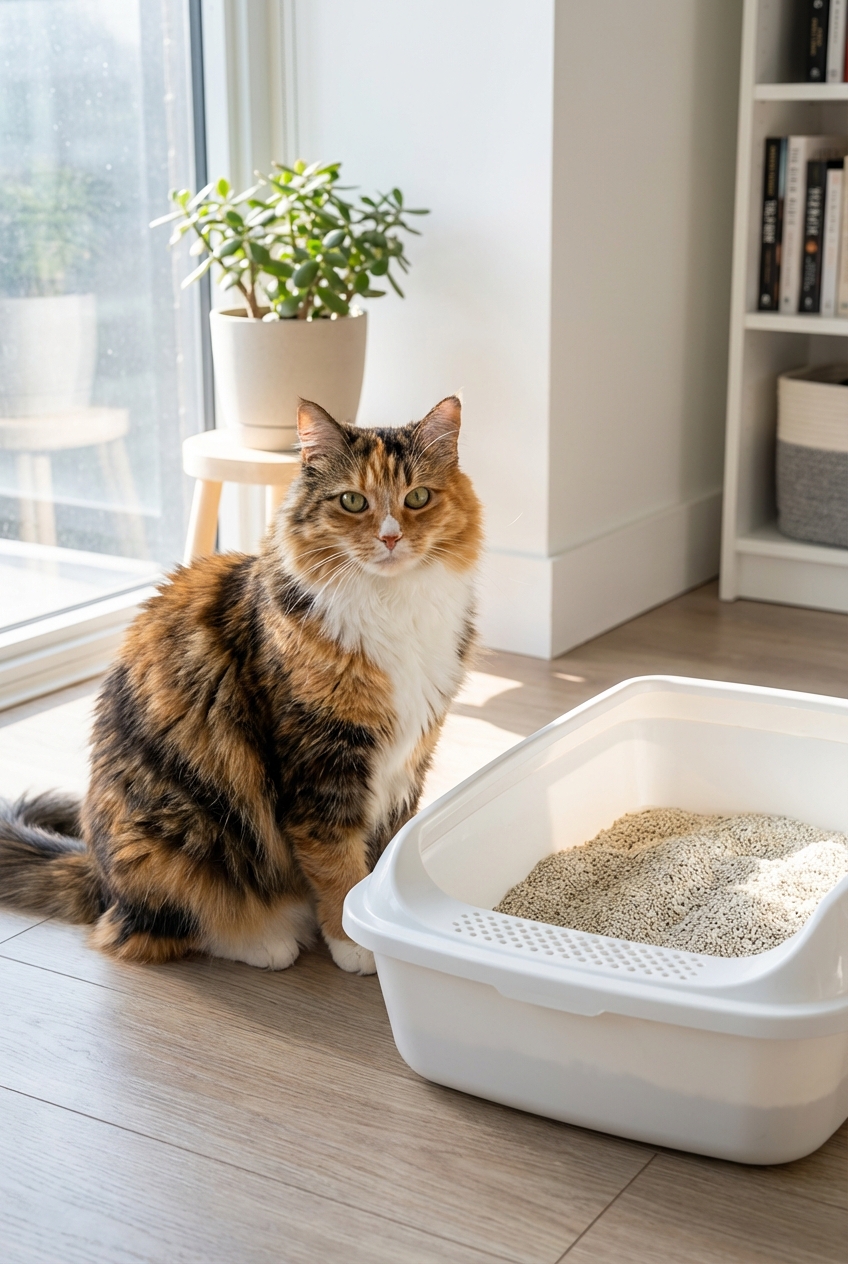
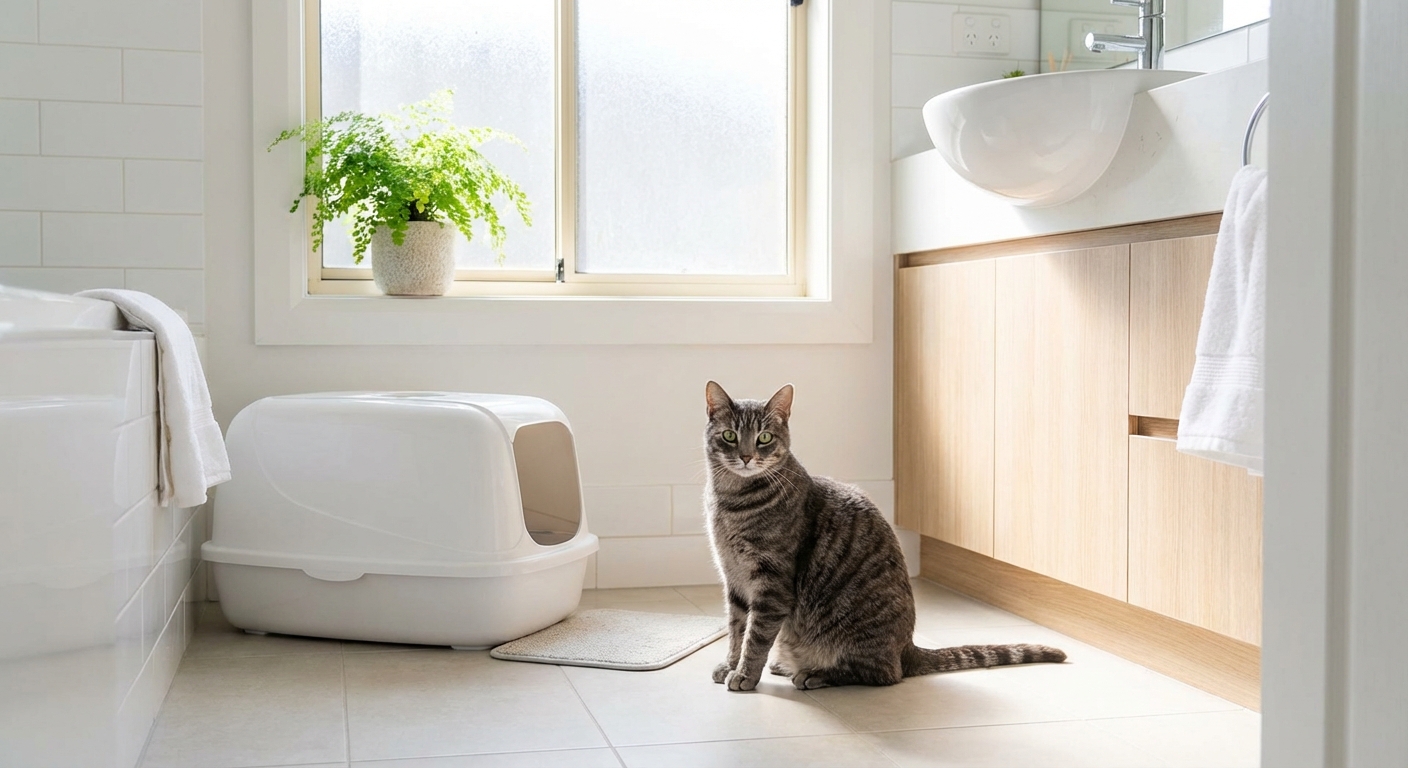
- Make litter boxes easy: Clean, low-entry if needed, and placed in quiet locations.
- Address pain: Arthritis is sneaky in cats. If jumping or squatting looks hard, talk to your vet.
My best “clinic tip” is simple: if you improve water intake, you solve a surprising number of constipation cases before they ever become serious.
Quick checklist
- Track poop frequency and stool texture for a week.
- Ensure daily litter box scooping and a calm setup (and consider the cats + 1 box rule).
- Add moisture to meals and consider more wet food.
- Use the 48-hour mark as a guideline, but call sooner if there is straining, pain, vomiting, no urine, or a sudden drop in appetite and energy.
If you are unsure whether your cat is constipated or struggling to urinate, treat it as urgent. It is always better to be cautious with litter box problems.