Learn which betta fish tank mates are safest, which are “it depends,” and which to avoid. Includes tank size tips, setup essentials, and introduction ste...
Article
•
Designer Mixes
Can Betta Fish Live With Other Fish?

Shari Shidate
Designer Mixes contributor
As a fish parent, it is completely normal to wonder if your betta can have tank mates. Bettas are smart, curious, and gorgeous, but they can also be territorial. The good news is that some bettas can live peacefully with other fish when the setup, tank mates, and introductions are done the right way.
This handbook walks you through how to decide, who to pair with, and how to set up the tank so everyone stays safe and less stressed.
Quick answer: yes, sometimes
Bettas (Betta splendens) are often sold as solitary fish, and for many individuals that is the safest choice. Still, plenty of bettas successfully share community aquariums.
The real answer is: it depends on your betta’s personality, the tank size, the aquascape, and the tank mates. Even with a perfect plan, you should be ready to separate fish quickly if things go sideways.
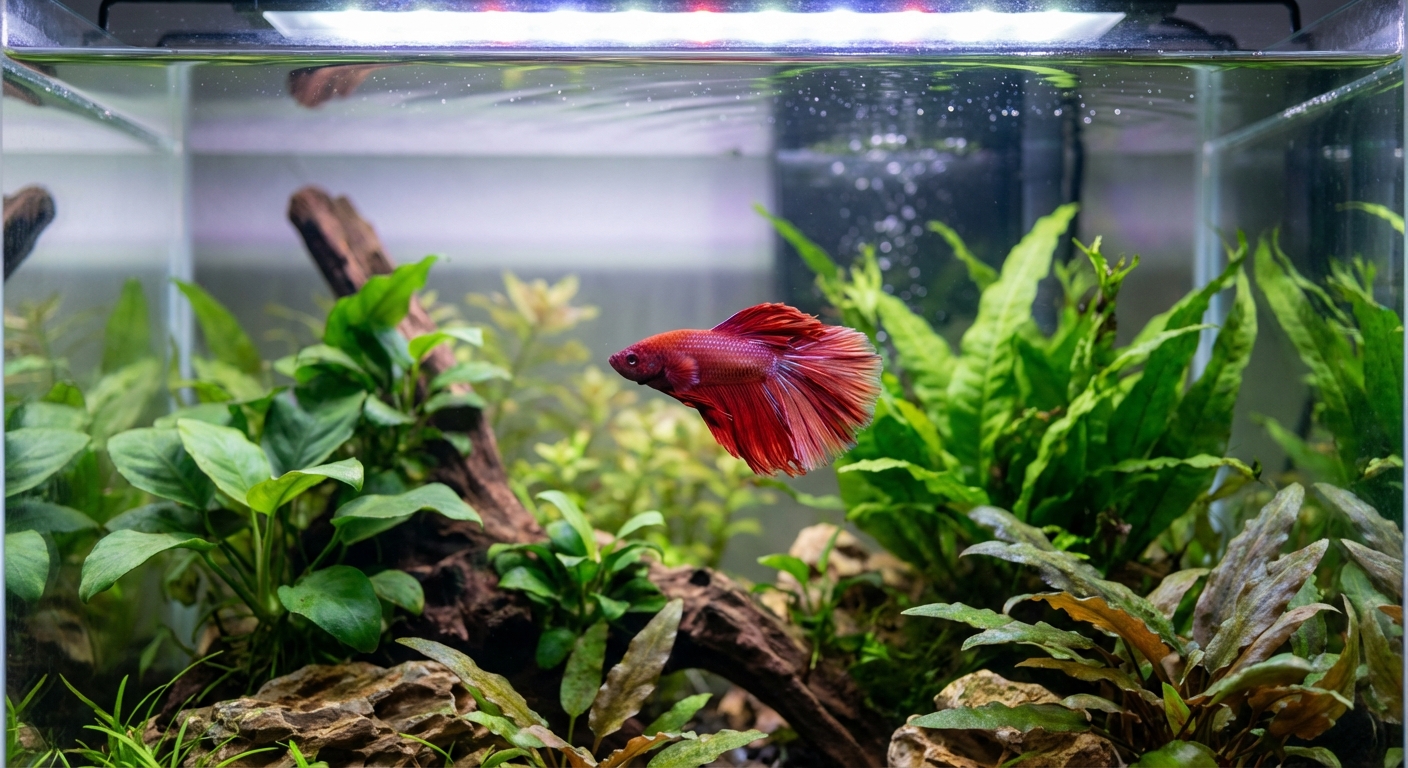
- Best odds: larger, heavily planted tanks with calm, non-nippy fish
- Worst odds: small tanks, bright flashy fish, fin-nippers, or overcrowding
Betta temperament basics
Bettas were selectively bred for aggression, especially many long-finned male varieties. That does not mean every betta will attack, but it does mean you should respect their instincts.
Quick note on betta types: long-finned males are often slower and get stressed by strong flow. Plakat (short-finned) bettas can be faster and sometimes more pushy with tank mates. Either can be peaceful or spicy, so always watch the individual fish.
Signs your betta might tolerate tank mates
- Explores the tank without constant flaring
- Ignores snails or shrimp (or shows mild curiosity only)
- Calms down quickly after seeing movement nearby
Signs your betta should live alone
- Persistent flaring and charging at the glass
- Chasing anything that moves, including a snail
- Territorial guarding of one corner or the whole tank
- Torn fins on other fish, or bite marks
If you see the second list, it is not a failure. It is just that your betta is happiest being the only star of the show.
The tank setup that helps
Most betta compatibility problems are really environment problems. When fish cannot get away from each other, stress and aggression climb fast.
Tank size matters
- 5 gallons: best for a solo betta (sometimes a snail). Not ideal for a community.
- 10 gallons: best for a betta plus a snail or shrimp, and occasionally a small, low-bioload bottom group if the tank is well-planted and you are experienced. It is often too tight for schooling fish.
- 15 to 20 gallons: a better starting point for most community attempts.
- 20 gallons long or larger: the sweet spot for peaceful community setups.
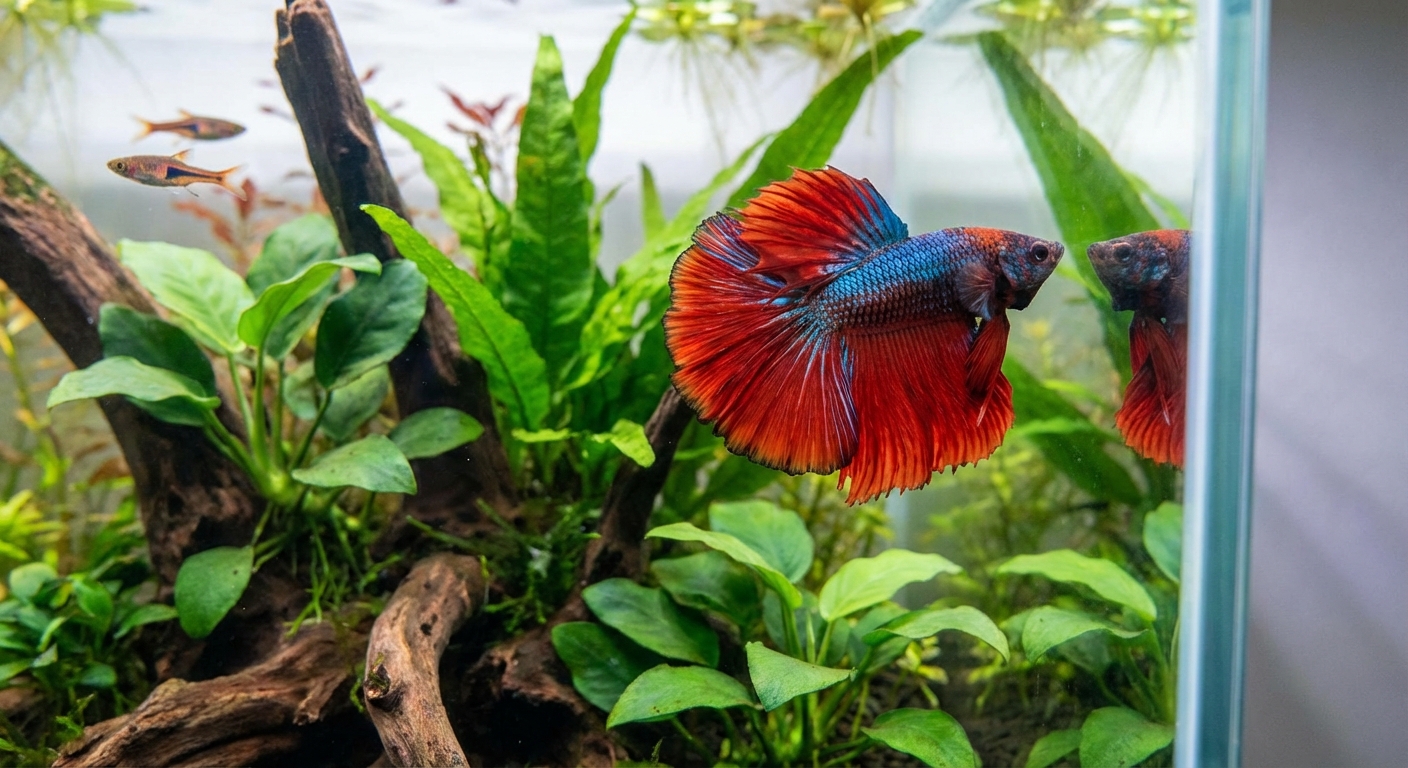
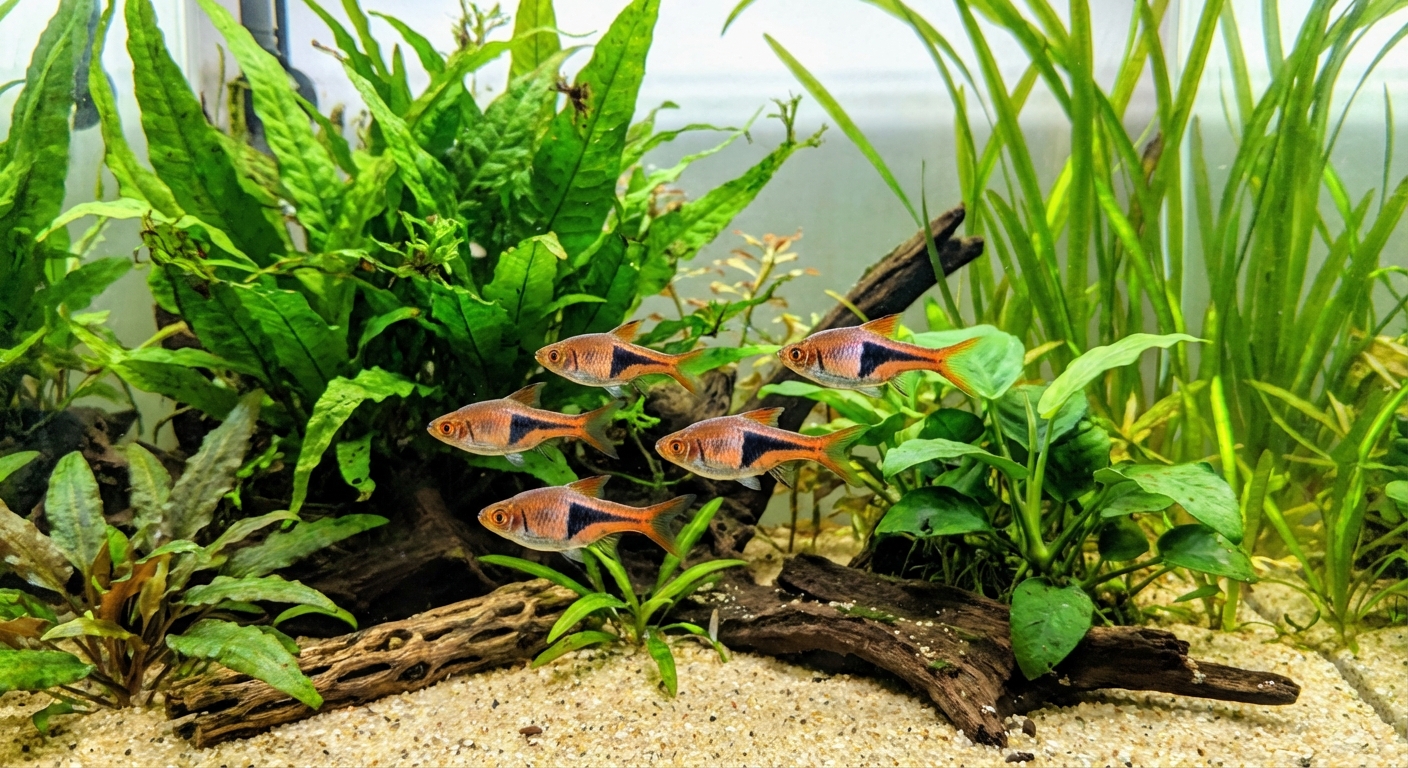
Mini example (20 gallon long): betta + 6 harlequin rasboras + 6 warm-tolerant corydoras, with heavy plant cover and multiple hides.
Plants and sight breaks
Bettas feel safer when they can claim a small “zone” and when they cannot see every fish at once.
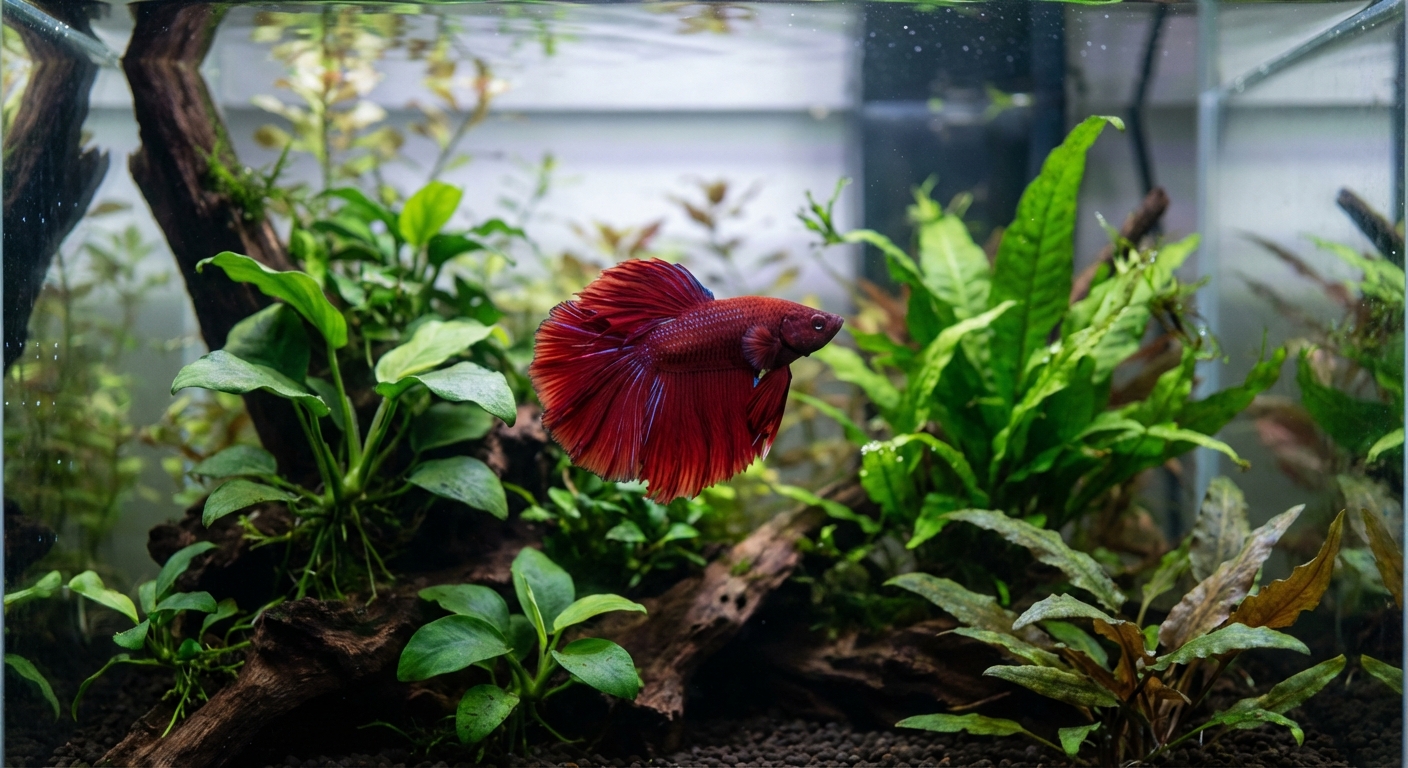
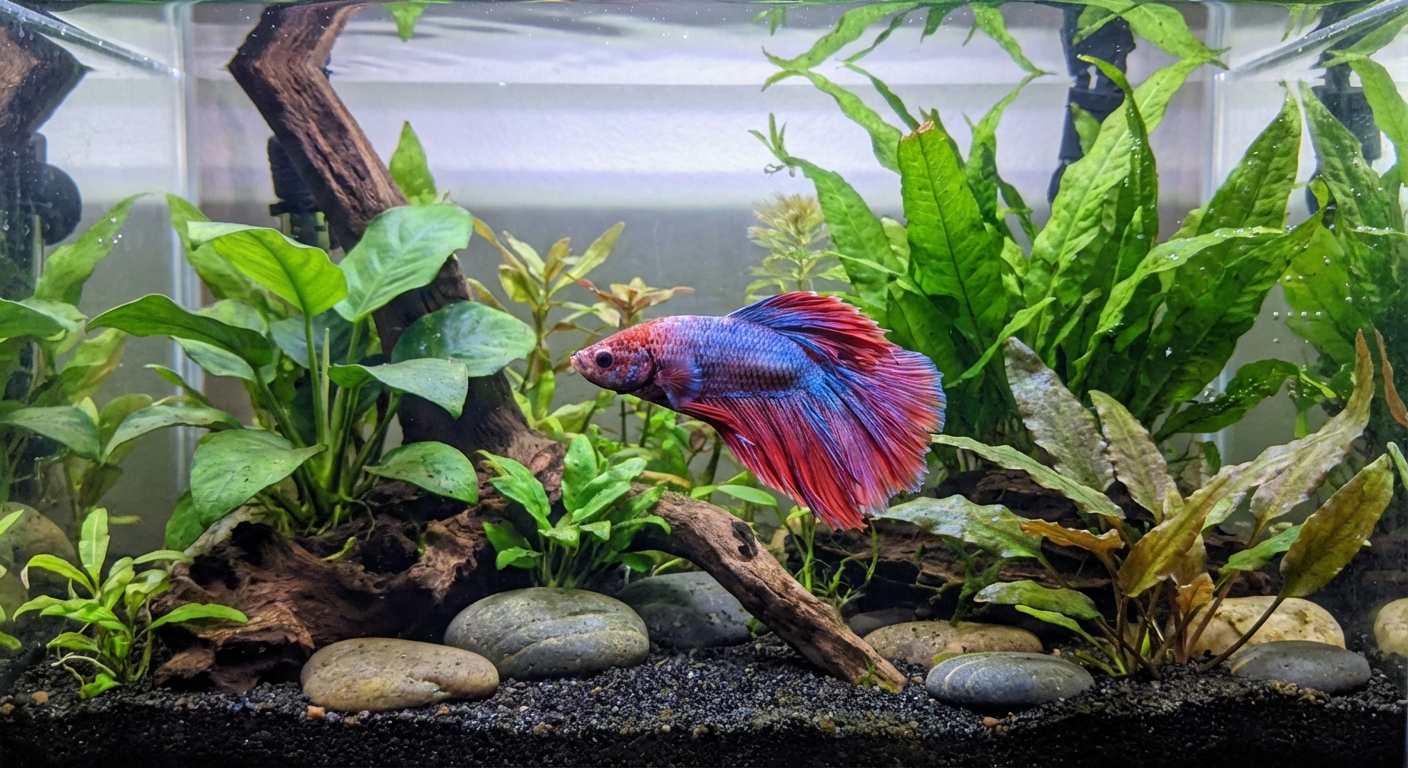
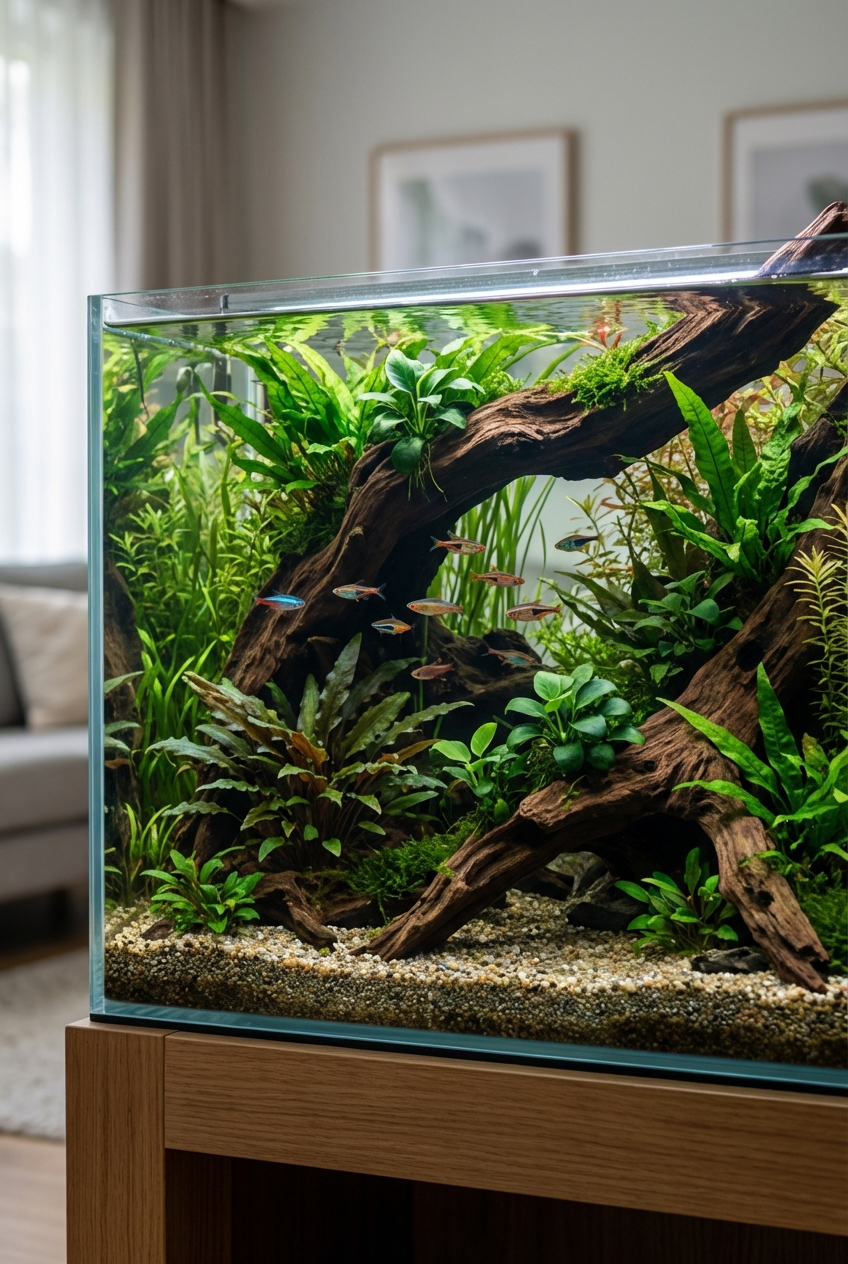
- Use live plants like anubias, java fern, crypts, water sprite, and floating plants
- Add hardscape like smooth driftwood and rocks
- Provide at least two hideouts so timid fish can retreat
Stable water reduces aggression
Stress makes behavior worse. A stressed betta is more likely to lash out.
- Temperature: 78 to 80°F is a common comfort range for bettas
- Filter: gentle flow (bettas are not strong current swimmers)
- Water quality: keep ammonia and nitrite at 0, keep nitrate low with regular water changes
If you are cycling a new tank, wait until the tank is fully cycled before adding multiple fish.
Lid check: Bettas can jump, especially during stressful introductions. A snug lid with no gaps is a simple safety upgrade.
Best tank mates
In general, the safest tank mates are peaceful, not flashy, not fin-nippy, and comfortable in similar warm water.
Easy wins in many tanks
- Snails: nerite snails are a favorite because they do not reproduce in freshwater. They can lay little white eggs that will not hatch, which can surprise new keepers.
- Corydoras catfish: gentle bottom dwellers, best in groups. Choose warm-tolerant species (for example, Corydoras sterbai) since many common corys prefer cooler water.
- Kuhli loaches: shy, noodle-like scavengers that hide and reduce confrontation
- Otocinclus: peaceful algae eaters that do best in groups and in established tanks. They are sensitive, and they often struggle in new or very “clean” tanks without enough natural biofilm. Plan to supplement with blanched veggies and algae wafers.
Schooling fish (best in 15 to 20+ gallons)
These can work, but they also create movement that can trigger chasing in some bettas. Choose shorter-finned fish and give them space.
- Harlequin rasboras
- Ember tetras (watch carefully, because some tetras can nip)
- Chili rasboras (in mature, stable tanks)
Mini example (15 to 20 gallons): betta + 8 ember tetras (only if your betta is mellow) + a nerite snail, with lots of plant cover.
Important: Always confirm your tank size and filtration can handle the added bioload. Overcrowding is one of the fastest routes to stress, illness, and fighting.
Tank mates to avoid
Some fish are frequent troublemakers with bettas. Even if a pairing works for someone else, the risk is high.
Avoid with most bettas
- Fin-nippers: tiger barbs, many serpae tetras, and other known nippers
- Fancy long-finned fish: guppies with flowing tails can look like a rival male betta
- Aggressive or territorial fish: many cichlids, some larger gouramis
- Bright, betta-shaped fish: fish that resemble a betta can trigger fighting
- Big “algae” fish: common plecos often get too large and messy for typical betta tanks, and some species may rasp slime coats. Chinese algae eaters get territorial as they mature.
- Pinchy tank mates: crayfish and many larger shrimp and crab species can injure fish, especially at night
What about other bettas?
- Two males: no. They will almost always fight and can kill each other.
- Male with females: not recommended in typical home tanks. Breeding setups are specialized and risky.
- Sorority (multiple females): advanced and controversial. It requires a large tank, heavy planting, careful selection, and a backup plan. Many experienced keepers still avoid it because long-term stress and bullying can occur.
Bettas with shrimp
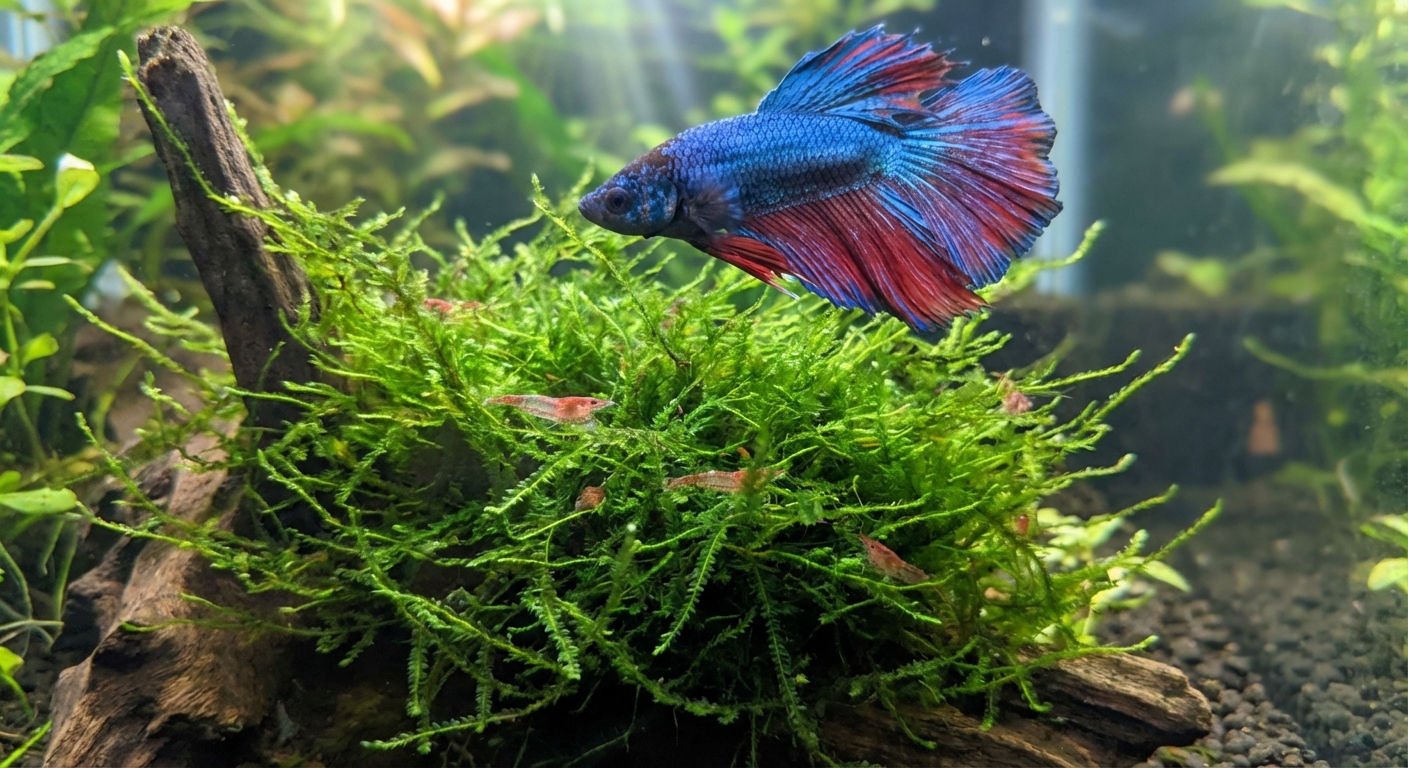
This is one of the most common questions, and the honest answer is: some bettas treat shrimp like roommates, others treat them like snacks.
How to improve your odds
- Use a heavily planted tank with moss and dense cover
- Add shrimp before the betta when possible
- Consider larger shrimp like adult amano shrimp (still not guaranteed)
- Feed your betta well so it is less likely to hunt
If your goal is a thriving shrimp colony, a betta-free tank is the most reliable route.
Safe introductions
Introductions should be slow, thoughtful, and reversible.
Step-by-step
- Quarantine new fish when possible to reduce disease risk.
- Rearrange decor before adding new fish to reduce territory behavior.
- Usually add tank mates first, then introduce the betta last. If your betta already lives in the tank, you can still improve your odds by rearranging the layout and using a divider or acclimation box so everyone can see each other safely for a day or two.
- Use lights out for the first few hours to lower stress.
- Watch closely for the first 24 to 72 hours, then daily for a few weeks.
Normal vs not normal
- Normal: brief flaring, a short chase, then disengaging
- Not normal: repeated chasing, cornering, biting, torn fins, fish hiding nonstop, or refusing to eat
If you see bullying, separate immediately. A tank divider, breeder box, or a second cycled tank can save lives.
Feeding in a community
Food competition is a sneaky trigger for aggression. Bettas are enthusiastic eaters, and slower fish can miss meals.
- Feed small portions 1 to 2 times daily
- Some keepers also fast a healthy adult betta 1 day per week, but it is optional. Consistency matters more than perfection.
- Use sinking foods for bottom dwellers (like corydoras and loaches)
- Try feeding on opposite sides of the tank
- Remove uneaten food to protect water quality
A well-fed tank is often a more peaceful tank, as long as you are not overfeeding.
Stress signs
When tank mates are not working, the earliest sign is often stress, not injury.
Stress signals in bettas
- Clamped fins
- Hiding constantly
- Loss of appetite
- Faded color
- Glass surfing (repeated pacing up and down the glass)
Stress signals in other fish
- Fin damage
- Staying at the surface or bottom unusually
- Hiding all day
- Rapid breathing
Chronic stress weakens immune systems and increases the risk of common aquarium illnesses. If you are seeing ongoing stress, it is kinder to separate fish than to hope they will “work it out.”
Compatibility checklist
If you want a quick decision tool, here is a simple checklist you can use before you buy anything.
- Tank size: 10 gallons minimum for most tank mates, 15 to 20+ gallons preferred for communities
- Tank maturity: cycled and stable (especially important for otocinclus)
- Layout: plants, hides, and broken sight lines
- Tank mates: peaceful, short-finned, not flashy, similar temperature needs
- Flow: gentle enough for your betta, especially long-finned varieties
- Backup plan: divider or second tank ready
- Lid: secure and gap-free
The best community betta tanks are built around one idea: give every fish a way to feel safe.
Bottom line
Yes, betta fish can live with other fish, but it is not automatic. Think of it like matchmaking. When you choose calm companions, provide space and cover, and introduce slowly, many bettas do beautifully in a community. When the pairing is wrong, the kindest decision is to separate and let your betta thrive solo.
If you tell me your tank size, temperature, and the fish you are considering, I can help you sanity-check the plan before you buy.