
Wondering if Pepto Bismol is safe for dogs? Get vet-aligned guidance on when it can help, weight-based dosing for regular liquid, key risks, side effects, an...
Article
•
Designer Mixes
Can a Dog Take Aspirin?

Shari Shidate
Designer Mixes contributor
As a veterinary assistant here in Frisco, Texas, I hear this question from caring families all the time: Can I give my dog aspirin? It feels like a simple, familiar medicine. But for dogs, aspirin is a medication that can help in limited situations and can also cause very real harm when used incorrectly.
This guide is written for the whole family. Kids, teens, and adults can all learn the basics of why we have to be careful, what to do instead, and when it is time to call your veterinarian or an emergency clinic.
Quick note: This article is for education only and is not a substitute for veterinary care. If your dog is painful or you think they swallowed a medication, call your veterinarian or an emergency clinic right away.

The quick answer
Sometimes, a dog can take aspirin, but only if your veterinarian says it is appropriate and gives you a safe plan. Dogs can be more prone than people to stomach and intestinal irritation, ulcers, bleeding, and kidney side effects from aspirin and other pain relievers.
If your dog is limping or seems painful, the safest first step is to call your vet. There are dog-specific medications that are usually safer and more effective than human aspirin.
A family-friendly explanation
For kids
If your dog is hurting, do not give them people medicine. Dogs process drugs differently than humans, and some medicines that help us can make dogs very sick. Always tell an adult, and the adult should call the vet.
For teens
Aspirin can reduce pain and swelling, but it can also irritate a dog’s stomach lining and affect blood clotting. That can lead to vomiting, black stool, or dangerous bleeding. The safest move is to treat this like a real medication, not a household shortcut.
For adults
Aspirin is a nonsteroidal anti-inflammatory drug (NSAID). In dogs, NSAIDs can cause gastrointestinal ulceration and bleeding, and they can reduce blood flow to the kidneys, especially in dehydrated or older pets. It can also interact with many medications, including common prescription pain relievers for pets.
Why aspirin can be risky
- Stomach and intestinal ulcers: aspirin can damage the protective lining of the GI tract.
- Bleeding risk: it affects platelets, which help blood clot.
- Kidney stress: higher risk in seniors, dehydrated dogs, or dogs with kidney disease.
- Drug interactions: especially dangerous if combined with other NSAIDs or steroids.
- Dosing mistakes: “baby aspirin” and regular aspirin still require accurate weight-based dosing, and many households guess.
And one important reminder: cats are extremely sensitive to aspirin. Never give aspirin to a cat unless a veterinarian has directed it very specifically.
When a vet may use aspirin
Veterinarians may sometimes use aspirin for dogs when it fits the dog’s medical picture and when safer, dog-labeled options are not available or not appropriate.
Examples can include certain short-term orthopedic pain and inflammation plans in specific cases, or specific medical situations where a veterinarian is aiming for an antiplatelet effect. These decisions depend on your dog’s age, weight, hydration status, lab work, and current medications.
That said, in modern veterinary medicine, many vets prefer dog-specific NSAIDs or other pain control options because they are designed, studied, and dosed for dogs.
Enteric-coated aspirin
Many families have “enteric-coated” aspirin at home and assume it is gentler. In dogs, enteric-coated products can be tricky because absorption may be less predictable. Also, if a dog swallows pills by accident, a coating can sometimes delay how quickly signs show up and complicate timing decisions for treatment. If your vet recommends aspirin, ask which product type they want you to use.
Avoid combo products
Only use the exact product your veterinarian approves. Do not use combination medications like aspirin with caffeine, cold and flu products, or multi-symptom pain relievers. Some chewable or “sugar-free” human products can also contain risky ingredients for dogs. When in doubt, assume it is unsafe and call your vet.
Never mix aspirin with these
This is where families get into trouble fast. Do not give aspirin if your dog has taken any of the following unless your veterinarian explicitly directs you. Switching between these medications can require a veterinarian-directed washout period, so do not try to time it yourself.
- Any other NSAID (examples include carprofen, meloxicam, deracoxib, firocoxib. Availability and labeling can vary by country and product.)
- Any steroid (examples include prednisone, prednisolone, dexamethasone)
- Blood thinners (or conditions that increase bleeding risk)
- Other human pain relievers like ibuprofen or naproxen (these are especially dangerous for dogs)
Important: Ibuprofen and naproxen are common household medications that can cause life-threatening GI bleeding and kidney damage in dogs. Even small amounts can be dangerous, especially for small dogs, but any size dog can be affected. If your dog may have eaten them, call your vet or pet poison help immediately.
Signs of trouble
If your dog has had aspirin and you notice any of these signs, contact a veterinarian right away:
- Vomiting (especially if there is blood or coffee-ground material)
- Diarrhea or black, tarry stool
- Loss of appetite, drooling, lip-smacking (nausea signs)
- Weakness, pale gums, collapse
- Increased thirst or urination
- Abdominal pain or a “tucked up” posture
- Unusual bruising or bleeding

What to do at home
You can help your dog right away without reaching for aspirin:
- Call your veterinarian and describe the problem, including how long it has been happening.
- Rest and restrict activity for limping or suspected strains. Leash walks only.
- Use a cold pack on a suspected minor sprain or swelling (wrapped in a towel, 10 minutes on, then off, a few times per day).
- Prevent licking if there is an injury (cone or a well-fitted alternative).
- Check hydration and encourage drinking. Dehydration raises medication risk.
- Do not give human medications unless your vet instructs you.
If your dog seems painful but also looks “off” in other ways (not eating, vomiting, very sleepy, or breathing fast), treat it as more urgent and call immediately.
If your vet approves aspirin
If your veterinarian recommends aspirin, you can feel more confident by asking a few clear, practical questions:
- What is the exact dose for my dog’s current weight?
- How often should I give it, and for how many days?
- Which aspirin product should I use (regular, buffered, enteric-coated, or a veterinary-labeled option)?
- Should it be given with food?
- Which signs mean I should stop immediately and call you?
- Are there safer alternatives for my dog’s age, breed, or medical history?
Bring a list of everything your dog takes, including supplements. Even “natural” products can matter with bleeding risk and stomach irritation.
Extra caution cases
Some dogs are at higher risk of complications. Aspirin should be approached with extra caution or avoided in many of these cases:
- Puppies (developing bodies are more sensitive and dosing errors are easier to make)
- Senior dogs, especially if kidney or liver function is not perfect
- Dogs with GI issues (history of ulcers, vomiting, inflammatory bowel disease)
- Dogs with kidney disease or dehydration
- Dogs with bleeding disorders or low platelets
- Dogs scheduled for surgery (bleeding risk)
When to go now
Go in right away or call an emergency clinic if:
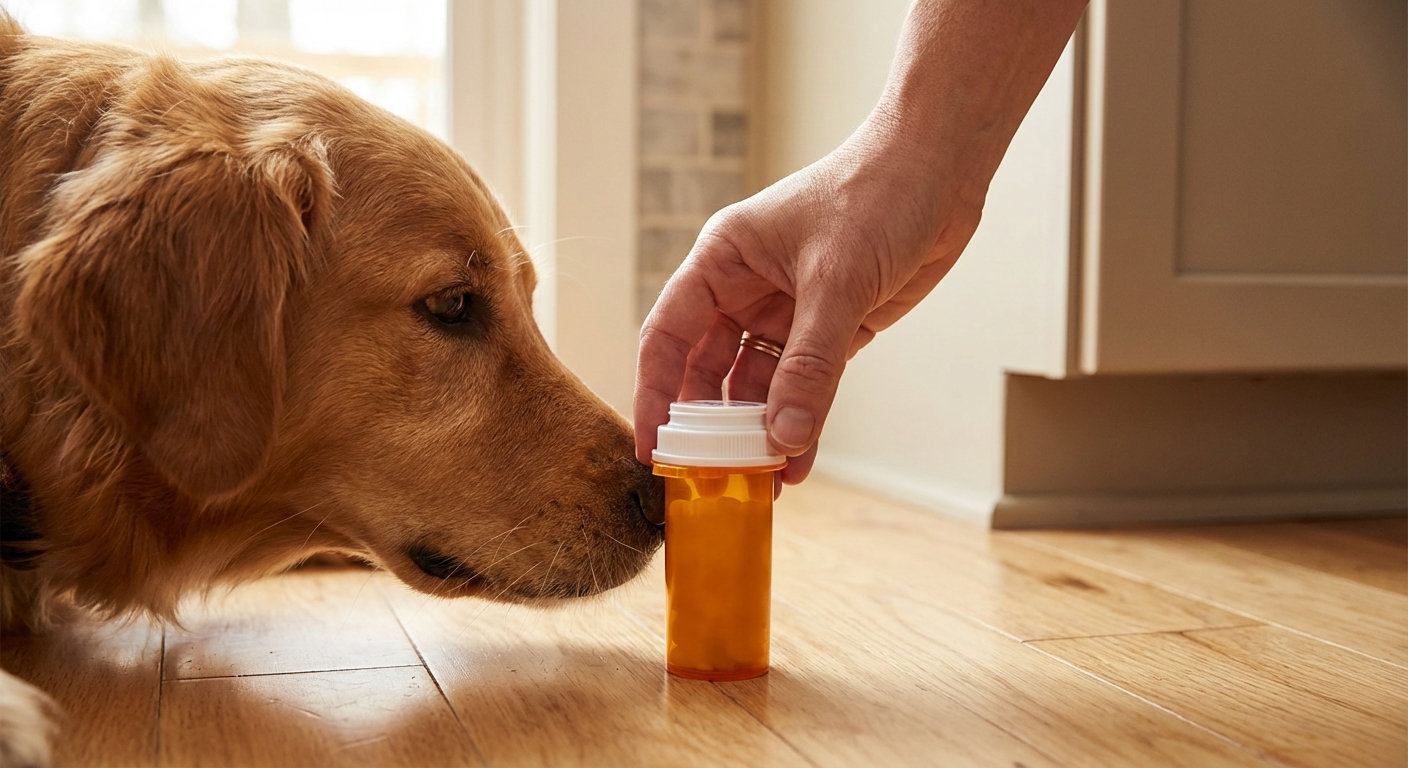
- Your dog may have eaten a bottle of aspirin or an unknown number of pills
- You see black stool, blood in vomit, or repeated vomiting
- Your dog is weak, wobbly, collapses, or has pale gums
- Your dog is in severe pain, crying, or cannot get comfortable
- Your dog has trouble breathing
Bring the bottle or packaging if possible so the clinic can identify the exact product and strength.
Pet poison help
If you think your pet swallowed aspirin, ibuprofen, naproxen, or any medication and you cannot reach a veterinarian quickly, pet poison hotlines can help guide next steps (a fee may apply). Have your dog’s weight, the product name, the strength per pill, and an estimate of how many pills ready.
- ASPCA Animal Poison Control: 888-426-4435
- Pet Poison Helpline: 855-764-7661
The bottom line
Aspirin is not automatically “bad,” but it is also not a harmless home remedy for dogs. The safest choice is to involve your veterinarian before giving any pain medication. With the right diagnosis, you can often get targeted treatment that helps your dog feel better faster, with far less risk.
If you are ever unsure, pause and call your vet. A quick phone call can prevent a scary emergency later.