
Calmest Dog Breeds for Families, Apartments, and First-Time Owners

If your dream dog is the kind that happily naps at your feet, enjoys a gentle walk, and does not demand constant entertainment, you are in the right place. As a veterinary assistant in Frisco, Texas, I meet a lot of wonderful dogs, and I can tell you this with confidence: “calm” is a mix of genetics, training, health, and meeting a dog’s needs consistently.
This guide ranks calm, low-energy breeds and designer mixes that tend to do well with families, apartment living, and first-time owners. You will also find realistic notes on exercise, grooming, and size so you can choose a dog that fits your day-to-day life.
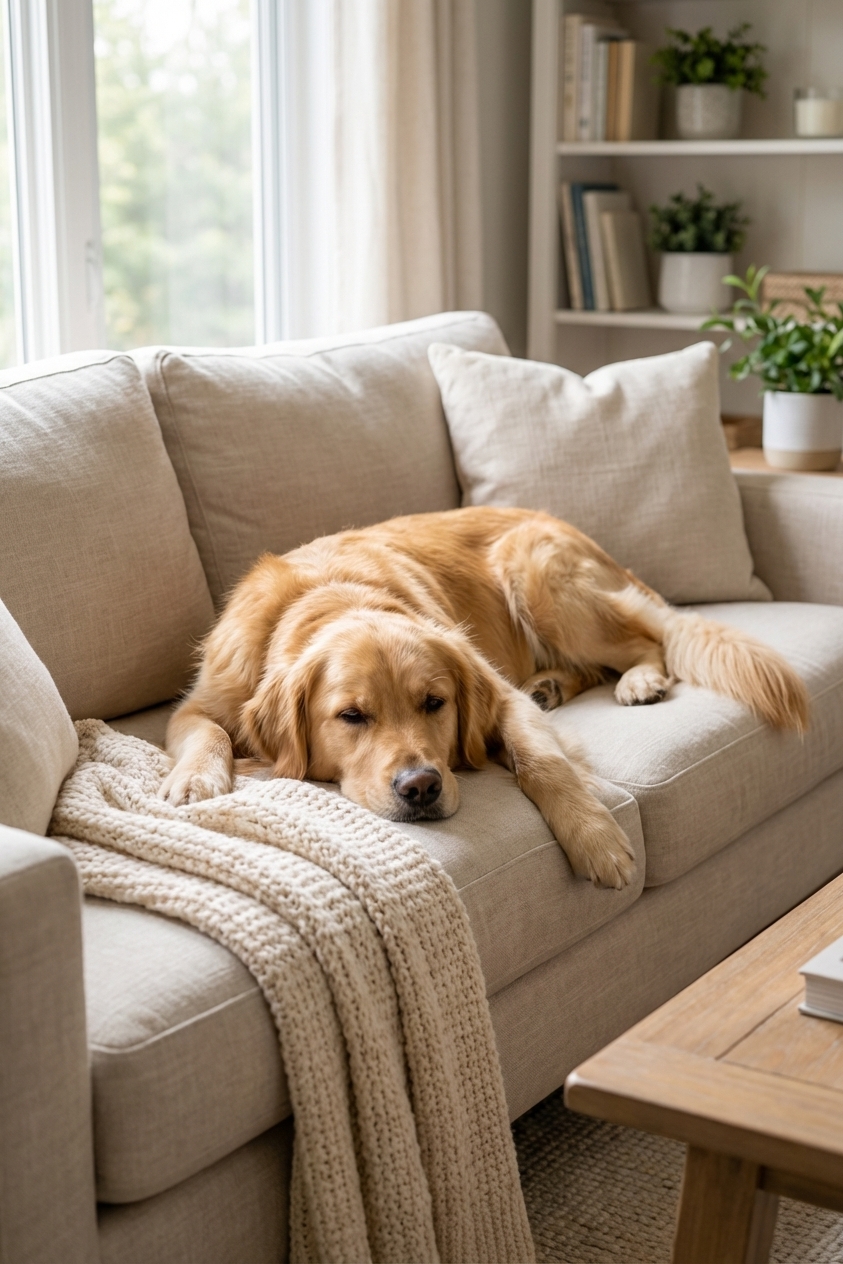
What “calm” really means
A calm dog is usually one that is predictable, tolerant, and able to settle. Many calm breeds still enjoy play, walks, and training, but they are less likely to bounce off the walls when their needs are met.
- Temperament: gentle, patient, less reactive
- Energy level: content with short to moderate daily activity
- Trainability: easier to teach household manners and quiet time
- Sound tolerance: less likely to bark at every hallway noise, though any dog can become more vocal if they are stressed or if barking is accidentally reinforced
Important: puppies of any breed are typically not “calm.” If you want the calmest experience, consider adopting an adult dog, ideally one that has been in a foster home where their behavior is known.
Quick picks by lifestyle
Best for apartments
- Cavalier King Charles Spaniel
- Shih Tzu
- Havanese
- Italian Greyhound (best for gentle, patient housetraining households)
- French Bulldog (with heat precautions and higher health-cost expectations)
- Maltese
Best for families with kids
- Labrador Retriever (adult, calmer lines)
- Golden Retriever (adult)
- Newfoundland
- Clumber Spaniel
- Cavalier King Charles Spaniel
Family note from the clinic: Labs and Goldens can be wonderfully calm as adults, but many still need meaningful daily exercise and training. Without it, you may see barking, chewing, or “busy” behavior that does not feel calm at all.
Best for first-time owners
- Whippet
- Cavalier King Charles Spaniel
- Pug (with heat precautions)
- Havanese
- Cavapoo (designer mix)
- Maltipoo (designer mix)
18 calm dog breeds and designer mixes (ranked)
Rankings reflect overall “easygoing” tendencies, how well the breed typically settles indoors, and general suitability for families and apartment life. Individual dogs vary, and responsible breeding and early socialization matter a lot. This ranking is also a practical companion-home lens, not a scientific scorecard.
A quick activity guide: low often means about 15 to 30 minutes a day, low to moderate is often 30 to 60 minutes, and moderate is often 45 to 90 minutes depending on the dog.
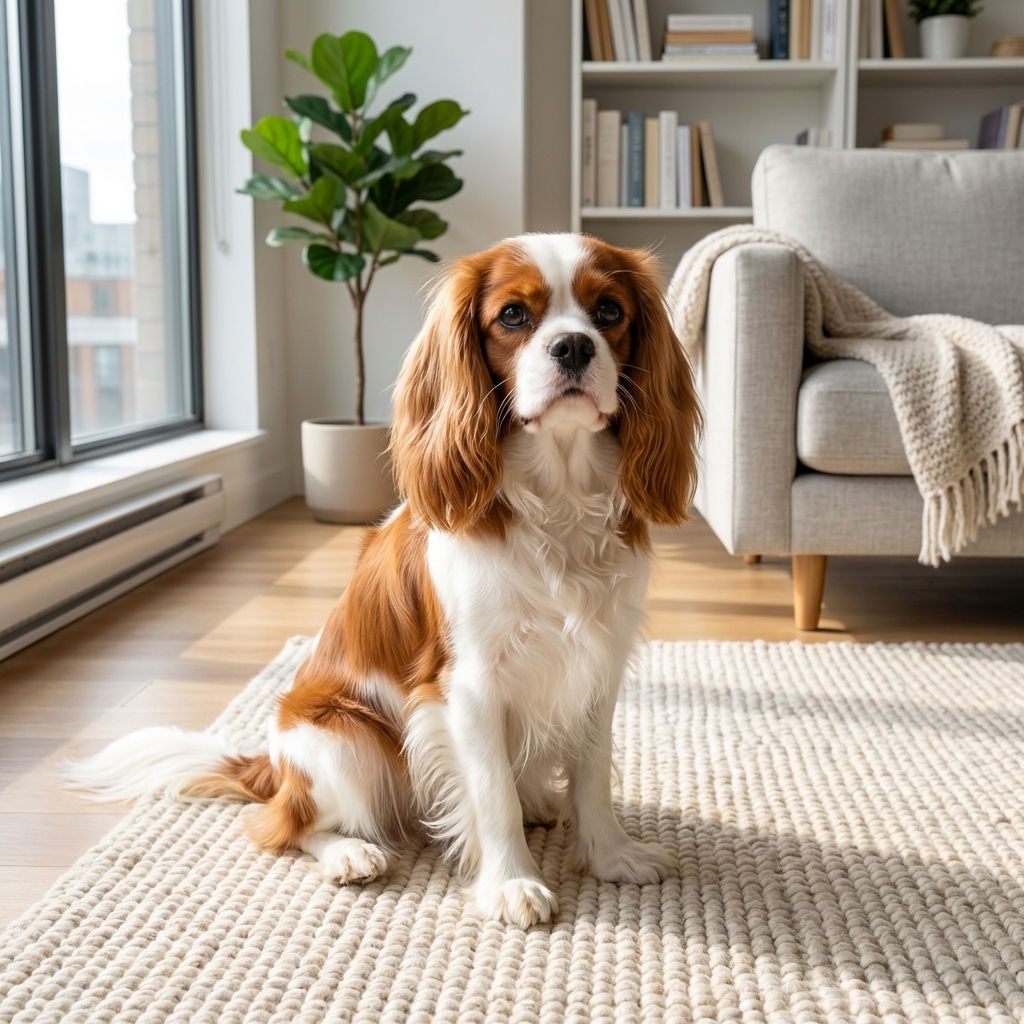
1) Cavalier King Charles Spaniel
Temperament: affectionate, gentle, people-focused, typically very adaptable.
Exercise needs: low to moderate; 20 to 40 minutes daily plus a little play.
Grooming: moderate; regular brushing, feathering mats easily.
Size: small (usually 13 to 18 lb).
Good to know: Cavaliers are especially prone to mitral valve disease (heart) and can be at risk for Chiari-like malformation and syringomyelia. Look for breeders who do cardiac screening (often with cardiologist involvement) and who can talk clearly about neurologic risk in their lines, not just “my dogs are healthy.”
2) Whippet
Temperament: quiet, sensitive, calm indoors, often very polite housemates.
Exercise needs: moderate; short daily walks plus occasional safe sprint time.
Grooming: low; short coat, light shedding (often seasonal).
Size: medium (typically 25 to 40 lb).
Good to know: they love warmth and soft beds, and many are famously “couch potatoes” after exercise.
3) Shih Tzu
Temperament: friendly, steady, happy to hang out with the family.
Exercise needs: low; short walks and indoor play.
Grooming: high if kept long; lower if kept in a puppy cut with routine trims.
Size: small (9 to 16 lb).
Good to know: brachycephalic faces can mean heat sensitivity. Keep play gentle in Texas summers.
4) Havanese
Temperament: cheerful, affectionate, typically gentle and very trainable.
Exercise needs: low to moderate; about 30 minutes daily total is often plenty.
Grooming: moderate to high; regular brushing and professional grooming.
Size: small (7 to 13 lb).
Good to know: can be prone to separation stress if left alone for long stretches. Crate training and routines help.
5) Basset Hound
Temperament: laid-back, sweet, stubborn in a charming way.
Exercise needs: low to moderate; slow sniffy walks are ideal.
Grooming: low to moderate; sheds, needs ear care.
Size: medium (40 to 65 lb) but short-legged.
Good to know: ears need regular cleaning and monitoring for infection. Weight management is very important for their backs and joints. In the clinic, preventable obesity is one of the biggest quality-of-life issues I see with Bassets.
6) Great Dane
Temperament: calm, gentle, and often surprisingly low-energy indoors.
Exercise needs: moderate; steady walks, avoid overexertion in heat.
Grooming: low; short coat.
Size: giant (100+ lb).
Good to know: apartment-friendly in behavior, but not always in square footage or elevator logistics. Plan for training, vet costs, and safe handling.
Not for you if: you cannot comfortably manage a very large dog on leash or if stairs and tight spaces are part of daily life.
7) Greyhound (often retired racers)
Temperament: quiet, gentle, usually calm indoors.
Exercise needs: low to moderate; daily walks and occasional sprinting in secure areas.
Grooming: low.
Size: large (55 to 80 lb).
Good to know: many retired racers are wonderfully ready-made adults, meaning they are past the puppy phase and often already comfortable with routines and handling. They often do best with soft bedding and a predictable schedule.
8) Pug
Temperament: affectionate, funny, people-loving, usually not high drive.
Exercise needs: low to moderate; short walks, avoid heat and overexertion.
Grooming: moderate; sheds more than many expect, needs skin fold care.
Size: small (14 to 18 lb).
Good to know: as a brachycephalic breed, breathing and heat safety are top priorities. BOAS (brachycephalic obstructive airway syndrome) exists on a spectrum. Choose breeders focused on healthier structure and be realistic about potential medical costs. Pet insurance is worth considering.
9) French Bulldog
Temperament: easygoing, affectionate, usually quiet and companionable.
Exercise needs: low; brief walks and play.
Grooming: low; wrinkle care as needed.
Size: small to medium (16 to 28 lb).
Good to know: heat intolerance is real. BOAS and spinal issues can be major quality-of-life factors in this breed, and vet costs can be higher than average. Consider pet insurance early.
Not for you if: you want a “low-cost” dog or you spend lots of time outdoors in hot weather.
10) Maltese
Temperament: gentle, bright, often calm when well-socialized.
Exercise needs: low; short walks and games.
Grooming: high; hair coat requires consistent brushing and trims.
Size: toy (4 to 7 lb).
Good to know: best with older kids or calm households because of tiny size. Early training helps prevent nuisance barking. Clinic reality: tiny breeds often need consistent dental care to avoid painful periodontal disease.
11) Newfoundland
Temperament: famously sweet, patient, and gentle with families.
Exercise needs: moderate; steady walks and room to stretch out.
Grooming: high; heavy coat and drool management.
Size: giant (100 to 150+ lb).
Good to know: heat is a major concern. In warm climates, plan for early morning walks, indoor cooling, and coat care.
Not for you if: you cannot commit to heavy grooming and you prefer a spotless home. Drool happens.
12) Clumber Spaniel
Temperament: calm, dignified, affectionate, less “busy” than many sporting breeds.
Exercise needs: moderate; daily walks and sniff time.
Grooming: moderate; sheds, feathering needs brushing.
Size: medium to large (55 to 85 lb).
Good to know: a great option for families who love spaniel personality without the constant motion.
13) Bernese Mountain Dog
Temperament: gentle, people-oriented, often calm indoors with adequate exercise.
Exercise needs: moderate; daily walks and training.
Grooming: high; heavy shedding and brushing needs.
Size: large (70 to 115 lb).
Good to know: watch heat and be mindful of breed health screenings. They do best with family time, not long hours alone.
Lifespan note: giant and some large breeds (including many Danes and Bernese) often have shorter lifespans than small dogs. It is worth considering emotionally and financially.
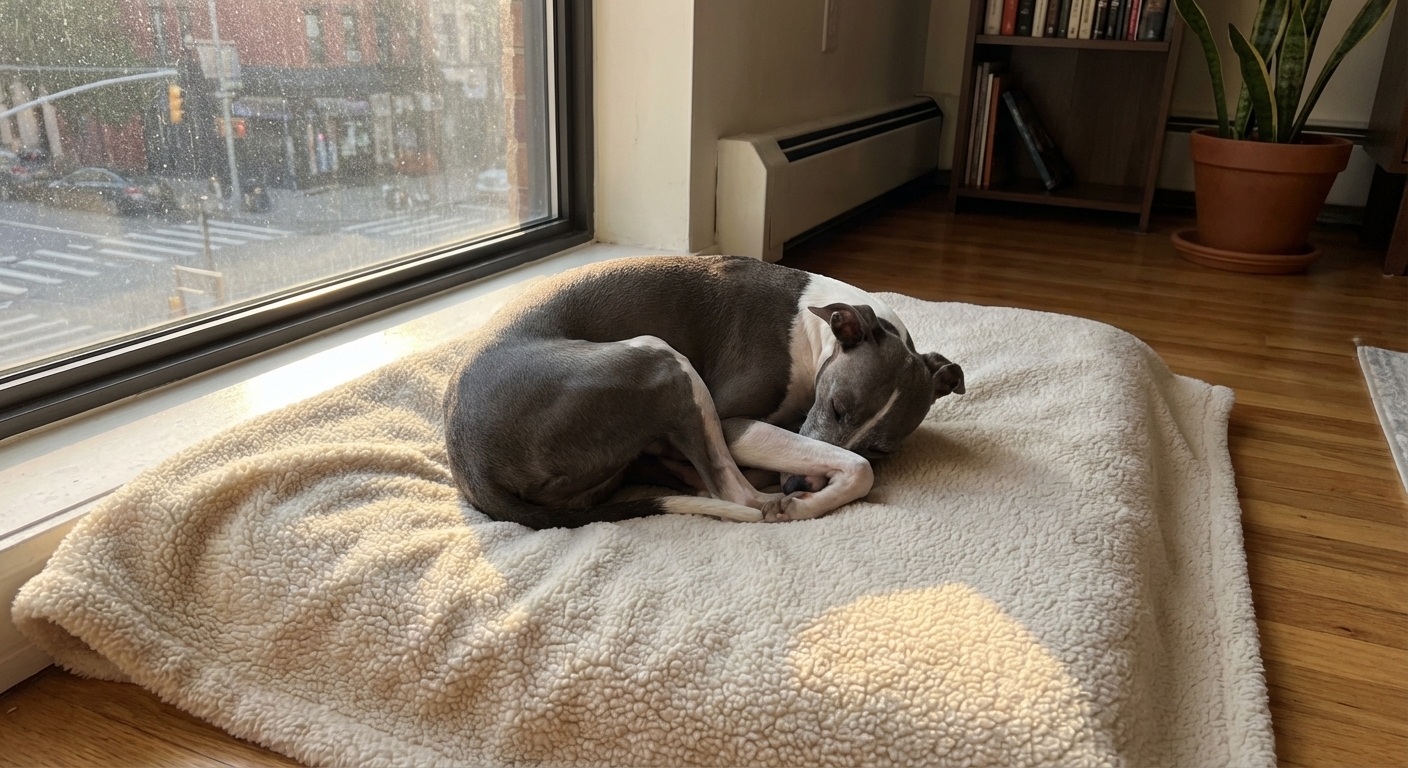
14) Italian Greyhound
Temperament: affectionate, sensitive, typically quiet and cuddly.
Exercise needs: low to moderate; short walks and play, avoid extreme cold.
Grooming: low.
Size: small (7 to 14 lb).
Good to know: fragile legs and a sensitive temperament. They can be challenging to house-train for some households, and many do best with consistent routines plus indoor potty options in bad weather. Dental disease is also common, so plan on home brushing and regular professional dental care.
15) English Bulldog
Temperament: calm, easygoing, loves lounging with their people.
Exercise needs: low; short, slow walks only.
Grooming: low to moderate; skin fold and ear care.
Size: medium (40 to 50 lb).
Good to know: can have significant health needs, including BOAS, skin issues, and orthopedic problems. If you choose this breed, budget for vet care, consider pet insurance, and prioritize ethical breeding.
Not for you if: you want a hiking buddy or you prefer a breed with lower medical risk.
16) Cavapoo (Cavalier King Charles Spaniel + Poodle)
Temperament: affectionate, friendly, often calm and eager to please.
Exercise needs: low to moderate; 30 to 60 minutes total activity depending on the individual.
Grooming: moderate to high; curly or wavy coat needs brushing and regular grooming.
Size: small (often 10 to 25 lb).
Good to know: “hypoallergenic” is not guaranteed. Coat type and shedding vary, even within the same litter. Also remember the Cavalier side can bring heart and neurologic risks, so ask about parent health testing in detail.
17) Maltipoo (Maltese + Poodle)
Temperament: sweet, social, typically gentle and adaptable.
Exercise needs: low to moderate; short daily walks plus play.
Grooming: high; routine brushing and trims are usually needed.
Size: toy to small (typically 5 to 20 lb).
Good to know: can be vocal if under-stimulated. Teaching a “quiet” cue and providing chew enrichment makes a big difference in apartments.
18) Goldendoodle (Golden Retriever + Poodle, smaller or calmer lines)
Temperament: friendly, affectionate, people-focused; calmness varies by line and training.
Exercise needs: moderate; many need about 60 minutes daily, some less.
Grooming: high; mats happen quickly without brushing and professional grooming.
Size: medium to large (varies widely).
Good to know: choose an adult or a breeder who prioritizes stable temperaments. Doodles are not automatically low-energy.
How to choose the calmest dog for you
Match the dog to your real schedule
- If you work long hours: prioritize an adult dog that already settles, and plan a midday walker or doggy daycare once or twice a week.
- If you live in an apartment: look for low vocal tendency, good leash manners, and comfort with elevators and hallway noise.
- If you have young kids: prioritize tolerant, sturdy builds and proven gentleness. Supervision is still non-negotiable.
Adoption tip: how to spot “calm”
Rescues and shelters can be excellent places to find calm adults beyond greyhounds. When you meet a dog, look for the ability to recover. A calm dog may be excited at first, but they can settle after a few minutes, take treats gently, and reorient to you. If possible, ask to see the dog in a quieter space and ask foster-based rescues how the dog behaves at home.
Ask the right questions (breeders and rescues)
- Do you have health testing documentation for the parents (or vet records if rescue)?
- How are puppies socialized to handling, noises, and new surfaces?
- Does this dog relax in the home, or do they pace and look for constant stimulation?
- Any history of separation anxiety, reactivity, or resource guarding?
Remember: calm dogs still need enrichment
Low-energy does not mean “no needs.” Calm dogs thrive with small daily routines like:
- One or two short walks
- Sniff time, not just distance walked
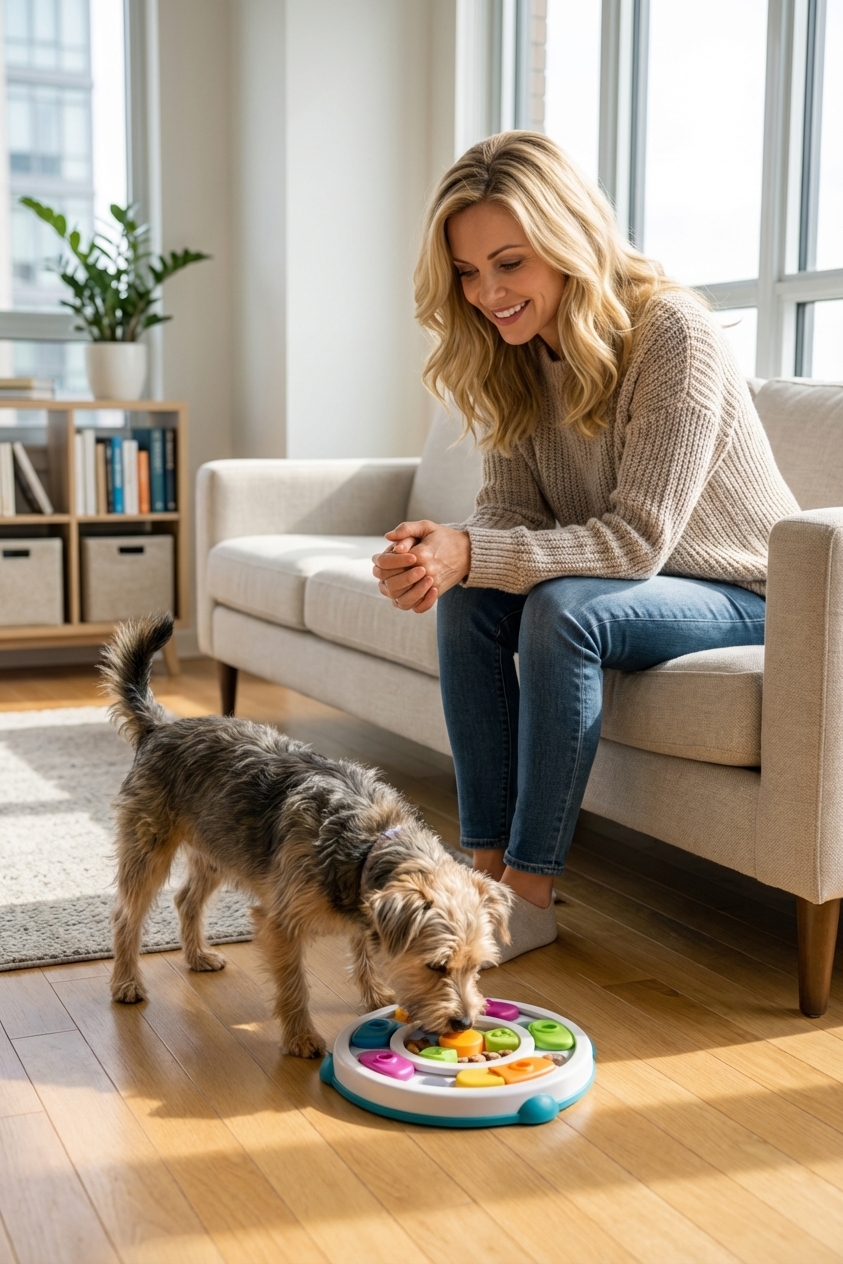
- Food puzzles and lick mats
- Basic training games for confidence
Apartment tips for a quieter, calmer dog
- Teach a settle spot: a mat or bed that always pays off with calm rewards.
- Sound management: use white noise or a fan during peak hallway activity.
- Potty plan: predictable potty breaks reduce barking, pacing, and accidents.
- Prevent boredom barking: rotate chews and puzzle feeders.
- Build alone-time skills: start with short departures and gradually increase.
- Neighbor-friendly calm: if your dog barks at door sounds, practice with recorded noises at low volume while pairing with treats, and block trigger views with window film or curtains.
Health notes for calm living
Sometimes a dog seems calm because they are uncomfortable. If your dog is suddenly less active, talk to your veterinarian. Common culprits include arthritis, dental pain, ear infections, obesity, and brachycephalic breathing issues.
Heat safety reminder: In warm climates, short-nosed breeds like Pugs, French Bulldogs, English Bulldogs, and Shih Tzus can overheat quickly. Keep walks early and short, and always provide cool indoor rest.
Insurance and budget reality: brachycephalic breeds and giant breeds can come with higher-than-average vet expenses. If you are choosing one, consider pet insurance before any problems appear.
Bottom line
The calmest dog for you is the one whose energy, grooming needs, and size truly match your lifestyle. Start with a breed or mix that is naturally inclined to settle, then make calm a habit through routines, gentle training, and meeting basic needs every day.
If you want, tell me your living situation (house or apartment), your typical weekday schedule, and whether you prefer a small, medium, or large dog. I can help narrow this list to your best 3 to 5 options.