Meet the Ocicat—an energetic, social spotted cat with a wild look and a people-focused personality. Learn breed history, care, grooming, training, health, ...
Article
•
Designer Mixes
California Spangled Cat

Shari Shidate
Designer Mixes contributor
Meet the California Spangled
The California Spangled cat is one of the most distinctive spotted domestic breeds , known for a sleek, athletic body and a wildcat look that was intentionally designed to turn heads. Despite the exotic appearance, these cats are fully domestic in temperament and can be wonderful companions for the right household.
If you love an energetic, people-oriented cat who enjoys interactive play and daily engagement, the California Spangled may feel like a perfect match . If you are hoping for a quiet lap cat who is content to lounge all day, this breed can be a bit too busy for that lifestyle.
Origin and History
The California Spangled was developed in the United States in the late 1970s and 1980s with the goal of creating a domestic cat that resembled small wildcats like leopards and ocelots. Many sources commonly credit Paul Casey with spearheading the breed’s development, and the breed is often linked to conservation messaging, encouraging people to value wildlife by choosing a domestic cat that celebrates a wild aesthetic. (If you plan to cite this section formally, it is worth verifying the developer attribution and the exact timeline against your preferred references.)
The breed gained wider public attention in the mid-1980s after being featured in a high-profile Neiman Marcus Christmas catalog. Even with that burst of publicity, it remained rare . Today, California Spangled cats are still uncommon, and availability may be limited depending on where you live. If you are considering one, take your time verifying breeder practices and health screening, since rarity can sometimes attract less responsible sellers.
Appearance: The Signature Spotted Look
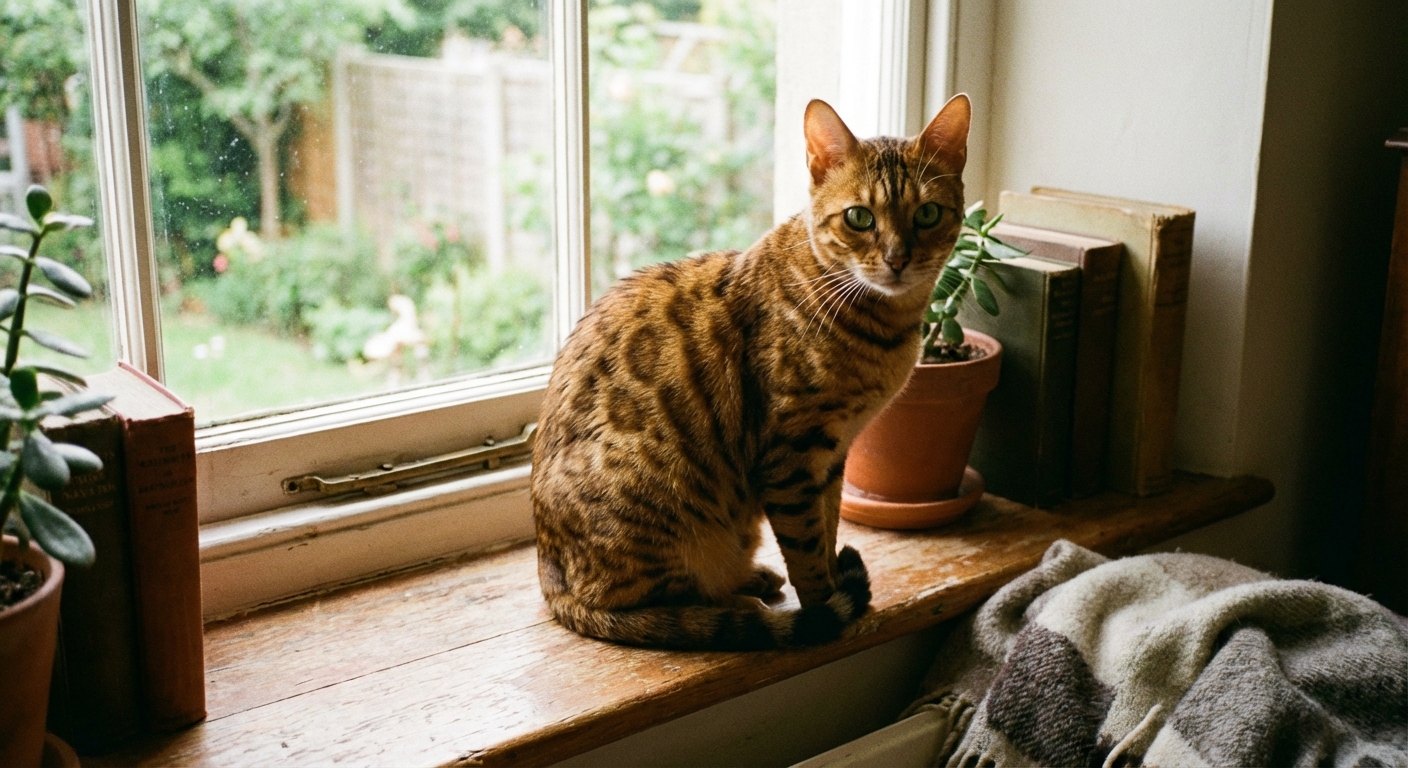
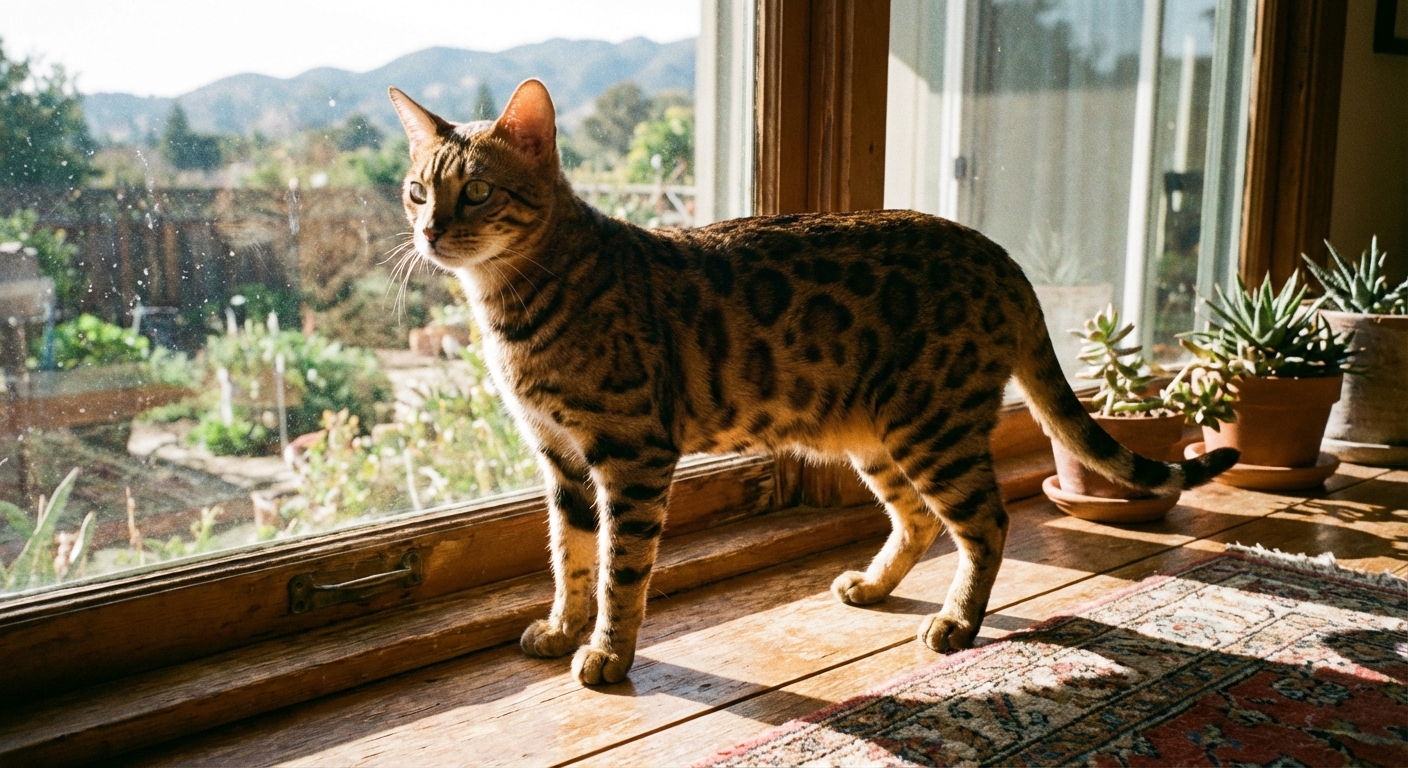
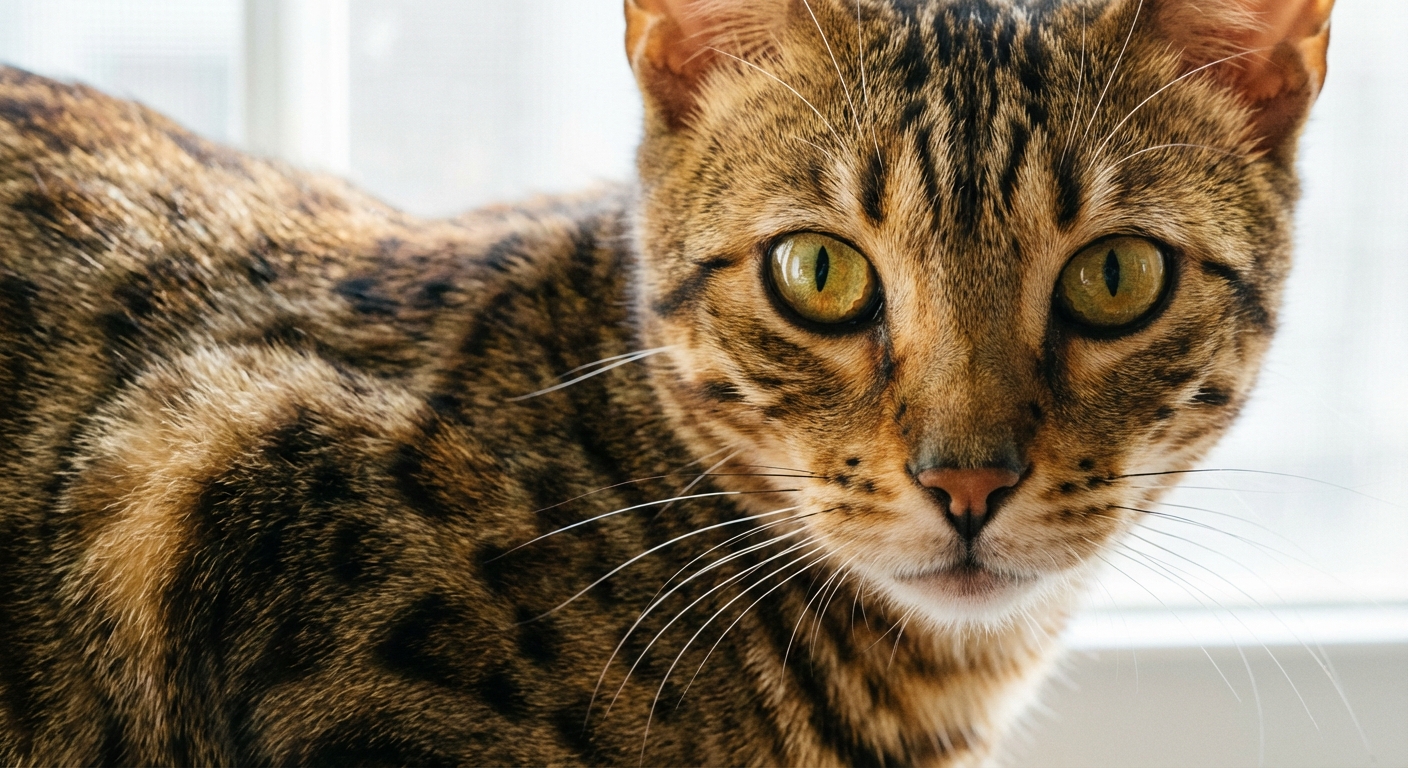
California Spangled cats are typically described as medium-sized with a lean, muscular, athletic build. Their defining feature is the spotted coat pattern , which can appear as round spots, square-ish spots, or more irregular markings. The coat is typically short and smooth, designed to look polished and close to the body.
Color descriptions vary by source and registry, so it is best to confirm accepted coat colors and pattern terminology with the breeder’s documentation or any applicable breed standard. You will often see California Spangled cats described in tones like bronze, gold, brown, silver, charcoal, and black, usually with strong contrast that highlights the spots. Their head shape tends to be balanced and slightly wedge-like, with alert ears and expressive eyes that can give an intensely focused, intelligent look.
Temperament: Smart, Social, and High Energy
In many homes, the California Spangled is best described as curious, active, and people-focused. Many enjoy following their favorite person from room to room, supervising chores, and inserting themselves into daily life. They often thrive with enrichment, routine play, and opportunities to climb, perch, and explore safely.
Because they are intelligent and athletic, they can get bored with a predictable environment. A helpful rule of thumb is that behavior challenges in smart cats are often a message about unmet needs, not a personality flaw . When these cats have enough stimulation, they tend to be confident and affectionate companions.
Typical personality traits
- Playful and energetic, especially in younger cats
- Curious, often investigating cabinets, counters, and new objects
- People-oriented, enjoying interaction rather than solitude
- Alert and athletic, with a love for vertical spaces
Common questions: shedding and vocalization
- Shedding: Often considered low to moderate due to the short coat, but all cats shed and seasonal changes still apply.
- Vocalization: Many active, social cats can be chatty, especially around meals or play. Individuals vary.
Is the California Spangled a Good Pet?
For many families, yes, as long as the household is prepared for an active cat who needs daily attention. This breed can do well with respectful children who understand gentle handling and with adults who enjoy interactive play. They may also do well with other cats or cat-friendly dogs when introduced slowly and thoughtfully.
If your schedule is packed and you are away most of the day, consider whether you can provide enough stimulation. Puzzle feeders, window perches, and scheduled play sessions can help, but some cats in this general personality profile do best with a companion pet or more frequent human interaction.
Great match for
- Homes that enjoy daily play and engagement
- People who like an active, involved companion
- Cat owners willing to provide climbing and enrichment options
May be challenging for
- Households wanting a quiet, low-energy cat
- People who are away for long hours without enrichment support
Health Considerations
Because California Spangled cats are rare and not as widely tracked as more common breeds, breed-specific health data is limited. In general, well-bred cats with responsible genetic planning can be robust, but any line can develop inherited issues if breeding practices are careless.
Your best protection is prevention and good screening. Choose a reputable breeder or rescue who can share veterinary records, vaccination history, and any genetic testing information available. For any cat, routine wellness exams are the foundation of long-term health.
Helpful preventative steps
- Annual veterinary visits (or more often for seniors)
- Dental care, including brushing if your cat tolerates it and professional cleanings as recommended
- Weight monitoring, since even active cats can gain weight if overfed
- Parasite prevention based on your region and indoor or outdoor exposure
Note: If you are purchasing from a breeder, ask what conditions they screen for in their lines and whether they offer a health guarantee. A responsible breeder will welcome these questions.
Lifespan and size basics
Most healthy indoor domestic cats commonly live into their teens, and many sources place a typical lifespan estimate around 12 to 15+ years , with individual variation based on genetics, care, and lifestyle. For adult size, the California Spangled is usually described as medium, but exact weight ranges vary by source and line. If you want a more precise expectation, ask the breeder for the typical adult weights in their program and compare that with your veterinarian’s body-condition guidance.
Diet and Nutrition: Fueling an Athletic Cat
California Spangled cats tend to do best on a high-quality, complete-and-balanced diet that supports lean muscle and steady energy. Look for a food labeled as meeting AAFCO standards for your cat’s life stage. Many cats benefit from a mix of wet and dry food, with wet food supporting hydration.
Routine matters with high-energy cats. Consistent meal times, measured portions, and a feeding plan that fits your cat’s life stage can help support healthy weight, stable energy, and fewer food-related behavior issues. Many cat owners find that small, steady habits add up over time, especially with active breeds.
Practical feeding tips
- Measure portions and adjust based on body condition, not just the bag guideline
- Use puzzle feeders to support mental stimulation
- Prioritize protein-forward formulas and avoid excessive treats
- Ask your veterinarian about calorie needs after spay or neuter
Grooming and Coat Care
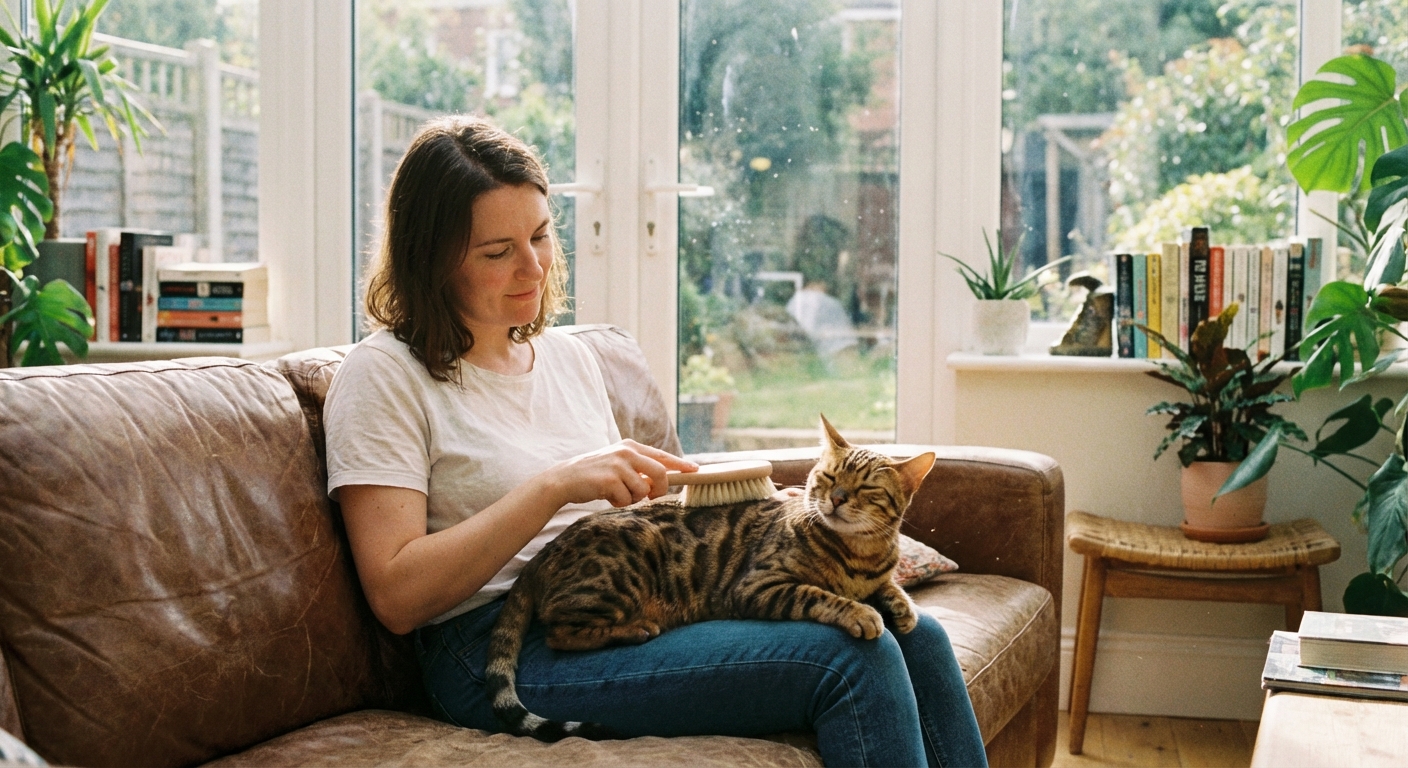
With a short coat, grooming is typically straightforward. A weekly brushing helps remove loose hair and supports skin health. It is also a great time to check for any skin irritation, fleas, or unusual lumps.
Basic grooming checklist
- Brush once weekly, more often during seasonal shedding
- Trim nails every 2 to 4 weeks
- Check ears weekly and clean only if advised by your veterinarian
- Dental care several times per week if possible
Exercise and Enrichment
This is where California Spangled cats truly shine. They are built for movement and often love to sprint, leap, and climb. Think of enrichment as preventive care: when you meet a cat’s physical and mental needs, you reduce stress and lower the risk of unwanted behaviors like scratching furniture or nighttime zoomies.
Enrichment ideas that work well
- Cat trees and wall shelves for vertical climbing
- Interactive toys like wand toys used daily
- Short training sessions using treats, such as sit or target training
- Window perches for safe bird watching
- Rotate toys weekly to keep novelty high
A simple daily routine example
If you want a realistic baseline, try two 10-minute wand-toy sessions (morning and evening), one puzzle feeder meal, and a few minutes of training or “find the treats” games. Adjust based on your cat’s age and energy level.
If you are interested in leash training, many athletic, curious cats can learn to wear a harness. Go slowly, keep sessions positive, and never force it.
Living Environment: Indoor Safety with Wildcat Style
Even though their look is wild, California Spangled cats are domestic and typically do best as indoor cats for safety and longevity. Indoor living reduces risks from cars, predators, parasites, and infectious disease exposure.
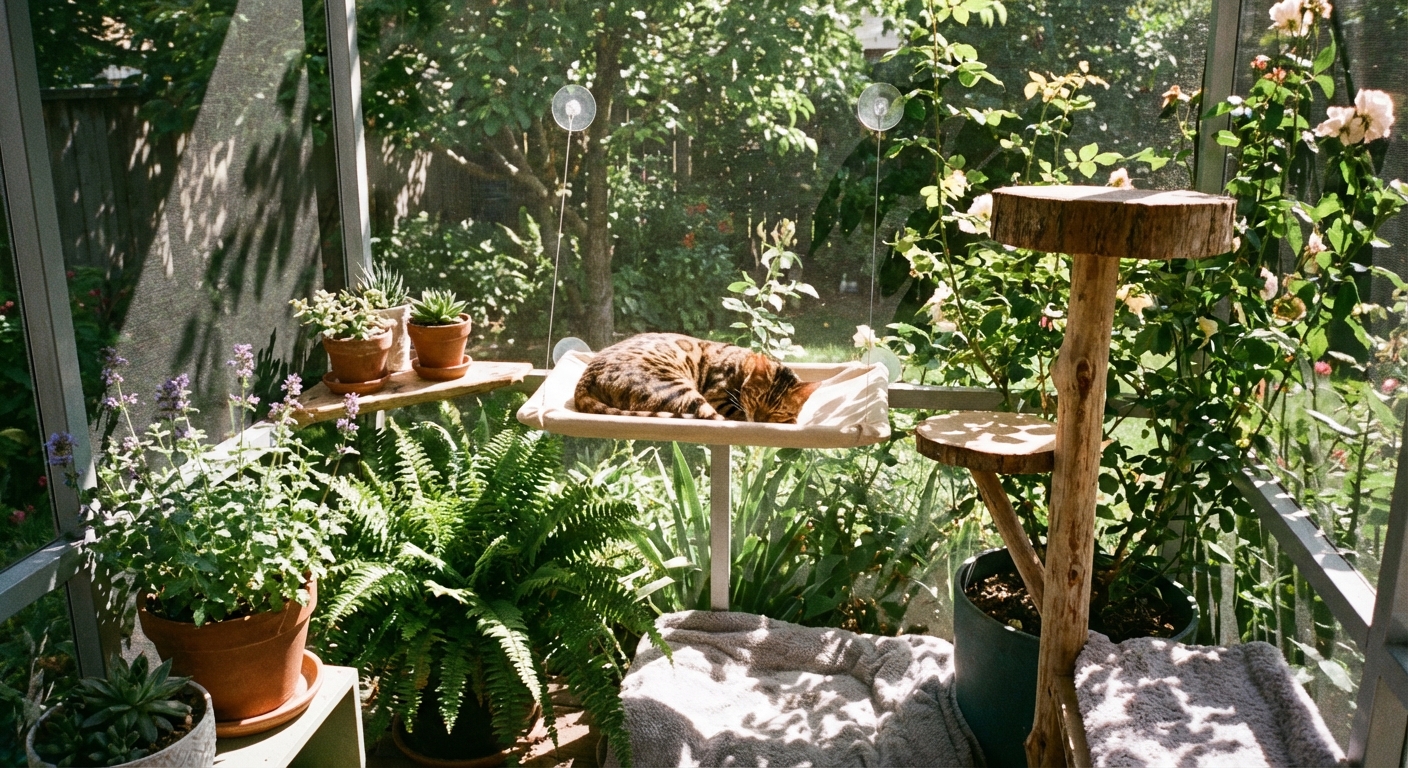
If you want outdoor time, consider a secure catio or supervised harness walks. A safe outdoor setup can provide enrichment without the dangers of free roaming.
Breed Recognition Status
Recognition can be a point of confusion with rare breeds. The California Spangled is not widely recognized by major cat registries today, and formal breed standards and tracking may be limited compared with more common breeds. For buyers, this usually means you should be extra careful about verifying lineage claims, health records, and the breeder’s ethics. If show eligibility or registry paperwork matters to you, confirm recognition status and documentation before you commit.
Adoption and Finding a California Spangled
Because the breed is rare, you may need patience. In practical terms, California Spangled cats can be extremely difficult to find, especially when compared with more commonly available spotted breeds like the Bengal . You may encounter long waitlists, limited litters, and very few verified sources.
Start by researching breed clubs, reputable breeders, and specialty rescues. If you find a listing quickly with a price that seems too good to be true, slow down and verify. Ask for veterinary records, the kitten’s living environment, and clear details about socialization.
Questions worth asking
- What health screening is done on the parents?
- How are kittens socialized in the home?
- What is the vaccination and deworming schedule?
- Do you offer a return policy if placement does not work out?
And remember, the right cat is not always the rarest cat. If you love the spotted look and an active temperament, many shelter cats and mixed breeds share similar traits and may be easier to find.
Bottom Line
The California Spangled cat offers a striking spotted coat, an athletic build, and a bright, interactive personality. With consistent play, thoughtful enrichment, and routine veterinary care, this breed can be a loyal, engaging companion for many years. If you are ready for a cat who wants to be part of your day, not just in the room, the California Spangled is a fascinating choice to consider.