Discover the British Shorthair’s calm, affectionate personality plus practical care tips for grooming, dental health, feeding for healthy weight, enrichmen...
Article
•
Designer Mixes
Burmese Cat Breed Guide: Personality, Care, and Health

Shari Shidate
Designer Mixes contributor
Curious, people-focused, and wonderfully affectionate, the Burmese is the kind of cat that turns everyday routines into companionship. If you love the idea of a cat who follows you from room to room and prefers being near their humans, this breed is easy to fall for. In this guide, we will walk through Burmese origins, temperament, care, and health so you can decide if this velvety-coated social butterfly is the right fit for your home.
Quick snapshot
- Size: Medium, muscular, often heavier than they look
- Typical adult weight: Often about 8 to 12 pounds, with individual variation
- Lifespan: Commonly 12 to 16+ years with good care
- Coat: Short, sleek, generally moderate shedding and often less noticeable than many longhaired breeds
- Temperament: Affectionate, playful, social, often chatty (varies by cat)
- Activity level: Medium to high, many stay playful into adulthood
- Best for: Homes that want a highly interactive companion
- Common concerns: Dental disease, weight gain, and a few inherited conditions in some lines
Allergy note: No cat breed is truly hypoallergenic. A short coat can mean less fur around the home, but it does not guarantee fewer allergy symptoms.
Origin and history
The modern Burmese cat traces back to a small foundation population. A cat named Wong Mau, brought to the United States from Southeast Asia in the 1930s, is widely credited as a key foundation for the breed. Early breeding programs refined the Burmese look and temperament over time, emphasizing the breed’s compact, athletic build and deeply people-oriented personality.
Today, you may hear about American Burmese and European Burmese (sometimes called British or Traditional in casual conversation). Breed standards and naming can differ by registry and region, but the hallmark remains the same: a devoted, confident cat that thrives on connection.
Appearance
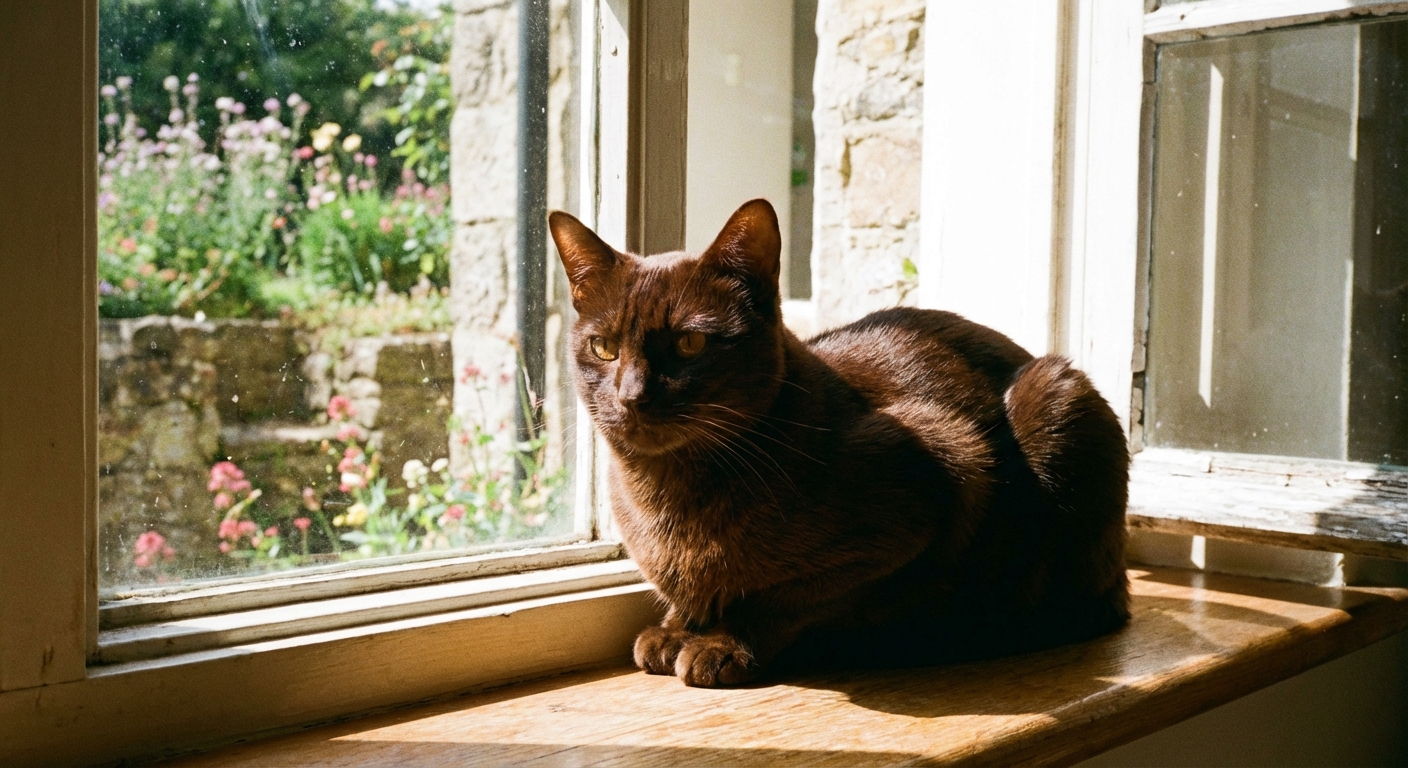
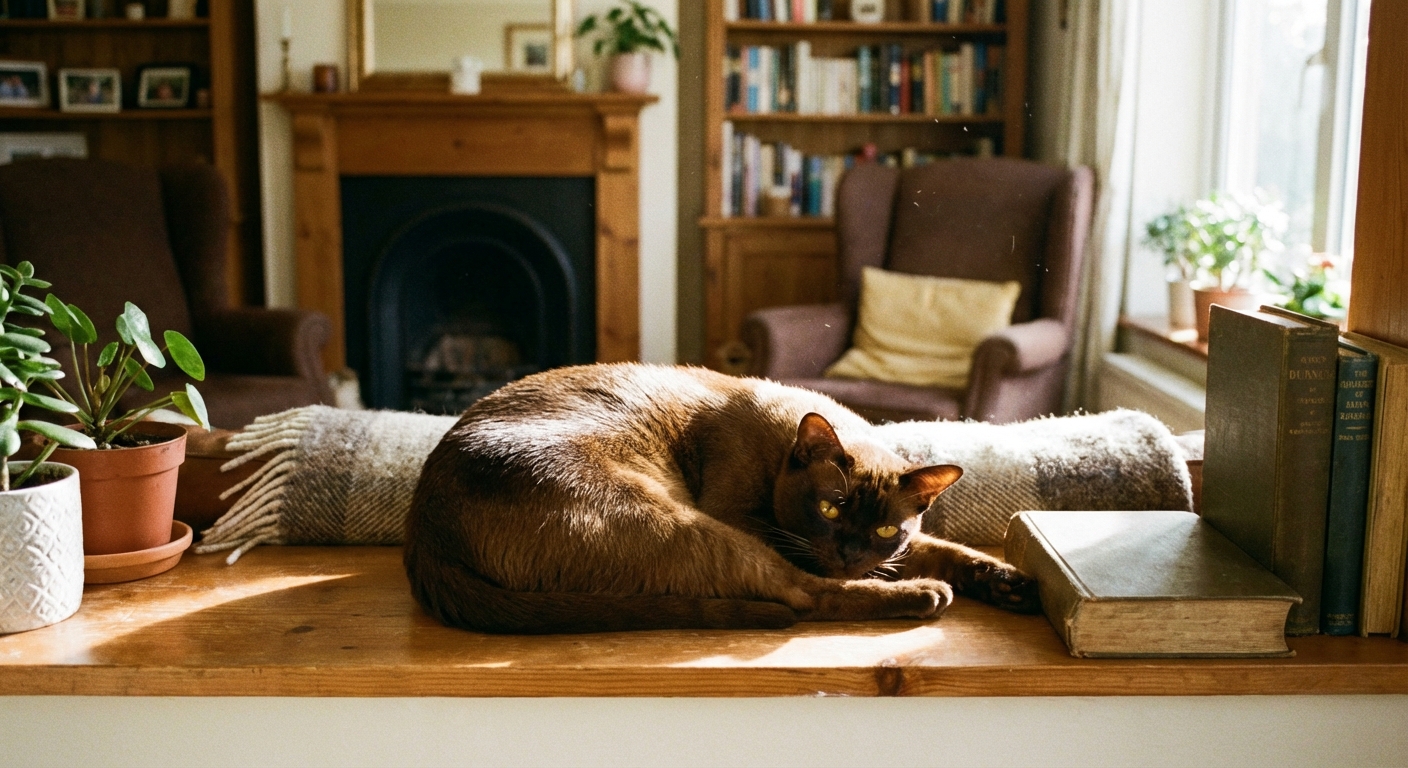
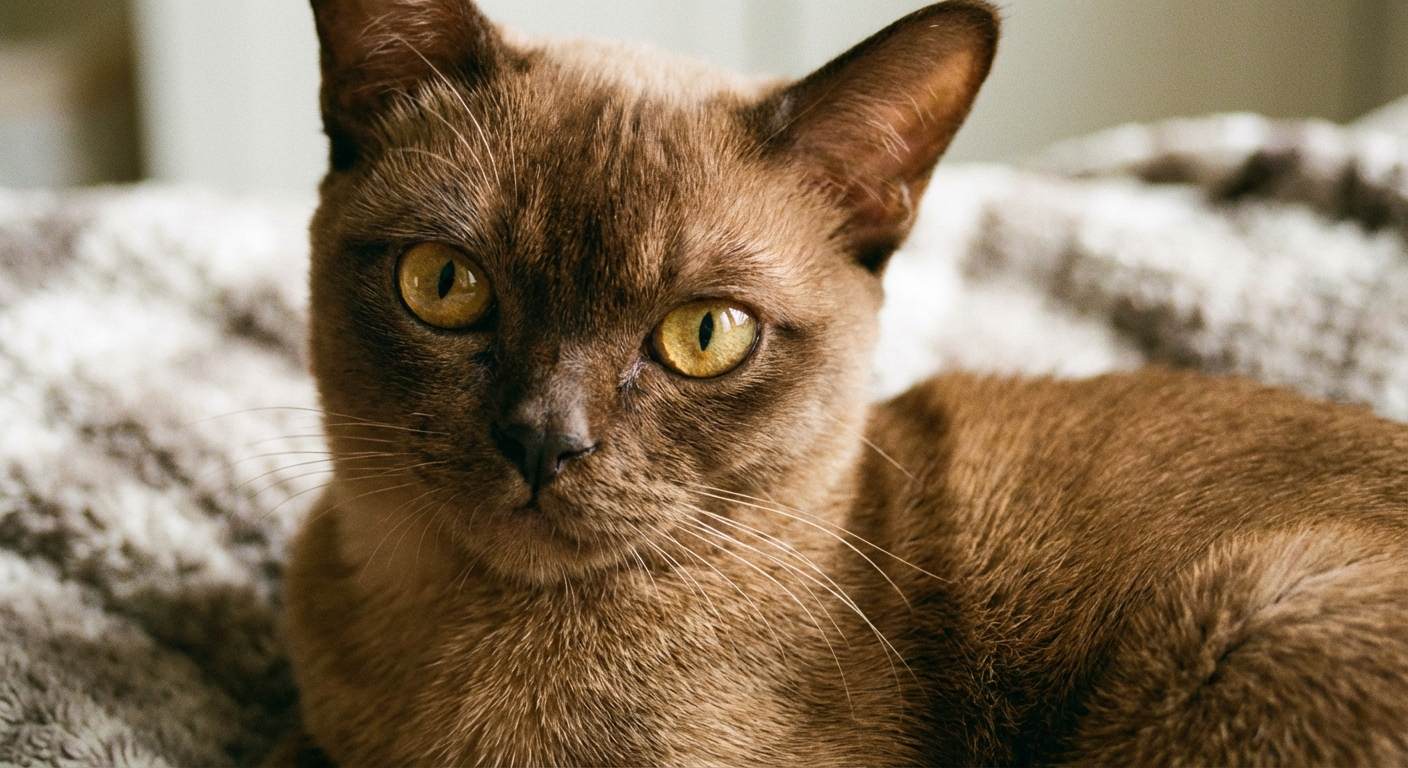
Burmese cats are famous for their satin-like coats and expressive eyes. Their fur is short and lies close to the body, which contributes to that polished, sleek look. Many Burmese feel surprisingly solid when picked up because of their dense muscle, a trait owners often describe as “a brick wrapped in silk.”
Coat colors
Color recognition varies by registry, but you will commonly see rich sable (deep brown), champagne, blue, and platinum. Some registries also recognize additional colors. No matter the shade, the coat tends to have a warm, luminous quality.
Temperament
If you want a cat who keeps you company, Burmese are often a great match. Many tend to be:
- People-centered: Many prefer being where you are, not just in the same house.
- Playful and curious: It is common for them to keep kitten-like habits well into adulthood.
- Confident: Often comfortable greeting visitors and exploring new spaces.
- Vocal: Many enjoy gentle chatting and “opinions,” though how talkative they are varies by line and individual.
One important consideration: many Burmese do not love long stretches alone. If your household is away most of the day, a second pet, a reliable play routine, and enrichment can help fill those quiet hours.
Good fit for your home?
Burmese cats tend to do best with families and individuals who enjoy interaction. They are often well-suited for:
- Families with respectful kids: Their playful nature can be a great match for gentle, supervised play.
- Multi-pet homes: Many Burmese do well with other cats or cat-friendly dogs when introduced thoughtfully.
- Apartment living: They do not need acres of space, but they do need attention and enrichment.
They may be a tougher fit if you want a very independent cat, travel frequently, or prefer a pet that is happiest with minimal engagement.
Daily care and grooming
Coat care
The Burmese coat is fairly low maintenance. A quick weekly brushing or grooming mitt session helps remove loose hair and keeps the coat glossy. Because the fur is short, mats are uncommon. Bathing is usually unnecessary unless your cat gets into something messy.
Hairballs are often less of an issue than in longhaired breeds, but they can still happen. Regular brushing and good hydration help.
Nails, ears, and teeth
- Nails: Trim every 2 to 4 weeks, depending on growth and scratching habits.
- Ears: Check weekly for wax buildup or irritation. Clean only if needed with a vet-approved ear cleaner.
- Teeth: Daily brushing is ideal. Dental health matters more than most people realize, especially as cats age.
Litter box setup
Many Burmese are tidy and routine-driven. Offer a quiet location, scoop daily, and consider a larger box since they can be sturdier than they look.
Nutrition and healthy weight
Because Burmese cats can be food-motivated and social eaters, weight gain is a common preventable issue. We encourage owners to think of nutrition as a daily investment in joint health, heart health, and long-term comfort.
- Measure meals: Use a measuring cup or kitchen scale rather than free-feeding.
- Prioritize protein: Cats are obligate carnivores, and protein supports lean muscle.
- Use treats strategically: Reserve treats for training, nail trims, and enrichment. Keep them a small portion of daily calories.
- Support hydration: Many cats do well with a water fountain and some wet food in the rotation.
Exercise and enrichment
Burmese cats are bright, athletic, and often thrilled to play. Consistent enrichment helps prevent boredom-related behaviors and keeps their bodies strong.
Enrichment ideas
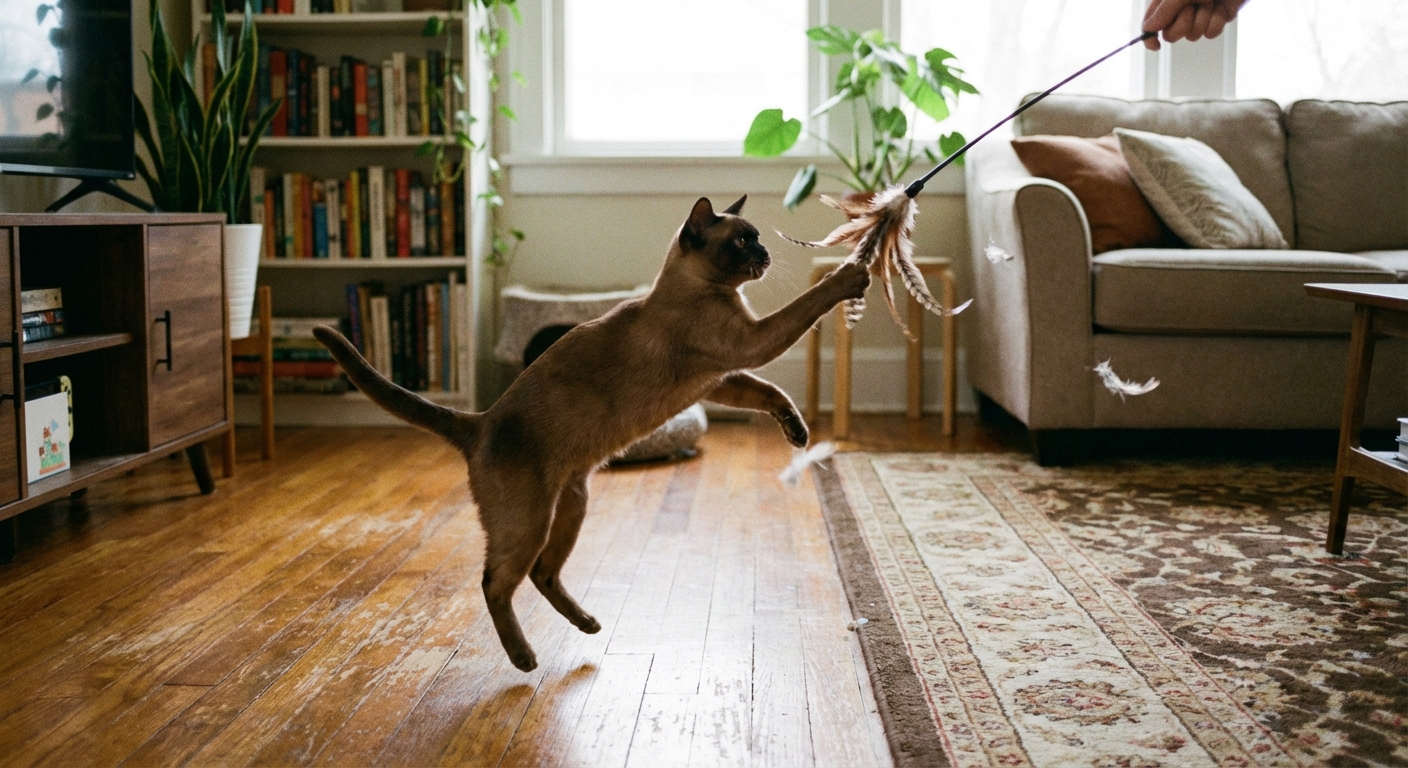
- Two short play sessions daily: 10 to 15 minutes with wand toys, balls, or chase games.
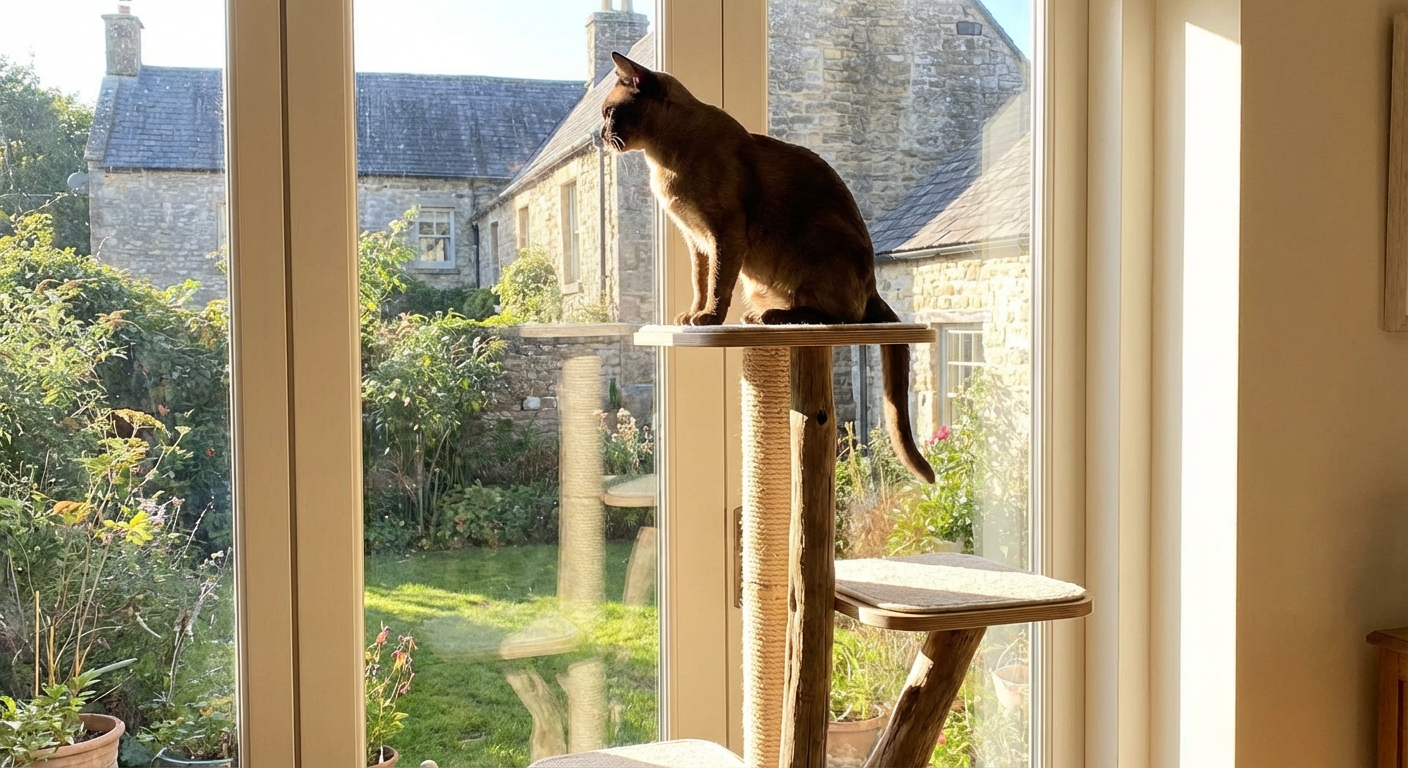
- Climbing options: A sturdy cat tree or wall shelves for vertical exploration.
- Puzzle feeders: Great for slowing fast eaters and adding mental stimulation.
- Training: Many Burmese can learn “sit,” “high five,” or carrier comfort with clicker training.
Health
No cat breed is entirely free of health risks, and good breeding plus good home care both matter. Burmese cats are often robust, but there are a few areas to keep on your radar.
Common health considerations
- Dental disease: Tartar buildup and gum inflammation can affect overall health. Routine dental care and veterinary cleanings when advised are key.
- Weight-related issues: Extra pounds can increase risk for diabetes, arthritis, and reduced grooming ability.
- Diabetes mellitus: Reported at higher rates in some Burmese populations. Maintaining a lean body condition is an important protective step.
- Hypokalemia: Low potassium has been reported in Burmese lines and may cause weakness or neck ventroflexion. Talk with your veterinarian if you notice unusual lethargy or mobility changes.
- Craniofacial defect: A severe inherited condition historically reported in some lines, primarily affecting kittens. Responsible breeding practices aim to reduce risk.
- Heart disease (including HCM): Hypertrophic cardiomyopathy is seen across many breeds and has been reported in some Burmese lines. Screening practices vary, so it is worth asking what is done in a breeder’s program.
Preventive care that helps
- Annual vet visits: Twice yearly for seniors is often recommended.
- Dental plan: Home brushing plus professional guidance.
- Parasite prevention: Based on your region and lifestyle, even for indoor cats.
- Spay or neuter: Discuss timing with your veterinarian.
Pet information is not veterinary advice. If your cat’s appetite, breathing, energy, or litter box habits change, it is worth a call to your veterinary team.
Choosing a Burmese
Whether you adopt or purchase from a breeder, prioritize health and temperament.
Breeder checklist
- Ask about health screening: Request documentation and ask what is monitored in their lines, including dental history, diabetes risk, hypokalemia, and any heart screening (such as echocardiograms) when applicable.
- Review pedigree health history: Ask what conditions have appeared in related cats and how the breeder makes pairing decisions.
- Confirm veterinary care: Ask for veterinary records, vaccines, deworming, and what health guarantee is offered.
- Meet the parents when possible: Temperament can be influenced by early environment and genetics.
- Look for strong early socialization: Kittens raised in a home environment with gentle handling often transition more smoothly.
Adoption tips
- Ask about personality notes: Burmese mixes and Burmese-like cats can share that affectionate, playful vibe.
- Plan a calm transition: A single room setup at first can reduce stress and set the stage for confident bonding.
- Set expectations by age: Kittens are typically busy and bold, while adults may be steadier but still social and engaged.
Living with a Burmese
- Keep them included: Set up a cozy perch near your desk or sofa. They love being part of the moment.
- Protect the curious cat: Secure windows, keep strings and small objects out of reach, and store household cleaners safely.
- Build routine: Many Burmese thrive on predictable feeding and play schedules.
Bottom line
The Burmese cat is affectionate, playful, and deeply connected to their people. If you want a companion who is present, interactive, and happy to be part of daily life, this breed can be a wonderful match. With smart nutrition, regular preventive care, and a little daily play, many Burmese settle into family life beautifully and bring years of warm, loyal companionship.