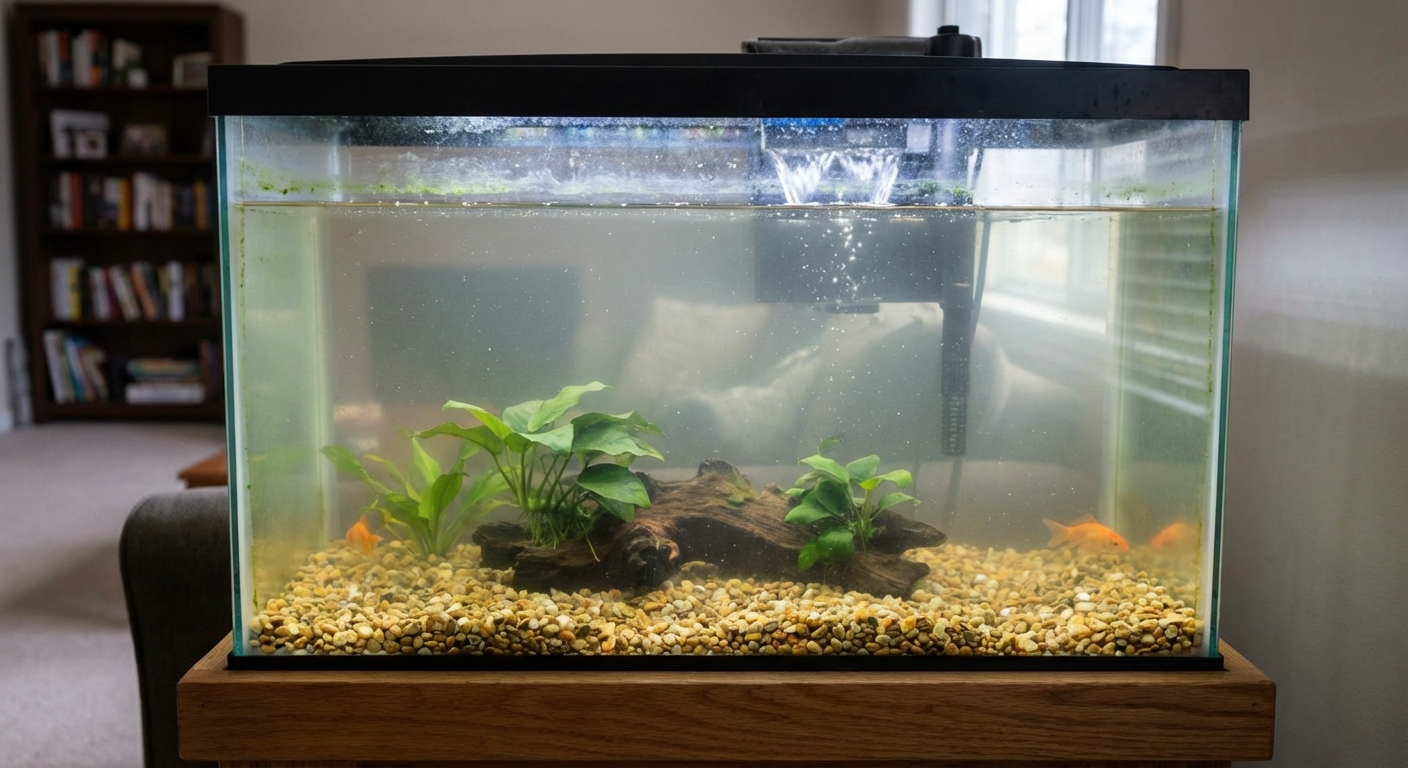
Cloudy aquarium water? Use color clues to find the cause, then test ammonia and nitrite, do safe water changes, boost filtration and aeration, and stop haze ...
Article
•
Designer Mixes
Building a Koi Pond Facts and Insights

Shari Shidate
Designer Mixes contributor
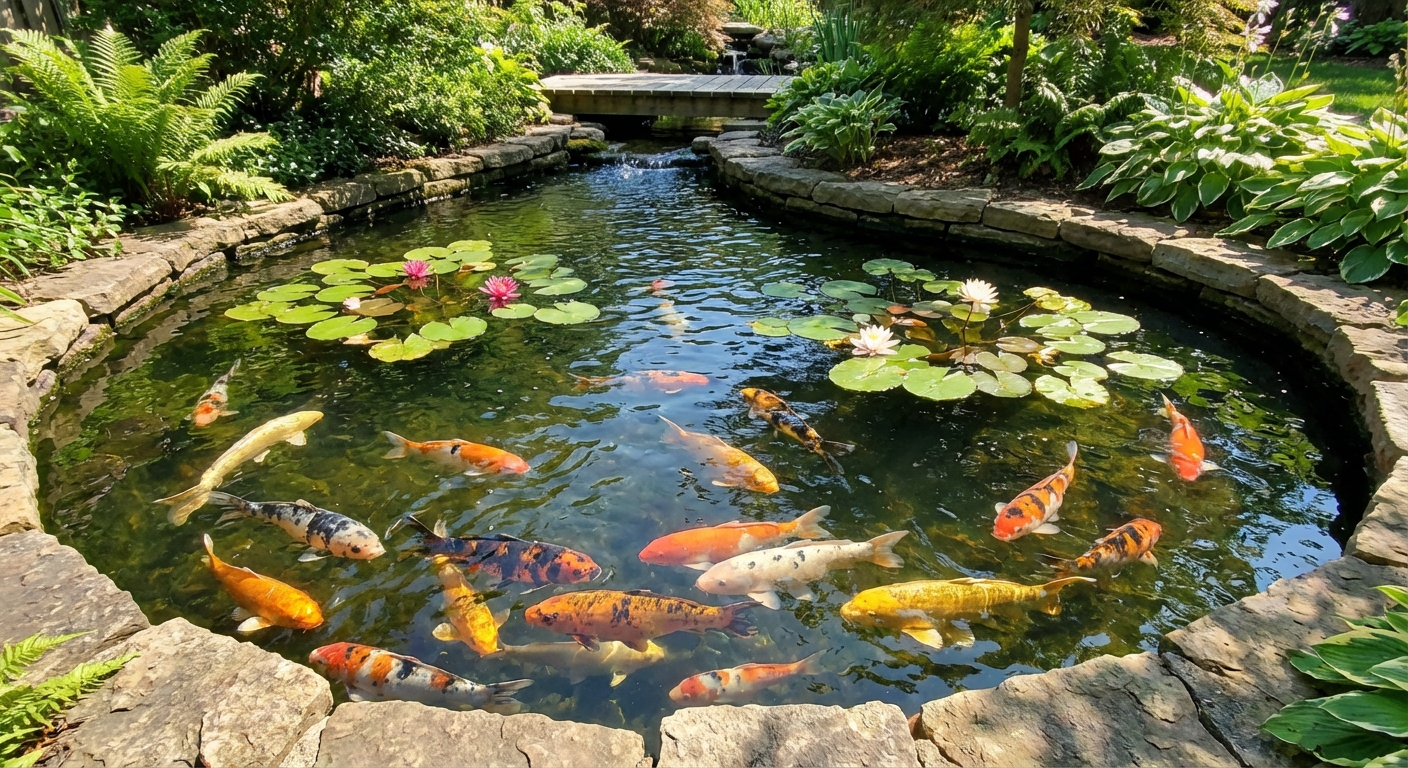
A koi pond is one of those backyard projects that feels magical when it is done. The shimmer of scales, the sound of water, and that peaceful pause you get when you stand by the edge. But koi are not “just” outdoor fish. They are hardy, yes, but they also create a lot of waste and they need stable, oxygen-rich, well-filtered water to truly thrive.
Below are practical, experience- and science-backed facts and insights to help you plan a pond that stays clear, supports fish health, and is easier to maintain long term.
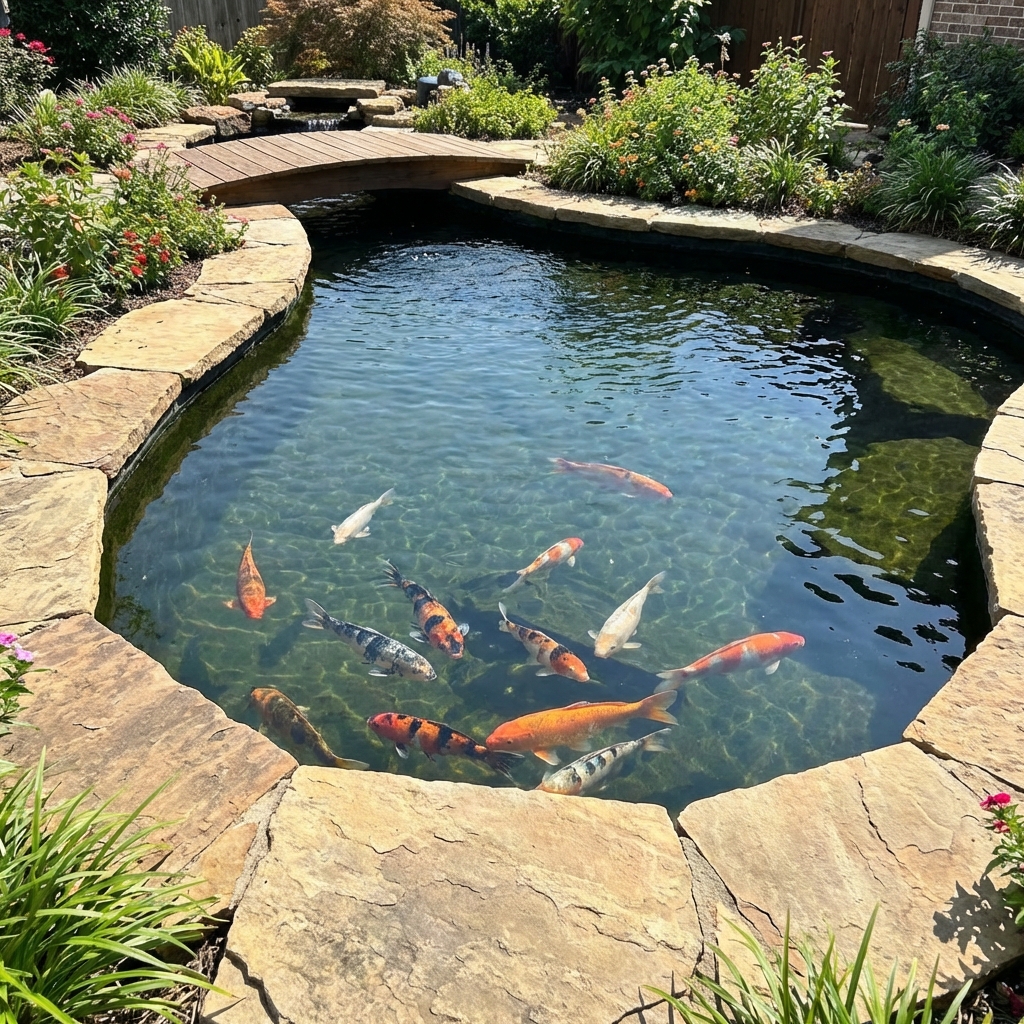
Start with the fish
In the veterinary world, we talk a lot about preventing problems before they start. Koi ponds are similar. Many “pond issues” are actually fish health issues showing up through the water.
- Koi can live decades with good care, so build with the long game in mind.
- They are messy eaters and produce significant waste, which means filtration is not optional.
- Stress is a disease trigger in fish. Poor water quality, rapid temperature swings, and overcrowding can lead to ulcers, fin damage, and parasite outbreaks.
Right size, right depth
If there is one design choice that impacts everything, it is pond volume. Bigger water volume is more stable, which makes it easier to keep water parameters steady and fish stress lower.
Depth guidelines (general)
- Minimum practical depth: often around 3 feet for koi in many climates.
- Cold winters or predator pressure: 4 to 6 feet is often recommended for better temperature stability and protection.
Depth also supports better swimming space and reduces overheating in summer. Local climate matters, so it is smart to check your region’s winter lows and summer highs before finalizing depth. In very cold regions, you may also need a winter plan, such as keeping a small opening in ice for gas exchange and adjusting feeding based on water temperature.
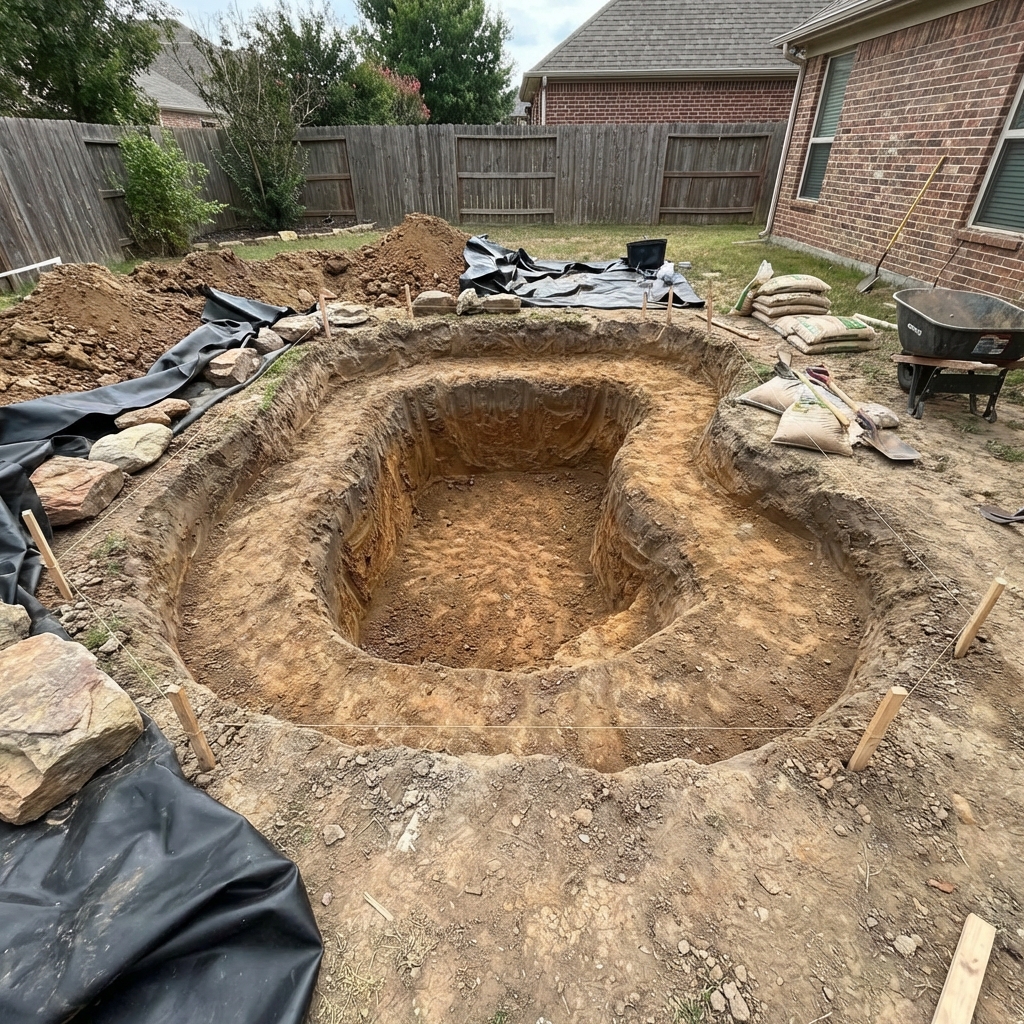
Layout for clean water
A pretty pond that is hard to clean gets neglected. A pond designed for waste removal stays healthier.
Helpful design features
- Bottom drains: help move sinking waste out of the pond, especially when paired with the right flow and prefiltration so solids do not accumulate.
- Skimmers: remove floating debris like leaves and pollen before it breaks down.
- Gentle slopes: help debris move toward drains, instead of settling in dead zones.
- Avoid lots of tiny ledges: shelves can trap waste. If you want plant shelves, keep them easy to access and clean.
Circulation goal
As a practical rule of thumb, many koi ponds aim to circulate the full pond volume about once every 1 to 2 hours. Exact needs depend on your fish load, plumbing, and filter design, but a clear turnover goal makes equipment choices much easier.
Filtration basics
Water can look clear and still be unhealthy. Koi health depends on managing ammonia and nitrite, which are toxic, plus controlling nitrate, which can fuel algae and stress fish at high levels. This is the same nitrogen cycle principle that underpins aquarium care, just on a bigger, messier scale.
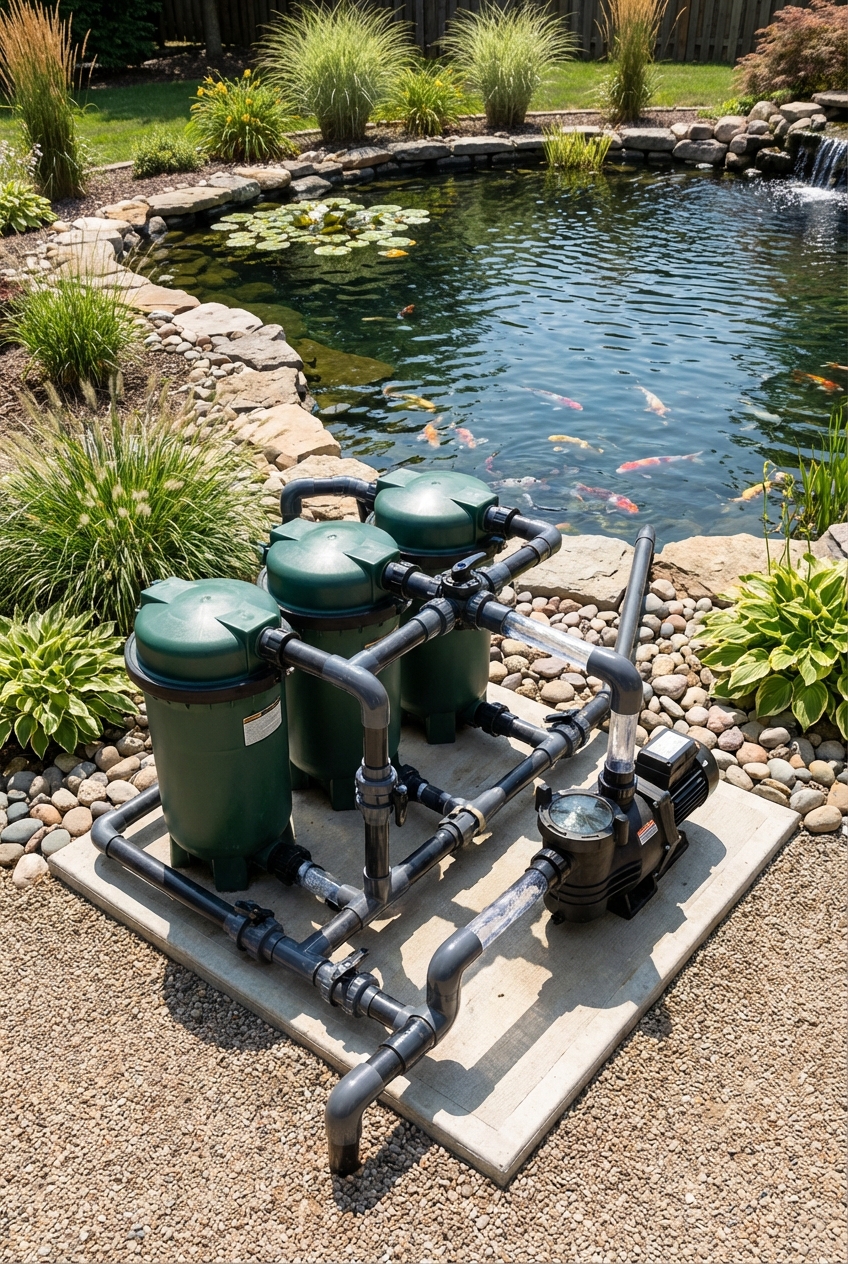
The three filtration jobs to plan for
- Mechanical filtration: physically traps solids like fish waste and plant debris.
- Biological filtration: houses beneficial bacteria that convert ammonia to nitrite, then to nitrate.
- UV clarifier (optional but popular): helps control green water from free-floating algae.
Size filtration for your actual fish load, not just the pond size on paper. Many new ponds are under-filtered because the koi “will grow later.” They always do.
Aeration and circulation
Koi need oxygen, and so do the beneficial bacteria in your biofilter. Warm water holds less oxygen, which is why summer is a common time for fish stress.
- Air pumps and air stones add direct aeration.
- Waterfalls and returns improve surface agitation and circulation.
- Avoid stagnant corners by planning return jets or a flow pattern that moves water throughout the pond.
During heat waves, prioritize aeration, keep an eye on feeding, and watch for early warning signs like surface gulping or lethargy.
Water quality targets
You do not need a chemistry degree, but you do need a routine. Consistent testing is one of the most compassionate things you can do for your fish.
Common target ranges
- Ammonia: 0 ppm
- Nitrite: 0 ppm
- Nitrate: commonly kept under about 40 ppm; lower is better if practical, especially with heavier stocking
- pH: stability matters more than a perfect number; many ponds run roughly 7.0 to 8.5 depending on source water
- KH (carbonate hardness): supports pH stability and healthy biofiltration; many keepers aim roughly 100 to 200+ ppm (about 6 to 11 dKH), adjusted to their water source and stocking
Test more often when the pond is new, after adding fish, after heavy rains, during heat waves, or if fish behavior changes. Avoid chasing pH with quick fixes. Sudden swings are often more dangerous than a steady value that is slightly outside your ideal.
Stocking and feeding
Overcrowding is one of the fastest ways to create chronic water problems. A koi pond can look “fine” one month and then spiral when fish grow and the biofilter cannot keep up.
Stocking basics
- Stock slowly: give the biofilter time to mature and adjust.
- Use conservative numbers: as a starting point, many hobby ponds do better with roughly 250 to 500 gallons per adult koi, depending on filtration, turnover, and your goals.
- Plan for adult size: the cute 6 inch koi is not staying 6 inches.
Feeding basics
- Feed for the season: in cooler water, koi metabolism slows and overfeeding creates waste that the filter may not process well.
- Remove uneaten food when possible. Rotting food quickly impacts ammonia and oxygen.
Plants, shade, and algae
Algae is not always the enemy. A little algae is normal. The goal is balance, not perfection.
What helps
- Shade: partial shade can reduce algae blooms and overheating.
- Plants (used thoughtfully): can absorb nutrients, but decaying plant matter adds waste if not maintained.
- Good mechanical filtration: reduces organics that feed algae.
- UV clarifier: a strong option for green water, especially in sunny yards.
Avoid quick-fix chemicals as your primary strategy. Many treatments can stress fish and disrupt your biological filtration if used incorrectly.
Predator protection
Herons, raccoons, and neighborhood cats can turn a beautiful pond into a buffet. The best protection is layered and realistic.
- Depth and steep sides make it harder for wading predators to hunt.
- Hiding places like koi caves or deeper zones give fish a safe retreat.
- Netting can be seasonal during high-risk times like spring and fall.
- Motion-activated sprinklers are a humane deterrent many pond owners like.
Build timeline
Most koi pond disappointments happen when people expect the pond to behave like an aquarium on day one. A new pond needs time to stabilize.
- Construction and leak testing
- Dechlorination (if using city water). Many supplies use chloramine, so choose a conditioner that neutralizes both chlorine and chloramine.
- Filter cycling to establish beneficial bacteria
- Slow fish introduction
- Early maintenance routine while the ecosystem matures
If you want a healthy pond, patience is not just a virtue. It is a practical tool.
Quarantine new fish
New koi are one of the most common ways parasites and bacterial infections enter an otherwise stable pond.
- Quarantine when possible: even a simple, aerated holding tank with filtration can reduce risk.
- Observe before mixing: watch for flashing, clamped fins, sores, or breathing issues.
Maintenance that works
A simple routine prevents most emergencies.
Weekly or biweekly basics
- Check fish behavior: appetite, surface gulping, flashing, clamped fins
- Skim leaves and empty skimmer basket
- Rinse mechanical filter media using pond water (not chlorinated tap water)
- Test ammonia, nitrite, and pH during the first season, then as needed
- Partial water changes if nitrates creep up, water yellows, debris builds, or clarity drops
If fish ever look unwell, treat it like a health concern first. Test the water before you assume it is “a parasite problem.” Poor water quality is one of the most common root causes. If you see persistent ulcers, repeated losses, or problems that do not respond to water corrections, it is worth consulting an experienced koi health advisor or fish veterinarian.
Quick planning checklist
- Plan for depth and volume first
- Include a skimmer and consider bottom drains with proper prefiltration
- Over-filter rather than under-filter
- Add aeration, especially during hot summers in your region
- Aim for steady circulation (often about 1 to 2 hour turnover)
- Cycle the filter before fully stocking
- Quarantine new fish when possible
- Commit to a simple testing and cleaning routine
Healthy koi ponds are not built on gadgets alone. They are built on stable water, good circulation, and realistic stocking.