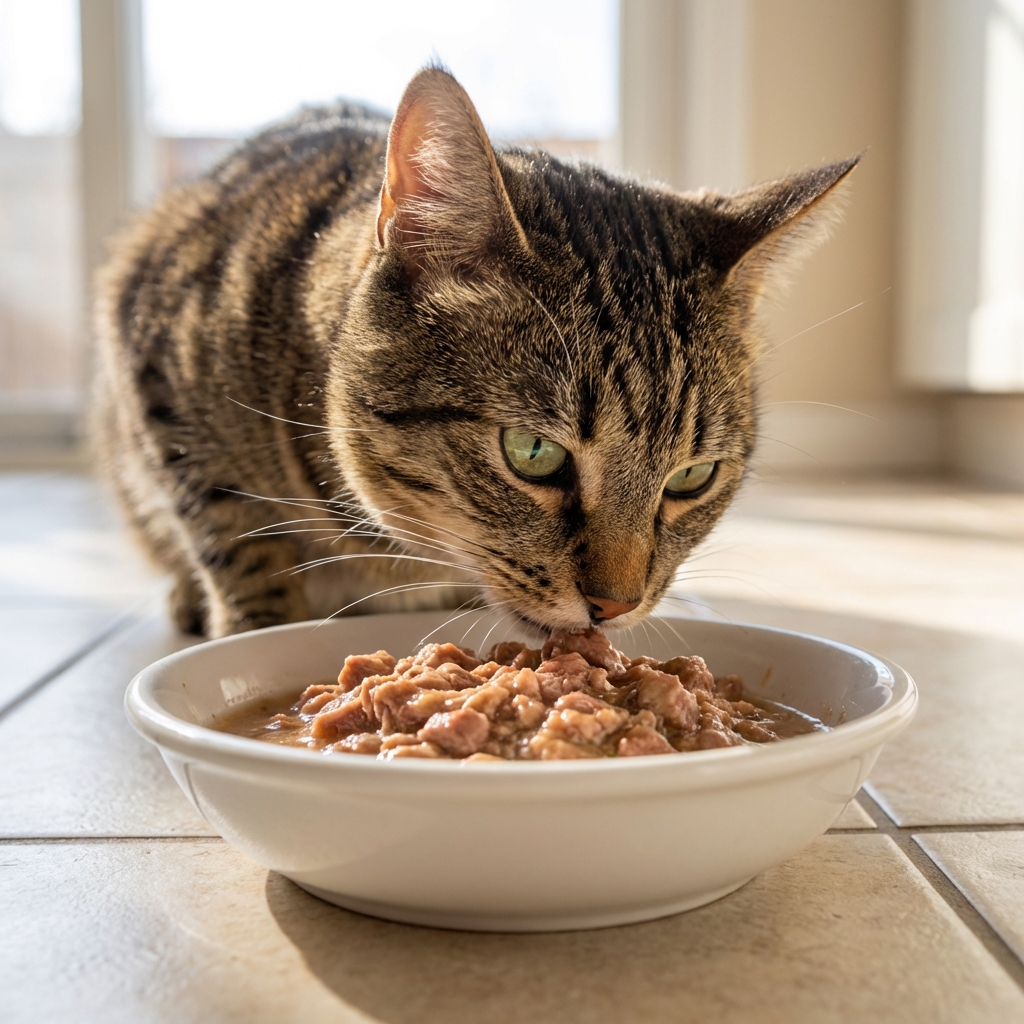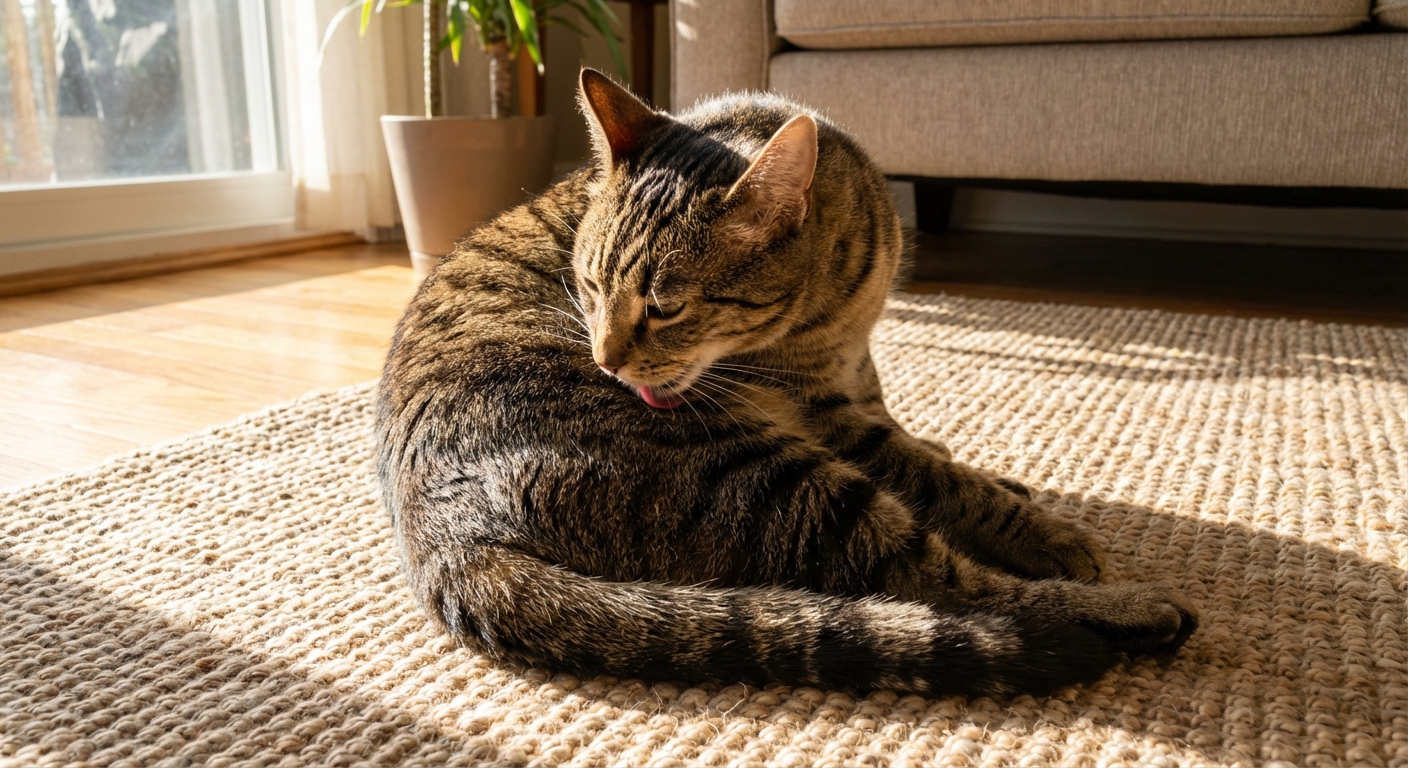
Learn what a true hairball looks like, how often is normal, and the red flags that need a vet or ER. Proven prevention: brushing, hydration, diet, and safe g...
Article
•
Designer Mixes
British Shorthair Personality, Care, and Shedding

Shari Shidate
Designer Mixes contributor
The British Shorthair is famous for that plush, teddy-bear look, but what really wins people over is the temperament: calm, steady, and quietly affectionate. If you are considering this breed for your home or already share your couch with a round-cheeked companion, understanding their personality, grooming needs, and shedding patterns will help you keep them comfortable and healthy.
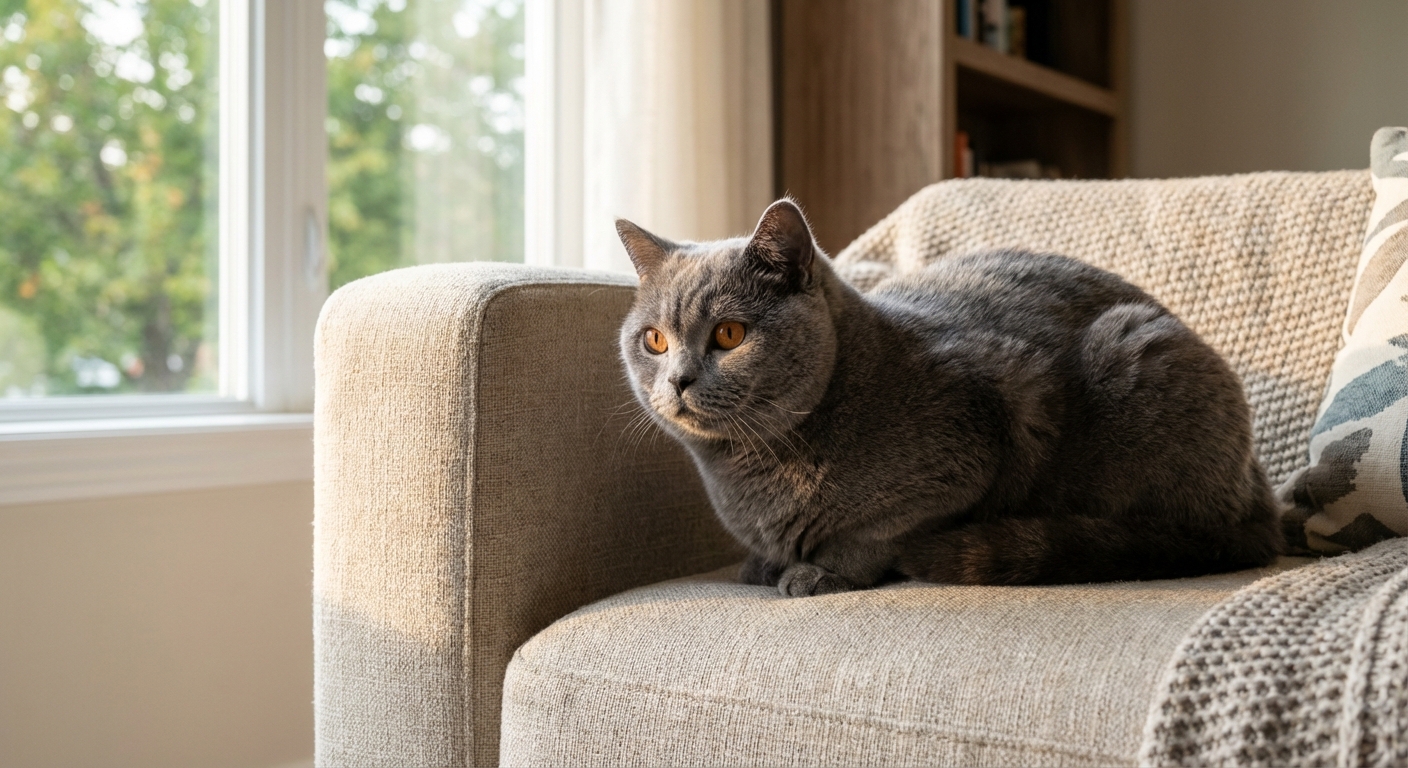
British Shorthair personality
British Shorthairs tend to be easygoing cats that bond deeply with their people without demanding constant attention. Many owners describe them as “present but not pushy.” They often prefer to be near you rather than on you, although every cat is an individual.
What most families notice
- Calm confidence: They are typically less jumpy than many high-energy breeds and do well in predictable households.
- Affection on their terms: Many enjoy petting sessions and will follow you from room to room, but they may not love being carried for long periods.
- Quiet voice: They are not usually loud or talkative, though they will communicate when they need something.
- Playful, not hyper: Expect bursts of play, especially with wand toys, followed by long naps.
- Good with respectful kids and pets: With slow introductions and gentle handling, they often adapt well to multi-pet homes.
Are they lap cats?
Some British Shorthairs become lap cats as they mature, but many prefer to sit beside you. If you want a cat that is constantly in your arms, this breed may feel a little independent. If you want a companion that is steady and sweet without being clingy, they are a wonderful match.
Daily care basics
British Shorthairs are not high-maintenance, but they do best with consistent routines. Veterinarians often emphasize preventive care for cats, and the same idea applies here. Small habits now can help prevent bigger issues later.
Nutrition and healthy weight
This breed can be prone to weight gain because they are built stocky and often have moderate activity levels. Extra pounds can increase the risk of arthritis and diabetes, and they may also contribute to urinary tract issues in some cats.
- Choose a complete, balanced diet that meets AAFCO standards for your cat’s life stage.
- Measure meals instead of free-feeding if your cat gains weight easily.
- Use treats strategically. Keep treats to a small portion of daily calories and opt for high-protein options.
- Ask your veterinarian for a target weight and body condition score, especially after spay or neuter.
Enrichment and exercise
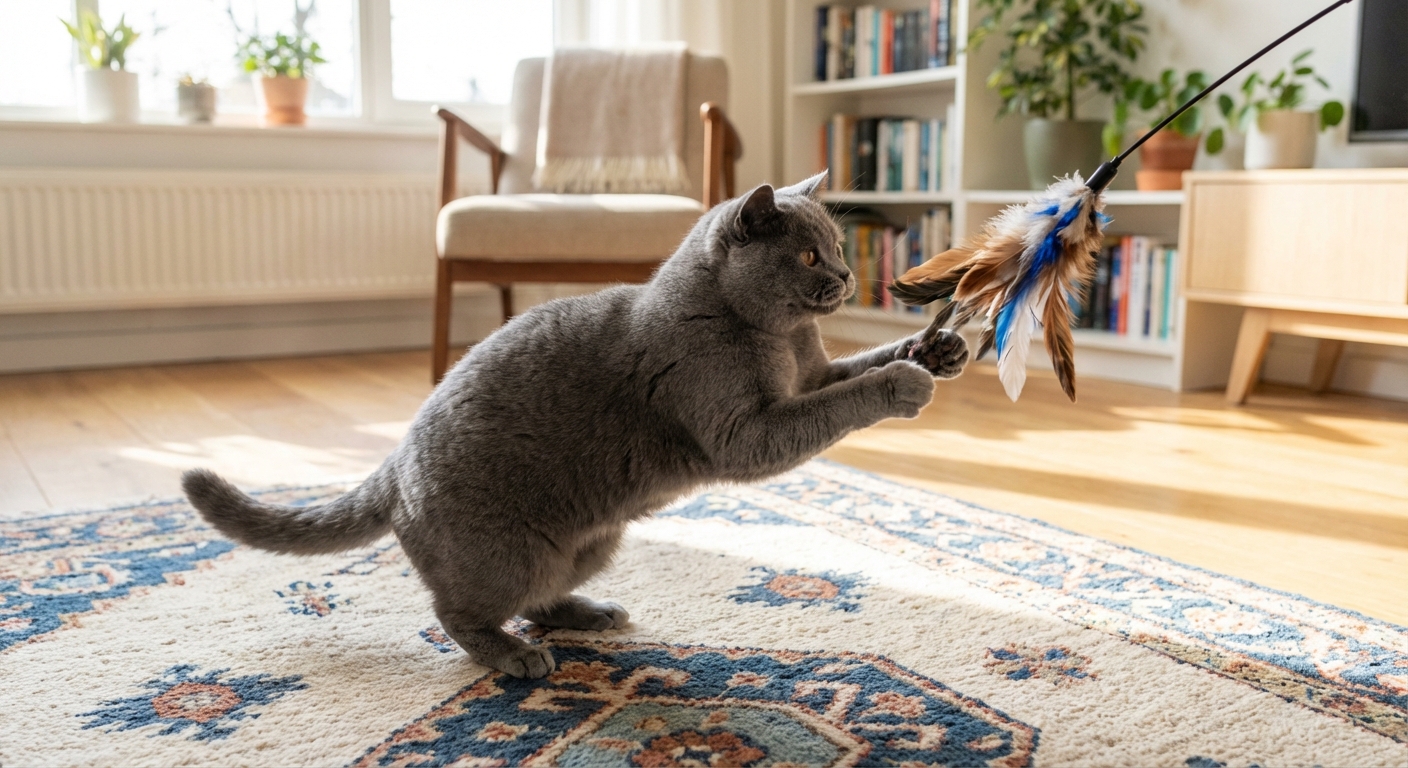
British Shorthairs may not demand play, but they still need it. Aim for two short play sessions a day to support muscle tone, joint health, and mental well-being.
- Wand toys for stalking and pouncing
- Treat puzzles to slow eating and add activity
- Cat trees or sturdy window perches for climbing and birdwatching
Litter box habits
These cats are usually reliable with the litter box. If you notice changes like straining, frequent trips, accidents, or blood in urine, treat it as urgent, especially in male cats. A urinary blockage can be life-threatening and is a same-day emergency.
Shedding: what to expect
British Shorthairs have a dense, plush coat with a thick undercoat. They are not considered hypoallergenic and they do shed. Most owners notice heavier shedding during seasonal coat changes, often in spring and fall, although indoor cats can shed year-round due to stable temperature and lighting.
Why the coat sheds
- Coat density: A lot of hair is packed into that soft “velvet” texture.
- Seasonal cycles: Many cats blow coat when day length changes.
- Indoor living: Consistent indoor climate can make shedding more continuous.
Normal shedding vs a problem
Some hair on your furniture is expected. Talk to your veterinarian if you notice any of the following:
- Bald patches, scabs, or redness
- Intense itching, head shaking, or overgrooming
- Hair loss paired with vomiting, diarrhea, or weight changes
- Dull coat, excessive dandruff, or a “greasy” feel
Those signs can point to allergies, parasites, fungal infection, pain, stress, or underlying medical issues such as hormonal disease (including hyperthyroidism). Cats are masters at hiding discomfort, so coat changes can be an early clue.
Grooming for a British Shorthair
The good news is that the British Shorthair coat is fairly easy to maintain. The real secret is consistency. A little brushing often is much easier than trying to catch up once fur is everywhere.
Brushing routine
- Most weeks: Brush 1 to 2 times per week.
- Peak shedding seasons: Increase to 3 to 4 times per week.
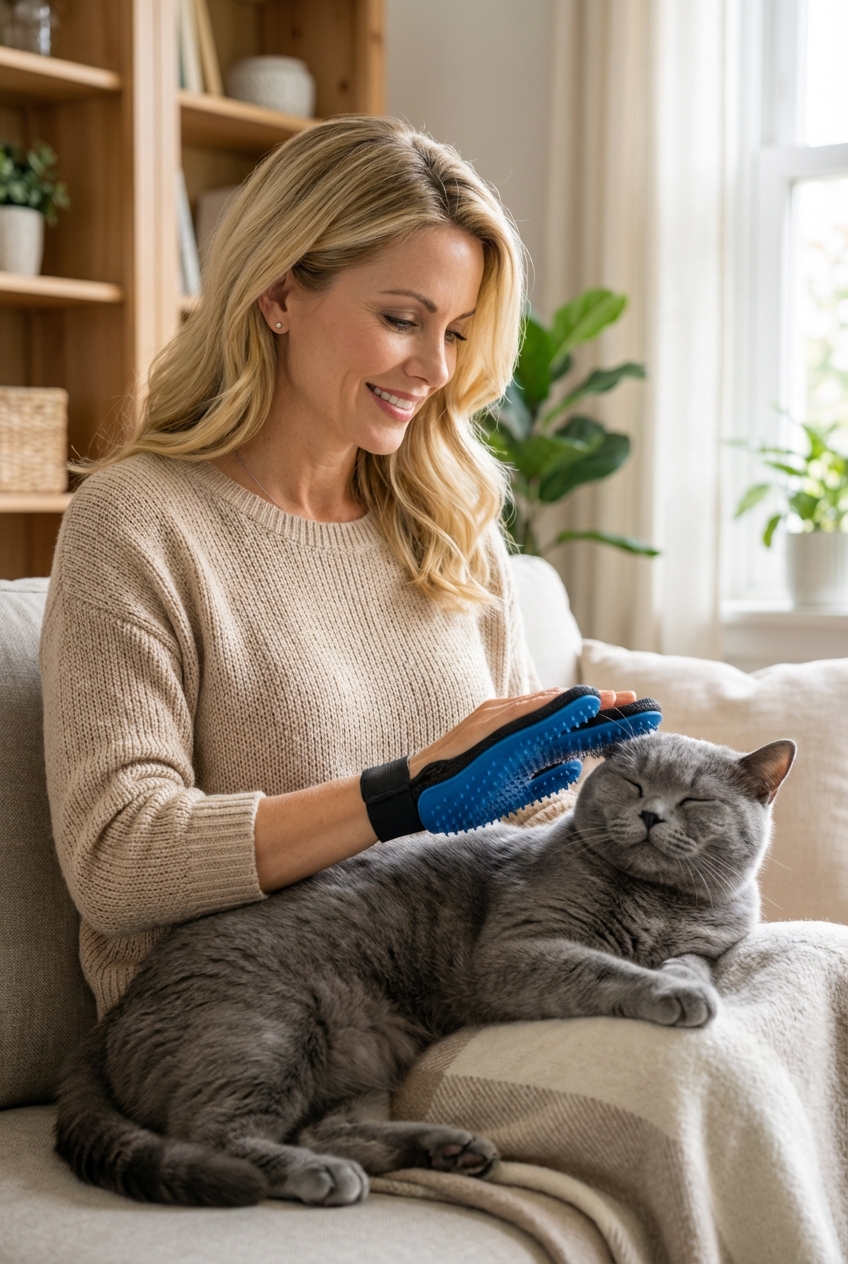
- Tools: A soft slicker brush or rubber curry-style grooming mitt can work well for dense coats. Be gentle and avoid scraping the skin.
Brushing helps reduce loose fur, limits hairballs, and gives you a weekly chance to check for skin irritation, fleas, or lumps.
Bathing
Most British Shorthairs rarely need baths. A bath may help if your cat gets into something messy, has a greasy coat you cannot manage with brushing, or if your veterinarian recommends it for a skin condition. Use a cat-specific shampoo and keep the experience calm and brief.
Hairball support
British Shorthairs can develop hairballs simply because they have so much coat. Brushing is step one. If hairballs are frequent, if your cat is gagging repeatedly without producing a hairball, or if you see appetite changes or lethargy, contact your veterinarian. Persistent coughing or gagging can sometimes look like hairballs but be related to asthma or gastrointestinal issues.
Nails, ears, and teeth
- Nails: Trim every 2 to 4 weeks, or as needed. Provide scratching posts to help naturally file nails.
- Ears: Check weekly for wax buildup or odor. Clean only if your vet recommends it and never insert anything deep into the ear canal.
- Teeth: Dental disease is common in cats. Daily brushing is ideal, but even a few times per week helps. Regular veterinary exams are your safety net.
Health notes to know
No online article can replace a relationship with your veterinarian, but it helps to understand the common concerns owners ask about.
Common concerns
- Weight gain: Stocky build plus a relaxed personality can equal extra pounds if meals are not portioned.
- Dental disease: Like many breeds, they benefit from proactive dental care.
- Heart disease screening: Hypertrophic cardiomyopathy (HCM) can occur in cats. Some breeders screen breeding cats, often with echocardiograms (and sometimes genetic testing where available), but screening does not eliminate risk. Your veterinarian can guide you on exams and when an echocardiogram is appropriate.
- Arthritis as they age: Heavier bodies can stress joints. Keeping a lean body condition is one of the best preventives.
If you are buying a kitten, ask the breeder what health screenings they do and which conditions are present in their lines. Your veterinarian can help you interpret those results and plan ongoing care.
Vet tip: If your British Shorthair seems “just a little less jumpy” or stops using high perches, do not assume it is only age. Subtle behavior changes can be a sign of pain.
Making life easier
Because they are calm and adaptable, British Shorthairs can do well with working families, as long as they have predictability and a few comfort basics.
- Create a quiet rest area with a bed and a hiding spot.
- Offer vertical space like a stable cat tree or window perch.
- Use interactive play to build confidence, especially after a move.
- If you travel, keep feeding and play times consistent with a trusted sitter.
Bottom line
The British Shorthair is a wonderful companion for people who love a mellow, affectionate cat with a plush coat and a steady temperament. Expect moderate shedding that often spikes seasonally, and plan for simple, regular grooming and weight-conscious feeding. With those basics in place, most British Shorthairs thrive and bring a calm, comforting presence to the home.