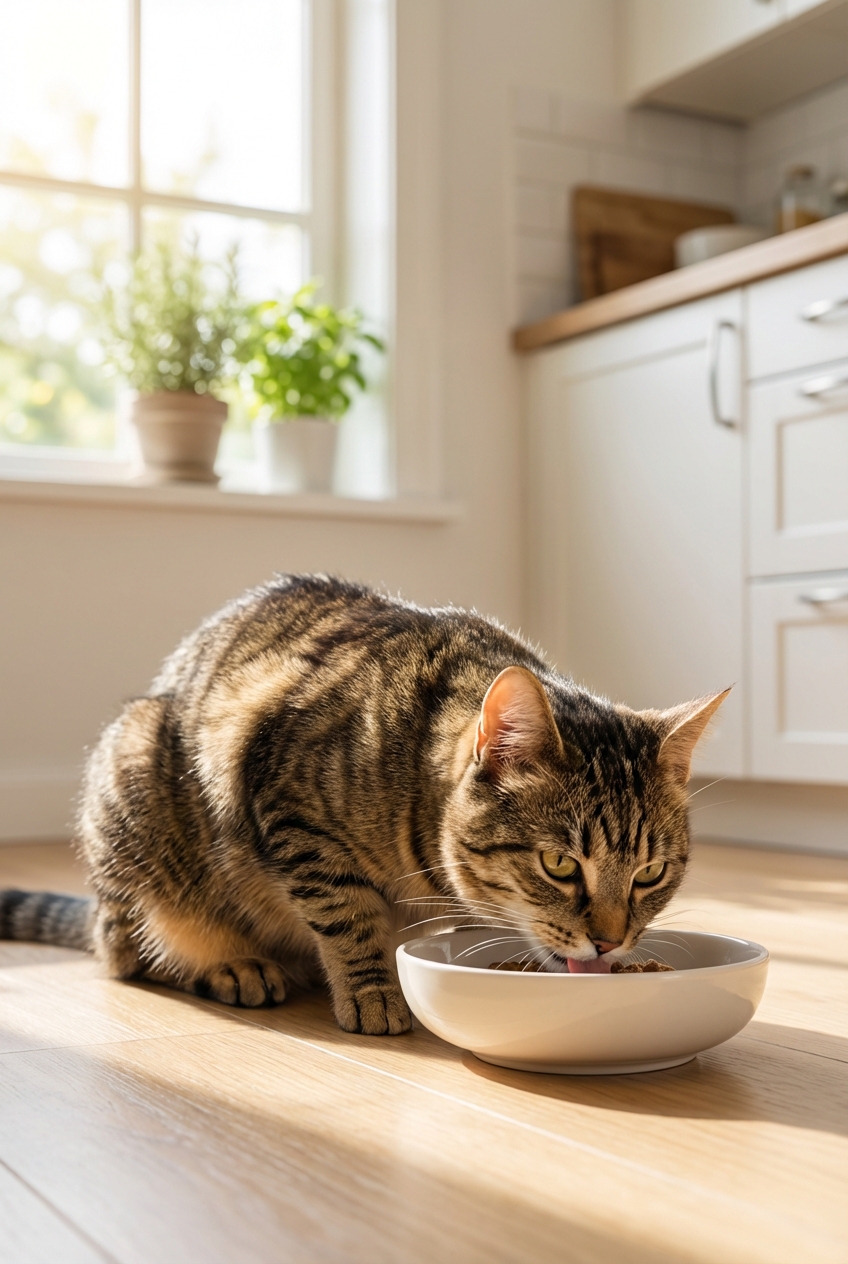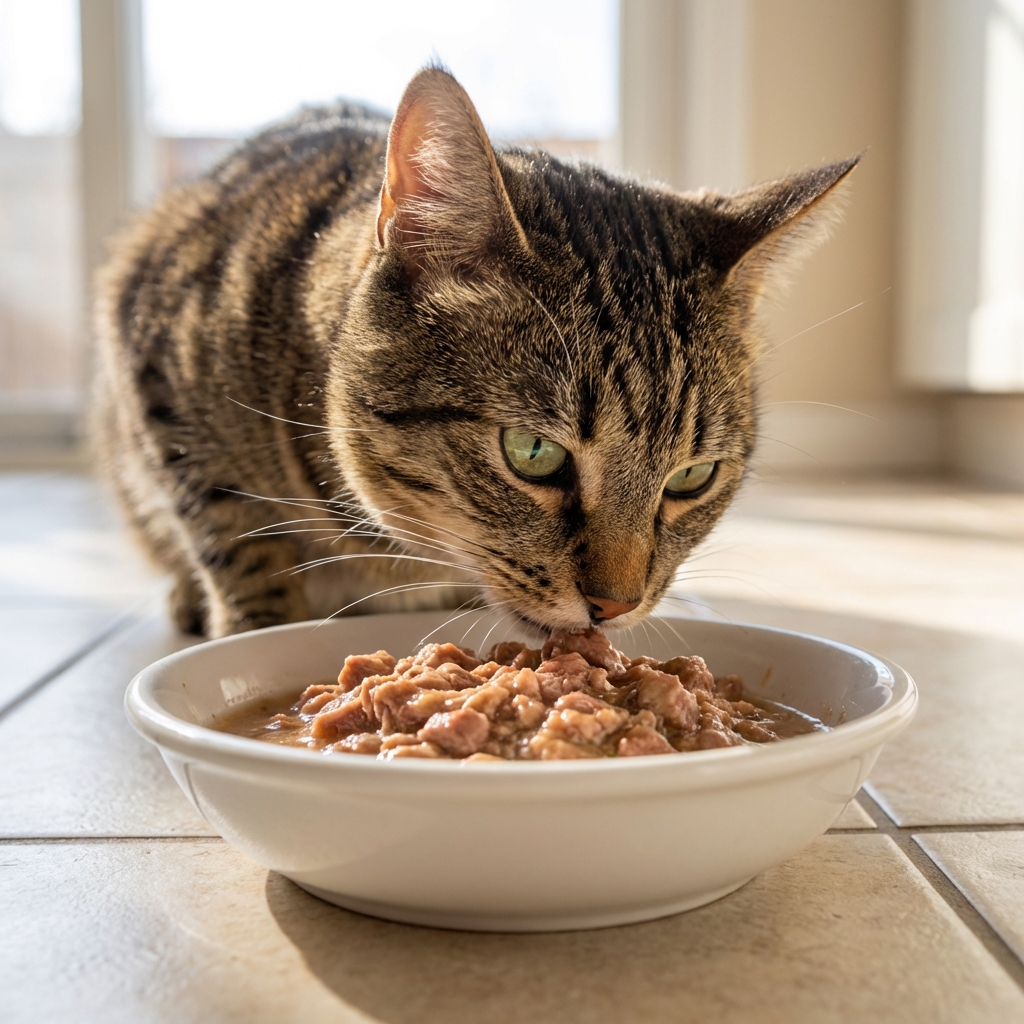
Compare wet vs dry cat food with vet-informed pros and cons. Learn how moisture affects urinary and kidney health, how carbs and calories differ, and when co...
Article
•
Designer Mixes
British Shorthair Cat Breed

Shari Shidate
Designer Mixes contributor
Meet the British Shorthair
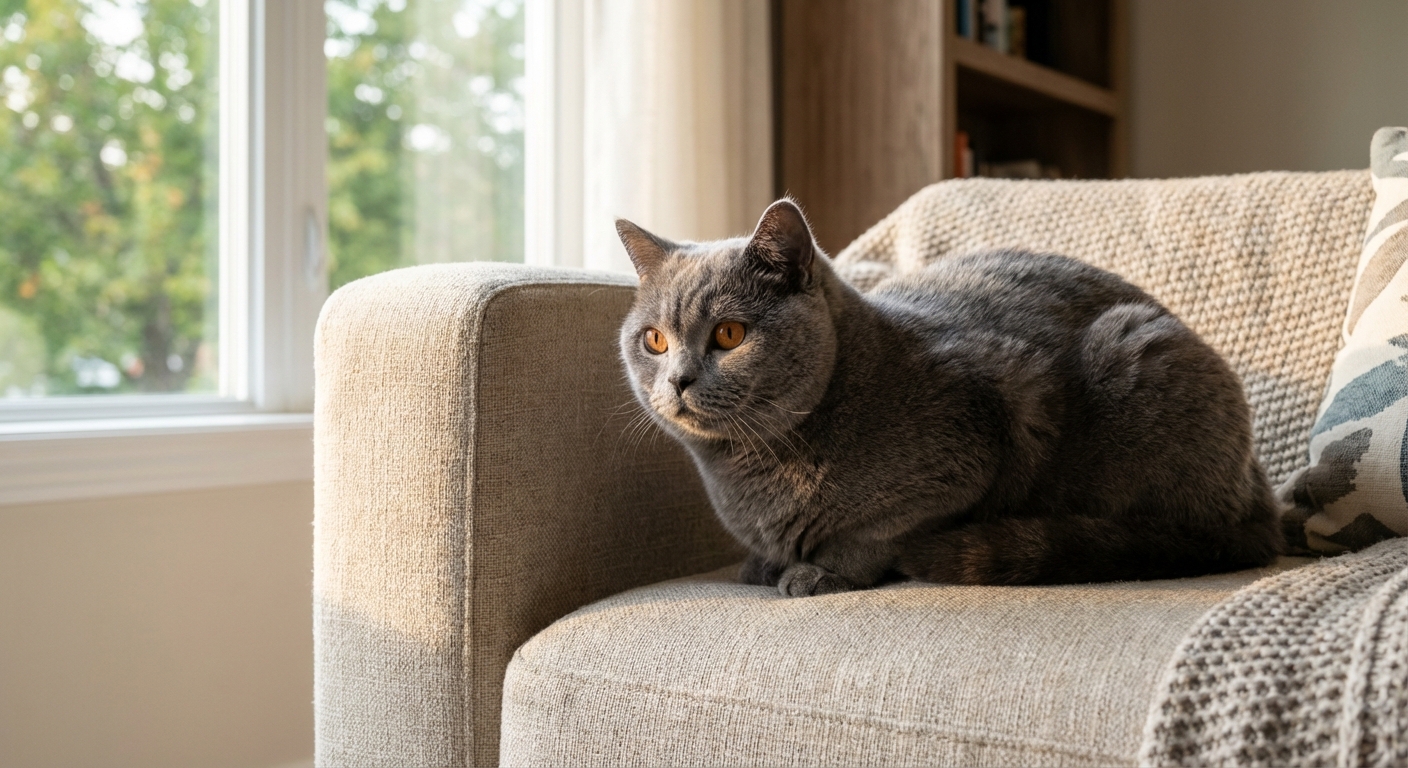
The British Shorthair is one of the most recognizable cat breeds in the world, known for a plush, dense coat, a round face, and a calm, steady presence. Many people fall in love with their teddy bear look, but what keeps families devoted is their easygoing temperament and predictable routines. If you want a cat that enjoys being near you without demanding constant attention, this breed often fits beautifully.
Quick stats: Most British Shorthairs live around 12 to 20 years . Adults are solidly built, with typical weights around males: 9 to 17 lbs and females: 7 to 12 lbs, though size can vary by lineage, diet, and activity.
Origin and Breed History
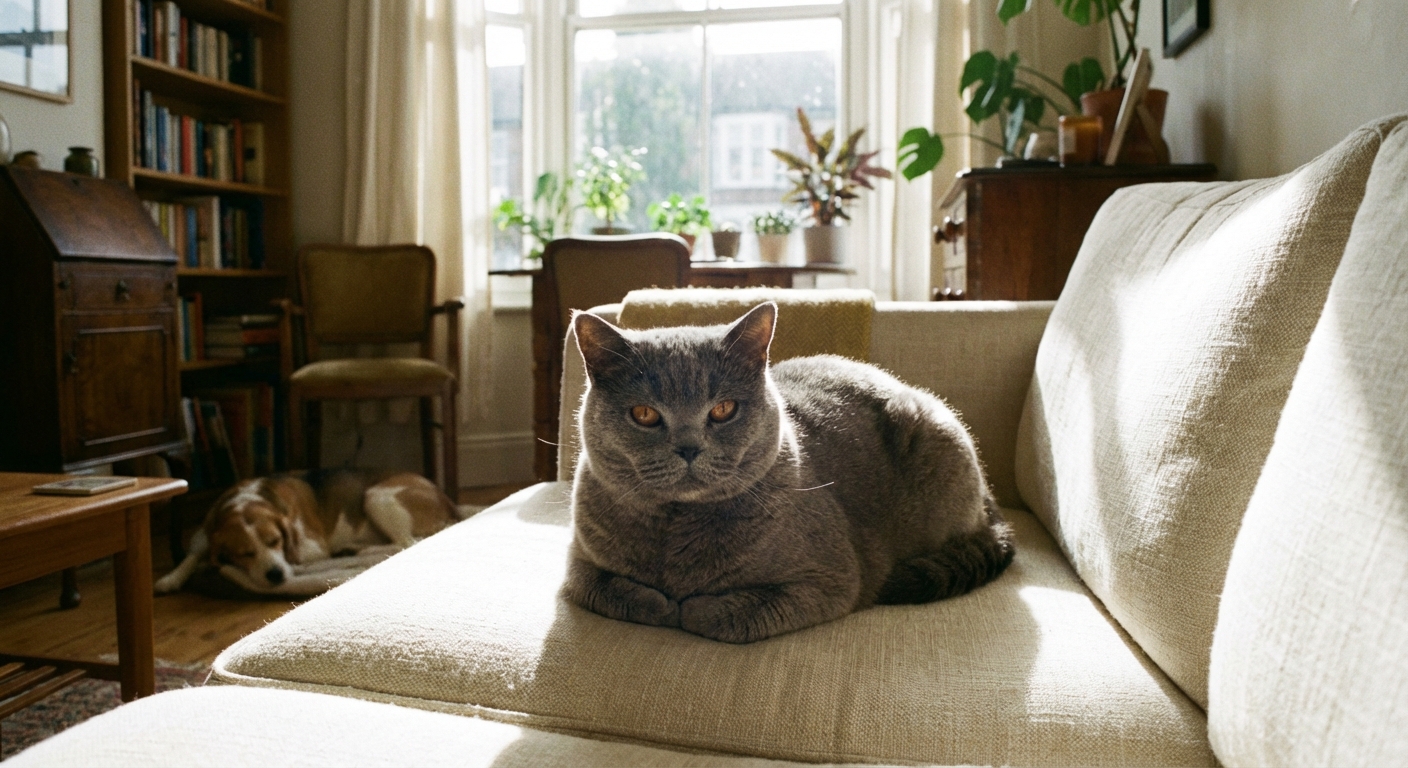
The British Shorthair has deep roots in the United Kingdom. Their ancestors are often linked to sturdy, working cats that helped control rodents in homes and barns. Over time, selective breeding favored a thicker coat, a solid build, and that signature round-headed look.
The classic “British Blue” color became especially famous, but today the breed comes in many coat colors and patterns. While the appearance is iconic, the underlying theme in the breed’s history is practicality: a robust, adaptable cat built for the British climate and a close partnership with people.
Temperament and Personality
British Shorthairs are commonly described as calm, loyal, and quietly affectionate. In my experience working with families, they often do best with people who appreciate a companion that likes closeness on their terms. Many will follow you from room to room, settle nearby, and keep an eye on what you are doing.
What to expect day to day
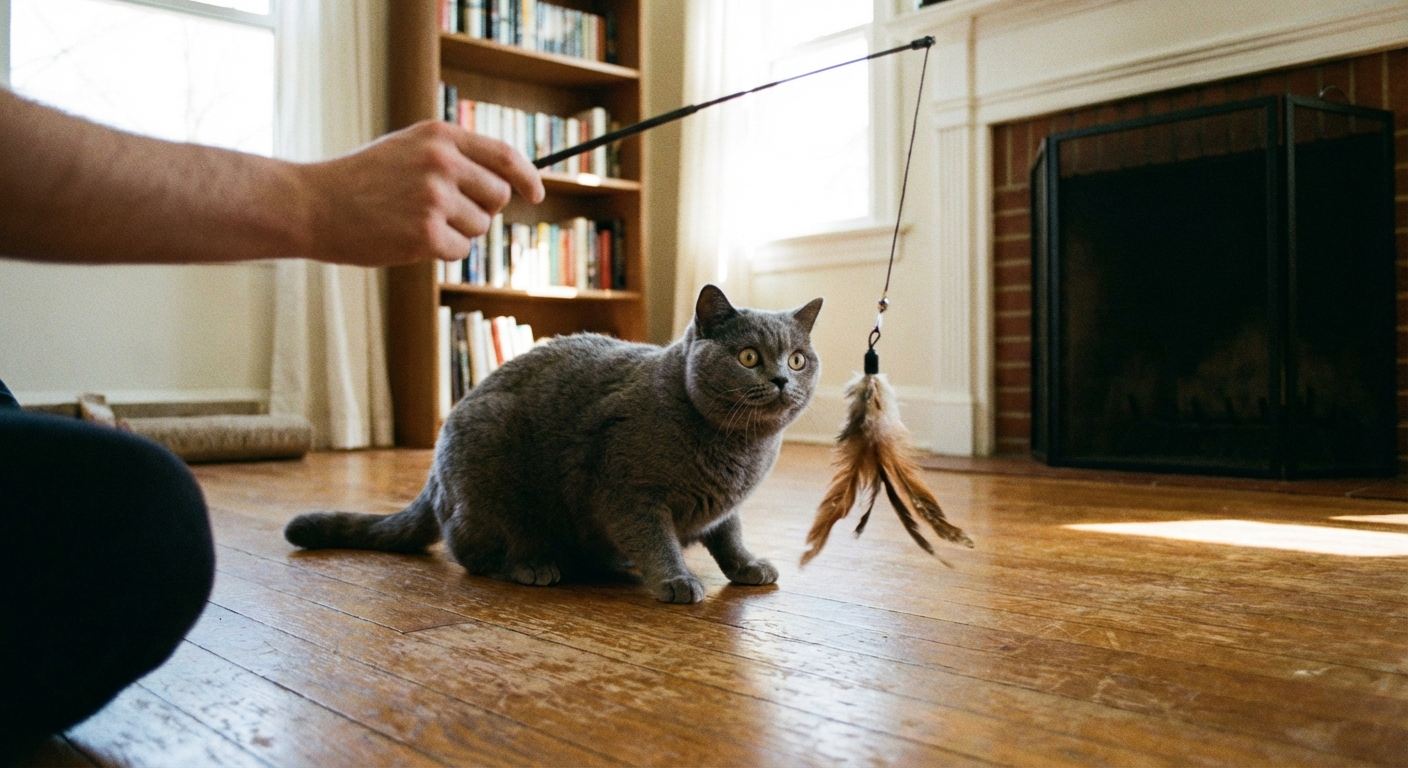
- Moderate playfulness: They enjoy interactive play, but they are not typically nonstop athletes.
- Low drama: They tend to be steady and less prone to anxious or reactive behavior when their environment is consistent.
- Affection without clinginess: Many enjoy petting and social time, but may not love being carried for long stretches.
- Quiet voice: They can be communicative, but are often less vocal than some other breeds.
Suitability as a Pet
British Shorthairs can make wonderful pets for a wide range of households, including first-time cat guardians. Their overall adaptability is a major reason they stay so popular.
Great match for
- Busy professionals: They often cope well with predictable alone time, especially with enrichment and companionship.
- Families with children: Many tolerate respectful kids well, particularly when children are taught gentle handling.
- Apartment living: They do not require enormous space, but do need daily play and climbing opportunities.
- Multi-pet homes: With gradual introductions, they often do well with other cats and cat-friendly dogs.
If you want a cat that sits in your lap for hours every day, some British Shorthairs do, but many prefer to sit right beside you. It helps to choose a temperament match and let the cat set the pace for affection.
Appearance and Coat
This breed is known for its solid, muscular body, thick legs, and a plush coat that feels almost like velvet. Their eyes are typically large and round, contributing to an expressive, gentle look. British Shorthairs tend to mature slowly, and many do not fully fill out until they are older, which is part of what gives them that substantial, teddy bear presence.
Coat colors and patterns
British Shorthairs come in many colors including blue, black, white, cream, red, chocolate, lilac, and a variety of tabby and bi-color patterns. Coat type stays consistent across colors: short, dense, and resilient.
Health Considerations
British Shorthairs are generally considered a robust breed, but like all purebred cats, they can be prone to certain health issues. The most helpful approach is prevention: quality nutrition, a healthy weight, routine veterinary care, and early attention to any changes in appetite, litter box habits, or activity.
Common concerns to discuss with your veterinarian
- Weight gain and obesity: Their calm nature and strong appetite can make weight management important.
- Dental disease: Like many cats, they benefit from dental-friendly routines and regular dental checks.
- Hypertrophic cardiomyopathy (HCM): A heart condition seen in many breeds. Reputable breeders may screen, but regular veterinary exams still matter.
- Polycystic kidney disease (PKD): Reported in some lines, especially with certain breed histories. Ask about screening and family history.
Always work with a veterinarian for individualized guidance, and consider pet insurance early if it fits your budget. It is one of the simplest ways to reduce financial stress if an unexpected condition appears later.
Care and Grooming
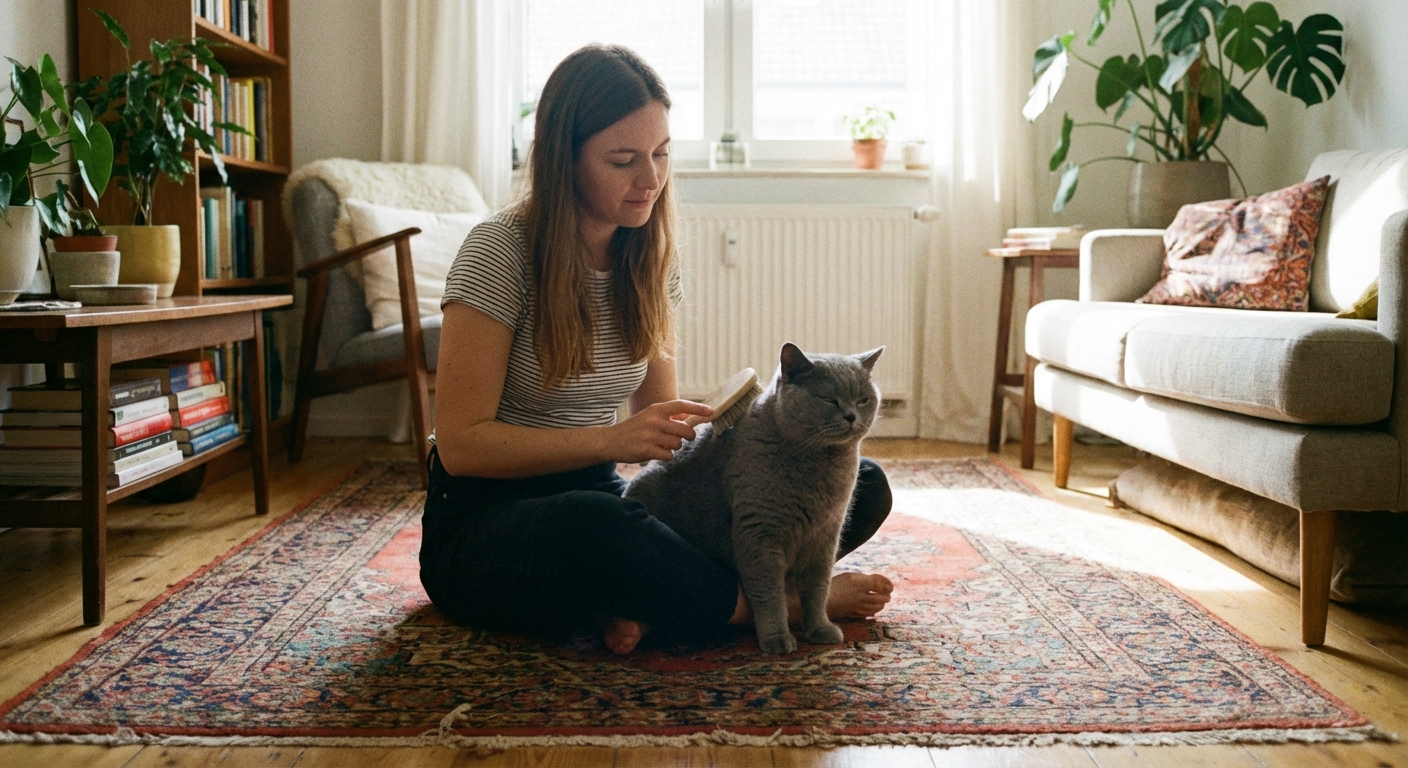
British Shorthairs are relatively low-maintenance compared to long-haired breeds, but their dense coat benefits from consistent brushing. Think of grooming as both coat care and a bonding routine.
Simple care checklist
- Brushing: 1 to 2 times per week, and more during seasonal shedding.
- Nail trims: Every 2 to 4 weeks depending on growth and scratching habits.
- Dental care: Tooth brushing if possible, plus vet-recommended dental support.
- Ear and eye checks: Wipe only when needed, using veterinarian-approved products.
Nutrition and Healthy Weight
Because British Shorthairs can be prone to weight gain, portion control matters. Choose a complete and balanced diet that matches your cat’s life stage, activity level, and any veterinary recommendations. If your cat is food-motivated, puzzle feeders and scheduled meals often work better than free-feeding.
Practical tips that help
- Measure meals: Use a measuring cup or kitchen scale for consistency.
- Prioritize protein: Cats are obligate carnivores and generally do best with protein-forward diets.
- Limit treats: Keep treats as a small percentage of daily calories.
- Track body condition: Ask your vet to show you how to assess body condition score at home.
Exercise, Play, and Enrichment
British Shorthairs may not demand constant play, but they still need daily movement for joint health, muscle tone, and mental well-being. Short, engaging sessions are often more successful than one long session.
Enrichment ideas
- Interactive wand toys: Mimic prey movements for natural hunting behavior.
- Food puzzles: Encourage slow eating and mental engagement.
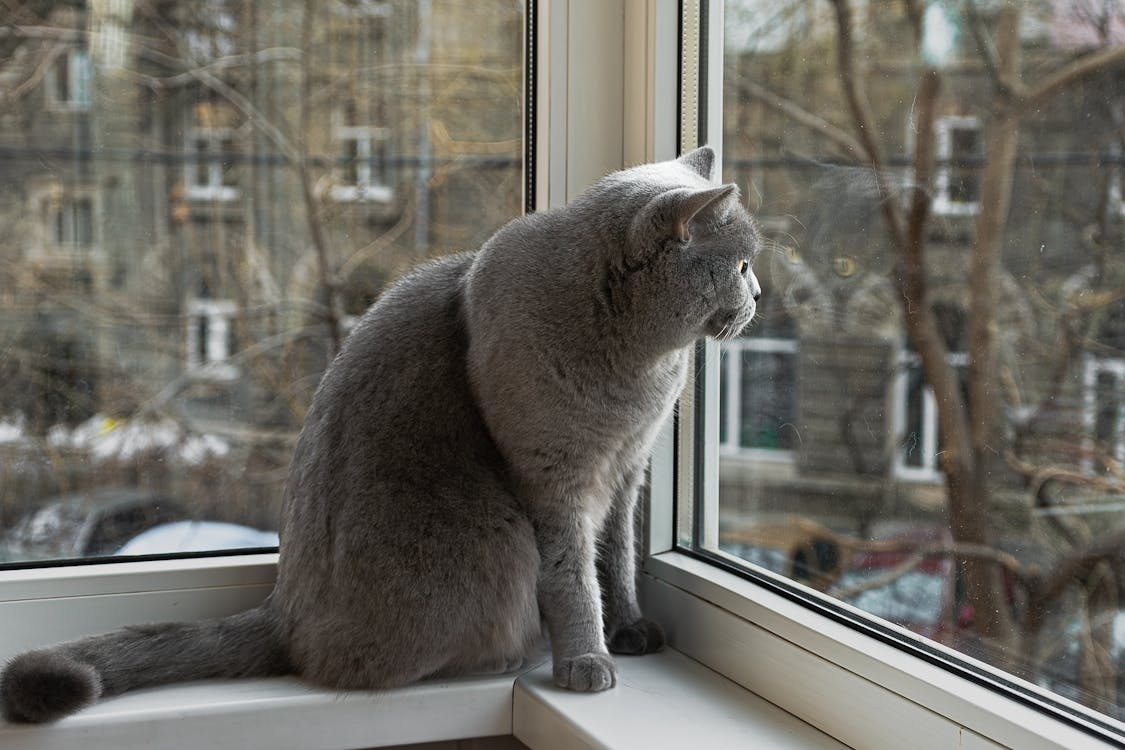
- Cat trees and window perches: Provide climbing, stretching, and safe observation.
- Rotation: Swap toys weekly to keep interest high.
Training and Socialization
Cats can absolutely learn routines and boundaries, and British Shorthairs often respond well to calm, consistent training. Use positive reinforcement like small treats, praise, and play. Early socialization helps them stay confident with visitors, grooming, carriers, and vet trips.
High-impact skills to teach
- Carrier comfort: Leave the carrier out as a normal resting space.
- Handling tolerance: Practice brief, gentle handling paired with rewards.
- Scratching habits: Provide sturdy scratchers and reward use.
Choosing a British Shorthair
If you are considering a British Shorthair, prioritize health, temperament, and ethical breeding practices. A reputable breeder should be transparent about health screening, living conditions, and early kitten socialization. Adoption is also worth exploring, as breed-specific rescues and shelters sometimes have British Shorthairs or mixes.
Questions worth asking
- What health screenings have the parents had, and can you share documentation?
- How are kittens socialized, and what is their typical temperament?
- What diet is the kitten currently eating, and what transition plan do you recommend?
- What support do you offer after adoption?
Bottom Line
The British Shorthair is a steady, affectionate companion with a classic look and a calm personality. With a focus on healthy weight, routine vet care, and everyday enrichment, this breed often thrives in modern homes. If you are looking for a friendly cat that feels like a quiet, comforting presence in your life, the British Shorthair is well worth considering.