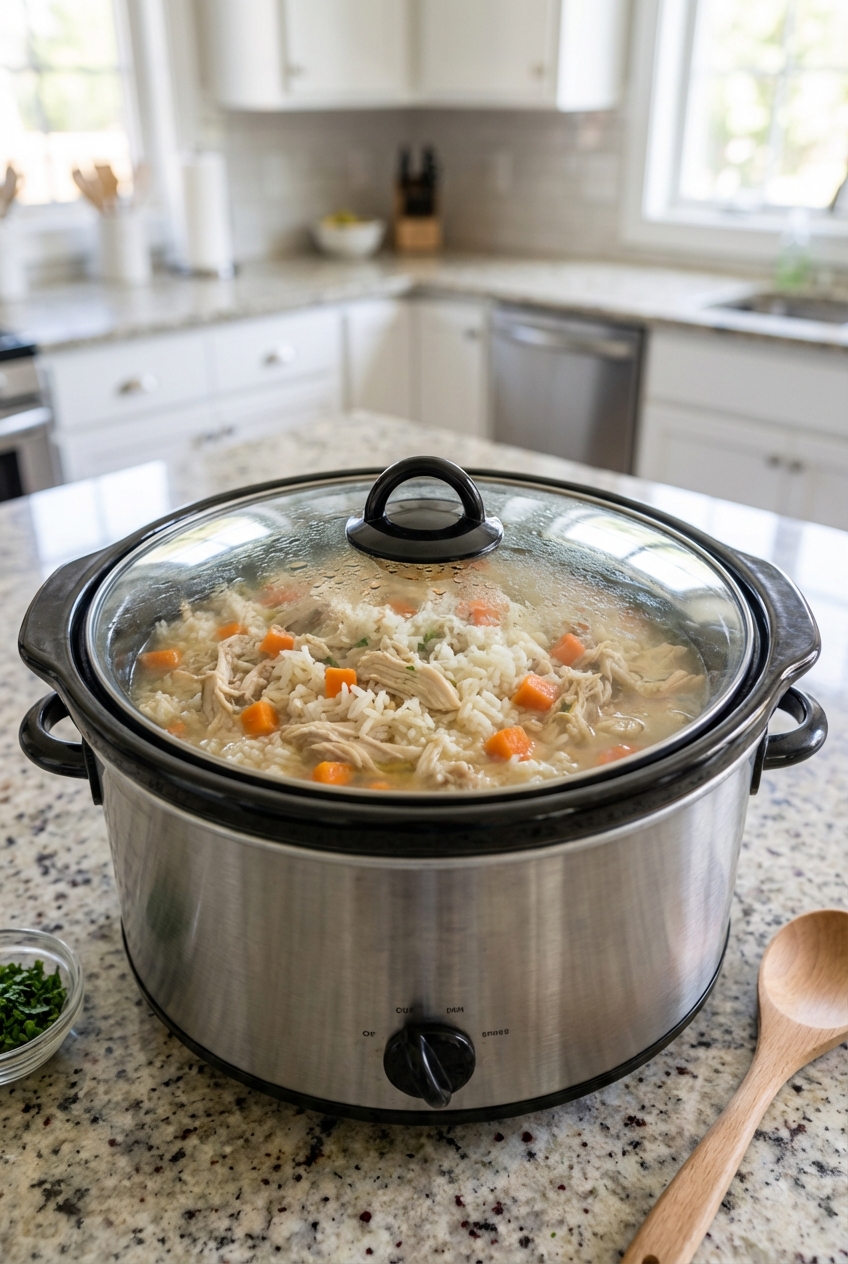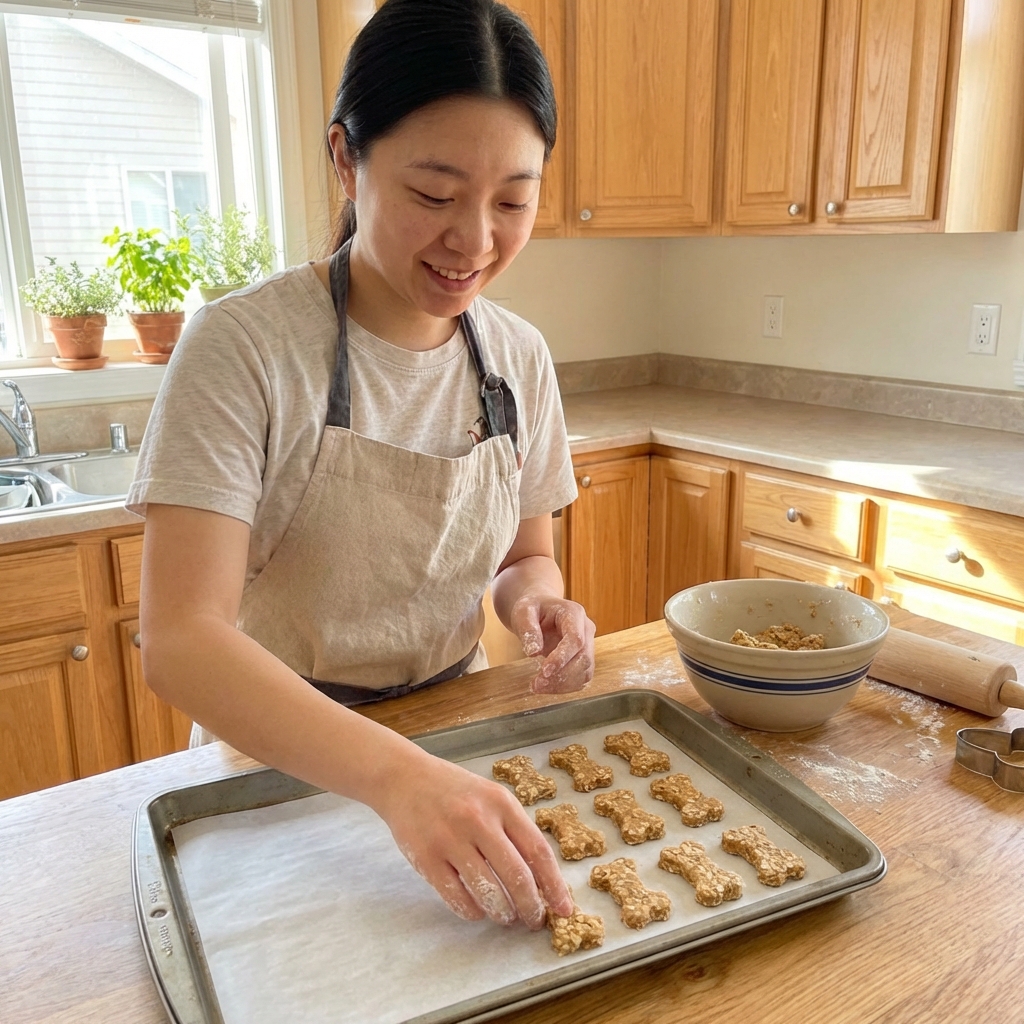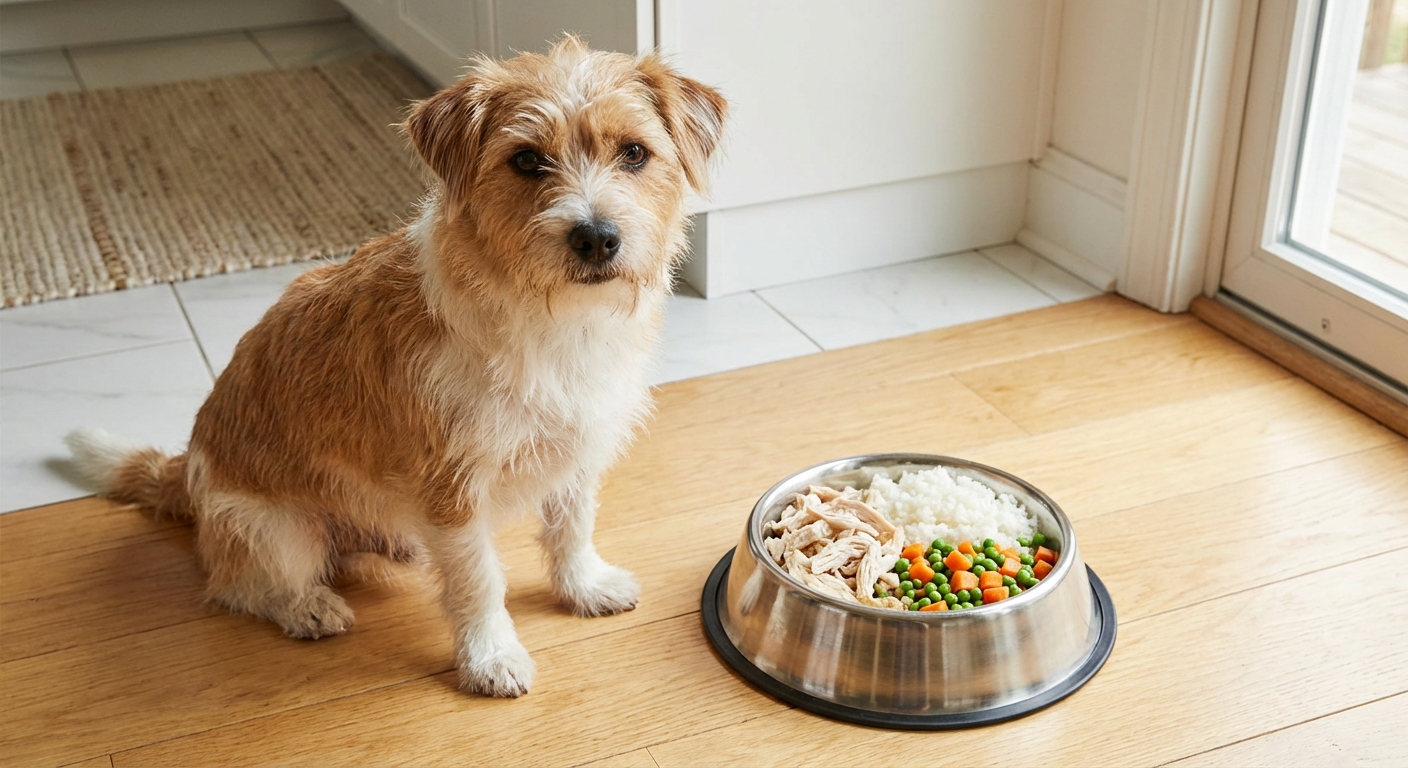
Start homemade dog food safely with this vet-informed starter plan. Learn what “vet approved” means, choose a balancer, follow a 14-day transition, and u...
Article
•
Designer Mixes
Boxer Dogs

Shari Shidate
Designer Mixes contributor
Boxers have a way of making every day feel a little more alive. Playful, people-focused, and often convinced they are lap dogs, they bring a big personality into any home. If you are considering a Boxer for your family, or you already share your home with one, this guide will walk you through what to expect at every life stage, plus the health, training, and care choices that help Boxers thrive.
As a veterinary assistant here in Frisco, Texas, I have a soft spot for Boxers. They are affectionate and bright, but they are also a breed where proactive wellness care really matters. The goal is not perfection. It is consistency, observation, and building habits early.
Boxer basics
Quick profile
- Group: Working group (AKC). Grouping can vary by kennel club.
- Size: Medium to large
- Coat: Short, sleek, low to moderate shedding
- Colors: Fawn, brindle, and white are common (including mostly white Boxers)
- Temperament: Social, energetic, loyal, goofy, protective when needed
- Life expectancy: Often around 10 to 11 years, sometimes 10 to 12 years, with wide individual variation
Boxers were developed in Germany and became known for their athletic build, strong bond with people, and versatility as family guardians and working dogs. Today, most Boxers are beloved companions who still need an outlet for their natural drive and strength.
What they are known for
Most Boxer lovers will tell you the same thing: they are big-hearted clowns with serious loyalty. Many Boxers are wonderful with kids when properly trained and supervised. They usually want to be near their people and can struggle if left alone all day without enrichment.
Temperament and personality
A well-socialized Boxer is typically friendly, curious, and confident. Many greet life with their whole body, including a wiggly back end. They also tend to be emotionally sensitive, so harsh training methods can backfire.
Family fit
- With children: Often excellent, but their bouncy play style can accidentally knock over toddlers. Supervision and training are key.
- With other dogs: Many do well when socialized early. Some individuals can be selective, especially intact males.
- With cats: Can work if introduced carefully. Their chase instinct varies.
- With strangers: Usually social, but naturally alert. Early positive exposure helps.
If you want a dog who is independent and low-energy, a Boxer is not the best match. If you want a dog who joins your life like a cheerful shadow, they might be perfect.
Boxer growth stages
Puppy stage (8 weeks to about 12 months)
Boxer puppies are adorable, confident, and busy. They also have a long “teenager” phase compared to some breeds. During puppyhood, the priorities are socialization, bite inhibition, potty training, and building calm habits.
- Socialization: Aim for safe, positive exposure to people, gentle dogs, surfaces, noises, and handling. Think: paws touched, ears checked, mouth opened briefly, treats afterward.
- Training focus: Sit, down, come, leave it, leash walking, and polite greetings.
- Chewing: Provide durable chew options and rotate them to keep interest high.
- Exercise note: Keep activity age-appropriate. Skip repetitive high-impact jumping (like lots of stairs or hard landing off furniture) while growth plates are still developing.
Veterinary tip: Because Boxers are athletic and enthusiastic, teach “four paws on the floor” early. Jumping is cute at 12 pounds and a problem at 65 pounds.
Adolescent stage (about 1 to 3 years)
This is the peak energy, peak boundary-testing period for many Boxers. They may look grown but still have puppy brains. Consistency pays off here.
- Exercise: They need daily outlets, but avoid overdoing intense activity in heat.
- Mental work: Scent games, training sessions, food puzzles, and structured play.
- Impulse control: Practice “wait,” “place,” and calm greetings.
Many families feel overwhelmed during this stage, and I want to gently reassure you: this is normal. Most Boxers settle beautifully with training and maturity.
Adult stage (about 3 to 7 years)
Adult Boxers are often the sweet spot: still playful, but more focused and predictable. This is a great time to keep their body strong and lean, maintain dental care, and stay on top of preventive vet visits.
- Fitness: Brisk walks, hiking, swimming (if they enjoy it), and strength-building play.
- Ongoing training: Short refreshers help prevent habits from slipping.
- Routine: Boxers love structure and family time.
Senior stage (about 7 years and up)
Senior Boxers often stay playful, but you may notice more stiffness, longer naps, and less tolerance for chaotic activity. The goal shifts to comfort, mobility, and early detection of age-related disease.
- Ask your vet about: Senior bloodwork, blood pressure checks, and heart monitoring.
- Mobility support: Rugs for traction, orthopedic beds, ramps if needed.
- Gentle movement: Shorter, more frequent walks can be better than one long outing.
Exercise and enrichment
Now that you know what growth looks like, let’s talk about daily outlets. Boxers are built for movement and connection. A bored Boxer can become a destructive Boxer, not out of spite, but out of unmet needs.
How much exercise do they need?
Many healthy adult Boxers need at least 60 to 90 minutes of combined physical activity and enrichment daily. Some need more, some less. Puppies and seniors need different pacing.
Favorite Boxer-friendly activities
- Training games that include movement, like recall practice
- Tug with rules (start, stop, drop it)
- Scent work with treats hidden around the house
- Fetch in short bursts, especially in cooler weather
- Agility-style obstacle games at home (low impact and safe)
Heat safety: Boxers are short-muzzled (brachycephalic), which can make cooling less efficient. Avoid intense exercise in high heat or humidity, provide shade and water, and learn the signs of overheating.
Signs of overheating: heavy, frantic panting, thick drool, very red or very pale gums, wobbliness, vomiting, confusion, or collapsing. If you see these, stop activity immediately and call a veterinarian.
Training a Boxer
Boxers are smart, but they are also enthusiastic and easily distracted by fun. The best training plan is simple, upbeat, and consistent.
What works best
- Positive reinforcement: Use treats, toys, and praise to reward the behavior you want.
- Short sessions: 3 to 8 minutes can be plenty, repeated through the day.
- Clear boundaries: Everyone in the household should follow the same rules.
- Practice calm: Teach a “place” cue and reward settling.
Common challenges
- Jumping: Reward sitting for greetings, manage with leashes and gates, and coach guests.
- Mouthiness: Redirect to toys, pause play if teeth touch skin, and reward gentle play.
- Pulling on leash: Use a front-clip harness, reinforce loose-leash walking, and stop when they pull.
If you want an extra confidence boost, group training classes can be wonderful for Boxers, especially when they are young.
Health considerations
Every breed has patterns, and Boxers are no exception. Knowing what to watch for does not mean something bad will happen. It means you can partner with your veterinarian early and make informed choices.
Common Boxer health concerns
- Heart disease: Boxers have a known predisposition to cardiac disease, including arrhythmias and cardiomyopathy. Two conditions commonly discussed in Boxers are arrhythmogenic right ventricular cardiomyopathy (ARVC, often called “Boxer cardiomyopathy”) and aortic or subaortic stenosis. Screening may include a careful exam, an echocardiogram, and rhythm testing like an ECG or Holter monitor.
- Cancer risk: Sadly, Boxers are overrepresented in several cancers, including mast cell tumors, lymphoma, and hemangiosarcoma. Do monthly “lump checks” at home and bring new growths to your vet promptly.
- Gastric Dilatation-Volvulus (Bloat/GDV): Boxers are deep-chested, which can increase risk. GDV is an emergency that can become life-threatening quickly.
- Hip and joint issues: Hip dysplasia can occur. Keeping them lean helps protect joints.
- Degenerative myelopathy: This is a progressive neurologic condition that can show up later in life and cause hind-end weakness.
- Allergies and skin problems: Itchy skin, ear infections, and paw licking are common reasons Boxers visit the clinic.
- Airway concerns: Snoring can be normal, but labored breathing, heat intolerance, or collapsing is not.
- Digestive sensitivity: Some Boxers do best with carefully selected diets and slow transitions.
- White Boxers and deafness: Mostly white Boxers are common and, due to genetics, have a higher risk of congenital deafness. If you have a white Boxer puppy, ask your veterinarian about hearing testing and training adaptations if needed.
When to call your vet fast
- Fainting, collapse, or sudden weakness
- Rapid or labored breathing at rest
- Swollen abdomen, unproductive retching, or obvious distress (possible bloat/GDV)
- A lump that appears quickly, changes, bleeds, or bothers your dog
- Repeated vomiting or diarrhea, especially with lethargy
Bloat prevention notes
No tip is a guarantee, but many veterinarians recommend practical risk-reduction habits for deep-chested dogs. These include feeding two or more smaller meals per day, discouraging gulping (a slow feeder can help), and avoiding hard exercise right before and right after meals. If your Boxer is already having another abdominal surgery, ask your veterinarian whether a preventive gastropexy is appropriate.
Note: This guide is educational and not a substitute for veterinary care. When you are unsure, it is always okay to call and ask.
Nutrition for Boxers
Food is one of the most practical ways to support energy, muscle, skin health, and healthy aging. Boxers are athletic dogs, but they can gain weight quickly if treats and portions creep up.
What to look for
- Complete and balanced: Choose a diet that meets AAFCO standards for your dog’s life stage.
- Lean body condition: You should be able to feel ribs with light pressure and see a waist from above.
- Digestive tolerance: Consistent stool quality and minimal gas are good signs.
Helpful feeding habits
- Transition foods slowly over 7 to 14 days
- Measure meals, especially for high-energy, treat-loving dogs
- Use part of the daily kibble ration for training treats
- Discuss supplements with your veterinarian before adding them
If you are interested in adding fresh foods, start small. A spoonful of cooked lean protein or a little steamed vegetable can be a gentle way to introduce variety, as long as it fits your dog’s overall nutritional needs.
Grooming and routine care
Boxers are fairly low-maintenance in the grooming department, but routine care still matters.
Coat and skin
- Brushing: Once or twice weekly helps remove loose hair and supports skin health.
- Bathing: As needed. Over-bathing can worsen dryness and itching.
- Fold care: If your Boxer has facial folds, gently clean and dry them to help prevent irritation.
Ears, nails, and teeth
- Ears: Check weekly for redness, odor, or debris.
- Nails: Trim regularly. Long nails can change gait and contribute to joint strain.
- Dental care: Daily brushing is ideal. Dental chews can help, but they do not replace brushing.
In clinic, we see huge differences between dogs who have consistent home care and those who only get attention when something is wrong. Small habits prevent big problems.
Preventive care
Preventive care is where Boxer families can really stack the odds in their favor. Your veterinarian will tailor plans to your dog and your region, but these are common starting points.
- Vaccines: Puppies typically need a series of core vaccines, then boosters as adults. Talk through lifestyle vaccines based on boarding, daycare, and local risk.
- Parasite prevention: Heartworm prevention is a big one in places like Texas and other warm climates. Flea and tick prevention also matters, even for indoor-focused dogs.
- Spay and neuter: Timing is worth an individual discussion with your veterinarian, especially for an athletic medium-to-large breed.
Living with a Boxer
Space and containment
Boxers can do well in apartments if their exercise and enrichment needs are met. They are not great “yard-only” dogs. They want to be inside with you.
- Use secure fencing and supervise outdoor time
- Provide a quiet resting spot away from heavy traffic in the home
- Consider crate training as a safe, calm space
Heat and cold
- Heat: Plan walks early morning or evening in warm months, especially in hot climates.
- Cold: Short coats can mean they chill faster. Some Boxers benefit from a jacket in cold weather.
Choosing a Boxer
Where your Boxer comes from matters for health and temperament. Whether you choose a reputable breeder or adopt through rescue, you want transparency and support.
If you are buying from a breeder
- Ask about heart testing. For Boxers, that often means discussing Holter monitor results (to screen for arrhythmias like ARVC) and whether an echocardiogram was done.
- Ask what health testing they do and request documentation (examples you may hear include OFA hips and cardiac evaluations).
- Ask about cancer history in the line and how long relatives typically live.
- Meet the puppy’s mother when possible.
- Avoid sellers who will not answer questions or who always have puppies available.
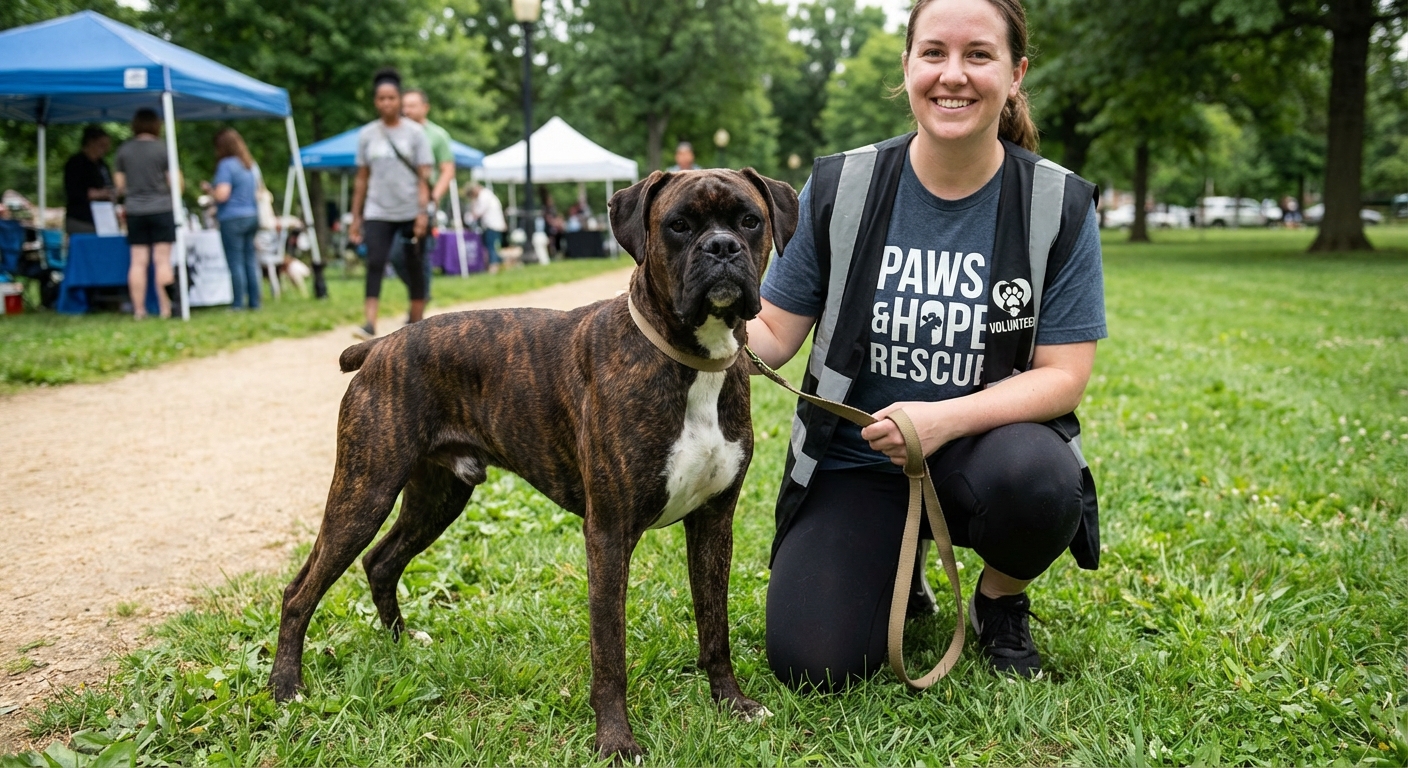
If you are adopting
- Ask about behavior around kids, dogs, and cats.
- Request medical records and discuss a post-adoption vet visit.
- Plan a decompression period at home with a predictable routine.
FAQ
Are Boxers good for first-time dog owners?
They can be, if you are ready for daily exercise, training, and a dog who wants to be involved in everything. Many first-time owners do great with Boxers when they commit to training early.
Do Boxers bark a lot?
Many are not excessive barkers, but they will alert you. Boredom is a common reason barking increases.
Are Boxers aggressive?
Most well-bred, well-socialized Boxers are not aggressive. They are protective and alert, which can look intimidating. Early socialization and training are essential for any large, powerful breed.
Do Boxers shed?
Yes, but the short coat makes it manageable. Regular brushing helps.
My best advice
If I could share one message, it would be this: Boxers do best when you meet their needs on purpose, every day. They want movement, connection, and clear guidance.
- Keep them lean to protect joints and heart health.
- Train for calm as much as you train for tricks.
- Do monthly lump checks and schedule routine vet visits.
- Respect the heat and plan exercise around safe temperatures.
- Make life enriching with games, sniffing, and family time.
A Boxer who feels understood is a joy to live with. They give a lot of love, and with good care, they can enjoy a full, active life right alongside you.