Not sure if your dog’s gas is normal? Learn the top causes—fast eating, diet changes, rich foods, intolerance, parasites, and GI disease—plus safe home...
Article
•
Designer Mixes
Boston Terrier Gas Issues and Eye Health

Shari Shidate
Designer Mixes contributor
Boston Terriers are pure joy in a compact body, but two very common complaints come up in clinics and in my day-to-day conversations with pet parents: gas and eye problems. The good news is that both issues often improve with a few practical changes at home, plus knowing when it is time to get your veterinarian involved.
Why Boston Terriers get gassy
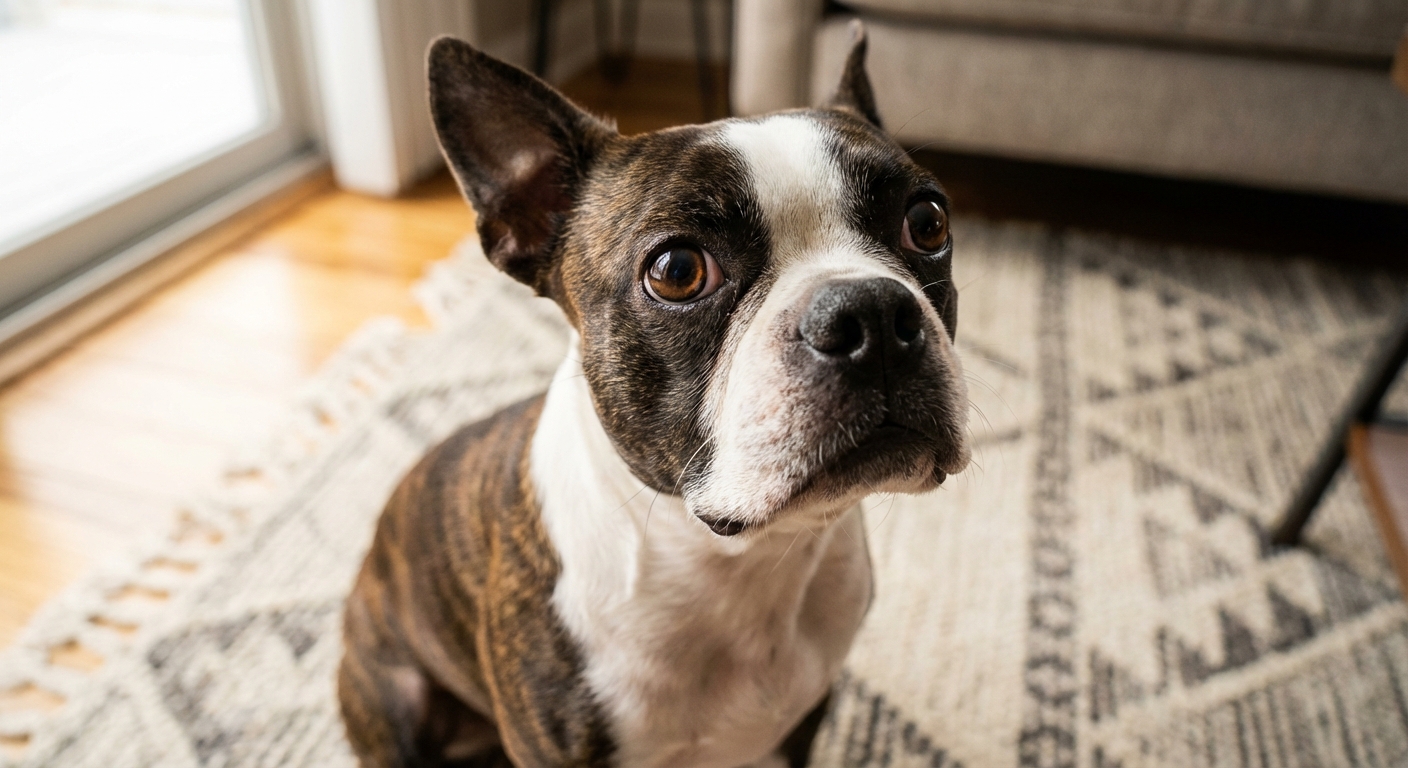
Boston Terriers are a brachycephalic breed, meaning they have a shortened skull and a flatter face. That adorable face can come with a not-so-adorable side effect: they tend to swallow more air when they eat, drink, pant, or get excited. That extra air (called aerophagia) can contribute to burping, bloating, and flatulence.
On top of that, many Boston Terriers have sensitive digestion. Some react to certain proteins, rich treats, dairy, or high-fat foods. Others struggle when their diet includes certain carbohydrate sources and more fermentable fibers that can increase gas.
Common gas triggers
- Eating too fast (air swallowing and poor digestion)
- Sudden food changes without a slow transition
- Food sensitivities (often chicken, beef, or certain grains, but it varies)
- High-fat foods and greasy table scraps
- Gas-producing, fermentable ingredients for some dogs (often legumes like peas, lentils, and beans, plus certain veggies)
- Too many treats, especially training treats and chews with lots of additives
- Gut microbiome disruption after antibiotics, stress, or inconsistent diet
- Parasites or intestinal infection, especially if gas is paired with diarrhea
Home fixes that often help
If your Boston is gassy but otherwise acting normal, these are the first, commonly recommended steps I suggest as a veterinary assistant. Keep it simple and change one thing at a time so you can tell what is actually working. If your dog has other medical issues or is on medications, ask your vet before making major diet changes.
1) Slow down meals
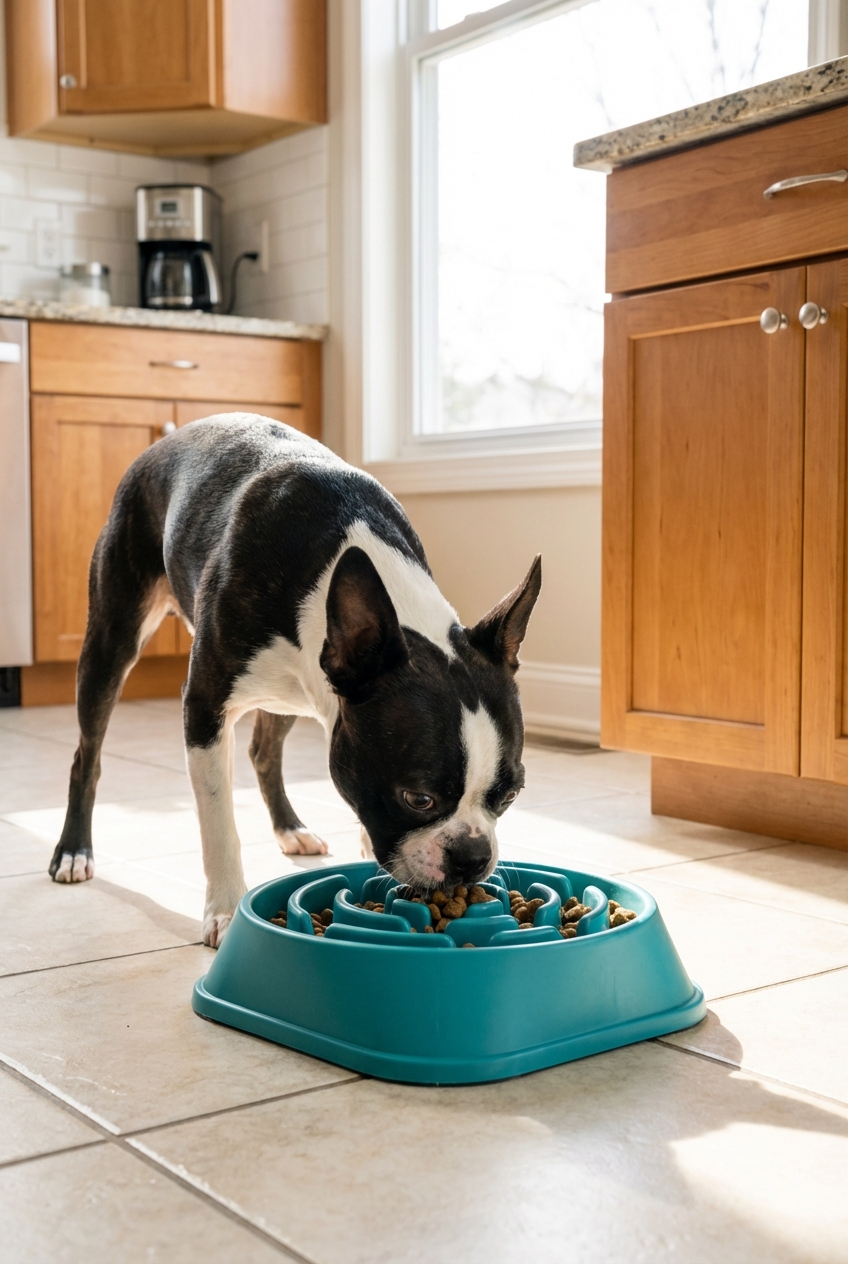
- Use a slow feeder bowl or a snuffle mat.
- Try smaller, more frequent meals (for example, 2 to 3 meals per day).
- Avoid intense play right after eating, especially if your dog gulps food or seems bloated after meals.
2) Transition food gradually
Any diet change should be slow, even if you are switching to a better food. A typical transition is 7 to 10 days, but sensitive Bostons may need longer.
- Days 1 to 3: 25% new, 75% old
- Days 4 to 6: 50% new, 50% old
- Days 7 to 9: 75% new, 25% old
- Day 10+: 100% new
3) Simplify ingredients (and keep it balanced)
If your dog is eating a long ingredient list, consider a diet with fewer moving parts. Many dogs do better on a limited-ingredient formula or a veterinary diet chosen with your veterinarian.
Important: Home cooking can help some dogs, but it is very easy to create nutritional deficiencies if you wing it. If you want a truly homemade diet, ask your veterinarian for a recipe or work with a board-certified veterinary nutritionist so it is complete and balanced.
If you are adding a small, gentle topper to a complete commercial diet, start boring and simple:
- Lean cooked protein (turkey, chicken, or fish depending on tolerance)
- Cooked, easy carbs (rice or oatmeal in small amounts if tolerated)
- Cooked veggies in small portions (like carrots or zucchini)
Skip onions. Be cautious with rich foods, heavy oils, and sudden new ingredients.
4) Support the gut
Some Boston Terriers benefit from a probiotic, especially after antibiotics or recurring soft stool. Use a veterinary-recommended product and check with your veterinarian first. When they help, it often takes a few weeks to notice a difference.
Note: If gas is paired with chronic loose stool, mucus, itching, recurrent ear infections, or licking paws, that points more toward food sensitivity or inflammatory bowel problems, and it is worth a vet visit.
When to call your vet about gas
Gas alone is common. Gas with other symptoms can signal something that needs treatment. Contact your veterinarian if you notice:
- Vomiting (especially repeated or projectile)
- Diarrhea lasting more than 24 to 48 hours, or diarrhea with blood
- Loss of appetite or weight loss
- Abdominal pain (tense belly, hunched posture, crying when picked up)
- Restlessness and repeated attempts to vomit or burp without producing anything
- Sudden severe bloating
Bostons are generally not considered among the highest-risk breeds for gastric dilatation-volvulus (bloat), but any dog with severe distension, unproductive retching, and distress is an emergency.
If gas and soft stool keep happening despite diet cleanup, ask your vet about fecal testing (parasites like giardia are common culprits) and whether a GI workup is needed.
Boston Terrier eye health
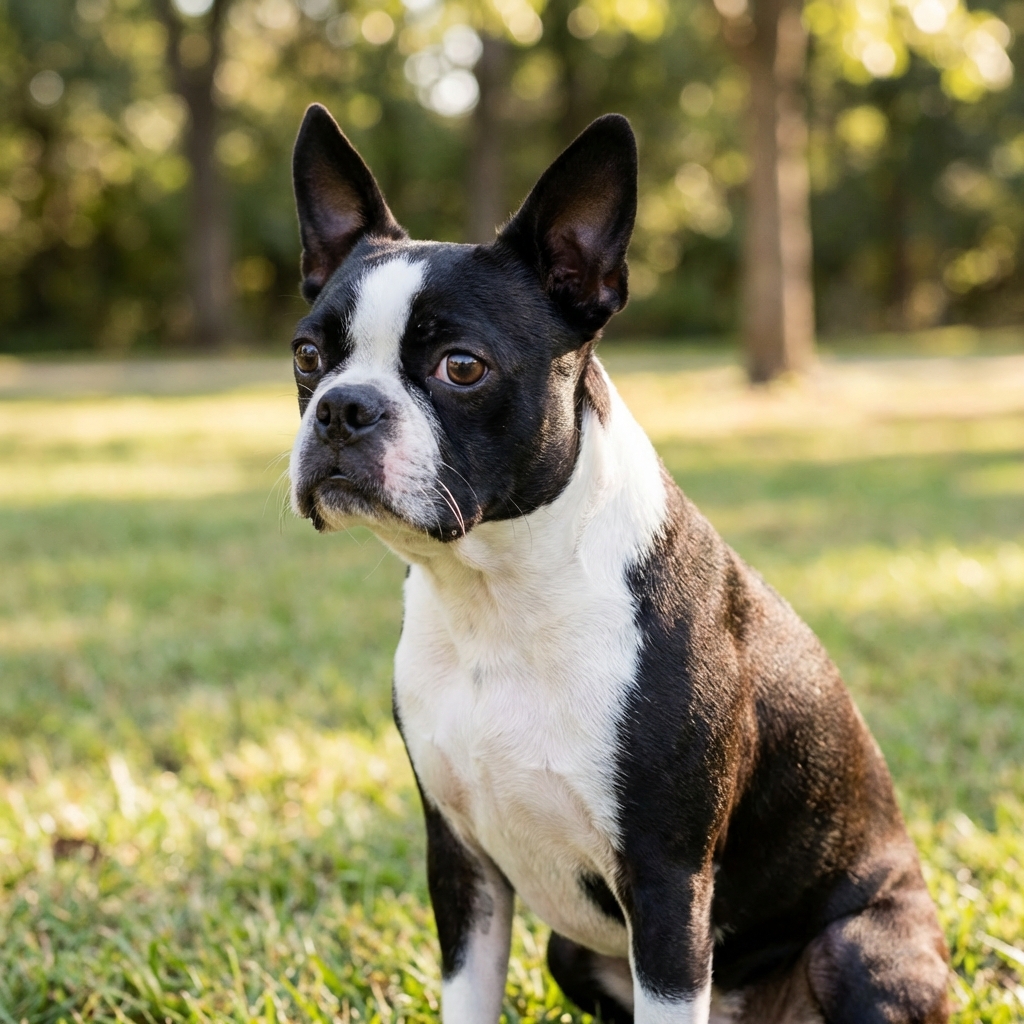
Boston Terriers have prominent eyes that are more exposed than many breeds. That makes them prone to irritation and injury, and it is one reason eye issues can seem to pop up out of nowhere.
Common eye problems
- Corneal ulcers: scratches or erosions on the clear surface of the eye. These are common in flat-faced breeds and can become serious quickly.
- Dry eye (KCS): reduced tear production that leads to redness, discharge, and chronic irritation.
- Cherry eye: a prolapsed gland of the third eyelid that appears as a pink or red bulge in the inner corner.
- Conjunctivitis: inflammation that can be allergic, infectious, or secondary to another problem.
- Cataracts: cloudiness of the lens, sometimes genetic or age-related.
- Glaucoma: increased eye pressure, often painful and urgent.
Eye emergencies
Eye problems are one area where waiting can cost vision. If you see any of the signs below, it is best to call your veterinarian the same day:
- Squinting or keeping one eye closed
- Pawing at the eye or rubbing face on the carpet
- Sudden redness or swelling
- Cloudy, blue, or white appearance on the surface of the eye
- Thick yellow or green discharge
- Light sensitivity
- Unequal pupil size
- Eye looks enlarged or bulging
Please do not use human eye drops unless your vet instructs you to. Do not use leftover prescription drops either. Some drops can worsen ulcers, especially anything containing steroids. Your veterinarian may use a fluorescein stain test to check for corneal ulcers and then treat appropriately.
If your dog is pawing at the eye, an e-collar can help prevent self-trauma while you are getting veterinary care.
Everyday eye care
You do not need a complicated routine, but a few habits can make a big difference for these big-eyed pups.
Simple prevention tips
- Keep your dog’s nails trimmed to reduce accidental scratches, and consider keeping hair around the eyes neat if it tends to poke or irritate.
- Avoid tall grass and brush when possible, or do a quick eye check afterward.
- Wipe eye corners with a soft, damp cloth to remove normal debris.
- Use vet-approved lubricating drops if your veterinarian recommends them for dryness.
- Use a harness instead of a collar to reduce pressure on the neck and help with breathing and overall comfort.
- Skip car-window rides with the head out, since wind and debris can cause eye trauma fast.
A quick at-home eye check
- Both eyes open equally
- Whites of the eyes are not intensely red
- No new cloudiness
- No thick discharge
- No excessive tearing compared to normal
Gut comfort matters
Gas can feel like a small problem, but it affects quality of life. Dogs that feel bloated can be restless, less playful, and even more reactive. When we improve digestion with a steady diet, thoughtful treats, and better gut support, many Boston Terriers seem more energetic and comfortable.
Small changes, done consistently, usually beat big changes done once.
If you are unsure whether your Boston needs a diet adjustment or a medical workup, take notes for a week: food, treats, stool quality, timing of gas, and any itching or ear issues. That simple log can help your veterinarian get to the root cause faster.