
Bordetella Vaccine for Dogs

If you are looking up the bordetella vaccine, there is a good chance you have a real-life deadline. Boarding. Daycare. Grooming. Training class. Or maybe you just met a very social puppy who thinks every dog is their best friend.
As a veterinary assistant, I see how confusing “kennel cough” can feel because it is not one single germ, and the rules vary depending on where your dog goes. Let’s walk through what bordetella actually covers, intranasal versus injectable options, common schedules, and what most facilities mean when they say “required.”

What “bordetella” covers (and what it does not)
The bordetella vaccine targets Bordetella bronchiseptica, a bacterium that is a major contributor to infectious respiratory disease in dogs. People often call this whole syndrome “kennel cough,” but veterinarians increasingly use the broader term canine infectious respiratory disease complex (CIRDC).
Kennel cough is a syndrome, not a single disease
A dog with kennel cough–type signs can be infected with one pathogen, or several at the same time. Common contributors include:
- Bordetella bronchiseptica (bacteria)
- Canine parainfluenza virus
- Canine adenovirus type 2
- Canine influenza (dog flu; H3N2 is most common currently in many areas, and H3N8 is reported historically and in some regions)
- Canine respiratory coronavirus (not the same as SARS-CoV-2)
- Mycoplasma species
So when a facility says “bordetella required,” what they usually mean is: we want your dog protected against one of the big, common players in CIRDC. It lowers risk, but it cannot guarantee your dog will never cough.
Vaccines help, but environment matters too
CIRDC spreads most easily where dogs share air space: indoor playrooms, barking dogs in close quarters, shared hallways, and busy lobbies. Even well-run facilities can have exposure because germs travel on droplets and aerosols.

Intranasal vs injectable vs oral: what is the difference?
Bordetella vaccination comes in a few formats. Your vet clinic might offer one or more of these:
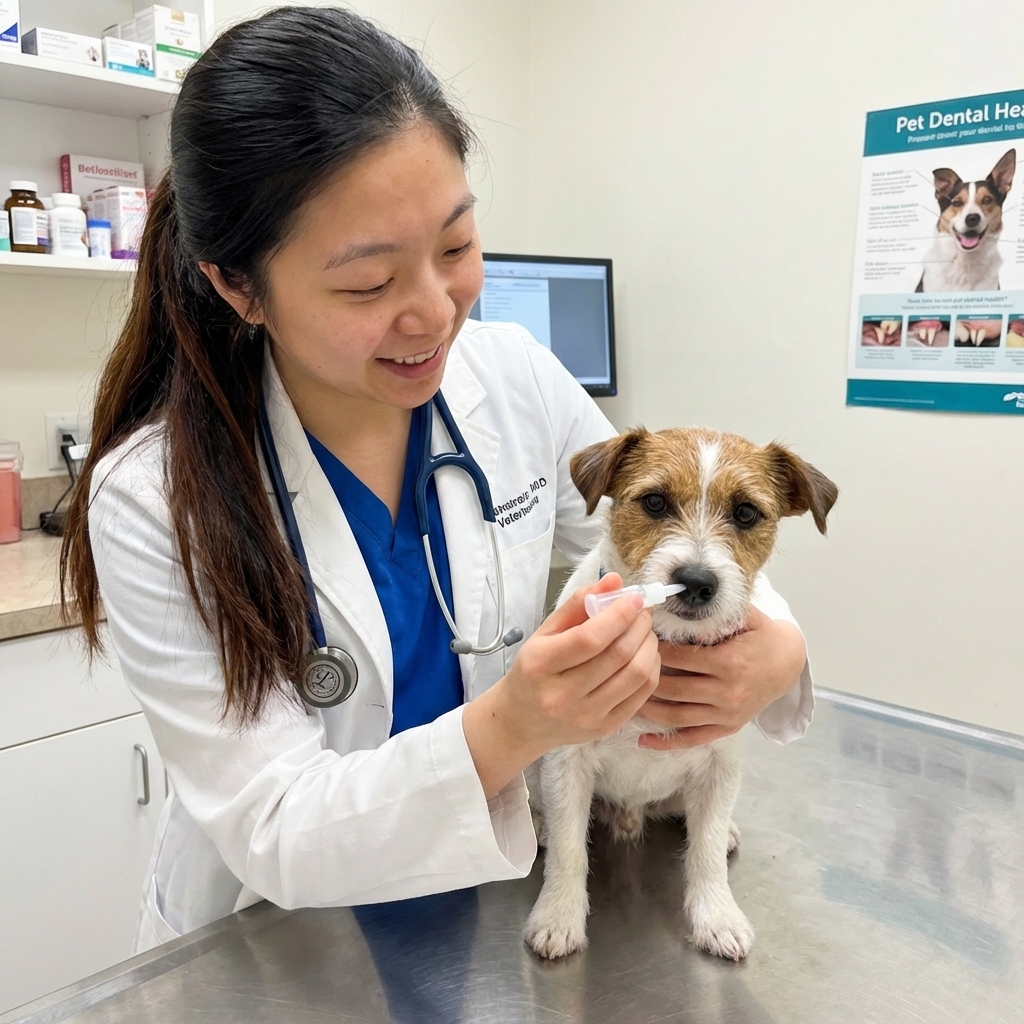
Intranasal bordetella (nose drops or spray)
- How it works: stimulates local immunity in the nasal passages and upper airway, right where infection often starts.
- Onset: often provides faster protection after vaccination than injectable options, depending on the product and your dog’s prior vaccination status.
- Pros: strong mucosal immunity, often preferred when boarding is coming up soon.
- Cons: can cause brief sneezing or nasal discharge after. Some dogs really dislike the process.
Oral bordetella (by mouth)
- What it looks like: typically a small amount of liquid placed into the mouth (often along the cheek pouch), not a pill.
- How it works: also aims for mucosal immunity.
- Pros: no injection and no nose drops, often easier for sensitive dogs.
- Cons: availability varies, and each facility may have its own acceptance rules.
Injectable bordetella (shot)
- How it works: stimulates more systemic immunity.
- Onset: may take longer to reach peak protection compared with intranasal or oral options, depending on the product and whether your dog has been vaccinated before.
- Pros: simple administration for many dogs, no sneezing afterward in most cases.
- Cons: may not create as strong mucosal protection as intranasal or oral vaccines in many dogs.
Plain-language note on mucosal immunity: it is immune protection on the surfaces of the nose, mouth, and throat, where many respiratory infections first take hold.
Evidence-based takeaway: Intranasal and oral products are designed to build front-line mucosal immunity. Injectable products can still be effective, but the best choice depends on your dog’s lifestyle, timing, prior vaccination status, and what your veterinarian stocks and recommends.
One more nuance that matters for facility rules: some intranasal/oral bordetella products also include protection for canine parainfluenza (and sometimes other components). Even so, most facilities still expect your dog to be up to date on DHPP for broad coverage.
Typical bordetella schedules and booster timing
This is where most of the boarding and daycare questions live, because timing matters.
Puppies
Puppies may receive bordetella as part of an early socialization plan, especially if they will attend:
- puppy class
- daycare
- boarding
- grooming in a busy salon
Depending on the product used and your clinic protocol, puppies might need:
- one dose for intranasal or oral products, or
- two doses spaced a few weeks apart for some injectable products
Your veterinarian will schedule it to coordinate with other puppy vaccines and your puppy’s risk level.
Adult dogs
After the initial dose series (if needed), most dogs receive bordetella boosters on a schedule based on exposure risk, product label guidance, and local disease activity:
- Every 12 months for many family dogs with occasional exposure
- Every 6 months for higher-risk dogs such as frequent daycare or boarding dogs, or dogs in high-density, high-turnover environments
Important: Duration of protection is product-dependent, and some boarding facilities require a stricter interval (for example, every 6 months) even if your veterinarian would otherwise consider annual boosters reasonable for your dog.
How soon before boarding?
Facility rules vary a lot. A very common requirement is bordetella given at least 7 to 14 days before entry, but some places will accept a shorter window (for example, 2 to 3 days for certain intranasal/oral products). Timing requirements often depend on the product type and the facility’s comfort level.
If you are tight on time, call both your vet and the facility. Ask: Which bordetella vaccine type do you accept, and how many days before check-in do you require it?
Who really needs the bordetella vaccine?
I love a lifestyle-based approach because it keeps vaccines purposeful and practical. In most practices, bordetella is considered a non-core vaccine, meaning it is recommended based on risk rather than for every dog in every situation.
Higher-risk dogs (strongly consider vaccination)
- Daycare dogs
- Boarding dogs
- Dogs who visit groomers frequently
- Dogs in training classes, dog sports, or shows
- Dogs who spend time in dog parks, especially busy urban parks
- Dogs who live in apartments with lots of shared hallways and elevators where dogs pass closely
Lower-risk dogs (may still benefit)
- Dogs who mostly stay home and only have a small circle of known dog friends
- Senior dogs or immunocompromised dogs who do not socialize much
Even “low-risk” dogs can be exposed at the vet clinic, on neighborhood walks, or through a new dog in the family. But in general, the more dogs your dog shares air with, the more value you get from bordetella protection.

Boarding and daycare rules: what facilities usually require
Facilities set vaccine rules to protect the group, reduce outbreaks, and avoid having sick dogs on-site. Requirements vary by region and facility, but commonly include:
- Rabies (legally required in many areas, with rules that vary by jurisdiction)
- DHPP (distemper, adenovirus, parvo, parainfluenza)
- Bordetella
- Canine influenza (in some regions or higher-density facilities)
Common bordetella policy details
- Accepted type: some accept intranasal, oral, or injectable; others prefer intranasal or oral.
- Timing window: commonly 7 to 14 days before entry, but sometimes as short as 2 to 3 days depending on the product and facility policy.
- Booster interval: some facilities require every 6 months even if your vet normally boosters annually.
If you are boarding for a holiday or spring break, schedule early. The week before a big travel period is when we see the most last-minute calls.
Tip from the clinic side: ask the facility for a written vaccine policy and forward it to your vet clinic. It saves time, avoids frustration, and prevents wasted appointments.
Side effects and safety talking points
Most dogs do very well with bordetella vaccination. When side effects happen, they are usually mild and temporary.
Common, mild effects
- Intranasal: sneezing, mild nasal discharge, brief cough, watery eyes for a day or two
- Injectable: sleepiness, mild fever, soreness at injection site, decreased appetite for a day
Less common but important
- Persistent cough lasting more than a couple days, especially if your dog seems tired or won’t eat
- Hives, facial swelling, vomiting, trouble breathing shortly after vaccination; this can indicate an allergic reaction and needs urgent veterinary care
If your dog has had a prior vaccine reaction, tell your veterinarian before any vaccines are given. Your vet can tailor the plan, including observation time in the clinic or spacing vaccines out.
If my dog is coughing before boarding
This comes up a lot at the front desk, and it is stressful for owners.
- Call your vet before you vaccinate. If your dog is actively sick, your veterinarian may want to examine them first and advise on timing.
- Assume the facility may not accept your dog. Most boarding and daycare facilities cannot risk a coughing dog in a shared-air environment.
- Plan to keep your dog away from other dogs for now. Until you know what is going on, limiting contact helps protect other pets.
Even if it turns out to be mild, it is much easier to adjust travel plans early than to show up at check-in with a dog who is coughing.
If my dog is vaccinated, can they still get kennel cough?
Yes, and that does not mean the vaccine “failed.” It usually means one of these is true:
- Your dog was exposed to a different CIRDC pathogen not covered by bordetella.
- Your dog was exposed right before immunity had time to build.
- Your dog had an intense exposure dose in a high-density environment.
- Your dog has an underlying condition that makes respiratory illness more likely.
The goal is often reduced risk and milder illness, not perfect prevention. Vaccinated dogs who do get sick may recover faster, and some products may reduce Bordetella shedding or shorten the shedding period, which can help in group settings.
Questions to ask your vet (and your boarding facility)
Ask your veterinarian
- Which bordetella product do you recommend for my dog’s lifestyle?
- Do we need one dose or a two-dose starter series?
- Should my dog get a booster every 6 months or annually?
- Should we add canine influenza vaccine based on our local risk?
Ask the facility
- Which types of bordetella do you accept: intranasal, oral, injectable?
- How many days before check-in must it be given?
- Do you require bordetella every 6 months?
- Do you require canine influenza?
Bottom line
Bordetella vaccination is one of the most common “passport” vaccines for dogs who board, attend daycare, or socialize frequently. It covers a key bacterial contributor to kennel cough, but kennel cough is bigger than bordetella alone.
If your dog is a social butterfly, staying on a vet-recommended schedule and meeting your facility’s timing rules can save you a lot of last-minute stress. And if you are ever unsure what your dog needs, your veterinarian can tailor a plan based on real exposure risk, not guesswork.