Make meals more tempting and nutritious with simple dog food toppers: bone broth, cooked eggs, sardines, pumpkin, and steamed veggies—plus portions, storag...
Article
•
Designer Mixes
Bone Broth for Dogs

Shari Shidate
Designer Mixes contributor
Bone broth is one of my favorite “small changes” that can make a big difference for many dogs. As a veterinary assistant, I like it because it is simple, inexpensive, and very practical for real life, especially when a dog is recovering, feeling picky, or dealing with mild digestive upset.
That said, bone broth is not a complete food and it is not a cure-all. Think of it as a nourishing add-on that can support hydration, appetite, and comfort when you use it the right way.
Quick safety note up front: For dogs, broth should be plain and unsalted, with no onion, no garlic, and no added seasonings.
What bone broth can do for dogs
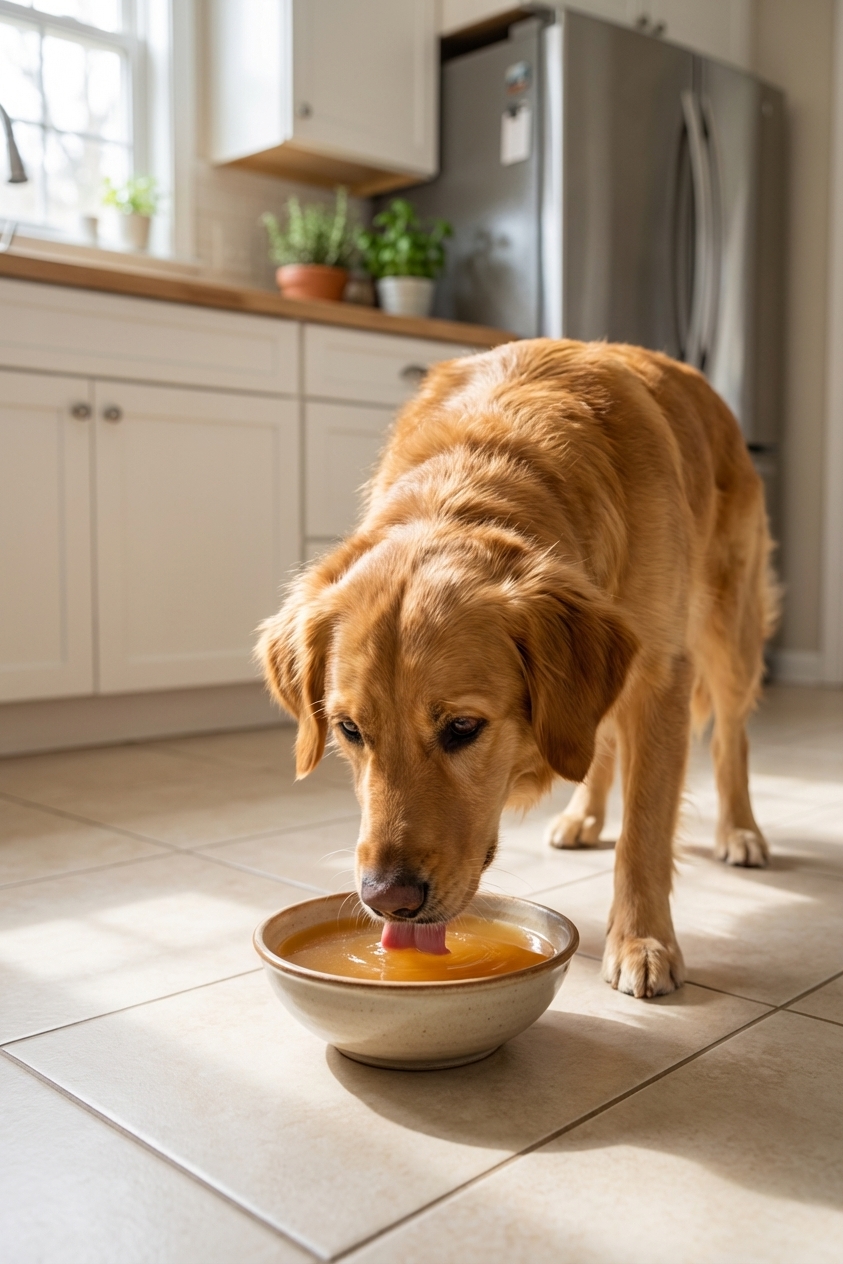
When you simmer bones in water for several hours, the broth picks up amino acids, minerals, and connective tissue components. The final liquid is typically gentle, savory, and easy to sip.
These are the main practical benefits pet parents tend to notice. Research on bone broth specifically in dogs is limited, so I keep expectations realistic and focus on what it can reliably help with day to day.
1) Helps with hydration (especially when a dog will not drink)
One of the most useful roles of bone broth is encouraging fluid intake. Many dogs will drink more readily when water smells like something delicious. That can be helpful for:
- Mild digestive upset when your dog needs fluids but is not excited about plain water
- Post-surgery recovery when appetite and thirst can be low
- Senior dogs who sometimes drink less
Important: If your dog is vomiting repeatedly, cannot keep fluids down, seems weak, or you suspect dehydration, bone broth is not enough. Those cases need a veterinarian promptly.
2) Gentle support for the gut
Bone broth contains amino acids such as glycine and proline and small amounts of gelatin from connective tissues. While we cannot claim it “heals leaky gut” as a guaranteed medical outcome, many dogs tolerate broth well and it can be a soothing way to add moisture and flavor to bland meals.
For dogs who do best with gentle foods, bone broth can help you serve:
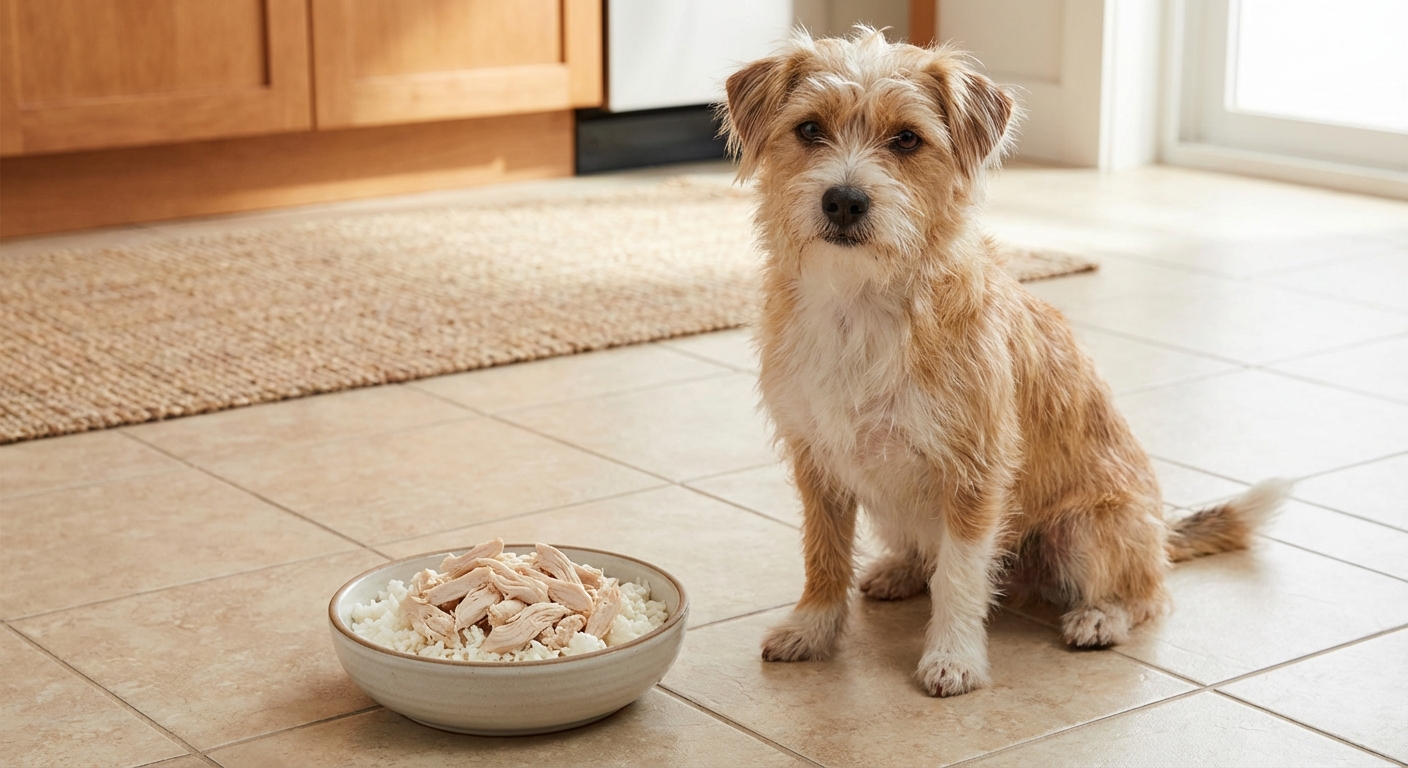
- Shredded boiled chicken or turkey
- Plain white rice or sweet potato (as directed by your vet)
- Soft-cooked vegetables in small amounts
3) Joint support as an add-on
Traditional bone broth includes collagen and gelatin, but the amount can vary a lot depending on the bones used, cook time, straining, and how much fat you skim off. Some owners of senior dogs report improved willingness to eat and better overall “get up and go” when broth is used consistently as part of a balanced plan, but I do not consider bone broth a proven arthritis treatment.
For true arthritis pain, broth should be considered supportive only. Many dogs still need veterinarian-guided weight management, exercise planning, and medications or supplements with stronger clinical support.
4) Helps picky eaters and transitions
If you are moving toward homemade, whole foods, a small splash of broth can make healthy ingredients more enticing. This is especially helpful during a gradual transition when you want the new food to feel familiar and rewarding.

When it helps most
Here are the situations where I see bone broth used most successfully, with simple, actionable ideas you can try at home.
After surgery or illness (with vet approval)
- Offer small amounts frequently rather than one large serving.
- Use broth to moisten food if your dog is eating only a little.
- Keep it low fat, especially after pancreatitis or if your dog is prone to GI flare-ups.
Senior dogs
- Warm broth slightly to enhance aroma and encourage drinking.
- Mix a spoonful into meals to help with appetite dips.
- Use it to soften kibble if chewing is harder.
Picky eaters
- Start with 1 to 2 teaspoons mixed into the usual food and slowly increase.
- Try pouring it over lightly cooked proteins and vegetables rather than relying on processed toppers.
Mild digestive upset
- Offer broth alongside a bland diet as directed by your veterinarian.
- Stop and call your vet if diarrhea lasts more than 24 to 48 hours, if there is blood, or if your dog seems painful or lethargic.
Bone broth is most helpful when it makes your dog eat, drink, and rest better. It should never replace veterinary care when symptoms are severe or ongoing.
Bone broth recipe (dog-friendly)
This recipe is intentionally plain. Many store-bought broths contain onion, garlic, heavy salt, spices, or “natural flavors” that are not ideal for dogs. Homemade lets you control everything.
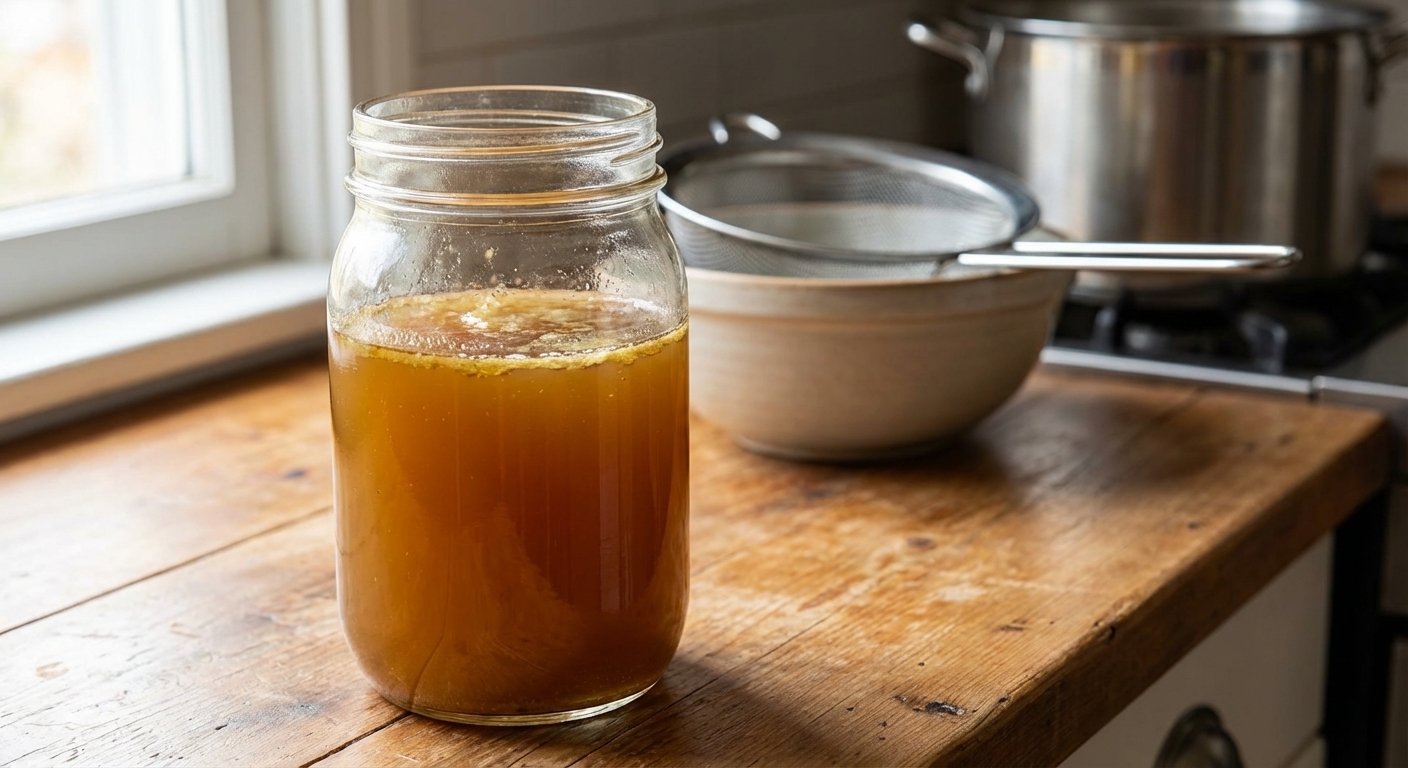
Ingredients
- 2 to 4 pounds of bones: chicken frames, turkey backs, beef marrow bones, or knuckle bones
- Water to cover (about 10 to 14 cups depending on pot size)
- 1 to 2 tablespoons apple cider vinegar (optional, may slightly increase mineral extraction, but results can be modest)
- Optional: a small handful of dog-safe veggies (carrot or celery). Skip onions, garlic, leeks, and chives.
Stovetop steps
- Blanch (recommended for clarity): Cover bones with water, bring to a brief boil for 5 to 10 minutes, then discard that water and rinse the bones.
- Simmer: Return bones to the pot, add fresh water to cover, add apple cider vinegar if using, and let sit 20 to 30 minutes (off heat).
- Cook time: Bring to a gentle simmer. Skim foam if needed. Then simmer covered on low:
- Chicken or turkey bones: 4 to 8 hours
- Beef bones: 8 to 18 hours
- Strain: Remove large bones carefully. Pour broth through a fine mesh strainer.
- Cool safely: For faster cooling, transfer broth to shallow containers or set the pot in an ice bath briefly, then refrigerate. Avoid putting a large, hot pot straight into the fridge.
- Defat: Once chilled, skim the fat layer off the top. This is especially important for dogs with sensitive stomachs and any history of pancreatitis.
Slow cooker option
Add ingredients, cover with water, and cook:
- Chicken or turkey: 8 to 10 hours on low
- Beef: 12 to 24 hours on low
Strain, chill, and skim fat as above.
Pressure cooker option
- Chicken: 45 to 90 minutes at pressure with natural release
- Beef: 90 to 120 minutes at pressure with natural release
Strain, chill, and skim fat.
Storage and safety
- Fridge: 3 to 4 days in a sealed container
- Freezer: best quality within 2 to 3 months (you can freeze longer, but flavor and texture can decline). Freeze in silicone molds or ice cube trays for easy portions.
- Serve: Warm or room temperature. Do not serve hot.
- Never feed cooked bones: After simmering, discard the bones. Cooked bones can splinter and are a choking and perforation risk.
How much to give
There is no single perfect amount. Size, diet, and health conditions matter. For most healthy dogs, I recommend starting small and adjusting based on stool quality and overall tolerance.
Simple rule of thumb: Toppers like broth should stay a small part of your dog’s daily intake so you do not unbalance a complete diet, especially for small dogs.
Starter amounts
- Small dogs: 1 to 2 teaspoons once or twice daily
- Medium dogs: 1 to 2 tablespoons once or twice daily
- Large dogs: 2 to 4 tablespoons once or twice daily
If your dog does well, you can slowly increase. If stools get soft, back down.
Best ways to use it
- As a hydration boost: offer a small bowl of broth alongside water
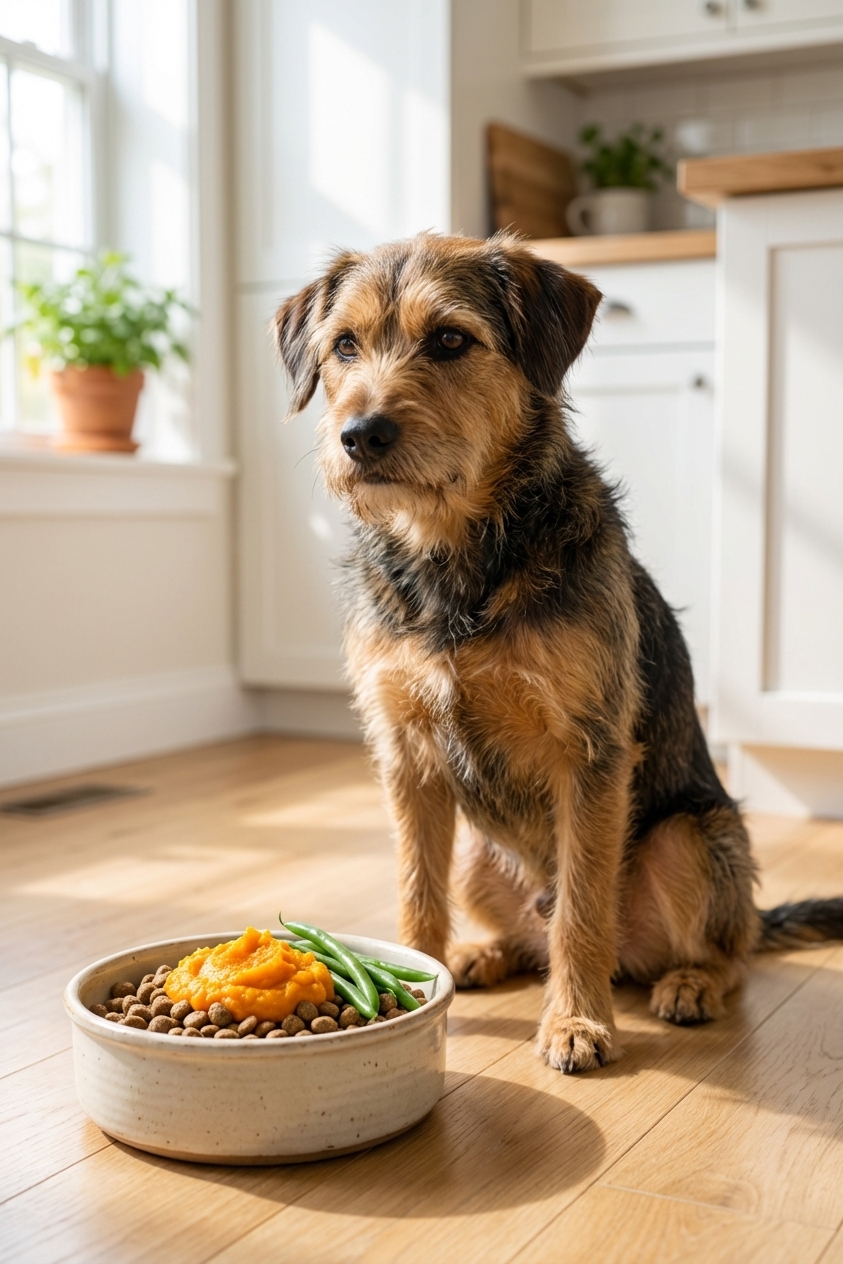
- As a meal topper: pour over kibble or homemade food
- For food transitions: mix into the new food to improve acceptance
- To soften meals: especially helpful for seniors or dental discomfort
When to avoid it
Bone broth is not right for every dog. Please check with your veterinarian first if your dog has any of the following:
- Pancreatitis history or needs a therapeutic low-fat diet (fat must be removed meticulously)
- Kidney disease (mineral balance matters, and even homemade broth may not fit your dog’s plan). Use only under veterinary guidance.
- Heart disease or needs sodium restriction (do not add salt, avoid salty store products). Use only under veterinary guidance.
- Food allergies (use bones from a tolerated protein only)
- GI obstruction risk or repeated vomiting (needs medical evaluation, not just broth)
Red flags
- Vomiting after broth
- Diarrhea that persists or worsens
- Abdominal pain, bloating, restlessness
- Refusal to eat or drink for more than a day
- Weakness, pale gums, or collapse
When in doubt, call your veterinarian. It is always better to be safe, especially with seniors and small dogs.
Buying broth tips
If you buy broth instead of making it, read labels carefully. Many products are made for people, not dogs.
- Choose no-salt-added when possible.
- Avoid anything with onion, garlic, chives, leeks, or “seasonings” you cannot verify.
- Skip bouillon and soup bases, which are usually very high in sodium.
- Avoid products with added sweeteners (including xylitol) or spicy ingredients.
Quick checklist
- Keep it plain: no onion, no garlic, no added salt.
- Simmer long enough, then strain and chill.
- Skim the fat for sensitive stomachs.
- Start with small servings and adjust based on stool quality.
- Use broth as a supportive add-on for hydration, appetite, and comfort.
If you are already exploring homemade meals, bone broth pairs beautifully with simple whole foods like lightly cooked proteins, cooked vegetables, and gentle carbs. Small changes truly add up.