Meet the Burmese—an affectionate, people-focused cat with a sleek coat and playful energy. Explore history, personality, grooming, nutrition, enrichment, a...
Article
•
Designer Mixes
Bombay Cat Breed

Shari Shidate
Designer Mixes contributor
Meet the Bombay: the “mini panther” with a people-focused heart
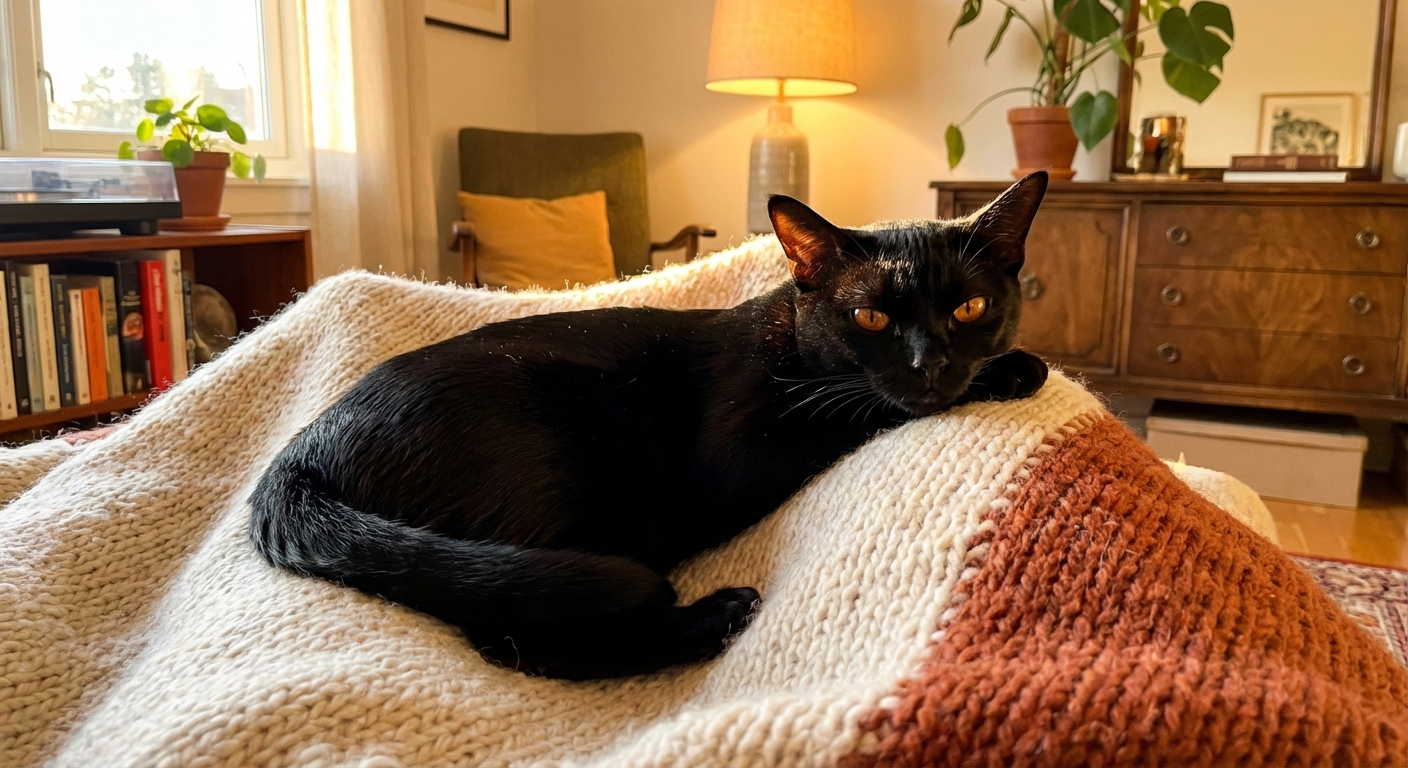
The Bombay cat is famous for its sleek, jet-black coat and coppery, expressive eyes. Many people describe the look as “panther-like,” but the personality is often more like a devoted companion than an aloof hunter. If you want a cat that enjoys being involved in daily life, greets you at the door, and happily settles near you on the couch, the Bombay may be a wonderful fit.
Origin and history
The Bombay is a relatively modern breed, developed in the United States in the mid-20th century. Breeders aimed to create a cat with the appearance of a black panther in a smaller, home-friendly package. To achieve that distinctive look and temperament, the breed was developed from crossings between black American Shorthairs and sable Burmese .
Today’s Bombay retains the signature features that made it famous: a short, close-lying coat with a high sheen, a muscular but compact body, and a confident, social demeanor.
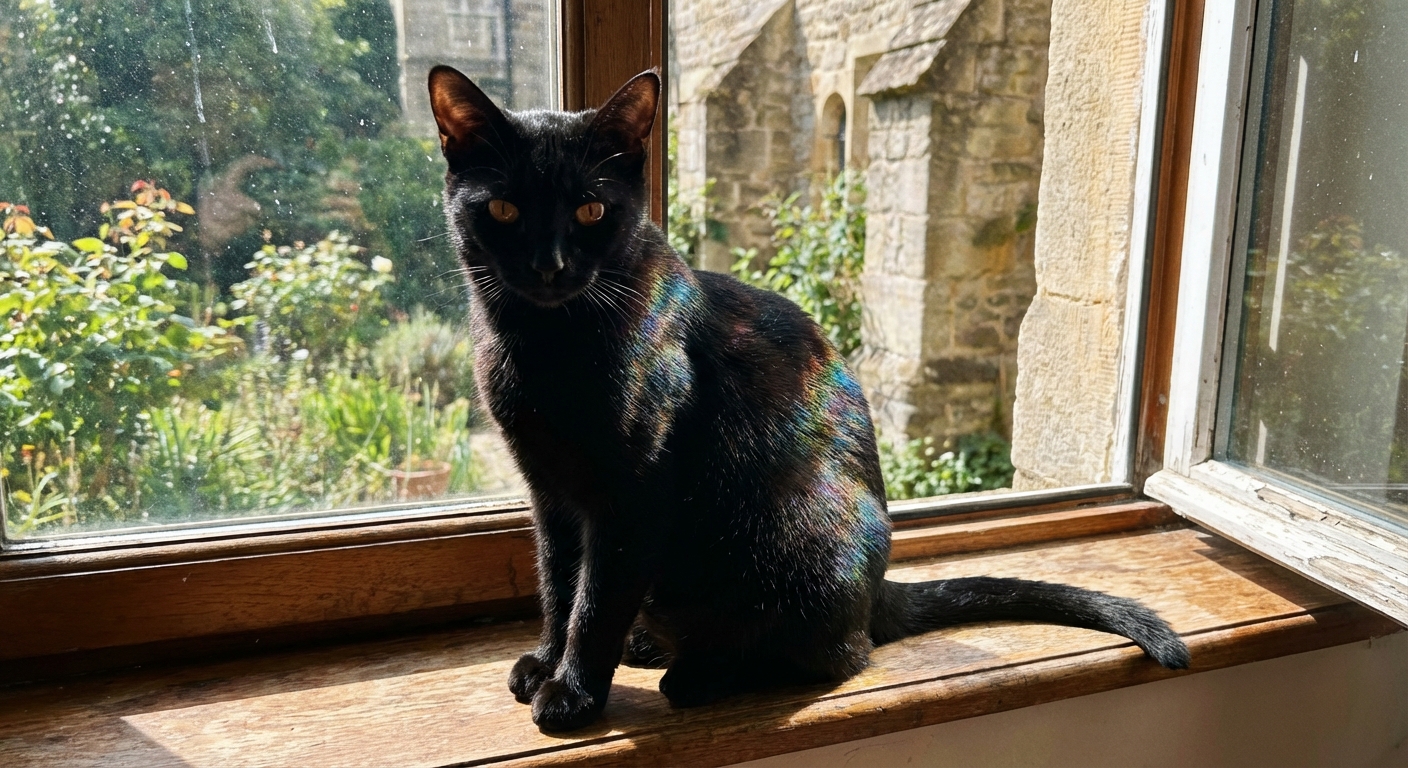
Appearance and physical traits
Bombays are medium-sized cats with a solid, athletic build. They tend to feel heavier than they look because of their muscular frame. Their coat is short and satiny, and it typically lies close to the body, which emphasizes their smooth outline.
Typical Bombay characteristics
- Coat: Short, fine, and glossy.
- Color: Black. Breed standards commonly call for a uniformly black coat.
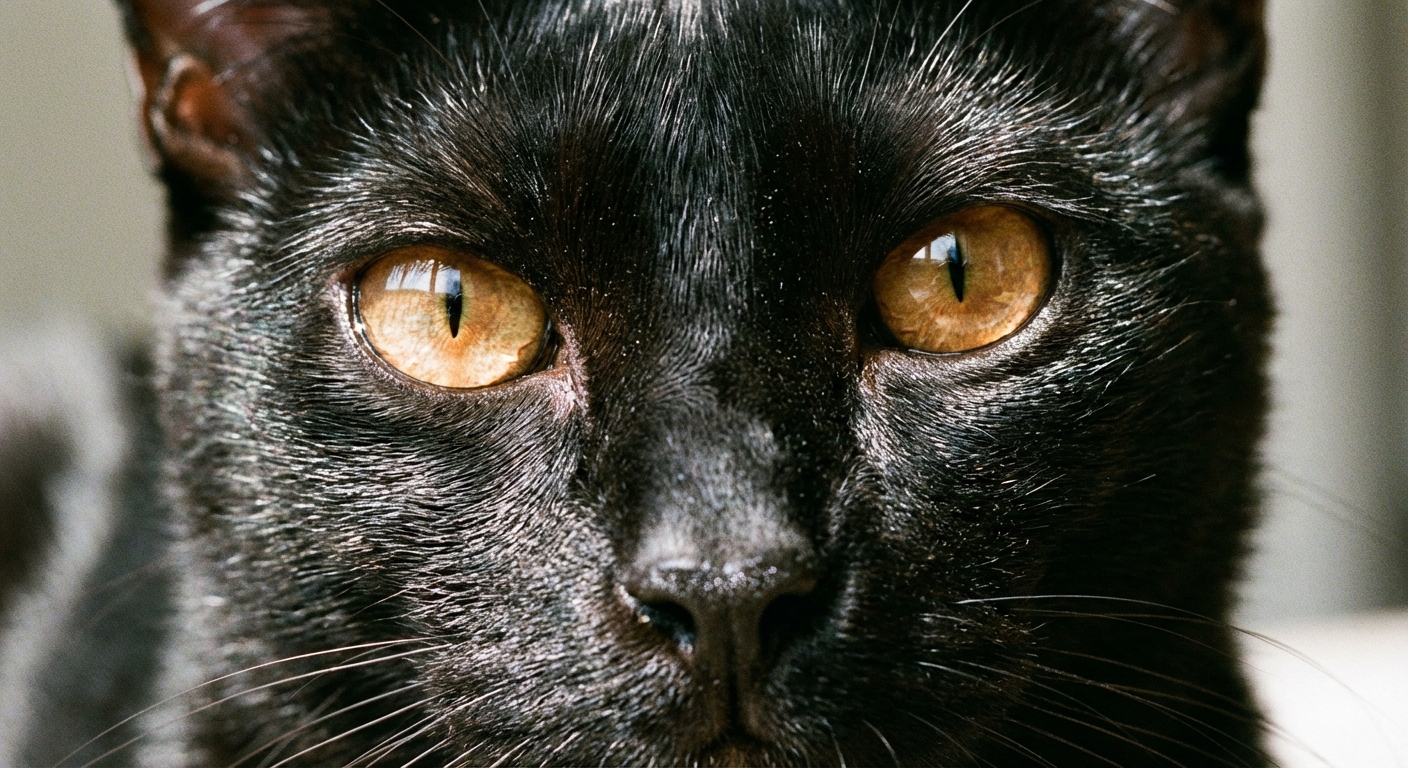
- Eyes: Usually copper to gold in tone, giving a striking contrast against the dark coat.
- Body: Compact, muscular, and well-proportioned.
- Expression: Bright and curious, often described as “intelligent” or “engaged.”
Temperament: affectionate, social, and curious
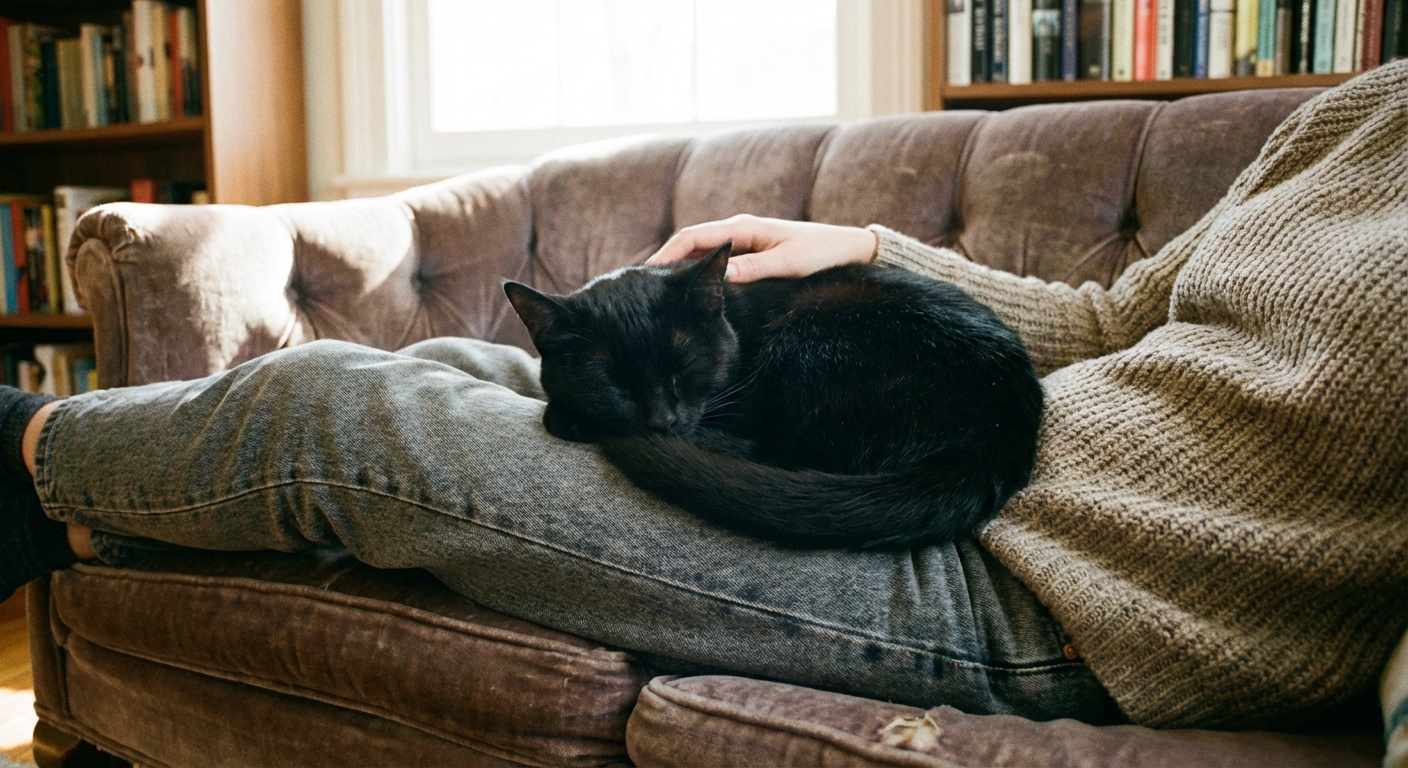
Bombays are widely known for being affectionate and people-oriented. Many enjoy following their favorite person from room to room, supervising tasks, and settling close by. They often do best in homes where they receive consistent interaction and gentle attention.
Temperament varies by individual, but many Bombay cats share a few common traits.
What many families love about Bombays
- Companionable: Often prefers being near you rather than off alone.
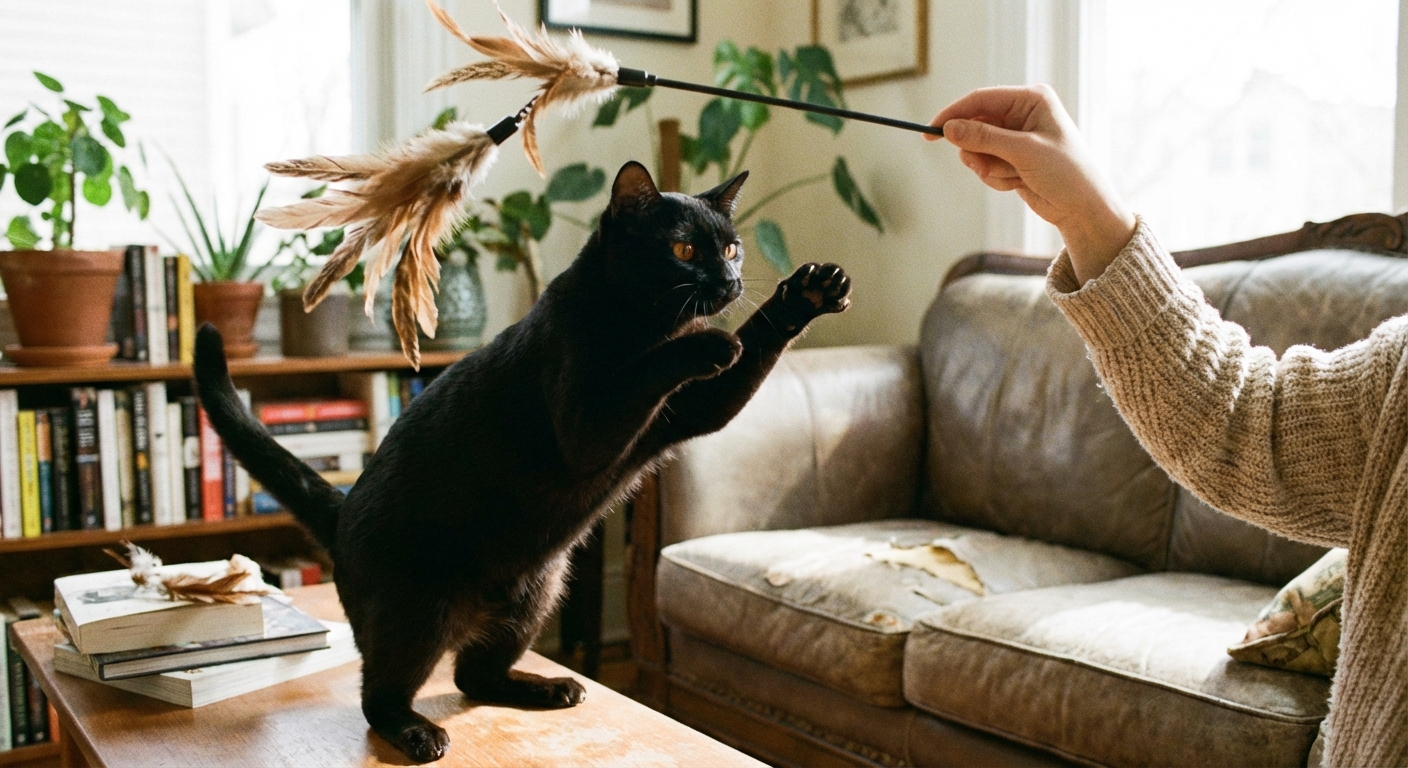
- Playful: Enjoys interactive play and puzzle-style toys.
- Confident: Typically adapts well to everyday household routines.
- Expressive: May communicate with soft vocalizations and clear body language.
If you enjoy an interactive cat with a warm, steady presence, the Bombay’s temperament can be a great match.
Is a Bombay a good pet for your home?
In many households, Bombays thrive as affectionate indoor companions. They often appreciate routines, cozy resting spots, and plenty of companionship. If your schedule keeps you away for long hours most days, consider whether you can provide enrichment or a second friendly pet to help prevent boredom.
Often a great fit for
- Families who want a social cat that enjoys being part of daily life
- People who like interactive play and training sessions
- Homes that can provide indoor enrichment and regular attention
Considerations before adopting
- Needs engagement: This breed may not love being left alone without stimulation.
- Prefers warmth: Many Bombays seek sunny spots and cozy blankets.
- May be very people-focused: If you prefer an independent cat, this might feel like “too much togetherness.”
Health: what to know and how to support lifelong wellness
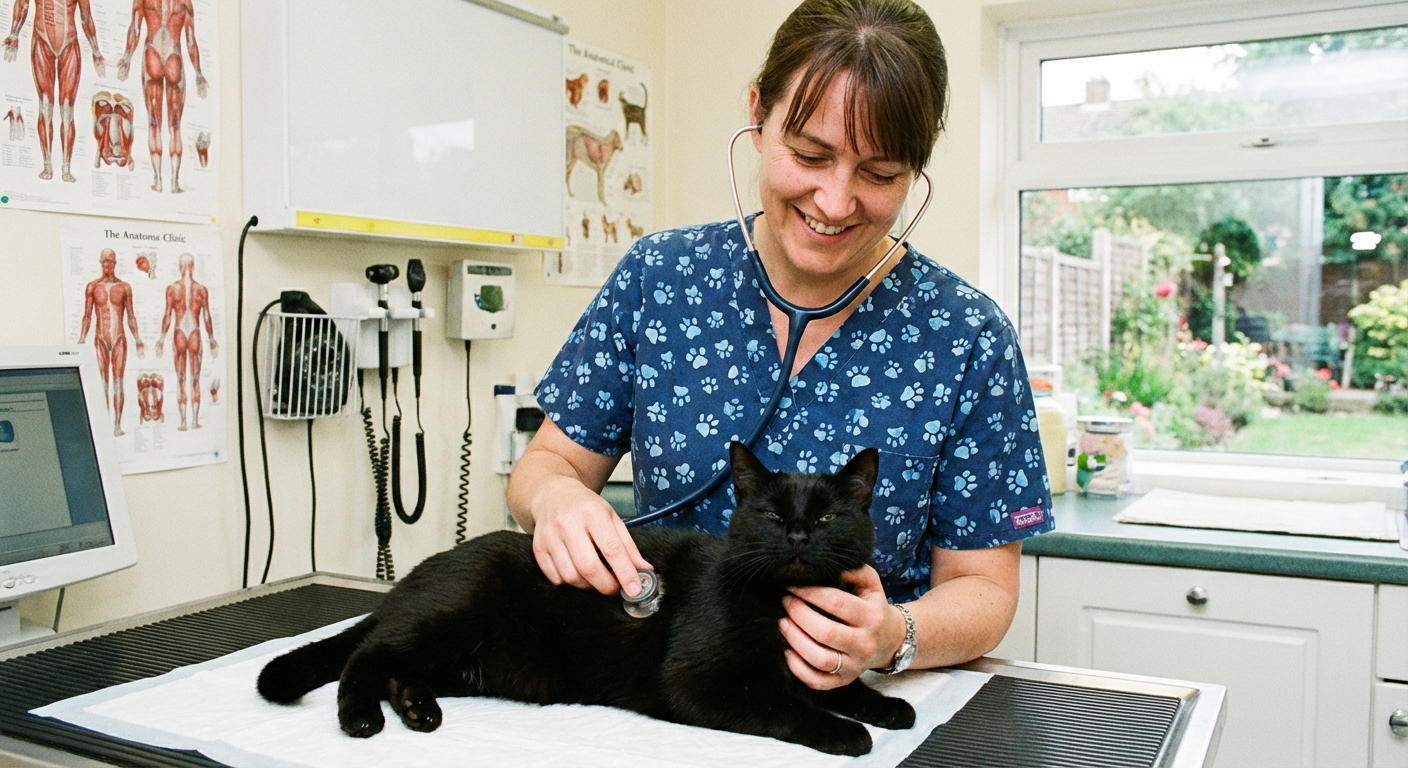
No breed is “perfectly healthy,” and individual cats vary widely. That said, responsible breeding and good preventive care can make a big difference in quality of life. Bombays are generally considered robust, but like many purebred lines, they can have predispositions that are worth discussing with a veterinarian.
Because the Bombay shares lineage with the Burmese , it is especially smart to ask about a few well-known concerns in Burmese-related lines:
- Craniofacial Defect (also called the Burmese Head Defect): A severe congenital condition. Ethical breeders avoid producing affected kittens by using appropriate breeding practices and, when available, relevant genetic information for their lines.
- Hypertrophic Cardiomyopathy (HCM) : A heart condition seen across many cat breeds. Screening often involves a cardiac ultrasound (echocardiogram) performed by a veterinary cardiologist, especially for breeding cats.
Practical, evidence-based health habits
- Routine veterinary care: Annual or semiannual exams help catch issues early.
- Weight management: A muscular build can hide early weight gain. Ask your vet about an ideal weight range and body condition scoring.
- Dental care: Regular dental checks and home dental routines can reduce risk of periodontal disease.
- Vaccines and parasite prevention: Tailored to your region and lifestyle, including indoor-only cats.
If you are adopting from a breeder, ask about health testing and the health history of the parents, including what screening they do for HCM and how they address Burmese-line craniofacial defects in their breeding program. If you are adopting from a rescue, schedule a wellness visit soon after bringing your cat home to establish a baseline.
Care and grooming
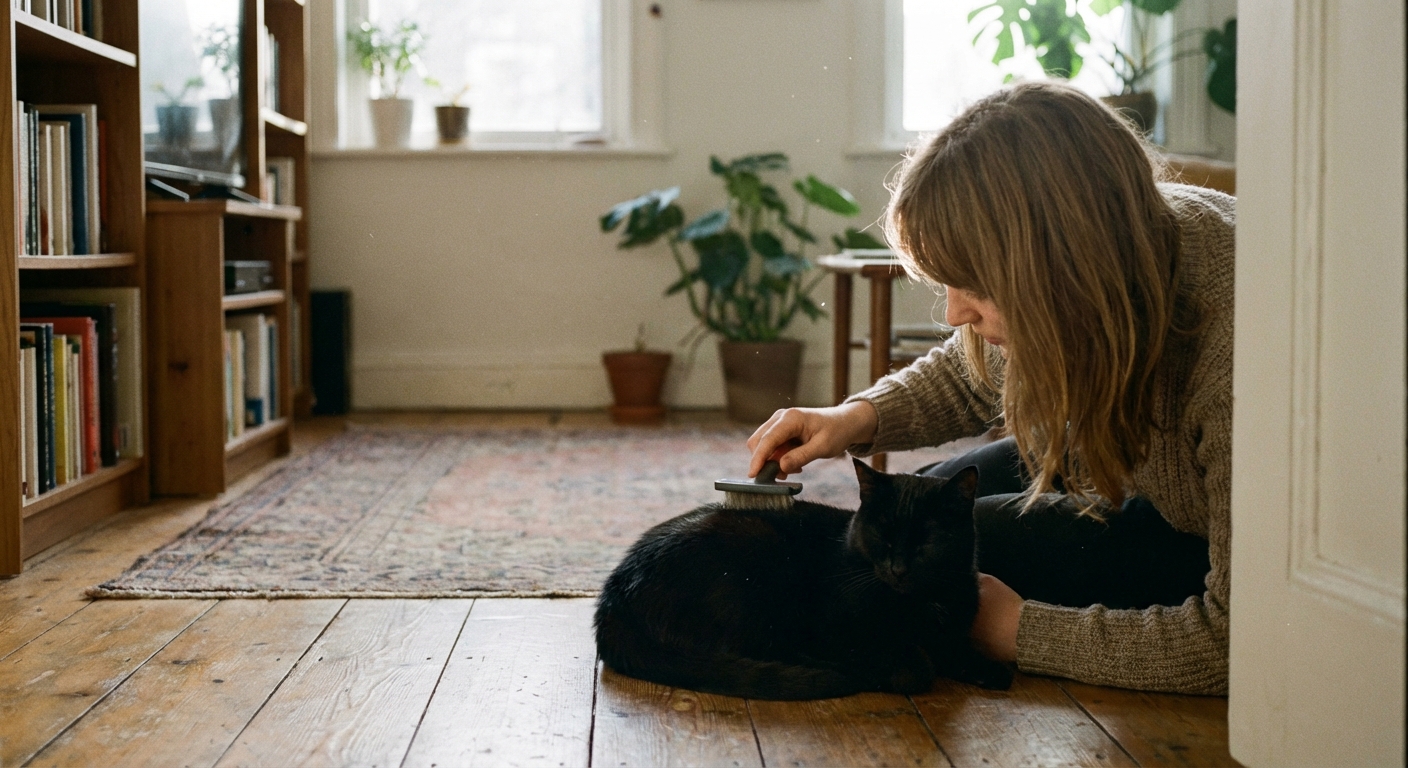
The Bombay’s short coat is relatively low-maintenance, but that does not mean “no maintenance.” Light grooming supports skin health, reduces loose hair, and gives you a weekly opportunity to check ears, eyes, and nails.
Simple care routine
- Brushing: Once weekly is often enough. A soft brush or grooming mitt works well for short coats.
- Nail trimming: Every 2 to 4 weeks for many cats, depending on growth and scratching habits.
- Ears and eyes: Check weekly for discharge, odor, or redness.
- Litter box: Keep it clean. Many cats show stress or avoid the box if it is not maintained.
Many veterinary teams also emphasize that grooming is not just cosmetic. It doubles as a gentle, regular health check and can build trust over time, especially when started early and kept calm and consistent.
Nutrition and activity: keeping your Bombay lean and thriving
Good nutrition is foundational for energy, coat quality, and long-term metabolic health. Bombays are often enthusiastic eaters, so portion awareness matters. Choose a complete and balanced diet appropriate for your cat’s life stage, and work with your veterinarian if you need help selecting a formula.
Everyday wellness tips
- Measure meals: Use a measuring cup or kitchen scale rather than “free-pouring.”
- Prioritize protein: Cats are obligate carnivores, and high-quality animal protein supports muscle maintenance.
- Hydration: Many cats drink more from water fountains. Wet food can also support hydration.
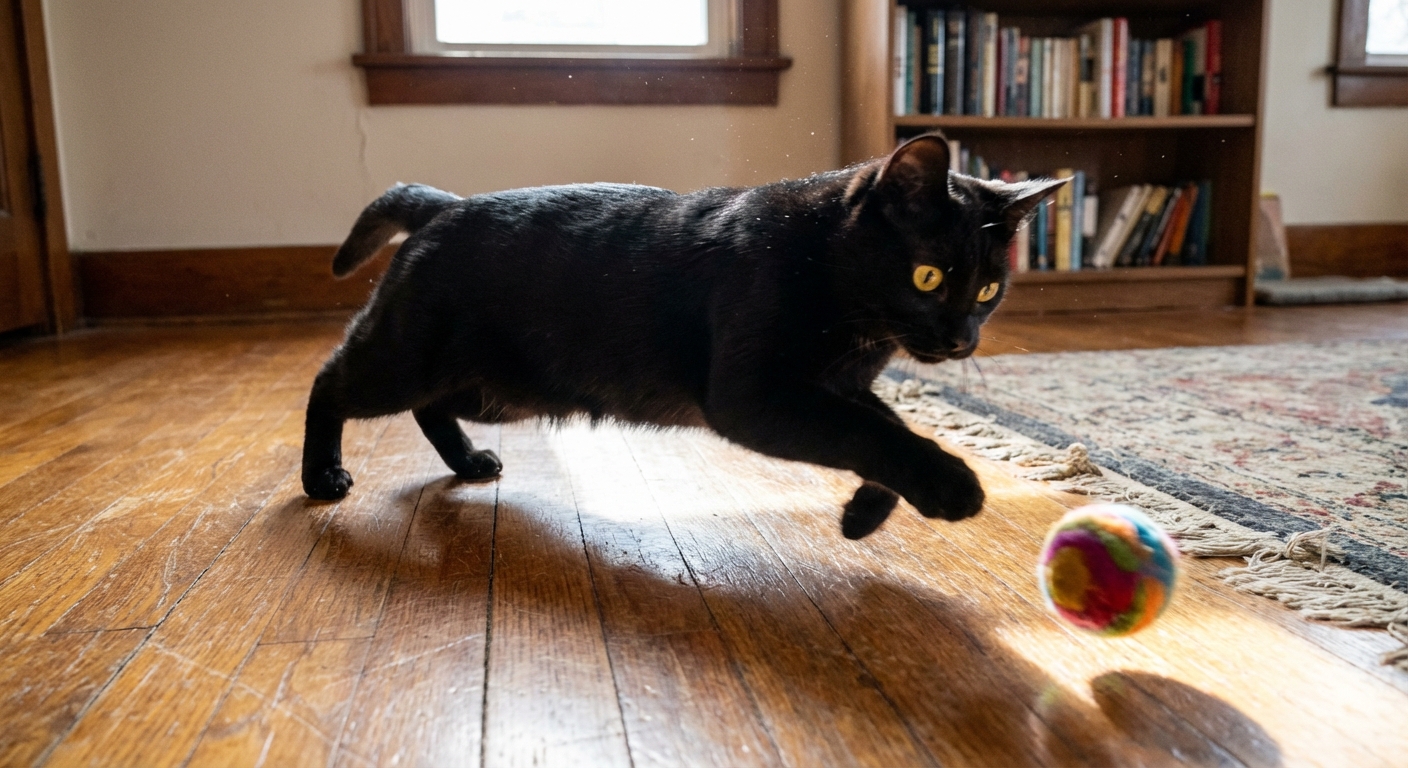
- Daily play: Two to three short sessions per day can help manage weight and stress.
Small, consistent habits can add up over time. A few minutes of active play and a measured breakfast can make a meaningful difference over months and years.
Training and enrichment
Bombays are often bright, curious, and motivated by attention. Many can learn simple cues, harness tolerance, or polite play habits when training is reward-based and gentle.
Enrichment ideas that usually go over well
- Puzzle feeders: Great for slowing down fast eaters and adding mental stimulation.
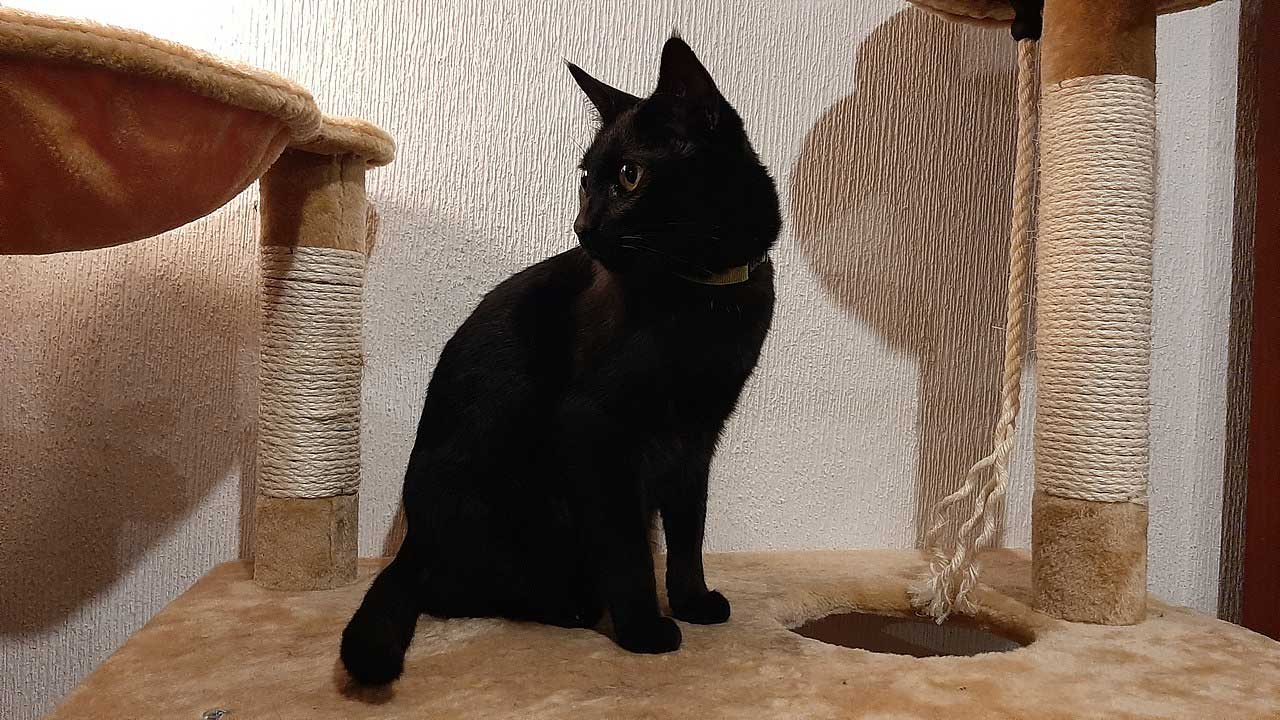
- Vertical space: Cat trees and shelves provide exercise and a sense of security.
- Interactive play: Wand toys mimic natural hunting sequences.
- Clicker training : Short sessions build confidence and strengthen your bond.
Keep sessions brief and positive. End on a success, and avoid punishment-based methods, which can increase fear and stress.
Living environment and family life
Bombays often do best as indoor cats, where they are protected from traffic, predators, and infectious disease exposure. Indoors, they still need opportunities to climb, scratch, explore, and rest in warm, comfortable spaces.
With children and other pets
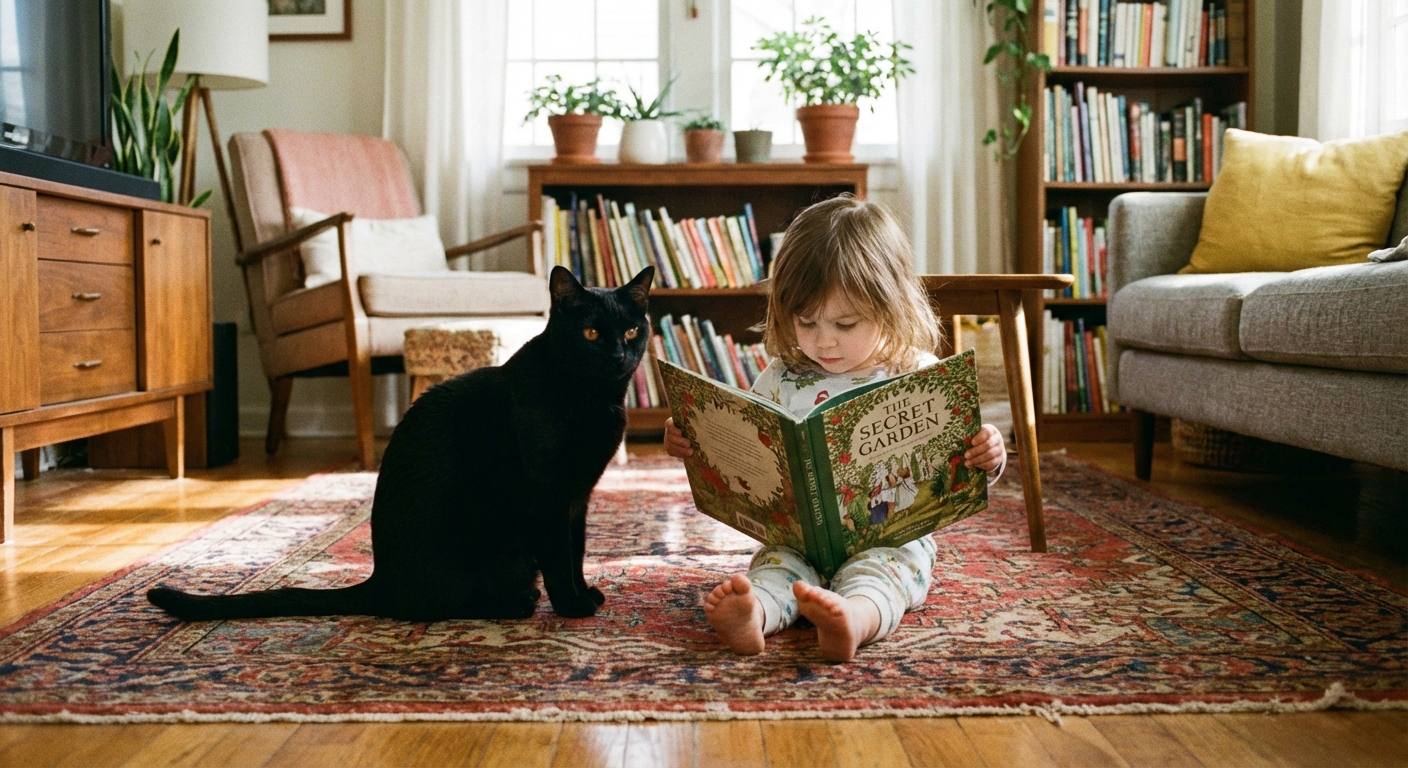
Many Bombays do well with respectful children and can coexist happily with other cats or friendly dogs, especially when introductions are gradual and supervised. Teach children to handle gently and let the cat choose interaction. A cat who can opt out will be more confident and affectionate over time.
How to choose a Bombay: breeder, rescue, and adoption tips
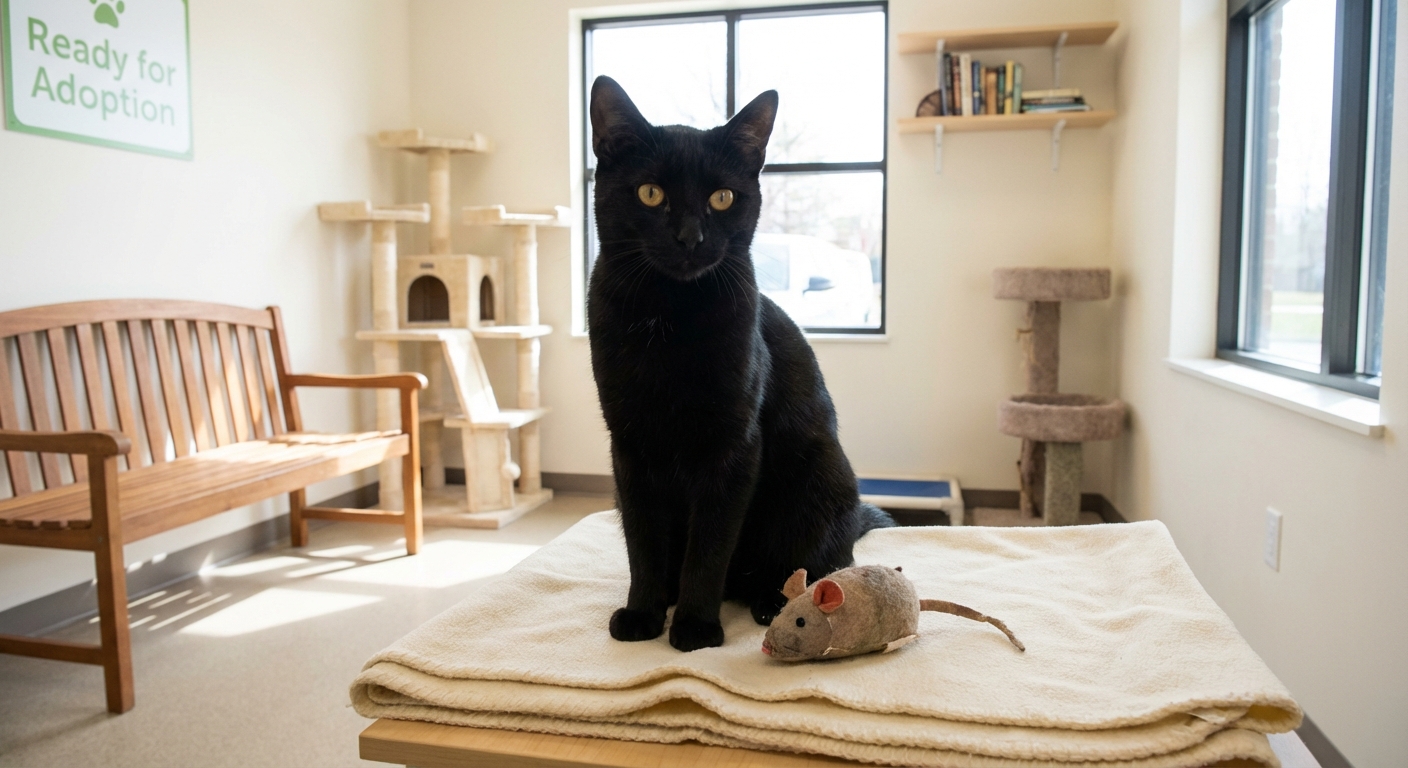
Whether you adopt from a shelter or work with a reputable breeder, look for signs of good socialization and transparent health care. A healthy, well-adjusted cat is the result of genetics plus environment, and early experiences matter.
Questions worth asking
- What diet is the cat currently eating, and what is the feeding schedule?
- Has the cat had a recent veterinary exam and core vaccinations?
- What is the cat’s typical temperament in the home environment?
- If purchasing from a breeder, what health screening is performed on the parents?
- Do the breeding cats receive HCM screening (for example, echocardiograms), and can you see documentation?
- How does the breeder address the Craniofacial Defect (Burmese Head Defect) risk in their lines and breeding decisions?
A thoughtful match is more important than a perfect pedigree. The best choice is the cat whose needs align with your time, energy, and home setup.
Quick summary: what makes the Bombay special
- Signature look: Sleek black coat and striking coppery eyes.
- Personality: Affectionate, social, and often very engaged with people.
- Care level: Low grooming needs, but high need for interaction and enrichment.
- Best home: One that offers companionship, play, and a safe indoor lifestyle.
If you are looking for a cat who feels like a true companion, the Bombay’s combination of beauty and warmth is hard to beat.