
Blue-Green Algae and Dogs

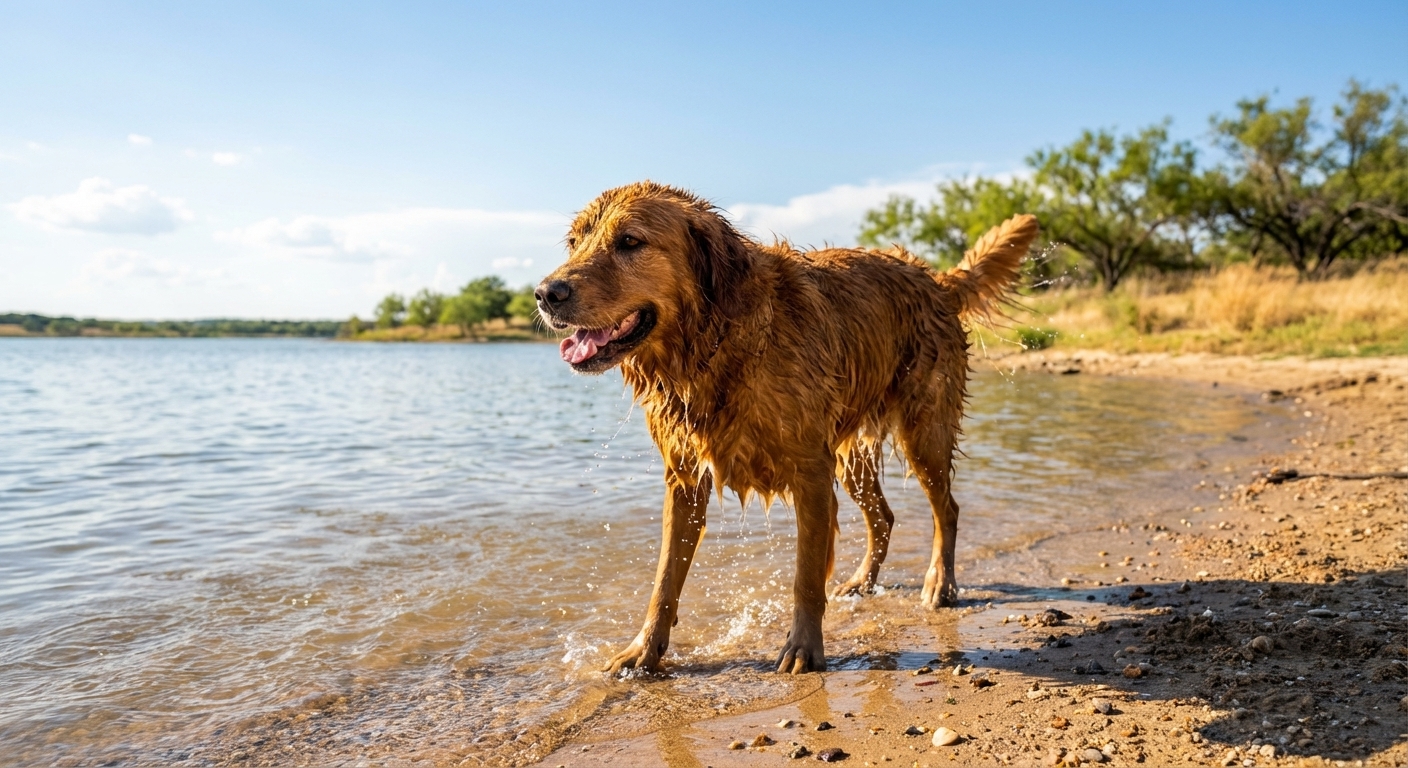
As a veterinary assistant here in North Texas, I love seeing dogs enjoy our lakes and trails. But warm weather brings a very real seasonal hazard: blue-green algae, also called cyanobacteria. Some blooms produce toxins that can make dogs critically ill in a short amount of time, especially dogs who swim hard, drink lake water, or lick their coat afterward.
This page will help you spot risk cues, understand peak season, know what to do right after exposure, and recognize the early signs that mean go to an emergency vet now.
What it is and why it can be deadly
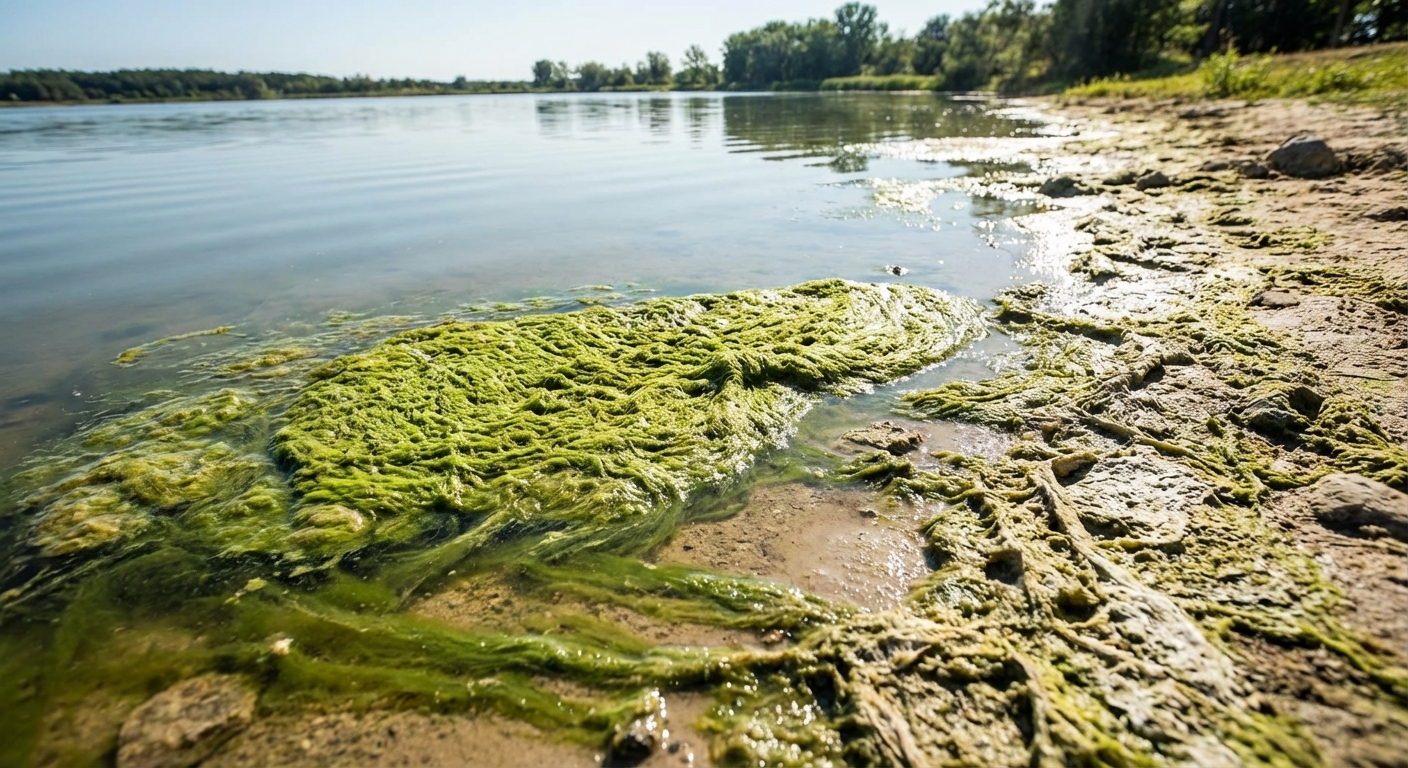
Cyanobacteria are naturally occurring organisms found in freshwater and brackish water. Under the right conditions, they multiply quickly and form a bloom that can look like pea soup, green paint, or scummy mats along the shoreline.
The biggest danger is not the algae itself, but the toxins some blooms can produce. Not every bloom is toxic, and you cannot confirm toxins by sight alone. Only lab testing can confirm which toxins are present, so if you suspect a bloom, the safest choice is to avoid contact.
The toxin categories veterinarians worry about most are:
- Neurotoxins that affect the nervous system and can cause weakness, tremors, paralysis, and breathing failure.
- Hepatotoxins that injure the liver and can cause vomiting, diarrhea, abdominal pain, jaundice, bleeding problems, and collapse.
Other toxins and irritants can occur too (including skin and GI irritants), so signs can vary.
Dogs are at higher risk than people because they tend to drink the water, chase splashes and waves, and then groom and lick algae off their fur, which increases the dose they ingest.
When risk is highest
Blooms are most common during hot months, especially when water is warm and conditions are calm. In much of the U.S., that often means late spring through early fall. In Texas, I tell families to be extra alert from May through October, with spikes during heat waves.
That said, Texas can see blooms outside that window, including during mild winters. If the water looks suspicious or your area has an advisory, trust your eyes and the warnings even if it is “not the usual time.” Clear-looking water can still be risky.
Visual risk cues
You do not need to be a scientist to make a safer decision. If you notice any of the cues below, keep your dog out and choose a different spot.
Water and shoreline clues
- Pea soup or neon green water
- Green paint appearance or surface streaks
- Scum, foam, or mats especially near the shoreline
- Floating clumps that look like spilled algae or grass stains
- Dead fish or lots of distressed wildlife nearby (a general warning sign, not specific to cyanobacteria)
- Stagnant, warm, shallow coves with little wave action
Smell and surface clues
- A musty or foul odor can happen, but lack of odor does not mean the water is safe.
- Water that looks greasy or has thick, swirly surface film
Important note: Some toxic blooms are not dramatic looking. If your area has an advisory, treat the entire waterbody as unsafe even if one section looks clear.
Which dogs are most at risk
Any dog can be affected, but I see higher-risk situations with:
- Water-loving retrievers and doodles that swim repeatedly and gulp water
- High-drive herding breeds that keep going even when tired or overheated
- Small dogs because a small dose can be a big dose for their body size
- Puppies and senior dogs who dehydrate more easily
- Dogs with liver disease or other chronic illness
Also, remember that exposure does not require swimming. Dogs can be exposed by wading, drinking from the shoreline, or licking paws after walking through algae.
What to do right after exposure
If you think your dog was in water with a possible bloom, act quickly. Early action can reduce how much toxin is swallowed during grooming.
Step-by-step
- Get your dog out of the water immediately and stop them from drinking more.
- Prevent licking. Use a leash, offer a toy, or use an Elizabethan collar (a cone) if you have one available.
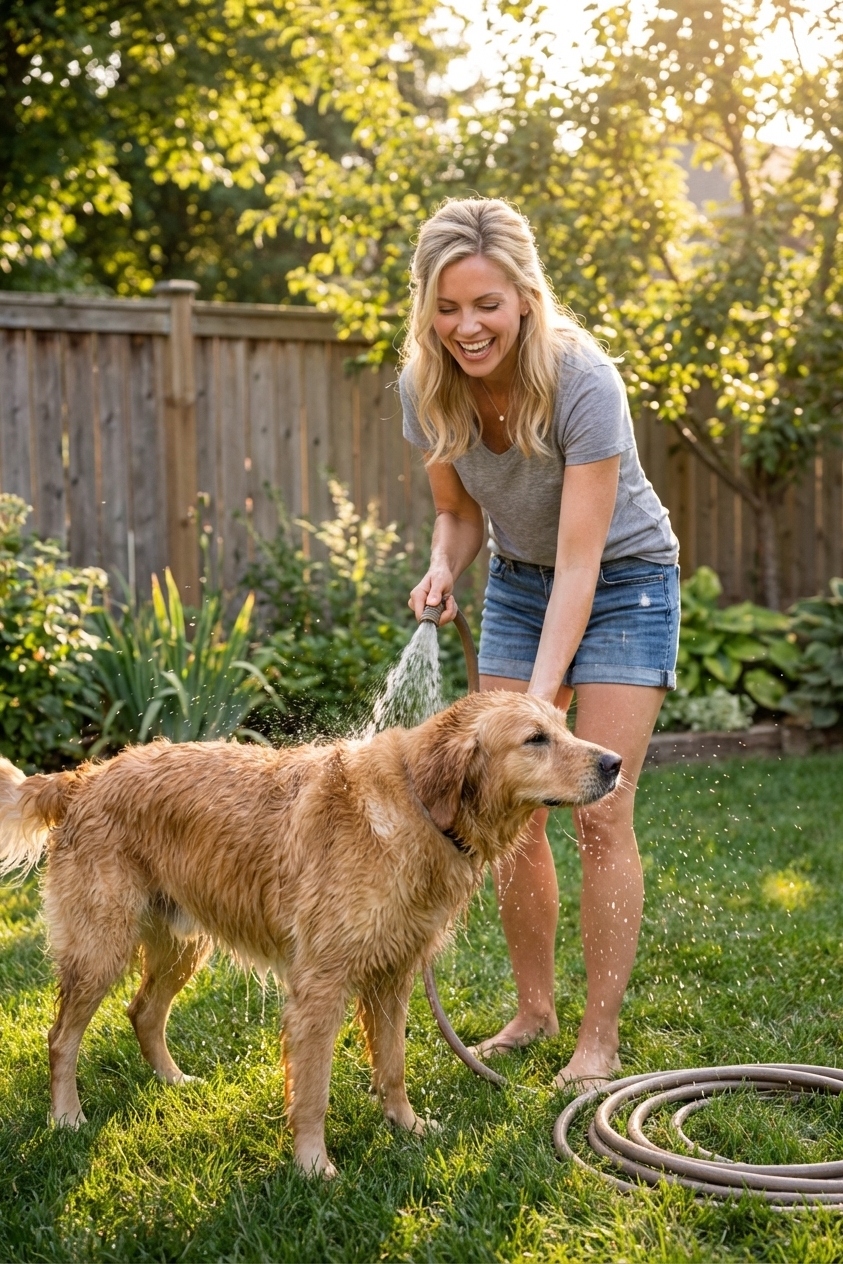
- Rinse thoroughly with clean tap water as soon as you can. A full-body rinse matters, especially paws, belly, and chest.
- Wash with mild dog shampoo if algae scum is on the coat, then rinse again.
- Dry with a towel so there is less moisture to lick off.
- Offer clean drinking water from home.
- Call your vet or an emergency clinic for guidance, even if your dog looks fine right now.
If you cannot rinse immediately, do what you can right away: keep your dog from grooming, wipe them down with bottled water if available (especially paws, belly, and chest), and head for a place you can rinse or to the nearest veterinary clinic depending on your vet’s advice.
Keep yourself safe too. Avoid touching the water and scum with bare hands if you can. Gloves help, and washing hands well afterward is important. Try not to let rinse water run into areas where kids play.
If you have other pets or kids with you, rinse them off too and keep everyone away from the suspect shoreline.
Signs in dogs
Symptoms can begin quickly, sometimes within minutes to hours. With some toxins, signs may develop later. The safest approach is: if you suspect exposure and any symptoms begin, treat it as an emergency.
Emergency signs
- Vomiting or repeated retching
- Diarrhea, especially sudden or severe
- Drooling or foaming
- Weakness, wobbliness, collapse
- Tremors or seizures
- Difficulty breathing or rapid breathing
- Pale gums or blue-tinged gums
- Very fast onset of illness after lake or pond time
Other concerning signs
- Not acting like themselves, anxiety, agitation, or unusual quietness
- Loss of appetite
- Abdominal pain (tense belly, “prayer position”)
- Yellow tint to eyes or gums (jaundice), which can indicate liver injury
If your dog is showing neurologic signs like tremors, seizures, or trouble breathing, do not wait to “see if it passes.” Time matters.
What the ER may do
There is no single antidote for all cyanotoxins, so treatment is often rapid decontamination and aggressive supportive care. Your veterinarian will tailor care to your dog’s symptoms and timing. They will also tailor care to what you think the exposure was and how much your dog may have swallowed.
Common steps in a hospital setting may include:
- Decontamination (bathing, preventing further ingestion, and in some cases activated charcoal when appropriate)
- IV fluids to support hydration and circulation
- Anti-nausea and GI protectants
- Seizure and tremor control if neurologic signs are present
- Oxygen support if breathing is affected
- Bloodwork monitoring especially liver values, electrolytes, clotting factors
Bring any helpful details: where you were, the time of exposure, photos of the water if you safely took them, and when symptoms started.
If you suspect blue-green algae exposure, the most evidence-based “home care” is immediate rinsing and immediate veterinary guidance. Do not try to treat serious symptoms at home.
What not to do
- Do not let your dog keep swimming if you see scum or discoloration.
- Do not encourage vomiting unless a veterinarian specifically tells you to. It is case-dependent and time-dependent, and it can be dangerous with neurologic signs.
- Do not rely on taste or smell as a safety test.
- Do not assume moving water is safe. Blooms can collect in pockets and along shorelines even when the main area looks clearer.
- Do not let your dog lick themselves dry after a questionable swim.
How to report a suspected bloom
Reporting helps protect other families and can trigger official testing or advisories. If you see suspicious water:
- Keep pets and people out of the area.
- Take a photo from a safe distance (avoid contact with the water).
- Check your local health department, parks department, or state environmental agency website for bloom reporting instructions.
- If a dog becomes ill after exposure, tell your veterinarian exactly where you were so they can note it in the medical record and advise reporting.
If you are in Texas, start with the Texas Department of State Health Services (DSHS) harmful algal bloom resources and any lake or county advisories. The Texas Commission on Environmental Quality (TCEQ) and local lake authorities may also post updates depending on the waterbody.
Prevention tips
The best treatment is prevention. Here are habits that work well for athletic dogs and busy families:
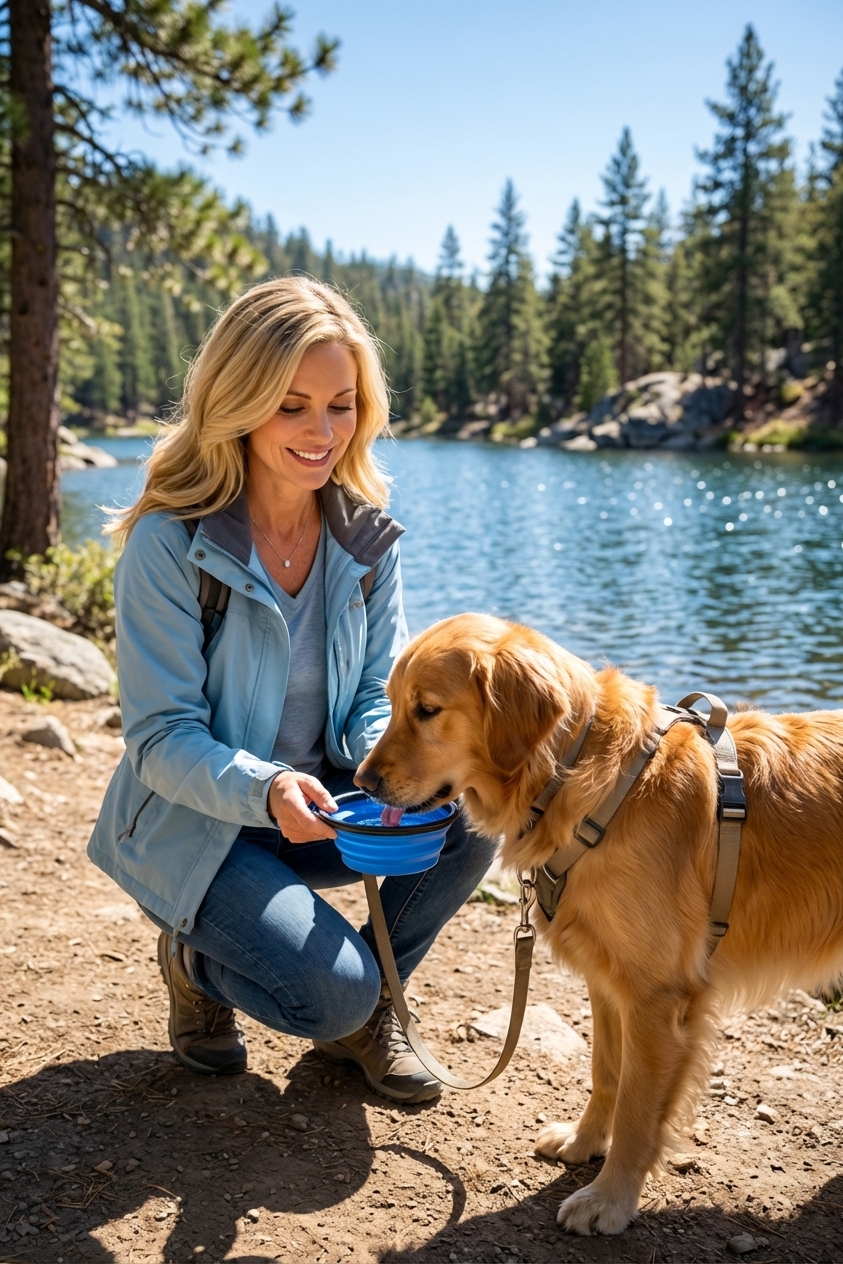
- Bring your own water and a collapsible bowl. Offer drinks often so your dog is less tempted to sip lake water.
- Choose clearer, cooler water and avoid stagnant coves.
- Obey posted signs and check online advisories before you go. If there is an advisory, do not let your dog enter the water.
- Rinse after swimming even when the water looks fine, especially if your dog has a thick coat that holds moisture.
- Teach a solid “leave it” for shoreline foam and scum.
- Consider safer alternatives during peak heat: sprinkler play, kiddie pool with fresh water, or a supervised dog dock diving facility that maintains water quality.
Quick safety checklist
- Water is clear enough to see below the surface
- No green streaks, scum, mats, or shoreline foam
- No foul musty odor (but remember, no odor does not mean safe)
- No current advisories posted online or at the park
- You have clean water and a bowl so your dog does not drink from the lake
If any box gives you pause, it is okay to pivot. There will always be another swim day. Your dog only gets one liver and one nervous system.
When to call the vet
Call your veterinarian or an emergency clinic immediately if:
- Your dog was in suspect water and is showing any vomiting, diarrhea, drooling, weakness, tremors, or unusual behavior
- Your dog swallowed a lot of water or you saw them chewing on algae mats
- You are unsure what you saw but your gut says the water was “off”
If it is after hours, contact a 24-hour emergency hospital. If you can do so safely, bring a photo of the water and the location details.
Safety note: This article is educational and not a substitute for veterinary care. If you suspect toxin exposure, please treat it as urgent.