Vet-informed guide to a short-term bland diet for dogs: chicken and rice 1:2 ratio, daily cup ranges by weight, how many meals to split into, and red flags t...
Article
•
Designer Mixes
Bloody Stool in Dogs: Causes, What It Means, and What to Do

Shari Shidate
Designer Mixes contributor
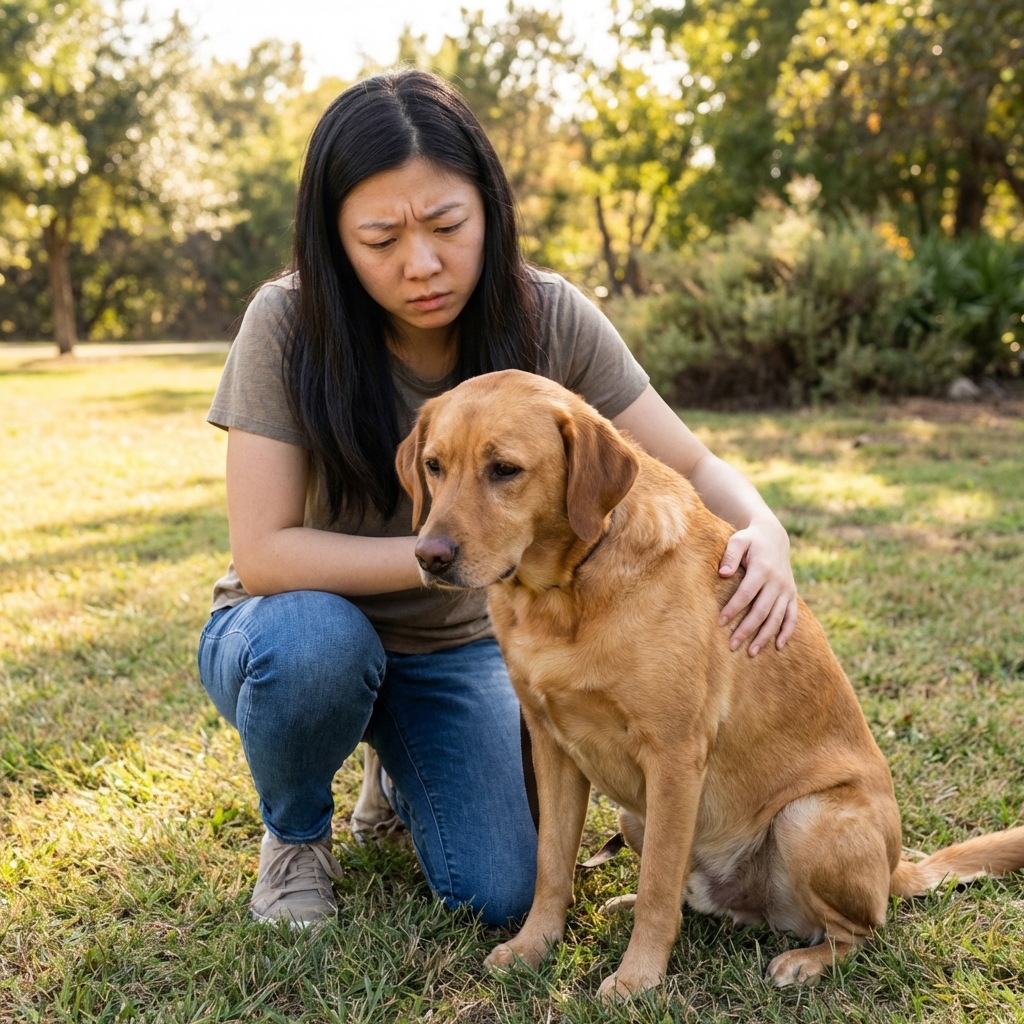
Seeing blood in your dog’s stool can make your stomach drop, and I completely understand why. As a veterinary assistant here in Frisco, Texas, I have talked with many families who noticed it suddenly and feared the worst.
The good news is that bloody stool has a wide range of causes, from mild and temporary irritation to urgent medical emergencies. This article will help you understand what you are seeing, what it may mean, and how to respond safely.
Important: If your dog is weak, pale, vomiting repeatedly, has a swollen belly, is straining without producing stool, or you see more than streaks of blood (puddles, clots, or steady dripping), treat it as an emergency.
What “bloody stool” can look like
Not all blood in stool looks the same, and the appearance often gives clues about where the bleeding is happening.
Bright red blood (hematochezia)
Bright red streaks or drops often suggest bleeding from the lower gastrointestinal (GI) tract (colon, rectum, or anus). This can happen with colitis, parasites, anal gland problems, or straining.
Black, tarry stool (melena)
Black stool that looks sticky or tar-like can mean digested blood from the upper GI tract (stomach or small intestine). Melena can be linked to ulcers, certain medications, bleeding disorders, or swallowed blood from the mouth or nose.
Blood plus mucus
Mucus with blood commonly points to large-bowel inflammation (colitis). Dogs may also have frequent, urgent bowel movements with small amounts of stool.
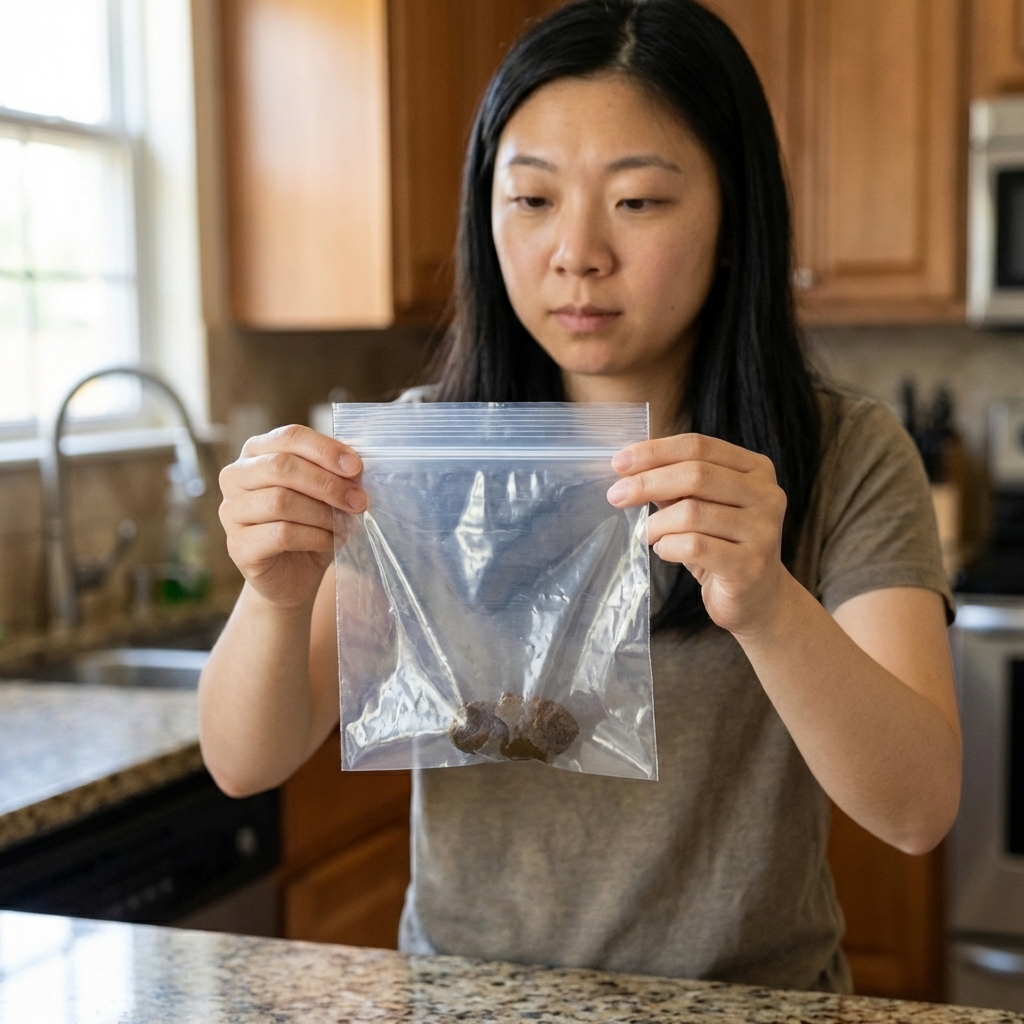
Quick tip: Some foods (like beets) and medicines (including bismuth products) can darken stool. This can confuse the picture and may mask melena, so when in doubt, save a sample or take a clear photo for your vet and call for guidance.
Common causes of bloody stool in dogs
Below are the most common causes I see in practice. Sometimes it is just irritation that settles quickly. Other times, it is a clue that something bigger is going on. More than one issue can happen at the same time, especially when diarrhea is involved.
1) Dietary indiscretion (getting into the trash)
Dogs are talented snack hunters. Greasy leftovers, spoiled food, or unfamiliar treats can inflame the GI tract and trigger diarrhea with streaks of blood.
2) Stress colitis
Boarding, a new pet, moving homes, storms, schedule changes, or even a big weekend of visitors can lead to large-bowel inflammation. You may see small frequent stools, urgency, mucus, and bright red blood.
3) Intestinal parasites
Hookworms, whipworms, roundworms, Giardia, and coccidia can irritate the intestines and lead to blood or mucus. Puppies and newly adopted dogs are especially at risk.
Note: A “negative” fecal test does not always rule parasites out on the first try, depending on shedding cycles. Your vet may recommend repeat testing or broader screening.
4) Sudden diet change or food sensitivity
Switching foods too quickly can cause diarrhea and inflammation. Some dogs also react to specific proteins, dairy, or high-fat treats. The result can be soft stool with blood from irritation.
5) Hemorrhagic diarrhea syndrome (HDS)
HDS (previously called hemorrhagic gastroenteritis) can cause very bloody, watery diarrhea that can appear like raspberry jam. The exact trigger is often unclear, and vets typically diagnose it based on clinical signs and testing to rule out other serious causes. Dogs can dehydrate quickly and may need urgent fluids and supportive care.
6) Bacterial imbalance or infection
Some bacterial imbalances or infections (for example, Clostridium, Campylobacter, or Salmonella) may contribute to diarrhea that includes blood, especially when combined with stress or diet changes. Many acute cases still improve with supportive care, so your veterinarian will usually base treatment on your dog’s condition and fecal testing rather than guessing. Antibiotics are not automatically needed.
7) Foreign body or obstruction
Socks, toys, bones, corn cobs, and chews can injure the gut or block it. Signs can include vomiting, appetite loss, lethargy, abdominal pain, and little to no stool output.
8) Anal gland or rectal irritation
Bright red blood on the outside of a firm stool, scooting, licking the rear, or discomfort when sitting can point to anal gland inflammation, small tears, or rectal irritation.
9) Medications and toxins
NSAIDs (like ibuprofen or naproxen, which should never be given to dogs unless specifically prescribed in a dog-safe form) can contribute to ulcers and GI bleeding. Rat poison and other toxins can cause dangerous internal bleeding.
10) Chronic disease
Inflammatory bowel disease, ulcers, pancreatitis, liver disease, clotting disorders, polyps, and cancers can all cause blood in stool. These are more likely when symptoms are recurring, progressive, or paired with weight loss.
11) Parvovirus (especially in puppies)
If you have a puppy or young dog with bloody diarrhea, vomiting, and low energy, and their vaccine status is not complete or is unknown, parvovirus needs to be on the list. Parvo can become life-threatening quickly. Call your veterinarian or an emergency clinic right away for guidance.
When to call the vet now
Use this as a practical checklist. If you are on the fence, it is always okay to call your veterinary clinic and ask what they recommend based on your dog’s age, size, and symptoms.
- Black, tarry stool (possible upper GI bleeding)
- More than streaks of blood (puddles, clots, or rapidly increasing blood)
- Rapidly worsening diarrhea or repeated episodes in a short time
- Vomiting repeatedly, especially if your dog cannot keep water down
- Weakness, collapse, pale gums, or trouble breathing
- Signs of pain (hunched posture, tense belly, crying)
- Possible toxin exposure (rat bait, human NSAIDs, unknown substances)
- Puppies, seniors, pregnant dogs, or dogs with chronic conditions
- Dehydration (tacky gums, sunken eyes, marked lethargy)
- Straining with little to no stool or a swollen abdomen (possible obstruction)
If your dog seems okay: safe steps at home
If your dog has a small amount of bright red blood, is acting normal, and is eating and drinking, your vet may recommend supportive care while you monitor closely. Here are general, dog-safe steps that are commonly advised, but always confirm with your clinic, especially if your dog takes medications or has medical conditions.
1) Pause rich treats and table scraps
Keep it simple. No fatty chews, no people food, no new treats while the gut is irritated.
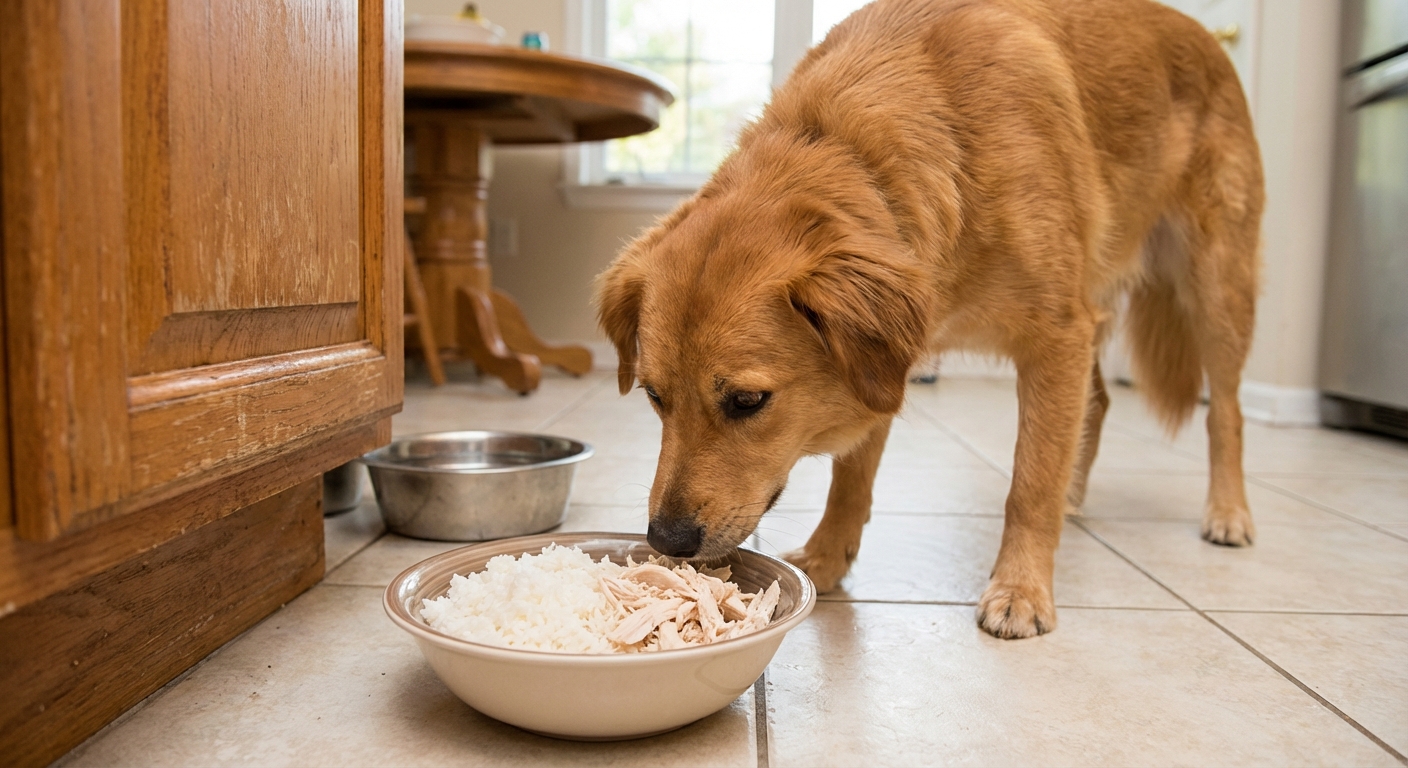
2) Bland food for 24 to 48 hours (if your vet agrees)
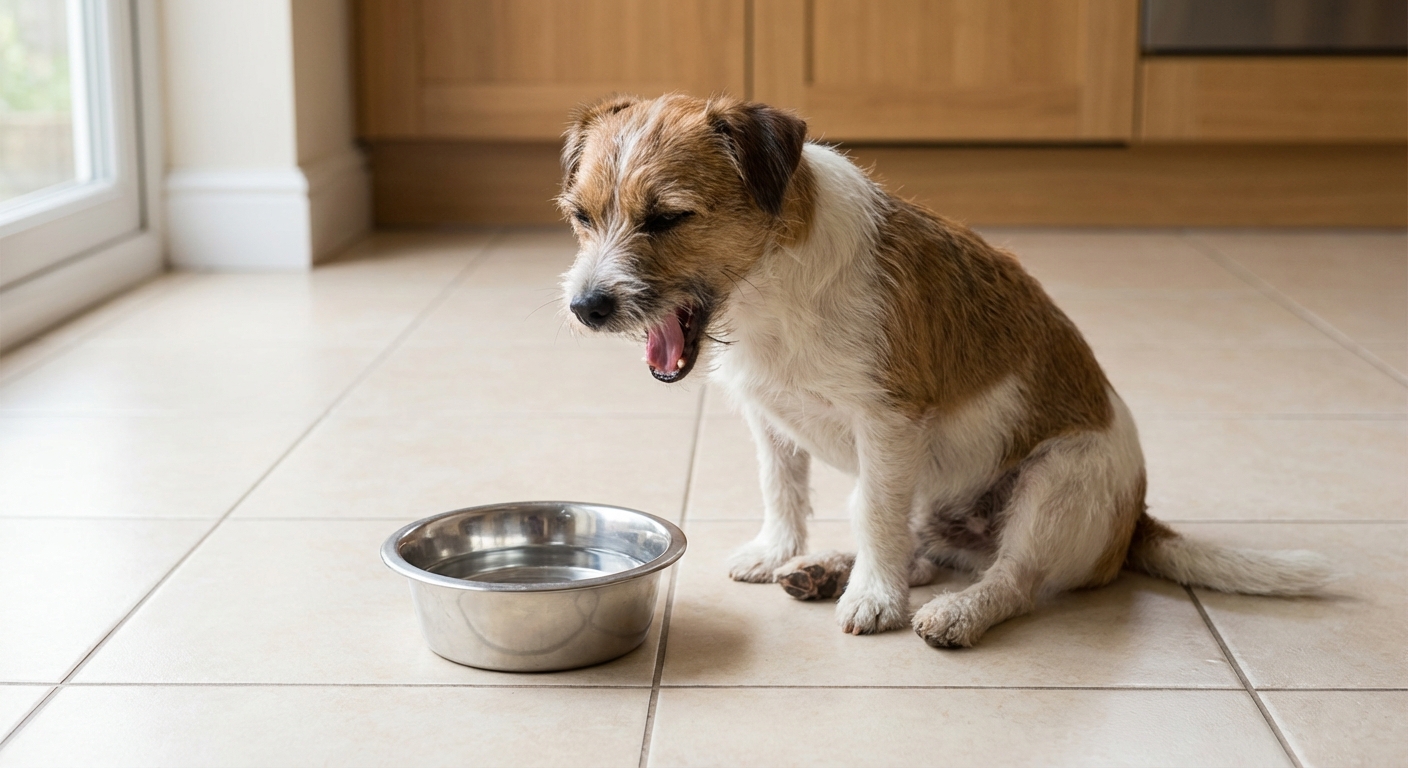
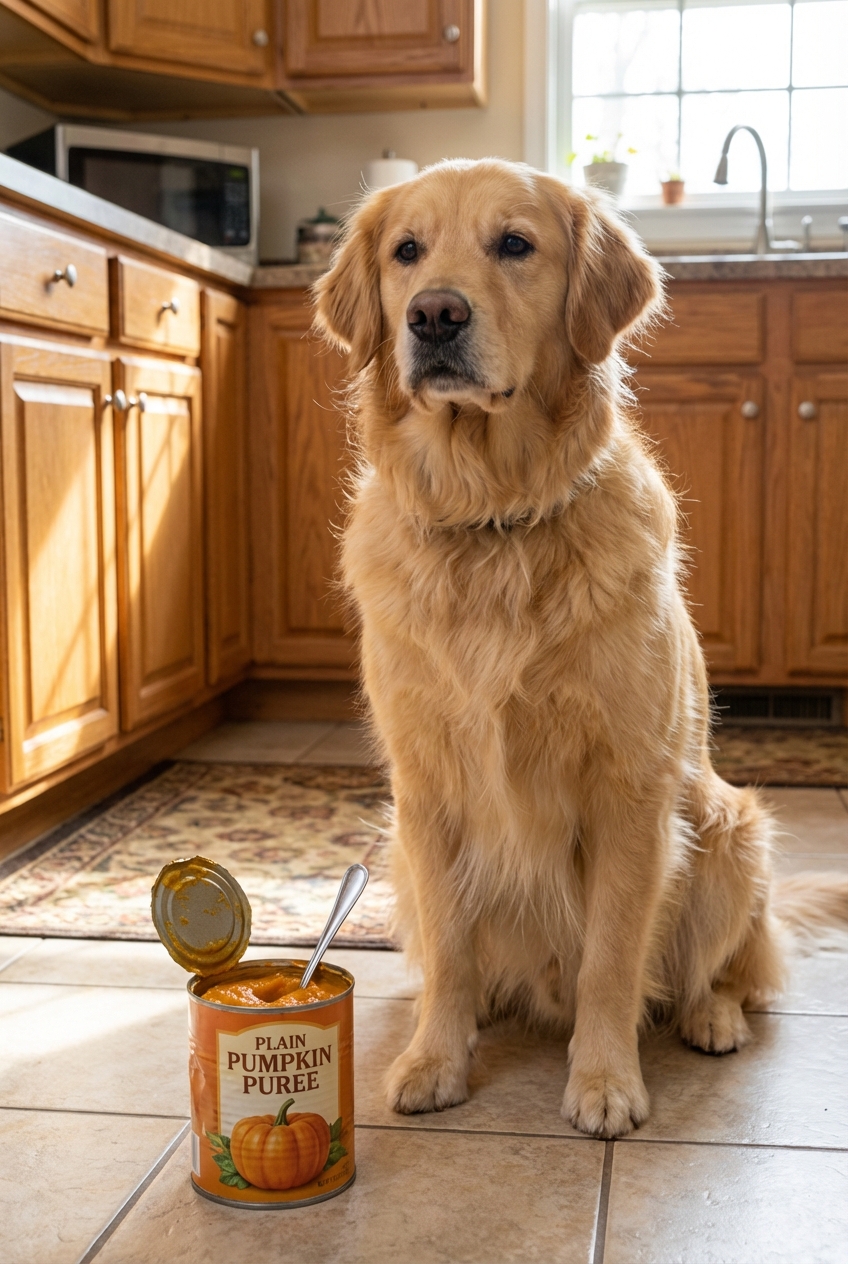
Typical options include boiled skinless chicken breast and white rice, but not every dog is a good candidate for that combo. If your dog has a pancreatitis history, needs a low-fat plan, or may be sensitive to chicken, ask your vet about alternatives (such as a low-fat protein, cooked egg whites, or a prescription gastrointestinal diet). Feed small meals, then slowly return to the regular diet over several days.
3) Hydration matters
Make sure water is always available. If your dog is refusing water, vomiting, or seems weak, that is not a “wait and see” situation.
4) Do not give human medicines
Avoid Pepto-Bismol and other bismuth products, aspirin, ibuprofen, naproxen, and other over-the-counter products unless your veterinarian specifically instructs you to use them. Some can worsen bleeding, mask melena, or be toxic. (Also, cats should never receive bismuth products.)
5) Track what you see
- How many bowel movements per day
- Amount of blood (streaks vs puddles or clots)
- Stool consistency (formed, soft, watery)
- Appetite, energy, vomiting
- Any new foods, treats, stressors, or possible toxin exposure
What to bring to the vet
If you can, bring details that help your veterinarian move faster and treat more accurately.
- A photo of the stool or the accident area (lighting helps)
- A fresh stool sample in a sealed bag or clean container
- Timeline of when it started and how it is changing
- Diet history (food brand, recent treats, new chews, trash access)
- Medication and supplement list (including flea and tick and heartworm prevention)
- Vaccine status for puppies or newly adopted dogs (especially parvo series)
Stool sample tip: The fresher the better. If you cannot get to the clinic right away, refrigerate the sample. Do not freeze it unless your clinic tells you to.
What your veterinarian may do (and why)
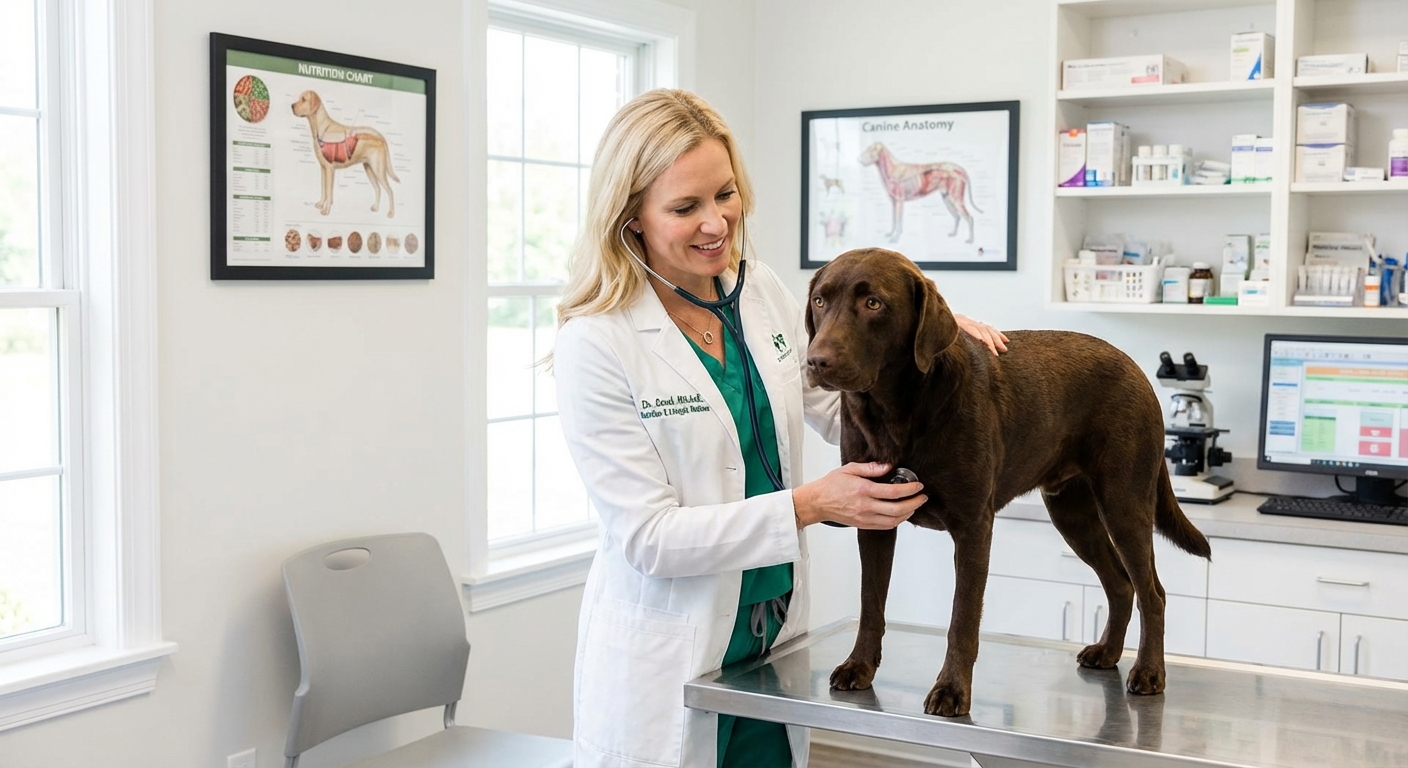
When you bring your dog in, your veterinarian will focus on two big goals: stabilize hydration and identify the underlying cause.
Common diagnostics
- Physical exam and gum color check to assess circulation and dehydration
- Fecal testing for parasites and protozoa
- Bloodwork to evaluate infection, anemia, organ function, and clotting concerns
- Imaging such as X-rays to look for obstruction or foreign material and ultrasound to evaluate abdominal organs (including the pancreas)
Common treatments
- Fluids (subcutaneous or IV) for dehydration
- Anti-nausea meds if vomiting is present
- Gut protectants for irritation or ulcer risk
- Probiotics to support the microbiome
- Targeted deworming if parasites are found or strongly suspected
- Diet plan including a bland diet transition or a prescription GI diet
Antibiotics are not always needed for diarrhea and are usually reserved for specific cases where testing, fever, or clinical signs suggest a bacterial component or higher risk.
Prevention you can actually do
While you cannot prevent every stomach upset, you can reduce risk significantly with a few consistent habits.
- Keep trash secured and watch outdoor scavenging, especially on walks.
- Transition diets slowly over 7 to 10 days when changing foods.
- Use parasite prevention and bring stool samples to routine visits.
- Choose chews carefully and avoid items that splinter or are easy to swallow.
- Support gut health with consistent feeding times, moderate treats, and vet-approved probiotics when appropriate.
Frequently asked questions
Is a small streak of blood always an emergency?
Not always. A small streak of bright red blood can come from mild irritation or straining. But it should still be taken seriously. If it repeats, increases, or comes with vomiting, lethargy, black stool, or poor appetite, call your vet the same day.
Can stress really cause bloody stool?
Yes. Stress colitis is real and fairly common. The colon becomes inflamed, leading to mucus, urgency, and bright red blood. The key is to confirm it is not something more serious, especially if it is your dog’s first episode.
What if the stool is black instead of red?
Black, tarry stool can indicate digested blood from higher up in the GI tract, which is more concerning. Contact your veterinarian right away.
Could the blood be coming from somewhere else?
Sometimes, yes. Blood from a wound near the rear end, urinary tract bleeding, or vaginal bleeding (such as a dog in heat) can be mistaken for blood in stool. If you are unsure, a photo and a quick call to your vet can help you sort it out.
A calm next step
If your dog is stable, the most helpful thing you can do is observe carefully, stop rich foods, and contact your veterinarian with a clear description of what you are seeing. If your dog is not stable, go in immediately. Either way, you are doing the right thing by paying attention early. That is how we protect their health and comfort.