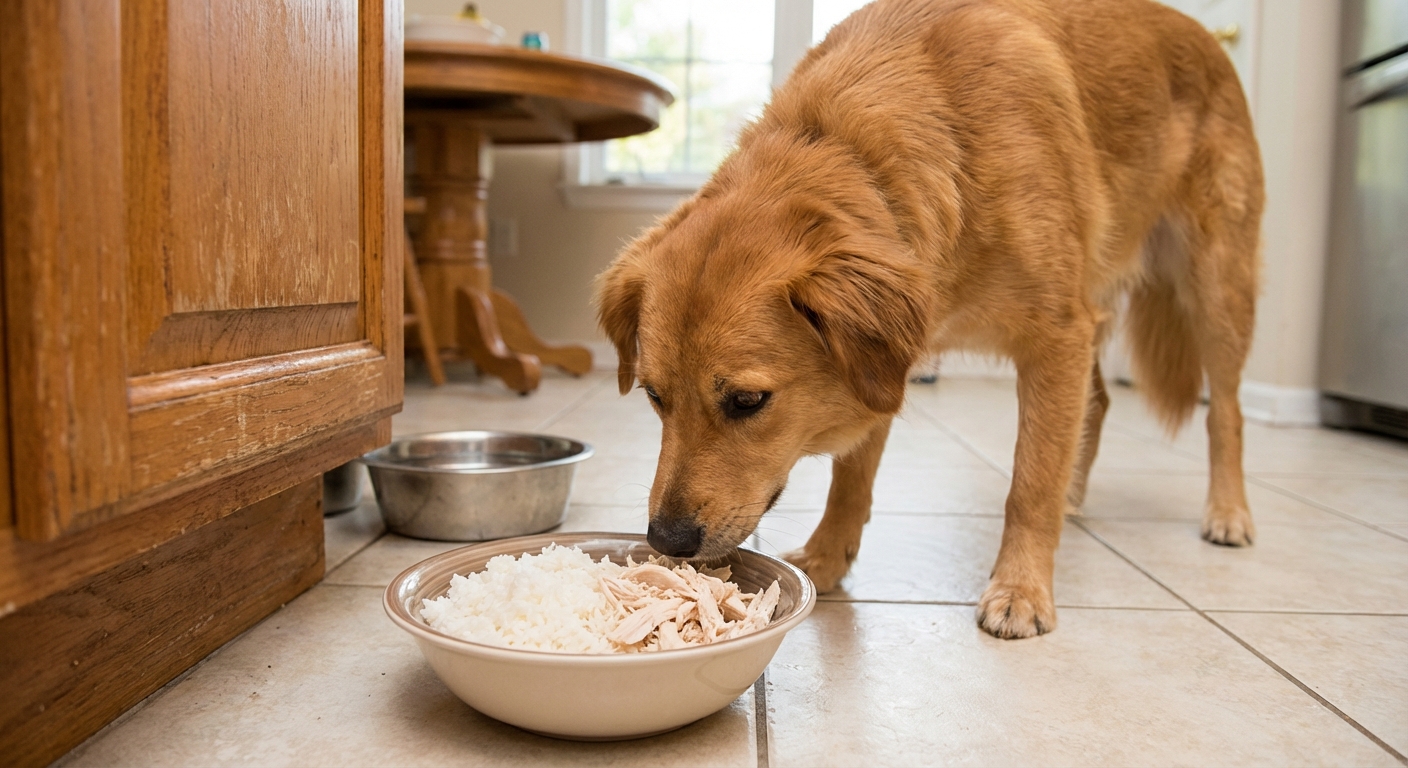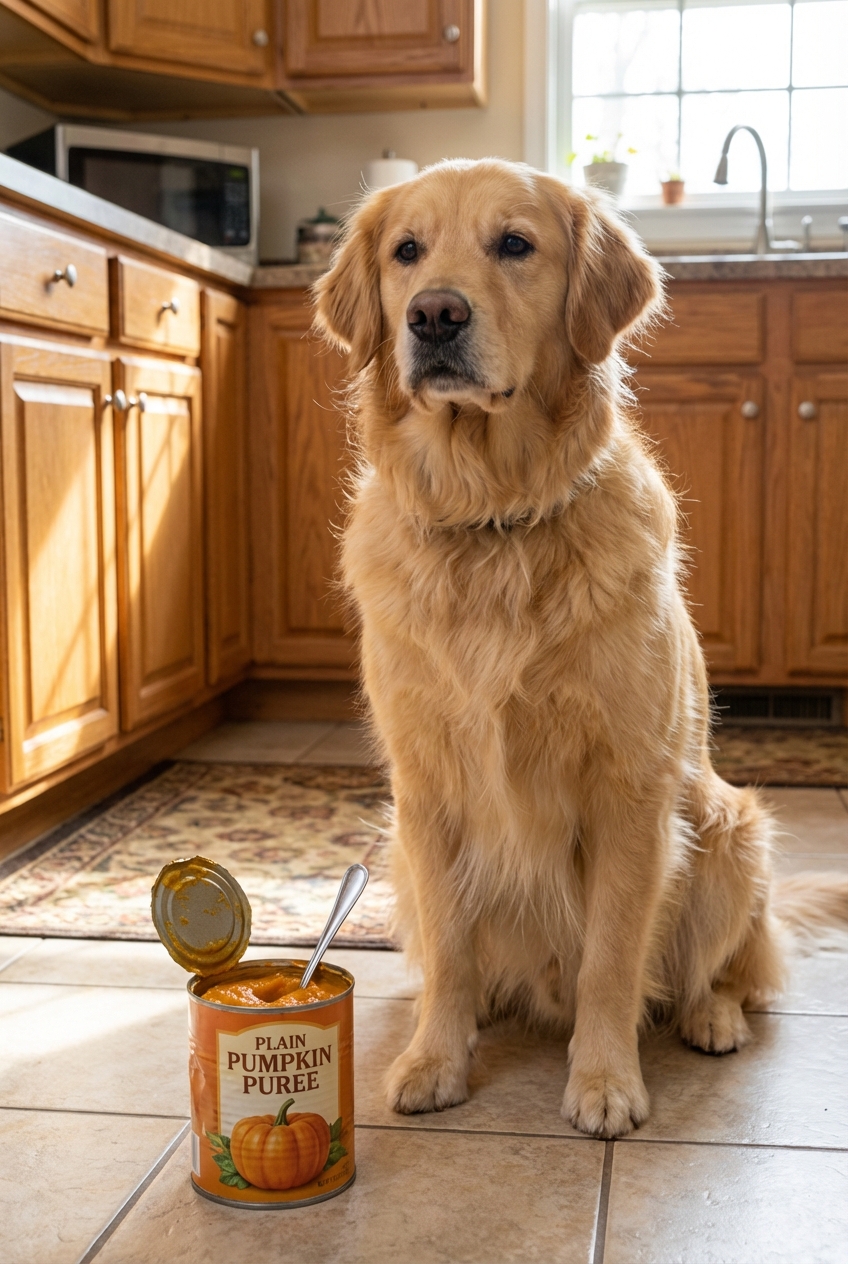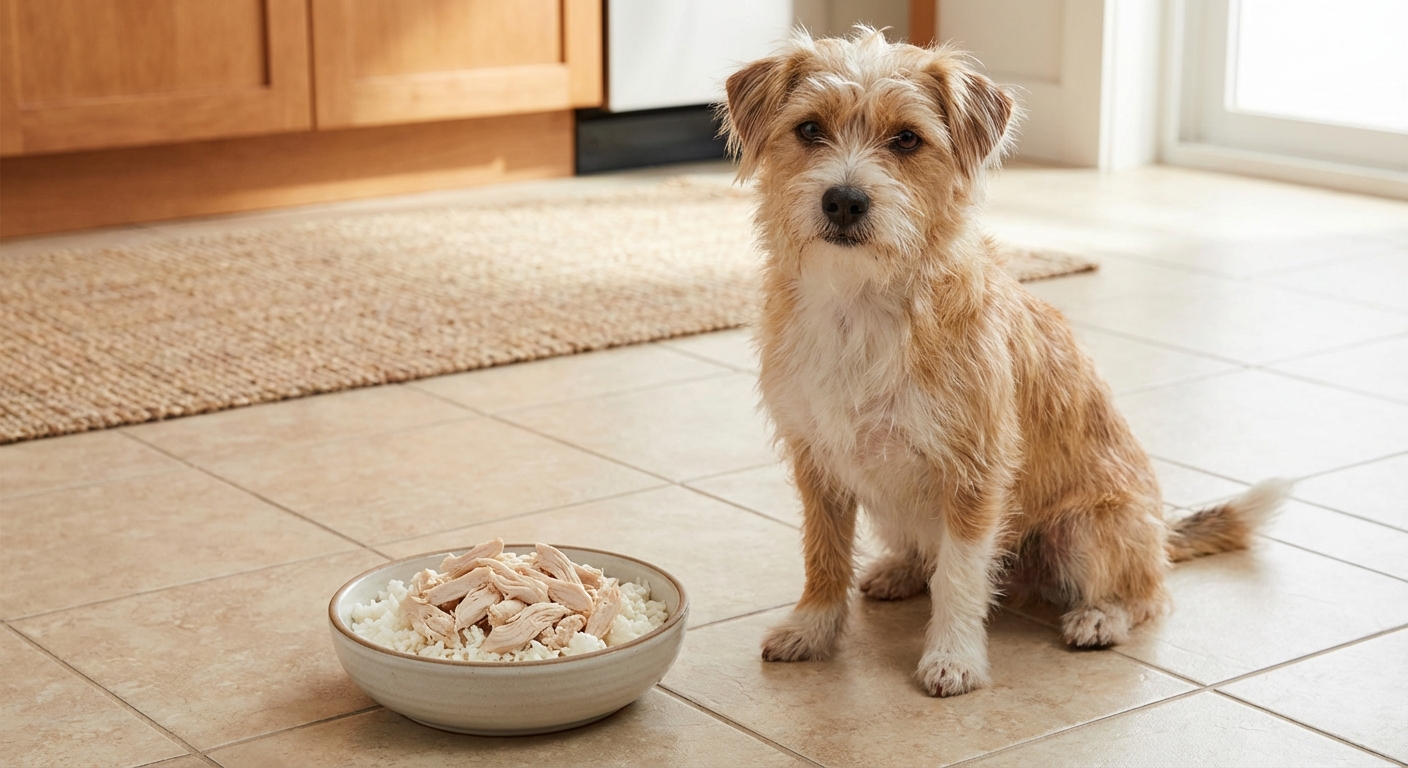
Chicken and rice can soothe mild stomach upset and help dogs transition back to normal food. Learn safe recipes, portions, how long to feed it, and when to c...
Article
•
Designer Mixes
Bloody Stool in Dogs

Shari Shidate
Designer Mixes contributor
Seeing blood in your dog’s poop can feel scary. As a veterinary assistant here in Frisco, Texas, I can tell you this is one of the most common “urgent but not always an emergency” concerns we hear about. Sometimes it is something mild, like a small irritation in the large intestine (colon) or rectum. Other times it can be a warning sign that your dog needs same-day veterinary care.
This guide will help you tell what you are looking at, what to do right now at home, what details your veterinarian will want, and which red flags mean you should go in immediately.
Quick note: This is educational information and does not replace an exam and diagnosis from your veterinarian. When in doubt, call your clinic or an emergency hospital.
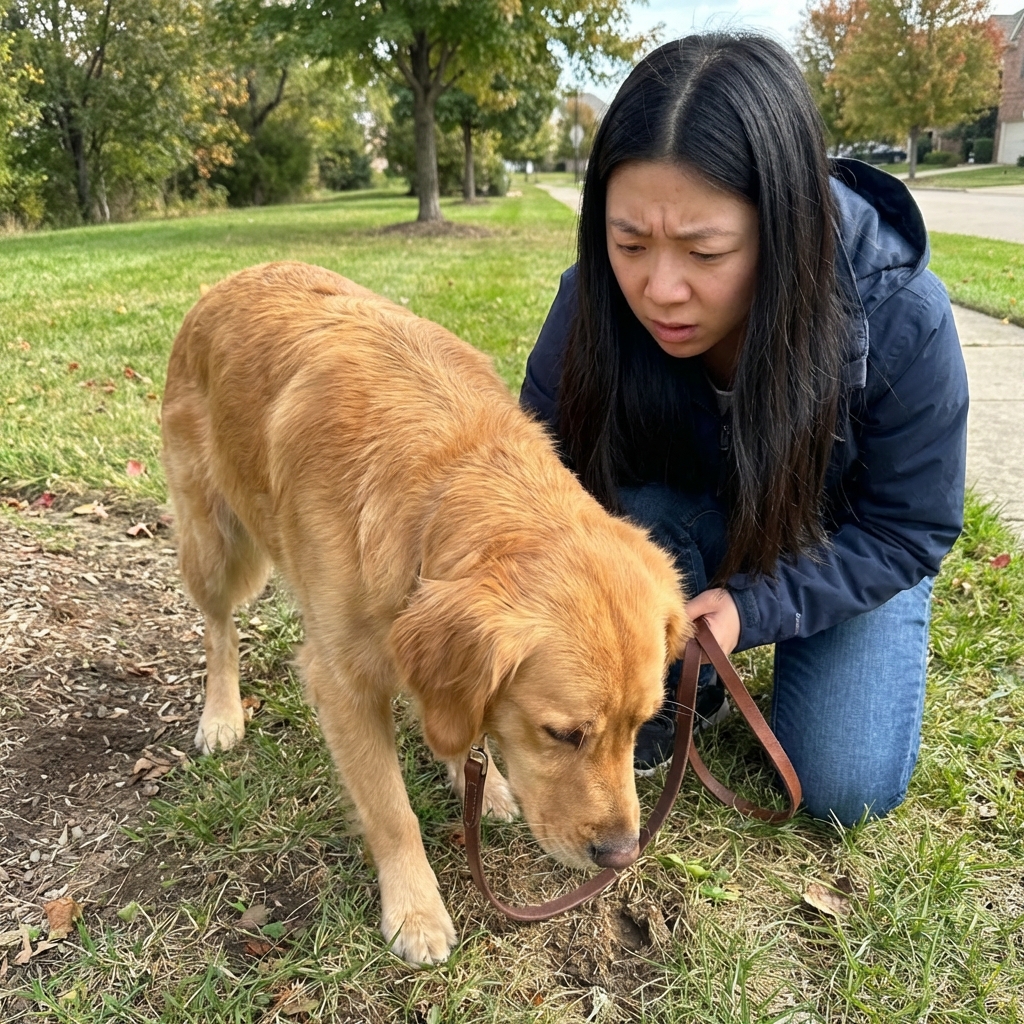
What counts as bloody stool?
“Bloody stool” usually shows up in one of two main ways, and the difference matters because it gives clues about where the bleeding may be coming from.
Bright red blood (hematochezia)
Bright red blood, streaks, or drops on the outside of the stool usually means the bleeding is coming from the lower digestive tract, like the colon or rectum. Common causes include colitis, straining, irritation, parasites, or anal gland issues.
Black, tarry stool (melena)
Black, sticky, tar-like stool often means the blood has been digested, which suggests bleeding higher up in the GI tract such as the stomach or small intestine. This can be more serious and is a strong reason to call your vet right away.
Blood with diarrhea vs. blood with normal stool
- Blood with diarrhea: often points to inflammation (colitis), infections, dietary upset, stress, parasites, or acute hemorrhagic diarrhea syndromes.
- Blood with normal stool: can be a small tear, constipation and straining, a rectal polyp or mass, anal gland issues, or irritation.
Could it be something that only looks like blood?
Sometimes stool looks red or very dark for reasons that are not bleeding. Red stool can happen after eating things with strong pigment (like beets) or foods with red dye. Very dark stool can also happen with certain medications and supplements. For example, bismuth (in some stomach remedies) can darken stool and make it harder to judge melena. If you are unsure, take a photo and call your veterinarian.
When it is an emergency
Use this section like a quick safety filter. If any of these apply, do not wait and see. Call your veterinarian, an urgent care clinic, or an emergency hospital.
- Black, tarry stool (melena) or stool that is very dark and tar-like.
- Large amounts of bright red blood, puddles, clots, or blood that keeps coming.
- Weakness, collapse, pale gums, or acting disoriented.
- Repeated vomiting, especially if there is blood or your dog cannot keep water down.
- Bloated abdomen, painful belly, or “prayer position” (front end down, rear end up) with distress.
- Straining without producing stool, or repeated squatting with little to no output. Important: Some dogs (especially male dogs) that look like they are constipated are actually straining to urinate. A blocked urinary tract is a true emergency.
- Suspected toxin exposure (rat poison, human medications, xylitol, recreational drugs). Some rodenticides (anticoagulants) can cause bleeding anywhere in the body and may not start with GI signs.
- Puppies, seniors, or immune-compromised dogs with any bloody stool, because they can dehydrate quickly.
- Known chronic disease like kidney disease, liver disease, Addison’s disease, or clotting disorders.
If your dog has bloody diarrhea plus lethargy, dehydration, or vomiting, treat it like urgent care. Dogs can go downhill quickly when fluid loss adds up.
Common causes of blood in a dog’s stool
There are many possible causes, and some overlap. The goal is not to self-diagnose but to understand the most likely categories and why your veterinarian asks certain questions.
Dietary upset and “garbage gut”
Eating fatty foods, table scraps, spoiled food, or getting into the trash can inflame the gut lining. Even a sudden change in kibble or treats can trigger diarrhea and streaks of red blood.
Stress colitis
Boarding, travel, a new pet, thunderstorms, or changes at home can lead to large bowel inflammation. This often causes frequent small stools, mucus, and bright red blood.
Parasites
Hookworms, whipworms, roundworms, giardia, and coccidia can cause diarrhea and blood, especially in puppies or dogs exposed to dog parks, daycare, or contaminated soil.
Bacterial or viral infection
Some bacterial infections can cause significant intestinal inflammation. In unvaccinated puppies, parvovirus is a major concern and can cause severe bloody diarrhea and life-threatening dehydration.
AHDS (acute hemorrhagic diarrhea syndrome)
Some dogs develop sudden, profuse bloody diarrhea that can look like raspberry jam. You may see this called AHDS (acute hemorrhagic diarrhea syndrome). The exact cause is often not identified, and multiple factors may play a role. This is not a “wait it out” situation.
Foreign bodies and intestinal obstruction
Socks, toys, bones, corn cobs, and other objects can injure the GI tract. You might see blood plus vomiting, loss of appetite, or straining.
Anal gland issues or rectal irritation
Scooting, licking, or straining can accompany small streaks of bright red blood. Constipation can also cause small tears and blood on the outside of the stool.
Food sensitivities or inflammatory bowel disease
Chronic soft stool, mucus, intermittent blood, gas, and weight changes may point to ongoing inflammation, sensitivities, or IBD. This needs a longer-term plan with your vet.
Medications and toxins
NSAIDs (like ibuprofen, naproxen, or even some prescribed pain meds if mis-dosed) can cause ulcers and bleeding. Rat poison can cause internal bleeding and is an emergency.
Tumors or polyps
More common in older dogs, these can cause intermittent blood, straining, changes in stool shape, or weight loss.
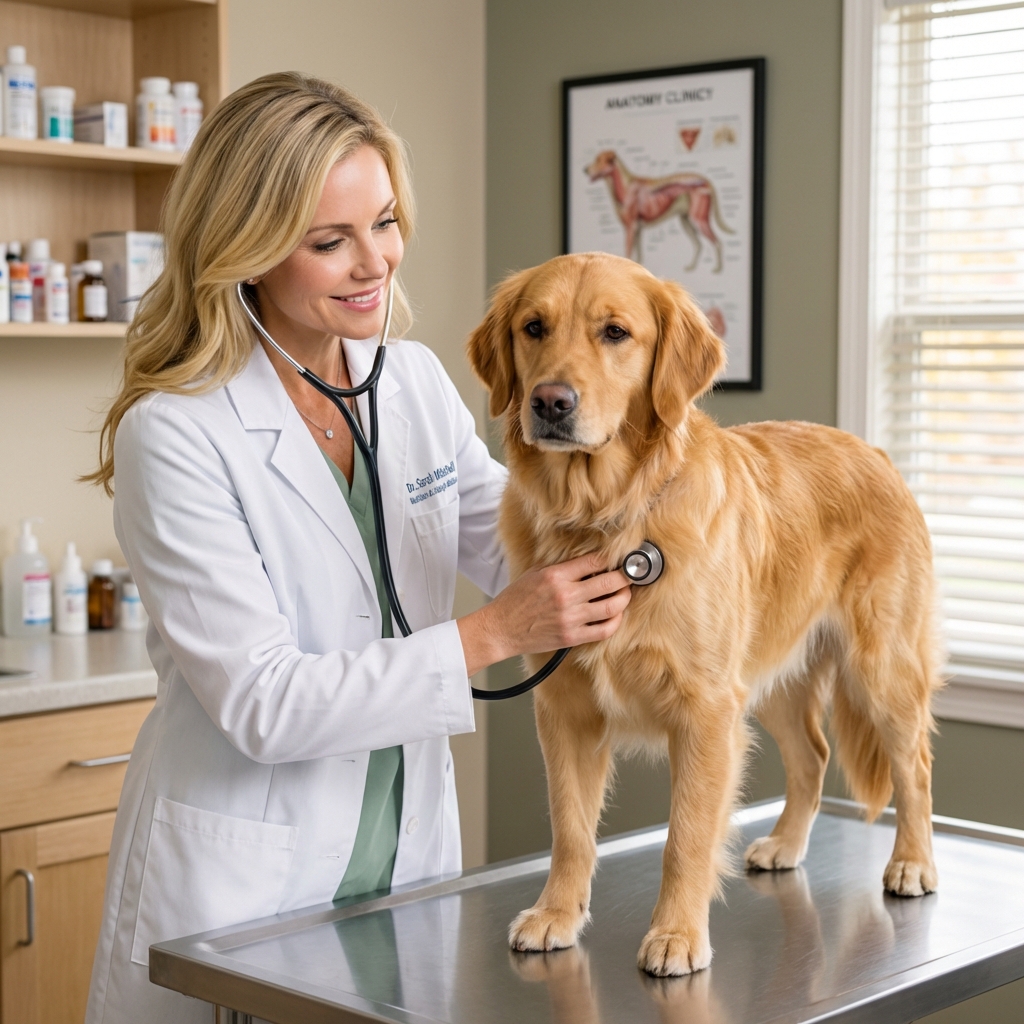
What you can do at home right now
If your dog is bright, alert, eating, drinking, and only has a small amount of bright red blood once or twice, you can take a calm, organized approach while you contact your veterinarian for guidance. If it happens again, if diarrhea continues, or if anything worsens, call your vet the same day.
1) Check your dog’s overall status
- Energy level and responsiveness
- Appetite and water intake
- Vomiting, especially repeated vomiting
- Ability to keep water down
- Signs of pain (tense belly, whining, hunched posture)
2) Take photos and note details
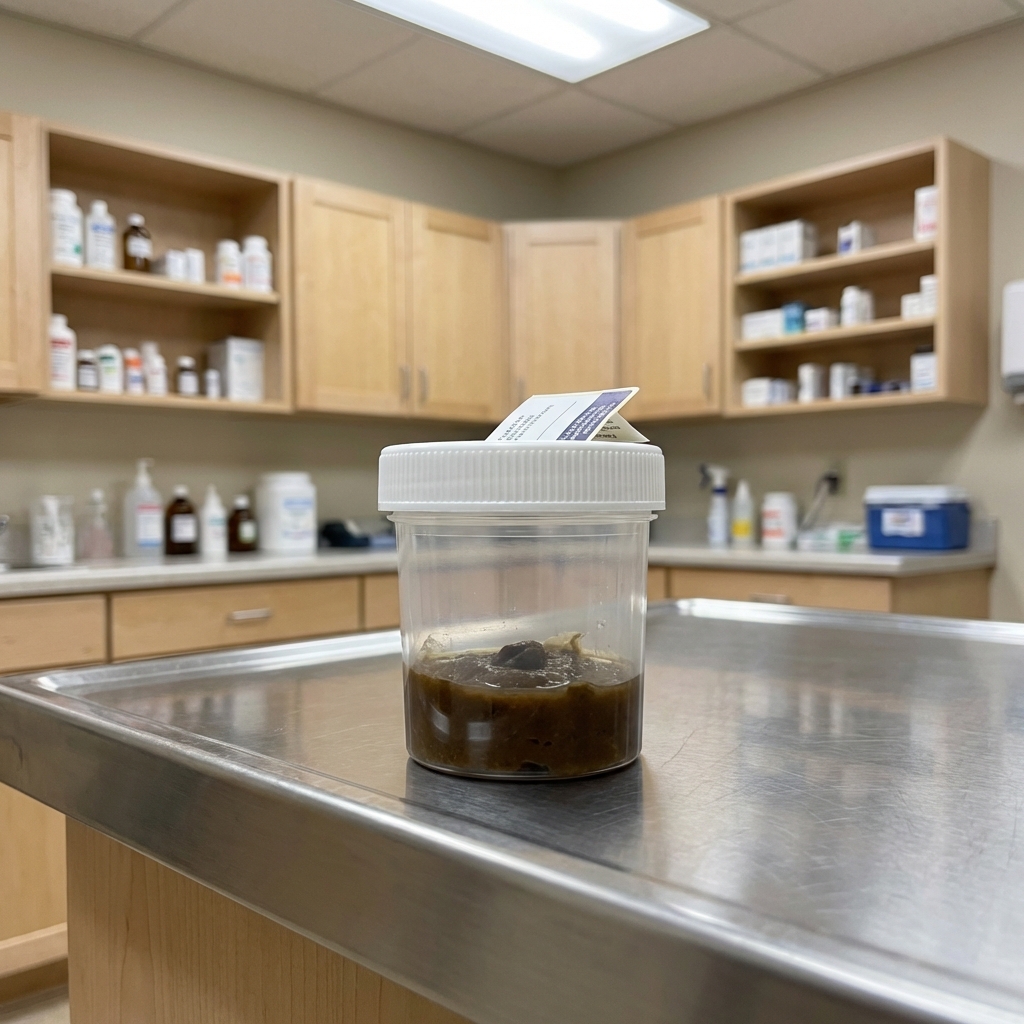
This helps your veterinarian more than you might expect. If possible, bring a fresh stool sample in a sealed bag.
- Was the blood bright red or black and tarry?
- How much blood was there (a few streaks vs. drips vs. puddles or clots)?
- Was there diarrhea, mucus, or straining?
- How often is your dog going?
- Any recent diet changes, new treats, chews, bones, or table food?
- Any access to trash, toxins, or medications?
- Any recent boarding, dog park visits, or new animals in the home?
3) Save a stool sample safely
If your clinic wants a sample, collect a small amount of fresh stool in a clean, sealed container or bag. If you cannot bring it in right away, refrigerate it and aim to deliver it within 12 to 24 hours (or follow your clinic’s instructions).
4) Keep hydration front and center
Diarrhea can dehydrate dogs fast. Encourage drinking. If your dog cannot keep water down, that is a same-day vet situation.
5) Do not give human medications unless your vet tells you to
Do not give Pepto-Bismol, ibuprofen, aspirin, or anti-diarrheal medications unless your veterinarian specifically instructs you. Some products can be toxic to dogs, and some can change stool color (for example, bismuth can darken stool), which can make it harder to assess what is going on.
6) Ask your vet about diet steps
Many clinics recommend a short-term bland diet for mild cases. Your vet may suggest boiled chicken and rice, a prescription GI diet, or a specific probiotic. The safest plan depends on your dog’s age, history, and symptoms.
One of the best things you can do is stay observant and write things down. The story you provide, plus a stool sample, often gets you to answers faster.
Questions your vet will ask and why
These questions help narrow the cause and decide which tests are most useful.
- How old is your dog? Puppies are higher risk for parasites and parvo. Seniors have higher risk for chronic disease and masses.
- Vaccination status? Important for ruling out preventable infectious disease.
- Any vomiting? Suggests small bowel involvement, obstruction risk, or systemic illness.
- Any exposure to other dogs? Helps assess parasite and infectious risk.
- Any new foods or chews? Sudden diet changes are a common trigger.
- Any medications? NSAIDs, steroids, and certain antibiotics can contribute to GI upset.
- Any weight loss or chronic symptoms? Points toward longer-term GI disease.
Tests and treatments you might see
Your veterinarian will tailor care based on severity, how your dog looks overall, and whether symptoms are acute or chronic.
Common diagnostics
- Fecal testing for parasites, giardia, and other organisms.
- Parvo test for at-risk puppies with vomiting and bloody diarrhea.
- Bloodwork to check hydration, anemia, infection, organ function, and electrolytes.
- X-rays or ultrasound if obstruction, foreign body, or mass is suspected.
- Rectal exam when anal gland issues, polyps, or rectal irritation are possible.
Common treatments
- Fluids, sometimes under the skin for mild dehydration, but moderate to severe bloody diarrhea often needs IV fluids.
- Prescription GI diets to rest and support the gut.
- Probiotics to support a healthier gut microbiome.
- Deworming when parasites are suspected or confirmed.
- Anti-nausea medication if vomiting is present.
- Antibiotics only when appropriate, since many diarrhea cases are not helped by routine antibiotics.
How to prevent bloody stool episodes
You cannot prevent every GI upset, but you can dramatically lower the odds of a repeat episode with a few steady habits.
Feed consistently and transition slowly
When changing diets, mix in the new food gradually over 7 to 10 days. Sudden switches are a common cause of diarrhea and colitis.
Reduce access to trash and risky chews
- Use a lidded trash can or keep it behind a door.
- Be careful with cooked bones, fatty scraps, and unknown chews.
- Supervise play with toys that can be shredded or swallowed.
Keep parasite prevention current
Year-round prevention plus regular fecal checks can catch issues before they become severe, especially in dogs that frequent parks or daycare.
Support gut health with evidence-based choices
Ask your vet if your dog would benefit from a veterinary probiotic, a GI-support diet, or a simple fiber add-in. The best option depends on your dog’s history and whether this is a one-time flare or a pattern.
Quick checklist for pet owners
- Bright red streaks once, dog feels fine: take photos, save a sample, call your vet for next steps.
- Blood with diarrhea: monitor hydration closely and contact your vet the same day.
- Black tarry stool, large blood, lethargy, vomiting, pale gums, collapse, or possible urinary straining: emergency care now.
Most importantly, trust your instincts. You know what is normal for your dog. If something feels off, it is always appropriate to call your veterinary team and ask for guidance.