A practical 24–72 hour diet and hydration plan for mild dog diarrhea, with bland food options, safe add-ons like probiotics, foods to avoid, and clear red ...
Article
•
Designer Mixes
Bloody Diarrhea in Dogs

Shari Shidate
Designer Mixes contributor
Seeing blood in your dog’s stool can feel scary because it may signal anything from a mild stomach upset to a true emergency. As a veterinary assistant in Frisco, Texas, I’ve walked many families through this moment. The key is to stay calm, note the details, and act quickly when the warning signs are there.
This guide will help you understand what bloody diarrhea can mean, when to call your vet right away, and what supportive care is safe while you’re getting help. (If you are not near a 24-hour ER, call your regular clinic or the closest urgent care clinic for triage advice.)
First: what “bloody diarrhea” looks like
Dogs can pass blood in a few different ways. Noticing what the blood looks like and how your dog feels overall gives your vet useful clues.
- Bright red blood (often on or mixed into loose stool): commonly from the lower intestinal tract or colon (large intestine). This is called hematochezia. It can be mild, but it can also be urgent if there is a lot of blood or your dog is sick.
- Dark, tarry, black stool: can indicate digested blood from the stomach or small intestine. This is called melena and it is always worth prompt veterinary guidance.
- Mucus (slimy coating): often shows colon irritation and inflammation.
- Watery diarrhea with blood: can lead to dehydration fast, especially in small dogs or puppies.
If you can, take a quick photo of the stool and write down when it started. That simple info helps your veterinarian a lot.
When it is an emergency
Some dogs with mild colitis look totally normal otherwise. Others show clear signs they’re in trouble. Seek urgent veterinary care (ER or same-day appointment) if you notice any of the following:
- Weakness, collapse, pale gums, or trouble standing
- Repeated vomiting, especially if your dog cannot keep water down
- Black, tarry stool (possible upper GI bleeding)
- Large amounts of blood or diarrhea that is mostly blood
- A swollen, painful belly or signs of severe abdominal pain
- Fever, severe lethargy, or your dog seems “not themselves”
- Puppies, senior dogs, pregnant dogs, or dogs with chronic disease (kidney, liver, diabetes, Addison’s) with any bloody diarrhea
- Suspected toxin exposure (rodent bait, certain human meds, xylitol, mushrooms)
- Possible foreign body ingestion (toys, socks, bones, corn cobs)
- Diarrhea lasting more than 24 hours or worsening quickly (for stable adult dogs, this is a common threshold, but with blood present many clinics still recommend same-day guidance)
Trust your instincts. If your dog looks sick in addition to having bloody diarrhea, it is safer to be seen right away.
Clues from the pattern
Owners often ask whether the problem is “small bowel” or “large bowel.” Your veterinarian will sort this out with an exam and testing, but these patterns can help you describe what you are seeing:
- Large bowel (colon) signs: frequent small stools, straining, urgency, mucus, and bright red blood.
- Small bowel signs: larger volume diarrhea, fewer trips, weight loss over time, and dark or black stool can occur if bleeding is higher up.
These are not strict rules, but they can make your vet call more productive.
Common causes
Bloody diarrhea is a symptom, not a diagnosis. Here are frequent causes vets consider:
Dietary indiscretion
Trash snacking, greasy food, sudden diet change, new treats, or rich table foods can inflame the gut and trigger blood and mucus.
Stress colitis
Boarding, travel, a new pet, storms, fireworks, or even a change in routine can trigger colon inflammation, especially in sensitive dogs.
Parasites
Giardia, hookworms, whipworms, and roundworms can cause diarrhea and blood. Puppies and dogs with unknown prevention status are at higher risk.
Hemorrhagic diarrhea syndrome (HDS)
This condition (also commonly called “hemorrhagic gastroenteritis” or HGE) can cause sudden, severe, bloody diarrhea that looks like raspberry jam. Dogs may deteriorate quickly due to dehydration and electrolyte shifts. Naming and diagnostic criteria can vary, but either way, it requires prompt veterinary care and supportive treatment.
Infections and dysbiosis
Bacterial and viral causes can trigger bloody diarrhea. Vets may consider bacterial infections (such as Clostridium perfringens) or gut imbalance (dysbiosis), and viral diseases (such as parvovirus in unvaccinated puppies).
Foreign body or obstruction
If something is stuck, you may see vomiting, pain, poor appetite, and worsening diarrhea. This can become life-threatening.
Pancreatitis
Often triggered by fatty foods, pancreatitis can cause vomiting, belly pain, lethargy, and sometimes bloody diarrhea.
Clotting problems or toxins
Rodenticide ingestion or certain medical conditions can lead to internal bleeding. Some medications can also irritate the stomach and intestines and contribute to bleeding, especially human NSAIDs like ibuprofen or naproxen.
IBD, ulcers, or cancer
More common in chronic or recurring cases, especially in middle-aged to older dogs.
What you can do at home
If your dog is bright, alert, drinking, and the blood is small in amount, you can take a few supportive steps while you contact your veterinarian for guidance. If your dog seems ill, skip home care and go in.
1) Check hydration
- Make sure fresh water is available.
- Watch for dry or sticky gums, reduced energy, decreased urination, reduced skin elasticity, or sunken eyes (usually with more significant dehydration).
2) Pause rich foods and treats
Stop all extras. No bones, bully sticks, rawhides, pig ears, or table scraps.
3) Ask your vet about food changes
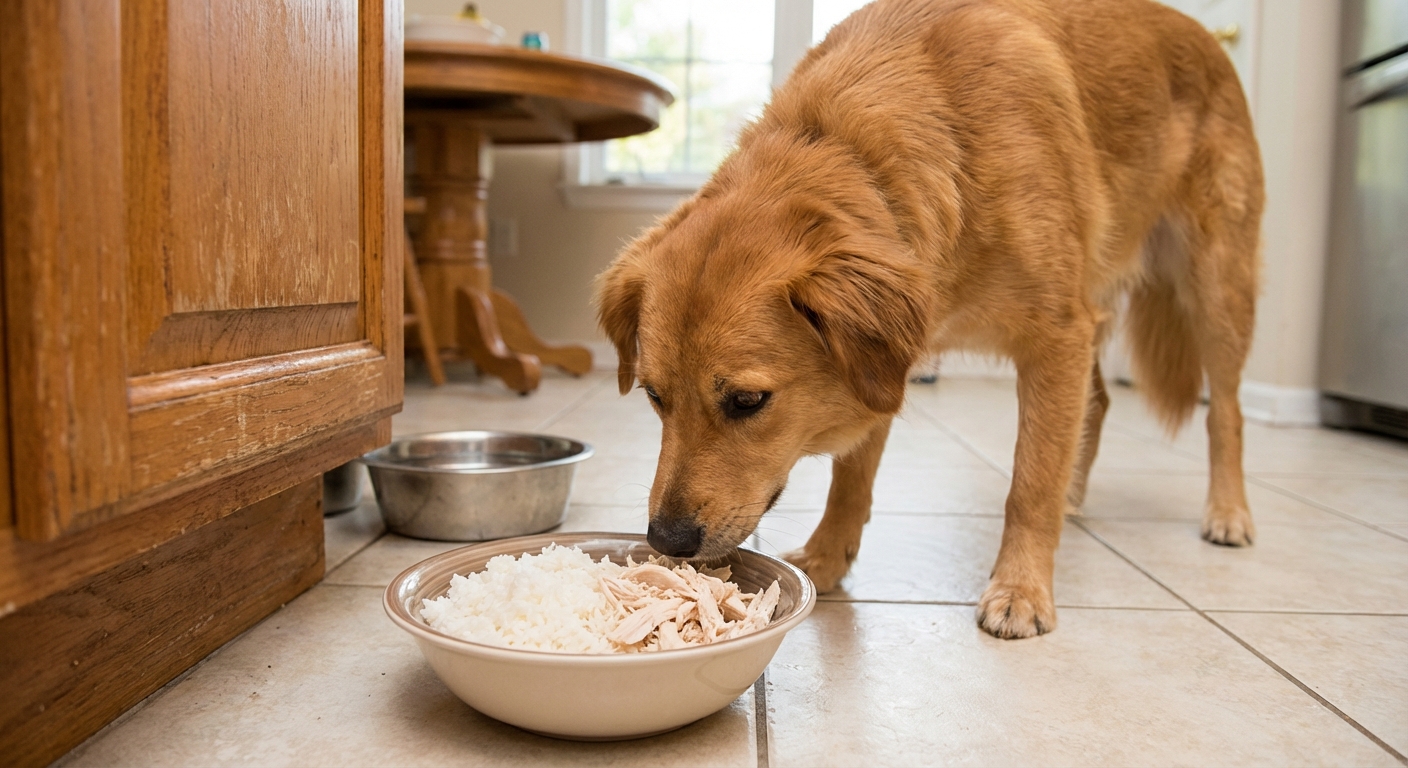
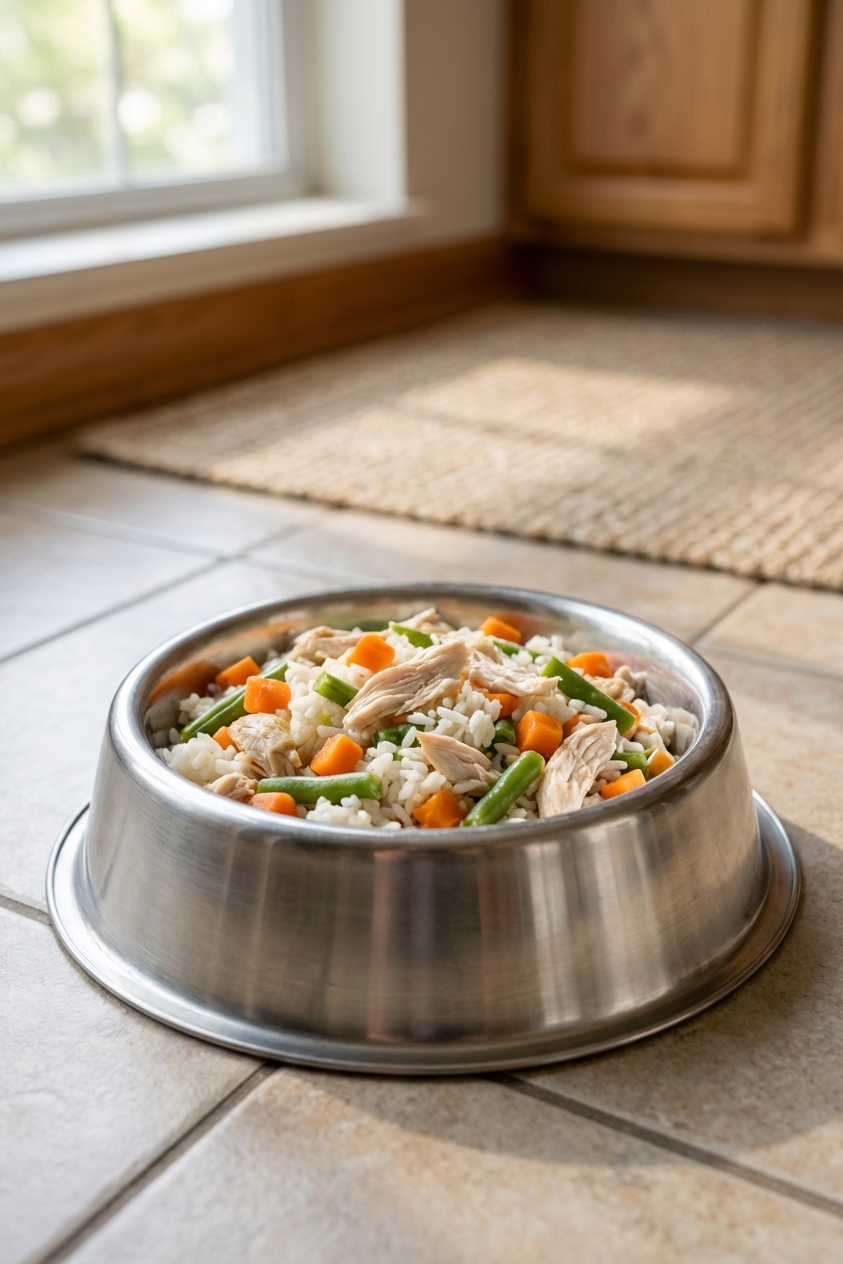
Many veterinarians recommend a brief bland diet for uncomplicated diarrhea, but bloody diarrhea should still involve a vet check-in. A common bland option is cooked, skinless chicken breast with white rice. Another gentle option some dogs tolerate well is cooked lean turkey and rice.
Do not fast your dog without veterinary guidance. Withholding food is not appropriate for many dogs, especially puppies, small dogs, and dogs with diabetes or other medical conditions.
Feed small portions more frequently, and transition back to the regular diet gradually once stools normalize.
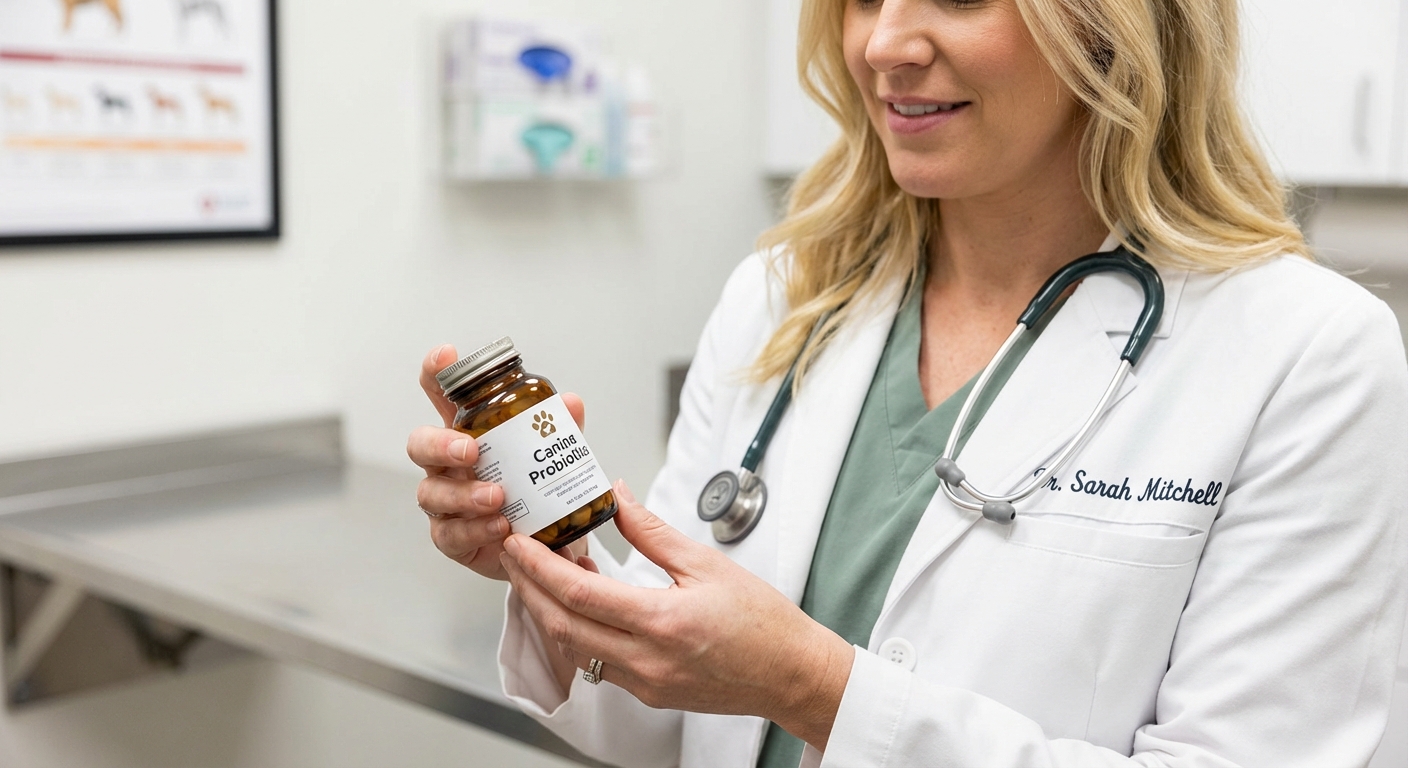
4) Consider probiotics (with veterinary OK)
Canine-specific probiotics are often used to support gut balance. Your vet may recommend a product and dose appropriate for your dog’s size and situation.
5) Collect a stool sample
If you can safely do so, collect a fresh stool sample in a clean bag or container and refrigerate it. Parasite tests are a common first step.
What not to do
- Do not give human anti-diarrheal meds (like loperamide or bismuth) unless your veterinarian specifically instructs you. Loperamide can be dangerous for dogs with the MDR1 mutation (commonly seen in Collies, Australian Shepherds, and Shelties). Bismuth can also darken stools and make bleeding harder to assess, and it may not be appropriate with certain medical conditions or medications.
- Do not delay care if your dog is vomiting, weak, painful, or passing large volumes of blood.
- Do not stop prescribed medications without veterinary guidance, but do tell your vet everything your dog takes. Also mention any recent access to human medications, especially NSAIDs (ibuprofen, naproxen) or aspirin products.
- Do not feed a high-fat “comfort meal”. Fatty foods can worsen pancreatitis and gastrointestinal inflammation.
What your vet may do
Your vet will tailor treatment to the likely cause and how stable your dog is. Common diagnostics and treatments include:
Diagnostics
- Physical exam and hydration assessment
- Fecal test for parasites and Giardia
- Parvovirus test in at-risk puppies
- Bloodwork to check hydration, anemia, infection, and organ values
- X-rays or ultrasound if foreign body, obstruction, or pancreatitis is suspected
Treatment options
- Fluids (subcutaneous or IV) to treat dehydration
- Anti-nausea medication if vomiting is present
- Gut-protectants when ulceration or irritation is suspected
- Deworming or targeted parasite treatment
- Diet therapy and probiotics
- Hospitalization if HDS, severe dehydration, or systemic illness is suspected
How to prevent episodes
Not every case is preventable, but you can reduce the odds with a few steady habits.
- Keep your dog on year-round parasite prevention as recommended by your veterinarian.
- Make diet changes slowly over 7 to 10 days.
- Use a trash-proof routine: secure lids, block off bathrooms, and supervise yard time.
- Avoid high-risk chews and anything that splinters or can be swallowed in chunks.
- Stay current on vaccines, especially for puppies.
- Support gut health with consistent feeding times and, when appropriate, vet-approved probiotics during stressful events like boarding.
Quick checklist for your vet
When you call your veterinarian, these details can help them triage quickly:
- When the diarrhea started and how many episodes
- Bright red blood vs black tarry stool
- Any vomiting, decreased appetite, lethargy, fever, or pain
- Recent diet changes, new treats, table foods, or trash exposure
- Any chance of toxins, human meds, or foreign objects
- Vaccination and parasite prevention status
- Current medications and health conditions
If you are heading in, bring what you can: a stool photo, a fresh stool sample (refrigerated), a list of medications and supplements, and any packaging from a possible toxin exposure.
If you are unsure, err on the side of caution. A quick exam and a simple fecal test can often save you days of worry and can catch the serious issues early.