Dog UTI symptoms can mimic stones or other issues. Learn the full treatment plan: urinalysis and culture, correct antibiotics, pain control, hydration, home ...
Article
•
Designer Mixes
Blood in Urine in Female Dogs

Shari Shidate
Designer Mixes contributor
Seeing blood in your female dog’s urine can be scary, and as a veterinary assistant, I want you to know two things can be true at once: it can be an emergency and many causes are very treatable when you act quickly. This guide will help you recognize what you’re seeing, keep your dog comfortable at home while you arrange care, and know when to seek urgent veterinary help.
What blood in urine can look like
Blood in urine is called hematuria. It might show up as:
- Pink, red, or rust-colored urine
- Small clots or stringy blood in puddles
- Normal-looking urine but a urinalysis finds blood under the microscope
It is also common to confuse urine blood with blood from the vulva (heat cycle, vaginal infection) or blood from the rectum. And sometimes urine can look red or brown from pigments (certain foods or medications) or from muscle or red blood cell breakdown (myoglobin or hemoglobin) rather than true bleeding. That is why your vet will often want a urine sample and a physical exam.
Urgent vs can-wait signs
Go to an emergency vet now
- Your dog cannot urinate or is producing only drops while straining
- She seems in significant pain, cries when trying to pee, or cannot settle
- Lethargy, vomiting, collapse, pale gums, or a swollen belly
- Known or suspected toxin exposure (especially rat poison) or trauma (hit by car, fall)
- Heavy bleeding or large clots
Call your vet today
- Frequent urination, urgency, accidents in the house
- Blood seen once but your dog is acting mostly normal
- Foul-smelling urine, increased thirst, or licking the vulva
- Fever or she is not eating for 24 hours
Tip: When in doubt, call your veterinary clinic or an emergency hospital. Blood in urine deserves timely evaluation, even when your dog seems “fine.”
Common causes in female dogs
1) UTI and related risk factors
Urinary tract infections (UTIs) are a common reason female dogs show blood in urine, but they are not the only cause. In young, otherwise healthy dogs, true bacterial UTIs may be less common than many owners assume, so testing matters.
Female dogs can be predisposed because bacteria have a shorter path into the bladder, but factors like vulvar and skin irritation, perineal conformation, hygiene, and underlying disease (such as diabetes or Cushing’s) can also increase risk, especially with recurrent infections.
2) Sterile or idiopathic cystitis
Some dogs develop bladder inflammation without a bacterial infection. This can be called sterile cystitis or idiopathic cystitis. Stress and inflammation can play a role, and the signs can look very similar to a UTI. A urinalysis and sometimes a culture help sort this out.
3) Bladder stones or crystals
Stones and crystals can scrape and inflame the bladder lining, causing bleeding and discomfort. Some stones raise the risk of urinary blockage (more common in males, but still possible in females), so straining without producing urine is always a red flag.
4) Vaginal causes (not always urine)
Dogs in heat may have bloody discharge that can look like blood in urine. Vaginitis (inflammation or infection of the vagina) can also cause discharge and licking.
5) Kidney infection or kidney disease
Problems higher in the urinary tract can cause blood, especially if you notice fever, decreased appetite, weight loss, vomiting, or increased drinking and urination.
6) Trauma
Falls, bites, or being hit can injure the urinary tract. This is an urgent situation, even if your dog seems to be “toughing it out.”
7) Tumors or polyps
Bladder tumors (like transitional cell carcinoma) and bladder polyps can cause blood in urine and straining, especially in older dogs. Early workup matters because treatment planning depends on location and spread.
8) Clotting problems, toxins, and some diseases
Rat poison, certain medications, and diseases that affect clotting can lead to bleeding in urine and elsewhere (gums, bruising, nosebleeds). Some tick-borne diseases can cause low platelets (thrombocytopenia), which can also contribute to abnormal bleeding.
What you can do at home today
1) Check comfort and output
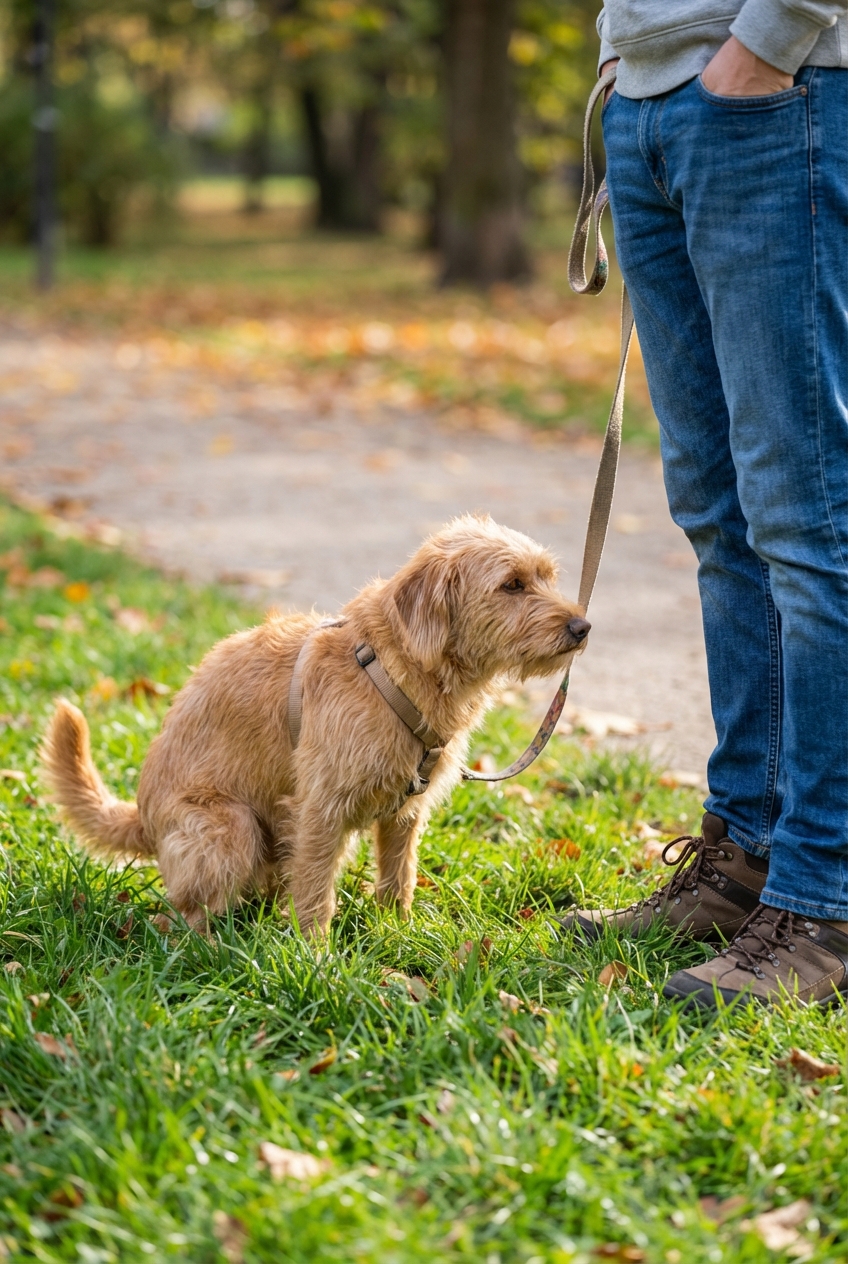
- Take her outside on leash and observe: Is she actually producing urine? How much?
- Note how often she tries, and whether she strains or cries.
2) Support hydration (while you arrange care)
Staying hydrated can help support the bladder and may improve comfort while you are arranging veterinary care, but it does not treat infections, stones, or other underlying causes. Offer fresh water and consider adding a little water to meals. Do not force water if she is vomiting or very lethargic.
3) Avoid common mistakes
- Do not give human pain relievers (ibuprofen, naproxen, aspirin, acetaminophen) unless your veterinarian specifically instructs you. Many are toxic or can worsen bleeding, stomach ulcers, or kidney issues.
- Do not start leftover antibiotics. The wrong drug or dose can worsen resistance and make culture results less useful.
- Do not restrict water to “stop accidents.” That can worsen urinary issues.
4) Keep her clean
If there is blood or discharge around the vulva, gently wipe with a soft damp cloth and keep the area dry. Excess licking can irritate tissue and increase inflammation.
How to collect a urine sample
If your veterinary clinic asks for a sample, here is how to make it more useful:
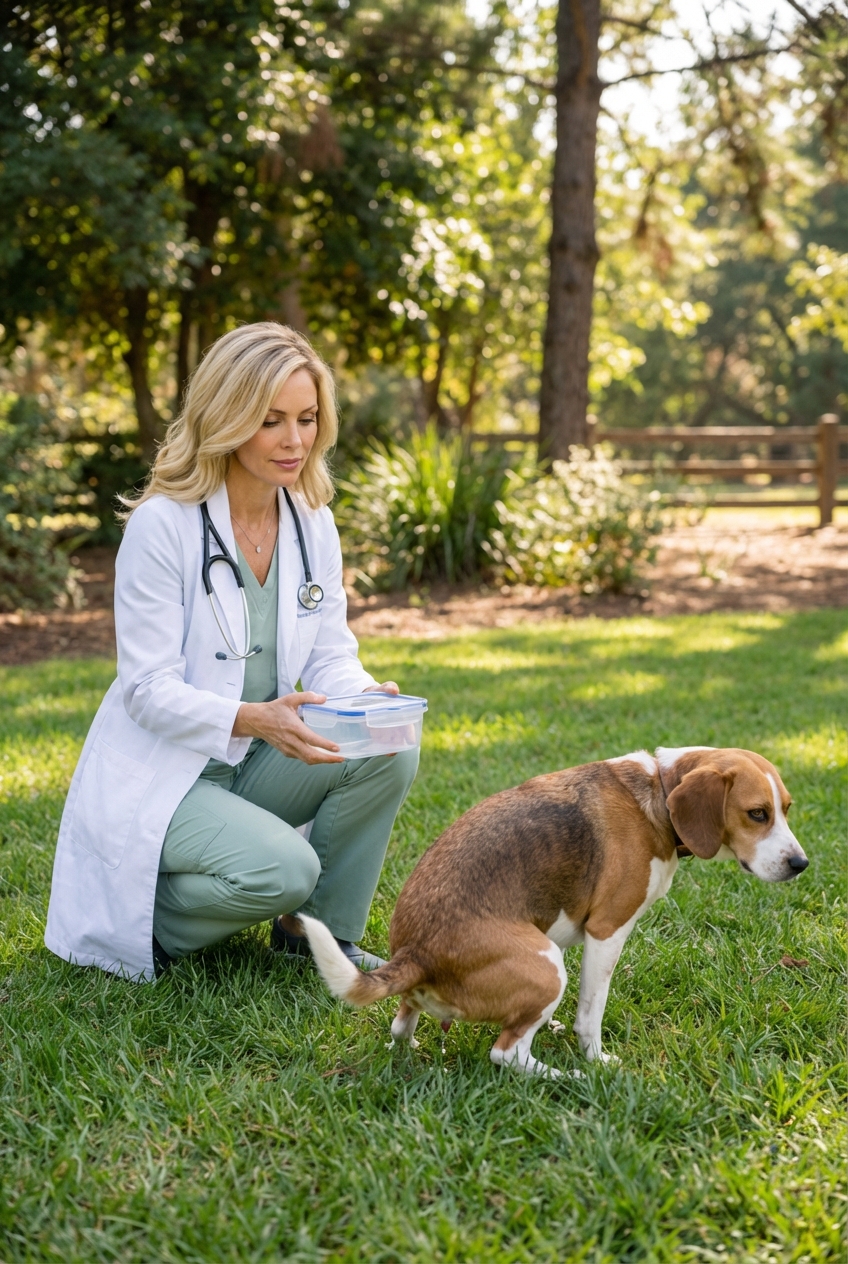
- Use a clean container (a disposable plastic cup works).
- Try for a mid-stream catch: let her start urinating, then catch a small amount.
- Bring it to the clinic as soon as you can, ideally within 1 hour. If you cannot, refrigerate it and follow your clinic’s guidance on timing. Many clinics prefer a refrigerated sample within 4 to 6 hours, and some may accept up to 12 hours for routine urinalysis.
If your dog is uncomfortable, cannot urinate, or you keep missing the sample, that is okay. Clinics can collect urine safely in-house, and for urine culture they may prefer a sterile sample collected by cystocentesis (a quick needle into the bladder).
What your vet may recommend
Blood in urine is a symptom, so the goal is to confirm the cause and treat it directly. Common diagnostics include:
- Urinalysis: checks for blood, bacteria, crystals, pH, and concentration.
- Urine culture and sensitivity: identifies the exact bacteria and the best antibiotic, especially for recurrent UTIs. This is most accurate with a sterile sample.
- Imaging (x-rays and or ultrasound): looks for stones, bladder wall changes, tumors, or kidney issues.
- Bloodwork: evaluates kidney values, inflammation, anemia, and clotting concerns.
Treatment may include antibiotics (when infection is proven or strongly suspected), pain control appropriate for dogs, diet changes for certain stones, or procedures to remove stones or address masses.
Female-specific situations
Heat cycle vs urinary bleeding
Dogs in heat can drip blood that looks like urinary bleeding. Clues it may be heat-related include a swollen vulva, increased interest from male dogs, and blood on bedding even when she is not urinating. Still, a quick vet check is smart if there is any doubt.
Spayed females can still have urinary problems
Spaying reduces the chance of uterine infection (pyometra), but spayed dogs can still get UTIs, stones, and bladder inflammation. They may also develop urinary incontinence, which can lead to irritation and secondary infections.
Unspayed females and pyometra risk
If your dog is unspayed and has lethargy, increased thirst, vomiting, fever, or a smelly discharge, seek urgent care. Pyometra (uterine infection) can be life-threatening and sometimes has minimal outward discharge. It often occurs within about 1 to 8 weeks after a heat cycle.
Support recovery and prevent recurrence
Help the bladder heal
- Give medications exactly as prescribed and finish the course unless your vet instructs otherwise.
- Let her out more frequently so she can empty her bladder without straining.
- Keep stress low and activity appropriate if your vet suspects stones or inflammation.
Lower UTI risk over time
- Hydration: wet food, water added to meals, multiple water bowls.
- Potty breaks: avoid holding it for long stretches.
- Weight management: obesity is linked with inflammation and hygiene challenges.
- Hygiene: trim hair around the vulva if needed and wipe after messy outings.
- Manage underlying disease: dogs with diabetes, Cushing’s, or anatomic issues may need a prevention plan to reduce recurrence.
Ask about targeted nutrition
Some dogs benefit from prescription diets designed for stone prevention, urinary pH support, or lower crystal formation. Nutrition should be tailored to the stone type or urine findings, not guessed.
Quick checklist
- Confirm: is the blood coming from urine, vulva, or stool?
- Make sure she can urinate. If not, go to an emergency vet now.
- Call your veterinary clinic and describe: color, clots, frequency, straining, appetite, energy, and any possible toxin or trauma exposure.
- Collect a urine sample if advised.
- Avoid human meds and leftover antibiotics.
If you’re feeling anxious, that is completely normal. The most loving thing you can do is act promptly, gather good observations, and partner with your veterinary team so your girl gets relief quickly and safely.