Learn how to support dogs with bladder stones using hydration-first homemade meals, low-purine protein options, urine pH basics, treat pitfalls, and foods to...
Article
•
Designer Mixes
Blood in Urine in Dogs: What to Do Now

Shari Shidate
Designer Mixes contributor
Seeing blood in your dog’s urine can stop you in your tracks. As a veterinary assistant here in Frisco, Texas, I can tell you this is a common reason dogs are seen urgently. The key is to stay calm, gather a few details, and get your dog the right level of care quickly.
Blood in urine is called hematuria. Sometimes the urine looks pink or red. Other times the urine looks normal, but blood shows up on a urinalysis. Either way, it is a sign that something is irritating or bleeding somewhere in the urinary tract, or less commonly from another system.
One important note: not every “red” spot is truly blood from the bladder. Vaginal discharge (especially during a heat cycle), bleeding from the skin around the vulva or penis, and even pigment changes from certain foods or medications can look similar. It is still worth getting checked promptly so you do not miss something serious.
When blood in urine is an emergency
Some dogs can safely wait for a same-day appointment. Others need an emergency hospital right away. Use these “go now” red flags as your guide.
Go to emergency care now if you notice:
- Straining to urinate or repeated squatting with little or no urine produced
- Crying out, severe abdominal pain, or a tense, swollen belly
- Weakness, collapse, pale gums, or trouble breathing
- Heavy bleeding (urine looks like mostly blood or you see clots). Keep in mind this appearance does not confirm where the blood is coming from.
- Vomiting plus urinary signs, or your dog seems very ill
- Possible toxin exposure (especially rat poison products)
- Recent trauma (hit by car, fall, dog fight)
Important: If your dog cannot pass urine, treat this as an emergency. Urinary obstruction is more common in male dogs, but it can happen in females too (for example, with stones, tumors, or severe inflammation). Obstruction can become life-threatening fast.
Common causes of blood in dog urine
There is no single cause, which is why a simple home guess can miss something important. Hematuria can originate from the kidneys, ureters, bladder, urethra, prostate (male dogs), or the reproductive tract. Here are the most common culprits veterinarians see:
- Urinary tract infection (UTI): Often paired with frequent urination, urgency, accidents, and discomfort.
- Bladder stones: Can cause irritation, pain, blood, and in some cases obstruction.
- Crystals: Microscopic mineral precipitates that can irritate the urinary tract and contribute to stone formation.
- Prostate disease (male dogs): Infection, enlargement, or inflammation can lead to blood.
- Kidney infection or kidney disease: May show increased thirst, appetite changes, or vomiting.
- Trauma: Injury to kidneys, bladder, or urinary tract.
- Tumors or polyps: More common with age, but not limited to seniors.
- Bleeding disorders: Including toxin exposure (some rodenticides), low platelets, or clotting problems.
- Heat cycle or reproductive tract bleeding: In intact females, vaginal bleeding can look like blood in urine. It is still worth confirming the source.
What you can do at home today
Home care is not a replacement for diagnosis, but there are several safe, proven steps that can help your vet and help your dog stay comfortable until your appointment. Even if your dog seems totally normal otherwise, blood in urine should be evaluated promptly. In most cases, that means today or within 24 to 48 hours, sooner if signs are worsening.
1) Observe and write down key details
- When did you first see blood?
- Is your dog urinating more often, having accidents, or straining?
- Any vomiting, lethargy, feverish behavior, reduced appetite, or increased thirst?
- Any recent diet changes, new treats, new supplements, or new medications?
- Could your dog have eaten a toxin (rat poison, human meds, grapes/raisins, xylitol gum)?
This quick “timeline” helps your veterinarian triage and choose the right tests.
2) Encourage hydration
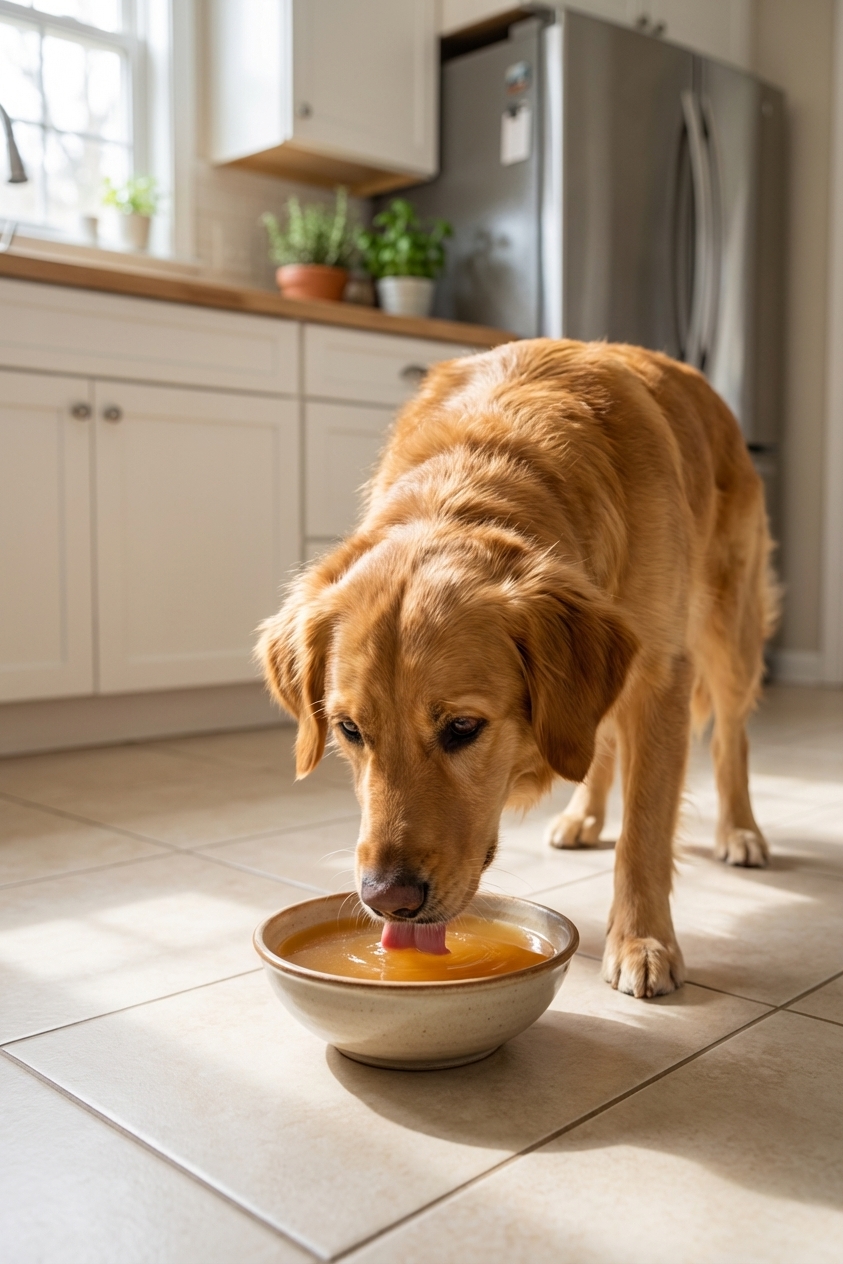
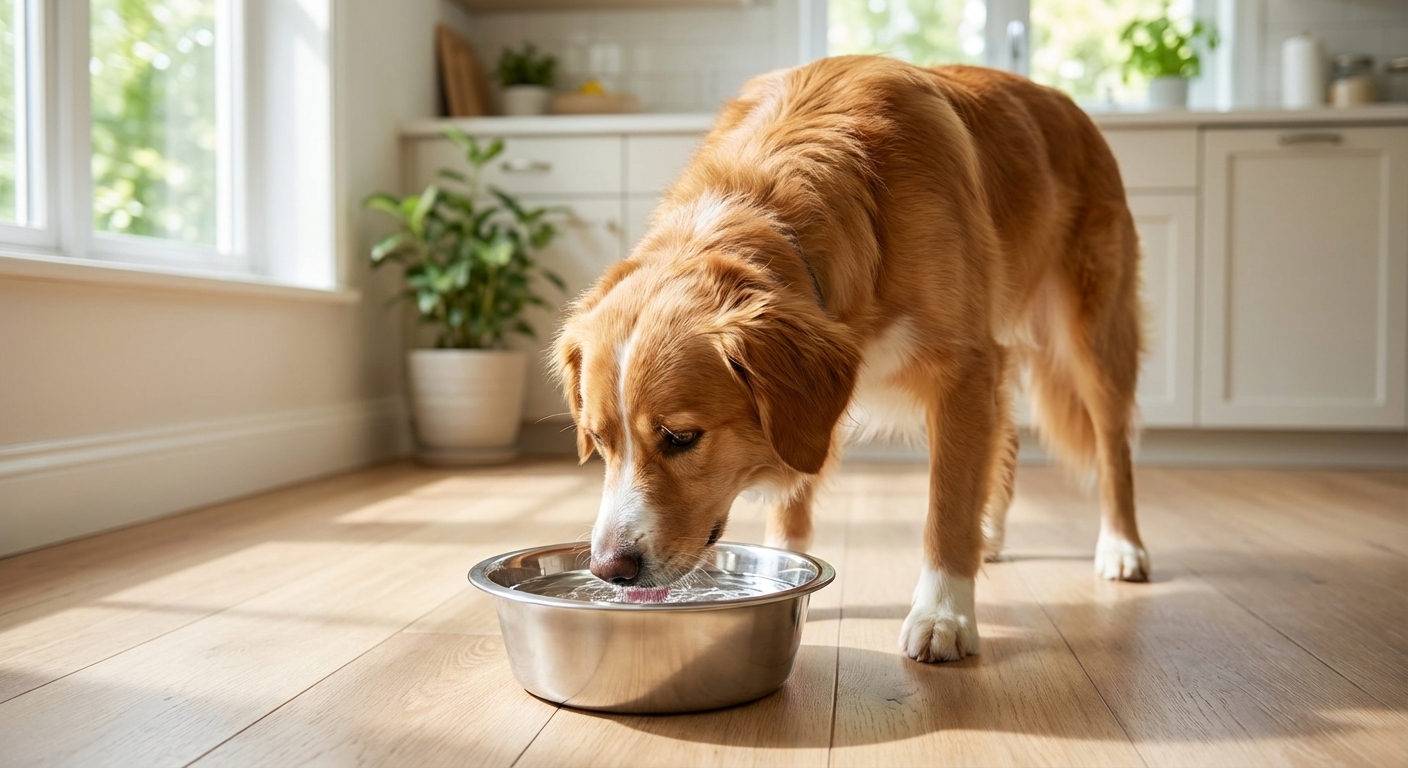
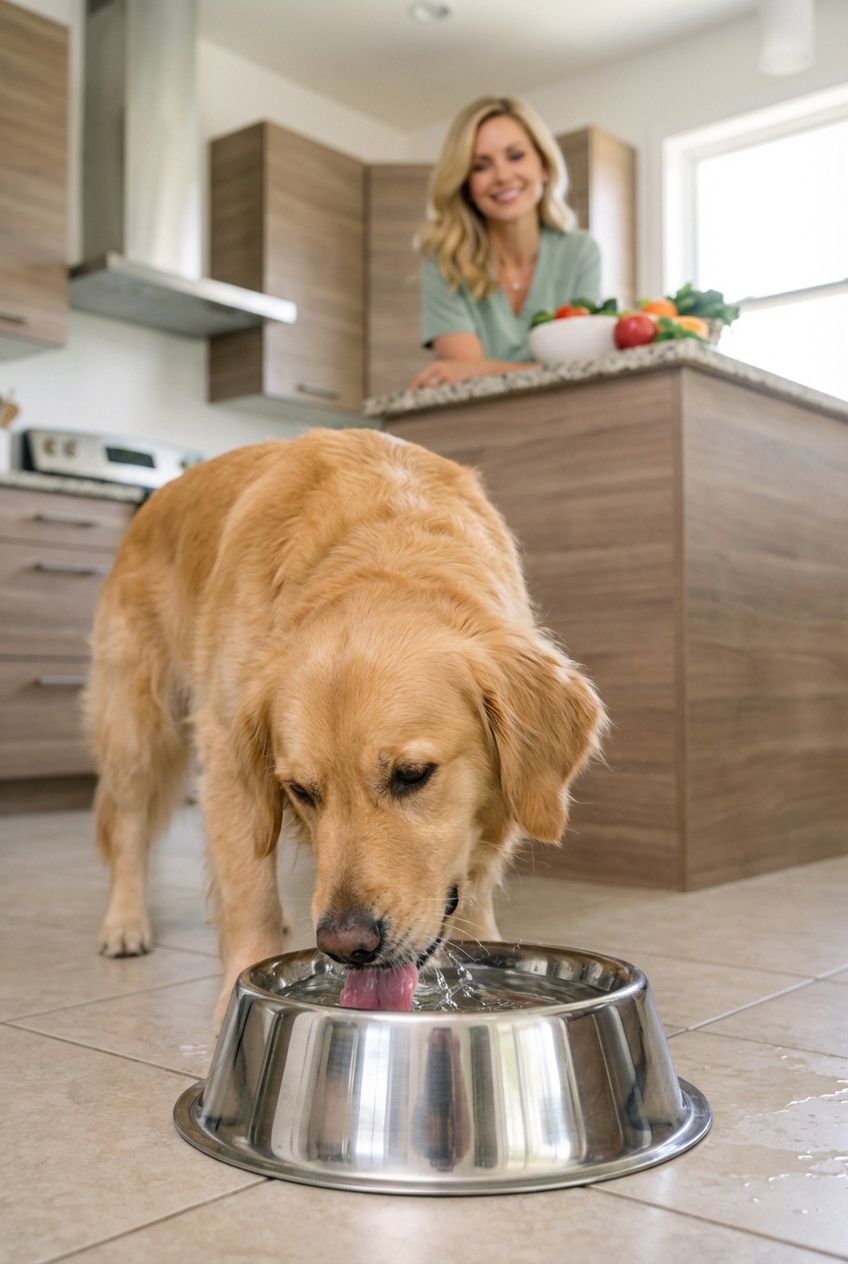
Water helps dilute urine and can reduce irritation. Offer fresh water in multiple places. If your vet has not restricted fluids for another condition, hydration is usually supportive care.
- Add a little water to meals.
- Offer ice chips as a treat for dogs who like them.
- Ask your clinic if low-sodium broth is appropriate for your dog’s health history.
3) Collect a urine sample if you can
If your dog can urinate, try to bring a fresh sample to your appointment.
- Use a clean container with a lid.
- Catch mid-stream if possible.
- Refrigerate if you cannot get to the clinic right away, and bring it within about 6 hours if possible. Sooner is better.
If your dog is uncomfortable or you cannot safely catch urine, skip this. Your clinic can collect a sterile sample.
4) Keep activity calm and controlled
Short leash walks for bathroom breaks are best. Rough play can worsen irritation or bleeding in some conditions.
5) Do not give human pain meds
Please do not give ibuprofen, naproxen, aspirin, or acetaminophen unless a veterinarian has specifically instructed you to. These can cause serious complications in dogs and can also cloud the diagnostic picture.
What not to do
- Do not start leftover antibiotics. Wrong antibiotic choice, wrong dose, or stopping early can make future infections harder to treat.
- Do not assume it is “just a UTI.” Stones and obstruction can look very similar at home.
- Do not delay evaluation if signs are worsening, your dog is painful, or urination becomes difficult.
- Do not restrict water unless your veterinarian has instructed you to for a separate medical reason.
What your veterinarian will likely recommend
Most cases start with simple, high-value diagnostics. The goal is to confirm where the blood is coming from and why.
How vets confirm the source
Your veterinarian will often start with a physical exam that includes checking the external genital area. They may ask about heat cycles in intact females. If needed, they will also choose the most appropriate urine collection method:
- Free-catch: Collected while your dog urinates. Useful for screening, but more likely to have contamination.
- Cystocentesis: A sterile sample taken directly from the bladder with a small needle, usually guided by feel or ultrasound. This is often preferred for culture.
- Catheter sample: Sometimes used in certain situations, including some male dogs, or when a sterile sample is needed and cystocentesis is not ideal.
Common tests
- Urinalysis: Checks blood, protein, pH, crystals, glucose, and more.
- Urine culture and sensitivity: Confirms infection and identifies the best antibiotic, especially for recurrent UTIs.
- Bloodwork: Evaluates kidney values, hydration status, anemia, infection markers.
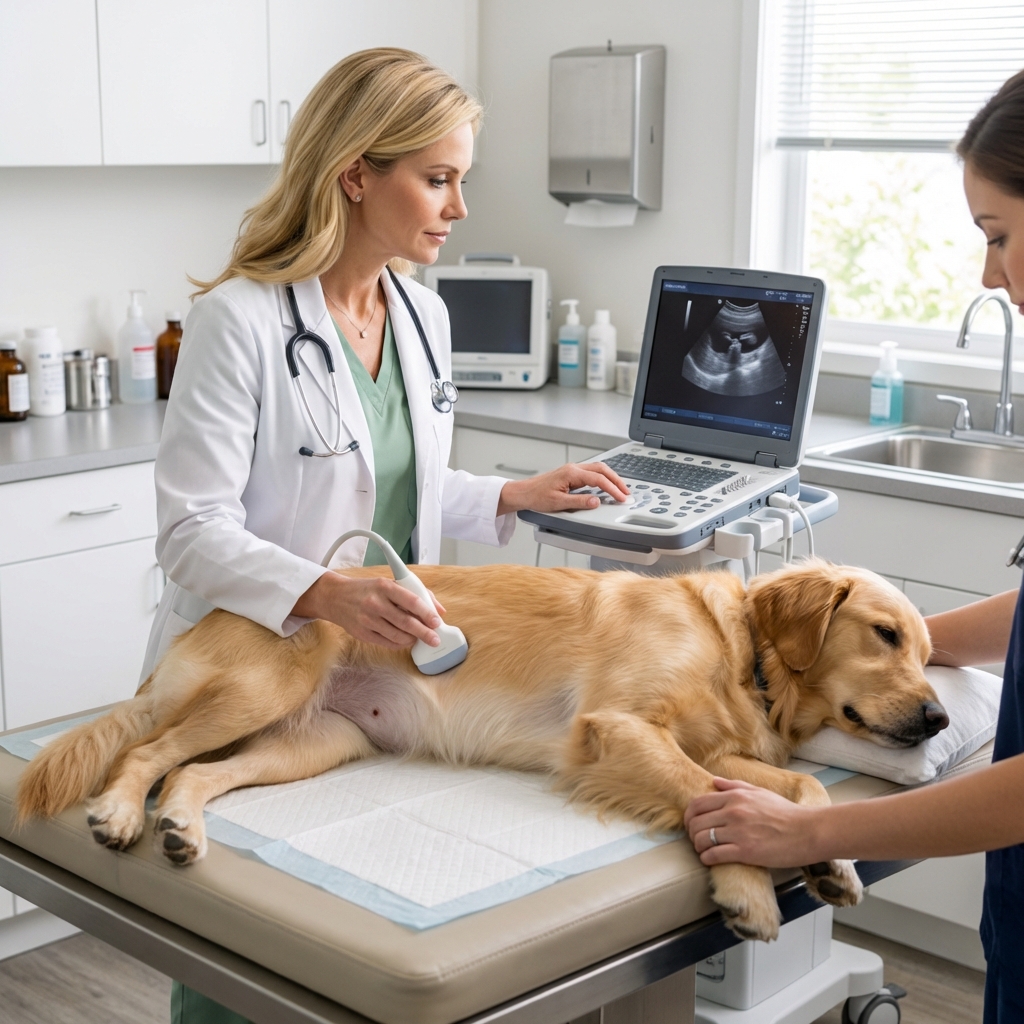
- Imaging: X-rays for some stones, ultrasound for bladder wall changes, stones, masses, kidneys, and prostate.
Common treatments (depending on diagnosis)
- Antibiotics for confirmed bacterial infection, ideally guided by culture for repeat cases
- Pain relief and anti-inflammatory support that is dog-safe and vet-prescribed
- Diet change for crystals or certain stone types, plus increased water intake
- Stone removal or special dissolution diets for specific stones
- Emergency procedures if there is an obstruction
Preventing future urinary issues
Not every cause is preventable, but these habits can reduce risk and help catch problems early.
Support healthy urinary habits
- More bathroom breaks: Holding urine for long periods can contribute to irritation and infection risk in some dogs.
- Fresh water always: Clean bowls daily, refresh water often.
- Weight management: Healthy body condition supports overall inflammatory balance and mobility for regular urination.
- Prompt follow-up: If your dog is treated for UTI, ask whether a recheck urinalysis or culture is recommended.
Nutrition notes
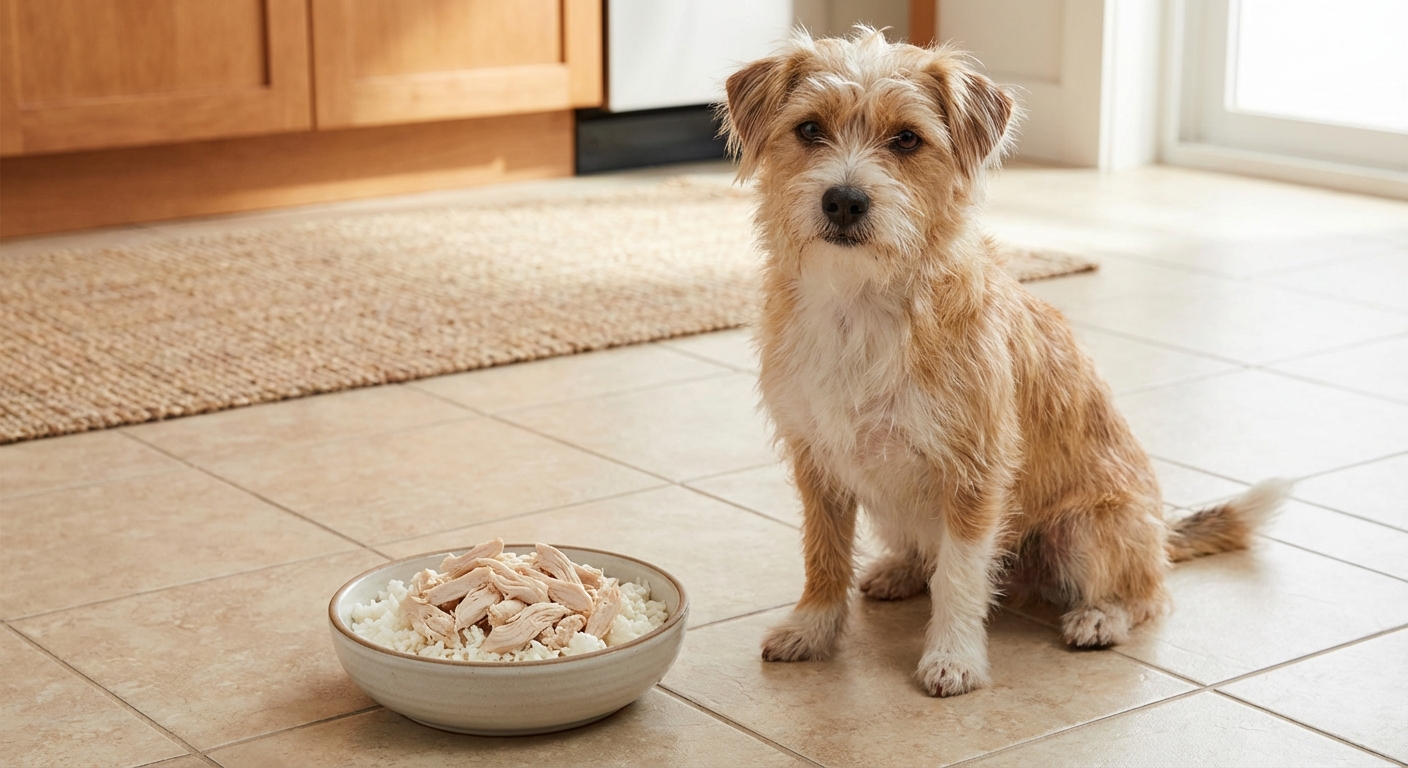
If your dog has had stones or crystals, the “best” diet can be very specific to the stone type. Some stones require diets that change urine pH, adjust minerals, and increase water intake. That is why it is so important not to guess. If you prefer fresh food or homemade options, talk with your veterinarian or a board-certified veterinary nutritionist so the recipe supports the correct urinary goals.
If your dog has a history of urinary crystals or stones, ask your vet: “Do we know the stone type or crystal type, and what urine pH range are we aiming for?” That one question can prevent a lot of frustration.
Quick checklist before you call the vet
- Is your dog producing a normal stream of urine?
- Any vomiting, collapse, pale gums, or severe pain?
- Do you have a urine sample available?
- List of medications and supplements your dog takes
- Any chance of toxin exposure or recent trauma?
- For intact females: any chance this could be heat cycle bleeding?
If you are unsure, it is always okay to call your clinic and describe exactly what you see. In veterinary medicine, details matter, and you are the expert on your dog.