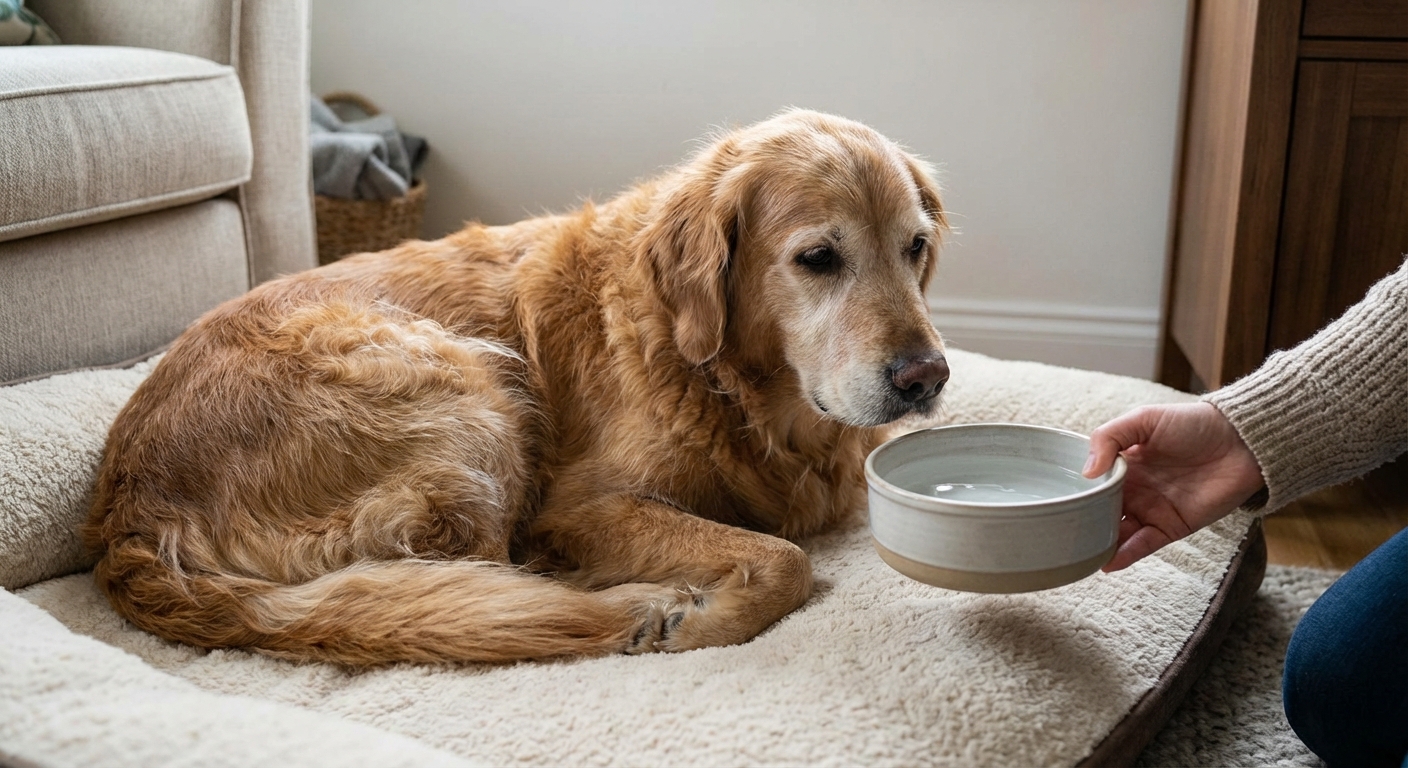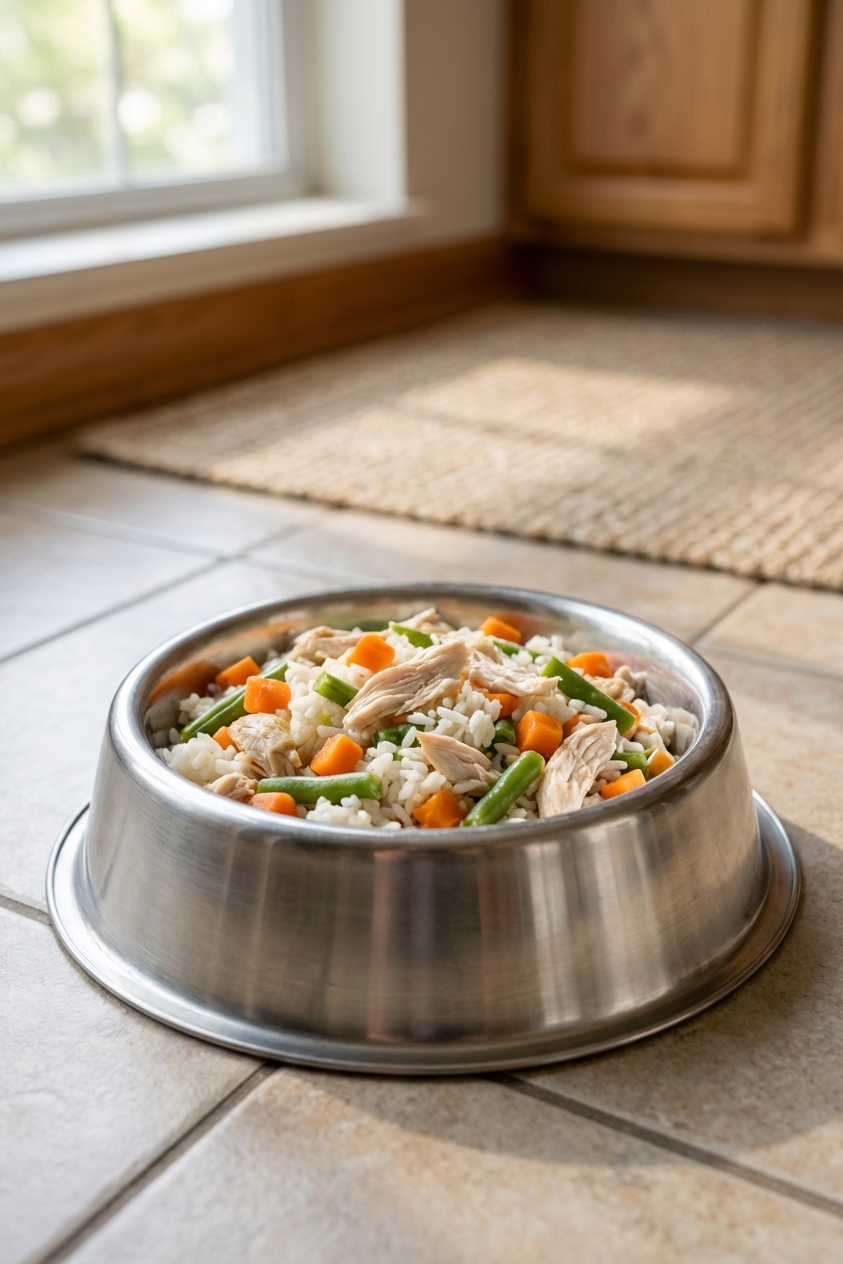
Learn what to feed your dog for diarrhea: small bland meals (boiled chicken, rice, pumpkin), hydration tips, probiotics, foods to avoid, and red flags to cal...
Article
•
Designer Mixes
Blood in Stool in Dogs

Shari Shidate
Designer Mixes contributor
Seeing blood in your dog’s stool can be scary, and as a veterinary assistant here in Frisco, Texas, I completely understand the stomach-drop moment. The good news is that some causes are mild and short-lived. The hard truth is that blood can also be a sign of a serious problem that needs quick veterinary care.
This quick guide will help you recognize what you are seeing, triage safely, and know exactly when to call the vet or head to an emergency clinic.
What “blood in stool” can look like
Blood can show up in a few different ways, and the appearance gives clues about where the bleeding may be happening. (A quick note: some foods and medications can change stool color and confuse the picture. I mention a few common ones below.)
Bright red blood (hematochezia)
- Looks like: fresh, red streaks or drops on the stool, or red-tinged mucus.
- Often suggests: bleeding in the lower intestinal tract or rectum, such as colitis (inflammation of the colon), anal gland irritation, parasites, or straining.
Black, tarry stool (melena)
- Looks like: very dark, sticky, tar-like stool that often has a strong, foul odor.
- Often suggests: digested blood from higher up in the GI tract, such as the stomach or small intestine.
- More urgent: melena can be associated with ulcers, bleeding disorders, or ingestion of toxins.
Blood plus diarrhea or mucus
- Looks like: frequent small amounts of loose stool with mucus, sometimes with bright red blood.
- Often suggests: colitis, stress-related diarrhea, dietary indiscretion, infection, or parasites.
Color look-alikes to know
- Red-tinted stool: beets, red food dyes, and some treats can make stool look red.
- Dark stool: bismuth products (like Pepto-Bismol) and iron supplements can darken stool and may mimic melena. This is one reason I do not recommend giving them unless your veterinarian specifically tells you to.
Fast triage: when to go to the emergency vet
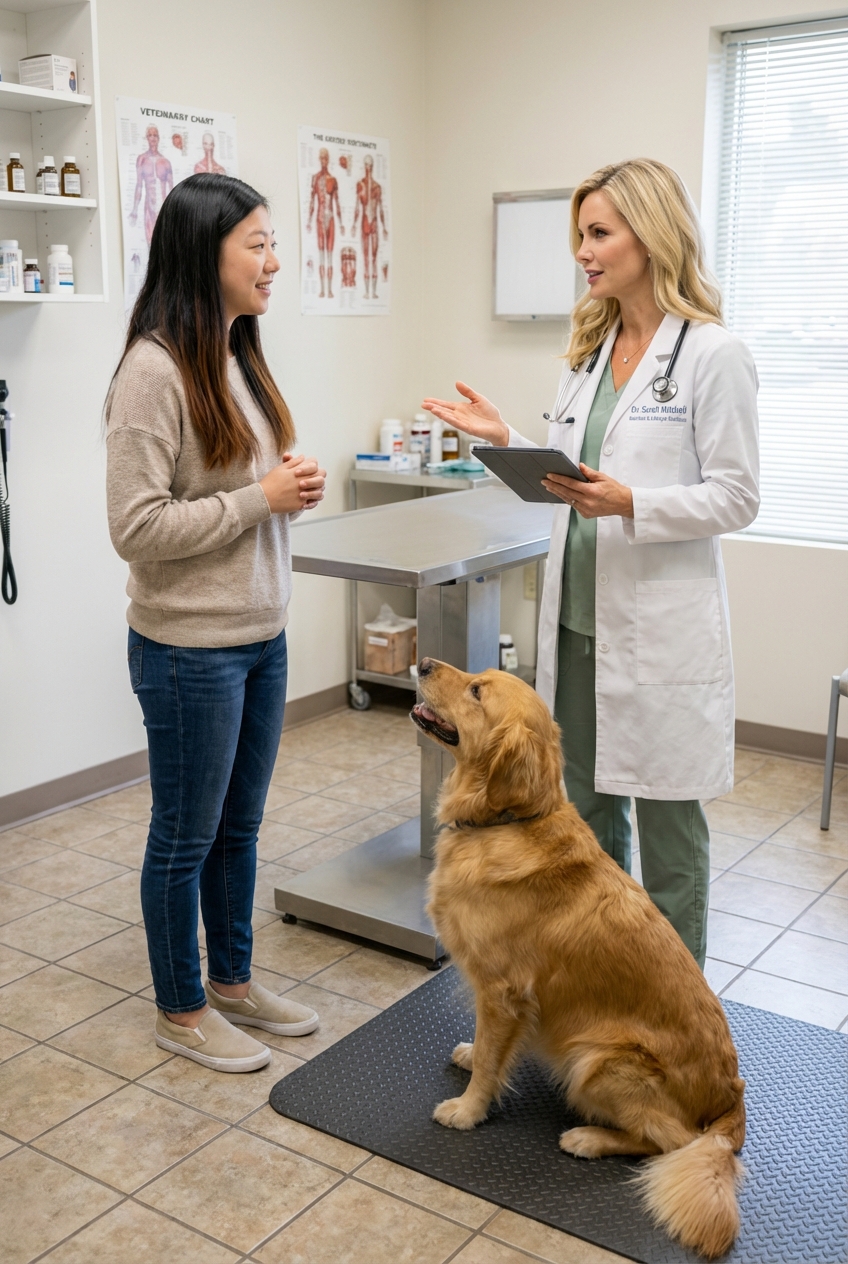
If you’re unsure, it is always okay to call your vet or an emergency hospital for guidance. In general, head in right now if you notice any of the following.
Go to emergency care today
- Black, tarry stool (melena)
- Large amounts of blood or blood that continues with every bowel movement
- Weakness, collapse, pale gums, heavy panting, or your dog seems “off”
- Repeated vomiting or vomiting blood
- Bloated abdomen, signs of pain, or severe restlessness
- Known or possible toxin exposure (rat poison, human medications like ibuprofen, etc.)
- Very young puppies, seniors, or dogs with chronic illness
- Not eating or drinking, or dehydration (dry gums, sunken eyes, very low energy)
- Straining with little or no stool, especially if you are not sure whether your dog is trying to poop or trying to urinate. In male dogs in particular, an inability to urinate can be an emergency.
Call your vet within 24 hours
- Small streaks of bright red blood but your dog is otherwise acting normal
- Blood with mild diarrhea that lasts longer than 12 to 24 hours
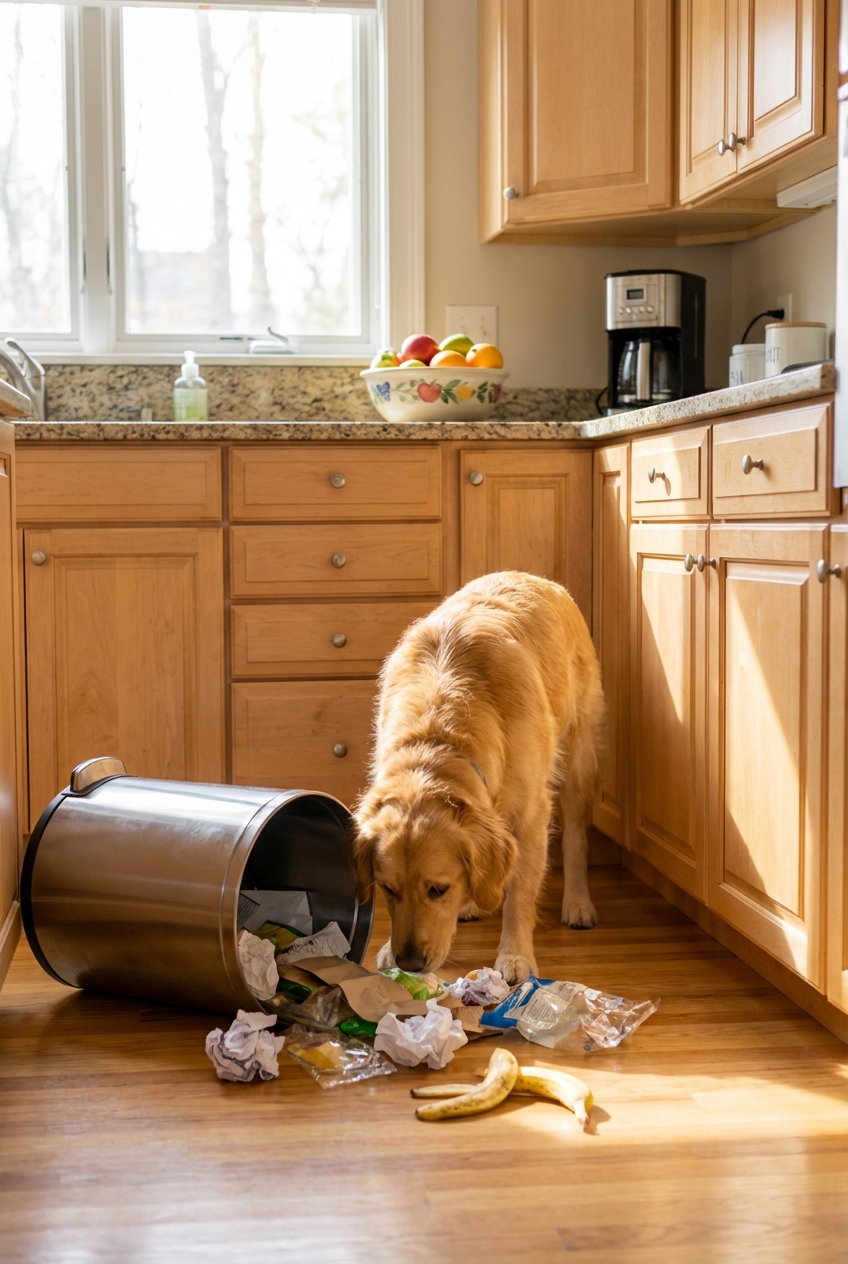
- Blood after a clear dietary slip, like raiding the trash, even if symptoms are mild
- Straining to poop, frequent squatting, or signs of constipation
If your dog’s behavior is changing, treat that as a bigger clue than the poop. A dog who is lethargic, painful, or vomiting needs prompt care.
Common causes veterinarians see
There is not one single cause of bloody stool in dogs. Here are the most common possibilities veterinarians see.
1) Dietary indiscretion
Dogs are talented at finding snacks we never approved. New treats, fatty foods, bones, table scraps, and trash can irritate the intestines and trigger colitis (inflammation of the colon).
2) Parasites
Hookworms, whipworms, roundworms, and Giardia can cause diarrhea and blood, especially in puppies or newly adopted dogs. Some parasites are intermittent, meaning you might see normal stool one day and blood the next.
3) Stress colitis
Boarding, travel, house guests, storms, or changes in routine can trigger inflammation of the colon and cause mucus and bright red blood.
4) Infection
Bacterial or viral infections can inflame the GI tract. Some are contagious to other pets, and some can be zoonotic, meaning they can affect people too.
5) Anal gland issues or rectal irritation
Scooting, licking the rear, straining, or small streaks of blood may be linked to anal gland inflammation, fissures, or irritation from hard stool.
6) AHDS (acute hemorrhagic diarrhea syndrome)
AHDS (sometimes called HGE, hemorrhagic gastroenteritis, in older resources) can cause sudden, severe bloody diarrhea and dehydration. It often needs urgent supportive care, especially fluids and close monitoring.
7) Foreign body or obstruction
Toys, socks, bones, corn cobs, and other objects can injure the gut and may become life-threatening.
8) Bleeding disorders or toxin exposure
Rodenticides and certain medications can affect clotting. This is an emergency.
9) Ulcers, inflammatory bowel disease, or cancer
These are more likely when symptoms are recurring, weight loss occurs, appetite changes, or melena is present.
What you can do at home (safe steps)
Home care is only appropriate if your dog is bright, alert, drinking, and the blood is a small amount of bright red in or on the stool. If you are not sure, call your vet.
Step 1: Take a clear photo and write down details
- When it started
- Stool consistency (formed, soft, watery)
- Color (bright red vs black)
- Frequency and urgency
- Any vomiting, appetite change, or known diet slip
- Current medications and preventatives
Step 2: Offer water and keep activity calm
Dehydration can happen quickly with diarrhea. Encourage drinking. Skip intense exercise until stools normalize.
Step 3: Feed a gentle, vet-approved bland diet
If your vet agrees, a short bland diet can help some dogs. Common options include boiled skinless chicken breast with white rice, or a prescription GI diet. Keep portions small and frequent for 24 to 48 hours.
Important: if your dog has a history of pancreatitis, food allergies, is on a prescription diet, or has chronic GI disease, do not assume chicken and rice is the right choice. Ask your veterinarian what to feed.
A note from me: please do not start random supplements or human meds. Dogs can get very sick from common human products, including bismuth and NSAIDs. Also, bismuth can turn stool dark and make it harder to tell whether true melena is present.
Step 4: Do not give these without veterinary direction
- Ibuprofen, naproxen, aspirin
- Pepto-Bismol or other bismuth products
- Imodium (loperamide), especially in herding breeds (MDR1 gene sensitivity risk) or dogs with underlying illness. Use only if your veterinarian directs you.
- Leftover antibiotics
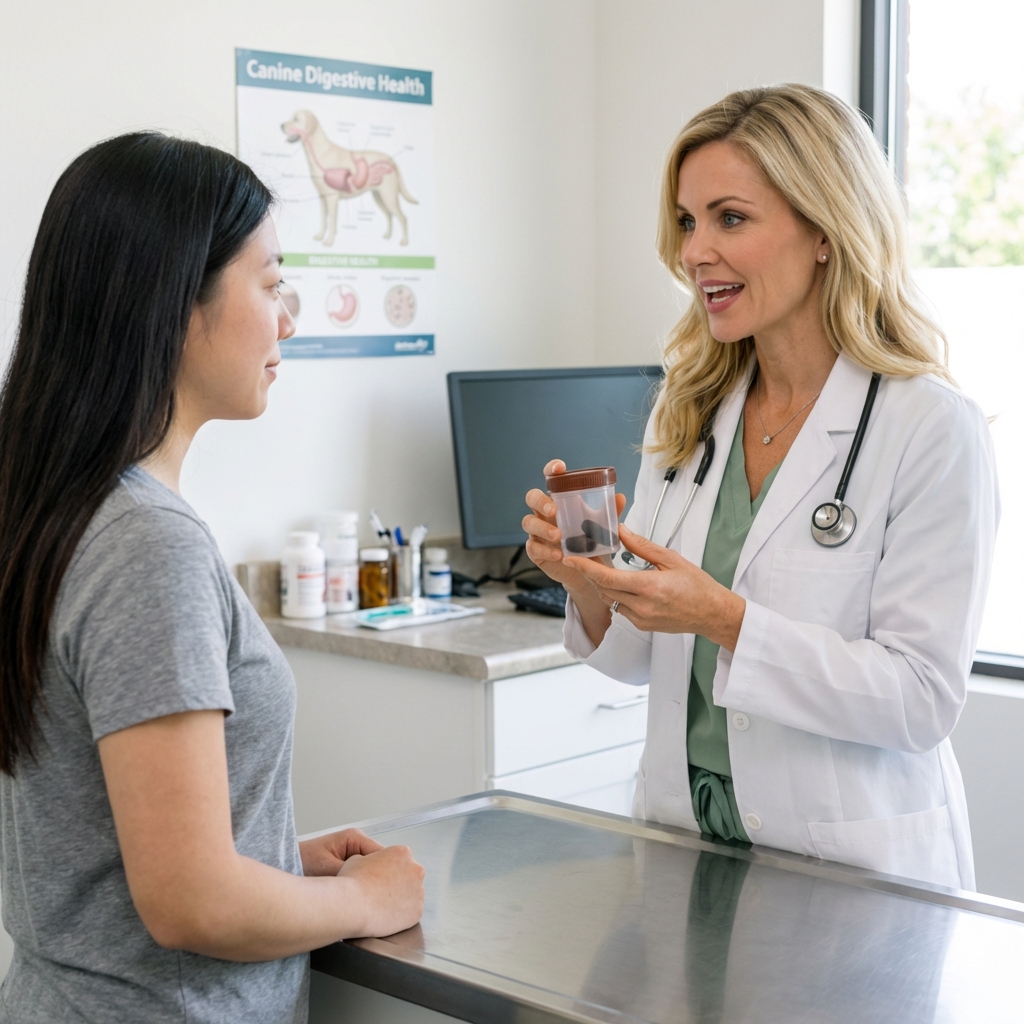
Step 5: Bring a stool sample to your appointment
Collect a fresh sample if you can. Many clinics can check for parasites and Giardia quickly.
Step 6: Simple hygiene to protect your household
If diarrhea is involved, assume there could be an infectious cause. Pick up stool promptly, wash your hands, and keep kids away from the area until things are normal.
What your veterinarian may recommend
Your vet will match the workup to your dog’s symptoms, age, and risk factors.
- Physical exam: hydration status, abdominal pain, rectal exam when appropriate
- Fecal testing: for worms and Giardia
- Bloodwork: hydration, anemia, infection markers, organ function
- Imaging: X-rays or ultrasound if obstruction, foreign body, or mass is suspected
- Treatment: fluids, GI protectants, dewormer, probiotics, diet change, and in some cases antibiotics or hospitalization
Prevention tips that actually help
You cannot prevent every cause, but you can reduce risk in meaningful ways.
- Keep preventatives current: parasite prevention matters, even for indoor pets.
- Do routine fecal screening: ask your vet how often your dog should be tested based on age, lifestyle, and local risk.
- Trash-proof your home: secure bins and keep tempting items out of reach.
- Introduce diet changes slowly: sudden food switches are a common trigger for diarrhea and colitis.
- Skip risky chews: cooked bones and brittle chews can splinter or cause GI trauma.
Quick checklist: call the vet and share this
- Is the blood bright red or black and tarry?
- How much blood and how often?
- Any vomiting, lethargy, or appetite change?
- Any chance of toxin ingestion or foreign object chewing?
- Is your dog straining, and are you sure they are able to urinate?
- Puppy, senior, pregnant, or immune-compromised?
- Bring photos and a stool sample if possible.
If you take one thing away: bright red streaks in an otherwise normal dog can sometimes wait for a same-day call, but black stool, big volume blood, weakness, vomiting, inability to urinate, or toxin exposure is an emergency.