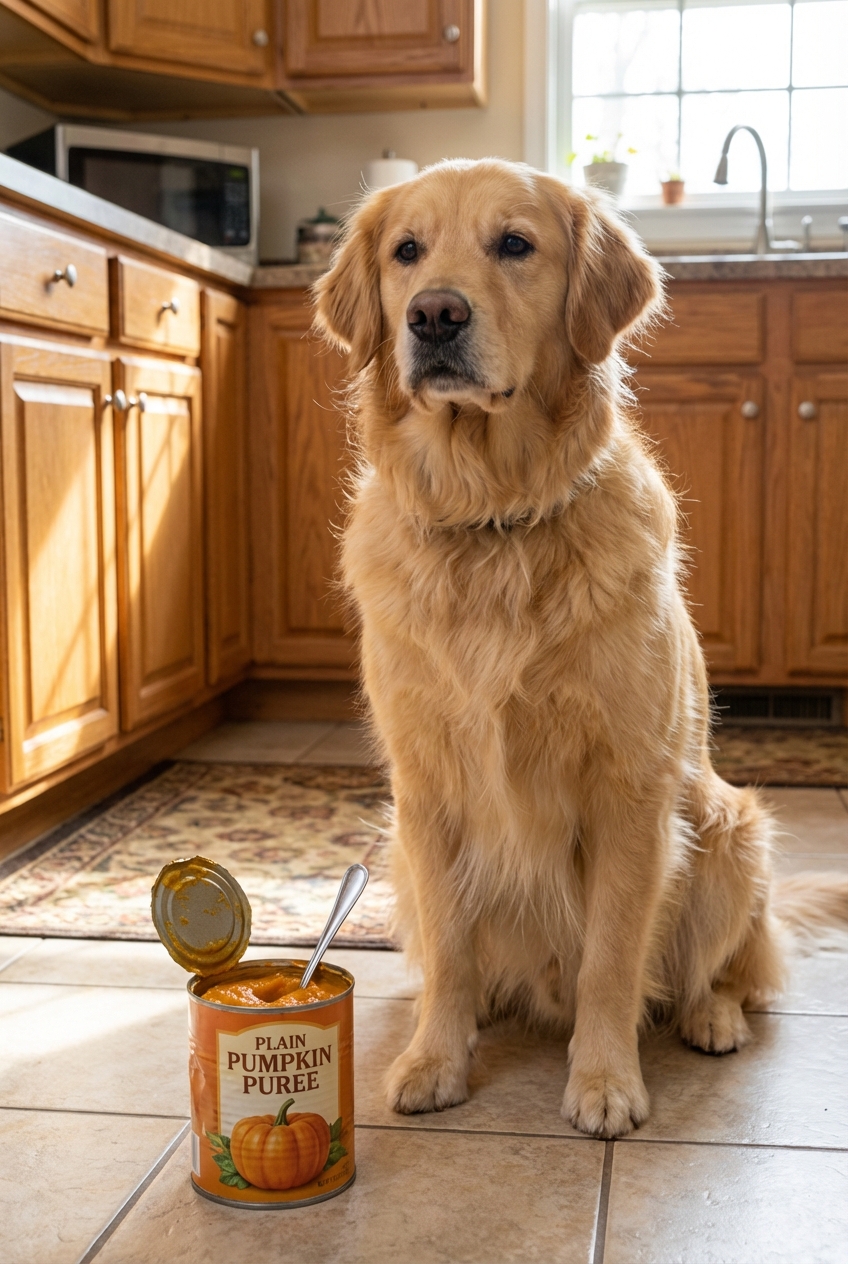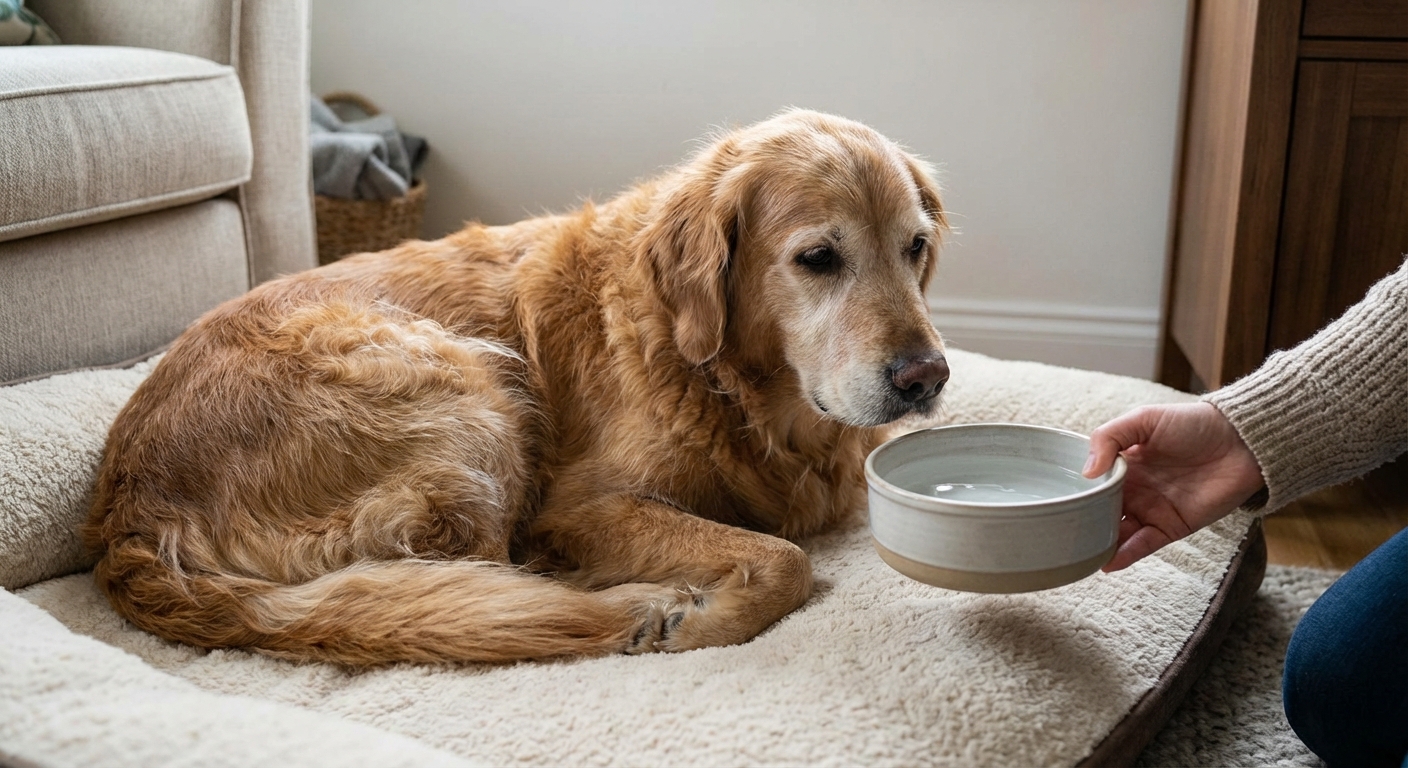
A practical 24–72 hour diet and hydration plan for mild dog diarrhea, with bland food options, safe add-ons like probiotics, foods to avoid, and clear red ...
Article
•
Designer Mixes
Blood in My Dog’s Stool: What It Means

Shari Shidate
Designer Mixes contributor
Seeing blood in your dog’s poop can be scary, and as a veterinary assistant here in Frisco, Texas, I can tell you: you’re not overreacting. Sometimes it is a minor irritation that clears up quickly. Other times it is an early warning sign of something more serious that needs veterinary care.
This guide walks you through what blood in the stool can look like, what it commonly means, when it is an emergency, and what you can do right now to help your dog safely.
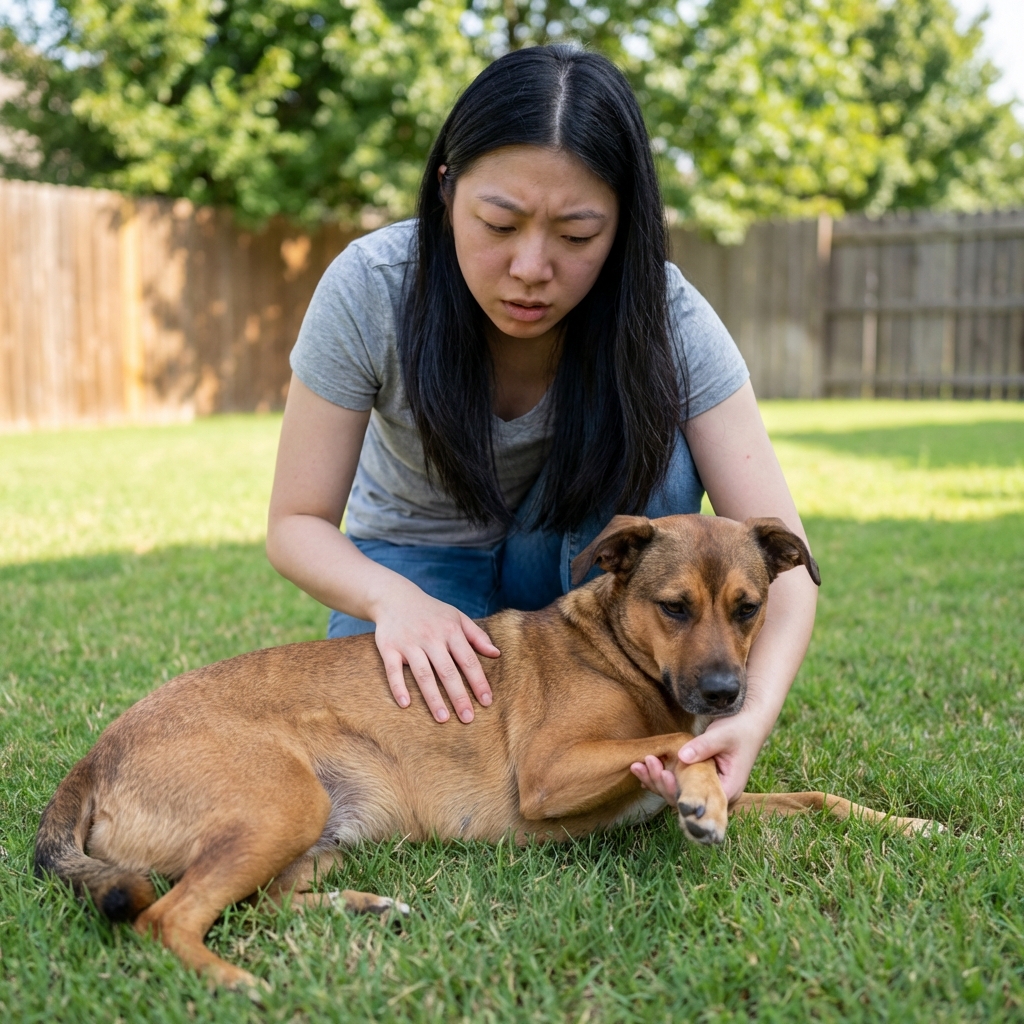
First, what does the blood look like?
The appearance of the blood gives important clues about where it may be coming from in the digestive tract. You may also see these terms online: hematochezia means bright red blood, and melena means black, tarry stool.
Bright red blood (fresh blood)
Bright red streaks on the outside of the stool or drops of blood after pooping usually suggest bleeding from the lower intestinal tract, rectum, or anus. Common reasons include:
- Colitis (inflammation of the large intestine)
- Straining from constipation
- Anal gland inflammation or infection
- Small tears in the rectum from hard stool
- Stress-related diarrhea
- Dietary indiscretion, meaning your dog ate something that did not agree with them
Black, tarry stool (digested blood)
Black, sticky, tar-like stool is called melena. This often indicates bleeding higher up in the GI tract (stomach or small intestine). It can also happen if a dog swallows blood, such as from a nosebleed or bleeding in the mouth. Either way, it is more concerning and should be taken seriously.
Melena can be linked to:
- Stomach or intestinal ulcers
- Bleeding disorders
- Ingestion of toxins (including some rat poisons)
- Some medications, especially NSAIDs (carprofen, meloxicam, aspirin), which can contribute to ulcers or GI bleeding. This risk is higher with incorrect dosing, but side effects can occur even when used as directed in some dogs.
- Tumors or severe inflammation
Important note: Some foods and supplements can darken stool (like iron supplements). Also, bismuth products can darken stool and confuse the picture. True melena often has a distinctive tarry look and a strong, foul odor.
Common causes of blood in dog stool
There are many possibilities. Here are the most common ones we see in clinics, ranging from mild to serious.
1) Sudden diet change or people food
Rich foods, greasy scraps, bones, and sudden food changes can irritate the GI tract and cause diarrhea with streaks of blood.
2) Parasites (worms and protozoa)
Hookworms, whipworms, and roundworms are common worms. Giardia and coccidia are protozoa. All can cause intestinal inflammation and bleeding, especially in puppies or newly adopted dogs. A fecal test is the best way to confirm.
3) Colitis
Colitis is a common reason for bright red blood with mucus, frequent small stools, and straining. Triggers include stress, diet, parasites, and bacterial imbalance.
4) Hemorrhagic gastroenteritis (AHDS)
Acute hemorrhagic diarrhea syndrome (AHDS) can cause sudden profuse diarrhea with blood, vomiting, and rapid dehydration. This is urgent and needs veterinary care promptly. AHDS is often diagnosed based on the clinical picture, and your veterinarian will also work to rule out other serious causes such as parvo (especially in puppies), parasites, and obstruction.
5) Foreign material or bone irritation
Swallowed toys, sticks, rawhide chunks, or sharp bone fragments can scrape or injure the GI tract. Sometimes bleeding is the first sign.
6) Clotting problems or toxins
Blood that is not clotting normally can lead to bleeding in multiple areas, including the GI tract. Anticoagulant rat poison exposure is a classic emergency cause. Liver disease and certain immune conditions can also interfere with clotting. Some human medications and toxins can also trigger GI ulceration or bleeding.
7) Inflammatory bowel disease (IBD) or food sensitivities
Chronic soft stool, recurring blood or mucus, weight changes, and intermittent vomiting can point to longer-term inflammation. Diagnosis often involves fecal testing, bloodwork, dietary trials, and sometimes imaging.
8) Polyps or tumors
Especially in older dogs, blood in the stool can be due to growths in the intestinal tract or rectum. Not every growth is cancer, but any repeated bleeding should be checked.
When blood in stool is an emergency
Please seek urgent veterinary care (ER if needed) if you notice any of the following:
- Black, tarry stool
- Large amounts of blood or continuous bleeding (for example: more than a few drops, puddles of blood, or stool that is mostly blood)
- Vomiting, especially if repeated or with blood
- Lethargy, weakness, collapse, or pale gums
- Signs of dehydration (sticky gums, sunken eyes, not drinking, reduced urination)
- Abdominal pain, bloating, or repeated straining with little stool
- Suspected toxin ingestion, including rat poison or unknown substances
- Puppies, seniors, or dogs with chronic illness (they can deteriorate faster). Puppies with bloody diarrhea, vomiting, or low energy should be seen urgently because parvo and parasites are common and can become dangerous quickly.
If your dog has bloody diarrhea and seems off in any way, it is safer to treat it as urgent. Dehydration and shock can happen quickly.
What you can do at home right now
If your dog is otherwise acting normal, eating, drinking, and the blood is a small amount of bright red streaking, you can take a few sensible steps while you monitor closely. When in doubt, call your vet for guidance, especially if this is new for your dog.
1) Check for simple explanations
- Did your dog get into the trash, chew a bone, or start a new treat?
- Is your dog straining or producing very hard stool?
- Any recent boarding, travel, grooming, or stressful events?
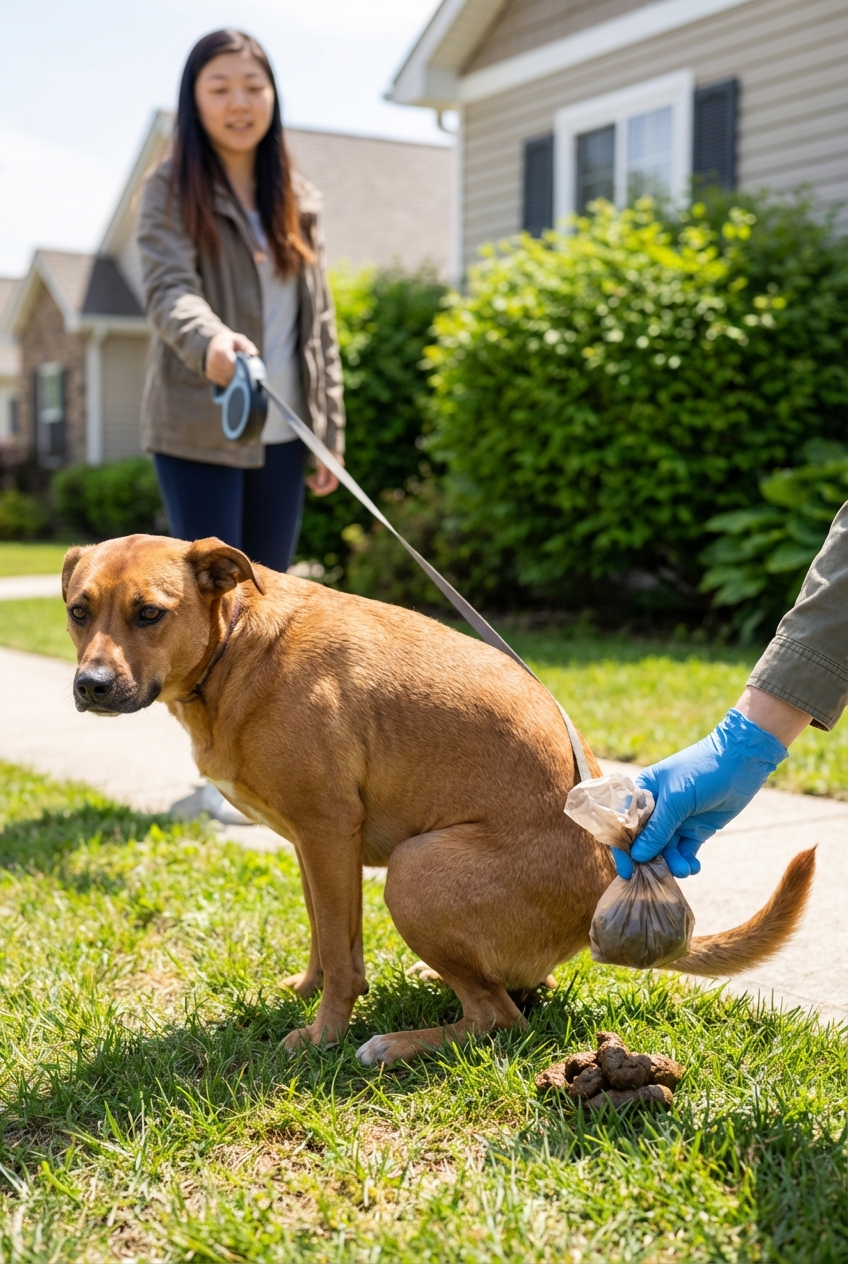
2) Save a fresh stool sample
Place a small amount in a clean bag or container and refrigerate it. This makes fecal testing easier if your veterinarian requests it.
3) Keep your dog hydrated
Offer fresh water. If there is vomiting or significant diarrhea, dehydration risk rises quickly, and that is a reason to contact a veterinary clinic right away.
4) Avoid human medications
Do not give Pepto-Bismol, aspirin, ibuprofen, or other OTC medications unless your veterinarian tells you to. Some can worsen bleeding or be toxic to dogs. Also, bismuth can darken stool and make it harder to tell whether melena is present.
5) Consider a gentle diet only with veterinary guidance
For mild cases, many veterinarians recommend a short bland diet, but the right plan depends on your dog’s size, age, and symptoms. If your dog has repeated blood in stool, black stool, vomiting, or pain, skip home trials and get seen.
6) Know when it is OK to monitor
If you see one small streak of bright red blood one time and your dog is acting completely normal, it is reasonable to monitor closely for 24 to 48 hours and keep notes. If it happens again, lasts more than a day, or your dog seems uncomfortable or unwell, schedule an exam.
What your veterinarian may recommend
At the clinic, your vet will match testing to your dog’s symptoms and risk level. Common steps include:
- Fecal testing for worms and protozoa (including giardia)
- Physical exam including checking for anal gland issues and abdominal pain
- Bloodwork to evaluate dehydration, infection, anemia, and organ function
- X-rays or ultrasound if foreign body, obstruction, or masses are suspected
- Parvo testing in unvaccinated puppies or dogs with severe diarrhea
- Treatment may include fluids, deworming, probiotics, diet therapy, anti-nausea medication, GI protectants, and targeted antibiotics when appropriate
Prevention tips that actually help
Not every cause is preventable, but these habits reduce the most common triggers:
- Keep diet changes slow, over 7 to 10 days when possible
- Use parasite prevention recommended by your veterinarian
- Limit scavenging by supervising outdoor time and using a basket muzzle if needed for chronic snackers
- Be cautious with bones and hard chews, especially brittle cooked bones
- Support gut health with consistent, high-quality nutrition and vet-approved probiotics when indicated
- Schedule wellness visits, especially for seniors who may develop polyps or tumors
If you are feeding homemade or partially homemade meals, consistency and balance matter. A stable gut is often a happier gut, and a happier gut usually means healthier stool.
Quick answers to common questions
Can stress cause blood in a dog’s stool?
Yes. Stress colitis is common and often shows up as frequent small stools, mucus, and bright red blood. Still, it is important to rule out parasites and other causes, especially if it happens more than once.
Is a little blood always serious?
Not always, but it is never something to ignore. A small amount of bright red blood one time in an otherwise normal dog may resolve, but repeated episodes, black stool, or any sick behavior needs veterinary attention.
Should I feed my dog if there is blood in the stool?
If your dog is vomiting, very lethargic, or has heavy diarrhea, contact your veterinarian before feeding. If your dog is acting normal and only has a small amount of blood, your vet may suggest a temporary bland plan, but it is best to call first.
The bottom line
Blood in your dog’s stool is a symptom, not a diagnosis. The color and amount of blood, plus your dog’s energy level, appetite, and hydration status, tell us how urgent it is.
If you take one thing from this article, let it be this: if your dog looks unwell or the stool is black and tarry, do not wait. Call your veterinarian or head to an emergency clinic. And if it seems mild, take a breath, collect a stool sample, and get guidance so you can protect your dog’s gut and overall health.