Vet-assistant guide to supportive “caring food” for dog diarrhea: bland chicken and rice, pumpkin for fiber, probiotics, hydration, safe portions, and re...
Article
•
Designer Mixes
Blood in My Dog’s Poop: What to Do

Shari Shidate
Designer Mixes contributor
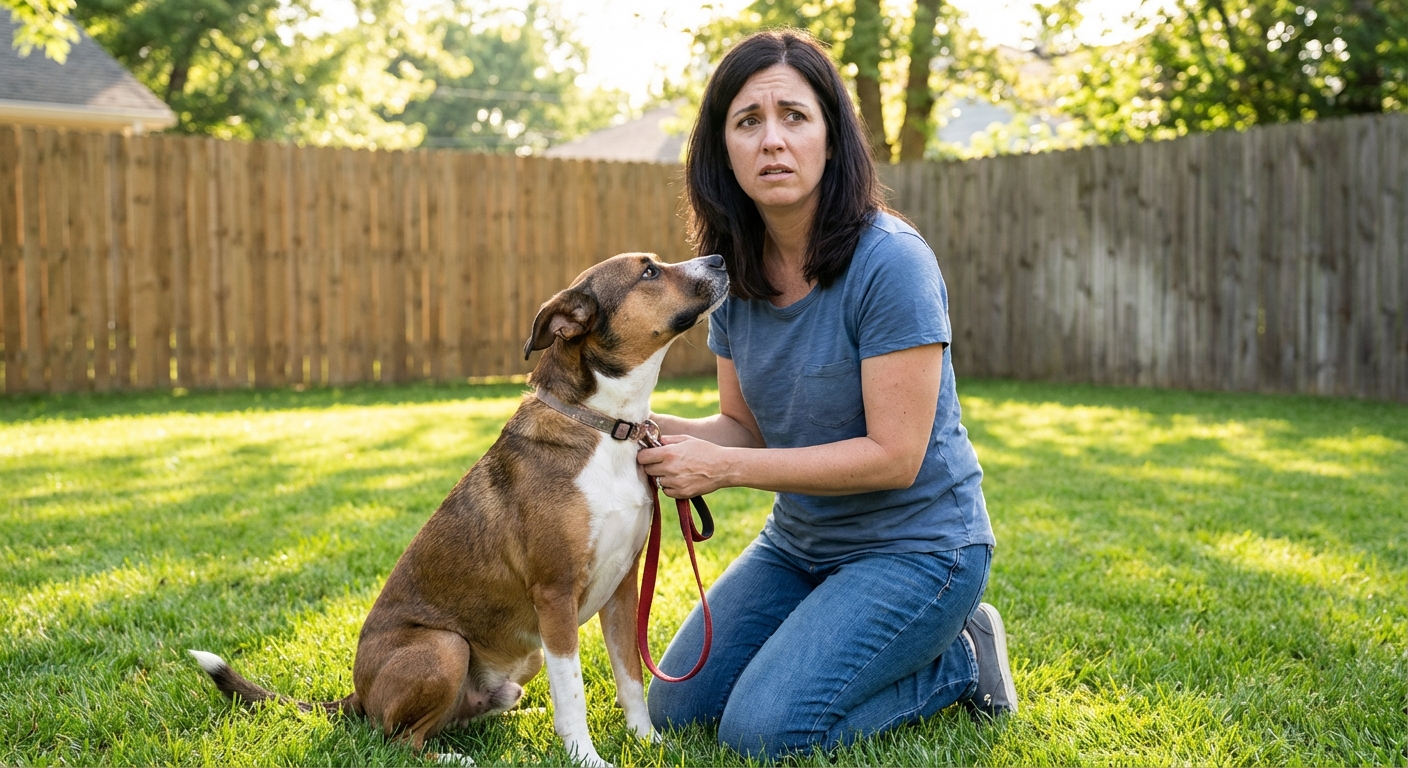
Seeing blood in your dog’s poop can be scary, and I want you to know this first: you’re not overreacting. Blood can show up for simple, fixable reasons, but it can also be a sign your dog needs urgent veterinary care. The goal is to stay calm, gather a few helpful details, and act quickly when it matters.
Quick note: This article is for education and triage support. It cannot diagnose your dog or replace an exam with your veterinarian.
Is it an emergency?
Use this quick triage checklist. If any of these are true, contact an emergency vet right away.
- Large amounts of blood or lots of mucus with blood, including “raspberry jam” or jelly-like stool
- Black, tarry stool (melena can mean digested blood from the stomach or upper intestines)
- Repeated vomiting, especially with blood or coffee-ground material
- Lethargy, collapse, weakness, pale gums, or a distended belly
- Painful, repeated straining with little stool produced (can be obstruction, constipation, colitis, or anal pain and needs prompt assessment)
- Bloody diarrhea plus your dog seems “off” (especially foul odor, fast decline, or signs of dehydration)
- Puppy, senior, or immunocompromised dog
- Unvaccinated or under-vaccinated dog of any age (parvovirus is an emergency concern with vomiting, lethargy, and bloody diarrhea)
- Known toxin exposure (rat bait, human meds like ibuprofen, xylitol, poisonous plants)
- Recent surgery or known bleeding disorder
Important look-alike: Some foods and medications can make stool look black without bleeding. Iron supplements and bismuth (Pepto-Bismol) are common examples. Because true melena can be serious, call a vet if you see black stool, even if you suspect a look-alike.
If your dog is bright, eating, and the blood is a small streak on otherwise normal stool, it may be reasonable to call your regular vet for same-day advice. When in doubt, call. A quick phone triage can save time and worry.
What it can look like
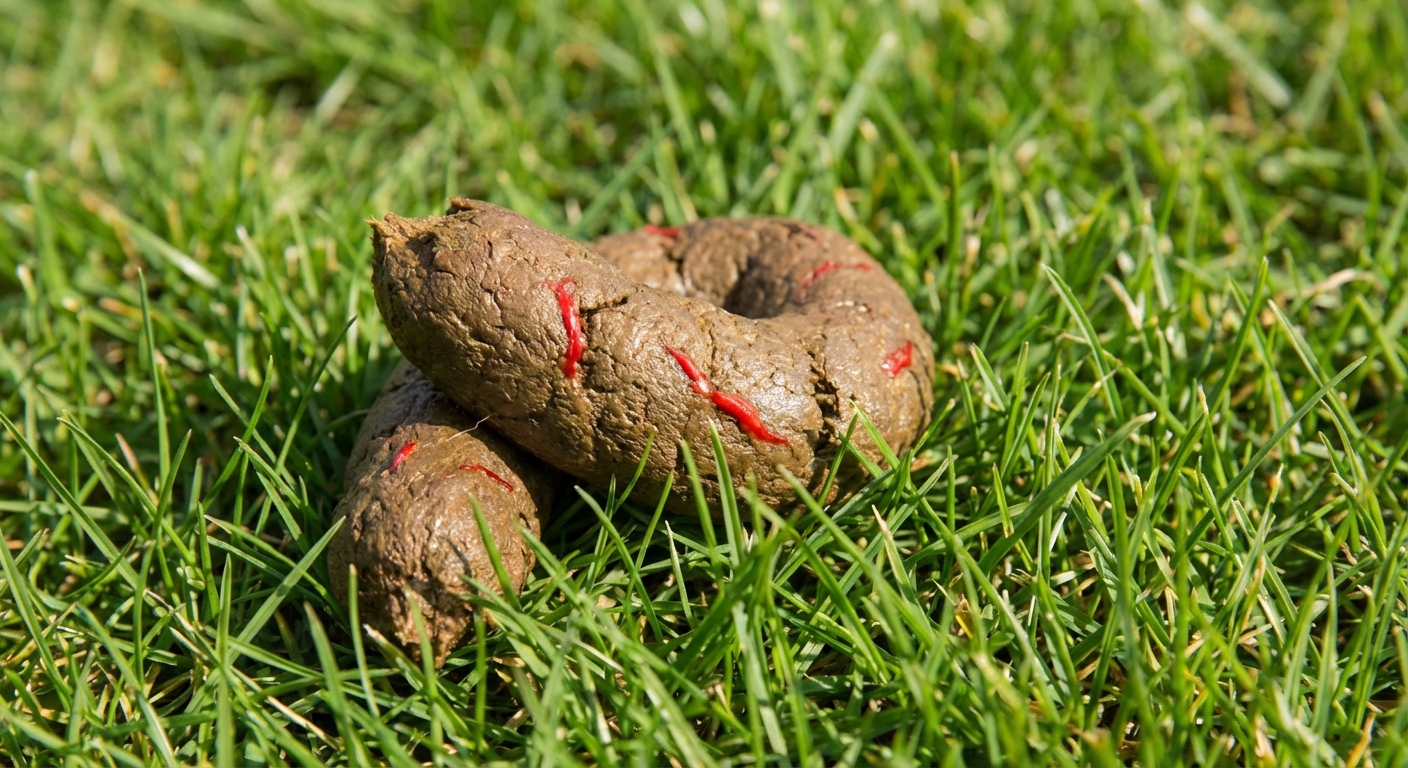
Bright red blood (fresh)
Bright red streaks or drops usually come from the lower GI tract (colon, rectum, or anal area). Common causes can include:
- Colitis from dietary indiscretion (getting into trash, new treats, sudden food switch)
- Stress colitis (boarding, travel, new pets, big routine changes)
- Parasites such as hookworms or whipworms (and sometimes giardia, which more often causes soft stool and mucus but can contribute to irritation)
- Anal gland problems, rectal irritation, or small tears from straining
- Food intolerance or inflammation
Dark red, maroon, or black stool
Darker blood can suggest bleeding higher up in the digestive tract. Black, tarry stool (melena) is a red flag, even if your dog seems okay. Possible causes include:
- Stomach or intestinal ulcers (sometimes linked to NSAIDs like ibuprofen or certain prescription meds)
- Bleeding tumors or severe inflammation
- Foreign material that irritates or damages the gut
- Severe infections
Another look-alike: Red foods or dyes (beets, some treats, food coloring) can tint stool and mimic blood. If you are not sure, take a photo and ask your vet.
Common causes in real life
In the clinic, the most common reasons for blood in stool are not mysterious. They’re often linked to the categories below.
1) Diet changes and scavenging
Dogs are talented at finding “snacks” we never approved. Greasy foods, bones, spoiled leftovers, and new treats can inflame the colon and trigger mucus and fresh blood.
2) Parasites and infectious diarrhea
Even well-cared-for dogs can pick up parasites from parks, shared water bowls, wildlife droppings, or contaminated soil. Some infections can spread to other pets, and a few can affect humans too, which is why prompt testing matters.
3) Hemorrhagic diarrhea syndrome
Another common emergency pattern is acute hemorrhagic diarrhea syndrome (AHDS), which can cause sudden, watery, bloody diarrhea that may look like raspberry jam. Dogs can get dehydrated quickly, even if they seemed fine earlier in the day. This warrants urgent veterinary attention.
4) Chronic inflammation or food-related disease
If blood keeps returning, your vet may consider food-responsive enteropathy, inflammatory bowel disease (IBD), or other underlying conditions that need a long-term plan rather than a quick fix.
What to do right now
Step 1: Take a photo and note details
This sounds simple, but it helps your vet more than you’d think. Write down:
- Color of blood (bright red vs dark/black)
- Amount (a streak vs a puddle)
- Stool consistency (formed, soft, watery)
- Mucus present (a slimy coating can suggest colitis)
- Frequency (one time vs repeated)
- Any vomiting, appetite changes, or lethargy
- Recent diet changes, new treats, chews, bones, trash access
- Medications and supplements (especially NSAIDs, iron, or bismuth)
Step 2: Check hydration
Dehydration can become dangerous quickly with diarrhea. A few quick checks you can do at home:
- Gums: They should feel slick and moist, not tacky or dry.
- Energy: Marked tiredness or weakness is not normal.
- Water intake: Refusing water, or vomiting water back up, is a concern.
If you suspect dehydration or your dog seems significantly unwell, seek urgent care.
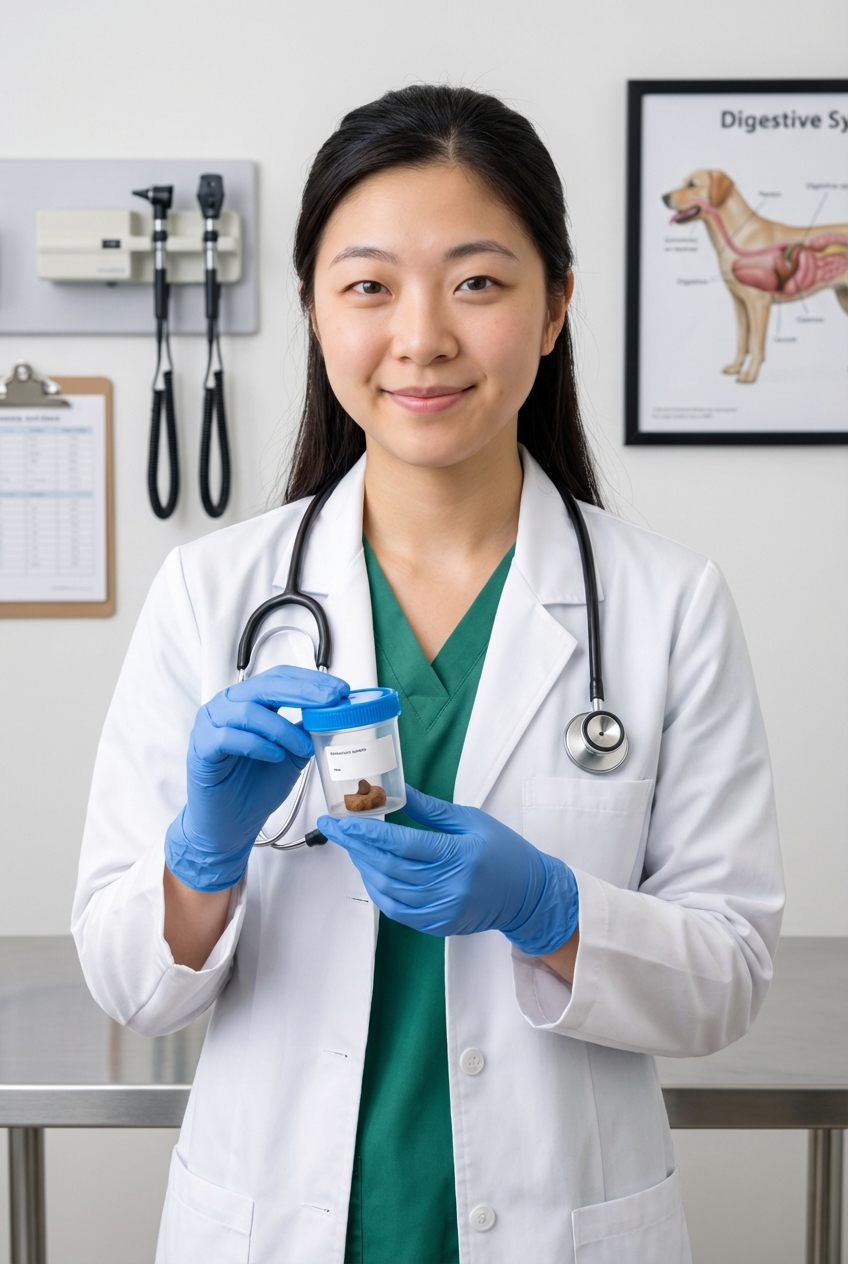
Step 3: Save a stool sample
If you can, collect a fresh sample in a clean container or bag. Refrigerate it and bring it to your vet as soon as possible, ideally within 24 hours (some clinics can still use a refrigerated sample up to 48 hours, but sooner is better).
Step 4: Call your vet
Describe what you’re seeing and your dog’s overall energy. If your dog is acting “off” plus there’s blood, that matters.
What not to do at home
- Do not give human medications like ibuprofen, naproxen, Pepto-Bismol, or Imodium unless your veterinarian specifically instructs you. Some can be dangerous or mask symptoms.
- Do not fast puppies without veterinary guidance. Puppies can become dehydrated and hypoglycemic quickly.
- Do not assume it is “just hemorrhoids.” Dogs rarely get hemorrhoids the way humans do. Bleeding is more often linked to colitis, anal gland disease, rectal irritation or tears, polyps, or masses.
- Do not ignore black or tarry stool. Even though some things can mimic it, true melena warrants urgent evaluation.
When brief monitoring can be OK
For a healthy adult dog who is bright, hydrated, and eating normally, a single small streak of bright red blood on a formed stool can sometimes resolve within 24 to 48 hours, especially if it is linked to mild colitis or straining.
If the blood happens again, diarrhea starts or worsens, vomiting appears, or your dog’s energy drops, it is time for an exam.
What to expect at the vet
Your veterinarian will tailor diagnostics to your dog’s age, symptoms, and risk factors. Common next steps include:
- Fecal testing (parasites, giardia)
- Parvo testing in unvaccinated or symptomatic dogs
- Bloodwork to check dehydration, anemia, infection, organ function
- X-rays or ultrasound if obstruction, foreign body, mass, or severe disease is suspected
- Targeted medications such as dewormers, probiotics, GI protectants, or antibiotics when truly indicated
- Diet plan including a bland diet, prescription GI diet, or an elimination trial for suspected food sensitivity
If you bring a stool sample and a clear photo, it often speeds things up. Your vet can also tell you what home monitoring is safe vs what requires hospitalization.
Nutrition tips (with your vet’s OK)
As a veterinary assistant, I love practical steps that are gentle and evidence-based. If your vet agrees home care is appropriate, these are commonly used strategies:
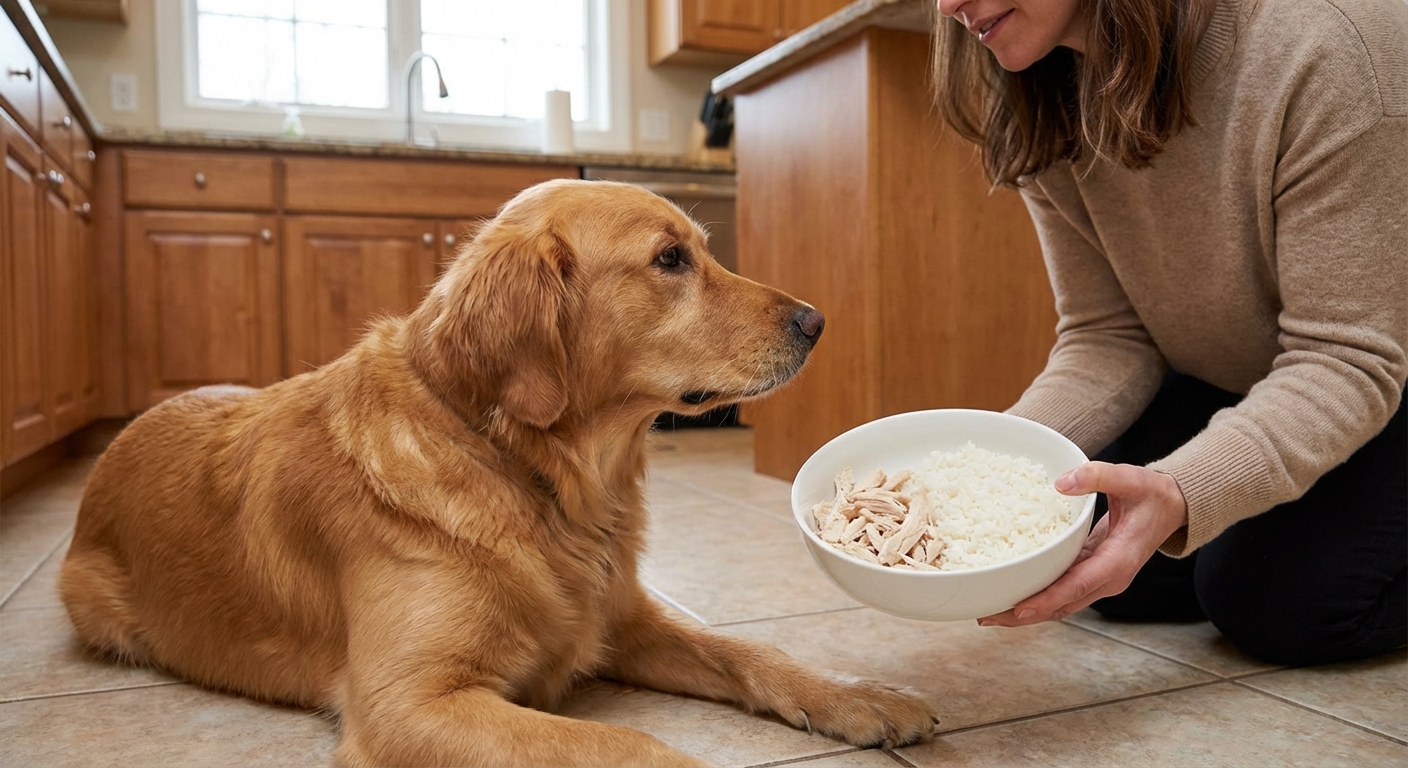
- Short-term bland meals such as boiled lean protein with a simple carb, in small frequent portions
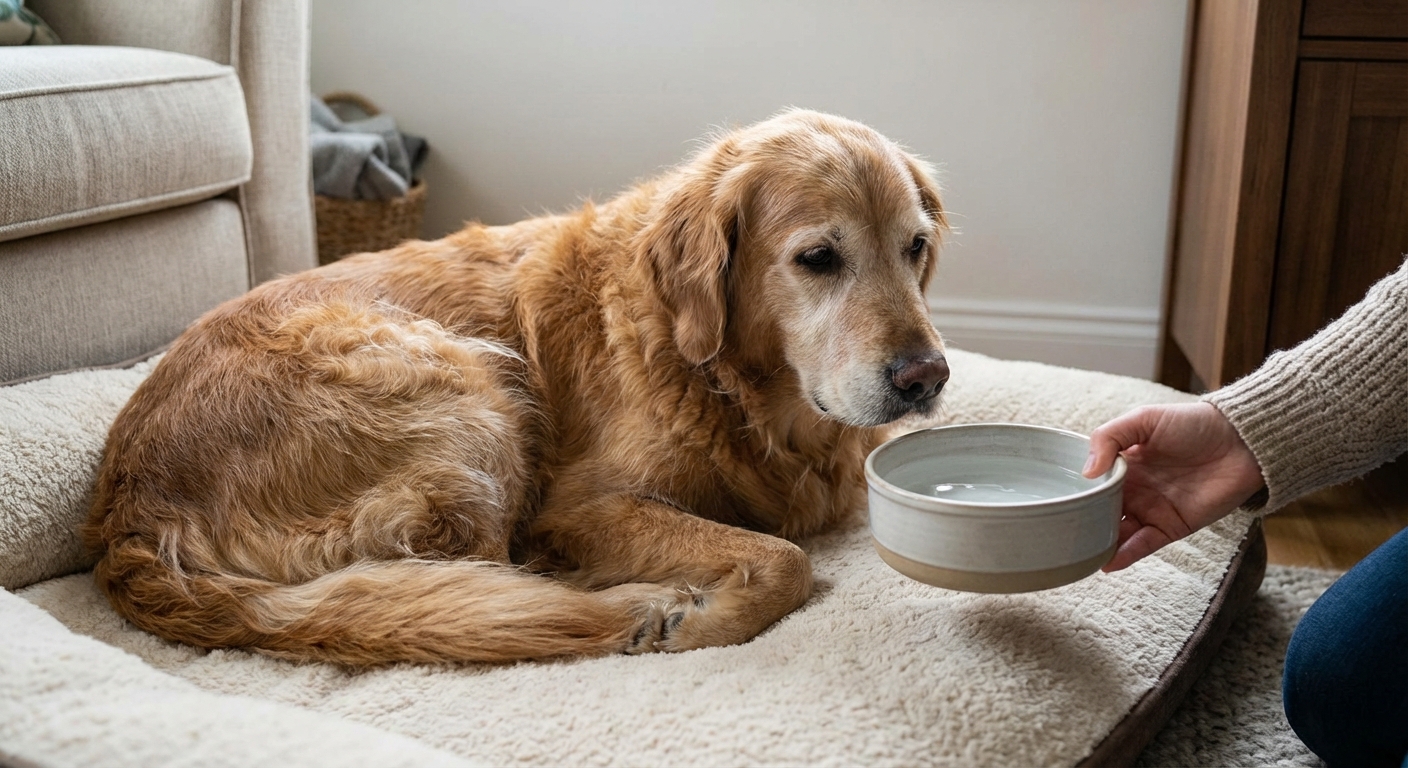
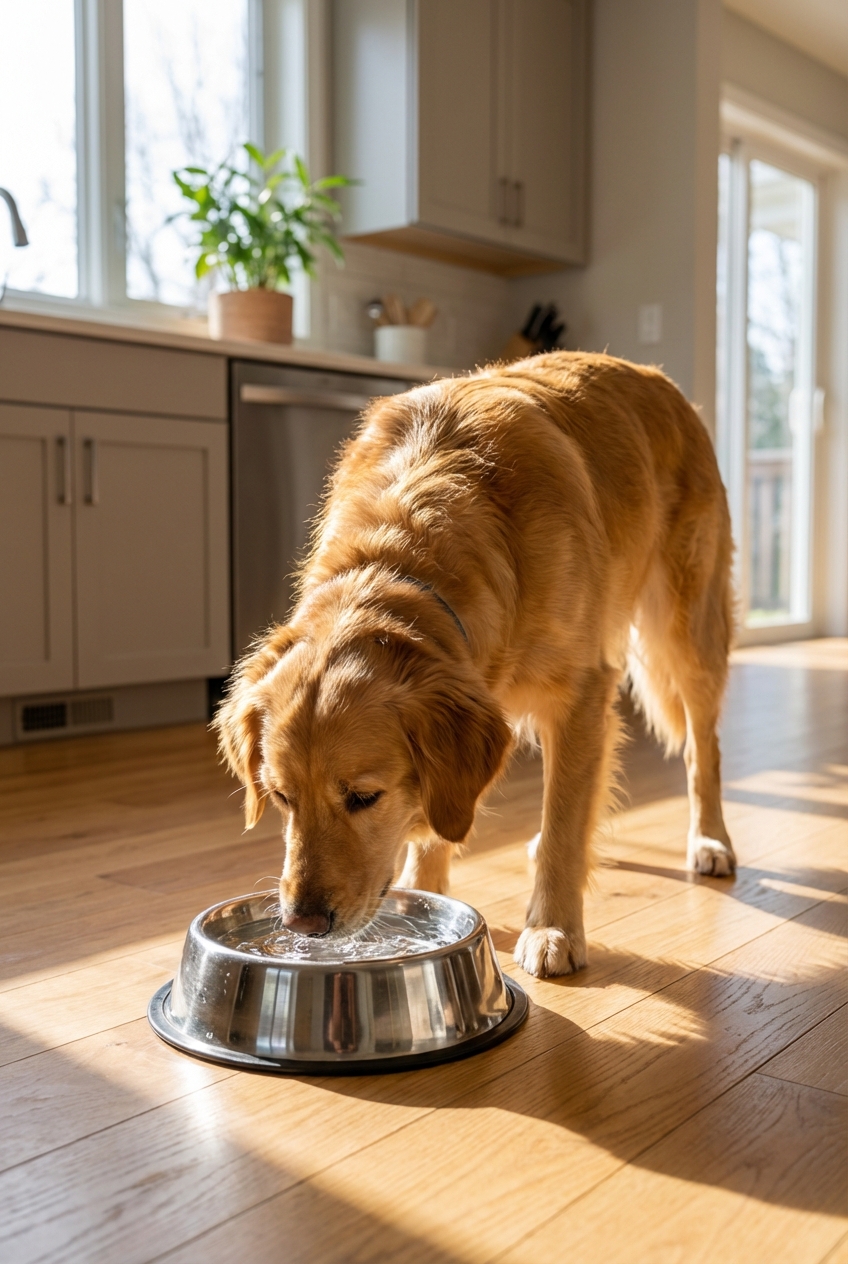
- Hydration support by offering fresh water and asking your vet if an oral electrolyte plan is appropriate
- Probiotics made for dogs (not random human products) to support the gut microbiome
- Slow transitions back to the regular diet over several days once stools normalize
Two cautions: Bland home-cooked diets are meant to be short-term unless a vet or board-certified veterinary nutritionist balances the recipe. Also, if your dog has had pancreatitis, is very small, or got into a very fatty meal, ask your vet before offering any new foods.
If you are interested in long-term homemade feeding, it can be a wonderful option, but active GI bleeding is not the time to experiment with new ingredients. Stabilize first, then build a balanced plan with your veterinary team.
Preventing future episodes
- Parasite prevention: Use veterinarian-recommended heartworm and intestinal parasite prevention as appropriate for your region.
- Trash control: Secure bins and keep “counter surfing” temptations out of reach.
- Chew safety: Avoid brittle cooked bones and monitor chews to reduce GI injury risk.
- Slow diet changes: Transition foods gradually over 7 to 10 days.
- Routine wellness exams: Early detection matters, especially for senior dogs.
Quick questions
Can stress cause blood in my dog’s stool?
Yes. Stress colitis is real, especially in sensitive dogs. You may see mucus, frequent small stools, and streaks of bright red blood. It still deserves a vet call, because stress can look like other conditions.
What if my dog is acting normal?
That is reassuring, but it does not fully rule out problems. If blood appears again, if diarrhea starts, or if you see black stool, it is time for an exam.
My dog ate beets. Could that be it?
Beets can tint stool red and mimic blood. The difference is usually that the stool is uniformly red-tinted rather than having distinct streaks or drops of bright blood. If you are unsure, snap a photo and call your vet.
The bottom line
Blood in your dog’s poop is a symptom, not a diagnosis. Sometimes it is mild and short-lived. Sometimes it is urgent. Your best move is to look at your dog’s overall condition, note what you see, save a sample, and call your veterinarian. You do not have to figure this out alone.
If your gut says something is off, trust that instinct and get your dog checked. Early care is almost always easier, safer, and less expensive than waiting.