Dog UTI symptoms can mimic stones or other issues. Learn the full treatment plan: urinalysis and culture, correct antibiotics, pain control, hydration, home ...
Article
•
Designer Mixes
Blood in Dog Urine: Causes and What to Do

Shari Shidate
Designer Mixes contributor
Seeing blood in your dog’s urine can be scary, and I completely understand why it stops you in your tracks. As a veterinary assistant here in Frisco, Texas, I’ve talked with many families who noticed pink urine, rusty spots where their dog peed, or a few drops of red at the end of a potty break.
The good news is that some causes are straightforward and treatable. The important part is knowing when it is an emergency and what helpful details you can collect for your veterinarian. This guide walks you through common causes, what you can do at home today, and what your vet will likely recommend next. It is also not a substitute for an exam and testing by your veterinarian.
What counts as blood in urine?
The medical term is hematuria. Sometimes you will see bright red blood. Other times the urine looks pink, orange, tea-colored, or cloudy. In some cases you will not see blood at all, but it shows up on a urine test.
Also, what looks like bloody urine might actually be:
- Vaginal discharge (in intact females, during heat or from infection)
- Preputial discharge (mild discharge in male dogs can be normal, and it is usually not bloody. If you see blood or a blood-tinged discharge, it is worth a vet visit.)
- Blood from skin around the vulva or penis (scrapes, irritation, hot spots)
- Bloody diarrhea that contaminates fur and makes it look like urinary blood
Urine color can also change from pigments (some foods, treats, or dyes) or certain medications. Even so, if you see red or pink urine, it is safest to assume it could be blood until proven otherwise.
If you are unsure, a quick way to check is to gently clean the area with a damp paper towel, then watch the next urination closely.
When it’s an emergency
Please seek urgent veterinary care today if you notice any of the following:
- Straining to urinate, producing only drops, or repeatedly squatting with little urine
- Crying, panting, a tight belly, or obvious pain while trying to pee
- Cannot urinate at all (especially male dogs). This can indicate a blockage and can become life-threatening.
- Lethargy, vomiting, weakness, pale gums, or collapse
- Large amounts of blood or blood clots
- Recent trauma (hit by car, fall, dog fight)
- Possible toxin exposure (rat bait, certain human meds)
- Puppies, seniors, or dogs with known kidney disease, diabetes, or immune issues
If your dog is straining and not producing urine, treat it like an emergency even if they still seem “okay.” Dogs can worsen quickly when urine cannot pass.
Common causes
Urinary tract infection (UTI)
UTIs are a common reason dogs have blood in their urine, especially female dogs. You might also notice frequent urination, accidents in the house, licking at the vulva or penis, or strong odor.
A helpful nuance: UTIs are more common in females, but blood in urine in male dogs more often raises concern for issues like stones, prostate disease, or obstruction, so it deserves prompt attention.
UTIs are typically diagnosed with a urinalysis, and ideally a urine culture to choose the right antibiotic.
Bladder stones (uroliths)
Bladder stones can irritate the bladder lining and cause bleeding. Some stones can also contribute to partial or complete urinary blockage, particularly in male dogs.
Signs can look like a UTI: frequent attempts, straining, and small amounts of urine. X-rays or ultrasound often help confirm stones.
Kidney stones or kidney disease
Bleeding can originate higher up in the urinary tract. Kidney stones are less common than bladder stones in dogs, and they may require ultrasound or other advanced imaging to find.
Kidney issues may come with increased thirst, increased urination, decreased appetite, weight loss, or vomiting. Bloodwork plus urine testing is usually needed to evaluate kidney function.
Inflammation without infection (sterile cystitis)
Not all bladder inflammation is caused by bacteria. Some dogs have irritation related to stress, bladder lining changes, or other underlying issues. This is one reason urine culture can be so helpful when symptoms recur.
Prostate disease (male dogs)
Intact males, and sometimes neutered males, can have prostate enlargement, infection, cysts, or tumors. Blood may appear in the urine or there may be bloody discharge. Your vet may recommend a rectal exam, ultrasound, and specific lab testing.
Heat cycle or reproductive tract issues (female dogs)
An intact female in heat can leave spots that look like urinary blood. However, a uterine infection called pyometra is an emergency and can also cause discharge, lethargy, drinking more, vomiting, or fever.
Trauma
A fall, collision, or bite wound can cause bleeding anywhere along the urinary tract. Even if your dog seems normal, internal bruising or bladder injury is possible and should be evaluated.
Toxins, medications, or clotting disorders
Rat bait (anticoagulant rodenticides) can cause dangerous bleeding. Certain illnesses, low platelets, liver disease, and some medications can also affect clotting. For example, some dogs can develop low platelets from tick-borne disease. Medications that may increase bleeding risk can include NSAIDs, steroids, or anticoagulants, depending on the situation.
These cases often need immediate care and bloodwork.
Tumors
Bladder tumors (like transitional cell carcinoma), kidney tumors, and prostate tumors can cause intermittent blood in the urine, especially in older dogs. Imaging and specialized tests may be needed.
Exercise-related blood in urine
Occasionally, very intense activity can cause temporary blood in the urine. This is relatively uncommon and is generally considered after other causes are ruled out. Because serious causes can look similar, it is still wise to check in with your veterinarian the first time it happens.
Clues to notice
Try to observe and write down what you are seeing. These details help your veterinarian narrow the cause faster.
- Color: pink, red, brown, tea-colored
- Timing: blood at the start, throughout, or only at the end of urination
- Frequency: peeing more often or asking to go out overnight
- Straining: yes or no, and does urine actually come out?
- Comfort: whining, hunching, licking, restlessness
- Water intake: drinking more than usual
- Appetite and energy: normal, decreased, or lethargic
- Any recent changes: new food, new treats, boarding, travel, new meds, recent surgery
A quick (imperfect) rule of thumb: blood that shows up near the end of urination can fit with bladder or lower urinary tract irritation, while blood seen throughout can have several causes. Blood right at the start can sometimes point to the urethra or genital area. These patterns are not diagnostic, but they can be useful clues for your vet.
What you can do now
1) Do not wait if there is straining
If your dog is straining or producing only dribbles, contact an emergency clinic or your veterinarian right away. Blockages are most common in male dogs and can become critical quickly.
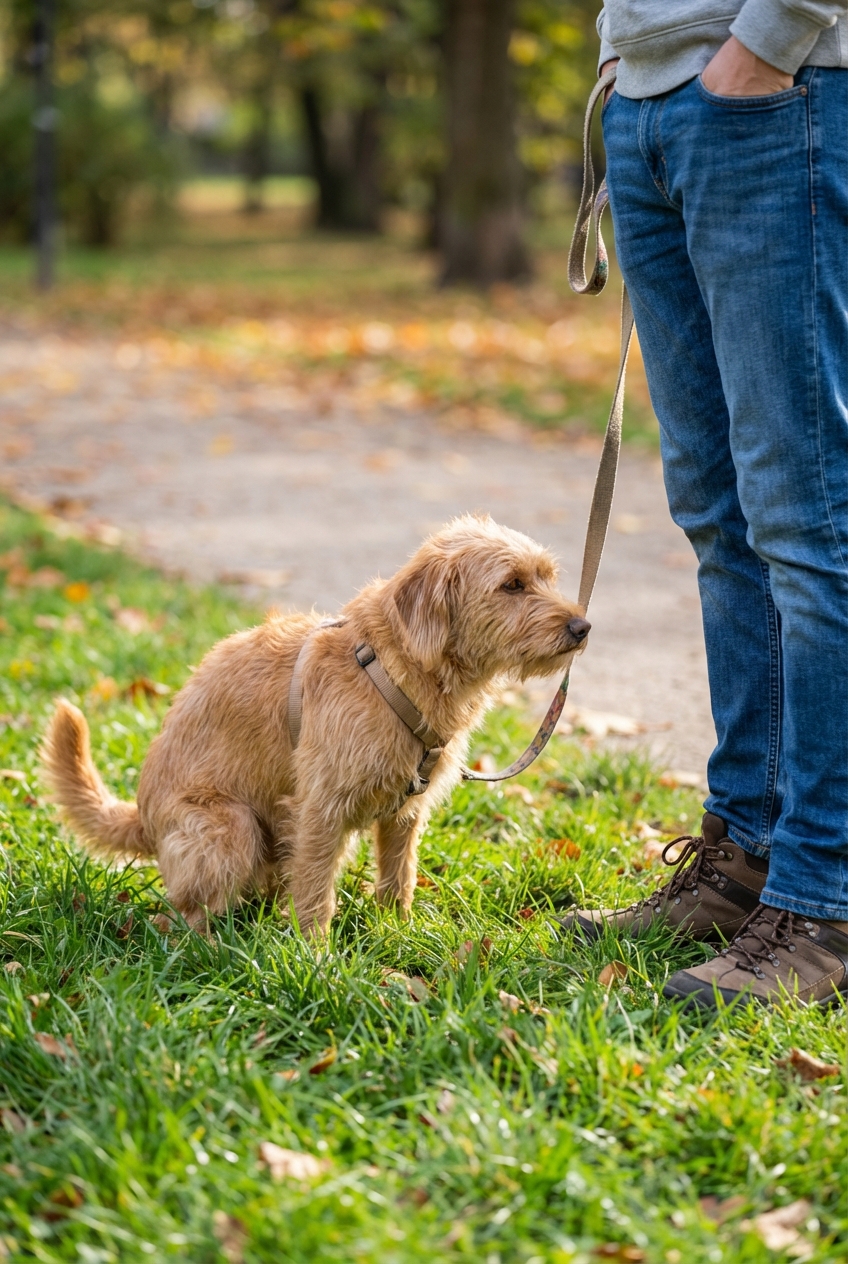
2) Collect a urine sample if you can
A fresh sample can save time. Use a clean, shallow container and collect mid-stream if possible.
- Do not collect from the ground, since it can contaminate the sample.
- A clean disposable foil pan, soup ladle, or shallow plastic container can help you catch urine without getting too close.
- Transfer the sample into a clean, sealed container.
Then:
- Refrigerate promptly if you cannot get to the vet right away.
- Bring it to your appointment within a few hours when possible. (Many clinics can still use refrigerated urine later the same day for basic testing, but timing matters, especially if a culture is planned. When in doubt, ask your clinic.)
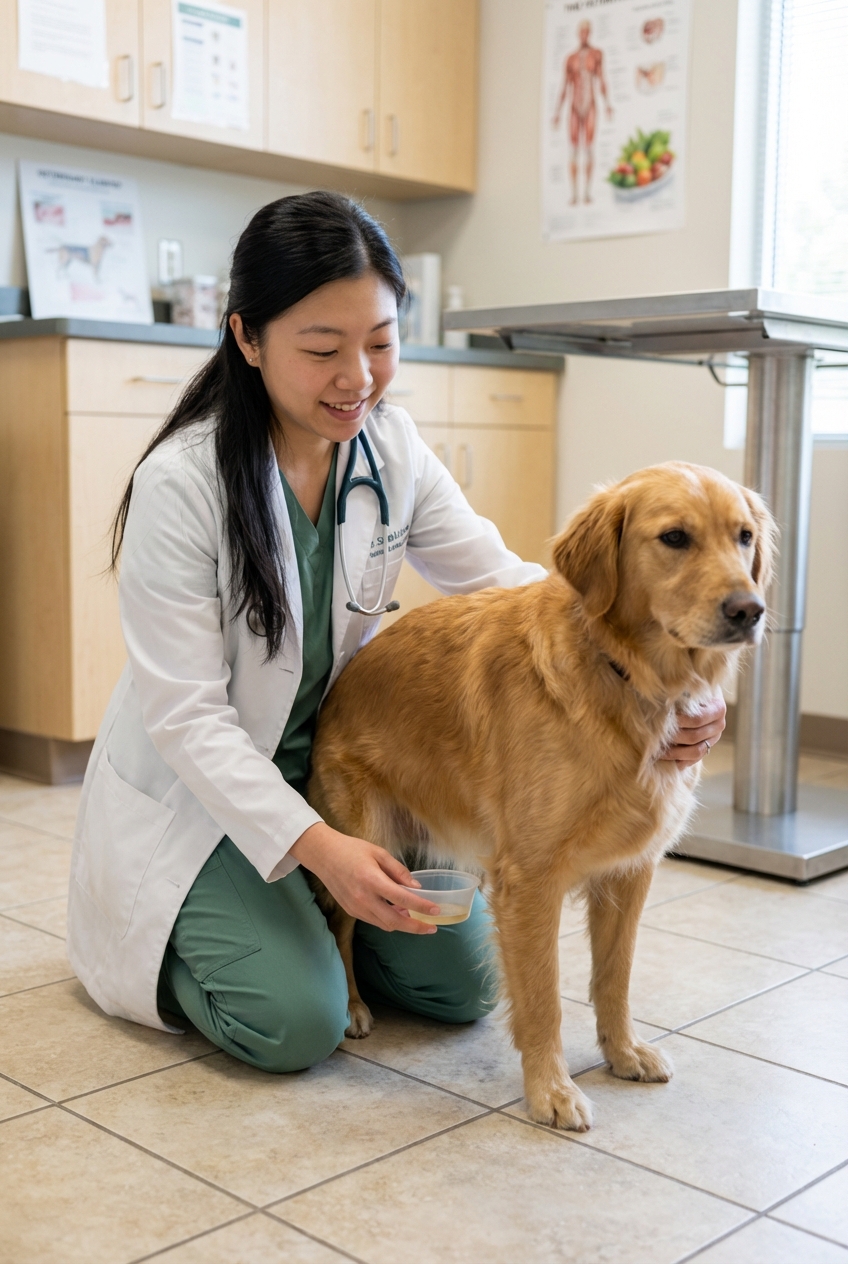
If collecting is stressful or messy, do not worry. Clinics can collect urine safely, including a sterile sample using a needle into the bladder (cystocentesis) when appropriate.
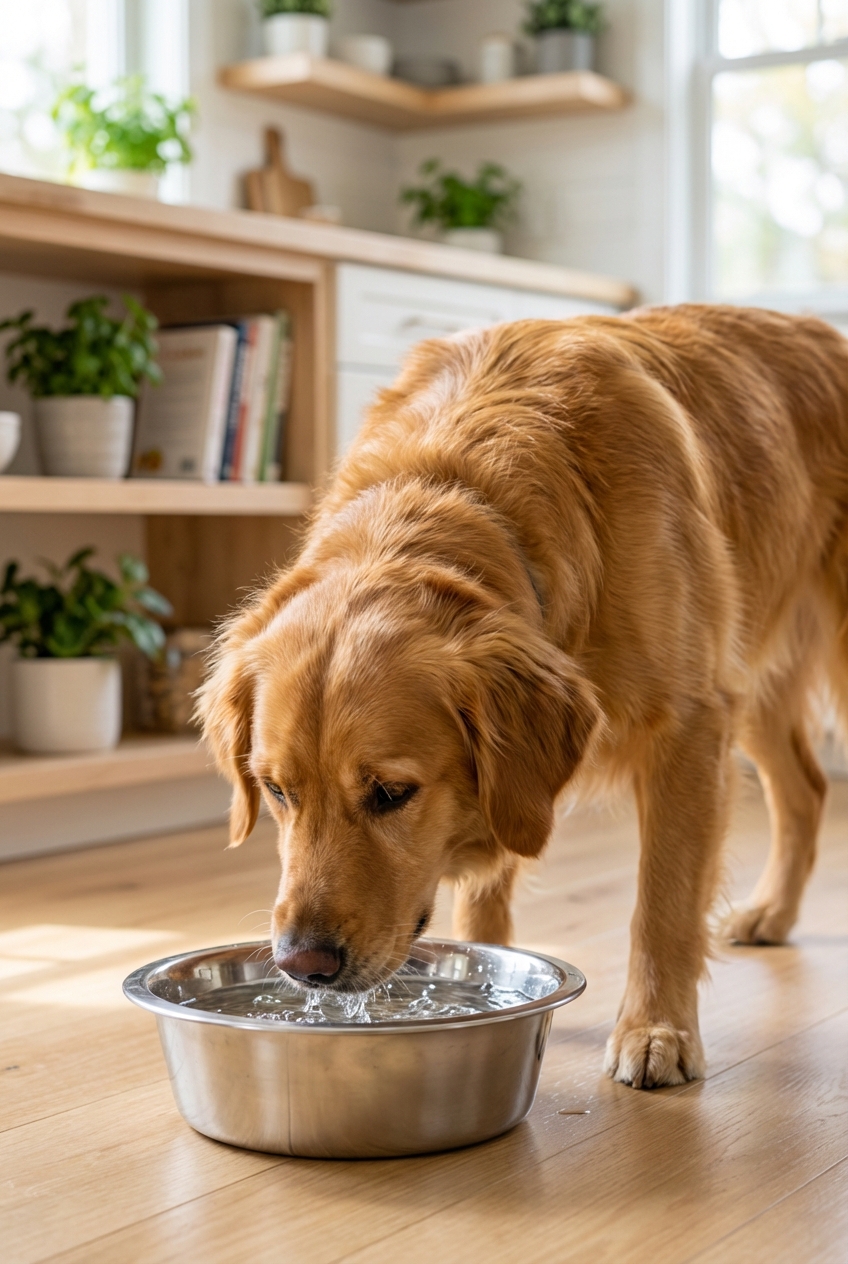
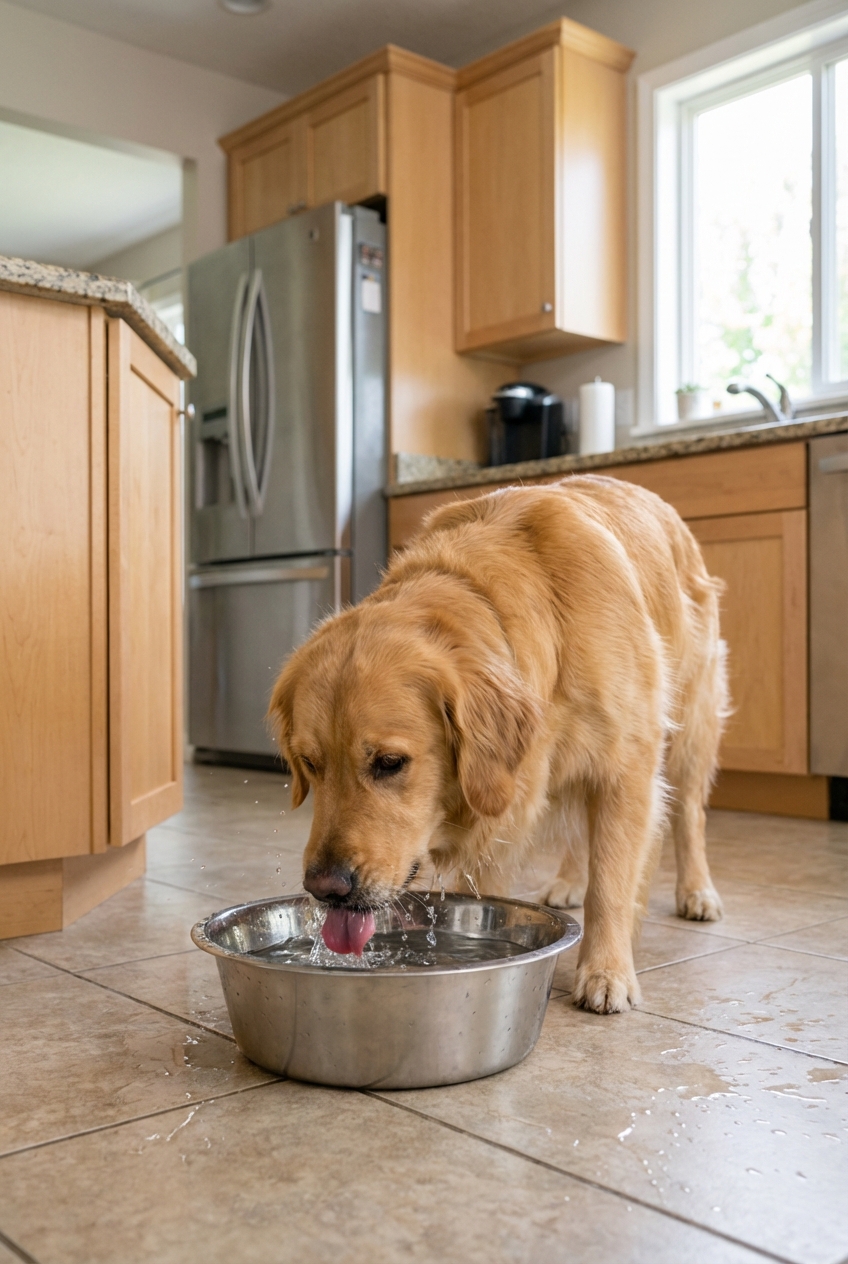
3) Encourage hydration
Offer fresh water and consider adding a little water to meals if your dog will accept it. Hydration can help flush the urinary tract, but it is not a substitute for diagnosis and treatment.
4) Avoid common mistakes
- Do not give human pain medications (ibuprofen, naproxen, acetaminophen) unless a veterinarian specifically instructs you. These can be toxic to dogs.
- Do not start leftover antibiotics. Wrong drug or wrong duration can worsen resistance and mask what is really happening.
- Do not restrict water to prevent accidents. Concentrated urine can irritate the bladder more.
What your vet will do
Your vet’s plan depends on your dog’s age, sex, history, and how sick they look. A typical workup may include:
- Physical exam including abdominal palpation; prostate check in some males
- Urinalysis to look for blood, crystals, white blood cells, bacteria, protein, and urine concentration
- Urine culture and sensitivity to confirm infection and choose the best antibiotic
- Bloodwork (CBC and chemistry) to assess kidneys, inflammation, anemia, and clotting concerns
- Imaging: X-rays for certain stones, ultrasound for stones, masses, bladder wall changes, kidney issues
- Blood pressure checks in suspected kidney disease
Treatment might include antibiotics (if infection is confirmed), pain relief appropriate for dogs, anti-inflammatories when safe, prescription diets for certain stone types, or surgery and procedures for stones or masses.
Appointment prep
Here’s a simple checklist to make your visit smoother and more productive:
- Bring a urine sample if possible (or plan to arrive a little early for collection).
- Write down when it started and whether it is improving, worsening, or on and off.
- Note any straining or changes in urination frequency.
- List all medications and supplements, including flea and tick products.
- Bring recent info on diet, including treats and chews.
- Take a quick video of the urination if your dog will allow it safely. It can be surprisingly helpful.
Prevention tips
You cannot prevent every cause of hematuria, but you can lower risk for common urinary issues.
Support hydration
- Keep water bowls clean and refill with fresh water daily.
- For some dogs, a pet fountain increases drinking.
- Add water, low-sodium broth, or wet food if your veterinarian agrees.
More potty breaks
Holding urine for long stretches can contribute to bladder irritation and infection in some dogs. More frequent potty breaks are a simple, often overlooked step.
Feed with urinary health in mind
For dogs with a history of stones or recurrent UTIs, nutrition matters. Your vet may recommend a prescription diet based on the stone type (struvite, calcium oxalate, urate, cystine). Avoid guessing here, because the wrong diet can worsen the wrong stone.
Do rechecks when recommended
Finishing medication is important, but so is confirming the problem is resolved. Many clinics recommend a repeat urinalysis or culture after treatment, especially for recurrent infections.
FAQs
Can blood in urine go away on its own?
Sometimes, but it is not a safe assumption. UTIs, stones, prostate problems, and tumors can all cause intermittent bleeding. If you see blood more than once, or your dog has any discomfort, it deserves a veterinary visit.
Is it always a UTI?
No. UTIs are common, but stones, inflammation, prostate issues, toxin exposure, medications that affect clotting, and tumors are also on the list. That’s why testing matters.
Should I give cranberry supplements?
Cranberry may help prevent bacterial adhesion in some cases, but it is not a cure for an active infection and may not be appropriate for dogs prone to certain stone types. Ask your veterinarian before adding it.
The bottom line
Blood in your dog’s urine is a sign, not a diagnosis. The most helpful thing you can do is act promptly, watch for emergency signs, and bring your veterinarian clear details or a urine sample if possible.
If you’re seeing straining, repeated squatting, or little to no urine, please treat it as urgent. With the right testing and treatment, many dogs feel better quickly, and you will feel better too.