Dog UTI symptoms can mimic stones or other issues. Learn the full treatment plan: urinalysis and culture, correct antibiotics, pain control, hydration, home ...
Article
•
Designer Mixes
Blood in Dog Urine

Shari Shidate
Designer Mixes contributor
Seeing blood in your dog’s urine can stop you in your tracks. As a veterinary assistant here in Frisco, Texas, I can tell you this: blood in the urine is not normal and should be evaluated. The good news is that it is very often treatable once we find the cause.
This handbook walks you through what blood in dog urine can look like, the most common reasons it happens, what to do at home right now, what your vet will likely test for, and how to reduce the chances of it happening again.
Quick note: This guide is for general education and is not a substitute for veterinary diagnosis or treatment.
What blood in urine can look like
“Blood in urine” can mean a few different things. The details matter because they help your veterinarian narrow down the cause.
- Pink, red, or brown urine in the bowl, on grass, or on a pee pad
- Small streaks of blood near the end of urination
- Blood spots where your dog slept or after they squat to urinate
- Straining to urinate with only a few drops produced
- Frequent urination or accidents in a previously house-trained dog
One important nuance: urine can look red for reasons that are not true urinary bleeding. Certain foods, pigments, and medications can change color. Also, some medical conditions can turn urine red or brown without red blood cells, such as hemoglobinuria (from red blood cell breakdown) or myoglobinuria (from muscle injury). If you are seeing red or brown urine, it still deserves a prompt check.
Emergency or not?
Some cases can wait for a same-day appointment. Others should be treated as an emergency. Male dogs are at higher risk for life-threatening urinary blockage, but females can obstruct too (it is just less common).
Go to an emergency vet now if you see:
- Repeated straining with little or no urine coming out
- Crying out, a tight belly, pacing, or severe restlessness
- Vomiting, collapse, weakness, or extreme lethargy
- Large amounts of blood or blood clots
- Possible toxin exposure (rat poison) or trauma (hit by car, fall)
- Pale gums or trouble breathing
If you suspect anticoagulant rodenticide exposure, treat it as urgent even if your dog seems okay. Some signs (bruising, nosebleeds, bleeding gums, weakness) can show up later.
Book a same-day vet visit if:
- Your dog is urinating more often, having accidents, or licking the genital area
- Blood appears but your dog is otherwise stable
- Your dog seems uncomfortable while peeing
If you are unsure, call your vet or an ER and describe: your dog’s size, sex, age, how often they are trying to urinate, and what the urine looks like.
Common causes
Blood in the urine is a symptom, not a diagnosis. These are the most common underlying causes veterinarians look for.
Urinary tract infection (UTI)
UTIs are one of the top reasons we see blood in urine, especially in female dogs. You may notice frequent squatting, small amounts of urine, accidents, and licking.
Typical treatment: antibiotics (ideally chosen based on a urine culture), pain relief when appropriate, and follow-up testing to make sure it cleared.
Bladder stones or crystals
Stones and crystals can irritate the urinary tract lining and cause bleeding. Some stones can also lead to partial or full blockage, which is an emergency.
Typical treatment: special diets to dissolve certain stone types, increased hydration strategies, pain control, and sometimes surgery or other procedures to remove stones.
Urinary blockage
If your dog cannot pass urine, toxins build up quickly. This is one of the most urgent situations in veterinary medicine.
Typical treatment: immediate stabilization, catheterization to relieve obstruction, IV fluids, and addressing the cause (stones, inflammation, plugs).
Bladder inflammation (cystitis)
Sometimes the bladder becomes inflamed without a straightforward bacterial infection. Stress, underlying disease, stones, or other irritation can play a role.
Trauma
Falls, rough play, hit-by-car accidents, or blunt trauma can cause bleeding anywhere along the urinary tract.
Prostate disease (intact male dogs)
Enlargement, infection, or other prostate issues can cause blood in urine or discharge.
Tumors or polyps
Bladder tumors are less common than infections or stones, but they become a bigger concern in older dogs or when blood keeps returning after treatment.
Clotting problems or toxin exposure
Rodenticide poisoning, liver disease, immune-mediated conditions, and other disorders can impact clotting and lead to bleeding.
What to do at home
You do not need to guess the cause on your own. But you can collect helpful information and keep your dog safer until you are seen.
If you can, collect a urine sample
- Use a clean container and aim for a midstream catch (let your dog start peeing, then catch a small amount).
- A clean ladle, disposable aluminum pie pan, or a shallow plastic container can help, especially for small dogs.
- Do not risk a bite or struggle with a painful dog. Your clinic can collect a sample safely if needed.
- Timing matters: ideally get the sample to your vet within 1 hour. If you cannot, refrigerate it right away and bring it within 4 to 6 hours. (Cells and casts can break down over time, and culture testing is especially sensitive to collection and handling. Follow your vet’s instructions if they want a culture.)
- Write down symptoms: how often your dog urinates, whether they strain, any accidents, appetite changes, vomiting, or lethargy.
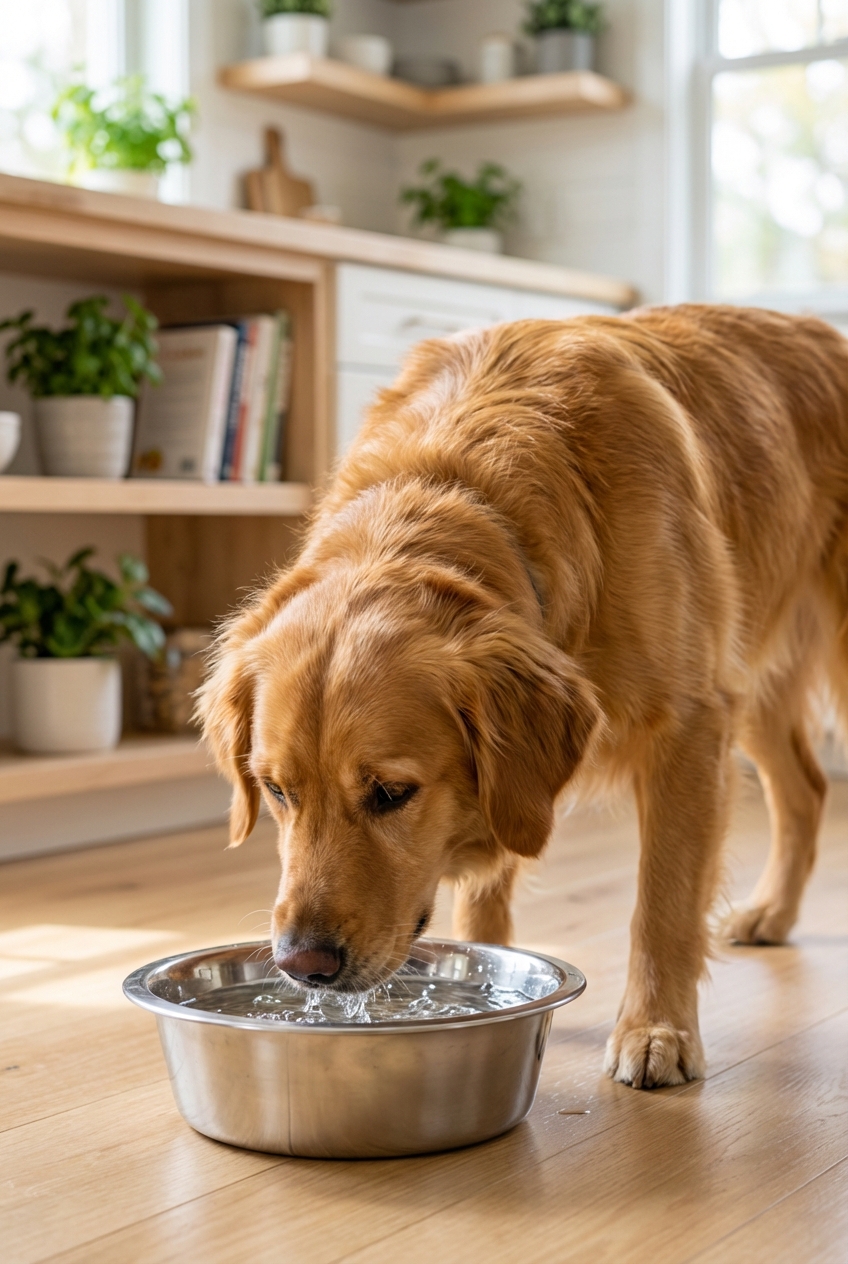
- Encourage hydration: offer fresh water and consider adding water to meals or offering vet-approved low-sodium broth. This may help dilute urine and reduce irritation while you are waiting, but it does not treat the underlying cause.
- Prevent licking if it is excessive. An e-collar can reduce irritation and secondary infection risk.
- Keep activity gentle until you know what is happening, especially if trauma is possible.
What not to do
- Do not give human pain meds like ibuprofen, naproxen, or acetaminophen unless a veterinarian specifically instructs you.
- Do not start leftover antibiotics. Wrong drug, wrong dose, and it can interfere with urine culture results.
- Do not delay care if your dog is straining with little or no urine produced.

How vets diagnose
When you come in, the goal is to confirm three things: is this truly blood in the urine, where is it coming from, and what is causing it.
Common tests your vet may recommend
- Urinalysis to check for blood, white blood cells, bacteria, crystals, protein, and urine concentration
- Urine culture and sensitivity to identify bacteria and the best antibiotic, especially for recurring UTIs
- Bloodwork to evaluate kidney function, infection and inflammation markers, and overall health
- X-rays to look for certain bladder stones
- Ultrasound to evaluate bladder wall, stones, tumors, prostate, kidneys, and ureters
- Blood pressure and additional clotting tests if bleeding disorders are suspected
A quick imaging note: some stone types are easier to see on X-ray than others. Your vet may recommend ultrasound (or both) if stones are suspected but not clearly visible.
How urine is collected matters
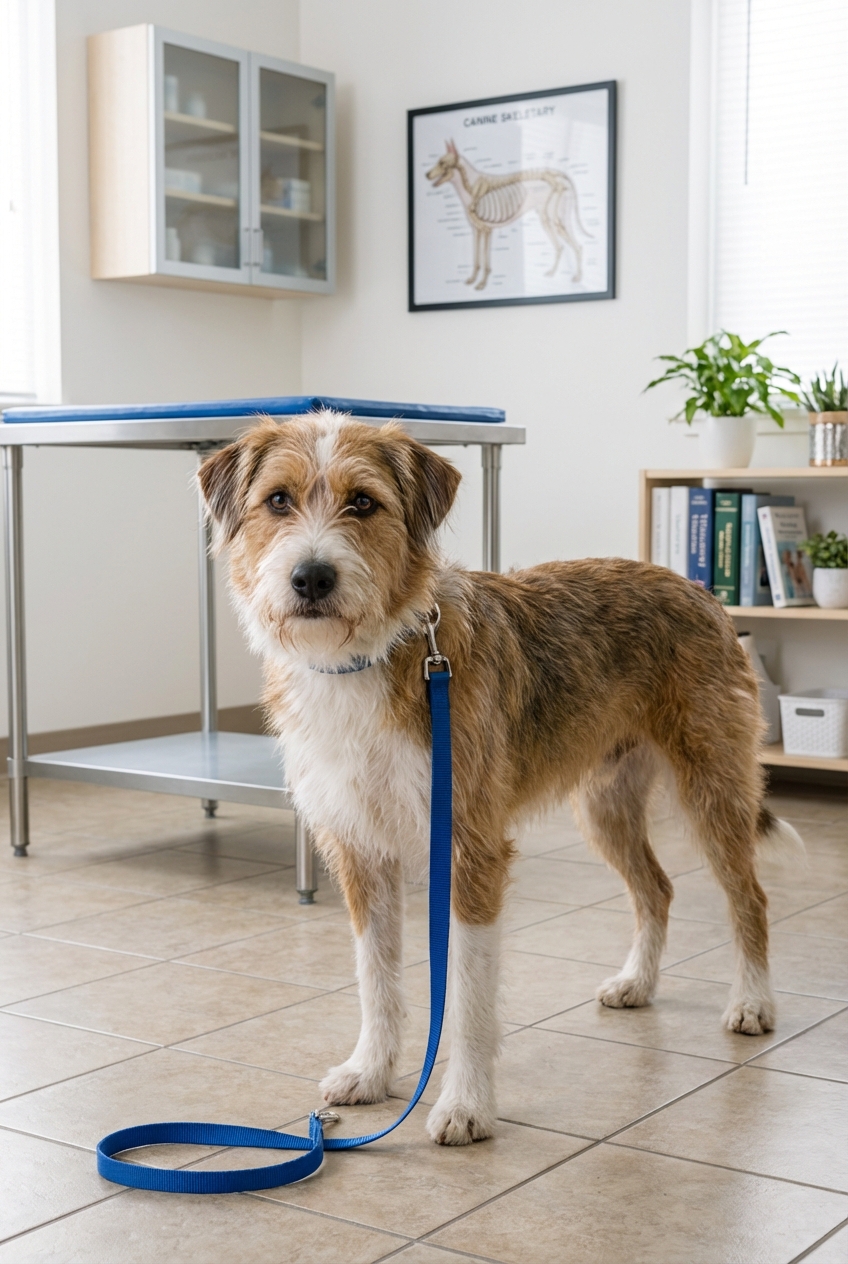
Urine can be collected as a free-catch sample, via catheter, or by cystocentesis (a sterile needle sample from the bladder). Your vet will choose the best method based on what they suspect and what tests are needed.
Treatment options
Treatment depends entirely on the diagnosis. Here is what is commonly used, and why it varies.
- Antibiotics for confirmed bacterial infection, ideally guided by culture when needed
- Pain relief and anti-inflammatory medications prescribed for urinary discomfort
- Diet changes to dissolve certain stones or reduce recurrence (for example, some struvite stones can dissolve with prescription diets)
- Increased water intake strategies to dilute urine and help prevent crystal formation
- Procedures or surgery for stones that cannot dissolve, tumors, or recurrent blockages
- Hospitalization with IV fluids and monitoring for kidney involvement or obstruction
If your dog improves quickly, that is wonderful. Still, finish medications exactly as prescribed and complete any recheck testing. Stopping early is a common reason infections return.
Special situations
Puppies
Blood in urine in a puppy can be caused by infection, congenital issues, parasites, or sometimes irritation from diarrhea or external inflammation. Puppies can worsen quickly, so I recommend prompt evaluation.
Senior dogs
In older dogs, we still see UTIs and stones, but we also think more about tumors, kidney disease, prostate disease, and systemic illnesses. Diagnostics tend to be more important here, even if symptoms seem mild.
Female dogs
Vaginal discharge, a heat cycle (estrus), urinary incontinence, or irritation around the vulva can sometimes be confused with urinary bleeding. If you are not sure where the blood is coming from, try to observe your dog closely while she urinates or collect a midstream urine sample. A veterinary exam helps confirm whether blood is truly coming from the urinary tract.
Prevention
You cannot prevent every urinary issue, but you can absolutely reduce risk and catch problems earlier.
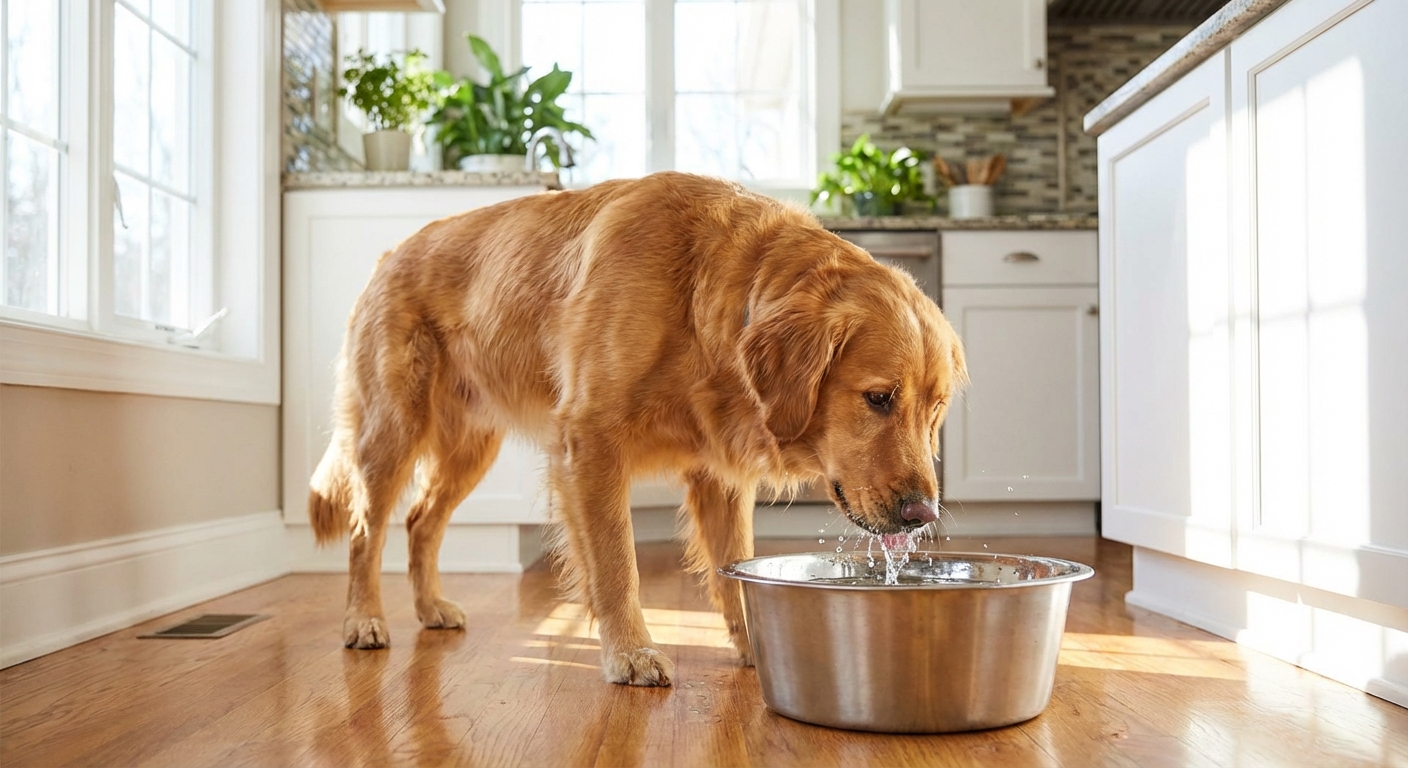
- Support hydration daily: more water often means healthier urine. Many dogs do better on wet food or meals with added water.
- Offer frequent potty breaks: holding urine too long can contribute to irritation and infection risk.
- Maintain a healthy weight: obesity is associated with several health issues, including some urinary problems.
- Ask about stone analysis if your dog has had stones. The stone type guides the best long-term prevention plan.
- Follow recheck recommendations: repeat urinalysis or culture can confirm the issue is truly resolved.
- Consider vet-guided nutrition changes: especially if crystals or stones are present.
Nutrition and supplements
It is tempting to reach for cranberry, apple cider vinegar, or herbal blends the moment you see blood. Some of these may help certain dogs in certain contexts, but none should replace diagnostics, especially when stones or blockage are possible.
If you are interested in supportive nutrition, ask your vet these specific questions:
- Is this a bacterial UTI, or are crystals or stones present?
- What is the urine pH and specific gravity?
- Would a prescription urinary diet help, and if so, for how long?
- Are supplements safe with my dog’s medications and health conditions?
If you feed homemade meals, it is especially important to ensure mineral balance, because calcium, phosphorus, and magnesium levels can influence stone risk in predisposed dogs. Your vet or a veterinary nutritionist can help you build a recipe that supports urinary health without creating new problems.
FAQ
Can blood in dog urine go away on its own?
Sometimes the visible blood fades, but the underlying problem can still be there. UTIs, stones, and inflammation commonly recur if not treated correctly.
How fast should I act?
If your dog is straining, producing little or no urine, vomiting, weak, or painful, treat it as urgent and go to an ER. If your dog is stable but you are seeing blood, aim for a same-day appointment.
Is it always a UTI?
No. UTIs are common, but stones, prostate issues, trauma, tumors, clotting problems, and even non-urinary causes of red urine are also possible. That is why testing matters.
What should I bring to the appointment?
- A urine sample (if you can safely collect one)
- A list of medications and supplements
- Notes on symptoms and timing
- Photos of urine spots if that is easier than collecting a sample
The bottom line
Blood in your dog’s urine is your dog’s way of saying, “Something is irritating or wrong in my urinary system.” The good news is that many causes, especially UTIs and some stone types, respond well to timely care.
If you take one thing from this handbook, let it be this: straining with little or no urine is an emergency. Otherwise, schedule a same-day veterinary visit, bring a urine sample if you can, and let diagnostics guide the treatment so your pup can feel comfortable again.