Learn what to feed your dog for diarrhea: small bland meals (boiled chicken, rice, pumpkin), hydration tips, probiotics, foods to avoid, and red flags to cal...
Article
•
Designer Mixes
Blood in Dog Stool With Diarrhea

Shari Shidate
Designer Mixes contributor
Seeing blood in your dog’s stool, especially with diarrhea, can be scary. I get it. In my work at a veterinary clinic in Frisco, Texas, I have talked with many pet parents who feel panicked the moment they spot red streaks or dark, tarry stool. The good news is that some causes are mild and treatable, but others need urgent veterinary care.
This guide will help you understand what you might be seeing, what it can mean, and what to do next so you can make the safest choice for your dog. This is educational and not a diagnosis.
First, what kind of blood are you seeing?
Not all bloody stool is the same. The color and appearance can give clues about where bleeding might be happening in the digestive tract.
Bright red blood (fresh blood)
Bright red blood or red streaks on the outside of stool often suggests bleeding from the lower intestinal tract, colon, or rectum. With diarrhea, it is commonly linked to inflammation in the colon, called colitis. Straining can also cause small streaks of red blood and mucus.
Dark, tarry stool (black stool)
Black, sticky, tar-like stool is called melena and may suggest bleeding higher up, like the stomach or small intestine. This can be more serious because it can indicate ulcers, certain medications, toxins, or internal disease. Less commonly, stool can look darker from non-bleeding causes like bismuth (some upset stomach products) or iron supplements, so it is still worth calling your veterinarian if you are unsure.
Blood mixed throughout loose stool
If the stool looks like jelly, raspberry jam, or has a lot of mucus mixed with blood, that can be a sign of significant intestinal inflammation and sometimes a condition called acute hemorrhagic diarrhea syndrome (AHDS), previously called hemorrhagic gastroenteritis. This appearance is not specific to AHDS though. Similar stools can also occur with severe colitis, parasites, parvovirus in puppies, intussusception, and other serious problems, so it is a good reason to check in with a vet.
Common reasons dogs get diarrhea with blood
Here are some of the most common possibilities veterinarians consider. Many look similar at home, which is why patterns and timing matter.
- Dietary indiscretion: getting into trash, fatty foods, table scraps, sudden diet change, new treats, chews, or rich foods.
- Stress colitis: boarding, travel, house guests, schedule changes, thunderstorms, or a new pet at home.
- Intestinal parasites: hookworms, whipworms, giardia, coccidia. Some cause intermittent diarrhea and blood.
- Infectious causes: bacteria like Campylobacter, Salmonella, Clostridium, or viral disease in unvaccinated puppies.
- AHDS: sudden onset of very bloody, watery diarrhea, often with vomiting. Dogs can dehydrate quickly.
- Food sensitivity or allergy: chronic or recurring loose stools, mucus, occasional blood, itchy skin or ear infections can coexist.
- Inflammatory bowel disease: more common when symptoms are ongoing or recurring.
- Foreign body: toys, bones, socks, corn cobs. Can cause diarrhea early and obstruction later. Repeated straining with little stool, or frequent attempts to poop, can be a red flag.
- Pancreatitis: often with vomiting, painful belly, decreased appetite, and sometimes blood from gut irritation.
- Toxins or medications: anticoagulant rodent baits can cause abnormal bleeding, and some medications (like NSAIDs and steroids) can contribute to stomach or intestinal irritation and bleeding.
- Anal gland or rectal irritation: small streaks of red, especially if straining.
When it’s an emergency
Please seek urgent veterinary care today, or go to an emergency clinic, if you notice any of the following:
- Black, tarry stool or lots of dark blood
- Large amounts of bright red blood or rapidly worsening diarrhea
- Repeated vomiting, especially with blood
- Weakness, collapse, pale gums, or trouble standing
- Bloated or painful abdomen
- Signs of dehydration: sticky gums, sunken eyes, extreme lethargy
- Puppy, senior dog, or immunocompromised dog
- Known toxin exposure (rodent bait, certain human meds, xylitol, grapes, etc.)
- Possible foreign body (missing toy, chewed object, bone fragments)
- Diarrhea with blood lasting more than 24 hours, even if your dog seems “okay”
If you are unsure, it is always safer to call your veterinarian. Bloody diarrhea can look mild and still become serious fast.
One more quick note: sometimes blood is mistaken for stool blood when it is actually coming from the urine or reproductive tract (for example, a female dog in heat). If you are not sure where it is coming from, tell your vet what you are seeing and bring a photo if you can.
What you can do at home while you arrange care
Home care is only appropriate for dogs who are otherwise bright, alert, drinking water, and have mild symptoms. If your dog seems sick, skip home care and get veterinary help.
1) Prevent dehydration
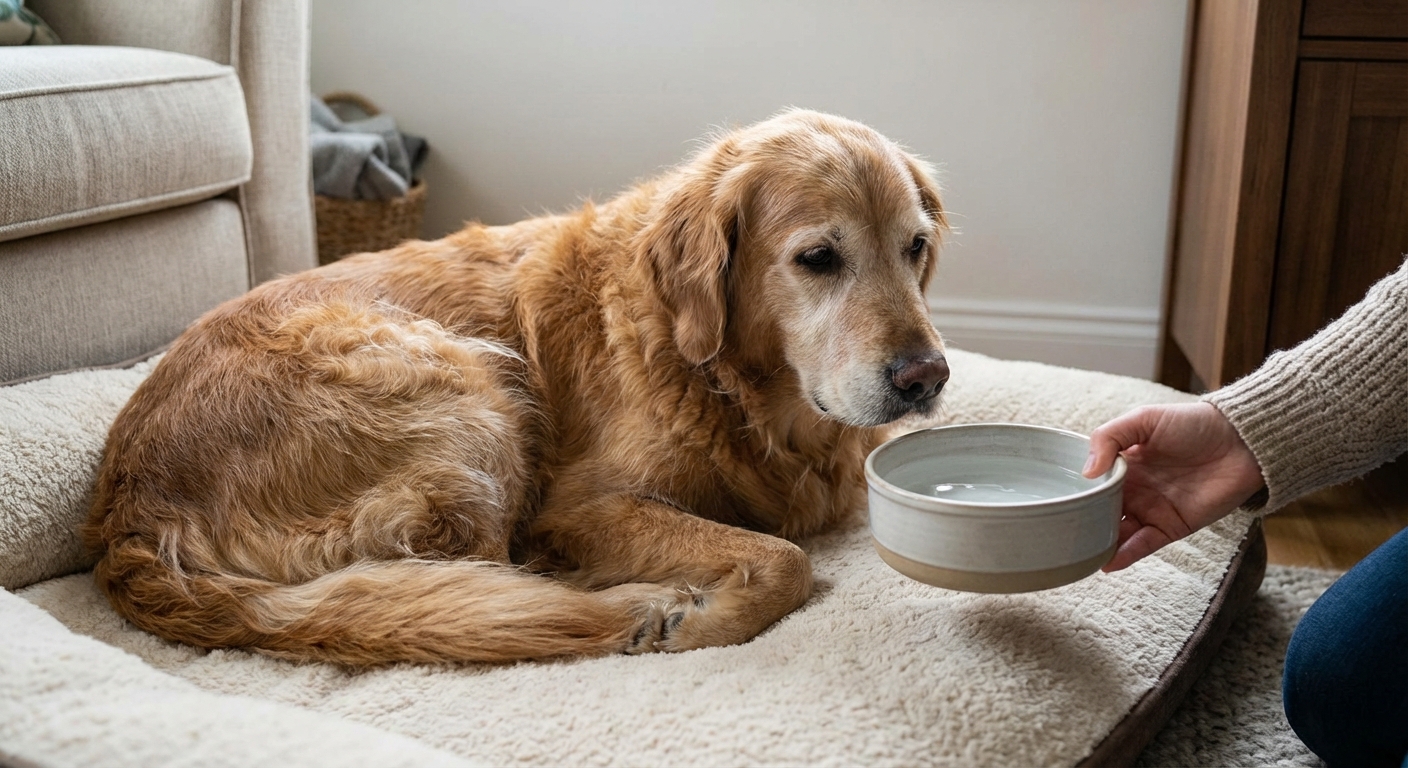
Offer frequent access to fresh water. If your dog seems a little nauseated, offering small, frequent amounts may be easier than a big bowl all at once. If your dog is vomiting water back up or will not drink, that is a reason to call your vet right away.
2) Pause rich foods and treats
Stop all treats, chews, table scraps, and new foods. Keep things simple.
3) Ask your vet about a short bland diet
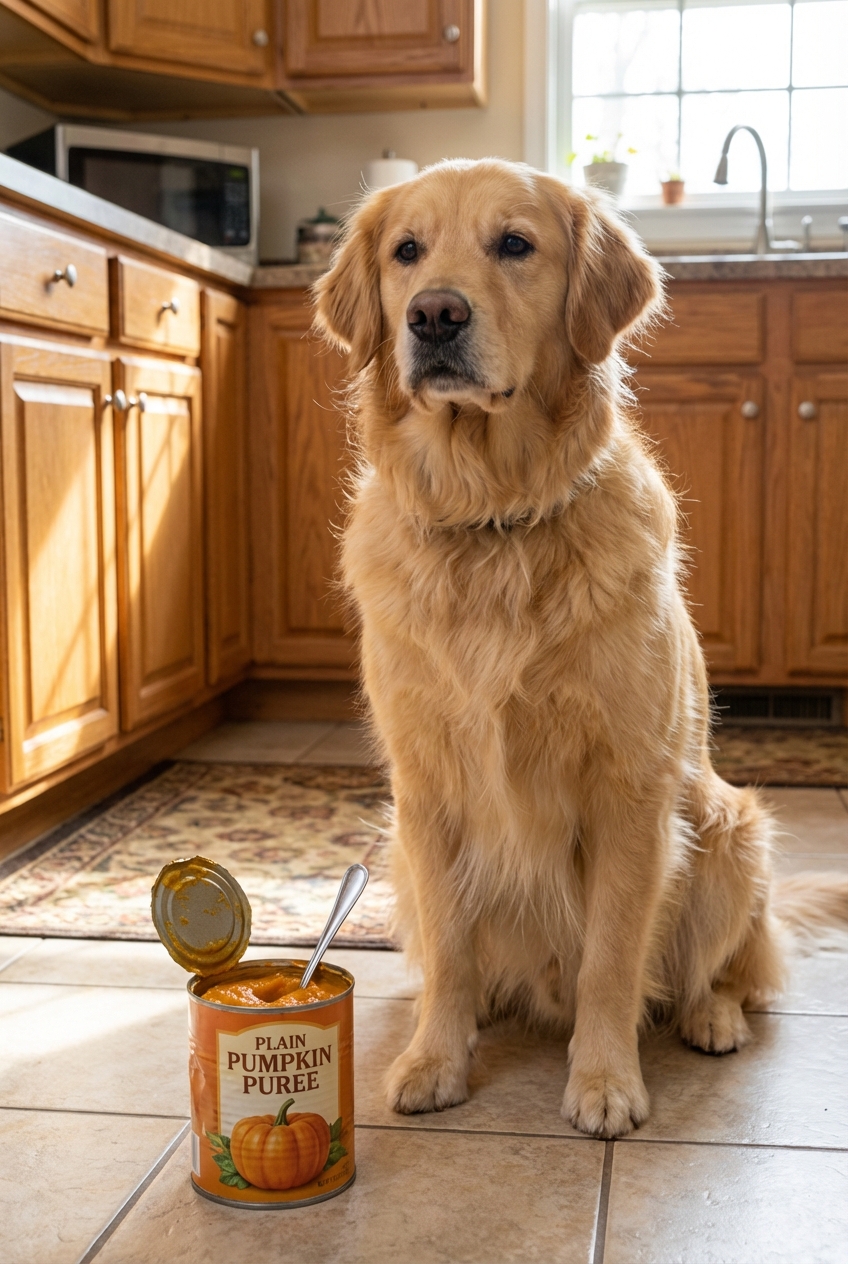
Many vets recommend a bland diet for a brief period, such as plain cooked chicken or turkey with white rice, depending on your dog’s specific situation. Avoid seasoning, butter, onions, garlic, and fatty meats. If your dog has pancreatitis risk, kidney disease, or other medical issues, the “standard bland diet” may not be appropriate, so call first.
4) Do not use human anti-diarrheal meds unless your veterinarian instructs you
Some medications can be dangerous in dogs, especially certain breeds and small dogs. The safest path is to ask your clinic before giving anything.
5) Save a stool sample and take a photo
This helps your vet decide whether testing is needed. A fresh sample in a clean bag or container is ideal.
What your vet may recommend (and why)
Veterinarians match treatment to the suspected cause and your dog’s stability. Common next steps include:
- Fecal testing for parasites or giardia, especially in puppies and newly adopted dogs.
- Deworming even if you do not see worms, because some parasites are microscopic. Dewormer choice and dosing should be veterinary-directed, and giardia often requires a different treatment than routine dewormers.
- Supportive care such as fluids, anti-nausea medication, and GI protectants.
- Probiotics to support the gut microbiome, especially after stress or diet-related diarrhea.
- Prescription GI diets for a short time to rest the gut.
- Bloodwork if your vet is concerned about dehydration, infection, pancreatitis, anemia, or organ function.
- X-rays or ultrasound if a foreign body, obstruction, or internal disease is suspected.
Not every dog needs antibiotics. In fact, unnecessary antibiotics can disrupt the gut microbiome. Many cases improve with targeted diagnostics and supportive care.
Special note: puppies and newly adopted dogs
Puppies can decline quickly, and parasites and viruses are more common. If your puppy has diarrhea with blood, vomiting, lethargy, or will not eat, please treat it as urgent. Newly adopted dogs are also more likely to have stress colitis, parasites, or dietary upset due to sudden change.
How to reduce the chances of it happening again
Some episodes happen even when you do everything right, but these habits reduce risk:
- Transition foods slowly: mix old and new food over 7 to 10 days.
- Keep trash and compost secured: a heavy lid is your best friend.
- Choose consistent treats and avoid frequent brand switching.
- Stay current on parasite prevention and routine fecal checks.
- Manage stress: predictable routines, calming enrichment, and gradual exposure to new environments can help stress-prone dogs.
- Consider gut support: ask your vet whether a probiotic is right for your dog, especially during boarding or after antibiotics.
Quick decision guide
If you want a simple way to decide what to do next:
- Emergency now: black tarry stool, lots of blood, weakness, repeated vomiting, dehydration, belly pain, toxin exposure, puppy or senior with bloody diarrhea.
- Call your vet today: mild blood with diarrhea that persists, recurring episodes, decreased appetite, mucus-heavy stools, straining, or your dog just seems “off.”
- Monitor closely for 12 to 24 hours: very mild diarrhea with a small streak of red blood, dog is acting normal, drinking, and no vomiting. If anything worsens, call immediately.
You know your dog best. If your gut says something is not right, trust that feeling and call your clinic.