A practical, vet-assistant-informed guide to dog diarrhea: warning signs, colon vs small bowel clues, safe at-home steps, what to avoid, and when to seek urg...
Article
•
Designer Mixes
Blood in Dog Stool: What It Means and What to Do

Shari Shidate
Designer Mixes contributor
Seeing blood in your dog’s stool can stop you in your tracks. I get it. As a veterinary assistant in Frisco, Texas, I’ve talked with many worried pet parents who feel scared, confused, or even guilty when this happens.
The reassuring truth is this: blood in the stool is a symptom, not a diagnosis. Sometimes it’s caused by something mild and temporary, and sometimes it’s an early warning sign that your dog needs care right away. The goal is to notice the details, act calmly, and get your veterinarian involved when needed.

First, what does the blood look like?
How the blood appears gives your veterinarian helpful clues about where it might be coming from in the digestive tract.
Bright red blood (fresh blood)
Seeing bright red streaks, drops, or a red coating on stool usually suggests bleeding from the lower GI tract (colon, rectum, or anus). You might see this with straining, diarrhea, or irritated tissue.
A helpful detail: a small amount of bright red blood on the outside of a formed stool can be from anal irritation, a small tear, or anal gland issues. Bright red blood mixed throughout loose stool is more consistent with colitis or larger-bowel diarrhea and deserves closer attention.
Dark, tarry stool (black stool)
Black stool that looks sticky or tar-like (called melena) can indicate digested blood, often from the upper GI tract (stomach or small intestine). This should be treated as urgent or at least same-day veterinary advice, especially if your dog seems unwell.
One note: some things can darken stool without bleeding (such as iron supplements, bismuth-containing products, or certain diets), but it is still safest to check in with your vet promptly rather than guessing.
Mucus with blood
A jelly-like coating of mucus mixed with blood often points to colitis (inflammation of the colon). It can happen with stress, diet changes, parasites, infections, or food sensitivities.
Common causes of blood in stool
Here are some of the more common reasons dogs pass blood. Some are simple, and others need fast medical care.
- Diet change or dietary indiscretion: Getting into trash, table scraps, fatty foods, bones, or a sudden food switch can irritate the gut.
- Parasites: Hookworms, whipworms, roundworms, and Giardia can cause diarrhea and blood, sometimes with weight loss.
- Stress colitis: Boarding, moving, storms, new pets, or schedule changes can trigger sudden large-bowel diarrhea with blood and mucus.
- Anal gland issues or rectal irritation: Scooting, licking, straining, or small amounts of bright red blood can happen with irritation.
- Infections: Some bacterial and protozoal infections can inflame the intestinal lining (examples include Campylobacter, Salmonella, and Clostridium species). A few causes of infectious diarrhea can spread to people, so use good hygiene while you’re cleaning up.
- Food intolerance or allergy: Some dogs react to certain proteins or ingredients and develop chronic loose stool and intermittent blood.
- Acute hemorrhagic diarrhea syndrome (AHDS): Sudden severe bloody diarrhea, often with vomiting. It is a syndrome with multiple suspected triggers and can cause rapid dehydration.
- Foreign body: Toys, corn cobs, sticks, socks, and other objects can injure or block the GI tract.
- Pancreatitis: Often after high-fat foods, may include vomiting, abdominal pain, lethargy, and diarrhea.
- Bleeding disorders or toxin exposure: Rat bait exposure is a classic emergency cause of abnormal bleeding.
- Ulcers, tumors, or inflammatory bowel disease: More likely with ongoing symptoms, appetite changes, or weight loss.
When it’s an emergency
If you notice any of the signs below, it’s safest to call your veterinarian or an emergency clinic right away. Waiting can allow dehydration, blood loss, or shock to develop.
- Black, tarry stool or large amounts of blood
- Repeated vomiting or vomiting with blood
- Weakness, collapse, pale gums, or extreme lethargy
- Bloated abdomen or obvious pain (hunched posture, crying, guarding belly)
- Straining without producing stool (possible obstruction or severe constipation)
- Straining to urinate, producing only drops, or crying in the yard (possible urinary blockage, which is a separate emergency)
- Dehydration (dry or tacky gums, sunken eyes, skin stays tented)
- Puppies, seniors, or dogs with chronic illness (they can worsen faster)
- Known toxin exposure (especially rodenticide)
If your gut says “something is really off,” it’s worth calling. Clinics would rather reassure you early than see a pet worsen.
What you can do at home
Home care depends on how your dog looks overall. If your dog is bright, eating, drinking, and the blood is a small amount of bright red with mild diarrhea, your vet may recommend supportive care while you monitor closely.
Helpful steps
- Take a photo of the stool and note timing, frequency, and any vomiting.
- Check hydration and keep fresh water available.
- Pause treats and rich foods immediately.
- Call your vet for individualized guidance, especially before making diet changes or withholding food.
- Save a stool sample in a clean bag or container for parasite testing.
- Clean up carefully if diarrhea is present. Wear gloves if you have them, wash hands well, disinfect surfaces, and keep other pets away from the stool until you know what you’re dealing with.
What to avoid
- No human anti-diarrheal meds unless your veterinarian specifically instructs you. Some are unsafe for certain breeds or conditions.
- Do not give aspirin or NSAIDs (like ibuprofen). These can cause ulcers and worsen bleeding.
- Do not fast your dog unless your veterinarian tells you to. Fasting can be risky for puppies, toy breeds, small dogs, and dogs with conditions like diabetes.
- Don’t assume it’s “just stress” if symptoms are intense, recurring, or your dog seems unwell.
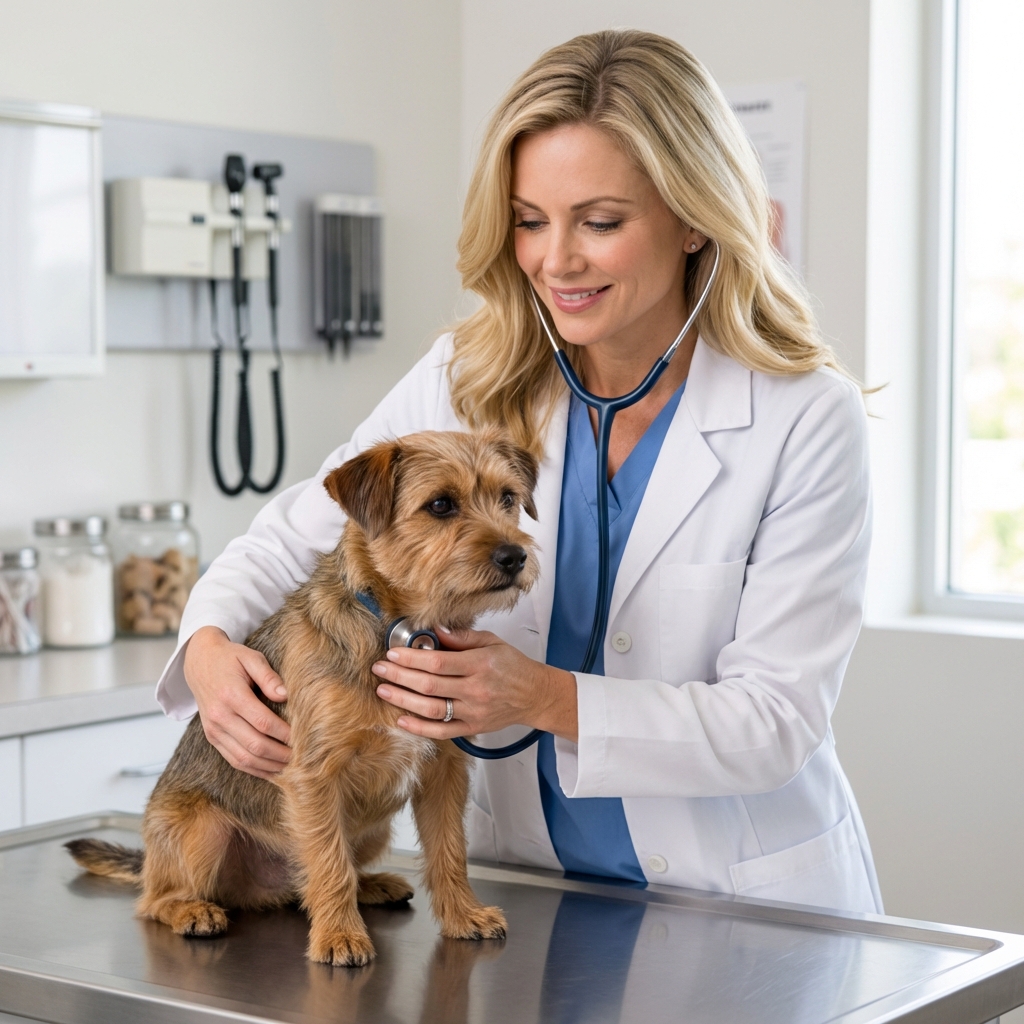
What your vet may do
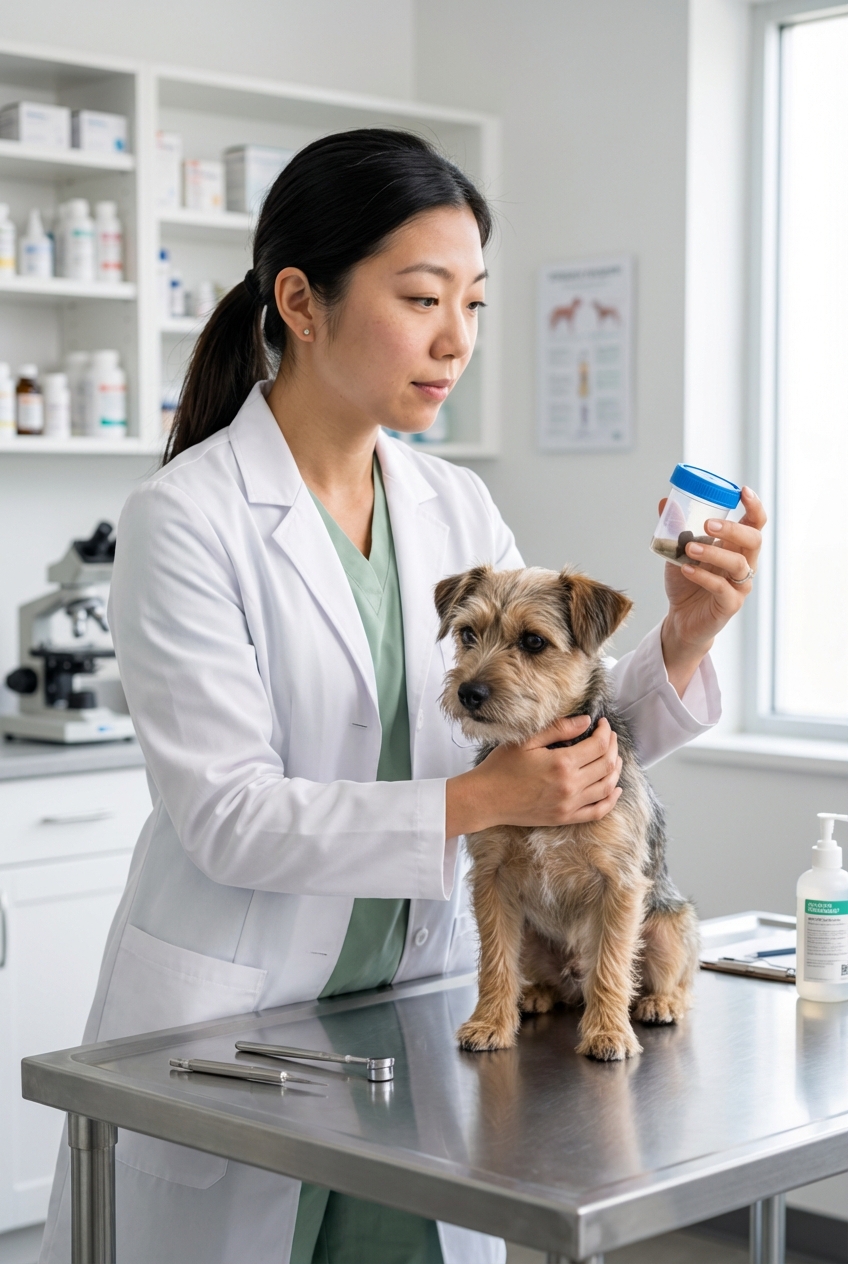
Your vet will tailor treatment to the likely cause and your dog’s stability. Diagnostics are chosen based on symptoms and risk factors.
Common tests
- Fecal testing for parasites and Giardia
- Physical exam including a careful abdominal check and sometimes rectal exam
- Bloodwork to assess dehydration, infection, anemia, and organ function
- X-rays or ultrasound if a foreign body, pancreatitis, or deeper disease is suspected
- Parvovirus test in unvaccinated or young dogs with severe diarrhea
Common treatments
- Fluids (oral or IV) to correct dehydration
- Anti-nausea medications if vomiting
- Probiotics or gut-supportive therapies
- Parasite treatment when indicated
- Diet change to a bland or prescription GI diet for a period of healing
- Hospitalization for severe bloody diarrhea, lethargy, or shock risk
How to help prevent it
You can’t prevent every cause, but you can reduce the most common triggers with a few practical habits.
- Transition foods slowly over 7 to 10 days, especially for sensitive dogs.
- Keep trash secured and avoid fatty leftovers, cooked bones, and greasy foods.
- Use regular parasite prevention recommended by your veterinarian.
- Stay current on vaccines, including those that reduce risk of serious infectious disease.
- Support gut health with consistent, high-quality nutrition and thoughtful treats.
And if you’re working toward fresh or homemade meals, go step-by-step. Even a partial upgrade can be helpful for many dogs, but it should be done carefully, with balanced nutrition and your vet’s input.
Quick call checklist
Having clear details makes your call much more productive. Here’s what I suggest writing down:
- Is the blood bright red or black and tarry?
- Diarrhea or formed stool? Blood on the outside, or mixed in?
- How many times in the last 24 hours?
- Any vomiting? Appetite change? Drinking normally?
- Energy level: normal, slightly tired, or very lethargic?
- Any recent diet brand change, new treats, trash access, or chewed toys?
- Any medications (especially steroids or NSAIDs) or supplements like iron?
- Any known toxin exposure?
- Recent deworming or parasite prevention status?
- Age and vaccination status (especially for puppies)
If your dog is acting sick, the safest move is to treat blood in stool as a medical issue, not a wait-and-see moment.
Bottom line
Blood in your dog’s stool is never something to ignore, but it also doesn’t always mean the worst. The most important factors are your dog’s overall condition, the appearance of the blood, and how quickly symptoms are progressing.
When in doubt, reach out to your veterinarian. You are not overreacting. You are advocating for your dog, and that matters.