Vomiting or diarrhea can be scary. Learn common causes, vet red flags, and safe at-home steps like hydration and bland meals—plus what not to do and when t...
Article
•
Designer Mixes
Blood in Dog Stool: Causes, Care, and Training Tips

Shari Shidate
Designer Mixes contributor
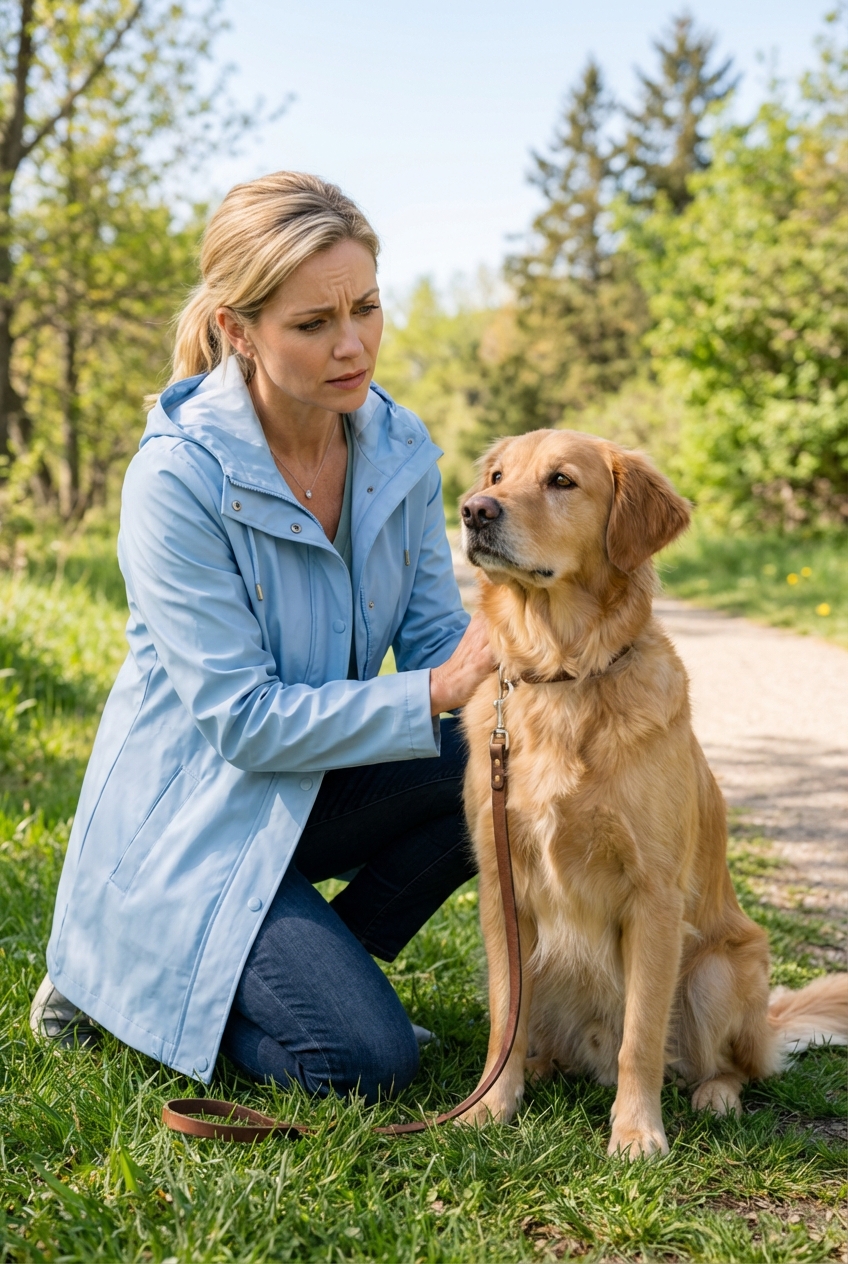
Seeing blood in your dog’s stool can stop you in your tracks. As a veterinary assistant here in Frisco, Texas, I want you to know two things can be true at once: it can be urgent, and it is also often treatable. The key is noticing the details, keeping your pup comfortable, and knowing when to contact your veterinarian.
This guide will help you understand what different kinds of blood can mean, common causes, what you can safely do at home, and a few training tips that can prevent repeat tummy trouble.
What blood in stool can look like
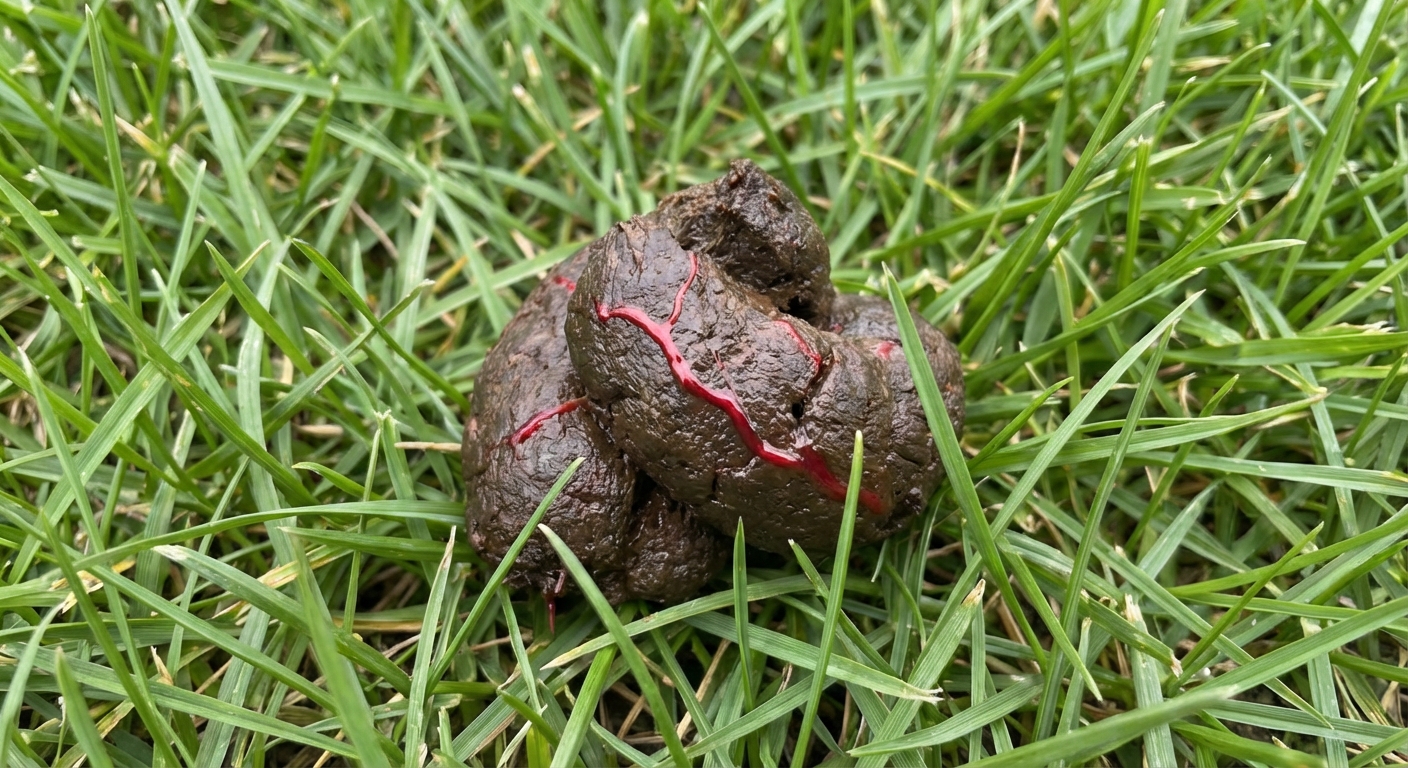
Blood may show up in a few distinct ways, and the appearance gives your vet important clues. One helpful rule of thumb: a small streak once in an otherwise normal stool is different from bloody diarrhea, which can dehydrate dogs quickly and needs faster guidance.
Bright red blood (hematochezia)
Bright red streaks, drops, or a red coating on poop usually means bleeding is coming from the lower digestive tract, like the colon or rectum. This can happen with diarrhea, straining, irritation, colitis, or (occasionally) anal gland or rectal issues.
Black, tarry stool (melena)
Black, sticky, tar-like stool can suggest digested blood from higher up in the digestive tract (stomach or small intestine). Melena is concerning and typically warrants prompt veterinary evaluation. Keep in mind that very dark stool can also be caused by non-blood sources like certain diets, charcoal, or products containing iron or bismuth, but it should still be assessed by a veterinarian.
Blood plus mucus
Mucus can look like shiny slime on the stool and often pairs with large-intestine inflammation (colitis). It can happen after diet changes, stress, parasites, or infection.
When it is an emergency
Please contact an emergency vet or your regular clinic right away if you notice any of these red flags:
- Black, tarry stool (melena)
- Large amounts of bright red blood, bloody diarrhea, or blood that keeps appearing
- Vomiting (especially if it contains blood or looks like coffee grounds)
- Weakness, collapse, pale gums, or a distended belly
- Repeated diarrhea that is watery or frequent, especially if it lasts more than 24 hours (often sooner in puppies and seniors)
- Suspected toxin exposure (rat bait, human medications like ibuprofen, grapes/raisins, etc.)
- A puppy, senior, or immunocompromised dog with any blood in stool
- Straining with little output, crying, or obvious abdominal pain
Trust your gut. If your dog is acting “off” along with blood in stool, it is better to call sooner rather than later.
Common causes of blood in dog stool
There are many possible causes. Some are mild and short-lived, while others need treatment quickly.
Diet slip-ups and sudden diet changes
One of the most common causes is a “kitchen scavenger moment” or a sudden switch in food or treats. Fatty foods, new chews, table scraps, or raiding the trash can irritate the gut and trigger diarrhea and colitis.
Stress colitis
Boarding, moving, thunderstorms, a new pet, or even a big holiday weekend can lead to large-bowel inflammation. Classic signs include frequent small poops, mucus, and bright red blood.
Parasites
Hookworms, whipworms, roundworms, coccidia, and giardia can all cause intestinal irritation and bleeding. Puppies are especially at risk. A fecal test is often needed because parasites are not always visible.
Bacterial or viral infections
Infections can trigger diarrhea with blood. Parvovirus is a major concern in unvaccinated or incompletely vaccinated puppies and can be life-threatening.
Hemorrhagic diarrhea syndrome (HDS/AHDS)
This is a common, distinct pattern where a dog develops sudden, very bloody watery diarrhea (often with vomiting) and can deteriorate quickly from dehydration. It can look dramatic. It is treatable, but it needs prompt veterinary care and close monitoring.
Anal gland or rectal irritation
Scooting, licking, straining, or a small amount of bright red blood on the outside of the stool can happen when the rectum is irritated, or when anal glands are impacted or infected. This is less common than colitis, but it can occur.
Constipation and straining
Hard stools can cause tiny tears and a small amount of fresh blood. This is still worth a vet call if it repeats, because chronic constipation has underlying causes.
Food sensitivities or inflammatory bowel disease (IBD)
Some dogs develop ongoing inflammation from diet-related triggers. You might see recurring soft stool, mucus, blood, gassiness, or skin and ear issues.
Pancreatitis
Often linked to fatty foods, pancreatitis more commonly causes vomiting, poor appetite, belly pain, and dehydration. It can also be associated with significant GI upset, and in severe cases you may see diarrhea that can include blood. It requires veterinary care.
Foreign body (swallowed object)
Socks, toys, bones, corn cobs, and parts of chews can injure or obstruct the intestines. Blood may appear along with vomiting, poor appetite, and pain.
Medications and toxins
Some medications, especially NSAIDs (like ibuprofen or naproxen, which should never be given without veterinary guidance), can cause GI ulceration. Rodenticide poisoning can also lead to bleeding issues.
More serious causes
Polyps, tumors, clotting disorders, and ulcers can cause blood in stool. These are less common, but important to rule out, especially in older dogs or when symptoms persist.
What you can do at home
If your dog is bright, alert, drinking, and the blood is small in amount, you can often provide gentle support while you contact your vet for guidance. Always follow your veterinarian’s instructions for your specific dog. Also, do not withhold food or water unless your veterinarian tells you to.
1) Take notes and a photo
- Was the blood bright red or black and tarry?
- Was it on the outside of the stool, mixed in, or dripping?
- Is this a one-time streak in formed stool, or bloody diarrhea?
- Any vomiting, lethargy, appetite changes, or straining?
- Any new treats, chews, table food, or trash access?
If you can, take a photo of the stool. It often speeds up answers.
2) Bring a stool sample (the right way)
If your clinic wants a sample, collect a fresh stool sample in a sealed bag or clean container. If you cannot get to the clinic within a couple of hours, refrigerate it (do not freeze). Wash your hands after handling stool, and keep it away from food prep areas. If your dog may have a contagious illness (like parvo) or your dog is having large-volume bloody diarrhea, call first so the clinic can guide you on the safest way to drop it off.
3) Prioritize hydration
Diarrhea can dehydrate dogs quickly. Encourage water intake. If your dog is not drinking well, seems weak, or cannot keep water down, that is a reason to seek care sooner.
4) Feed a bland diet short-term (with your vet’s okay)
Many vets recommend a short course of bland food for uncomplicated upset stomach. Common options include cooked, plain chicken breast or turkey with white rice. Some dogs do better on a veterinary gastrointestinal diet instead, especially if they have a history of food sensitivities.
Offer small, frequent meals. Avoid rich treats, bones, and fatty foods.
5) Do not give human medications
Please do not give Pepto-Bismol, ibuprofen, aspirin, or anti-diarrheal medications unless your vet specifically instructs you. Some can be unsafe in certain dogs, may interfere with tests (including making stool look darker), and others can mask symptoms your vet needs to see.
6) Ask about a vet-approved probiotic
Some veterinary probiotics can help with acute diarrhea, but the evidence is product and strain specific. In other words, not all probiotics are equal. Ask your veterinarian which product and dosing are appropriate for your dog.
What your veterinarian may recommend
Your vet’s plan depends on your dog’s age, history, and how sick they look. Common diagnostics and treatments include:
- Fecal testing for parasites and giardia
- Parvo testing in puppies or high-risk dogs
- Bloodwork to assess hydration, anemia, infection, and organ function
- X-rays or ultrasound if a foreign body, obstruction, or pancreatitis is suspected
- Deworming even if worms are not seen
- GI protectants and anti-nausea medications
- Fluids (subcutaneous or IV) if dehydrated
- Diet trial for suspected food sensitivity or IBD
Training tips to prevent repeats
Many cases of bloody stool are triggered by preventable “oops” moments. A little training and management goes a long way, especially for curious dogs who love to explore with their mouths.
Teach “Leave it”
This cue can prevent your dog from grabbing chicken bones, spoiled food, mushrooms, or mystery items on walks.
- Start indoors with a low-value item in your closed hand.
- Reward when your dog looks away or backs off.
- Gradually practice with the item on the floor, then on walks.
Use “Drop it”
If your dog already has something, trading for a high-value treat is safer than chasing. Chasing can turn it into a game and increases the chance they swallow it fast.
Trash control is medical prevention
- Use a lidded, heavy trash can.
- Keep compost and grease containers behind closed doors.
- Pick up yard waste and fallen fruit promptly.
Help fast eaters slow down
Gulping can increase swallowed air and make some dogs more prone to regurgitation or vomiting, and it can contribute to GI upset in sensitive pups. Try a slow feeder bowl, puzzle toy, or scatter feeding in a safe area.
Build a predictable routine
Stress can show up in the colon. Regular meals, walks, and quiet rest periods help sensitive dogs. For anxious pups, ask your vet about behavior support and calming strategies.
Diet and care tips for a healthy gut
- Transition foods slowly over 7 to 10 days whenever possible.
- Keep treats simple and limit them to a small portion of daily calories.
- Stay current on parasite prevention year-round, especially in areas with warm weather.
- Schedule fecal checks as recommended by your veterinarian.
- Avoid risky chews that splinter or are easily swallowed in chunks.
If you are interested in adding fresh foods, do it gradually and thoughtfully. Whole-food toppers can be wonderful, but sudden changes can irritate the gut. When in doubt, ask your vet for a plan tailored to your dog’s age, size, and medical history.
Quick checklist for the vet
Having this information ready helps your clinic triage and advise you faster:
- Photo of the stool
- When it started and how many times it happened
- Bright red vs black and tarry (or very dark)
- Formed stool with a streak vs bloody diarrhea
- Vomiting, appetite, energy level, drinking, and urination changes
- Any new foods, treats, chews, or trash access
- Current medications and preventatives
- Vaccination status (especially for puppies)
The bottom line
Blood in your dog’s stool is always worth paying attention to. Sometimes it is as simple as mild colitis after a diet slip-up, and sometimes it is a sign of something more serious that needs prompt care. If you are unsure, call your veterinarian. You will never regret acting early when it comes to your dog’s comfort and safety.