Vet-assistant guide to supportive “caring food” for dog diarrhea: bland chicken and rice, pumpkin for fiber, probiotics, hydration, safe portions, and re...
Article
•
Designer Mixes
Blood in Dog Diarrhea

Shari Shidate
Designer Mixes contributor

Seeing blood in diarrhea can feel scary
When you notice blood in your dog’s diarrhea, it is completely normal to feel worried. As a veterinary assistant, I can tell you this: blood can come from something mild and temporary, but it can also be a sign of an emergency. The safest approach is to look at the details, check your dog’s overall condition, and act quickly when red flags are present.
This guide covers what blood in diarrhea can mean for puppies, adults, and seniors, what you can do at home, and when to call your veterinarian right away.
Note: This article cannot diagnose your dog. If you are worried, trust your instincts and call your veterinarian.
What the blood can look like
Bright red blood (fresh blood)
Bright red streaks, drops, or mucus with blood usually suggest bleeding in the lower intestinal tract, like the colon or rectum. This is often called hematochezia. You may also see straining, urgency, or frequent small amounts of diarrhea.
Black, tarry stool (digested blood)
Black stool that looks sticky or tar-like can indicate digested blood from higher in the GI tract. This is called melena and is more concerning because it can be associated with ulcers, bleeding disorders, or internal bleeding.
One important caveat: some medications and supplements can also darken stool (for example, iron supplements or bismuth products). If your dog has had anything like that recently, tell your vet so they can interpret the color correctly.
"Raspberry jam" diarrhea
Large amounts of red, watery diarrhea can look like raspberry jam. This is a descriptive term (not a diagnosis) and signals severe intestinal inflammation. It can be seen with emergencies such as parvovirus in puppies or acute hemorrhagic diarrhea syndrome (AHDS, sometimes called HGE), but other serious intestinal problems can look similar.
Common causes
There are many possible causes, ranging from simple diet issues to serious illness. These are some of the most common causes veterinarians consider:
- Dietary indiscretion: eating trash, greasy food, table scraps, new treats, or chewing objects
- Sudden diet change: switching foods too fast can irritate the gut
- Stress colitis: boarding, travel, new pets, storms, schedule changes
- Parasites: hookworms, whipworms, roundworms, Giardia, coccidia
- Infections: bacterial or viral causes, including parvovirus in unvaccinated puppies
- Inflammatory bowel disease: chronic inflammation, often with recurring symptoms
- Food sensitivities or allergies: may include itchiness, ear infections, or recurrent GI upset
- Pancreatitis: often linked to fatty meals, can cause vomiting and pain
- Foreign body: swallowed toys, bones, corn cobs, fabric, sticks
- Bleeding disorders or toxin exposure: rodenticide is a major concern
- Cancer: more common in seniors, sometimes with weight loss or appetite changes
Age considerations
Puppies
Puppies can go downhill quickly because they dehydrate faster and have less reserve. If a puppy has diarrhea with blood, we worry about parvovirus, heavy parasite loads, dietary changes, or ingestion of something unsafe.
- Go to the vet the same day if your puppy has blood in diarrhea, vomiting, lethargy, refuses food, or is not fully vaccinated.
- If you suspect parvo or your puppy is unvaccinated, treat it as urgent.
Adult dogs
Adults most commonly develop bloody diarrhea from diet mistakes, stress colitis, parasites, or infections. Many cases improve with prompt supportive care, but do not assume it is "just something they ate" if your dog seems unwell.
Senior dogs
In seniors, we have a wider list of concerns: chronic inflammation, liver or kidney disease, medication side effects, ulcers, tumors, or clotting issues. Even a small amount of blood can matter more in an older dog, especially if appetite and energy are changing.
When it is an emergency
Contact your veterinarian or an emergency clinic right away if you notice any of the following:
- Black, tarry stool
- Large amounts of blood or rapidly worsening diarrhea
- Vomiting, especially repeated vomiting or vomiting blood
- Weakness, collapse, pale gums, or rapid breathing
- Severe lethargy or your dog seems "not themselves"
- Abdominal pain: hunched posture, crying, guarding the belly
- Dehydration: tacky gums, sunken eyes, or skin tenting (this can be a sign, but it is less reliable in older dogs or overweight dogs)
- Puppy, unvaccinated dog, or known exposure to sick dogs
- Suspected toxin exposure, especially rodenticide
- Underlying health issues like kidney disease, liver disease, diabetes, Addison’s disease
If you are on the fence, do not delay care. Veterinary teams would much rather help early than see a pet in crisis later.
What you can do at home
Step 1: Gather key details
- Take a photo of the stool (this really helps).
- Note the frequency and approximate amount of blood.
- Write down any diet changes, new treats, chews, trash access, travel, boarding, dog park visits.
- Check for vomiting, appetite changes, energy level, and whether your dog is drinking.
- List any medications and supplements your dog has had recently, especially NSAIDs (like carprofen), steroids, iron supplements, or bismuth products.
Step 2: Focus on hydration
Diarrhea causes fluid loss. Offer fresh water. If your dog will not drink or cannot keep water down, that is a reason to seek urgent care.
Step 3: Avoid human medications unless your vet instructs you
Medications like ibuprofen and naproxen can be dangerous in dogs. Some products, including bismuth (for example, Pepto-Bismol), may be used in limited cases under veterinary direction, but they carry risks and can turn stool black, making it harder to tell what is going on. Always check first.
Step 4: Feeding changes only if your dog is stable
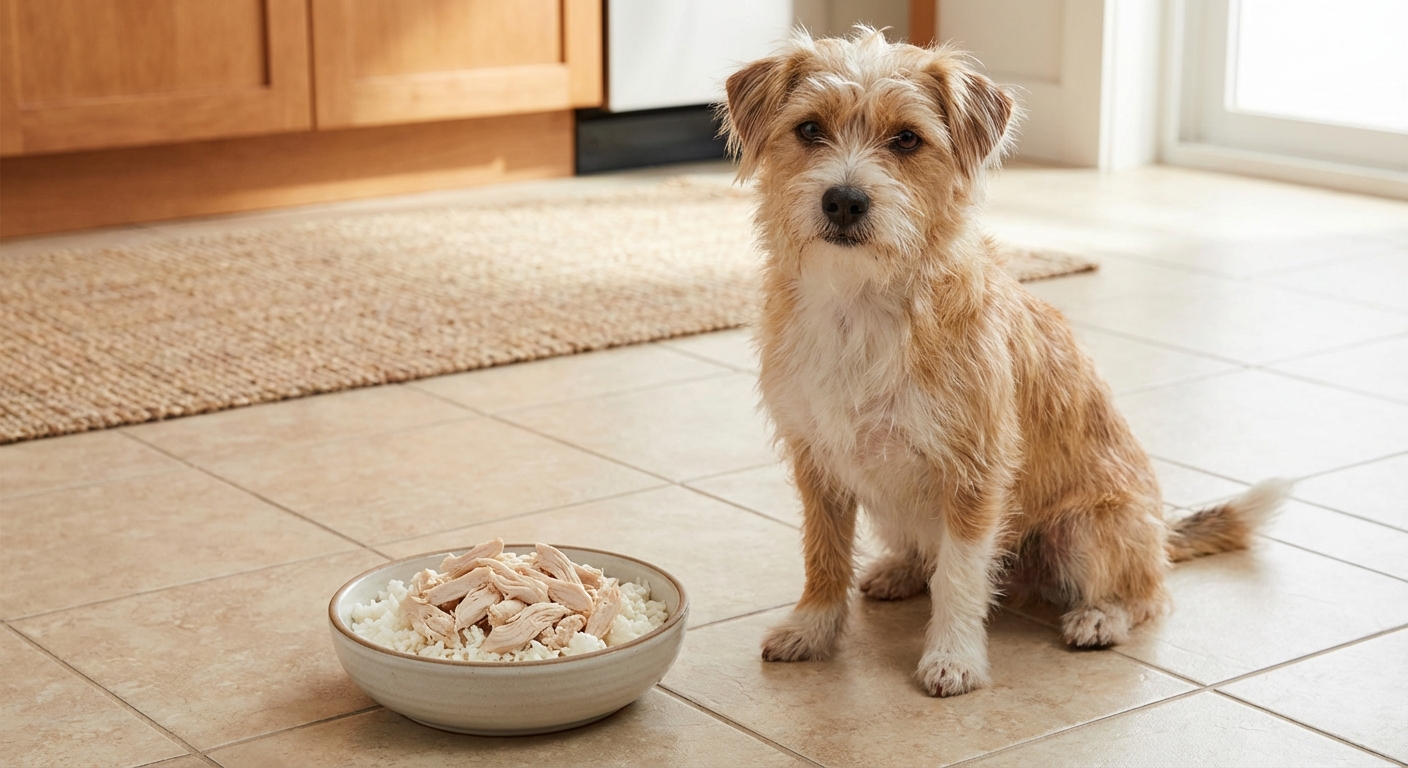
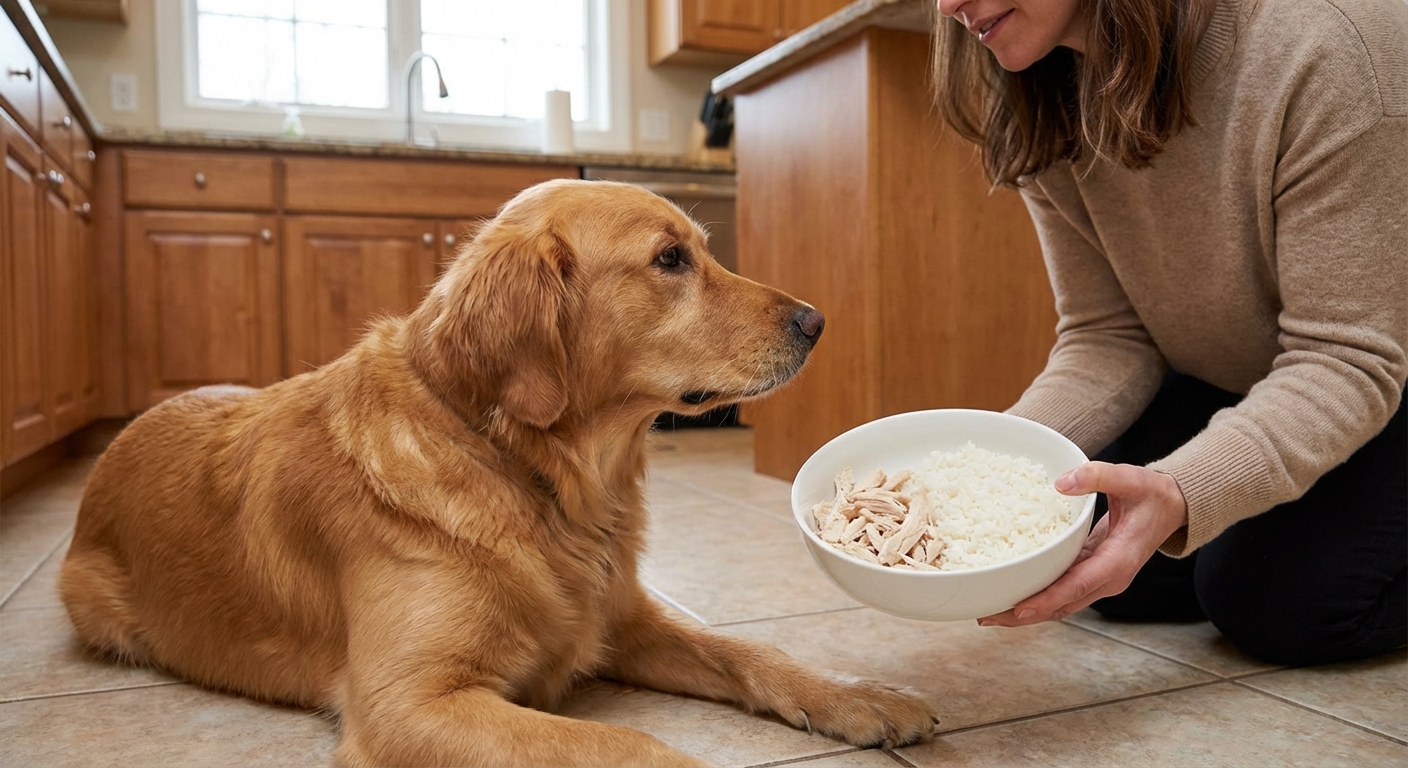
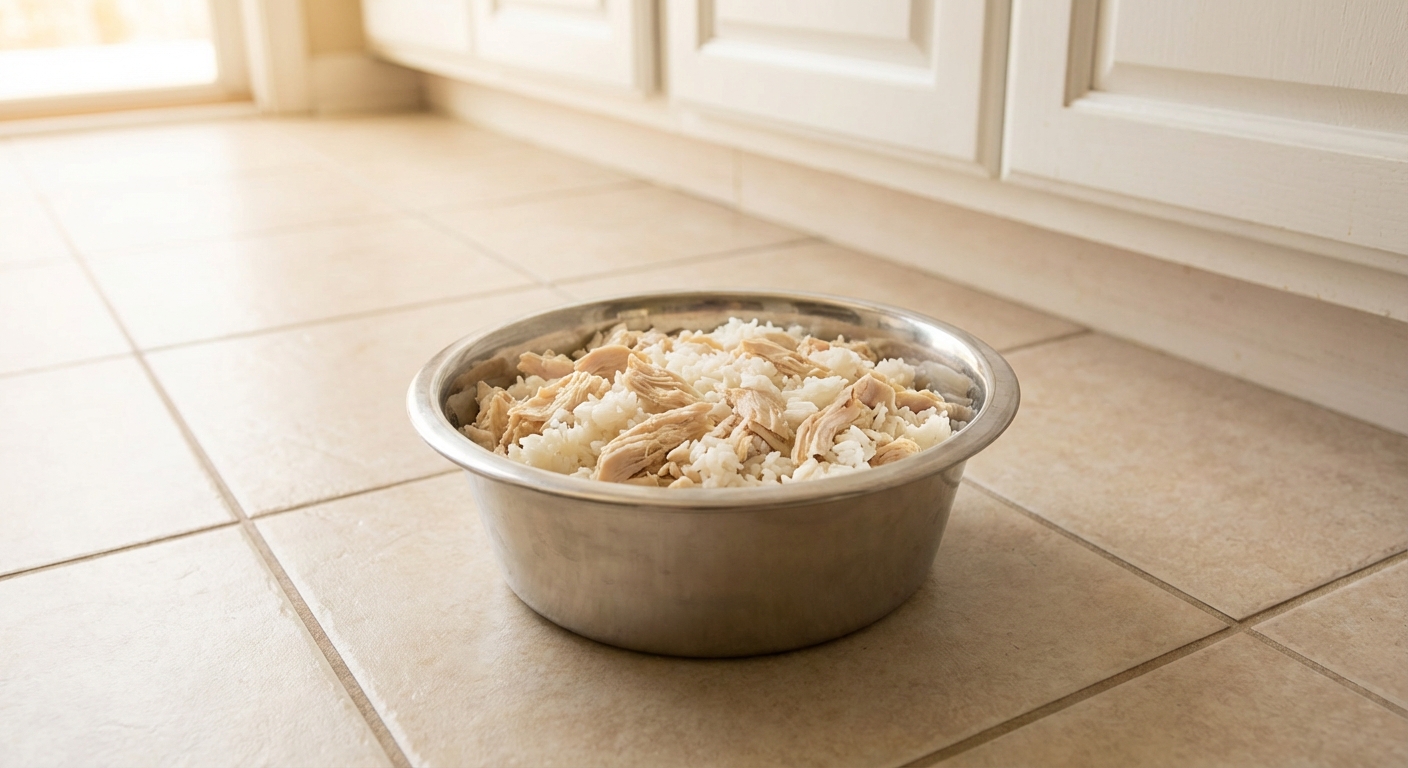
If your dog is bright, alert, drinking, and only has a small amount of bright red blood, your veterinarian may recommend a short bland diet. Common options include plain cooked chicken breast and white rice, or a vet-approved GI diet. Keep portions small and frequent.
Some vets may also recommend a brief break from food for certain stable adult dogs, but this should be vet-guided. It is not a good idea for puppies, very small dogs, dogs with diabetes, or any dog that is weak, vomiting, or acting painful.
Important: If your dog has pancreatitis risk, is vomiting, or seems painful, do not start home feeding plans without veterinary guidance.
What your veterinarian may do
Testing and treatment depend on your dog’s age, symptoms, and exam findings. Common next steps include:
- Fecal testing for parasites and Giardia
- Parvovirus test for puppies or high-risk cases
- Bloodwork to assess dehydration, infection, organ function, anemia, clotting concerns
- X-rays or ultrasound if foreign body, pancreatitis, or other abdominal disease is suspected
- Fluids (subcutaneous or IV) for dehydration
- Probiotics or GI protectants
- Deworming when parasites are suspected or confirmed
- Antibiotics only when indicated (not every diarrhea case needs them)
- Prescription GI diet for gut rest and recovery
If your vet mentions AHDS, that is the term often used for sudden, severe bloody diarrhea in dogs that can look dramatic. It requires an exam and sometimes hospitalization to manage dehydration and protect against complications.
How to reduce the risk
- Transition foods slowly over 7 to 10 days.
- Stay consistent with parasite prevention and follow your vet’s fecal testing schedule.
- Prevent scavenging by using a leash, training "leave it," and securing trash.
- Limit rich, fatty foods, especially around holidays.
- Support gut health with vet-approved probiotics when needed.
- Keep vaccinations current, especially parvo prevention for puppies.
When it comes to bloody diarrhea, your dog’s overall behavior is a huge clue. A small streak of bright red blood in an otherwise happy dog is very different from a quiet dog who will not eat, will not drink, or keeps vomiting.
Quick checklist before you call
Having these answers ready can speed up triage:
- How old is your dog and what is their approximate weight?
- Bright red blood or black stool?
- Any vomiting, weakness, or collapse?
- How many episodes in the last 6 to 12 hours?
- Any diet changes, trash, bones, new treats, or possible toxins?
- Vaccination status (especially puppies) and parasite prevention status
- Current medications and supplements (especially NSAIDs or steroids)