Vet-informed guide to blood in cat poop: what bright red vs black stool can mean, common causes in kittens/adults/seniors, safe home care, and when to seek e...
Article
•
Designer Mixes
Blood in Cat’s Poop: Insights and Help

Shari Shidate
Designer Mixes contributor
Seeing blood in your cat’s poop can be scary. Take a deep breath: sometimes it is something mild like irritation from constipation, but it can also be a sign of infection, parasites, inflammation, or other problems that need prompt veterinary care.
As a veterinary assistant, I always tell pet parents the same thing: blood is a symptom, not a diagnosis. Your job is to notice the details and keep your cat safe until you can get the right help.
What the blood can look like
Try to note the color, how much you see, and where it shows up. That information helps your veterinarian narrow down the source.
Bright red blood
- Usually from the lower GI tract (colon, rectum, anus).
- Often looks like red streaks on the outside of stool, or a few drops on the litter after your cat goes.
- May be linked to straining, constipation, diarrhea, colitis, parasites, or irritation around the rectum. Anal sac issues are possible in cats, but they are less common than in dogs.
Black, tarry stool (melena)
- Often suggests digested blood from higher up in the GI tract (stomach or small intestine).
- Can be more urgent because it may be tied to ulcers, bleeding disorders, toxins, or significant internal disease.
Quick note: Some things can change stool color without true bleeding. Iron supplements and bismuth products can darken stool, and some foods can cause red tinting. Still, do not guess. If you see black, tarry stool, call a vet right away. (The term “coffee-ground” is more often used to describe vomit that contains digested blood, not stool.)
Where you see the blood
- On the outside of a firm stool: often points to irritation near the end of the tract (rectum or anus), including constipation.
- Mixed into soft stool or diarrhea: more consistent with inflammation in the colon (colitis), parasites, or infection.
- Drops of blood after stool: can happen with rectal irritation, but it still deserves a call if it repeats.
Common causes
Here are some of the more frequent causes I see in clinic. Many overlap, so your vet may test for several at once.
1) Parasites
Intestinal parasites like roundworms, hookworms, whipworms (rare in cats), tapeworms, and Giardia can inflame the intestines and cause mucus and blood. Even indoor cats can get parasites, especially through fleas (tapeworm), contaminated material tracked inside, or new pet introductions.
2) Stress colitis
Yes, cats can have stress-related gut flares. Moving, new pets, new litter, schedule changes, and loud home projects can trigger colon inflammation leading to soft stool with mucus and bright red blood.
3) Constipation
Hard stool can cause small tears and irritation near the rectum. You may see bright red streaks and straining in the litter box. Dehydration, obesity, pain, and low-fiber diets are common contributors. In some cats, constipation can become severe (obstipation, or even megacolon), which requires veterinary treatment.
4) Diet changes or food sensitivity
Sudden diet switches can cause diarrhea and inflammation. Some cats also develop sensitivity to certain proteins or ingredients, leading to chronic soft stool, mucus, and occasional blood.
5) IBD
Inflammatory bowel disease (IBD) is a diagnosis vets consider when GI inflammation becomes chronic. Symptoms can include recurring diarrhea, vomiting, weight loss, decreased appetite, and intermittent blood or mucus.
6) Infectious enteritis and dysbiosis
Infectious enteritis (bacterial, viral, or protozoal causes) and intestinal dysbiosis can irritate the gut and lead to diarrhea, mucus, and sometimes blood. Definitive diagnosis often requires testing, such as fecal exams and, in some cases, PCR panels. Kittens, seniors, and immunocompromised cats can be more vulnerable.
7) Anal and rectal issues
Cats can have rectal inflammation, small wounds, or irritation around the anus that causes visible red blood. Anal sac disease can happen too, but it is less common than in dogs.
8) More serious causes
Polyps, tumors, clotting disorders, toxins, or significant GI disease can cause bleeding. These are not the most common, but they are why persistent bleeding should never be ignored.
When it is an emergency
Please contact an emergency vet right away if you notice any of the following:
- Black, tarry stool or large amounts of blood
- Lethargy, weakness, collapse, pale gums
- Repeated vomiting or vomiting blood
- Severe diarrhea, especially with dehydration
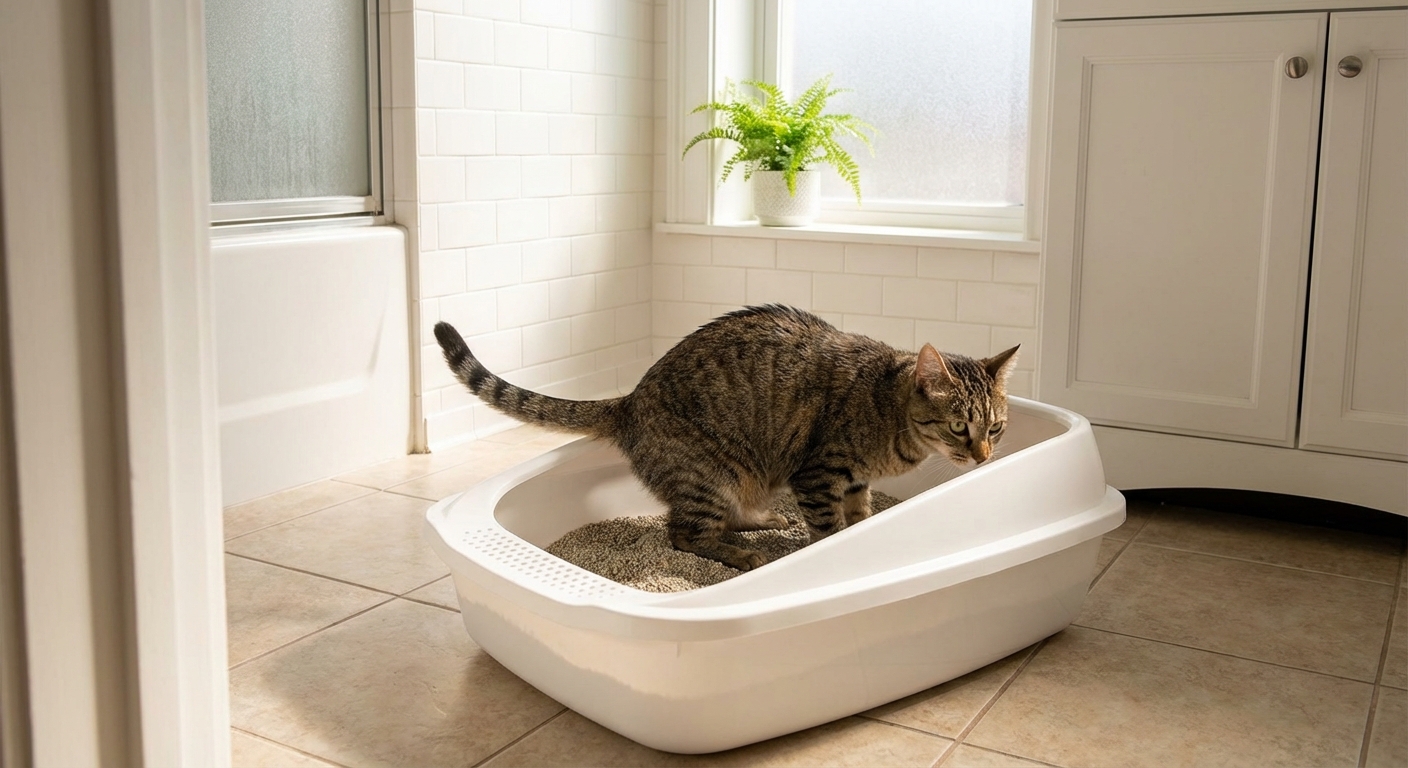
- Straining with little or no stool (possible obstruction or constipation crisis)
- Straining in the litter box that could be urine-related (cats with urinary blockage may strain, squat repeatedly, cry, or lick the genital area). This is a life-threatening emergency in male cats in particular.
- Kittens with diarrhea or blood (they can decline quickly)
- Known or possible exposure to any toxin (for example rat bait or human medications). Any toxin exposure warrants urgent veterinary advice, even if the signs are not just GI.
- Bleeding plus weight loss or refusal to eat for more than 24 hours
What you can do today
You do not need to diagnose the cause yourself. Focus on safe observation and supportive care while you arrange veterinary guidance.
1) Take a photo and note details
- Color of blood: bright red vs black and tarry
- Amount: streaks vs puddles
- Stool type: formed, soft, watery, mucus present
- Where blood appears: on the outside vs mixed in vs drops afterward
- Frequency: once vs recurring
- Any straining, crying, or litter box behavior changes
2) Check for other symptoms
- Appetite and water intake
- Energy level
- Vomiting
- Weight loss
- Hiding or behavior changes
3) Support hydration
Hydration supports gut health and helps prevent constipation. Offer fresh water, a pet fountain if your cat likes it, and consider adding wet food if your vet agrees.
4) Avoid DIY meds
Do not give human medications like ibuprofen, aspirin, or Pepto-Bismol unless your veterinarian specifically directs you. Many common products can be dangerous for cats.
5) Bring a stool sample
If possible, bring a fresh sample that is less than 24 hours old. Try to avoid litter contamination by collecting from a clean surface, using a disposable spoon, or using non-absorbent litter if your clinic recommends it. Place it in a clean container or sealed bag and refrigerate it if your appointment is later the same day or next day.
What your vet may do
Your vet will tailor diagnostics to your cat’s age, symptoms, and physical exam findings. Common next steps include:
- Fecal testing for parasites and protozoa
- Deworming (sometimes given even if parasites are not seen, depending on risk)
- Diet trial (highly digestible or novel protein diet)
- Probiotics formulated for cats
- Bloodwork to check organ function, inflammation, anemia, or clotting concerns
- Imaging (x-rays or ultrasound) if obstruction, constipation, masses, or chronic disease is suspected
- Additional fecal testing (such as PCR panels) if infectious causes are suspected
If the problem is mild and your cat is otherwise bright and eating, your vet may start with supportive care and monitoring. If it is ongoing, severe, or paired with red-flag symptoms, they will likely investigate more aggressively.
Prevention
- Parasite prevention year-round as recommended by your vet, especially flea control
- Slow diet transitions over 7 to 10 days
- More moisture in the diet for constipation-prone cats (ask your vet about wet food strategies)
- Stress reduction with predictable routines, safe hiding spots, and gradual introductions to change
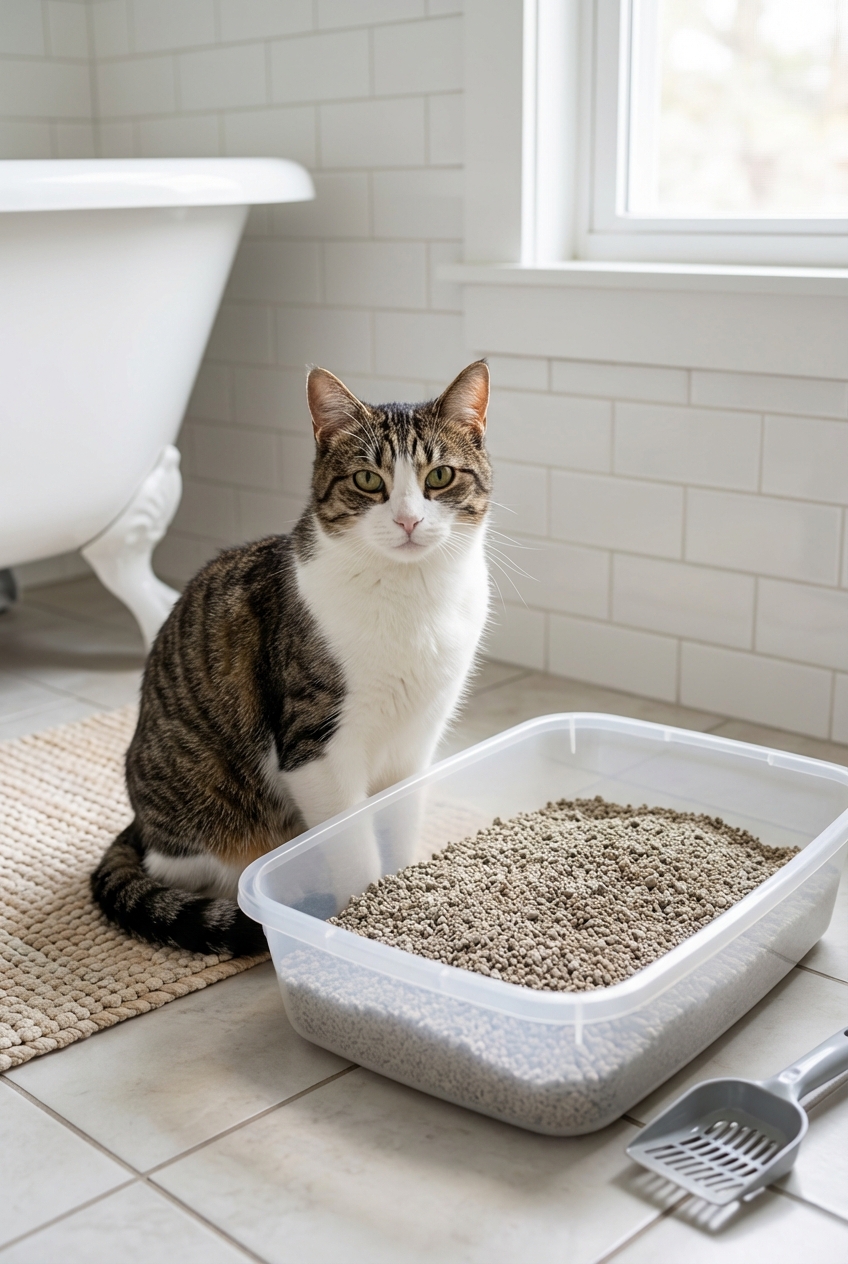
- Clean litter boxes so you can spot changes early and your cat feels comfortable eliminating
- Regular checkups, especially for seniors
If you only remember one thing: blood in stool is never “normal,” but it is often treatable when you act early and share good details with your veterinarian.
FAQ
Can a small streak of bright red blood be “okay”?
A tiny streak can happen from minor irritation, especially with constipation or a brief diarrhea episode. But it still deserves monitoring. If it happens more than once, or your cat seems unwell, contact your vet.
My cat seems fine. Do I still need to call the vet?
If you see blood, it is wise to call. Many clinics can advise whether to monitor at home, bring a stool sample, or schedule a visit based on your cat’s age and symptoms.
Does blood always mean parasites?
No. Parasites are common, but so are diet-related upset, constipation, stress colitis, and inflammatory conditions. That is why testing matters.
My cat is straining. Is that always constipation?
No. Straining can look similar whether a cat is trying to poop or trying to pee. If your cat is making frequent trips, producing little to no urine, crying, or acting painful, treat it as an emergency and seek care immediately.