Not sure if your cat has a UTI, cystitis, crystals, or a blockage? Learn key symptoms, emergency red flags, what the vet may do, and gentle home care plus li...
Article
•
Designer Mixes
Blood in Cat Urine: Causes and When It’s an Emergency

Shari Shidate
Designer Mixes contributor
Seeing blood in your cat’s urine can be scary, and I want you to know two things right away. First, blood in urine (hematuria) is not considered normal and should be checked out. Second, many causes are very treatable, especially when you act quickly.
As a veterinary assistant, I always tell families this: if your cat is trying to urinate and little or nothing is coming out, treat it like an emergency, especially for male cats. A urinary blockage can become life-threatening fast.
What blood in urine can look like
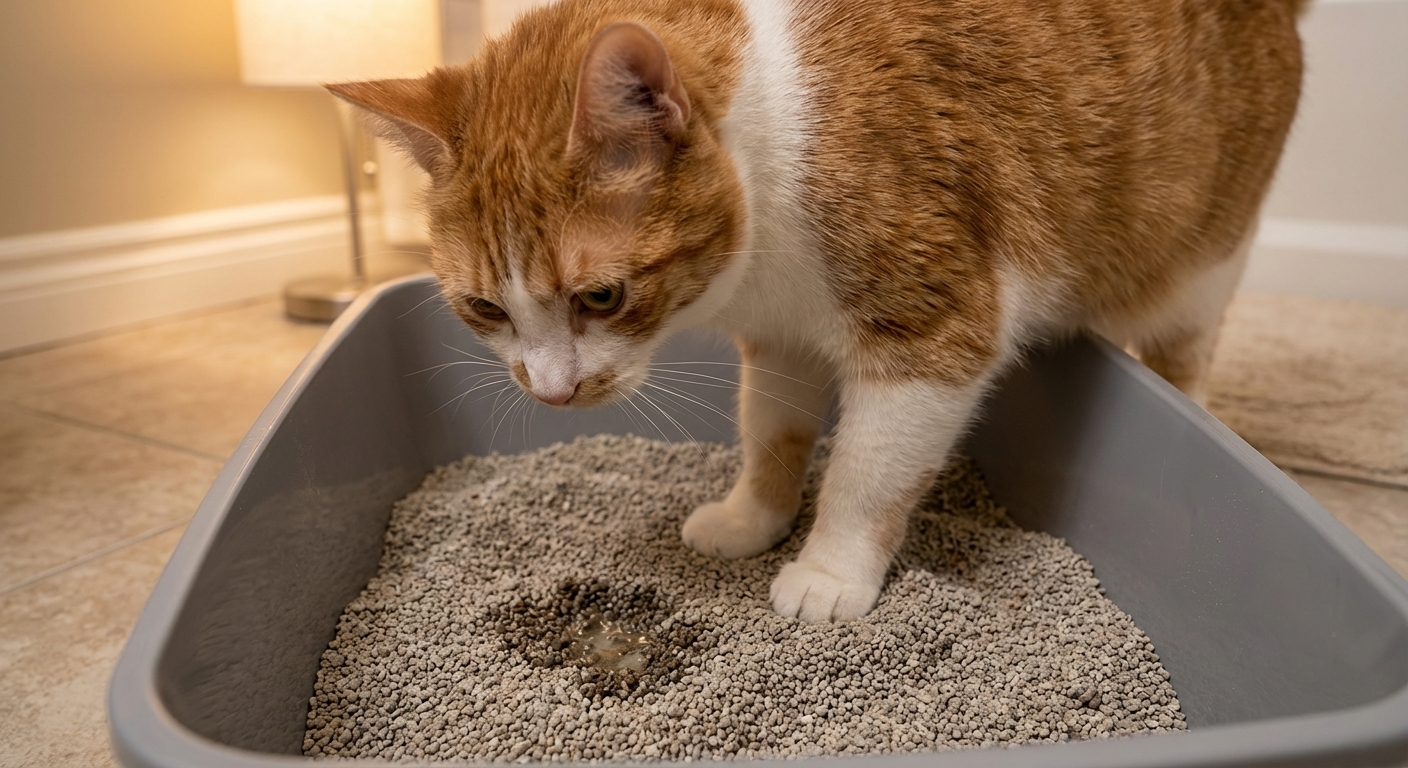
Hematuria is not always bright red. Sometimes it is subtle and mixed into the urine. You might notice it on light-colored litter, puppy pads, or the floor.
Quick guide: urine color
- Normal: pale yellow to amber.
- Very diluted: almost clear. This can be seen with high water intake and some medical issues that affect urine concentration (for example diabetes, hyperthyroidism, certain kidney problems, and some medications). It is not the same as blood, but it is still worth mentioning to your vet.
- Pink-tinged: a small amount of blood mixed with urine.
- Red: more significant bleeding, often from bladder inflammation, stones, infection, or trauma.
- Brown, tea-colored, or cola-colored: can be from blood breakdown products or other pigments. Sometimes this is not true “blood from the bladder” at all (for example hemoglobin or muscle pigment). This needs prompt veterinary attention.
- Cloudy urine: may suggest crystals, inflammation, debris, or infection.
If you are unsure, try to get a quick photo of the urine spot and bring it to your appointment. It can help your veterinarian triage urgency.

Common causes of blood in cat urine
Blood can come from anywhere along the urinary tract, including the kidneys, ureters, bladder, or urethra. Below are the most common causes we see in clinics.
FLUTD and FIC
FLUTD is a broad term for conditions affecting the bladder and urethra. A very common cause is FIC, which is bladder inflammation with no single clear cause found.
FIC is often associated with stress, indoor lifestyle changes, multi-cat tension, low water intake, and sometimes diet. Some stressors are not obvious. Examples include a stray cat outside the window, construction noise, changes in your schedule, rearranging furniture, switching litter brands, moving the litter box, or even a new scent in the home.
You may see frequent trips to the litter box, straining, crying out, licking the genital area, and small urine spots.
Urinary tract infection (UTI)
UTIs happen in cats, but they are less common in young, otherwise healthy cats than many people assume. They are more common in older cats and cats with other conditions like chronic kidney disease or diabetes.
Typical signs include blood in urine, frequent urination, discomfort, and sometimes accidents outside the litter box. Urine odor can change, but odor alone is not a reliable way to diagnose a UTI.
Bladder stones and urinary crystals
Stones (uroliths) and crystals can irritate the bladder lining and cause bleeding. In some cases, crystals or small stones contribute to a urethral plug that can cause a blockage, especially in male cats.
It is also worth knowing that crystals seen on a urinalysis do not always mean stones, and they do not always explain symptoms by themselves. Your vet will interpret results alongside your cat’s exam and history.
Depending on the stone type, treatment might include a prescription diet to dissolve certain stones, pain control, increased water intake, or a procedure to remove stones.
Urethral obstruction (emergency)
Male cats have a narrower urethra, so inflammation, mucus, crystals, or a small stone can block urine flow. When urine cannot pass, toxins and potassium build up in the body. This can lead to fatal kidney failure or cardiac arrest in as little as 24 to 48 hours without emergency care.
This is the biggest do not wait situation when blood in urine is present with straining.
Kidney disease or kidney infection
Problems higher up in the urinary tract, including chronic kidney disease, kidney infections (pyelonephritis), or kidney stones, can sometimes cause blood in urine. You may also see increased drinking, increased urination, appetite changes, weight loss, or vomiting.
Cancer or masses
Bladder tumors are less common than inflammation or stones, but they can cause blood in urine and straining. Persistent symptoms that keep returning, especially in older cats, should be investigated with imaging.
Trauma, toxins, and medications
Falls, being hit by a car, bites, or other trauma can cause bleeding. Certain toxins that affect clotting, and some medications, can also contribute. Always tell your vet about anything your cat could have accessed, including human medications.
Look-alikes
Blood in the litter box is not always from urine. Vaginal bleeding (in intact females), diarrhea with blood, or bleeding from around the anus can sometimes be mistaken for urinary blood. If you are not sure, your vet can help sort it out quickly with an exam and a urinalysis.
Emergency or appointment?
Go to an emergency vet now
- Straining to urinate with little or no urine produced (especially male cats).
- Repeated trips to the litter box with only tiny drops.
- Crying out, severe agitation, or obvious pain.
- A firm, painful, or distended belly (this can happen with obstruction, but it is not always present).
- Vomiting, extreme lethargy, collapse, or hiding and unresponsiveness.
- Blood in urine plus pale gums, trouble breathing, or signs of shock.
- Known or suspected toxin exposure or major trauma.
Important: A blocked cat may still pass a few drops early on, which can fool you into thinking they are not blocked. If your cat is straining repeatedly, treat it as urgent until proven otherwise.
Also, cats who are straining may look constipated. If you are seeing repeated straining and you cannot confirm urine is coming out, assume it could be urinary and seek urgent care.
See your vet within 24 to 48 hours
- Blood-tinged urine but your cat is still urinating a normal amount.
- Mild increase in frequency without obvious distress.
- New litter box accidents, especially paired with frequent urination.
- Increased licking of the genital area.
Monitor closely while you call your vet
- A single small pink spot with normal behavior, normal urination, and no straining.
- A recent stressor (new pet, move, schedule change) and mild urinary signs.
Even in these “monitor” situations, I still recommend calling your veterinarian the same day. Urinary problems can escalate quickly in cats.
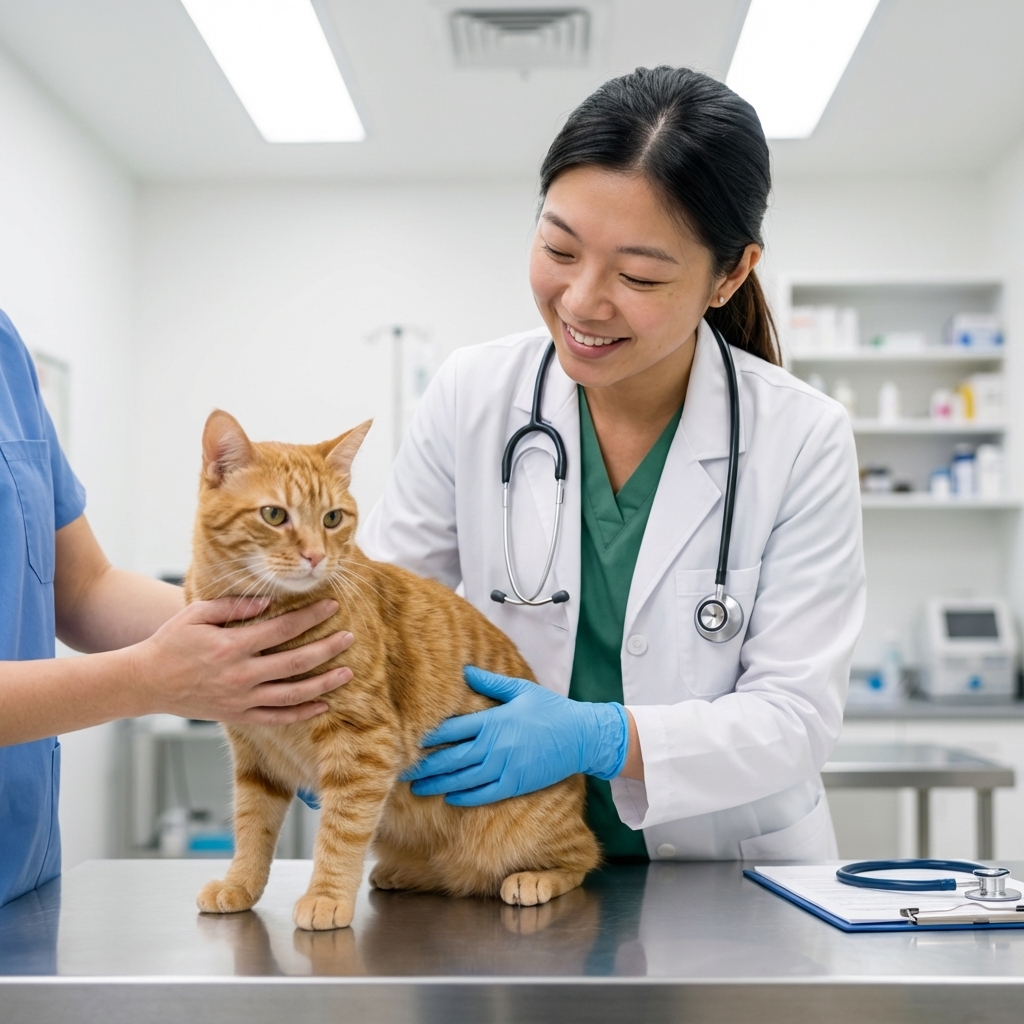
First steps at home
When you notice blood in your cat’s urine, your goal is to keep your cat safe and help your veterinary team get answers fast.
- Confirm output: Are they producing urine? If you are unsure, use a clean, empty litter box or confine your cat briefly to a bathroom with a box so you can observe.
- Do not give human pain medication: Common over-the-counter meds like ibuprofen, naproxen, and acetaminophen can be toxic to cats.
- Do not try to express the bladder at home: If your cat is obstructed, squeezing the abdomen can cause serious injury, including bladder rupture.
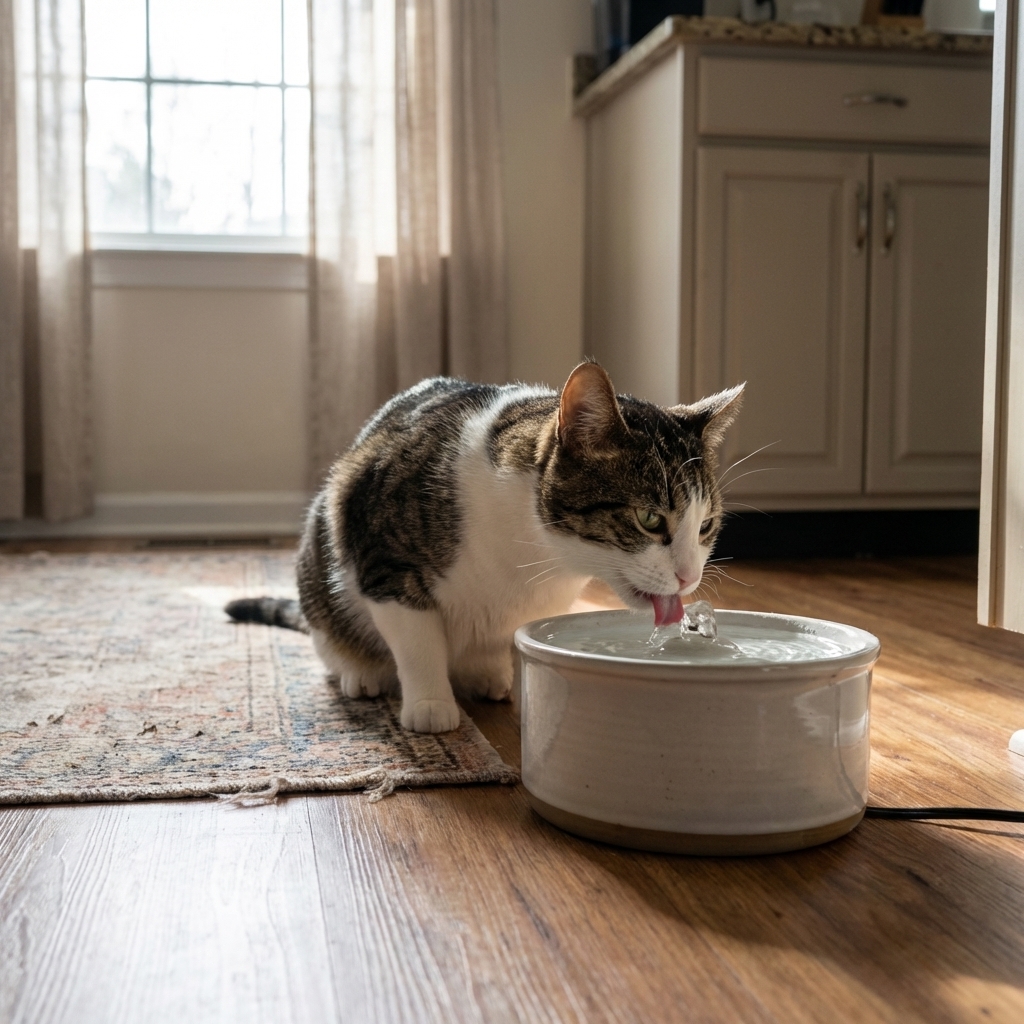
- Encourage water intake: Offer fresh bowls, a pet fountain, or a small amount of water added to wet food. Hydration supports the bladder but does not replace medical care.
- Reduce stress: Keep things quiet, limit chasing or handling, and separate from other pets if tensions are high.
- Collect a urine sample (only if your cat is comfortable): Use non-absorbent litter or a clean container. If your cat is stressed or painful, skip this and focus on getting to the vet.
- Write down details: When it started, frequency of litter trips, any vomiting, appetite changes, diet changes, new stressors, and whether your cat is male or female.
If your cat might be blocked, do not wait to see if it passes. Seek emergency care immediately.
Male vs. female cats
Both male and female cats can get UTIs, bladder inflammation, and stones. The difference is anatomy.
- Male cats: narrower urethra, much higher risk of a complete blockage. This is the classic life-threatening scenario.
- Female cats: can still have serious urinary disease and pain, but complete obstruction is less common. They still need prompt care when blood is present.
Bottom line: blood in urine is concerning in any cat, but straining in a male cat is an emergency until proven otherwise.
What your veterinarian may do
Veterinary teams usually approach hematuria by confirming where the blood is coming from and why.
Common diagnostics
- Physical exam: including abdominal palpation of the bladder.
- Urinalysis: checks for blood, crystals, infection indicators, urine concentration, and pH.
- Urine culture: confirms infection and the right antibiotic when needed.
- Imaging: X-rays or ultrasound to look for stones, thickened bladder wall, masses, or kidney issues.
- Bloodwork: especially if your cat is sick, older, or possibly blocked.
Common treatments
- Pain control and anti-inflammatory medication prescribed for cats.
- Antibiotics only when infection is confirmed or strongly suspected.
- Prescription urinary diets for crystal management or stone dissolution when appropriate.
- Fluids and hospitalization for dehydration, kidney involvement, or obstruction.
- Urinary catheterization for blocked cats, sometimes followed by monitoring for re-blocking.
How to help prevent flare-ups
Not every case is preventable, but you can stack the odds in your cat’s favor, especially for cats prone to FLUTD or FIC.
- Increase water intake: wet food, fountains, extra water bowls, and water mixed into meals.
- Keep litter boxes appealing: one box per cat plus one extra, scooped daily, in quiet locations. Avoid sudden changes in litter type when possible.
- Reduce stress: predictable routines, enrichment, vertical spaces, hiding spots, and gradual introductions for new pets. If your cat is triggered by outdoor cats, consider window film or blocking that view.
- Discuss diet with your vet: urinary health diets can be very effective for some cats. Avoid frequent diet switching unless advised.
- Watch body weight: overweight cats have higher risk for urinary issues. Ask your vet for a safe weight plan.
If your cat has repeat episodes, ask your veterinarian about a long-term FLUTD plan tailored to your home and your cat’s triggers.
When in doubt, call
Blood in cat urine is one of those symptoms where it is always better to ask sooner. If you are debating whether your cat is truly producing urine, or if your cat seems painful, err on the side of urgent care.
If your cat is straining and not passing urine, go to an emergency vet right away. This is especially critical for male cats.
When you call your veterinary clinic or emergency hospital, be ready to share your cat’s age, sex, how much urine (if any) is coming out, how often they are trying, and any other symptoms like vomiting or lethargy. Those details can help them guide you to the right level of care.